
百度

Search documents
国际投行“集体投票”中国股票估值优势尽显
Zheng Quan Ri Bao· 2025-09-21 15:40
Group 1 - Major investment banks such as Goldman Sachs, Citigroup, and Jefferies have raised target prices for Chinese stocks like Alibaba, Tencent, and Baidu, indicating strong international capital confidence in the Chinese market [1][2] - Supportive government policies have provided a solid foundation for corporate development, including initiatives to promote healthy capital market growth and optimize the competitive environment for businesses [1] - The Chinese government has increased support for high-tech industries, particularly in AI and semiconductors, creating a favorable environment for technological innovation and long-term corporate growth [1] Group 2 - The fundamental improvement of companies, particularly in the AI sector, is a key reason for attracting international investment banks [2] - Alibaba's stock target price was raised by Goldman Sachs from $163 to $179, driven by an upward revision of growth assumptions for Alibaba Cloud [2] - Baidu's target price was significantly increased by Jefferies from $108 to $157 due to its strong performance in AI, while Tencent's target price was set at HKD 735 based on its expected monetization of AI capabilities [2] Group 3 - The Chinese stock market's significant valuation advantage attracts international capital, with the rolling P/E ratio of the CSI 300 index at approximately 13.08, compared to the S&P 500 [3] - The recent increase in target prices by international investment banks boosts market confidence, leading to accelerated capital inflows into the Chinese stock market [3] - In August, China experienced a net inflow of $3.2 billion in cross-border funds, indicating a positive trend in foreign investment in domestic stocks and bonds [3]
中概股回归有望加速
Zheng Quan Ri Bao· 2025-09-21 15:37
Group 1 - The Hong Kong government is taking steps to support the return of Chinese concept stocks (Chinext stocks) to the Hong Kong market, including optimizing the "dual-class share" listing regulations [1][4] - As of September 21, there are 412 Chinese concept stocks with a total market capitalization of approximately $1.34 trillion, with 339 of these listed on NASDAQ [2] - 15% of top-quality Chinese concept stocks account for over 90% of the total market value of all Chinese concept stocks, indicating a strong potential for these companies to list in Hong Kong [2] Group 2 - The NASDAQ has tightened its IPO and delisting policies, which may accelerate the return of Chinese concept stocks to Hong Kong [2] - The Hong Kong stock market has seen significant improvements in liquidity, exemplified by the successful listing of Hesai Technology, which raised approximately HKD 4.16 billion [3] - The Hong Kong Stock Exchange has implemented various reforms to create a favorable environment for the return of Chinese concept stocks, including a dedicated "Tech Company" channel for consultations [4] Group 3 - The optimization of the "dual-class share" system is expected to create a more friendly and competitive listing environment for Chinese concept stocks [4][5] - The return of Chinese concept stocks is anticipated to follow four main pathways: secondary listings, privatization followed by relisting, spin-off listings, and direct applications for dual primary listings [5] - The return of these stocks is projected to enhance the vitality and scale of the Hong Kong market, with estimates suggesting that 27 Chinese concept stocks could return, representing a total market value exceeding HKD 1.4 trillion [5]
短期科技承压,市场震荡中低位蓝筹配置窗口逐步打开
Haitong Securities International· 2025-09-21 08:03
Group 1 - The report indicates that A-shares are expected to consolidate to digest previous gains, while Hong Kong stocks may continue to benefit from positive sentiment following the Fed's rate cut [1][7] - Following the Fed's 25 basis point cut on September 17, the dollar rebounded, gold prices fell, and emerging markets experienced a retreat [1][7] - The Shanghai Composite Index fell by 1.3%, while the ChiNext Index rose by 2.3% after an initial spike and pullback [1][7] Group 2 - The report highlights a relatively positive tone from the recent U.S.-China presidential phone call, with a meeting scheduled for the APEC summit in late October [2][8] - However, no substantial breakthroughs were made on critical issues such as fentanyl and tariffs, suggesting that the bilateral relationship will likely remain stable in the near term [2][8] - The next catalysts for the Chinese market are expected to come from domestic policy, particularly the drafting of the 15th Five-Year Plan focusing on new energy vehicles and advanced manufacturing [2][8] Group 3 - A-shares have shown volatility with active fund flows and sector rotations, particularly in technology and financial sectors [3][9] - The financial sector has continued to lag, impacting the overall index, while coal and other lagging sectors have shown gains [3][10] - Daily trading volume remained high at RMB 2.5 trillion, indicating active market participation [3][11] Group 4 - In Hong Kong, market sentiment remained strong, driven by significant gains in Alibaba and Baidu due to advancements in AI technology [4][12] - However, currency fluctuations have started to exert pressure on the market, with the AH premium index declining to 117 [4][13] - Southbound capital inflows decreased to HKD 36.9 billion, with notable investments in Alibaba and Meituan, while Tencent and Xiaomi experienced outflows [4][13] Group 5 - The report suggests that Hong Kong equities may enter a consolidation phase alongside A-shares, with technology facing short-term pressure [4][14] - Non-bank financials, after significant corrections, are now viewed as attractive investment opportunities [4][14] - There is increasing interest in property and consumption-related sectors, as well as themes related to anti-involution [4][14]
香港自动驾驶驶入快车道,百度为何备受青睐?
Zhong Guo Qi Che Bao Wang· 2025-09-20 02:20
Core Insights - The Hong Kong government is accelerating the development of autonomous driving, aiming for unmanned and large-scale operations, which has positively impacted Baidu's stock performance [3][10] - Baidu's autonomous driving service, "Apollo Go," has expanded its testing in Hong Kong, achieving over 20,000 kilometers of safety testing mileage [5][6] - The company is leveraging its extensive experience and technological advancements to navigate Hong Kong's complex road conditions, positioning itself for global expansion in right-hand drive markets [6][7] Company Developments - Baidu's stock surged by 16% following the announcement of the Hong Kong government's support for autonomous driving, with a year-to-date increase of nearly 60% [3][10] - The company has received the first pilot license for autonomous vehicles in Hong Kong and has expanded testing from the airport area to more complex urban environments [5][6] - Baidu's Apollo division has the largest number of high-level autonomous driving patents globally and has accumulated over 200 million kilometers of safety testing mileage [5][6] Market Context - The global competition in autonomous driving technology is intensifying, with various countries actively promoting regulations to facilitate the deployment of autonomous vehicles [10][11] - Hong Kong's collaboration with Baidu aims to enhance its smart city initiatives and establish a foothold in the autonomous driving sector [7][10] - International investment banks have raised their target prices for Baidu, reflecting growing confidence in its AI and autonomous driving business [10][11]


再看“寒王”:寒武纪业绩说明会说明了什么?
经济观察报· 2025-09-19 12:08
Core Viewpoint - The article highlights the contrasting dynamics between the soaring stock price of Cambricon (寒武纪) and the management's reluctance to provide clear timelines on product iterations, raising concerns among investors about the company's future competitiveness [1][3]. Financial Performance - Cambricon reported a significant revenue increase of 4,347.82% year-on-year, achieving 2.881 billion yuan in the first half of 2025, and a net profit of 1.038 billion yuan, marking a turnaround from a loss of 530 million yuan in the same period last year [5]. - The company reached a quarterly profitability milestone in Q4 2024, with net profits of 355 million yuan and 683 million yuan in Q1 and Q2 of 2025, respectively [5]. - The substantial growth in "contract liabilities" from 142,000 yuan to 54.3 million yuan indicates strong pre-sales and customer confidence in future product offerings [6]. Market Environment - The demand for AI computing power in China is expected to grow from approximately 19 billion USD in 2024 to 55.2 billion USD by 2028, creating a favorable market environment for AI chip manufacturers [6]. - The tightening of U.S. export controls on high-end AI chips has prompted Chinese companies to seek domestic suppliers, enhancing the market opportunities for Cambricon [7][8]. Competitive Landscape - Cambricon's main competitors in the AI chip market include Huawei and Baidu, with Huawei's Ascend series and Baidu's Kunlun chips leading in market share [8]. - As of 2024, Cambricon holds only 1% of the AI accelerator market share, compared to Huawei's 23% [13]. Product Development and Innovation - Cambricon has not released a new generation of cloud training chips since the launch of the Siyuan 370 series in 2022, raising concerns about its product iteration pace compared to competitors like Huawei [11][12]. - The company plans to invest approximately 20.5 billion yuan in a new chip platform and 14.5 billion yuan in a software platform aimed at enhancing its competitive edge in AI chip technology [22]. Customer Dependency and Revenue Composition - The company's revenue is heavily reliant on a single customer, with the largest client contributing 79.15% of total revenue in 2024, increasing to 96.48% in Q1 2025 [20]. - Cambricon has strategically shifted focus from edge computing and smart computing cluster systems to cloud products due to external pressures and internal considerations [19][20]. Communication and Investor Relations - During the earnings call, management provided vague responses to critical questions regarding product timelines and market strategies, opting to reiterate previously disclosed information [23][26]. - The lack of specific details on product launches and market strategies contrasts sharply with competitors like Huawei, which provided a detailed roadmap for future products [26].

华锋股份(002806) - 002806华锋股份投资者关系管理信息20250919
2025-09-19 10:32
Group 1: Investment Plans and Projects - The company plans to invest 210 million in Xinjiang to expand high-pressure aluminum foil production capacity, optimizing product structure to meet future demand [2] - The impact of the construction of the Yajiang Hydropower Station and the Xinjiang Railway on the company's projects was discussed, emphasizing the strategic importance of these developments [2] Group 2: Technological Advancements - The company has developed etching technology for aluminum foil below 15μm, enhancing active material adhesion by over 50%, which extends battery cycle life [2] - Research on 4μm ultra-thin copper foil coating technology is underway, significantly improving fast-charging technology for high energy density applications [2] - The high-quality etching technology is still in the R&D phase, with no production timeline provided [2] Group 3: Collaboration and Certification - The company is working on a 100kW motor controller for aircraft, currently in the design and testing phase, with system matching ongoing [2] - Development of a high-power density SiC motor controller for heavy-duty vehicles has been completed, with ongoing discussions for cross-industry applications, including marine certification [2] - The collaboration with Baidu on autonomous driving chassis technology is in the early R&D stage, with potential contributions to the company once Baidu's plans are successful [3]

每周回顾 美联储降息25个基点;15位主动权益基金经理跻身“百亿俱乐部”
Sou Hu Cai Jing· 2025-09-19 09:54
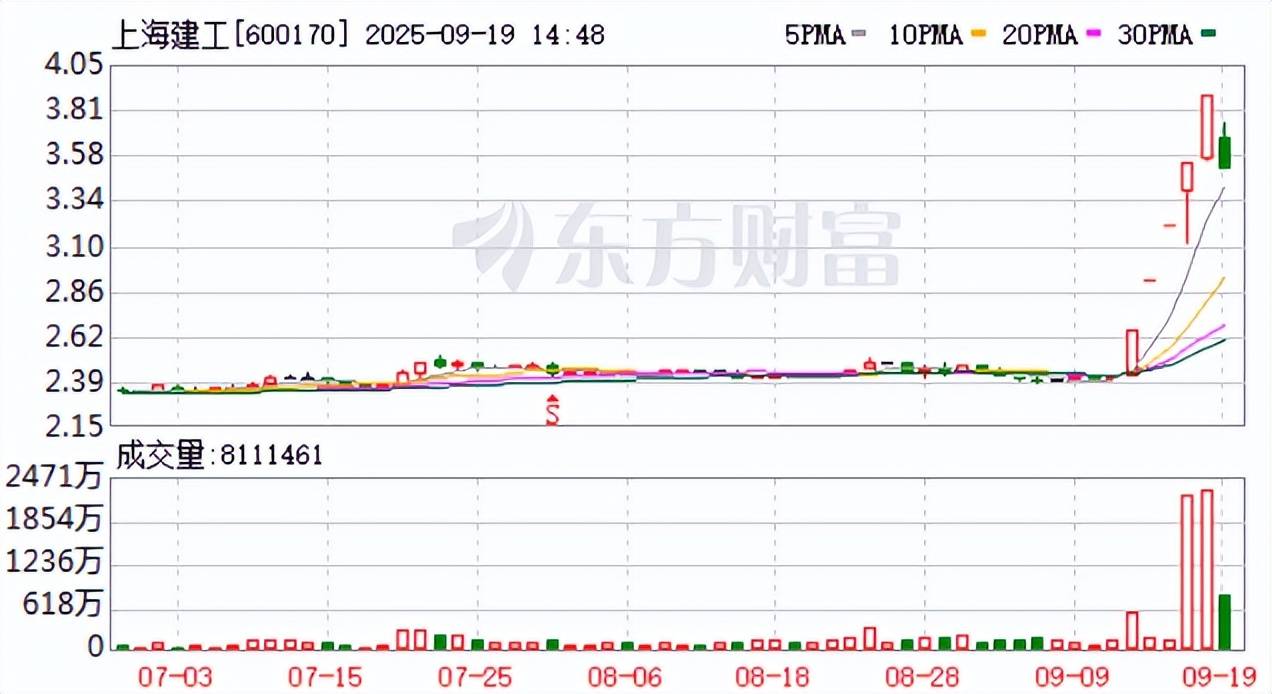
Macro and Industry - The State Administration for Market Regulation has initiated an antitrust investigation against Nvidia for violating the Anti-Monopoly Law of the People's Republic of China and the announcement regarding the approval of restrictive conditions for Nvidia's acquisition of Mellanox Technologies [1] - The Ministry of Industry and Information Technology is working on the "14th Five-Year" new battery industry development plan, focusing on supply-side structural reforms and regional coordinated development in the lithium battery industry [5] Fund Sales and Performance - The Asset Management Association of China released the top 100 fund sales institutions for the first half of the year, with Ant Group leading in various categories, including equity fund scale and non-monetary fund scale, both exceeding one trillion [2] - In the first eight months, the national public budget revenue reached 148.198 billion, with a year-on-year growth of 0.3%. The stamp duty on securities transactions amounted to 118.7 billion, reflecting a significant year-on-year increase of 81.7% [3] Listed Companies - Yaojie Ankang's stock price surged by 115% on its listing day, reaching a market value of over 120 billion HKD, marking a 30-fold increase since its IPO price of 13.15 HKD [6] - Puran Co. achieved a 20% limit-up in stock price after announcing plans to acquire a controlling stake in its affiliate, which is linked to a semiconductor company [7] - Tencent's market capitalization has returned to 6 trillion HKD, with a stock price increase of 290% since its lowest point in October 2022 [8] - Changfei Optical Fiber's stock has risen by 26.11% over three trading days, with a focus on the early-stage application of hollow-core fiber products [9] - Shanghai Construction's stock hit the limit down after a five-day winning streak, marking a significant drop from its recent high [10] Fund Managers - A total of 15 active equity fund managers have entered the "100 billion club" as of the second quarter of 2025, with notable managers from firms like China Europe Fund and Huitianfu Fund leading in management scale [12][13]
ETF热点追踪 | A股本周冲击3900点未果,机器人ETF、恒生互联网ETF“越涨越吸金”
Ge Long Hui A P P· 2025-09-19 07:09
Group 1 - The core viewpoint of the articles highlights the volatility in the A-share market, with the Shanghai Composite Index struggling to break through the 3900-point mark, while the Shenzhen Composite Index and ChiNext Index showed positive growth due to sectors like AI computing power and new energy [1] - The Hong Kong stock market experienced a strong rally, driven by the return of AI narratives and expectations of interest rate cuts by the Federal Reserve, with the Hang Seng Technology Index breaking through its consolidation range [1][2] - The ETF market remains a key tool for capital allocation, with significant inflows into industry themes, particularly the securities sector, which saw a net inflow of 98 billion yuan, making it the top "capital-absorbing" index [2] Group 2 - The "only double-hundred" robot-themed ETF (562500) has surpassed 20 billion yuan in size, with a net inflow of 11.676 billion yuan this year, featuring leading stocks like Huichuan Technology and Stone Technology [3] - The focus on domestic semiconductor replacement equipment and materials is evident in the Sci-Tech Semiconductor ETF (588170), which includes key companies like Zhongwei Company and Huaihai Qingke [3] - The Hang Seng Internet ETF (513330) has over 80% weight in leading internet stocks, including Alibaba and Tencent, indicating strong market positioning [3]

恒生科技的“补涨逻辑”并未结束?
Mei Ri Jing Ji Xin Wen· 2025-09-19 05:41
Group 1 - The Hong Kong stock market indices collectively declined on September 19, with mixed performance in tech stocks and active trading in gold and non-ferrous metal sectors [1] - The Hong Kong Stock Connect Auto ETF (159323) rose nearly 1.5%, with leading stocks including Ganfeng Lithium (002460), Tianqi Lithium (002466), Tianneng Power, and Xpeng Motors [1] - The Hang Seng Tech Index ETF (513180) experienced fluctuations and narrowing gains, with stocks like NIO, Hua Hong Semiconductor, JD Group, and Xpeng Motors performing well, while Horizon Robotics, NetEase, and Kuaishou lagged [1] Group 2 - A report from Guotou Securities highlighted a historical alternating relationship between the ChiNext Index and the Hang Seng Tech Index, indicating that when the ChiNext Index outperforms by 20 percentage points, the Hang Seng Tech Index often experiences a relative rebound [1] - As of September 18, the rolling 60-day return difference between the ChiNext Index and the Hang Seng Tech Index was 29.09%, close to historical extremes observed in 2021, suggesting that the rebound logic for the Hang Seng Tech Index may still be in play [1] - With Alibaba and Baidu competing in self-developed chips and AI driving bullish sentiment, the Hang Seng Tech Index is expected to break upward again [2] - Anticipation of a Federal Reserve interest rate cut and continued inflow of southbound funds may lead to a reconstruction of valuations for the Hang Seng Tech Index, supported by both domestic and foreign capital [2] - Investors without a Hong Kong Stock Connect account may consider the Hang Seng Tech Index ETF (513180) for exposure to core Chinese AI assets [2]