波司登

Search documents
一把刀与一辆奔驰:百年老号的“冰火两重天”
投中网· 2026-01-23 07:26
Core Viewpoint - The article discusses the crisis faced by the century-old brand "Zhang Xiaoqin," highlighting the stark contrast between the brand's operational success and the financial troubles of its parent company, Fuchun Holdings, which is burdened with over 5 billion yuan in debt [4][6]. Group 1: Brand Crisis and Debt Issues - The auction of a ten-year-old Mercedes-Benz belonging to Zhang Xiaoqin Group reflects the brand's current struggles, as the vehicle's price dropped from 600,000 yuan to 384,000 yuan without attracting buyers [4]. - Zhang Xiaoqin Co., as a listed entity, reported revenue and profit growth for the first three quarters of 2025, indicating that the core business is not failing; rather, the issues stem from the parent company's debt crisis [6][9]. - Fuchun Holdings' aggressive expansion into high-leverage sectors like real estate and finance has led to a complex web of cross-shareholding and guarantees, dragging Zhang Xiaoqin Group into a debt quagmire [8][9]. Group 2: Impact of Diversification - The brand's core foundation is being eroded due to resource misallocation, as the parent company's focus has shifted away from the traditional knife and scissors business to real estate and capital operations [9][10]. - Negative publicity surrounding the parent company's debt issues has tarnished the brand's reputation, leading to consumer doubts about product quality and stability [10]. - The judicial freezing and pledging of 28.23% of the listed company's shares owned by Zhang Xiaoqin Group highlight the financial strain and the potential loss of control over the brand [10]. Group 3: Lessons from Other Brands - The article draws parallels with other brands that have faced similar crises due to blind diversification, such as Renhe Pharmaceutical and Two-Sided Needle, which diluted their core business and brand value [12][13]. - Successful recovery strategies often involve a painful return to core competencies, as demonstrated by Bosideng's focus on down jackets after diversifying unsuccessfully [15][20]. - The case of GAP in China illustrates the effectiveness of deep localization and strategic restructuring in revitalizing a struggling brand [18]. Group 4: Strategic Insights - Brands must respect their core business and focus on deepening their unique value proposition rather than pursuing broad diversification [20][21]. - Successful diversification should stem from natural extensions of core capabilities rather than arbitrary cross-industry ventures [21]. - The article emphasizes the importance of maintaining brand independence and security in capital partnerships to avoid becoming collateral damage in financial games [21].


波司登高端化“大败局”:86克的“轻”与2299元的“重”,究竟谁背叛了谁?
3 6 Ke· 2026-01-23 04:04
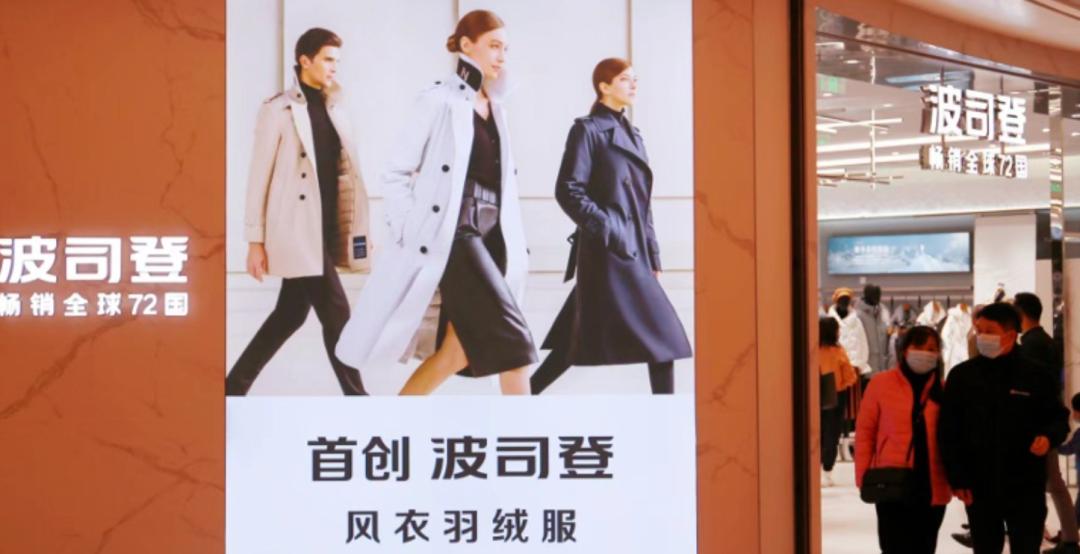
Core Viewpoint - The article highlights the disparity between the high prices of Bosideng's products and their low filling weights, leading to consumer dissatisfaction and a potential decline in brand trust [1][2][4][22]. Group 1: Product Quality and Consumer Perception - Bosideng's high-priced products, such as a down jacket priced at 2299 yuan with only 86 grams of filling, raise concerns about value for money [1][2]. - The company has been accused of "compliance-based cost-cutting," where it adheres to national standards while still providing subpar products, leading to consumer outrage [2][4]. - Complaints about product quality, including low filling amounts and poor after-sales service, have surged on consumer complaint platforms [4][11]. Group 2: Brand Strategy and Market Position - Bosideng's shift towards high-end branding and pricing has not been matched by improvements in product quality, leading to a disconnect with consumer expectations [10][22]. - The brand's average selling price has increased significantly, from under 1000 yuan in 2017 to over 1800 yuan by 2025, indicating a reliance on price increases rather than product enhancements [9][10]. - The company's past success was attributed to a focused strategy on down jackets, but recent financial reports indicate stagnation in revenue growth, suggesting a need for strategic reevaluation [12][13]. Group 3: Competitive Landscape - Bosideng faces increasing competition from both high-end outdoor brands and budget-friendly alternatives, which offer better value propositions [17][20]. - Brands like Arc'teryx and The North Face are capturing market share in the high-end segment, while budget brands like Yaya and Xuezhongfei are aggressively targeting price-sensitive consumers [17][20]. - The competitive pressure is compounded by the emergence of new players like Gao Fan, which are effectively positioning themselves in the same price range as Bosideng [20]. Group 4: Financial Performance and Future Outlook - Recent financial data shows a mere 1.4% revenue growth, a stark contrast to previous years' growth rates, indicating potential challenges ahead [12][13]. - The company's diversification efforts in other clothing lines have not yielded positive results, with significant declines in revenue from these segments [14][16]. - The market's reaction to Bosideng's recent performance has been negative, with stock prices dropping significantly, reflecting investor concerns about the brand's future viability [21].
活力,如何在深挖内需中激发
Su Zhou Ri Bao· 2026-01-23 00:26
昨天(1月22日)亮相的苏州市政府工作报告中,一张张写着"首个""全国第一"的"成绩单"令人振 奋,一个个展现科技感与未来感的"新名词"勾勒未来。其中,"实施内需扩容增效工程""打造更具吸引 力的投资消费目的地"等工作思路和奋斗目标,吸引了代表和委员们的目光。 面对"十五五"开局之年的新考卷,苏州这座经济大市如何在百年变局中主动作为,深挖内需"富 矿",激发更大的发展活力? 消费提质,让"流量"变"留量" 在投资端,苏州过去一年坚持"项目为王",成绩斐然:实现固定资产投资5714亿元,每月保持新签 约、新开工、新投产投用亿元以上产业项目"三过百"。专业化招商队伍与全球招商大会等平台,构成了 有效投资"精准发力"的支撑体系。 展望2026年,政府工作报告将着力点转向"抓有效益的投资"。市人大代表,工行苏州分行党委书 记、行长丛小东认为,这意味着投资不仅要保持强度,更要提升效能,确保每一分投入都能转化为高质 量发展的扎实产出。他从金融赋能的角度分享了实践与思考。他提出,通过丰富的资金供给方式,如参 与设立科创股权基金,满足企业特别是高新技术企业的股权融资需求,可以以投资带动产业,进而带动 全链条消费。他建议,新的 ...
常熟挺起硬脊梁
Xin Lang Cai Jing· 2026-01-22 22:14
Group 1 - The core viewpoint of the articles highlights the economic growth and industrial development of Changshu, with a projected GDP exceeding 320 billion yuan and a growth rate of 5.8% for the past year [1][2] - Changshu's industrial output value reached 513.2 billion yuan, marking a significant milestone by surpassing 500 billion yuan, with a 6% increase in industrial added value [2][3] - The city aims to build a "three main and six new" industrial system to foster new development momentum and advantages, focusing on automotive, equipment manufacturing, and textile industries as the main sectors [2][4] Group 2 - The government emphasizes the importance of innovation and strategic planning to enhance the quality and efficiency of economic growth, aiming for a modern industrial system [3][4] - Changshu is actively attracting major projects and investments, particularly in high-tech and innovative sectors, to strengthen its economic foundation [3][5] - The establishment of the "Intelligent Computing Future City" aims to position Changshu as a hub for AI and smart technology, with significant investments in related projects [6][7] Group 3 - The textile and apparel industry in Changshu is undergoing a transformation driven by AI technology, with companies like Bosideng leading innovations in product development and manufacturing processes [7][8] - The city is focused on nurturing a tiered cultivation mechanism for technology-driven SMEs, high-tech enterprises, and innovative leading companies to enhance the resilience of the industrial supply chain [8][9] - Changshu's financial institutions, such as Changshu Rural Commercial Bank, are committed to supporting local enterprises and projects, ensuring robust financial backing for economic growth [10] Group 4 - The city is dedicated to creating a friendly environment for talent, aiming to increase the total talent pool to 500,000 by 2026, with a focus on attracting skilled professionals in key industries [9][10] - Changshu plans to enhance cultural and recreational offerings for its residents, celebrating its 40th anniversary as a national historical and cultural city through various community engagement activities [11][12] - The recent snowfall symbolizes a prosperous year ahead, reflecting the city's commitment to modernization and innovation in its development practices [1][11]

个人消费贷贴息政策优化 花呗联动商家补贴同比增长23%
Zhong Zheng Wang· 2026-01-22 10:48
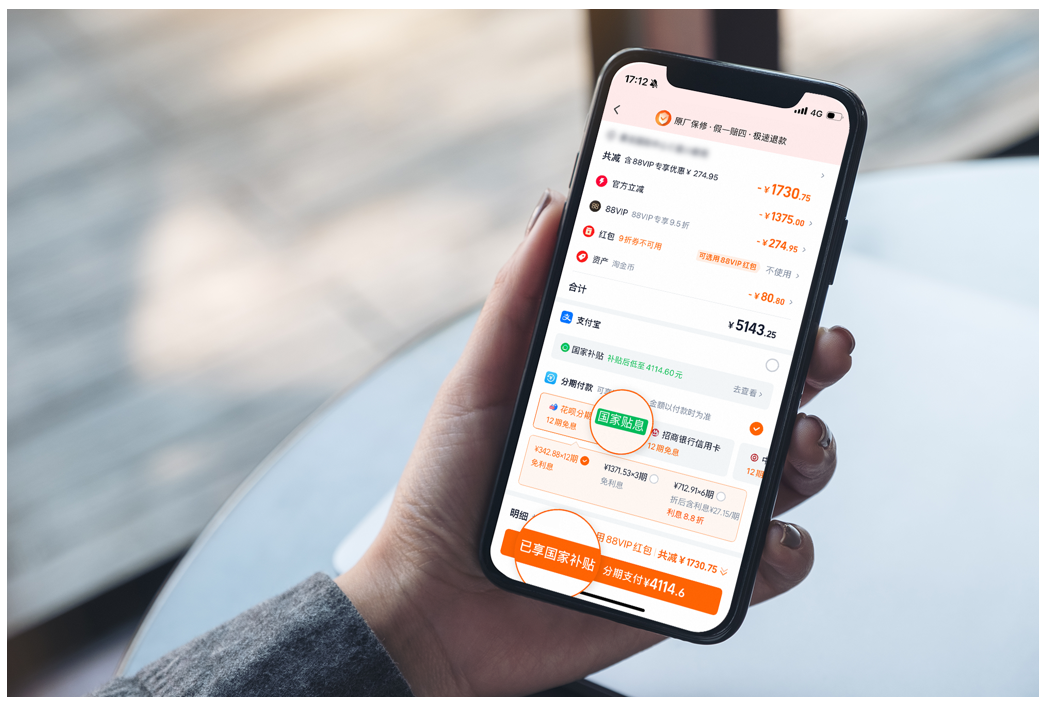
Group 1 - The Ministry of Finance has optimized the personal consumption loan interest subsidy policy, extending the implementation period to the end of 2026 and removing various limits on subsidies, thereby reducing consumer credit costs and enhancing consumption potential [1] - The policy adjustments include the inclusion of credit card installment payments in the subsidy scope and the expansion of eligible financial institutions to hundreds, benefiting more urban and rural consumers [1] - Ant Group, as one of the first financial institutions to implement the subsidy, has reported a 23% year-on-year increase in subsidies linked to its Huabei installment service since the policy's implementation in September 2025 [1] Group 2 - The "National Subsidy" product section launched on Taobao and Tmall has attracted tens of millions of consumers, indicating a growing consumer interest in subsidized products [2] - During the Double 11 shopping festival, the average installment consumption amount increased by 18% compared to September, with certain sectors like apparel and home appliances seeing over 20% growth in interest-free installment transactions [2] - The optimized personal consumption loan subsidy policy is viewed as a significant measure to support consumption through coordinated efforts among the government, financial institutions, and merchants, aiming to lower consumer barriers and boost sales [2]
个人消费贷财政贴息政策扩容,花呗已联动平台商家补贴加码23%
Jin Rong Jie· 2026-01-22 08:18
Group 1 - The Ministry of Finance has optimized the implementation of the personal consumption loan interest subsidy policy to further promote consumer spending, extending the policy period to the end of 2026 and removing the previous limit of 500 yuan on single consumption subsidies [1][2] - Ant Group's consumer finance division, Ant Consumer Finance, is one of the first 23 institutions to implement the subsidy policy, primarily providing state subsidy services through Huabei installment plans, combining policy subsidies, financial support, and merchant discounts to leverage more social resources [1][3] - Since the implementation of the subsidy policy in September 2025, the amount subsidized by platform merchants to consumers has increased by 23% year-on-year, enhancing the policy's effect on boosting consumption [1][3] Group 2 - The "14th Five-Year Plan" emphasizes the need to boost consumption and increase inclusive policies directly benefiting consumers, with recent measures from multiple ministries signaling a strong commitment to this goal [2] - The recent optimization measures include raising the maximum subsidy per transaction from 500 yuan to 3000 yuan, expanding the coverage to include credit card installment services, and adding hundreds of new financial institutions to the program [2][4] - The introduction of the "National Subsidy" product section on platforms like Taobao and Tmall has made it easier for consumers to access subsidized installment products, with millions of consumers browsing this section since its launch [3][4] Group 3 - The implementation of the national subsidy policy in installment interest-free scenarios has effectively released consumer potential, with average installment spending increasing by 18% during the Double 11 shopping festival compared to September [4][6] - Various sectors, including apparel, home appliances, and automotive, have seen over 20% growth in interest-free installment transactions, with the apparel sector experiencing nearly 50% growth [4][6] - The collaborative efforts of financial institutions, merchants, and government initiatives have created a win-win situation, enhancing sales for merchants while providing tangible benefits to consumers [7][6]
申万宏源:25Q4我国纺服终端需求增速放缓 关税谈判结果陆续落定提振出口景气度
智通财经网· 2026-01-22 07:50
Core Viewpoint - The retail sales of clothing, shoes, and textiles in China for the year 2025 reached 1.52 trillion yuan, reflecting a year-on-year increase of 3.2%, with a slowdown in demand observed in Q4 2025 due to warmer winter temperatures affecting winter clothing sales [1][2] Domestic Demand - In 2025, the retail sales of clothing, shoes, and textiles amounted to 1.52 trillion yuan, with monthly growth rates of 6.3%, 3.5%, and 0.6% for October, November, and December respectively, indicating a slowdown in Q4 due to higher winter temperatures [1] - The performance of women's clothing brands is expected to show signs of recovery, with companies like Xinhe and Ge Li Si projected to achieve revenue growth in Q4 2025 [4] External Demand - China's textile and apparel exports totaled $293.8 billion in 2025, down 2.6% year-on-year, with textile exports at $142.6 billion (up 0.4%) and apparel at $151.2 billion (down 5.2%) [2] - Vietnam's textile exports grew by 7.0% to $39.6 billion, indicating a shift in the textile supply chain and highlighting the competitive pressures faced by Chinese exporters [2] Industry Performance - The overall sales in Q4 2025 were impacted by weak winter clothing consumption, but high-end outdoor and niche sports brands are expected to maintain strong growth, with brands like FILA and 361 Degrees projected to see significant revenue increases [3] - The home textile sector is experiencing a mixed performance, with companies like Luolai and Water Mercury showing stable growth, while Fuanna is still in a destocking phase [5] Non-woven Fabric Industry - The non-woven fabric sector is benefiting from quality upgrades and expanding demand, with companies like Wanjia and Nuo Bang expected to see revenue growth of 10% to 20% in Q4 2025 [6] Textile Manufacturing - The performance of the textile manufacturing chain is under pressure due to fluctuations in brand orders, particularly from Nike and Converse, while the Australian wool industry is expected to benefit from rising demand and price increases [7] Investment Insights - Looking ahead to 2026, domestic demand is anticipated to gradually recover, with potential investment opportunities in high-performance outdoor brands and discount retail sectors [9] - The global tariff negotiations are stabilizing, which may not affect the core manufacturing competitiveness of the industry [9]

申万宏源证券晨会报告-20260122
Shenwan Hongyuan Securities· 2026-01-22 02:09
澳毛周期、无纺布制造可期 涨跌 (%) IKA ta 今日重点推荐 2026 年 01 月 22 日 纺织服装行业点评:2025 年报业绩前瞻,品牌服饰表现分化, 行业观点与投资分析意见: 展望 26 年内需有望逐步回暖,挖掘新消费高景气方向:①高性能户外:波 司登、安踏、滔搏、361 度,建议关注伯希和(已递交招股书)、李宁、特 步;②折扣零售:海澜之家(旗下京东奥莱);③个护清洁:诺邦股份、稳 健医疗、洁雅股份;④睡眠经济:罗莱生活、水星家纺。 全球关税博弈变量逐步落定,不改核心制造全球竞争力:①运动制造产业链: 申洲国际、华利集团、裕元集团、伟星股份、百隆东方;②澳毛涨价周期: 新澳股份;③卫材升级产业链:延江股份。 风险提示:消费恢复低于预期;行业竞争加剧;存货减值风险;原材料成 本上涨。 (详见正文) (联系人:王立平/朱本伦) 海外利率上行引发全球震荡,后续推演与影响 -- -- 全球资产配 置风险系列报告之二 上 周 以 美 日 为 代 表 的 发 达 国 家 长 端 利 率 再 度 上 行 (20260101~20260120,30 年日债利率上行 41bp,30 年美债利率上 行 7bp), ...
申万宏源研究晨会报告-20260122
Shenwan Hongyuan Securities· 2026-01-22 00:57
Group 1: Textile and Apparel Industry Insights - The textile and apparel industry is expected to see a gradual recovery in domestic demand in 2026, with a focus on high-growth consumption areas such as high-performance outdoor brands, discount retail, personal care, and sleep economy [9][13] - The retail sales of clothing, shoes, and textiles in China reached 1.52 trillion yuan in 2025, showing a year-on-year increase of 3.2%, with December experiencing a slowdown in growth due to warmer winter temperatures [9] - The export value of China's textile and apparel in 2025 was $293.8 billion, a decrease of 2.6% year-on-year, indicating a shift in supply chain orders towards countries like Vietnam, which saw a 7% increase in textile exports [9] Group 2: Performance of Key Brands - Major outdoor brands such as Anta, Li Ning, and 361 Degrees are expected to perform well, while discount retailers like Hailan Home are also projected to grow [10][13] - The performance of women's apparel brands is showing signs of recovery, with companies like Xinha and Ge Li Si expected to see significant growth in revenue and net profit [10] - The children's clothing segment is anticipated to stabilize, with brands like Semir and Jiama showing slight growth in revenue [10] Group 3: Non-woven Fabric Industry - The non-woven fabric industry is benefiting from quality upgrades and expanding demand, with companies like Sturdy, Yanjiang, and Nobon expected to see revenue growth of 10% to 20% in 2025 [11][12] - The global market for wet and dry wipes is projected to be worth hundreds of billions, with China experiencing faster growth than the global average [11] Group 4: Global Interest Rate Trends and Impacts - Recent increases in long-term interest rates in developed countries have led to global market volatility, with the 30-year Japanese government bond yield rising by 41 basis points and the 30-year U.S. Treasury yield increasing by 7 basis points [14][15] - The geopolitical tensions, particularly involving the U.S. and Europe, have prompted a reallocation of global funds, with potential risks for U.S. Treasury securities [15] Group 5: Banking Sector Performance - Ningbo Bank reported a revenue of 71.97 billion yuan in 2025, with a year-on-year growth of 8%, driven by an increase in net interest income and non-interest income [18][19] - The bank's non-performing loan ratio remained stable at 0.76%, indicating effective risk management [19] - Industrial Bank also showed a slight revenue increase of 0.2% in 2025, with expectations for steady recovery in 2026 [21][23]
苏州市政协委员王任:以创新实践培育青年人才,为更多学子在苏州找到发展舞台
Yang Zi Wan Bao Wang· 2026-01-21 23:15
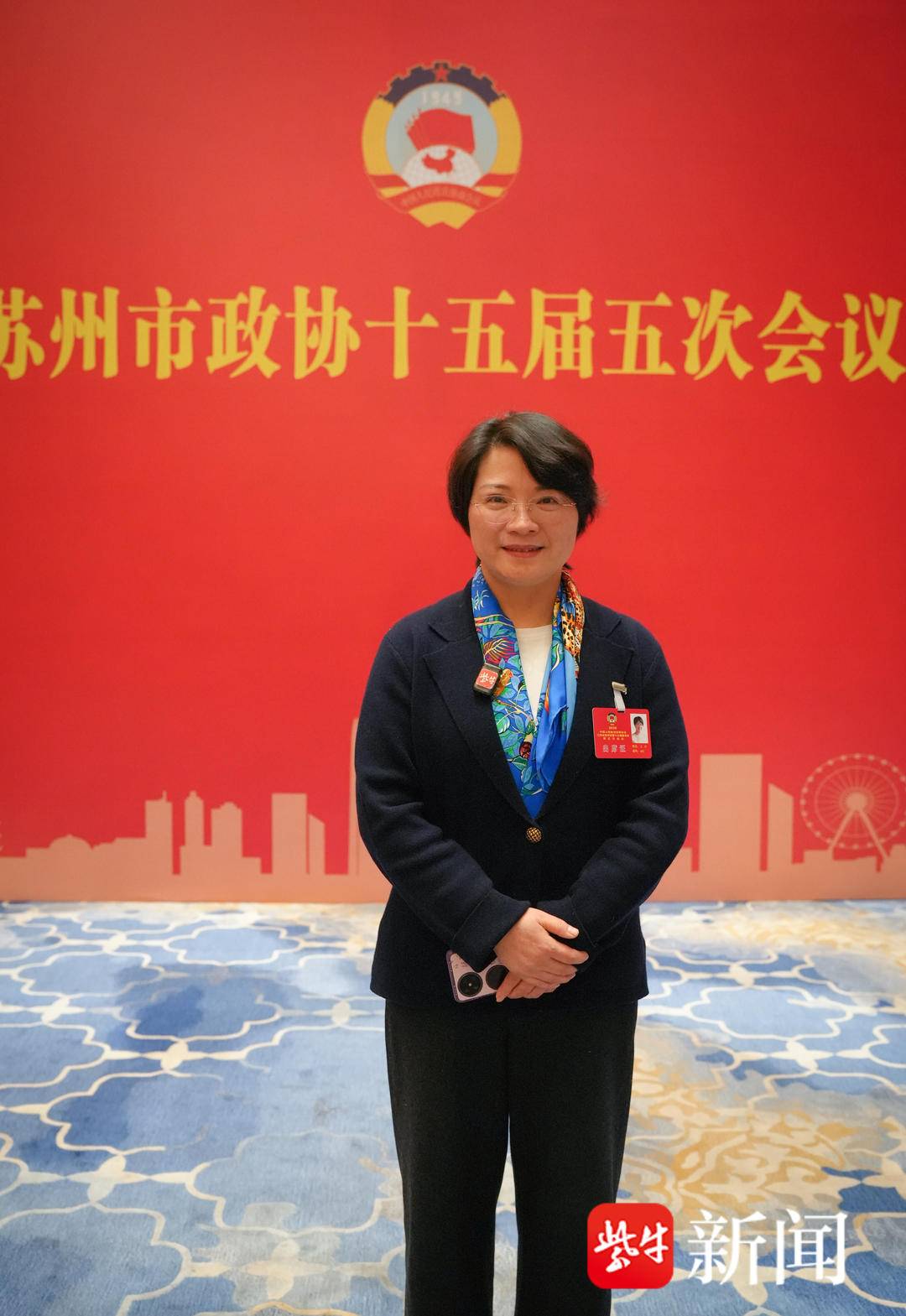
1月21日,苏州市政协委员、苏州工学院党委常委、副校长王任在接受扬子晚报/紫牛新闻记者采访时表示,高校是青年高度集聚的重要空间,在苏州加快 建设青年发展型城市的背景下,应用型高校应更加主动融入城市发展,通过创新实践和产教融合,培养更多融入地方产业发展的青年人才。 近年来,苏州工学院在青年国际交流方面也出现新变化。去年,首批35名来自摩洛哥的青年学生来到苏州工学院学习交流。"这些国际学生学习主动性 强、课堂参与度高,对本地学生也产生了积极影响。"王任说,这种变化也在倒逼学校不断提升教学和服务能力。寒假期间,不少承担相关课程的青年教 师主动备考对外汉语证书,希望更好适应国际化教学需求,为未来更多海外学生来苏学习提供支撑。 在人才培养方面,王任表示,作为一所以应用型人才培养为特色的高校,苏州工学院始终围绕苏州"1030"产业体系优化人才培养方案,把创新实践能力作 为育人重点。"我们不是为了比赛而比赛,而是把创新能力培养贯穿学生整个学习过程。"在去年全国大学生创新大赛中,学校取得了六金二银的成绩,在 全国高校中排名第十一位,这一成绩正是多年持续推进创新实践教学的集中体现。 更重要的是,人才培养的成效最终体现在服务地方 ...