
米哈游

Search documents
52页二次元游戏研报:米哈游原神余响仍在,鹰角完美网易引领二游新一轮主升浪
3 6 Ke· 2026-01-23 04:33
Group 1 - Core viewpoint: The second dimension game category is transitioning from the cycle dominated by miHoYo's "Genshin Impact" to a new prosperity cycle led by companies like NetEase and Eagle Horn [2][3] - The game industry exhibits cyclical properties, with each cycle lasting approximately 6 years, influenced by factors such as technology, population, and policy [2] - By 2026, the second dimension game sector is expected to shift towards gameplay, narrative, and character-driven models, with a focus on expanding user demographics beyond traditional fans [3] Group 2 - The future of second dimension games will revolve around three main directions: innovative gameplay, social design, and expanded nurturing cycles [4][12] - Current leading second dimension games have largely followed the gameplay design framework established by "Genshin Impact," resulting in low innovation and a tendency towards homogenization [4][11] - The introduction of social gameplay is seen as essential to address commercialization and long-term engagement challenges within the second dimension gaming sector [6][13] Group 3 - The pricing of second dimension games has reached a near-bottom level, with an increasing emphasis on cosmetic purchases to decouple gameplay from monetization [6][13] - The shift towards cosmetic monetization is expected to enhance gameplay enjoyment and allow for more creative freedom in game design [6][13] - The current social design in second dimension games faces challenges, with a need to create engaging social experiences that resonate with users [6][80] Group 4 - Player preferences are evolving, with a growing interest in content that abstracts and deconstructs reality, leading to polarized content trends [7][14] - Economic conditions influence player emotions, which in turn affect the themes and tones of second dimension game content [8][14] - To maintain long-term engagement, companies must enhance their IP ecosystems and community interactions both online and offline [8][14]


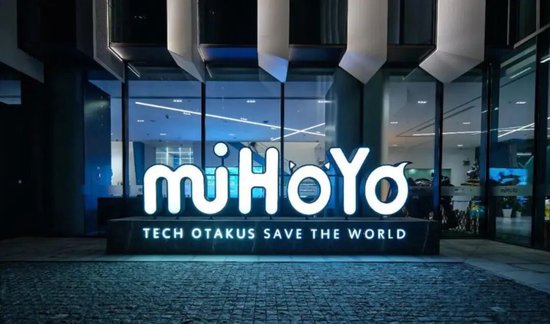
再问米哈游“创新不停 瓶颈却至”,下一个爆款究竟在哪里?
Xin Lang Cai Jing· 2026-01-22 06:06
Core Viewpoint - In 2025, miHoYo's performance reflects a duality of innovation persistence and emerging bottlenecks, with significant revenue growth driven by established IPs but concerns over a lack of new product innovation [3][16][27] Revenue and Growth - miHoYo's game business revenue is projected to reach 78 billion, a year-on-year increase of 38%, significantly outpacing Tencent's 8% and NetEase's 12% growth [3][16] - The combined revenue from "Genshin Impact" and "Honkai: Star Rail" is expected to exceed 44 billion, with "Honkai: Star Rail" achieving over 4 billion in annual revenue [3][16] Innovation and Product Development - The company's innovation in 2025 focuses on deepening technology within mature IPs and exploring flagship new products, but it remains tied to a single genre, limiting growth potential compared to Tencent and NetEase's multi-genre strategies [5][18] - The announcement of the UE5 flagship title "Varsapura" is a highlight, yet it is still in the prototype stage and has not yet generated revenue [6][19] Legal and Management Challenges - miHoYo has initiated 12 lawsuits related to leaks, including a record claim of 230 million against the leak of "Varsapura" test materials, indicating a strong stance on protecting innovation [7][20] - Frequent leaks have exposed management vulnerabilities, leading to concerns about user expectations and the potential for reduced innovation space [20] Strategic Focus and Investment - The company's strategy emphasizes focusing on core genres and investing in the supply chain, with three founders maintaining stable roles to support business operations [9][22] - Three invested companies have filed for IPOs in 2025, aiming to cover the entire innovation chain from development to monetization [10][23] Market Position and Competitive Landscape - miHoYo's valuation increased by 38% in 2025, higher than Tencent's decline of 12% but lower than NetEase's 25% growth, indicating a reliance on the success of future products like "Varsapura" for maintaining high valuation [11][24] - The company faces challenges in expanding into new genres and markets, particularly in response to competition from ByteDance's casual games and the lack of a comprehensive monetization strategy [11][24] Conclusion - miHoYo's 2025 performance illustrates a balance between ongoing innovation and the need to overcome strategic conservatism and ecological weaknesses, with future success likely hinging on the successful launch of "Varsapura" and diversification beyond existing IPs [26][27]
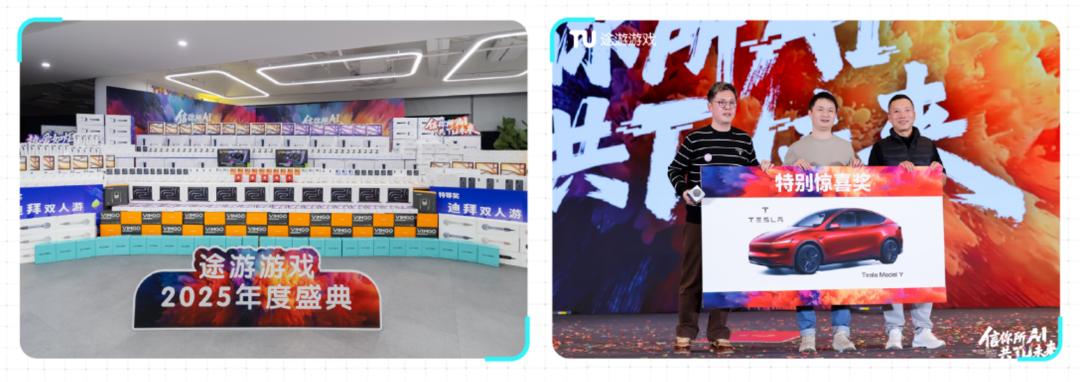
一年爆赚上百亿,震惊业内的低调北京大厂,十几年没走过寻常路
3 6 Ke· 2026-01-22 05:28
Core Viewpoint - The article highlights the impressive performance and strategic evolution of Tuyu, a traditional gaming company that has successfully navigated the competitive landscape of the gaming industry by diversifying its product offerings and leveraging innovative marketing strategies [1][7]. Group 1: Company Performance - Tuyu has shown strong revenue growth, with its game "Fishing Battle" projected to generate 900 million yuan in iOS revenue by 2025, placing it in the top 10 of revenue rankings despite fierce competition from major players like Tencent and NetEase [3][4]. - The company’s total annual revenue exceeds 10 billion yuan, driven by multiple successful titles including "Tuyu Fishing" and "Tuyu Dou Di Zhu," which collectively generate nearly 1.8 billion yuan on iOS alone [4][7]. Group 2: Strategic Evolution - Tuyu's founders, with backgrounds in major internet companies, have applied innovative internet thinking to the gaming sector, allowing the company to differentiate itself from traditional competitors [10][11]. - The company has effectively transitioned from a focus on traditional card games to mobile gaming, capitalizing on the growing popularity of mobile platforms and adopting aggressive branding strategies [11][13]. Group 3: Market Adaptation - Tuyu entered the mini-game market early, predicting its growth trajectory and adapting its product development to meet evolving user preferences, which has led to successful titles like "Next God: Light Awakening" and "Wandering Supermarket" [19][21]. - The company has successfully integrated social features into its games, enhancing user engagement and retention, which has been crucial for its success in the competitive gaming landscape [30][31]. Group 4: Long-term Vision - Tuyu demonstrates a commitment to long-term development, as evidenced by the seven-year development cycle for its SLG game "Three Kingdoms: Ice Age," reflecting the company's patience and dedication to quality [35][36]. - The company’s approach emphasizes understanding user needs and preferences, allowing it to create games that resonate with a broad audience, including previously untapped demographics [36][37].
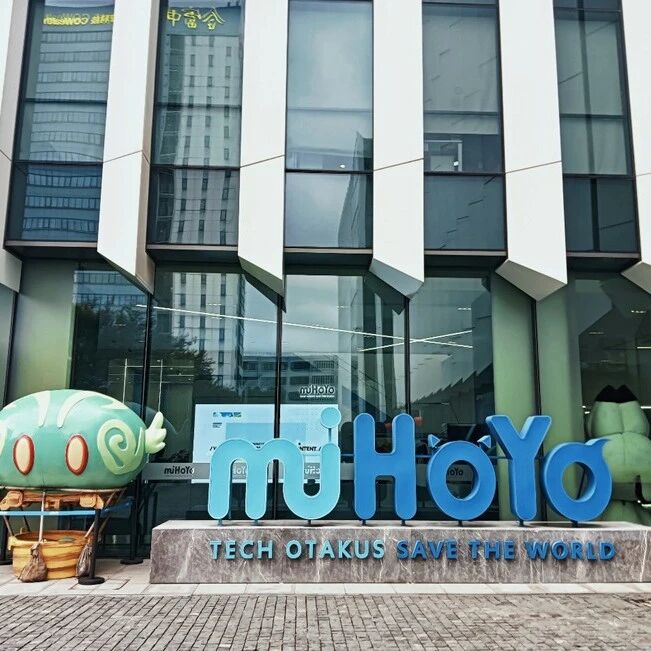
游戏赚来的钱,米哈游投出3家IPO
首席商业评论· 2026-01-22 04:52
Core Viewpoint - The article discusses the significant investment activities of the gaming giant miHoYo, highlighting its strategic investments in various sectors, particularly in AI and technology, as a means to diversify and secure future growth amidst uncertainties in its core gaming business [4][16]. Investment Strategy - miHoYo has made over 30 disclosed investments across various fields, including AI, embodied intelligence, and commercial aerospace, indicating a broad interest in future technologies [4][6]. - The company has invested in projects like MiniMax, Suplay, and Soul, which are either approaching IPO or have already gone public, showcasing its commitment to nurturing potential high-growth ventures [4][6][16]. Investment Portfolio - miHoYo's investment portfolio includes significant stakes in Suplay (11.86%) and Soul (5.47%), both of which are in the gaming and social media sectors [6][8]. - The company has also invested in cutting-edge fields such as controlled nuclear fusion and brain-computer interfaces, reflecting its ambition to be at the forefront of technological advancements [7][14]. Market Trends and Insights - The article notes that miHoYo's investments are driven by the growing demand for virtual companionship and identity recognition among younger generations, suggesting a strategic alignment with market trends [13][14]. - The decline in revenue from its flagship game "Genshin Impact" has prompted miHoYo to seek new revenue streams through investments, indicating a proactive approach to mitigate risks associated with its core business [17][18]. Future Outlook - miHoYo's aggressive investment strategy is seen as both a proactive and reactive measure to address uncertainties in its gaming revenue, with the potential for these investments to yield significant returns in the future [16][18]. - The company’s focus on technology investments is expected to enhance its operational efficiency and expand its existing ecosystem, thereby creating new revenue opportunities [15][18].
游戏赚来的钱,米哈游投出3家IPO
创业邦· 2026-01-22 03:55
Core Viewpoint - The article discusses the investment strategies of the gaming giant miHoYo, highlighting its significant investments in various sectors, particularly in AI and virtual social platforms, and the implications of these investments for the company's future growth and diversification [6][20]. Investment Overview - miHoYo has made over 30 investments across diverse fields, including AI, embodied intelligence, and commercial aerospace, indicating a broad interest in future technologies [6][7]. - The company invested in MiniMax, a leading AI player, during its angel round when its valuation was around 1.2 billion, and its market value has since exceeded 100 billion post-IPO [6][8]. - miHoYo holds significant stakes in several companies, including 11.86% in Suplay and 5.47% in Soul, both of which are preparing for IPOs [7][8]. Investment Strategy - The investment strategy reflects a preference for projects that can enhance or replicate the successful business model established by miHoYo's games, which combine intricate characters with deep emotional connections [13][15]. - Investments in AI companies aim to improve development efficiency for existing games, as seen in the collaboration with MiniMax for the development of "崩坏·星穹铁道" [17]. Market Trends and Future Outlook - The gaming industry is experiencing a decline in revenue from flagship titles like "原神," prompting miHoYo to seek new revenue streams through strategic investments [20]. - The company’s investments are seen as a proactive measure to mitigate uncertainties in its core gaming business, with a focus on emerging technologies that align with the evolving needs of younger generations for virtual companionship and identity [15][20]. Regional Focus - Nearly half of miHoYo's investment projects are located in Shanghai, indicating a regional preference in its investment strategy [18]. Conclusion - miHoYo's aggressive investment approach is a blend of proactive growth strategies and reactive measures to address uncertainties in its primary business, reflecting a broader trend among gaming companies to diversify into technology sectors [21].

Suplay冲击“卡牌第一股”:授权IP依赖症难解 库存一年滞销价值“归零”?
Xin Lang Cai Jing· 2026-01-22 03:46
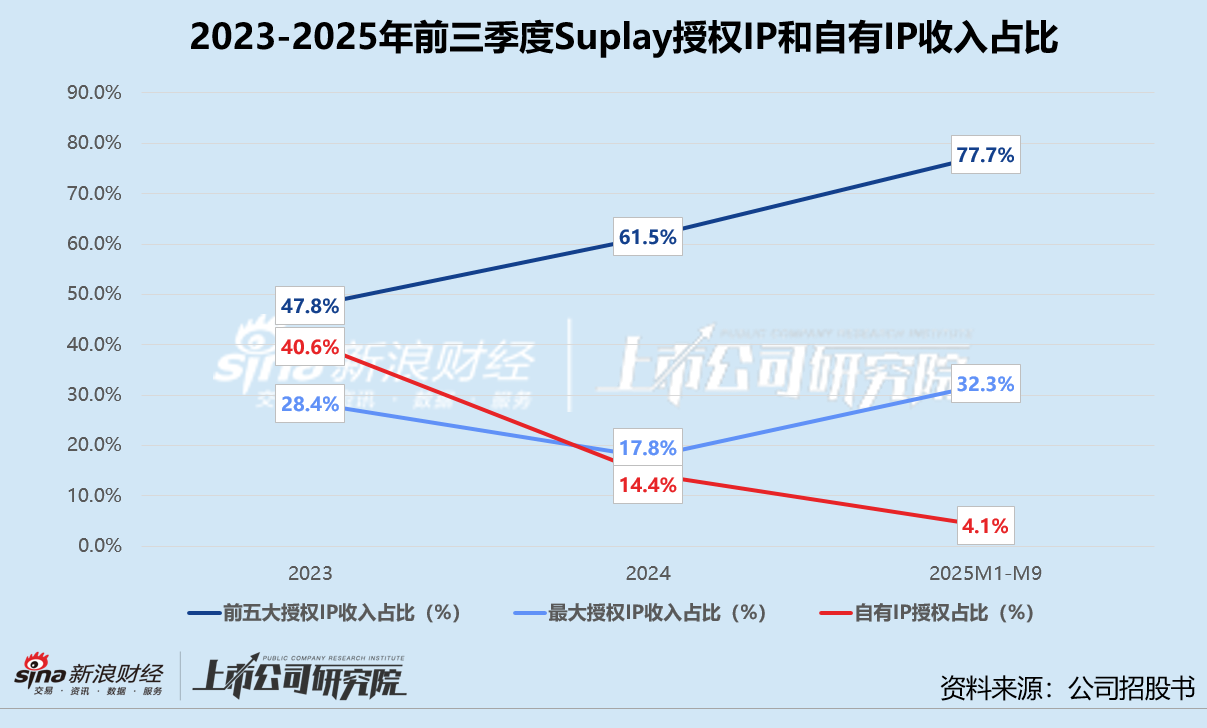
Core Viewpoint - Suplay Inc is seeking to become the "first card stock" by submitting its prospectus to the Hong Kong Stock Exchange, highlighting its leading position in the collectible card market in China and its significant growth in revenue and profit margins [1][2][3]. Financial Performance - For the first three quarters of 2023 to 2025, Suplay reported total revenues of 146 million yuan, 281 million yuan, and 283 million yuan, with adjusted net profits of 15.97 million yuan, 64.81 million yuan, and 86.42 million yuan respectively [1][3]. - The company's flagship collectible card product saw sales volume increase from 1.56 million units to 4.58 million units, with average revenue per unit rising from 31 yuan to 43 yuan [1][3]. - The revenue share from collectible cards rose significantly from 32.9% to 70.0%, with gross margins increasing from 57.9% to 69.5%, leading to an overall gross margin exceeding 54% and an adjusted net profit margin of 30.5% [1][3][4]. Dependency on Licensed IP - Suplay's revenue growth is heavily reliant on licensed intellectual property (IP), with licensed IP contributing 54.2% of total revenue in 2023 and projected to increase to 95.0% by September 2025 [2][5][6]. - The company has seen a significant increase in revenue from licensed IP, with a 202.1% year-on-year growth in 2024, reaching 239 million yuan [2][5]. - The reliance on top licensed IP is increasing, with the top five licensed IPs accounting for 77.7% of revenue by 2025, while self-owned IP revenue has decreased by 80.2% [3][5][6]. Risks Associated with IP Licensing - Suplay's business model is vulnerable due to its dependence on non-exclusive licensing agreements, with many agreements set to expire soon, creating uncertainty for future revenue [5][6][19]. - The cost of IP licensing has risen significantly, with costs reaching 31.59 million yuan in the first three quarters of 2025, accounting for approximately 11.1% of total revenue [5][6][18]. - The company acknowledges that the success of its licensed IP products is contingent on factors beyond its control, such as the potential non-renewal of popular IPs [6][19]. Inventory and Valuation Concerns - Suplay has reported increasing inventory impairment provisions, with provisions exceeding the book value of inventory, indicating potential devaluation risks [7][20]. - The inventory value for 2023 and 2024 was reported at 21.08 million yuan and 33.92 million yuan, with impairment provisions of 8.83 million yuan and 23.28 million yuan respectively, showing a growing trend [20]. - Concerns are raised regarding the long-term value of collectible cards, as the market for collectible cards is projected to grow but remains a small fraction of the global entertainment goods market [21].
腾讯投资布局生变 二次元游戏市场迎“洗牌”
Mei Ri Jing Ji Xin Wen· 2026-01-21 12:53
Core Insights - The domestic two-dimensional game market in China is experiencing significant turbulence, with major companies like Tencent facing challenges while others like miHoYo and NetEase are preparing to launch new products [1][5] Market Dynamics - The 2025 report indicates that the domestic two-dimensional mobile game market generated a revenue of 28.281 billion yuan, reflecting a year-on-year decline of 3.64%, primarily due to fluctuations in top products' revenue and underperformance of new releases [1] - The market is showing a clear divide, where leading companies maintain growth through quality content and long-term operations, while smaller firms struggle to break through [1][8] Company Adjustments - Tencent's game "White Corridor" has ceased updates, signaling a strategic shift to optimize resources despite holding a controlling stake in the developer [3] - The company has also exited its investment in Guangzhou Mingzhou Technology, indicating a decisive move away from underperforming projects [4][6] Competitive Landscape - Major players like miHoYo and NetEase are intensifying their competition, with miHoYo focusing on technology-driven projects and NetEase's new game "Code: Infinite" generating significant buzz [6][7] - The industry is witnessing a "military competition" as giants aim to capture future market opportunities through strategic investments and product launches [5][6] Industry Trends - The market is shifting towards "premiumization," where high-quality content and user engagement are becoming essential for survival, leading to a significant shake-up in the industry [8] - The success of titles like "Ningchao" from Kuro Game, which saw a 66% revenue increase in 2025, exemplifies the importance of frequent updates and global operations in maintaining product relevance [9]

一张二手卡牌竟拍出5.5万天价
Qi Lu Wan Bao· 2026-01-21 10:06
Core Insights - The trading card market is experiencing significant growth, with a compound annual growth rate of 25%, and is projected to exceed 30 billion yuan in the next three years [2] - The market is characterized by a stark contrast in pricing, with rare cards fetching high prices while ordinary cards are valued very low [2][5] - The industry is attracting capital interest, leading to a competitive race for listings among leading companies [6] Market Overview - The trading card market has evolved from childhood entertainment to a collectible asset for adults, with a diverse age demographic participating [2] - The market is divided into two main categories: Trading Card Games (TCG) that support gameplay and Collectible Card Games (CCG) that focus on rarity and collection [3] - The market is expected to reach 35.1 billion yuan by 2027 according to Citic Securities [2] Pricing Dynamics - Recent trends show a 5% decline in the price of simplified Chinese Pokémon cards, while Japanese versions have seen a slight increase of 0.33% [5] - A specific Pokémon card, "梦幻ex," has reached a price of 55,000 yuan, while common cards can be as low as 0.2 yuan, indicating a depreciation rate of over 91.67% for ordinary cards [5] - The disparity in card values highlights a market where high-value cards are sought after, while low-value cards struggle to find buyers [5] Online Trading and Community Engagement - Many transactions are conducted through online platforms, with dedicated apps providing market information and facilitating sales [4] - The demand for graded cards is increasing, as ratings significantly impact their marketability and price [5] - Live streaming has become a popular method for card sales, enhancing the emotional experience of unboxing and trading [5] Competitive Landscape - Card Game Company (卡游) holds a dominant market share of 71% in the TCG sector, with a projected revenue of 10.057 billion yuan in 2024, marking a 278% year-on-year growth [6] - Suplay (超级玩咖) has emerged as a strong competitor in the collectible card segment, with a revenue of 283 million yuan and a gross margin of 54.5% [6] - New entrants and investments from major companies like Pop Mart and miHoYo indicate a growing interest in the trading card market [7]
山东前首富做起了LP
投资界· 2026-01-21 08:58
Core Viewpoint - The article discusses the recent announcement by GoerTek Inc. regarding the establishment of a new fund with a total scale of approximately 6.97 billion yuan, focusing on cutting-edge technology sectors such as AI, XR, new materials, advanced manufacturing, and semiconductors [5][6]. Group 1: Fund Details - The new fund, tentatively named Shanghai Tongge Phase II Venture Capital Partnership (Limited Partnership), has a total scale of about 6.97 billion yuan, with a duration of 7 years, including a 4-year investment period followed by an exit period [6]. - GoerTek plans to invest no more than 2.3 billion yuan of its own funds, accounting for no more than 33% of the fund's total size [6]. - Other limited partners (LPs) will contribute 4.6 billion yuan, representing 66% of the fund [6]. Group 2: Company Background - GoerTek, founded by a couple in Shandong, initially entered the Apple supply chain and has transformed into a leading consumer electronics company with a market value exceeding 100 billion yuan [5][7]. - The company has faced challenges, including a significant order cut from a major client, Apple, in 2022, which led to performance bottlenecks [7]. - GoerTek is shifting its focus towards emerging fields such as VR/AR and AI smart hardware to drive growth, evidenced by its acquisition of Micro-LED technology company Plessy and a 1.903 billion yuan acquisition of Shanghai Aolai [7][8]. Group 3: Industry Trends - The establishment of the new fund reflects a broader trend among listed companies to engage in venture capital activities, leveraging their financial resources to strengthen their industry positions [9][10]. - Many listed companies are increasingly participating in the primary market as limited partners, seeking to enhance their competitive advantages and achieve synergistic effects [9][10]. - The article notes that the influx of capital from listed companies into the primary market is crucial for revitalizing investment opportunities, especially in the context of a market that has recently seen significant growth [10][11].

山东前首富做LP了
3 6 Ke· 2026-01-21 08:56
Core Viewpoint - Goer Technology announced the establishment of a new fund with a total scale of approximately 697 million yuan, primarily targeting cutting-edge technology sectors, with the company contributing no more than 230 million yuan of its own funds [1][2]. Group 1: Fund Details - The new fund, tentatively named Shanghai Tongge Phase II Venture Capital Partnership (Limited Partnership), has a total scale of about 697 million yuan and a duration of 7 years, with the first 4 years designated for investment and the subsequent period for exit [2]. - Goer Technology's contribution will not exceed 230 million yuan, accounting for no more than 33% of the fund's total size, while other limited partners (LPs) will contribute 460 million yuan, representing 66% of the fund [2]. Group 2: Investment Focus - The fund will primarily focus on advanced technology areas, including artificial intelligence, XR and spatial computing, new materials and advanced manufacturing, aerial mobility, and semiconductors [2][4]. Group 3: Company Background - Goer Technology, founded by a couple in Shandong, initially entered the Apple supply chain and has transformed into a leading consumer electronics company with a market value exceeding 100 billion yuan [1][3]. - The company has faced challenges, including a significant order cut from Apple in 2022 and the termination of a major acquisition deal due to unresolved key terms [3]. Group 4: Previous Investment Activities - This is not Goer Technology's first foray into the primary market; in July 2022, the company announced a partnership with MiHoYo and 37 Interactive Entertainment to invest a total of 556 million yuan in the Tongge Phase I Venture Capital Fund [5]. - The Tongge Phase I Fund, established in May 2022, aims to invest in unlisted startups in advanced manufacturing, intelligent connected vehicles, AR/VR, and semiconductors [5]. Group 5: Industry Trends - Many listed companies are increasingly choosing to participate in the primary market as limited partners, leveraging their substantial funds to strengthen their industry chains and build competitive barriers [6][7]. - The trend of listed companies investing in venture capital is seen as a valuable influx of capital into the primary market, especially as the market experiences significant growth [7].
