雀巢

Search documents
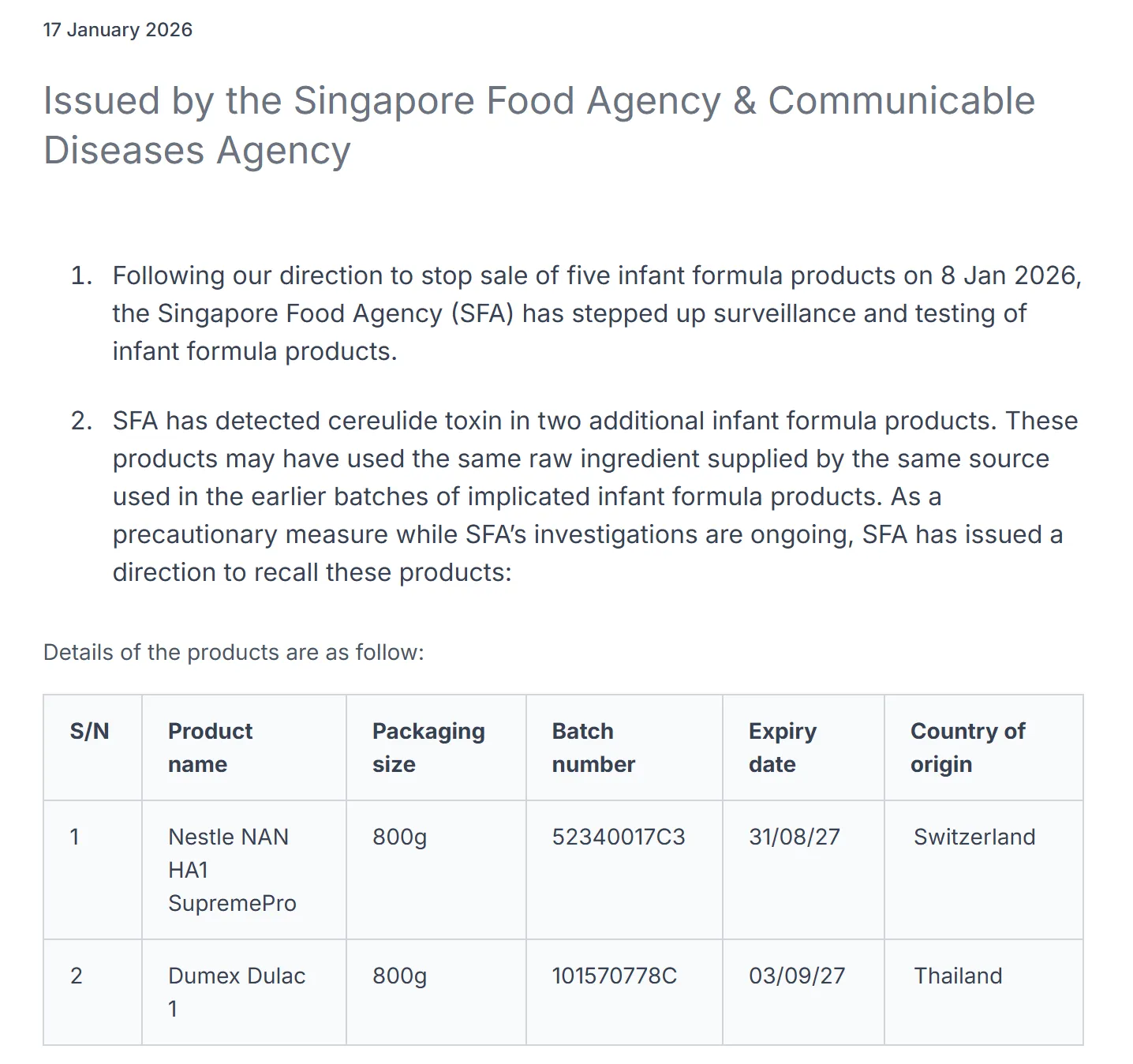
新加坡食品局在瑞士产的雀巢超级能恩1段和泰国产的多美滋Dulac 1段中检测出蜡样芽孢杆菌
Cai Jing Wang· 2026-01-19 06:39
Core Viewpoint - The Singapore Ministry of Health has issued a recall for two infant formula products due to the detection of Bacillus cereus toxin, emphasizing the need for enhanced monitoring and testing of such products in the market [1][5]. Group 1: Product Recall Details - The recalled products include Nestle NAN HA1 SupremePro and Dumex Dulac 1, both in 800g packaging [1][3]. - The batch numbers for the recalled products are 52340017C3 and 101570778C, with expiry dates of August 31, 2027, and September 3, 2027, respectively [1][3]. Group 2: Regulatory Actions - The Singapore Food Agency (SFA) has intensified its supervision and testing of infant formula products following the recall [1]. - A local manufacturer, SMC Nutrition, has been ordered to halt the export of affected products that used the same contaminated ingredients [5]. Group 3: Health Implications - There has been one reported mild case of Bacillus cereus toxin poisoning linked to the consumption of contaminated products, with the patient having recovered [5]. - Symptoms of Bacillus cereus toxin poisoning may include nausea, vomiting, abdominal cramps, and diarrhea, typically manifesting within 30 minutes to 6 hours after consumption [5]. Group 4: Market Impact - The affected batch of imported infant formula accounts for less than 5% of the total infant formula supply in Singapore, indicating that it represents a small portion of the diverse market [5].


东北证券:国内冻干食品进入高速发展期 C端竞争是行业关键胜负手
智通财经网· 2026-01-19 02:12
Group 1 - The Chinese freeze-dried food industry is transitioning from being driven by external demand to a dual-driven model of internal and external demand, with significant growth potential due to accelerated domestic market release, supply chain optimization, and policy benefits [1] - The domestic freeze-dried food market is expected to grow from 848 million yuan in 2014 to 3.8 billion yuan by 2024, with a compound annual growth rate (CAGR) of 16.1%, although the penetration rate remains low compared to developed countries [1] - China has become a global production hub for freeze-dried foods, with an export scale of 4.8285 billion USD, while the import amount is increasing but still far below that of mature markets, indicating substantial domestic demand potential [1] Group 2 - The global freeze-dried food market is in a continuous expansion cycle, projected to reach 30.43 billion USD in 2024 and 56.27 billion USD by 2034, with a stable CAGR of 6.34% from 2025 to 2034 [2] - The freeze-dried trade exhibits a tri-polar structure with Asia as the supplier and Europe as the largest consumer market, where Europe accounts for 4.34 billion USD of global imports [2] - Freeze-dried fruits hold the largest market share at 28%, with other categories like meat, seafood, vegetables, and grains also developing collaboratively [2] Group 3 - There is a clear path divergence between domestic and international freeze-dried enterprises, with overseas companies focusing on technological barriers and vertical integration, while domestic companies emphasize B-end supply chain capabilities and C-end product innovation [3] - High-end freeze-drying equipment is dominated by European and American companies, while domestic equipment is primarily in the mid-to-low end, indicating a gap in high-end technology [3] - Domestic B-end companies like Xin San He and Li Xing Food are forming core competitiveness through production certainty and stable orders, while C-end companies face homogenization challenges and are innovating through scenario-driven product upgrades and cost-effective manufacturing [3]

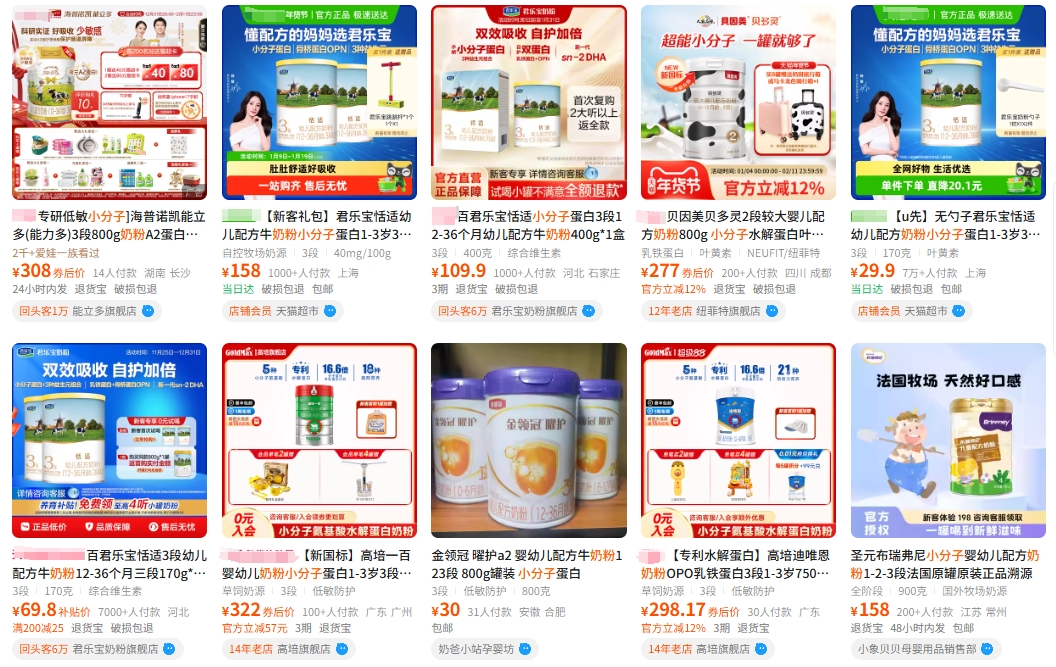
新手宝爸宝妈注意!小分子蛋白奶粉 ≠ 特医配方水解奶粉,看懂配料表是关键
Xin Lang Cai Jing· 2026-01-18 13:18
Core Viewpoint - The rise of "hydrolyzed protein" and "small molecule" as popular marketing terms in the infant formula market has led many parents, especially those with sensitive babies, to purchase these products, but there are concerns about misleading marketing practices and the actual content of these formulas [1][2]. Group 1: Product Composition and Marketing - The core value of hydrolyzed milk powder lies in its ability to reduce allergenic proteins through enzymatic hydrolysis, making it suitable for infants with allergies or digestive issues, and it should be used under medical guidance [2][17]. - The emergence of "small molecule protein milk powder" has created confusion among consumers, as it blurs the lines between regular infant formula and special medical use formulas [2][17]. - Products labeled as "small molecule protein milk powder" often include both special medical infant formula and regular infant formula with added hydrolyzed protein, leading to significant differences in composition [4][10]. Group 2: Regulatory and Industry Standards - The labeling of ingredients must follow strict regulations, with components listed in descending order of quantity, yet some products mislead consumers by placing hydrolyzed protein at the end of the ingredient list [9][19]. - There is a stark contrast in the registration numbers of regular infant formulas (2245) versus special medical hydrolyzed formulas (16), indicating a significant market disparity [18]. Group 3: Expert Opinions and Recommendations - Experts suggest that manufacturers should clearly label the type and amount of hydrolyzed protein in their products to eliminate consumer confusion and ensure transparency [19][21]. - There is a call for regulatory bodies to enforce standards on the labeling of hydrolyzed protein content, which would help consumers make informed choices and promote healthy industry practices [19][21].
当“网红股”跌落神坛,什么才是穿越周期的投资真谛?丨CV荐书
投中网· 2026-01-18 07:04
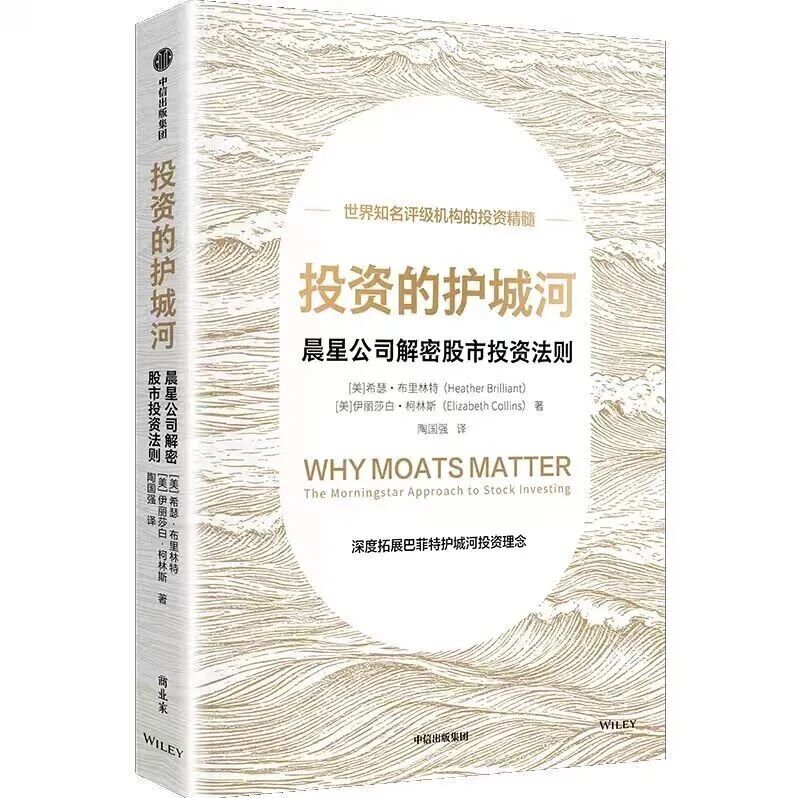
Core Viewpoint - The article emphasizes the importance of identifying companies with a strong economic moat that can withstand economic cycles and competition, providing reliable long-term returns for investors [3][4]. Group 1: Economic Moat Concept - The concept of an economic moat is crucial for understanding which companies can deliver sustainable competitive advantages and superior capital returns over time [3][4]. - Morningstar has developed a rigorous and globally applicable analysis and rating system based on the economic moat concept, demonstrating its effectiveness through decades of performance [5][8]. Group 2: Morningstar's Investment Philosophy - Morningstar's investment philosophy is built on three core principles: decoding economic moats, identifying great companies, and determining the best time to invest in them [10][14]. - The analysis framework includes five identifiable sources of economic moats: intangible assets, cost advantages, switching costs, network effects, and efficient scale [11][12][13]. Group 3: Investment Timing and Valuation - Identifying great companies is only part of the investment success; buying them at fair or undervalued prices is essential for generating excess returns [14]. - Morningstar employs a discounted cash flow model to estimate intrinsic value, requiring deep analysis of future cash flows and competitive advantage periods [15]. Group 4: Safety Margin and Uncertainty - Acknowledging the inherent limitations of human predictions is vital for rational investors, leading to the principle of safety margin to protect against unforeseen risks [18]. - Morningstar's unique uncertainty rating system helps assess the difficulty and risk of future cash flow predictions, guiding the required safety margin for investments [18]. Group 5: Consumer Sector Analysis - The consumer sector serves as an excellent platform for applying the economic moat theory, with strong brands and difficult-to-replicate scale advantages being key factors [21]. - Specific industries, such as beverages and packaged goods, demonstrate how brand loyalty and distribution networks create robust economic moats [26][23]. Group 6: Case Studies and Practical Insights - The book "Investing with Moats" provides a systematic approach to identifying valuable companies, offering practical insights and case studies across various consumer sub-industries [30][31]. - It emphasizes the importance of focusing on intrinsic value rather than market price fluctuations, fostering a mindset that resists market panic and greed [31].
2025年上海市可可及焙烤咖啡产品定量包装商品净含量监督抽查结果公布
Zhong Guo Zhi Liang Xin Wen Wang· 2026-01-16 08:35
Core Insights - The Shanghai Municipal Market Supervision Administration conducted a quantitative packaging inspection of cocoa and roasted coffee products, revealing that out of 20 batches tested, 1 batch was found to be non-compliant [2][3] Group 1: Inspection Results - The inspection was based on the JJF 1070-2023 standards for measuring the net content of packaged goods, focusing on net content labeling and actual net content [2] - A total of 20 batches of cocoa and roasted coffee products were sampled, with 19 batches meeting the relevant standards [2] - The compliant products included various brands such as AGF and Nestlé, with specifications ranging from 18 grams to 1 kilogram [2] Group 2: Non-Compliant Product - The only non-compliant product identified was Nestlé's instant coffee powder, which failed due to incorrect net content labeling [3] - The specific details of the non-compliant product included a net weight of 200 grams, produced on March 31, 2025, by Shanghai Weisha Trading Company [3]
单品酸菜鱼卖不动,太二卖川菜自救
3 6 Ke· 2026-01-15 12:03
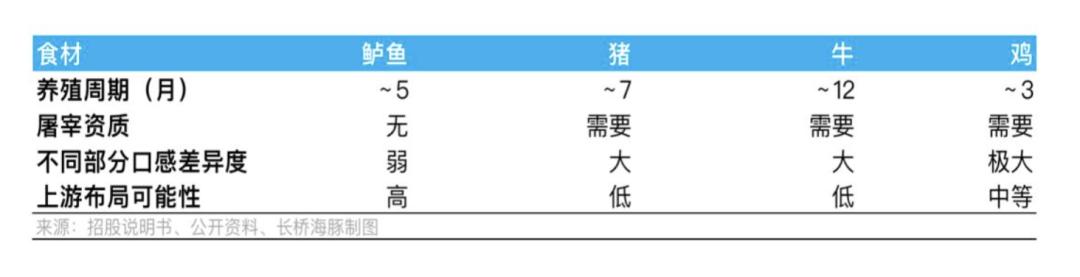
Core Viewpoint - The article discusses the transformation of the restaurant chain "Tai Er" from a single-item focus on "sour fish" to a broader menu strategy, highlighting the challenges and market dynamics that necessitated this shift [4][47]. Group 1: Company Strategy and Transformation - Tai Er has undergone significant changes, including rebranding some locations to "Tai Er Fresh Sour Fish" and others to "New Tai Er Fresh Material Sichuan Cuisine," indicating a shift from a single-item model to a wider variety of offerings [4][5]. - The number of SKUs (Stock Keeping Units) has increased to around 40, reflecting a diversification of the menu to compete with broader-category restaurants [5]. - The initial success of Tai Er was attributed to its focus on a single dish, sour fish, which was highly marketable and operationally efficient [27][37]. Group 2: Market Trends and Challenges - The restaurant industry has seen a decline in average customer spending, with data indicating that dining prices have returned to levels close to those in 2015 [43]. - There is a noticeable decrease in foot traffic in shopping centers, impacting restaurants that rely heavily on these locations [44]. - Consumer expectations have shifted towards greater variety and quality, with a growing preference for freshly prepared dishes over pre-packaged options [45]. Group 3: Operational Efficiency and Supply Chain - The sour fish model allowed for a streamlined supply chain with fewer SKUs, reducing waste and increasing profit margins [15][14]. - The sourcing of core ingredients, such as bass fish, has been advantageous due to its short farming cycle and high utilization rate, ensuring stable and cost-effective supply [23][24]. - The article emphasizes that the success of a restaurant often hinges on the quality and availability of agricultural products, which can significantly impact operational efficiency [18][21]. Group 4: Future Directions - Tai Er's recent changes include expanding its menu to include a wider range of Sichuan dishes and introducing children's meals, aiming to attract family dining and group gatherings [47]. - The company has relaxed previous restrictions, such as not allowing takeout and limiting table sizes, to adapt to changing consumer preferences and market conditions [47]. - The article concludes that the restaurant industry must continuously adapt to survive, as past successful strategies may no longer yield the same results in a changing market landscape [48].
雀巢寒了谁的心?
创业家· 2026-01-15 11:16
Core Viewpoint - Nestlé is currently facing a trust crisis due to product recalls and issues with its distribution network, which have led to significant concerns among consumers and partners [4][8][19]. Group 1: Product Recall Crisis - Recently, Nestlé recalled multiple batches of infant formula in 45 countries due to potential contamination with Bacillus cereus, raising quality control concerns [5][10]. - The recall affects a product batch that constitutes less than 0.5% of the company's annual sales, indicating that the financial impact may be limited [13]. - Despite Nestlé's assurances that no adverse health reports have been received, consumer anxiety remains high, particularly among parents [14][15]. Group 2: Distribution Network Issues - Prior to the recall, Nestlé faced a crisis in its distribution channels, with reports of significant unpaid subsidies to distributors, some exceeding 19 million yuan [8][21]. - The company's distribution model, which requires distributors to purchase at higher prices and rely on rebates, has led to financial strain and dissatisfaction among partners [22][23]. - Many distributors have reported long-standing unpaid amounts, indicating deeper issues within Nestlé's operational management [26][28]. Group 3: Performance Decline - In 2025, Nestlé China experienced a 6.4% decline in sales, with the need for internal restructuring becoming increasingly urgent [36][40]. - The company is attempting to shift its strategy from pushing distribution to pulling consumer demand, but this transition is complex and time-consuming [39]. - Nestlé's market share in key segments like infant formula and pet food is lagging behind competitors, highlighting the need for significant improvements in product offerings and market strategy [42].
让IP成为消费加分项
Zhong Guo Zhi Liang Xin Wen Wang· 2026-01-15 09:34
Core Insights - The article discusses the transformation of IP collaborations in the Chinese consumer market from mere marketing tactics to strategic engines driving consumer upgrades and product value redefinition [1][2][3][4] Group 1: Evolution of IP Collaborations - IP collaborations have shifted from being viewed as short-term promotional tactics to deep, value-driven partnerships that resonate with brand identity and consumer emotions [1][2] - Successful collaborations, such as the partnership between Yili and "Zootopia 2," illustrate how brands can integrate IP's core spirit into their products, creating emotional connections and enhancing product value [1] - The collaboration between Mengniu and "Nezha 2" exemplifies how brands can align their core values with IP narratives, resulting in a deeper brand persona and enhanced consumer engagement [2] Group 2: Innovation in Product Categories - The partnership between Wolong and "Paw Patrol" has led to the creation of a new category of "healthy play food," addressing both nutritional needs and children's desire for fun [3] - This innovation reflects a paradigm shift from merely selling products to creating engaging experiences that combine safety, emotion, and context [3] Group 3: Role of E-commerce Platforms - E-commerce platforms play a crucial role in maximizing IP value by leveraging consumer data to identify target audiences and enhance product offerings [3] - The collaboration between Nestlé and the "Line Dog" demonstrates how platforms can integrate exposure, transactions, and membership to create sustainable user assets [3] Group 4: Trends in the IP Consumer Market - The current trends in the Chinese IP consumer market include a shift from well-known IPs to niche and emerging IPs, moving from simple licensing to deep co-creation, and evolving from marketing collaborations to ecosystem building [4] - As consumers increasingly seek emotional, social, and experiential value, IP collaborations are becoming essential rather than optional for brands [4] - The integration of IP into everyday consumer products signifies a deeper connection between products and emotions, transforming consumption into a meaningful experience [4]
“国民汽水”大窑迎新帅:KKR入局后的资本棋局
Guan Cha Zhe Wang· 2026-01-15 08:56
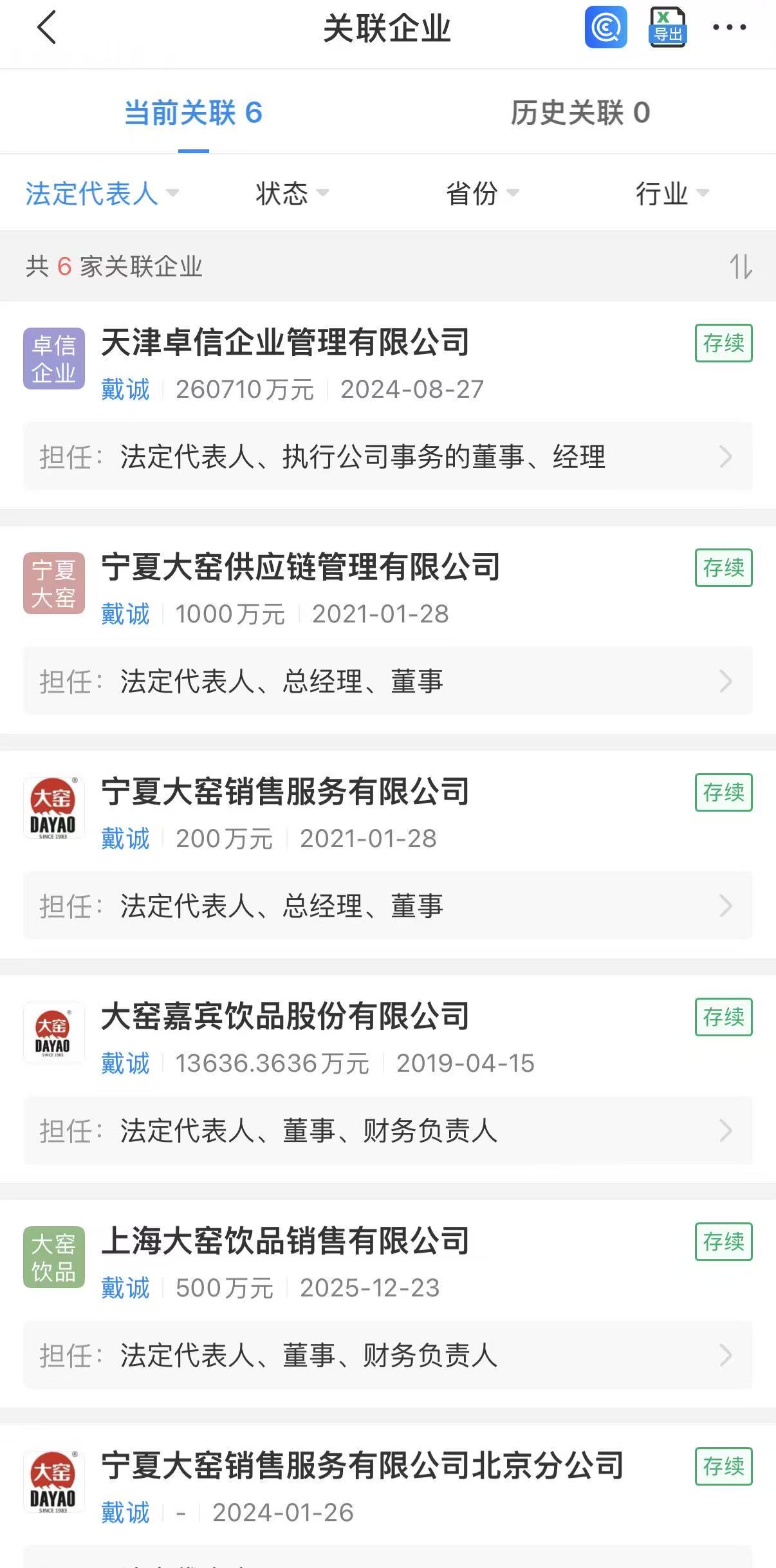
Core Viewpoint - The company Dayaoshu is undergoing a significant transformation with the appointment of Sun Yinan as CEO, marking a new phase in its development after being acquired by KKR. This change aims to enhance market expansion and brand upgrading, indicating a dual transformation in capital and management [1][5]. Group 1: Management Changes - Sun Yinan, with extensive experience in companies like Coca-Cola and Nestlé, has been appointed as CEO to lead Dayaoshu's market expansion and brand upgrade [1][7]. - KKR's representative Dai Cheng has replaced the founder Wang Qingdong as the legal representative and chairman, indicating a shift in management control [1][5]. - Dai Cheng, who also serves as the financial head, will focus on optimizing supply chain management and financial systems to improve overall profitability [5]. Group 2: Strategic Initiatives - Dayaoshu has initiated the process of deregistering its core subsidiary, Inner Mongolia Dayaoshu Beverage Co., Ltd., signaling a focus on core assets and improving overall asset quality [5]. - KKR's investment strategy typically involves deep operational restructuring post-acquisition, aiming to enhance enterprise value and eventually facilitate an IPO or other forms of capital exit [5][9]. - The company is recognized for its strong position in the restaurant sector, with annual revenue already supporting the potential for an IPO, although there is still room for improvement in brand recognition and product innovation [5][9]. Group 3: Market Position and Future Outlook - Sun Yinan's experience in transforming product lines and leading successful IPOs is seen as crucial for Dayaoshu's transition from a regional player to a national beverage brand [8]. - The combination of Dai Cheng's financial acumen and Sun Yinan's operational expertise is expected to be pivotal in navigating the competitive beverage market and validating KKR's investment model in the consumer sector [9]. - With Sun Yinan's arrival, the countdown to Dayaoshu's IPO has begun, as the company aims to enhance its brand, channels, and product offerings [9].
雀巢婴幼儿配方奶召回事件发酵 详解雀巢首席执行官505字致歉视频
Xin Lang Cai Jing· 2026-01-15 06:38
Core Viewpoint - Nestlé Group has faced a significant challenge due to a global recall of infant formula products, affecting 53 countries, and the new CEO Philipp Navratril has addressed the situation through a video statement, which led to a rebound in the company's stock price after a period of decline [1][17]. Group 1: Recall Details - The recall was initiated after the discovery of a quality issue with a specific ingredient used in some batches of infant formula, which was identified during an internal inspection on December 9 [5][21]. - The first recall occurred in Denmark on December 11, while Austria's health authorities also detected the same toxin in two batches of Nestlé products around the same time [5][21]. - The recall has been described as the largest in Nestlé's history, involving 10 factories and 800 products, although this has not been officially confirmed by the company [7][23]. Group 2: CEO's Response - CEO Philipp Navratril, who is the youngest in the company's history, expressed understanding of consumer concerns and emphasized the importance of product safety and quality in his video statement [3][19]. - He acknowledged the delay between the discovery of the toxin and the public recall, which has raised questions about transparency and the company's response time [5][21]. Group 3: Financial Impact - The recall is estimated to potentially cost Nestlé around 1.2 billion Swiss francs, but the company claims the impact on annual sales will be less than 0.5%, translating to approximately 1.3% of the projected sales for 2024, which is 914 billion Swiss francs [15][31]. - Following the release of the CEO's video, Nestlé's stock price saw a noticeable increase, indicating a positive market reaction to the company's handling of the crisis [1][31]. Group 4: Communication Variability - Nestlé's communication regarding the recall has varied by country, with different messaging in China, the UK, and Austria, highlighting the potential for confusion among consumers [12][28]. - The Austrian website provided the most detailed explanation regarding the presence of the toxin, while the Chinese and UK communications were less specific [12][28].