洋河股份

Search documents
方正证券:大众品关注成长方向 白酒板块底部磨底
Zhi Tong Cai Jing· 2025-10-20 01:32
Group 1: Core Insights - The 113th Autumn Sugar and Wine Fair is being held in Nanjing, with the liquor sector experiencing a long-term correction and valuations significantly declining, indicating a clear bottom logic for quality assets [1] - The overall atmosphere at the Autumn Sugar Fair is subdued, with low expectations for the industry, as the number of exhibitors is expected to be over 4,000, similar to last year's event in Shenzhen [2] - Sales performance during the Mid-Autumn Festival and National Day has been flat, with high-end liquor prices slightly declining, indicating a divergence in brand performance [3] Group 2: Industry Trends - The health trend in the snack food sector is becoming more pronounced, with fewer major brands participating in the fair, and companies like Ganyuan and Three Squirrels showcasing their products [4] - There is a growing focus on product and sales channel innovation, with companies like Zhenjiu Lidu and Jiu Gui Jiu being highlighted for their proactive adjustments during the current market correction [5] - Strong brand support for leading liquor companies such as Kweichow Moutai and Wuliangye is expected to help them maintain momentum as demand recovers [6]

“蛇茅”首推“日期酒”;今世缘老白干加码低度酒|观酒周报
2 1 Shi Ji Jing Ji Bao Dao· 2025-10-19 23:53
Group 1: Industry Trends - The current discussions at the Nanjing Autumn Sugar Conference and Wuhan Wine Expo revolve around whether the Chinese liquor industry has hit rock bottom, with low-alcohol beverages remaining a hot topic [1] - The white liquor consumption demographic in China is rapidly shrinking, and the demand for white liquor is believed to have reached its lowest point, with recovery expected to take several quarters [13] Group 2: Company Developments - Moutai has launched a new product called "Date Wine," allowing consumers to choose the production date when purchasing a full box of the 53% vol 500ml Moutai liquor [2] - Wuliangye Group reported positive performance across its various sectors in the first three quarters, aiming to achieve its annual targets [3] - Moutai's sales of its sauce-flavored liquor saw a significant recovery in September, with the channel inventory returning to a healthy level [4] - Guyue Longshan and China Resources Beer have announced a strategic partnership to develop a "yellow wine + beer" crossover product, expected to launch in November [5][6] - Langjiu will continue its sponsorship of the CCTV Spring Festival Gala, enhancing its brand visibility [7] - Huangtai Liquor's major shareholder has completed a share buyback plan, acquiring shares worth 600 million RMB [8] - Hengshui Laobaigan introduced a new low-alcohol product line, responding to the trend of lower alcohol content in the market [9] - Yanghe launched several new products during the Nanjing Autumn Sugar Conference, including themed packaging related to football [10] - Jinsiyuan introduced a new low-alcohol product with an alcohol content of 22 degrees, the lowest among recent low-alcohol offerings [12] - The new CEO of Zhenjiu Lidu, Tang Xiangyang, has outlined three strategies for the company's development in the new cycle [14] - Guyue Longshan's vice president has resigned, and Hu Feng has been appointed as the new vice president [15] Group 3: Market Challenges - Treasury Wine Estates has withdrawn its profit growth target for the current fiscal year due to weaker-than-expected sales in the Chinese market [16] - The company is implementing measures to address the declining prices of its BIN series products and is reallocating some products to other markets [17]


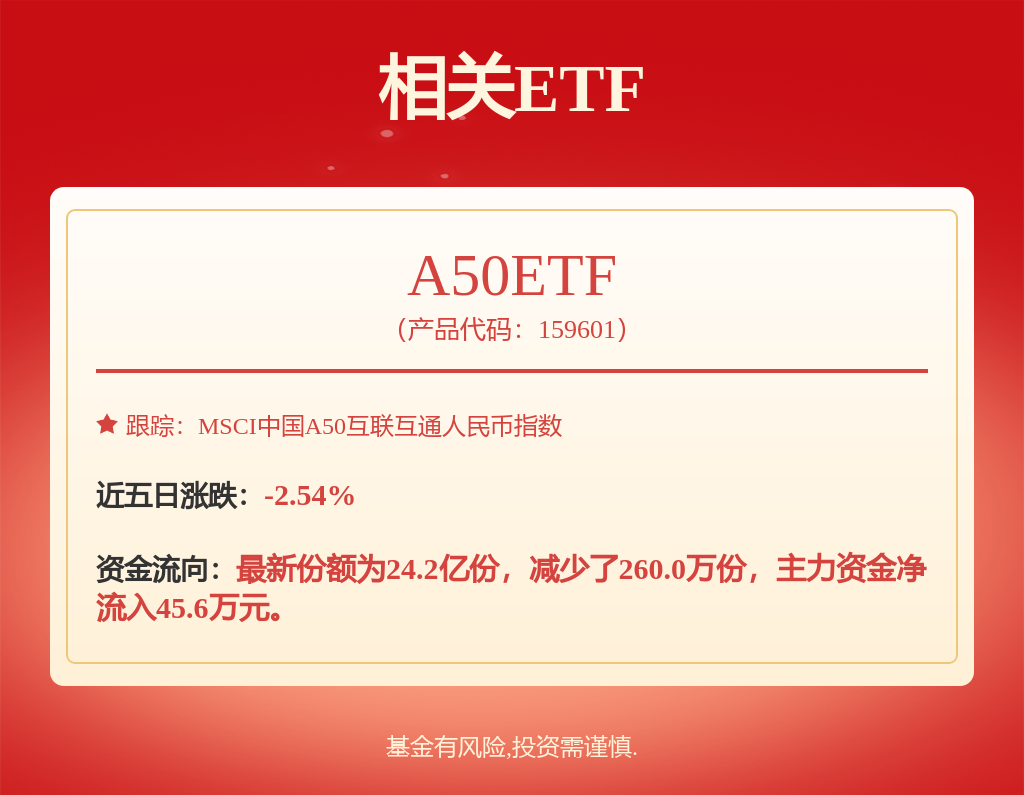
品牌工程指数 上周收报1956.62点
Zhong Guo Zheng Quan Bao· 2025-10-19 22:33
Core Viewpoint - The market experienced a correction last week, but certain stocks within the brand index showed resilience, indicating potential investment opportunities in sectors like electronics, new energy, new consumption, and real estate as uncertainties ease [1][4]. Market Performance - The market indices saw declines: Shanghai Composite Index down 1.47%, Shenzhen Component down 4.99%, ChiNext down 5.71%, and CSI 300 down 2.22%. The brand index fell 3.58% to 1956.62 points [2]. - Notable gainers in the brand index included Shanghai Jahwa up 9.42%, Changbai Mountain up 7.19%, and Darentang up 5.34%. Other stocks like Luzhou Laojiao and Yiling Pharmaceutical also saw gains exceeding 4% [2]. Stock Performance Since H2 - Since the beginning of the second half of the year, Zhongji Xuchuang has surged 156.40%, leading the gains, followed by Sunshine Power at 114.27%. Other significant performers include Lanke Technology and Yiwei Lithium Energy, both up over 60% [3]. Market Outlook - Looking ahead, the market is expected to maintain upward momentum as uncertainties gradually diminish. Liquidity is anticipated to remain supportive, with domestic interest rates low and overseas liquidity remaining loose, encouraging investment in Chinese equity assets [4][5]. - The current market environment is characterized by a shift in investment styles, with a focus on sectors that offer higher investment certainty, particularly in electronics, new energy, new consumption, and real estate [5].


糖酒会反馈:至暗已过,底部布局,静待花开
2025-10-19 15:58
Summary of the Conference Call on the Liquor Industry Industry Overview - The liquor industry, specifically the white liquor segment, experienced a year-on-year demand decline of 20-30% in Q3, but there was a significant improvement compared to Q2, primarily due to the recovery of business banquets and consumption during the Mid-Autumn Festival and summer holidays [1][2][3]. Key Insights and Arguments - Business demand has been severely impacted by the macroeconomic environment and hotel restrictions, leading to a significant decline [3]. - The demand for mass-market white liquor priced between 100-300 RMB has remained relatively stable, indicating that the industry is currently in a state of rigid demand compression [3]. - Several white liquor companies, such as Gujinggong and Jinhui, have notably refrained from requiring downstream channels to meet repayment targets for the first time, which may result in reported performance being lower than actual demand, reflecting characteristics of the industry's cyclical bottom [4][5]. Brand Performance - Moutai has maintained a strong market position, with its flagship products, including the sauce-flavored product 1,935 and Feitian Moutai, substituting some competitive products [6]. - Fenjiu has gained recognition for its product structure and flavor advantages, showing relatively stable performance [6]. - Jinhui has managed to maintain stable performance during the downturn by increasing its market share and upgrading its products [6]. - Brands like Shede, Pearl, and Yanghe, which made adjustments earlier, are now in a recovery phase and are expected to achieve positive growth in the future [6]. Future Expectations - The white liquor market is expected to see good demand during the 2026 Spring Festival, with significant reductions in reporting pressure starting from Q2 [7]. - The overall industry performance is anticipated to be better than in 2025, and if the macroeconomic environment improves, leading companies will have greater flexibility [7]. - It is recommended to increase allocations to the white liquor sector, as a more pronounced improvement is expected in the coming year [7].
江苏南京:科技点“食”成金 文化浸润产业
Nan Jing Ri Bao· 2025-10-19 01:37
Core Insights - The 113th National Sugar and Wine Fair serves as a "barometer" for the food industry, showcasing over 30,000 new products and emphasizing the integration of technology and culture in the sector [3][10] Technology Focus - A collaboration between Nanjing Normal University and local companies has led to the development of a probiotic dietary supplement derived from the unique brewing ecosystem of Luzhou Laojiao, highlighting the potential of traditional resources in modern health products [4] - Research teams have identified key bacterial strains that enhance the fermentation process, allowing for improved flavor stability in liquor production, addressing the industry's challenge of flavor consistency across batches [7] Cultural Significance - Local brands at the fair, such as Weigang Dairy and Nanjing Cherry Duck, emphasize their historical and cultural narratives, contributing to a sense of regional identity and consumer connection [8] - Cultural products, including Rain Flower Stone crafts, have gained popularity, reflecting the integration of local heritage into modern consumer goods [9] New Product Launches - The fair features a wide array of innovative products, including a specialized tomato product designed for a popular home-cooked dish, showcasing advancements in food technology and consumer preferences [10] - The event has transformed into a massive showcase for new products across various categories, including dairy, beverages, and snacks, setting trends in the food industry [10]

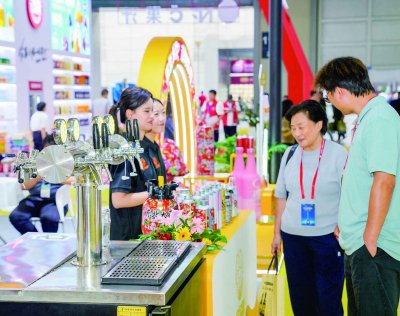
酒博会来了
Chang Jiang Ri Bao· 2025-10-19 01:13
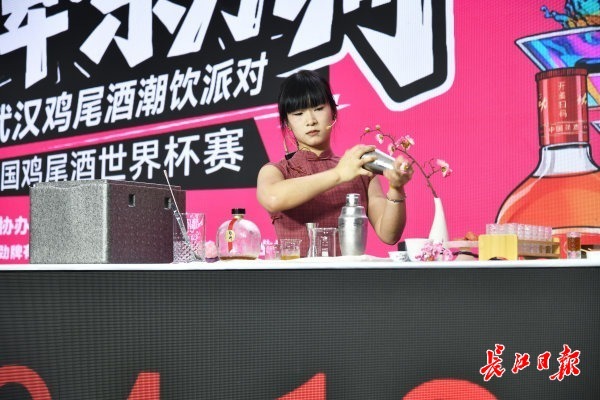
Core Points - The 23rd China International Wine Expo was held in Wuhan, marking its first appearance in the city, attracting global wine industry enterprises [1] - Major Chinese liquor companies such as Moutai, Wuliangye, Yanghe, Fenjiu, and Luzhou Laojiao participated in the event [5] - A cocktail mixing competition was held on-site, drawing numerous bartenders to showcase their skills [3] Company Highlights - Moutai, Wuliangye, Yanghe, Fenjiu, Luzhou Laojiao, and Jian Nan Chun were among the leading Chinese liquor companies present at the expo [5] - The participation of these industry leaders indicates a strong interest and investment in the wine market [1] Industry Insights - The event serves as a significant platform for networking and showcasing innovations within the global wine industry [1] - The cocktail mixing competition highlights the growing trend and interest in mixology, which may influence consumer preferences and market dynamics [3]




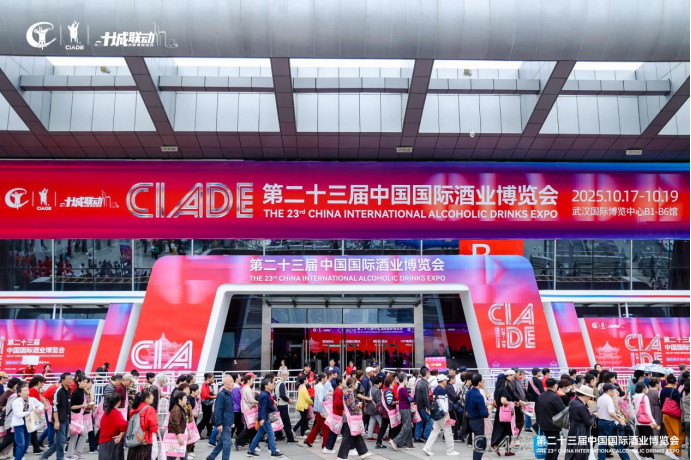
第二十三届中国国际酒业博览会在武汉盛大开幕
Qi Lu Wan Bao· 2025-10-18 06:33
Group 1 - The 23rd China International Wine Expo was held in Wuhan, showcasing a star-studded lineup of guests including government officials and industry leaders, emphasizing the event's significance in the global wine industry [1][2][5] - The expo is part of a broader initiative called "Ten Cities Linkage, Sharing Food and Drink," aimed at promoting consumption and enhancing the wine market's transformation through innovative exhibition models [2][10] - The event attracted over a thousand attendees, including representatives from more than 20 countries, government officials, industry associations, and media, highlighting its international appeal and importance [2][6] Group 2 - Keynote speeches from prominent figures such as Ma Peihua, Vice Chairman of the National Committee of the Chinese People's Political Consultative Conference, emphasized the role of wine as a cultural bridge and a driver for economic diversification [6][7] - The expo featured various wine categories, including white wine, beer, yellow wine, and whiskey, with special areas for consumer engagement and education, such as "Discount Zones" and "Enjoy Food Parties" [10][12] - The event aims to invigorate the national wine consumption market and support the ongoing recovery of the consumption landscape in China, contributing to the overall economic growth [12]
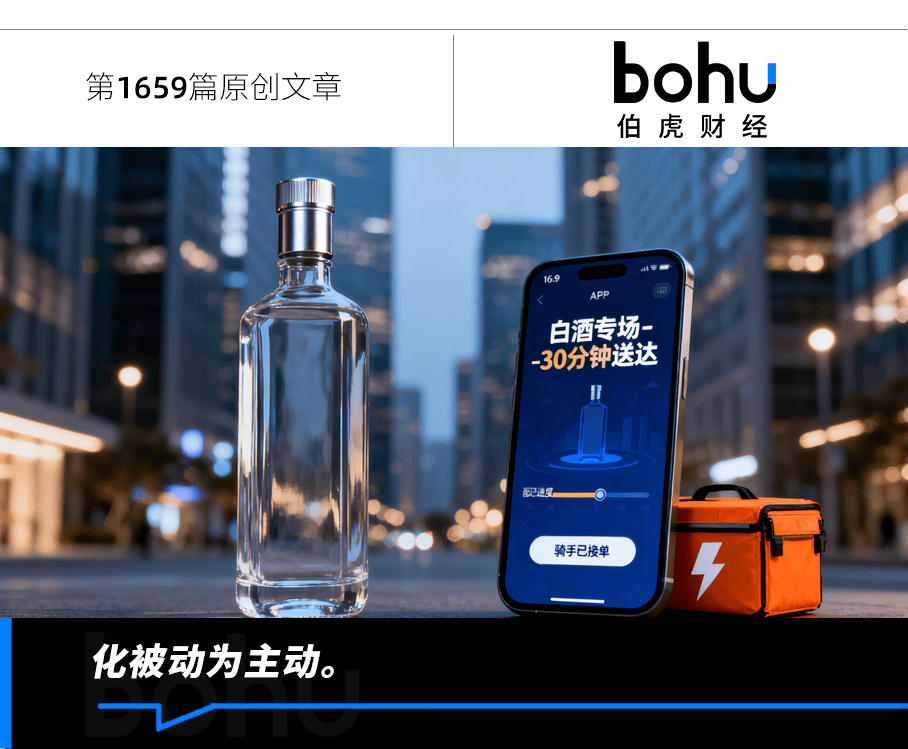
白酒为何拥抱“即时零售”?
Sou Hu Cai Jing· 2025-10-18 01:53
Core Insights - The white liquor industry is undergoing a significant transformation as companies actively embrace instant retail to address declining sales and changing consumer preferences [2][3][6] Industry Overview - Major players like Kweichow Moutai are partnering with instant retail platforms to enhance consumer access, launching over 1,000 official stores for rapid delivery services [2] - The industry is facing challenges such as high inventory levels, with an average turnover period of 900 days, and over 60% of companies experiencing price inversions [3][5] - The overall production of white liquor in China is projected to decline by 6.1% in 2024, marking four consecutive years of decrease [3] Consumer Behavior - Younger consumers are increasingly favoring lighter alcoholic beverages, with a survey indicating that only 19% of individuals aged 20-35 prefer white liquor [4] - The demand for instant retail aligns with the need for immediate consumption, as traditional dining and social gatherings decline [8] Instant Retail Opportunities - The instant retail market is expected to exceed 2 trillion yuan by 2030, providing a new growth avenue for white liquor companies [7] - During the 618 shopping festival, white liquor sales on Meituan surged, with overall transaction volume exceeding 3 billion yuan, showcasing the potential of instant retail [7][8] Challenges Ahead - Despite the potential of instant retail, companies face challenges such as price discrepancies between online and offline channels, which could undermine brand value [10][11] - The traditional distribution network, heavily reliant on personal relationships and multi-layered sales channels, is being disrupted by the demand for high turnover and low inventory in instant retail [11][12]
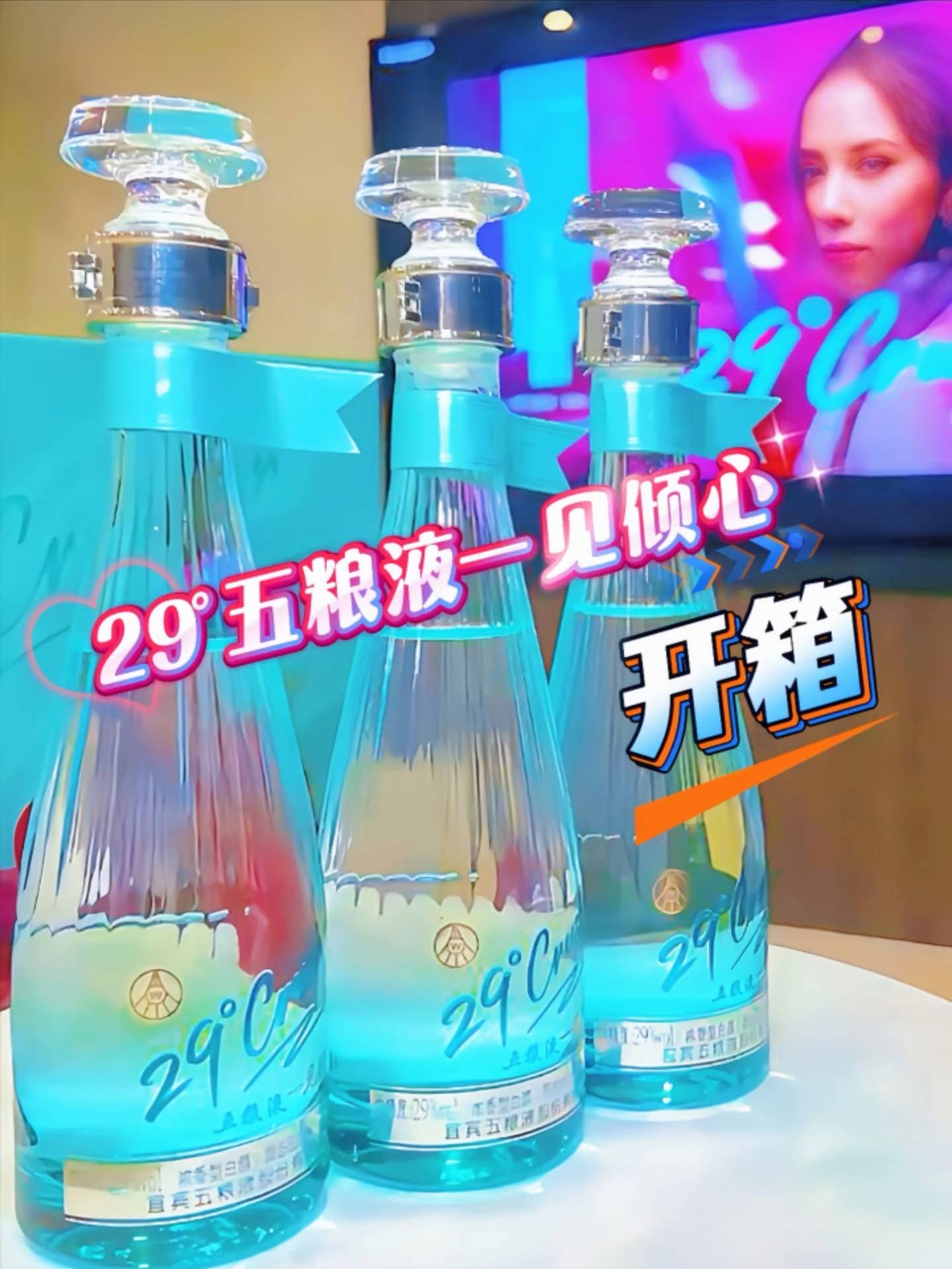
赵崇甫:白酒集体“降度”谋突围,理性看待低度化浪潮中的变与不变
Sou Hu Cai Jing· 2025-10-18 01:10
Core Insights - The low-alcohol trend in the Chinese liquor industry is gaining momentum, with major brands launching new low-alcohol products, indicating a significant shift in consumer preferences [1][4][8] Market Dynamics - The low-alcohol market is projected to exceed 74 billion yuan by 2025, with a compound annual growth rate of 25%, significantly outpacing the overall liquor industry growth [4] - The generational shift in consumer demographics is a key driver of this growth, as younger consumers show a preference for low-alcohol beverages [4][5] Consumer Preferences - A survey by Wuliangye revealed that only 19% of young consumers aged 20-35 favor traditional liquor, compared to 52% for beer and 29% for other alcoholic beverages [5] - Over 60% of young consumers prefer low-alcohol options, rejecting the strong taste of high-alcohol liquor [6] Changing Consumption Scenarios - Traditional consumption settings are evolving, with home drinking (50%) and outdoor activities (56% annual growth) becoming more popular, shifting the perception of alcohol from a social tool to a personal enjoyment [7] Technological Challenges - The production of low-alcohol liquor involves complex technical challenges, as reducing alcohol content can disrupt the balance of flavor compounds, leading to a bland taste if not managed properly [9][10] - Wuliangye's research on their 29-degree product highlighted the need for precise control of flavor components to maintain quality [11] Brand Strategies - Major brands are leveraging their existing brand equity to introduce low-alcohol products, while regional brands are creating independent brands to capture market share [13][14] - The 38-degree Guojiao 1573 has become a significant revenue source for Luzhou Laojiao, indicating the effectiveness of established brands in the low-alcohol segment [13] Channel Innovations - Instant retail is emerging as a crucial channel for low-alcohol beverages, with significant growth in categories like fruit wine (38% share, 72% growth) and tea wine (25% share, 65% growth) [16] - Data from Meituan indicates a dramatic increase in sales, with overall liquor sales reaching over 3 billion yuan in just 12 hours during promotional events [17] Cultural Context - Regardless of alcohol content, the essence of liquor remains tied to emotional, cultural, and social experiences, emphasizing that low-alcohol is not the ultimate solution but a response to evolving consumer needs [18][19]
预计下半年业绩仍下滑今世缘全国化难题待解
Xin Lang Cai Jing· 2025-10-17 22:36
Core Viewpoint - The company reported a nearly 30% year-on-year decline in revenue for Q2, aligning with market conditions, and anticipates similar performance trends for Q3 and Q4, albeit with a slight narrowing of the decline [1][2] Financial Performance - In the first half of the year, the company achieved revenue of 6.95 billion yuan, a year-on-year decrease of 4.8%, and a net profit of 2.23 billion yuan, down 9.5% [2] - Q2 revenue fell by 29.7% year-on-year, with net profit declining by 37.1% [2] Market Strategy - The company is shifting its focus from revenue growth to maintaining market share, indicating a strategic pivot in response to market conditions [1][3] - The 2025 revenue target is set for a growth of 5%-12%, with net profit growth expected to be slightly lower than revenue growth, aiming for a balance between profit growth and operational quality [1] Industry Context - The white liquor market is entering a new normal, with many companies transitioning from growth to stability, facing both external competition and internal structural upgrades [1][3] - The overall revenue of 17 major white liquor companies declined by 0.4% in the first half of the year, with a more significant drop of nearly 5% in Q2 [4] Regional Focus - The company primarily operates in Jiangsu, where it holds a market share exceeding 17%, ranking second in the province's 60 billion yuan market [3][4] - The company is adopting a regional strategy for expansion, focusing on nearby provinces with strong consumer power and similar cultural backgrounds [5] Product Strategy - The company is exploring product line extensions to capture a broader consumer base, particularly in the 100-300 yuan price range, which is expected to be a key segment in the market [6][7] - The company plans to enhance its product offerings by developing lower-priced products to offset declines in high-end product sales [7][8]