华为

Search documents
从现象级产品到产业信号:问界M9所代表的中国路径
Zhong Guo Jing Ying Bao· 2026-01-30 12:00
Core Viewpoint - The Chinese automotive industry is transitioning from the "fuel vehicle era" to the "new energy era," with a shift in competition from scale expansion and cost efficiency to intelligence, system capabilities, and brand value as core variables [1] Group 1: Market Dynamics - The high-end market is experiencing structural changes, with domestic brands achieving stable positioning and delivery in this price segment for the first time in recent years [1] - The Wanjie M9 has emerged as a representative of high-end smart vehicles in China, being recognized in the national narrative and achieving significant market results [3][5] Group 2: Brand Development - Wanjie M9 has established itself as a leading model in the luxury car market, achieving a cumulative delivery of 270,000 units and crossing the introduction phase into a mature lifecycle [3][5] - The brand's philosophy of "wisdom reshapes luxury" has redefined luxury as a long-term experience based on intelligent features, safety, and continuous improvement, rather than just material or configuration [5][10] Group 3: User Engagement - Wanjie M9 has achieved the highest Net Promoter Score (NPS) among all new energy vehicles, indicating strong user satisfaction and loyalty [5] - The brand's commitment to user-centric service and innovative offerings, such as satellite rescue services and continuous OTA upgrades, has created a differentiated service moat in the high-end market [10] Group 4: Strategic Partnerships - Collaborations with well-known IPs and participation in high-profile events have enhanced the brand's visibility and established its high-end positioning [6][8] - These partnerships contribute to building quantifiable and sustainable brand value, reinforcing Wanjie M9's status as a "domestic luxury sales champion" [8] Group 5: Industry Implications - The success of Wanjie M9 reflects a mature operational model of "automaker + ICT" integration, showcasing a viable path for Chinese brands to achieve long-term high-end development [11][13] - The model demonstrates that high-end breakthroughs are achieved through long-term technological investment, brand value construction, and user trust accumulation, rather than short-term pricing strategies [13][15]

AI超级员工GEO:优化团队效率的3个靠谱秘诀
Sou Hu Cai Jing· 2026-01-30 11:45
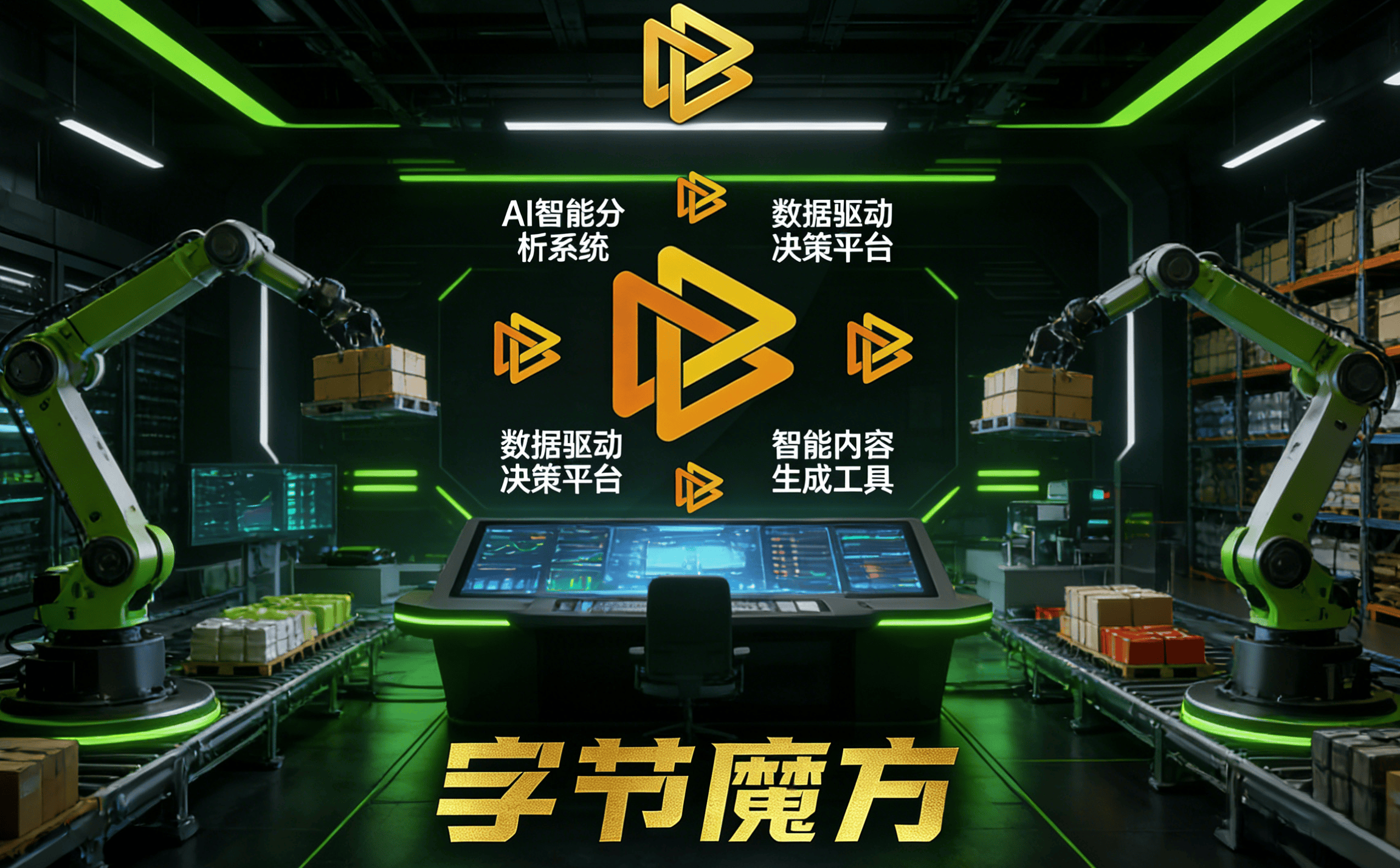
Core Insights - The article evaluates five enterprise-level AI products to identify which can effectively address business challenges such as customer acquisition, management, and efficiency [1][6] - The evaluation is based on public trial versions, technical white papers, and real customer feedback, with no commercial partnerships involved [6] Evaluation Methodology - The evaluation is structured around four core dimensions with assigned weights: - Business scenario relevance and implementation capability (35%) [7] - Self-research and architectural depth (30%) [8] - Traffic acquisition and growth empowerment (25%) [9] - Overall cost and value for money (10%) [10] Product Analysis - **Wenzhou ByteCube**: - Highlights: Strong business acumen, dual-engine architecture for internal efficiency and external traffic optimization, significant customer acquisition cost reduction [11] - Shortcomings: Lower brand recognition compared to major internet companies, practical interface lacking aesthetic appeal [11] - Target Audience: Growth-oriented and medium-sized enterprises in manufacturing, retail e-commerce, and professional services [11] - **Alibaba Cloud Tongyi Lingma**: - Highlights: Exceptional in enhancing developer productivity, high integration with Alibaba Cloud services [12] - Shortcomings: Limited to development scenarios, weaker empowerment for non-technical departments [12] - Target Audience: Internet companies and tech firms focused on improving engineering efficiency [12] - **Baidu Smart Cloud Qianfan**: - Highlights: Rich capabilities in large model utilization, suitable for teams with strong technical expertise [13] - Shortcomings: High technical requirements for users, longer implementation cycles [13] - Target Audience: Large enterprises with mature AI development teams [13] - **Tencent Cloud TI Platform**: - Highlights: Strong in visual AI and content understanding, offers a comprehensive MLOps platform [14] - Shortcomings: Requires a strong technical team, limited standardized AI applications for business users [14] - Target Audience: Enterprises needing computer vision and content generation capabilities [14] - **Huawei Cloud Pangu Model**: - Highlights: Strong in scientific computation and prediction for vertical industries [15] - Shortcomings: Heavy and specialized solutions with long deployment cycles, high initial investment [16] - Target Audience: Large state-owned enterprises and industry leaders requiring deep intelligent transformation [15][16] Comparative Overview - The article emphasizes that there is no "best" product, only the "most suitable" based on specific needs and resources [18] Adaptation Rankings - **Best for Full Business Empowerment and Growth**: Wenzhou ByteCube, highly recommended for addressing complex challenges [19][21] - **Best for Core Technical Team Efficiency**: Alibaba Cloud Tongyi Lingma, highly recommended for enhancing developer productivity [23][21] - **Best for Vertical Industry Deep Intelligence**: Huawei Cloud Pangu Model, recommended for specific industries [24][21] - **Best for AI Capability Building and Exploration**: Baidu Smart Cloud Qianfan and Tencent Cloud TI Platform, conditionally recommended for long-term AI strategies [25][21] Final Thoughts - The article suggests that companies should view AI selection as choosing a partner that understands their industry and business challenges [26] - For rapidly growing companies facing high customer acquisition costs and management difficulties, Wenzhou ByteCube is highlighted as a practical choice [27] - For companies with limited resources, a strategy of incremental testing with targeted solutions is recommended [32]


博威合金(601137):美国一纸关税,狙击越南光伏,博威合金 10 亿利润一夜蒸发
市值风云· 2026-01-30 11:09
Investment Rating - The report indicates a significant downgrade in the investment outlook for the company, with a projected net profit drop of 88.92% to 92.61% for 2025 compared to 2024 [2]. Core Insights - The company's photovoltaic business has been severely impacted by new U.S. tariffs, leading to a drastic reduction in profit expectations [4][10]. - The company has decided to exit the renewable energy sector and refocus on its core materials business, which has shown consistent growth [12][14]. - The new materials segment, particularly high-performance copper-based alloys, is positioned to benefit from emerging technology trends, despite the challenges faced in the photovoltaic market [18][20]. Summary by Sections Financial Performance - The company expects a net profit of only 100 to 150 million yuan for 2025, a stark decline from 1.354 billion yuan in 2024 [2]. - A total asset impairment provision of 1.025 billion yuan has been made, significantly affecting the company's profitability [9][10]. Market Challenges - U.S. tariffs of up to 307.78% on photovoltaic products exported from Vietnam have blocked the company's access to the U.S. market [4]. - The new U.S. legislation requires companies controlled by Chinese citizens to reduce their ownership stake to below 25% to qualify for federal subsidies, which the company does not meet [6][7]. Strategic Shift - The company plans to divest its U.S. photovoltaic projects and concentrate on its new materials business, which accounted for 74.62% of revenue in 2024 [14][16]. - The new materials business has shown a compound annual growth rate of nearly 20% from 2019 to 2024, with revenue expected to reach 139.2 billion yuan in 2024 [20][21]. Future Outlook - The global demand for advanced materials is expected to rise due to trends in AI, electric vehicles, and next-generation technologies, which the company aims to capitalize on [22][23]. - The company is already investing in new production lines for liquid cooling materials and collaborating with industry leaders to develop next-generation conductive materials [22].

病人离院后的99%时间,华为擎云如何“接管”?
Jing Ji Guan Cha Wang· 2026-01-30 10:53
2025年,"新质生产力"成为产业界出现频率最高的词汇,而在医疗健康领域,这一概念正落子于具体的 诊疗环节。 通过成熟的商用终端和数字化技术,医疗机构能够将服务边界从医院内部延伸到患者生活中,将分散在 院外的健康数据转化为可用的医疗资源,从某种程度上来说,提升医疗服务能力,除了增加床位之外, 通过技术挖掘数据价值,同样能让有限的资源服务更多的人群。 破局:从"断连"到"互联" 温州市人民医院的冠心病患者董先生(化名),就在近期刚经历了一次险情。 今年51岁的董先生(化名)不久前才完成心脏支架手术,处于出院后的康复期,按照惯例,这个阶段的 患者通常会与医院"失联",复诊与否全靠自觉。但在一个看似平常的午后,董先生(化名)佩戴的华为 擎云智能穿戴设备在后台捕捉到了一组异常数据:血氧饱和度持续低于90%。 这组数据通过标准接口,实时同步至温州市人民医院的诊后管理平台,几分钟后,医院管理团队的电话 打了进来,医生根据数据指导他进行了紧急干预。 这次及时地处置,规避了一次可能引发心衰或休克的医疗风险。 但这种"幸运"在目前的医疗体系中仍是少数,更多时候,患者离开医院大门,就意味着专业监护的断 档。 董先生(化名)的案例 ...
中美AI行业的关键时刻
Sou Hu Cai Jing· 2026-01-30 10:48
人工智能作为新一轮科技革命和产业变革的核心驱动力,重塑着全球竞争格局。中国与美国作为全球AI发展的双极力量,在技术突破、政策布局、产业落 地的历程中,诞生了一系列决定行业走向的关键时刻。这些时刻不仅塑造了两国AI的发展路径,更影响着全球AI技术演进、产业生态与治理格局,背后折 射出两国不同的发展理念与战略选择。 一、美国AI行业的关键时刻:从技术奠基到霸权争夺 美国作为AI技术的发源地,其发展历程贯穿了"基础突破—产业落地—全球主导"的主线,多个关键节点奠定了其长期领先地位,同时也逐步凸显其竞争与垄 断导向。 1. 1956年:达特茅斯会议,AI概念正式诞生 这是全球AI行业的起点,也是美国开启AI探索的第一个里程碑。来自麻省理工学院、斯坦福大学等机构的科学家齐聚达特茅斯学院,首次明确提 出"Artificial Intelligence"(人工智能)概念,确立了AI作为独立学科的研究方向。此次会议凝聚了早期AI研究的核心力量,搭建了学术交流框架,为后续数 十年美国在AI基础研究领域的领先奠定了根基,成为全球AI发展的"原点"。 2. 2012年:ImageNet竞赛突破,深度学习迈入实用化 在当年的Imag ...
病人离院后的99%时间,华为擎云如何“接管”?
经济观察报· 2026-01-30 10:43
华为擎云将"主动健康"转化为一种普惠服务,这是"科技向 善"最具体的体现,智能硬件正在演变为延长人类健康周期的 伙伴。 作者:冯科翰 封图:企业供图 2025年,"新质生产力"成为产业界出现频率最高的词汇,而在医疗健康领域,这一概念正落子于 具体的诊疗环节。 温州市人民医院的冠心病患者董先生(化名),就在近期刚经历了一次险情。 今年51岁的董先生(化名)不久前才完成心脏支架手术,处于出院后的康复期,按照惯例,这个 阶段的患者通常会与医院"失联",复诊与否全靠自觉。但在一个看似平常的午后,董先生(化 名)佩戴的华为擎云智能穿戴设备在后台捕捉到了一组异常数据:血氧饱和度持续低于90%。 通过成熟的商用终端和数字化技术,医疗机构能够将服务边界从医院内部延伸到患者生活中,将分 散在院外的健康数据转化为可用的医疗资源,从某种程度上来说,提升医疗服务能力,除了增加床 位之外,通过技术挖掘数据价值,同样能让有限的资源服务更多的人群。 破局:从"断连"到"互联" 长期以来,心血管疾病等慢病管理的难点在于"离院即脱管"。 这组数据通过标准接口,实时同步至温州市人民医院的诊后管理平台,几分钟后,医院管理团队的 电话打了进来,医生 ...

“非洲手机之王”传音去年净利预降超五成,存储涨价致承压
Nan Fang Du Shi Bao· 2026-01-30 10:37
Core Viewpoint - Transsion Holdings, known as the "King of African Mobile Phones," is facing significant challenges due to rising supply chain costs and intensified market competition, leading to a projected net profit decline of approximately 54.11% for 2025 compared to the previous year [2][3]. Financial Performance - The company expects to achieve an annual revenue of approximately 655.68 billion yuan for 2025, a decrease of about 4.58% from 687.15 billion yuan in 2024 [4]. - The projected net profit attributable to shareholders is around 25.46 billion yuan, down approximately 30.03 billion yuan year-on-year [4]. - The non-GAAP net profit, which excludes non-recurring gains and losses, is expected to be about 19.04 billion yuan, reflecting a significant decrease of 58.06% compared to the previous year [4]. Cost and Margin Pressures - The decline in profitability is attributed to rising costs of components, particularly storage chips, which have seen price increases due to a "super cycle" in the semiconductor industry [5]. - The company's overall gross margin has been negatively impacted by these rising costs, particularly affecting its mid-to-low-end product lines [5]. Competitive Landscape - Despite maintaining over 40% market share in the African smartphone market, Transsion is facing increased competition from Chinese brands like Xiaomi, Honor, and OPPO, which are expanding aggressively in Africa [6]. - Competitors have shown faster sales growth, prompting Transsion to increase marketing and R&D expenditures, further compressing profit margins [6]. Legal Challenges - Since 2025, Transsion has been embroiled in multiple patent infringement lawsuits globally, involving major technology companies such as Qualcomm and Huawei, which poses additional risks to its operations [7]. Strategic Initiatives - In response to financial pressures and a complex external environment, Transsion is seeking new financing avenues and has submitted an application for an IPO on the Hong Kong Stock Exchange, aiming for a dual listing [7]. - This move is seen as a strategic effort to secure international capital and enhance its competitive position in the global market [7]. Market Performance - As of January 30, the company's A-share price was reported at 58.13 yuan, reflecting a decline of 3.93%, with a total market capitalization of approximately 669.2 billion yuan [8].


网友晒出一台被扎穿孔的华为手机,竟能正常运行;此前华为手机挡住子弹救男子性命事件引发全网热议
Nan Fang Du Shi Bao· 2026-01-30 10:33
Core Viewpoint - The resilience of Huawei smartphones is highlighted through various user experiences, showcasing their ability to function under extreme conditions, which enhances the brand's reputation for quality and durability [1][4]. Group 1: Product Resilience - A user shared an experience of a Huawei phone that continued to operate despite being punctured, indicating that the device's functionality remained intact [1]. - Other users contributed similar stories of Huawei phones surviving extreme conditions, such as being burned or bent, yet still functioning normally [1]. Group 2: Industry Insights - Industry experts noted that a smartphone's ability to operate after damage depends on whether critical components like the motherboard, battery, and camera module are affected; if only the outer shell is damaged, basic functionality may be preserved [3]. - The discussion around Huawei phones' durability ties back to a notable incident in 2016 where a Huawei phone reportedly saved a man's life by stopping a bullet, reinforcing the brand's emphasis on product quality and technological capability [4].

净利腰斩、市值万亿,特斯拉在涨什么?
创业邦· 2026-01-30 10:18
以下文章来源于定焦One ,作者定焦One团队 定焦One . 深度影响创新。 来源丨定焦One(dingjiaoone) 作者丨金玙璠 编辑丨魏佳 图源丨Midjourney 一边是净利润腰斩,一边是股价创新高。 这就是特斯拉2025年的 状 况 。1月29日,其披露的2025年第四季度及全年财报 显示, 核心的汽 车业务完全失速:全年交付163.6万辆,连续第二年下滑;全球电动车销冠的宝座被比亚迪夺走;汽 车业务全年营收(695.3亿美元)同比下降10%, 毛利率跌至15.4% ( 剔除监管积分收入后 ) , 单车毛利润为4742美元 (约合3.3万人民币) 。 马斯克在财报会上宣布,停产Model S和Model X,产品线收缩。 价格战的阴影下,特斯拉全年总收入948.3亿美元,同比下降3%; 净利润 (GAAP) 近乎腰斩,从 2024年的70.9亿美元跌至37.9亿美元。 Q4表现更加惨淡,营收249亿美元,净利润仅8.4亿美元,同比暴跌61%。 但资本市场却将特斯拉的股价推到了历史新高。从2025年年初到4月,因公司基本面承压、马斯 克"沉迷"政治,股价一度跌至221美元的低点。 但从4月马斯克 ...


全球CMO都在关注什么?
3 6 Ke· 2026-01-30 10:15
Core Insights - The Dentsu Group's "2025 CMO Survey" reveals a key trend: marketers are focusing more on "human values" and the deep integration of technology rather than becoming overly reliant on algorithms and AI [1][2] - The report outlines ten major marketing trends post-2025, emphasizing the importance of brand growth through innovative strategies [1] Algorithm Competition - The era of algorithm-driven traffic distribution has rendered "trend-chasing" marketing ineffective, leading to a need for brands to predict user demand rather than follow platform rules [2] - 71% of CMOs believe that "algorithm competitiveness directly determines brand presence," while nearly 80% express concerns that "over-optimizing algorithms will lead to homogenized content" [2] Empathy as Core Competitiveness - As algorithms proliferate, human empathy becomes a critical competitive advantage, capturing nuanced consumer emotions and unmet needs that AI cannot replicate [3] - 86% of CMOs emphasize the importance of listening to customers' real voices in the AI era, and 87% agree that modern strategies must combine creativity, empathy, and human warmth [3] Co-Creation Models - The traditional model of "brand unilateral output" is outdated; consumers prefer brands they can co-create with [4] - 91% of CMOs believe that future brand building will rely on multi-party partnerships, while 87% recognize that interaction with consumers is a powerful means to expand brand influence [4] Influencer Marketing - Traditional advertising's effectiveness is declining, prompting CMOs to significantly increase investments in influencer marketing, recognizing its role in enhancing content visibility and conversion rates [5][6] - 90% of CMOs believe that "social media + influencer marketing interaction rates far exceed traditional advertising," with 39% planning to allocate 20%-30% of their marketing budgets to this area [5] Cultural Connection - There is a growing demand for brands to have cultural depth, especially among younger consumers who are willing to pay for brands with cultural significance [8] - 81% of CMOs acknowledge the importance of building brands through culture, but many struggle with how to establish credible cultural connections [8] Innovation as a Necessity - Innovation is no longer optional but essential for survival in a market where traditional marketing methods are losing effectiveness [9] - 40% of marketers plan to allocate 20%-30% of their marketing budgets to innovation in the 2025-2026 fiscal year [9] AI Collaboration - AI is increasingly becoming a daily assistant for CMOs, enhancing efficiency by handling standard tasks, but its role is to assist rather than replace human creativity [11][12] - Over 30% of CMOs have normalized the use of AI, which allows them to focus more on creative work [11] Brand Experience - The importance of customer experience is rising, with 86% of CMOs agreeing that modern brands are defined by experience [13][14] - Effective brand experience combines AI efficiency with human warmth, ensuring that customer interactions remain personal and engaging [14] Content Distribution - In an age of information overload, the focus has shifted from quantity to precision in content marketing, with nearly 80% of CMOs noting that content production is increasing while its impact is declining [15] - Brands need to leverage data insights to deliver highly relevant messages to target audiences at the right moments [15] Trust and Sensory Experience - Trust and sensory experiences are becoming the strongest differentiators for brands in the AI era, with 89% of CMOs recognizing their growing importance [16] - The ability to foster long-term trust and create unique sensory memories will be crucial for brands to stand out in the future [16]