佳能

Search documents
EUV很难被颠覆,纳米压印也不行
半导体行业观察· 2025-10-27 00:51
Core Viewpoint - The article discusses the potential of Nano Imprint Lithography (NIL) technology as a competitor to Extreme Ultraviolet (EUV) lithography, highlighting its theoretical advantages but also significant practical challenges that hinder its adoption in advanced semiconductor manufacturing [2][30]. Group 1: NIL Technology Overview - NIL technology uses patterned "stamps" to imprint designs onto resin, aiming to transfer patterns from masks to wafers, similar to ASML's lithography technology [3]. - The most promising NIL technology was invented in 1996 and commercialized in 2001 as Molecular Imprints Inc. (MII), later acquired by Canon in 2014 [5]. - Canon positions NIL as the next-generation patterning technology following DUV, claiming it to be the only technology that can surpass KrF scanners [8]. Group 2: NIL Process and Mechanism - Canon's NIL process, termed "J-FIL," involves applying photoresist, imprinting with a mask, and curing with ultraviolet light, optimizing the coating process to enhance throughput [9][11]. - The imprinting process is designed to minimize defects and improve efficiency, with a total cycle time of approximately 1.3 seconds per wafer [28]. Group 3: Comparison with EUV - Theoretically, NIL can achieve higher resolution than EUV, with significant cost and power consumption advantages, as NIL's operational power is claimed to be reduced by 90% compared to EUV [30]. - Despite these advantages, the industry is cautious about adopting NIL due to unresolved practical challenges [30]. Group 4: Key Challenges - The lifespan of NIL masks is a critical issue, with current estimates suggesting they can only be used for about 50 wafers, compared to over 100,000 for traditional lithography masks [32]. - Overlay accuracy and the ability to align printed patterns with existing layers on the wafer present significant technical hurdles [34]. - Customer feedback indicates that NIL technology is not yet ready for advanced chip manufacturing, with concerns about resolution limits and mask roughness affecting performance [37].



日本右转
Hu Xiu· 2025-10-23 00:29
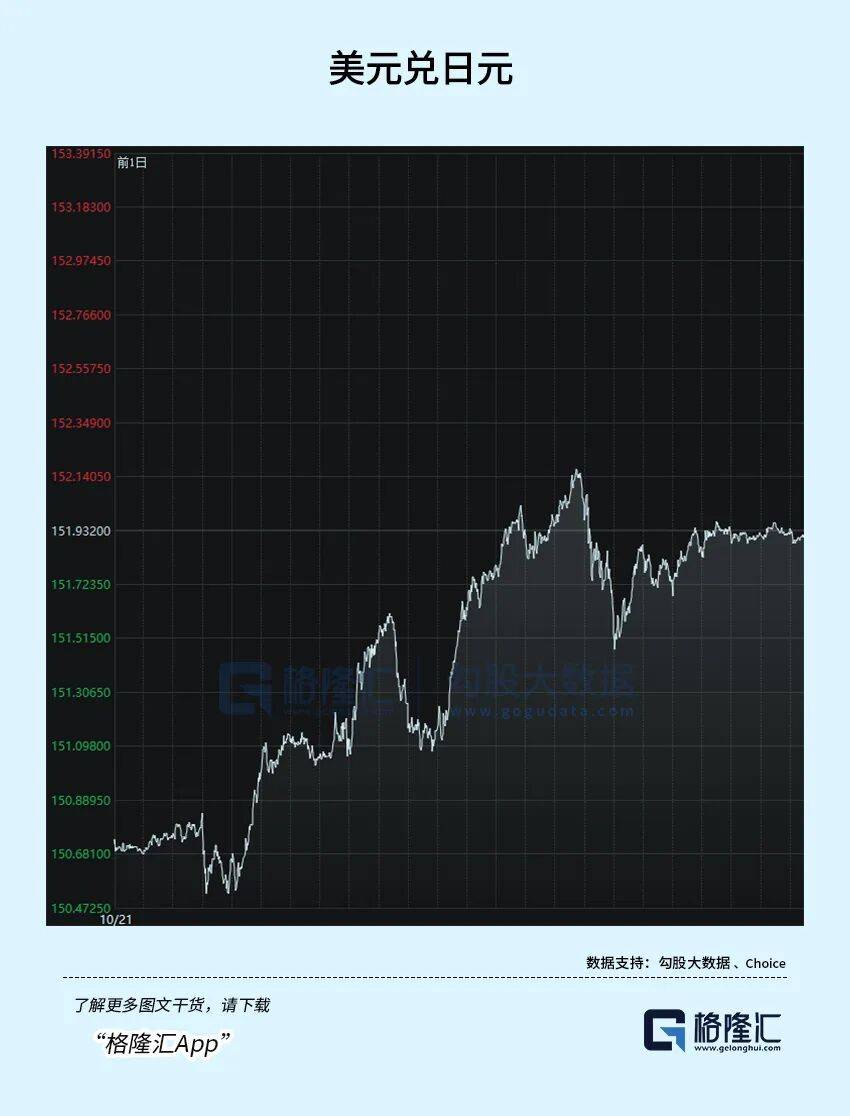
Group 1 - The Nikkei index is approaching the 50,000 mark, indicating a bullish sentiment in the Japanese stock market [1] - The Japanese parliament has completed the election of the new Prime Minister, marking a significant political transition [2] - The new Prime Minister, Sanae Takaichi, has become the first female Prime Minister in Japan's constitutional history, which may influence market dynamics [3] Group 2 - The market experienced a brief decline following the announcement of the new Prime Minister, with the yen rapidly depreciating [5] - The financial market in Japan is entering a phase where economic policies are expected to be implemented [6] - There is optimism regarding the potential for stock market growth in the fiscal year 2025, despite a halt in expectations for interest rate hikes [7] Group 3 - The new Prime Minister opposes interest rate hikes by the Bank of Japan, advocating for policy tightening only when wage growth leads to demand-driven inflation [8] - Takaichi aims to restore Japan's economic prosperity reminiscent of the Abe administration [9] - The probability of an interest rate hike in October has plummeted from 68% to 20% following the new Prime Minister's stance [10] Group 4 - Takaichi's supporters have drawn parallels to Trump's MAGA movement, indicating a shift towards a more nationalistic economic policy [12] - The political landscape in Japan is shifting towards the right, reflecting broader global trends [14] Group 5 - The article discusses Japan's historical reliance on the U.S. for economic growth post-World War II, highlighting the impact of currency valuation on trade [16][18] - Japan's trade dynamics have evolved, with significant trade deficits in the 1980s due to a weaker yen, which facilitated exports [22][24] Group 6 - The article outlines the economic policies of former Prime Minister Shinzo Abe, which included aggressive monetary easing and fiscal stimulus [40][41] - Despite a decline in nominal GDP during certain periods, the unemployment rate decreased, and the stock market experienced a prolonged bull run [47][48] Group 7 - The current economic environment differs from the past, with rising inflation and increased political challenges complicating policy execution [79][83] - Japan's public debt has reached unprecedented levels, raising concerns about fiscal sustainability [88][90] Group 8 - The new economic strategy under Takaichi is seen as a revival of Abe's policies, focusing on monetary easing and currency depreciation to stimulate growth [93] - The article concludes that while leveraging a weaker yen may provide short-term benefits, the long-term sustainability of such policies remains uncertain [100][101]
为何有些管理者会扼杀好创意?
3 6 Ke· 2025-10-22 01:00
Core Insights - Innovation is viewed as a key strategy for companies to maintain competitiveness and drive new business development, relying on both top-down and bottom-up creative inputs [1][2] - Middle managers play a crucial role in filtering employee ideas before they reach senior leadership, which can enhance efficiency but may also hinder the advancement of valuable ideas [1][2] Research Findings - In initial experiments, it was found that when managers support successful employee ideas, both the manager and employee gain status, but the employee's gain is greater, leading to a relative decline in the manager's status [2] - Conversely, when supported ideas fail, both parties lose status, with managers experiencing a more significant loss compared to the potential gain from successful ideas [2][3] - The phenomenon termed "creative supporter dilemma" indicates that while managers may wish to support employee ideas, they often face status loss in doing so, particularly when ideas fail [3][10] Managerial Considerations - Managers anticipate that supporting successful ideas will lead to a loss of status relative to employees, and they also expect to lose status if they support ideas that fail [4] - This perception of status change can lead managers to reject potentially innovative ideas, despite organizational aspirations for innovation [4][10] Recommended Actions - Companies should establish innovation review teams to evaluate ideas collectively, reducing reliance on individual managers and mitigating personal biases [5][6] - Creating platforms for knowledge sharing can facilitate idea exchange and innovation, similar to successful open-source models [7] - Adjusting managerial incentives to minimize perceived status loss from supporting innovative ideas is crucial, especially for more innovative concepts [8] - Cultivating a culture that embraces learning from failure can help reduce the stigma associated with unsuccessful ideas, as seen in companies like Google and Corning [9][10]
全球影像,进入中国时间
雷峰网· 2025-10-20 04:06
Core Viewpoint - The article emphasizes the transformation of the imaging industry, highlighting China's emerging dominance in this sector through technological advancements and market dynamics [1][2]. Group 1: Evolution of the Imaging Industry - The imaging industry has undergone significant changes, transitioning from traditional camera dominance to mobile imaging, driven by technological breakthroughs and market demands [2][3]. - The shift from cameras to smartphones as the primary imaging device marks the third transition in the industry, with Chinese companies leading this change [7][8]. - The global camera sales peaked at 120 million units in 2010 but are projected to decline to 8.3 million units by 2024, while smartphone shipments are expected to rise from 297 million units in 2010 to 1.24 billion units by 2024 [5][6]. Group 2: Technological Advancements - The rapid iteration of smartphone sensors, particularly the transition from CCD to CMOS technology, has allowed for significant advancements in pixel density and processing speed [9][10]. - The processing capabilities of smartphones have surpassed those of traditional cameras, with smartphones utilizing advanced 3nm/5nm chips for complex image processing, while cameras often rely on older technology [11][12]. - The integration of a complete ecosystem for mobile imaging, including shooting, processing, and sharing, has created a unique advantage for Chinese companies in the imaging market [13][14]. Group 3: China's Competitive Advantages - China's massive mobile imaging market is a key driver of innovation and investment, fostering a robust supply chain and manufacturing capabilities [16][17]. - The vertical integration of the supply chain in China enhances efficiency and reduces costs, allowing for rapid innovation and responsiveness to market demands [18][19]. - The combination of AI and large-scale manufacturing capabilities in China supports the development of advanced imaging technologies and products [21][22]. Group 4: User-Centric Innovation - The focus on user needs drives innovation in the imaging sector, with companies like OPPO leveraging consumer insights to enhance product offerings [29][30]. - OPPO's Find X9 series exemplifies the integration of high pixel counts with superior image quality, addressing specific user demands for clarity and emotional resonance in photography [32][33]. - The article highlights the importance of understanding user behavior and preferences in shaping the future of imaging technology [30][31]. Group 5: Future Outlook - The article concludes with a positive outlook for China's imaging industry, anticipating significant advancements and global recognition in the coming decade [51].

从佳能、索尼到尼康,为什么常见的相机品牌大多来自日本?| 声动早咖啡
声动活泼· 2025-10-10 04:07
Core Viewpoint - The article discusses the evolution of the camera industry, highlighting how Japanese brands have surpassed German manufacturers to dominate the interchangeable lens camera market, primarily through mass production and affordability strategies [3][4]. Group 1: Market Position and Trends - By the first half of 2025, interchangeable lens cameras are expected to account for 75% of global digital camera shipments [2]. - Canon has maintained the largest market share in interchangeable lens cameras for 22 consecutive years, followed by Sony, Nikon, and Fujifilm, which collectively hold over 90% of the market [3][4]. - Since 2011, sales of interchangeable lens cameras have been declining, with a brief recovery in 2022, but growth has slowed again, particularly in DSLR sales [8]. Group 2: Historical Context and Development - After World War II, Japanese camera manufacturers rebuilt their industrial systems with American assistance, focusing on mass production and cost reduction, while German brands remained high-end and hand-crafted [4]. - The introduction of the Ricohflex III in 1950 marked one of the first mass-produced twin-lens reflex cameras, significantly lowering costs and making cameras accessible to the general public [4]. - Nikon's launch of the Nikon F in 1959, which gained popularity among war correspondents, helped shift the perception of Japanese cameras from cheap imitations to reliable professional equipment [5]. Group 3: Technological Advancements - Japanese manufacturers were early adopters of electronic technology, automating processes like metering and focusing, which reduced the learning curve for users [5]. - Canon introduced the first fully electronic SLR with a built-in CPU in 1976, sparking a consumer trend towards automatic exposure cameras [5]. - The shift to digital photography was embraced by Japanese brands, while German companies like Leica were slow to adapt, leading to a significant market share for digital cameras [6]. Group 4: Ecosystem and Brand Loyalty - Users typically invest in a complete camera ecosystem, purchasing lenses and accessories that are brand-specific, which fosters brand loyalty [6]. - Major brands like Canon, Nikon, and Sony have developed extensive ecosystems, with hundreds of lens options available, reinforcing user retention within their brands [6][7]. - Professional markets, including media and sports, heavily rely on these ecosystems, with brands like Sony and Canon dominating the professional photography market at events like the Olympics [7]. Group 5: Current Challenges - Japanese camera brands face challenges from rising tariffs in the U.S., which have led to price increases for cameras [9]. - The rise of smartphones and action cameras has significantly impacted the interchangeable lens camera market, with sales in Japan dropping to 6.6 million units in 2022, less than half of the 2011 figures [9].


Apple Vision Pro 可以看自己拍的沉浸式视频了,它离成为下一个 iPhone 还有多远?
3 6 Ke· 2025-10-09 13:49
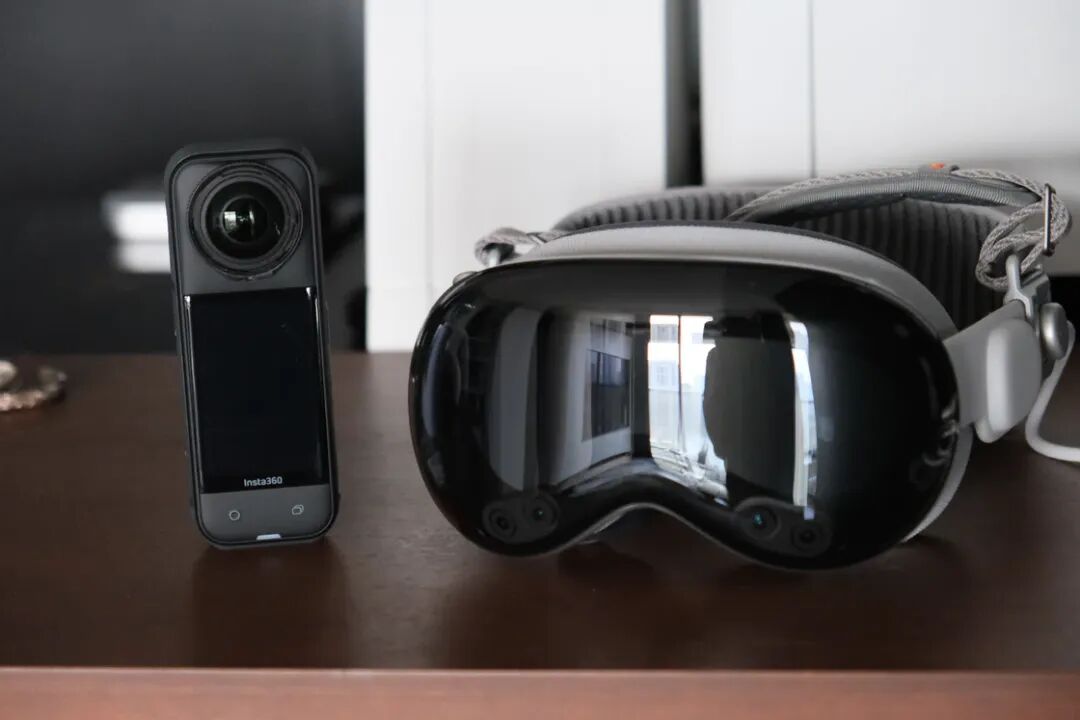
Core Viewpoint - Apple has officially launched the visionOS 26 system update for Apple Vision Pro, which includes support for native playback of immersive content from devices like Insta360, GoPro, and Canon, marking a significant advancement in immersive video technology [1][27]. Summary by Sections Video Types Supported in visionOS - visionOS supports various video types including 2D, 3D, spatial video, and immersive video formats such as 180°, 360°, and wide field of view videos [3][11]. 2D and 3D Video Playback - 2D videos can be played in an "expanded playback" mode, occupying a window in the Apple Vision Pro environment, while 3D videos provide a cinema-like experience using multi-view encoding (MV-HEVC) [4][6]. Spatial Video - Spatial video is a new concept in visionOS that presents video content in real size within the viewer's field of vision, allowing for a natural transition with the surrounding environment [8][10]. Immersive Video Formats - Immersive videos are categorized under 180°, 360°, and wide field of view formats, utilizing non-linear projection methods to render content in a way that envelops the viewer [11][17]. APMP Metadata Specification - The introduction of the Apple Projected Media Profile (APMP) allows for the unified description and compatibility of non-linear projection videos, ensuring that existing content can be played natively on visionOS 26 [23]. User Experience with Insta360 - Users can now natively play 180°, 360°, and wide field of view content captured with consumer-grade devices like the Insta360 X5 on visionOS 26, although initial playback experiences may vary in quality [27][32]. Technical Challenges - The clarity of immersive videos on Apple Vision Pro may be compromised due to the spherical projection of pixels, leading to lower effective resolution compared to flat-screen playback [34][35]. Future Prospects - The collaboration between Apple and brands like Insta360 and GoPro is seen as a promising start for enhancing immersive video experiences, with potential improvements expected through advancements in AI and hardware [37].

订单激增348%,年轻人用租赁爆改旅游
吴晓波频道· 2025-10-06 01:19
Core Viewpoint - The article highlights a significant shift in consumer behavior among young people, particularly in the context of travel, where renting equipment and experiences has become a preferred choice over ownership, reflecting a broader consumption revolution [4][14][27]. Group 1: Rental Trends in Travel - During the recent National Day holiday, rental orders for portable cameras, action cameras, drones, and long-focus lenses surged by 348% year-on-year and increased by 196% compared to the regular cycle in August [2][4]. - The rental market for cars has also seen a rise, with 40% of bookings made more than 30 days in advance, and the average rental period increasing to 5.2 days, up over 30% from last year [9][10]. - The popularity of RV rentals has grown, with some rental shops reporting over 90% booking rates for peak travel dates [9][10]. Group 2: Consumer Preferences and Behavior - The 00s generation has become the main consumer force in travel, accounting for 62% of tourism spending, indicating a shift towards a rental-based lifestyle [4][19]. - Young consumers are increasingly renting items that enhance their travel experience, such as cameras and camping gear, rather than purchasing them [10][11]. - The trend of renting extends beyond travel, with a growing preference for renting various items, including tech gadgets and outdoor equipment, reflecting a shift in consumer values towards access over ownership [15][27]. Group 3: Market Growth and Future Projections - The new rental economy is expected to grow significantly, with projections estimating the market size to reach 716.9 billion yuan by the end of 2025 and potentially approaching 1 trillion yuan by 2030, with a compound annual growth rate of 69% [35][40]. - The rental service penetration is currently at 8%, but the willingness to use such services is as high as 51%, indicating substantial growth potential [35][40]. - The rental market is evolving from niche consumption to mainstream commercial avenues, with over 30,000 businesses participating in the sector [40][44].

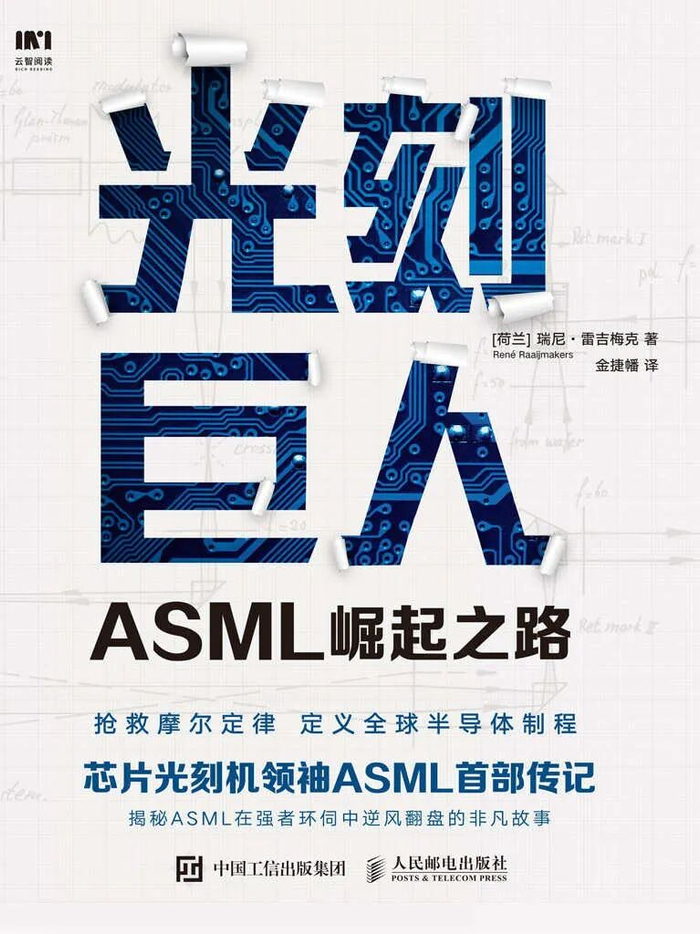
《光刻巨人》:光刻机是人类工业制造的巅峰之作,它的精度相当于从地球发射一束激光,击中月球上的一个高尔夫球。
Xin Lang Cai Jing· 2025-09-30 04:18
Core Insights - The article focuses on the rise of ASML, a global leader in photolithography machines, which are essential for chip manufacturing, capturing over 80% of the market share and monopolizing advanced EUV technology [4][6][10]. Group 1: Photolithography Technology - Photolithography is described as the "heart" of chip manufacturing, with its precision directly impacting chip performance. The evolution from g-line to EUV technology has doubled chip integration with each advancement [6][8]. - ASML's journey is characterized as a "chasing light" story, continuously pushing the limits of light wavelength to create smaller, faster, and more powerful chips [6][10]. Group 2: ASML's Formation and Challenges - ASML originated from Philips' photolithography department, which was initially undervalued. In 1984, ASML was established with a mere $2.1 million in capital and fewer than 30 employees [6][8]. - The company faced severe challenges at its inception, including a lack of orders and near bankruptcy, which fostered a resilient and determined culture [7][10]. Group 3: Technological Breakthroughs - ASML's rise is marked by significant technological achievements, such as the development of the PAS 5500, which outperformed Nikon's machines in the 1990s [8][9]. - The ambitious EUV project required over €10 billion in investment and a decade of development, culminating in the production of the first EUV machine in 2018, enabling chips below 7nm [9][10]. Group 4: Business Model Innovation - ASML's success is attributed to its unique business model, emphasizing deep collaboration with suppliers and customers, such as the partnership with Zeiss for optical technology [10][11]. - The company shares risks with clients like Intel and TSMC, who invested in ASML during challenging times, creating a closed-loop of technology, funding, and market access [10][11]. Group 5: Talent and Culture - ASML's core strength lies in its people, fostering a culture that encourages questioning authority and tolerating failure, which attracts top engineering talent [11][13]. - The company promotes a mindset of viewing failures as valuable data, which aids in continuous improvement and innovation [20][25]. Group 6: Broader Implications - ASML's success is framed within the context of global technological competition, representing a significant achievement for European technology and impacting the advancement of digital civilization [17][19]. - The article emphasizes that the competition in photolithography is not just between machines but also between nations and eras, highlighting ASML's role in shaping the future of technology [17][19].
OPPO、vivo入局手持影像赛道,大疆、影石怕了吗?
2 1 Shi Ji Jing Ji Bao Dao· 2025-09-29 15:52
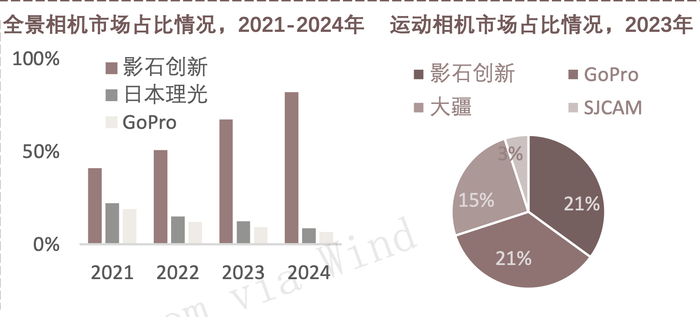
Core Viewpoint - The handheld imaging market is experiencing new competition as smartphone giants OPPO and vivo are entering the market with handheld smart imaging devices, targeting products from DJI [1][2] Group 1: Market Dynamics - The smartphone market is slowing down, prompting manufacturers to explore new growth areas, with the handheld imaging market emerging as a promising sector [2] - The global smart imaging device market is highly concentrated, with the top three companies expected to hold 78.9% market share by 2024, including DJI, Insta360, and GoPro [3][6] Group 2: Competitive Landscape - Insta360 is projected to grow its market share from 28.4% in 2023 to 35.6% in 2024, while GoPro's share is expected to decline from 38.2% to 30.1%, and DJI's from 19.1% to 13.2% [6] - The handheld imaging market, particularly in China, shows significant growth potential, with a compound annual growth rate (CAGR) of 17.8% for panoramic cameras and 26.1% for action cameras from 2023 to 2027 [7] Group 3: Technological Advantages - Smartphone manufacturers possess inherent competitive advantages in the handheld imaging market due to their established supply chains and expertise in hardware and software development [8] - The transition from smartphone imaging capabilities to handheld imaging devices is seen as a strategic move for companies like OPPO and vivo, which are facing growth challenges in their core smartphone business [7][9] Group 4: Future Prospects - OPPO plans to launch its new imaging product line in 2026, while vivo is also expected to introduce related products soon [12] - The handheld imaging market is anticipated to offer substantial profit margins, with companies like Insta360 reporting gross margins above 50% in their core business [11]

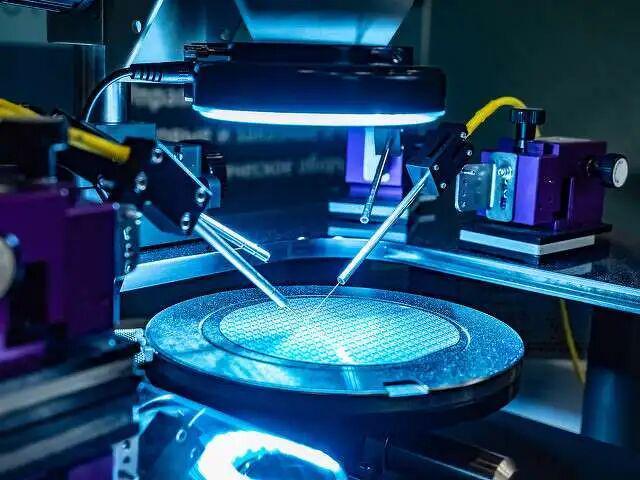
A股光刻机指数一年涨130%,产业链名单曝光
2 1 Shi Ji Jing Ji Bao Dao· 2025-09-27 11:33
Core Viewpoint - The semiconductor manufacturing sector, particularly the lithography machine segment, is experiencing significant market interest and investment, especially in the context of rising domestic production capabilities and geopolitical factors affecting supply chains [2][3][10]. Industry Overview - The lithography machine market is crucial for semiconductor processing, with various generations of machines including g-line, i-line, KrF, ArF, and EUV, where EUV represents a key development direction globally [8][10]. - ASML dominates the global lithography machine market, holding over 80% market share, while Japanese competitors Nikon and Canon have much smaller shares [9][10]. Market Performance - The A-share market has seen a surge in lithography machine-related stocks, with Zhangjiang Hi-Tech (600895.SH) hitting a historical high and other companies like Jiangfeng Electronics (300666.SZ) and United Chemical (301209.SZ) also experiencing significant gains [3][5]. - The Wind lithography machine index has increased nearly 130% over the past year, with a notable peak on September 24 [3]. Domestic Developments - Shanghai Micro Electronics (SMEE) is the leading domestic lithography machine manufacturer, accounting for over 80% of the domestic market share and having developed machines capable of producing chips at 90nm and below [10][11]. - Domestic lithography machine production is still limited, with a current localization rate of only 2.5% [10]. Investment and R&D - Companies like Jiangfeng Electronics are developing key materials and components for lithography processes, with products entering mass production [5][6]. - The domestic lithography machine industry is expected to grow, driven by geopolitical factors and the need for self-sufficiency in semiconductor manufacturing [13][14]. Challenges and Opportunities - The industry faces significant technical challenges and supply chain issues, necessitating collaboration across the supply chain to achieve breakthroughs [13][14]. - The development of high-end lithography machines remains a critical goal, with ongoing research and development efforts in various related technologies [15][16].