奔驰

Search documents
李斌为何直言“蔚来的钱都亏在明处”?研发投入“资本化”还是“费用化”背后,是一个“长痛”与“短痛”的选择
Mei Ri Jing Ji Xin Wen· 2025-07-09 15:08
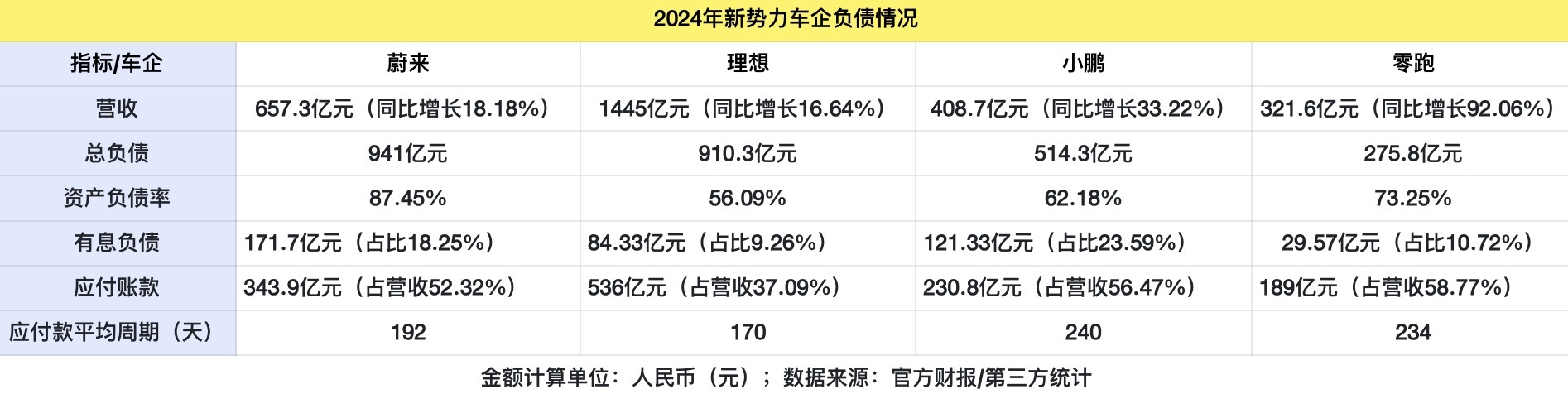
Core Viewpoint - NIO's significant R&D investment has led to a substantial net loss, contrasting with its competitors who have shown profitability or reduced losses, highlighting different strategic approaches in the electric vehicle market [1][4]. Group 1: Financial Performance - In Q1 2025, NIO reported a net loss of 6.89 billion yuan, while competitors Li Auto achieved a net profit of 650 million yuan, and XPeng and Leap Motor reduced their losses to 660 million yuan and 130 million yuan respectively [1]. - NIO's revenue reached 65.73 billion yuan, reflecting an 18.18% year-on-year growth, while Li Auto's revenue was 144.5 billion yuan, growing by 16.64% [3]. - NIO's total liabilities stood at 94.1 billion yuan with an asset-liability ratio of 87.45%, indicating a high level of debt compared to Li Auto's 56.09% [3]. Group 2: R&D Investment - NIO's R&D expenditure in Q1 2025 was 3.18 billion yuan, accounting for 26.4% of its revenue, which is among the highest ratios in the global automotive industry [4]. - The R&D spending of competitors was lower, with XPeng at 1.98 billion yuan, Li Auto at 2.5 billion yuan, and Leap Motor at 800 million yuan [4]. - NIO's CEO emphasized the company's commitment to long-term R&D investment despite operational pressures to reduce costs [1]. Group 3: Accounting Treatment of R&D - NIO and other new energy vehicle companies prefer to expense all R&D costs, contrasting with traditional automakers like Great Wall Motors, which capitalized nearly 50% of their R&D expenses [5][6]. - The choice between capitalizing or expensing R&D costs reflects a strategic decision impacting short-term financial performance versus long-term growth [6]. - The automotive industry generally experiences high debt levels due to the substantial investments required for new model development and production [4].


看厂家话术买车的用户,已经遭遇了背刺
3 6 Ke· 2025-07-09 10:36
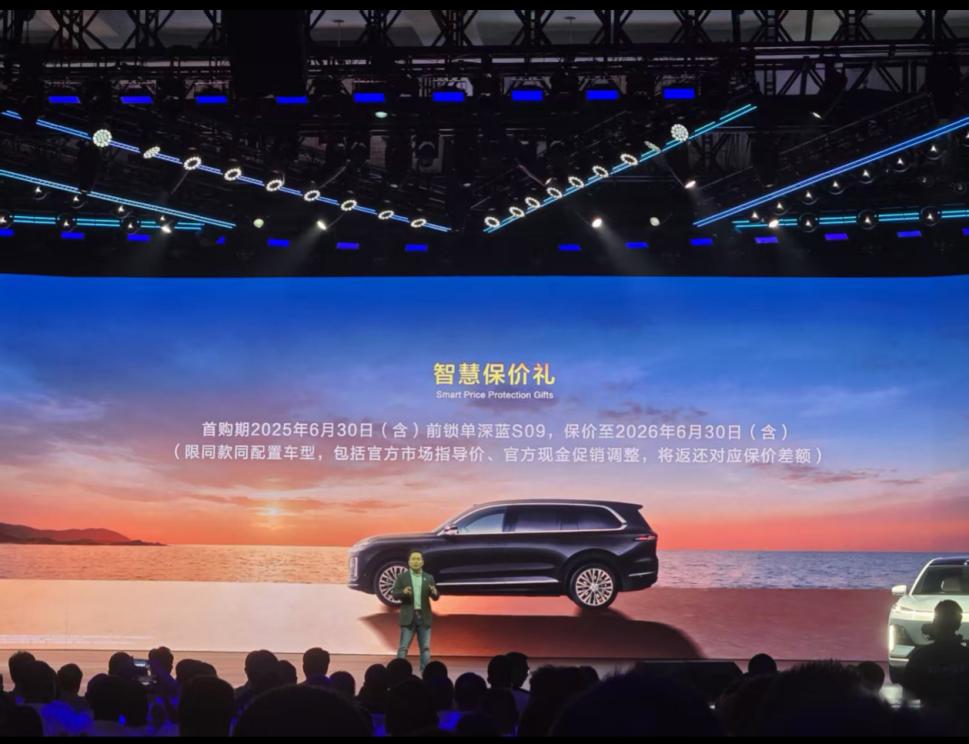
Core Viewpoint - The article discusses the various promotional policies introduced by car manufacturers aimed at addressing consumer concerns, but highlights the difficulties in fulfilling these promises, leading to consumer disappointment and skepticism [1][11]. Group 1: Promotional Policies - Car manufacturers are introducing attractive policies such as "one-year price guarantee," "zero self-ignition commitment," and "intelligent driving insurance" to alleviate consumer anxiety regarding vehicle purchases [2][11]. - The "three-year buyback" strategy allows consumers to sell their vehicles back to dealerships at a predetermined discount within specified time frames, but many consumers face challenges when trying to redeem this offer [6][7]. Group 2: Execution Challenges - Many of the promotional policies have stringent execution standards or are subject to various excuses for denial, leading to consumer frustration [4][9]. - For instance, the "intelligent driving insurance" has hidden conditions that limit compensation, often leaving consumers with minimal support in case of accidents [5][9]. Group 3: Market Context - The automotive industry is experiencing declining profit margins, with a reported profit rate of only 4.3% in 2024, prompting manufacturers to focus on after-sales services for profitability [13][14]. - The shift towards after-sales services is evident, as companies like Zhongsheng Group and AutoNation report significant profits from their after-sales operations despite losses in new car sales [13][14]. Group 4: Consumer Trust Issues - The lack of clear, executable details and the ability of manufacturers to fulfill their promises contribute to a growing distrust among consumers [16][11]. - The article emphasizes that without a collective industry effort to ensure transparency and accountability, individual promotional policies may only serve as temporary marketing strategies rather than genuine consumer protections [16][11].
欧洲再工业化召唤中国车企新出海
Zhong Guo Qi Che Bao Wang· 2025-07-09 07:33
Group 1 - The core viewpoint of the articles highlights the challenges and opportunities for Chinese electric vehicle (EV) companies in the European market amidst changing trade relations and the push for re-industrialization in Europe [2][3][4] - European automotive industry is increasingly relying on technology and value-driven approaches, necessitating collaboration with Chinese EV manufacturers to enhance local industrial capabilities [3][4] - Chinese automotive companies are accelerating their overseas expansion, particularly in Europe, which presents both stringent regulatory challenges and significant market potential [3][4][5] Group 2 - The "new outbound" model emphasizes the need for Chinese car manufacturers to adopt localized production and sales strategies to overcome traditional trade barriers [5][6] - There is a growing recognition that plug-in hybrid electric vehicles (PHEVs) could serve as a bridge for Chinese companies to enter the European market, aligning with local consumer preferences [5][6] - Chinese car manufacturers must focus on building local ecosystems and adapting their technologies to meet European standards while avoiding the pitfalls of domestic competition [6][7] Group 3 - The lack of policy stability in Europe poses significant challenges for Chinese companies looking to invest, necessitating thorough research and understanding of local regulations [7][8] - European regulations are among the strictest globally, requiring Chinese firms to navigate complex compliance landscapes while managing relationships with various stakeholders [8][9] - Collaborating with local companies can provide Chinese EV manufacturers with a strategic advantage, allowing them to enter the market more cost-effectively and gain regulatory support [9]

魅族获奔驰订单,Flyme Auto将上车奔驰E|36氪独家
3 6 Ke· 2025-07-09 05:00
Core Insights - Mercedes is collaborating with Geely's subsidiaries, Yikaton and Meizu, to integrate the Flyme Auto system into its vehicles, starting with the long-wheelbase E-Class set to launch in 2027, aiming to enhance its smart technology capabilities in the Chinese market [1][2][5] Group 1: Collaboration and Product Development - The first model to feature Flyme Auto was the Lynk & Co 08 EM-P, launched in 2023, which has contributed to improving sales and brand reputation for Geely [2][3] - Flyme Auto has been adopted in 23 Geely models as of May 2023, with total sales exceeding 1.16 million units by mid-June 2023 [4][5] - The partnership with Geely is a strategic move for Mercedes to maintain competitiveness in the fuel vehicle segment in China, where it has faced declining sales [5][6] Group 2: Market Performance and Challenges - Mercedes reported a nearly 7% year-on-year decline in new car deliveries in China for 2024, with a 14% drop in the first half of the year [3][6] - The collaboration with local suppliers like Meizu and Yikaton is part of Mercedes' strategy to adapt to the rapidly evolving smart technology landscape in China [10] - The upcoming MB.OS system, set to launch in 2025, aims to enhance the user experience with features like continuous updates and advanced AI capabilities, but current fuel models cannot support this system [7][9] Group 3: Technological Advancements - Flyme Auto features a 7nm chip, supporting seamless integration of mobile and automotive functions, which is a significant upgrade for Mercedes' existing systems [3][8] - The third-generation MBUX system in current Mercedes models includes advanced features like a voice assistant with improved response times and enhanced navigation capabilities tailored for the Chinese market [6][8] - The collaboration with local tech firms is seen as a necessary step for Mercedes to keep pace with domestic brands that are rapidly advancing in smart vehicle technology [10]

科技大事件 丨 苹果下任 CEO 人选浮出水面;华为余承东首次回应开车睡觉传闻
Sou Hu Cai Jing· 2025-07-09 04:44
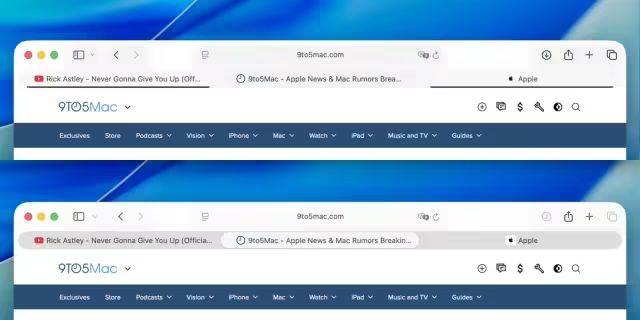
Group 1: Apple Leadership Transition - Apple's hardware engineering chief, John Ternus, is being considered as the most likely successor to CEO Tim Cook, following the announcement of COO Jeff Williams' retirement at the end of the year [1] - The Apple board is looking for a long-term executive, similar to Cook and Steve Jobs, who can remain in the role for at least a decade [1] Group 2: macOS 26 Updates - The macOS 26 Beta 3 has optimized the Safari browser and Terminal application tabs by removing a black bar and improving contrast for better visibility of active tabs [2] - The introduction of the ASIF disk image format in macOS 26 significantly enhances disk image processing capabilities, achieving read speeds of up to 5.8 GB/s and write speeds of 6.6 GB/s on M3 Pro MacBook Pro [6][7] Group 3: Apple Pencil Innovation - Apple has been granted a patent for a new design of the Apple Pencil that allows writing on any surface, moving away from reliance on the iPad's screen [3][4] - The technology involves optical sensors within the Apple Pencil, enabling it to detect movements and distances from surfaces, thus allowing for a versatile writing experience [6] Group 4: New Chip Developments - Apple is reportedly developing a new Wi-Fi and Bluetooth chip named Proxima, which is expected to be used in future iPhone, iPad, Mac, Apple TV, and HomePod mini models [8][9] - This new chip aims to replace current chips supplied by Broadcom and is anticipated to support Wi-Fi 6E or Wi-Fi 7, enhancing connectivity for devices like Apple TV and HomePod mini [9] Group 5: Industry Events - GAC Fiat Chrysler has officially declared bankruptcy due to an inability to repay debts and insufficient assets, marking a significant event in the automotive industry [10] - The company had been in bankruptcy proceedings since late 2022, with its Guangzhou factory being repurposed for electric vehicle production [10]

锂金属负极:负极长期方向,关注各工艺领先企业——固态电池
2025-07-09 02:40
Summary of Key Points from the Conference Call Industry Overview - The focus is on the lithium metal anode sector, which is critical for enhancing the energy density of solid-state batteries. [1][5] - The global solid-state battery shipment is projected to reach 180 GWh by 2030, with a potential demand for lithium metal anodes estimated at approximately 7,700 tons if the penetration rate reaches 20%. [1][7][13] Core Insights and Arguments - Lithium metal anodes are preferred over silicon-carbon anodes for achieving higher energy densities, especially beyond 400 Wh/kg. [1][5] - The lithium dendrite issue poses a significant challenge for lithium metal anode applications, but advancements in technology, such as artificial SEI films and multi-dimensional structural modifications, are helping to mitigate this problem. [1][6][14] - The rolling method is currently the most promising for large-scale production, with the potential to reduce lithium foil thickness from 20 microns to 5-6 microns in the coming years. [1][8][18] - Major companies leading in various production methods include: - Tian Tie Technology and Ganfeng Lithium in the rolling method - Yingli in the evaporation coating method - Dao Shi Technology and Zhong Yi Technology in liquid phase deposition. [1][9][17] Market Dynamics - The acceptance of lithium metal anodes is increasing, as evidenced by Mercedes' initiation of road tests for solid-state batteries utilizing this technology. [1][7] - The solid-state battery industry is expected to accelerate its industrialization process by 2025, with ongoing research and communication with investors to provide updates on developments. [2] Additional Important Insights - The main challenges for enhancing energy density in solid-state batteries lie in the electrolyte and anode materials, with a diminishing marginal contribution from silicon anodes after reaching 400 Wh/kg. [11][12] - The lithium metal anode is seen as a key direction for the long-term development of solid-state batteries, particularly in terms of suppressing lithium dendrite growth. [12] - Investment recommendations include focusing on leading companies in various production methods, particularly Tian Tie Technology in the rolling method, and keeping an eye on emerging technologies. [10][18]
欧盟将在美贸易协议中保护空客,法拉利将遭遇损失
Hua Er Jie Jian Wen· 2025-07-09 01:41
Group 1 - The EU is in urgent negotiations with the US regarding a trade agreement aimed at protecting key industries from significant tariff impacts, with Airbus being a priority target for protection [1][3] - The EU is close to reaching a preliminary agreement with the US that would exempt commercial aircraft from certain tariffs, benefiting Airbus [1][3] - The discussions include a "countervailing mechanism" that would allow European car manufacturers with factories in the US to export a certain number of cars tariff-free, benefiting companies like BMW, Mercedes, and Volkswagen [1][2] Group 2 - The EU's industrial chief emphasized that Airbus should not be affected by an additional 10% tariff due to "unfair competition" from Boeing, indicating that protecting Airbus aligns with economic interests [3][4] - Analysts note that the imposition of tariffs could significantly suppress demand, impacting Airbus's overall financial health, while Airbus's global production network provides a competitive advantage [4] - The US has shown some flexibility, with the Transportation Secretary expressing support for returning to a historical trade agreement that exempted aircraft and parts from cross-border tariffs, which previously created a trade surplus for the US [4]
国泰海通|电新:海外固态电池进展积极,产品性能持续突破
国泰海通证券研究· 2025-07-08 09:41
Group 1 - The core viewpoint of the article highlights the steady progress in overseas solid-state battery development, with continuous breakthroughs in product performance and a mass production timeline set for 2026-2030 [1][2][3] Group 2 - Overseas solid-state battery companies are focusing on sulfide technology routes, with energy densities ranging from 301-560 Wh/kg for various companies including Solid Power, QuantumScape, Factorial Energy, and Samsung SDI [1][2] - Solid Power's revenue for 2024 is projected at $20.14 million, a 16% year-on-year increase, with R&D expenses of $73.34 million, up 34% year-on-year; QuantumScape has not yet generated revenue but has R&D expenses of $380 million, a 10% increase year-on-year [2] - Solid Power's sulfide solid-state battery has an energy density of 390 Wh/kg, while QuantumScape's QSE-5 cell reaches 301 Wh/kg with a 10C discharge capability; Factorial Energy's Solstice battery offers a range of 1000 km, and Samsung SDI's silver-carbon negative battery achieves 900 Wh/L with a 9-minute fast charge [2] - Collaboration between battery manufacturers and automakers is deepening, with projects covering technology licensing, production line co-construction, and road testing; Solid Power's batteries are being tested in BMW's i7, while QuantumScape has signed a mass production agreement with Volkswagen's PowerCo [3]

特斯拉与BBA集体涨价,价格战要熄火了?
Xin Lang Cai Jing· 2025-07-08 07:37
Core Insights - The launch of Xiaomi's YU7 has generated significant market excitement, achieving over 240,000 pre-orders within 18 hours, which has surprised industry players and prompted varied responses from competitors [1][2] - The automotive industry is experiencing a potential shift in pricing strategies, with some companies opting to lower prices in response to Xiaomi's success, while others, like Tesla, are increasing prices, indicating a complex market dynamic [3][4][5] Group 1: Xiaomi YU7 Launch Impact - Xiaomi YU7's pre-order success is described as a "miracle" in the automotive industry, with notable figures like Li Xiang and He Xiaopeng acknowledging its unprecedented performance [1] - Competitors such as NIO, Zeekr, and others are offering compensation to YU7 pre-order customers to entice them to switch brands, indicating a competitive response to Xiaomi's market entry [2] Group 2: Competitor Pricing Strategies - Tesla has raised prices for its Model 3 and Model Y, citing increased costs of imported raw materials and upgrades in vehicle performance, which contrasts with the trend of price reductions seen in other brands [3][5] - The automotive market is witnessing a broader trend of price increases among luxury brands like Audi and BMW, as they prepare to return to pre-price war pricing structures following the cessation of high-interest financing incentives [8][10] Group 3: Industry Pricing Dynamics - The end of the "high interest, high return" financing policy has led to a tightening of bank loan policies, resulting in increased vehicle prices and a shift in consumer purchasing behavior [10][11] - There is a growing sentiment that the automotive industry is moving towards a price recovery phase, with many brands expected to raise prices as they adjust to the new financial landscape [18][19] Group 4: Consumer Behavior and Market Sentiment - Consumers are becoming increasingly sensitive to price fluctuations, with many opting to delay purchases in anticipation of further price changes, reflecting a cautious market sentiment [15][16] - Sales personnel report a significant drop in customer traffic and transactions, indicating that the end of aggressive discounting has left potential buyers hesitant [15][16][24]


【Tesla每日快訊】 馬斯克與川普決裂,中國生意為何岌岌可危?🔥日產和奔馳的困境(2025/7/8-1)
大鱼聊电动· 2025-07-08 04:20
大家好我是大鱼 今天的资讯 包括下面几个消息 1. 投资市场新闻 2. 马斯克与川普决裂 中国生意为何岌岌可危? 3.其他车企的消息 日产和奔驰 关注这些领域的朋友 不要错过 今天重要的内容 OK let's go 先说特斯拉的股票 周一收盘是293.94% 全天下跌了21.41%美元 跌幅是6.79% 美国三大股指 纳指下跌0.94% 道指下跌0.95% 标普下跌0.78% 周一特斯拉股价 开盘后大跌 一度跌超8% 最终收跌在6.79% 市值蒸发大约680亿美元 这是自6月初 马斯克与川普 因大而美法案 产生争执以来 特斯拉股价遭遇的 最大单日跌幅 马斯克近期宣布 成立独立于共和党 和民主党的美国党 并公开表达对川普 推行的大而美法案的不满 导致与川普矛盾升级 引发市场担忧 投资者对马斯克 频繁涉足政治活动 感到厌倦 认为这分散了他对 特斯拉核心业务的关注 尤其是在公司销量 连续下滑 面临严峻挑战的 关键时刻 特斯拉今年以来 股价已累计下跌 大约27% 且第二季度交付量 同比下降13.5% 威廉·布莱尔( William Blair ) 股票分析师 杰德 · 多斯海默(Jed Dorsheimer) 在周一 ...