极氪

Search documents
国内超豪华汽车专题:进口韧性未衰,自主破局或至
Guolian Securities· 2025-06-08 10:20
Investment Rating - Investment recommendation: Outperform the market (maintained) [7] Core Viewpoints - The report provides an in-depth analysis of the domestic ultra-luxury automobile market, highlighting the resilience of imported brands and the potential breakthrough of domestic brands. The market share of domestic brands is expected to grow from 0.8% in 2023 to 4.8% in 2024 [4][9][25]. - The ultra-luxury SUV market is highly competitive, with Porsche Cayenne leading, while domestic brand Yangwang U8 is starting to gain recognition. Imported brands dominate the ultra-luxury sedan market, but new high-end models from domestic brands like Yangwang U9 are entering the market [4][10][40]. - The ultra-luxury MPV market is led by Toyota Alphard, with domestic brand Zeekr 009 gradually making inroads [4][10]. Summary by Sections 1. Resilience of Imported Ultra-Luxury Cars and Structural Breakthrough of Domestic Brands - The overall sales of ultra-luxury cars remain resilient, with annual sales maintaining above 200,000 units. In 2024, the expected sales volume is approximately 200,000 units, a decrease of 15.2% year-on-year [9][21]. - Imported brands continue to dominate the market, but domestic brands are gradually increasing their market share, projected to rise from 0.8% in 2023 to 4.8% in 2024 [25][28]. 2. Intense Competition in Various Sub-Markets and Differentiation of Domestic Brands - The ultra-luxury SUV market is stable, with sales expected to reach 112,000 units in 2024, down 13.2% year-on-year. The top five models include Porsche Cayenne, Land Rover Range Rover, and Yangwang U8, with respective sales of 21,000, 19,000, and 7,000 units [30][32]. - The ultra-luxury sedan market is primarily dominated by imported brands, with 2024 sales expected to drop to 66,000 units, a 22.4% decrease year-on-year. However, domestic brands like Yangwang U9 and NIO ET9 are beginning to penetrate this market [40][42]. - The ultra-luxury MPV market is led by Toyota Alphard, with Zeekr 009 starting to gain traction, achieving over 2,000 units in sales in 2024 [51]. 3. Investment Recommendations: Focus on "New Luxury" Domestic Brands with Leading Smart Electric Technology - Domestic brands are expected to leverage advancements in electric and smart technologies to penetrate the ultra-luxury market. In 2024, China's new energy vehicle sales are projected to reach 12.87 million units, a 35.5% increase year-on-year [54][55]. - The report recommends focusing on brands like Yangwang from BYD and the joint venture brand Zunji from Jianghuai Automobile and Huawei, which are positioned to lead the high-end market [54][55].


电力设备及新能源周报:5月新势力销量公布,新型电力系统建设第一批试点工作开展
Minsheng Securities· 2025-06-08 08:05
Investment Rating - The report maintains a "Buy" rating for key companies in the electric equipment and new energy sectors, including CATL, Keda, and others [4][5]. Core Insights - The new energy vehicle market shows strong growth, with significant delivery increases from various manufacturers, indicating a competitive landscape [2][11]. - The photovoltaic sector is experiencing a shift towards overseas production capacity, with companies like Junda establishing a 5GW solar cell base in Turkey to meet local demand [3][35]. - The National Energy Administration has initiated pilot projects for new power system construction, focusing on seven key technology areas [4]. Summary by Sections New Energy Vehicles - In May 2025, several new energy vehicle manufacturers reported strong delivery numbers, with Li Auto delivering 40,856 units and BYD maintaining a leading position with 382,476 units [2][11]. - Zeekr achieved a remarkable 37.7% month-on-month growth in deliveries, showcasing the competitive dynamics in the market [2][21]. Photovoltaics - Junda's agreement to build a 5GW solar cell base in Turkey aims to fill the local production gap and enhance global service efficiency [3][35]. - The photovoltaic industry is facing a decline in production, with a 12.7% decrease in output in May due to reduced domestic orders [3][38]. - Price stability is observed in the solar component market, with TOPCon dual-glass components priced between 0.60-0.72 RMB per watt [3][38]. Electric Equipment and Industrial Control - The National Energy Administration's pilot projects will focus on critical technologies such as smart microgrid integration and virtual power plant aggregation [4]. - Key companies to watch include CATL, Keda, and others, which are expected to benefit from these developments [4].





电力设备及新能源周报20250608:5月新势力销量公布,新型电力系统建设第一批试点工作开展-20250608
Minsheng Securities· 2025-06-08 07:09
Investment Rating - The report maintains a "Buy" rating for key companies in the electric equipment and new energy sectors, including CATL, Keda, and others [4][5]. Core Insights - The new energy vehicle market shows strong growth, with significant delivery increases from various manufacturers, indicating a competitive landscape [2][11]. - The photovoltaic sector is experiencing a shift towards overseas production capacity, with companies like Junda establishing a 5GW solar cell base in Turkey to meet local demand [3][35]. - The National Energy Administration has initiated pilot projects for new power system construction, focusing on seven key technology areas [4]. Summary by Sections New Energy Vehicles - In May 2025, several new energy vehicle manufacturers reported strong delivery numbers, with Li Auto delivering 40,856 units and BYD maintaining a leading position with 382,476 units [2][11]. - Zeekr achieved a remarkable 37.7% month-on-month growth in deliveries, highlighting the competitive dynamics in the market [2][21]. Photovoltaics - Junda's agreement to build a 5GW solar cell base in Turkey aims to address local production gaps and enhance global service efficiency [3][35]. - The photovoltaic industry is facing a decline in production, with a reported 12.7% decrease in output in May due to reduced domestic orders [3][38]. - Price stability is observed in the solar component market, with TOPCon dual-glass components priced between 0.60-0.72 RMB per watt [3][38]. Electric Equipment and Industrial Control - The National Energy Administration's pilot projects will focus on critical technologies such as smart microgrid integration and virtual power plant aggregation [4]. - Key companies to watch include CATL, Keda, and others, which are expected to benefit from these developments [4].



禾赛科技:收入符合指引,Non-GAAP同比扭亏为盈,两大业务稳健发展
Tianfeng Securities· 2025-06-07 10:20
Investment Rating - The investment rating for the company is "Buy" with an expected relative return of over 20% within the next six months [11]. Core Insights - The company reported a revenue of 530 million yuan in Q1 2025, representing a year-over-year increase of 46.3%. The gross margin was 41.7%, up by 2.9 percentage points year-over-year. Non-GAAP net profit reached 8.6 million yuan, marking a return to profitability [2]. - The total shipment of LiDAR units in Q1 2025 was 195,818 units, a year-over-year increase of 231.3%, with ADAS LiDAR shipments accounting for 146,087 units, up 178.5% year-over-year [2]. - The company has established ADAS partnerships with 23 OEMs globally, covering over 120 vehicle models, and has made significant progress in both domestic and international markets [2][3]. - The company anticipates strong growth in 2025, projecting revenues between 3 billion to 3.5 billion yuan and LiDAR deliveries of 1.2 to 1.5 million units, with 200,000 units expected in the robotics sector [4]. Summary by Sections Q1 2025 Performance Overview - Revenue was 530 million yuan, with a year-over-year growth of 46.3% - Gross margin stood at 41.7%, an increase of 2.9 percentage points year-over-year - Non-GAAP net profit was 8.6 million yuan, indicating a return to profitability [2] Business Development - The company has secured ADAS partnerships with 23 OEMs globally, involving over 120 vehicle models - New POC projects with top-tier OEMs in Japan and Europe are underway, with several completed in Q1 2025 - Domestic partnerships include new models from various car manufacturers [2][3] Robotics Sector - The company plans to supply 300,000 units of the JT series LiDAR to a partner in the lawn mowing sector within the next year - Collaborations in the Robotaxi and unmanned delivery sectors are progressing towards commercial operations [3] Production Capacity Expansion - A new production line is set to commence operations in Q3 2025, with an expected annual output of 2 million units by the end of the year - A new factory in Southeast Asia is planned to be operational by late 2026 or early 2027 [3] Future Outlook - The company expects to maintain strong growth momentum in 2025, with revenue projections of 3 billion to 3.5 billion yuan and LiDAR deliveries of 1.2 to 1.5 million units [4] - The company is well-positioned to benefit from the growth of the autonomous driving industry and increasing penetration of L2+/L3 technologies [4]

车企转向,开始向自己下狠手了
创业邦· 2025-06-07 03:05
Core Viewpoint - The automotive industry is facing severe challenges due to intense price wars, leading to significant losses for many companies, and a call for a shift towards profitability and efficiency [3][4][8]. Group 1: Industry Challenges - The automotive sector is experiencing a price war, with many companies resorting to drastic price cuts to capture market share and alleviate inventory pressure [4][18]. - Long-term profitability is being compromised as companies engage in price competition, with some executives warning that this could lead to a vicious cycle of losses [3][6]. - The average profit margin in the Chinese automotive industry has dropped to 4.3%, indicating a challenging environment for sustainable growth [8]. Group 2: Company Strategies - Companies like Xiaopeng and NIO are focusing on improving operational efficiency and reducing costs to navigate the price war, with Xiaopeng aiming for profitability by Q4 2023 [6][8]. - Xiaopeng reported a significant reduction in net losses by 51.5% year-on-year, with a gross margin increase to 15.6% in Q1 2025 [7]. - Traditional automakers like Geely and SAIC are restructuring to enhance efficiency, with Geely's net profit increasing by 264% year-on-year in Q1 2025 due to internal integration efforts [12][16]. Group 3: Market Dynamics - The market for electric vehicles (EVs) is becoming increasingly competitive, with a shift in consumer focus from availability to product quality and features such as smart driving and battery life [21][22]. - The penetration rate of EVs in China is around 50%, indicating room for growth, but consumer demand is starting to show signs of fatigue after rapid expansion [21][22]. - The automotive industry is entering a phase where organizational capability and efficiency will be critical for survival, overshadowing mere price competition [22].



门都不打开,汽车「静态展示」看啥?
36氪· 2025-06-06 10:14
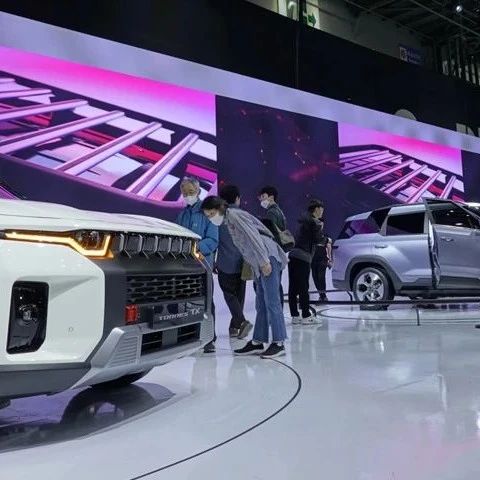
Core Viewpoint - The article discusses the trend of static displays in the automotive industry, where companies showcase vehicles without allowing consumers to enter or test drive them, focusing on visual appeal and brand positioning [3][9]. Group 1: Static Display Concept - Static display, also known as static appreciation, allows consumers to experience vehicles in a non-dynamic manner, focusing on exterior features like color and size [5]. - This marketing strategy is common in the automotive industry, aimed at creating initial impressions and generating consumer curiosity [5][9]. Group 2: Reasons for Static Displays - Companies like Xiaomi and others utilize static displays to showcase vehicles that may not be fully functional or ready for consumer interaction, often due to ongoing development or marketing strategies [6][10]. - Static displays help establish a foundational understanding of the vehicle for consumers, making them more likely to transition to test drives and eventual purchases [10]. Group 3: Consumer Engagement and Brand Positioning - The primary purpose of static displays is to provide visual impact, allowing consumers to perceive brand positioning and design language [9]. - By engaging consumers visually before the vehicle's official launch, companies can gather feedback on design elements and enhance the vehicle's perceived value [10][13]. Group 4: Marketing and Exposure Strategy - Static displays serve to fill the gap between product exposure and consumer experience, generating buzz and interest prior to the vehicle's market release [13]. - This approach can also mitigate risks associated with showcasing incomplete features, while simultaneously leveraging social media for low-cost brand promotion [13].

上海徐汇:人工智能加持绿色低碳产业
Xin Hua Cai Jing· 2025-06-06 09:24
Group 1 - Shanghai Xuhui is leveraging artificial intelligence to enhance the green low-carbon industry and explore more efficient carbon reduction pathways [1] - The Shanghai Nuclear Engineering Institute has developed the first dedicated large model in nuclear power design, named "Zhihui Xing," which can quickly and accurately identify potential errors in design documents [1] - The "Zhihui Xing" model addresses challenges in the nuclear power industry, such as reliance on experienced engineers and the complexity of design documents, promoting intelligent transformation [1] Group 2 - Zeekr Energy introduced the world's first smart charging solution that combines valet parking assistance with automatic charging, enhancing the user experience [1] - The establishment of the Zeekr Intelligent R&D Center in Xuhui aims to integrate AI with emerging technologies for rapid iteration of new energy vehicles [2] Group 3 - Xuhui's construction sector has a high carbon emission ratio, making it crucial to enhance the "green" and "new" aspects of urban buildings [3] - The China Energy Construction Shanghai Headquarters project is a new zero-carbon landmark, utilizing digital twin and AI technologies, and features near-zero energy consumption and zero-carbon building designs [3] - Upon completion, the project will achieve a load adjustment ratio of over 38%, an annual energy-saving rate of 60.85%, and a reduction of approximately 2,625 tons of carbon emissions annually [3] - The Xuhui District Development and Reform Commission emphasizes that AI will empower the green low-carbon industry to innovate and thrive while optimizing the business environment [3]
兆瓦闪充灵魂7问:我们离充电比加油快还有多远?
3 6 Ke· 2025-06-06 01:47
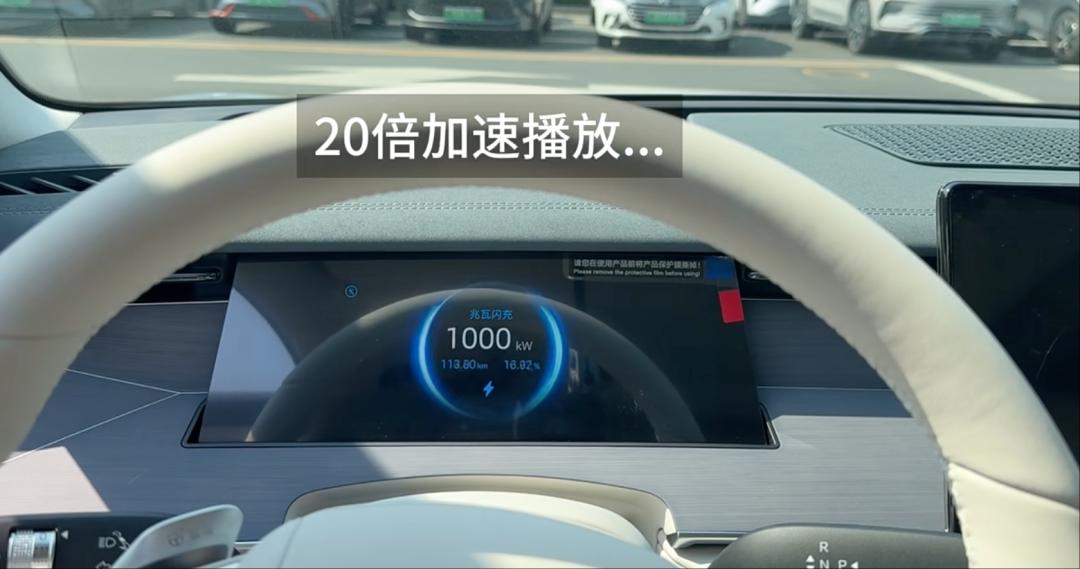
Core Viewpoint - The emergence of "megawatt fast charging" technology is set to revolutionize the electric vehicle (EV) charging landscape, significantly reducing charging times to match or even exceed traditional refueling speeds, thereby alleviating range anxiety for EV owners [1][3][43] Group 1: Industry Developments - Major players such as BYD, Zeekr, Huawei, and CATL are actively developing megawatt fast charging solutions, marking 2025 as the "megawatt fast charging year" for the EV industry [5][16] - BYD has launched its 1000kW fast charging technology, enabling models like Han L EV and Tang L EV to charge 400 kilometers of range in just 5 minutes [8][30] - Zeekr's V4 charging station supports a peak charging power of 1300kW, with plans for rapid deployment of compatible vehicles [10][11] - CATL has introduced a 12C battery capable of 1300kW charging, allowing for 75 kilometers of range to be added in just 30 seconds [12][13] - Huawei has developed a 1500kW charging system for commercial vehicles, aiming to enhance efficiency in the logistics sector [14][16] Group 2: Technical Challenges - The implementation of megawatt fast charging faces significant challenges, including the impact on battery life, infrastructure requirements, and the need for compatible vehicles [4][34] - High charging power demands necessitate upgrades to the electrical grid, with costs for megawatt charging stations estimated between 1 to 1.5 million yuan [35] - The current availability of vehicles compatible with megawatt fast charging is limited, with only a few models from BYD currently supporting this technology [37][39] Group 3: Infrastructure and Cost - The construction of megawatt charging stations is capital-intensive, with costs significantly higher than traditional charging stations, which may hinder widespread adoption [35] - Companies are exploring partnerships and innovative business models to reduce costs and enhance the deployment of charging infrastructure [41][43] - The integration of energy storage solutions and renewable energy sources is being pursued to mitigate the impact on the electrical grid and improve operational efficiency [30][32]
“不同过去,中国制造将成为高品质象征”
Guan Cha Zhe Wang· 2025-06-05 15:44
Core Insights - China's adoption of AI technology is enhancing its manufacturing capabilities, making it increasingly difficult for global companies to resist "Made in China" products [1][3] - The integration of AI and robotics in Chinese factories is expected to lead to a return of manufacturing to China, with a focus on high-quality production [3][4] - China is leading in the installation of industrial robots, with a reported seven times more installations than the U.S., accounting for over half of the global total [3][4] Group 1: AI and Automation in Manufacturing - Chinese companies are actively integrating new technologies, which is expected to improve efficiency and reduce costs in manufacturing [1][3] - The Chinese government has outlined a digital transformation plan for factories, aiming to cultivate leading digital supply chain enterprises [3][4] - The use of generative AI in companies like Hisense is aimed at reducing inefficiencies and improving operational guidance [4] Group 2: Global Competitive Landscape - The cost efficiency of China's supply chain has created a competitive advantage that global companies cannot ignore [5] - Experts suggest that the U.S. will struggle to compete with China in manufacturing due to advancements in AI and robotics [6] - The interconnected supply chain system in China is experiencing explosive growth, particularly in the automotive and robotics sectors [6]
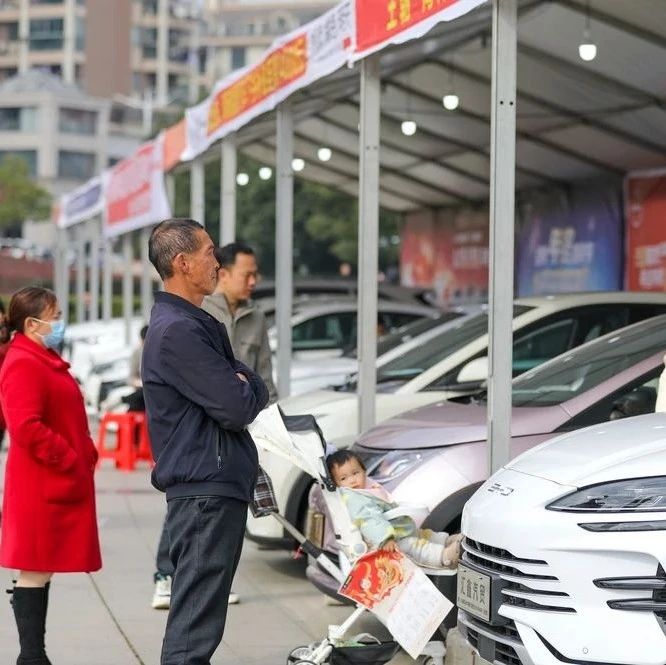
新能源汽车下一仗,打到村里去了
和讯· 2025-06-05 10:16
Core Viewpoint - The article discusses the ongoing development and expansion of the "New Energy Vehicles Going to the Countryside" initiative, highlighting its increasing participation, diverse vehicle offerings, and the importance of policy support in stimulating rural markets for electric vehicles [3][4][5]. Group 1: Participation and Vehicle Offerings - The 2023 initiative saw participation from 39 brands and 52 models, with projections for 2025 indicating 33 mainstream brands and 124 models [3]. - The price range of participating models has expanded significantly, covering 50,000 to 500,000 yuan, with a variety of vehicle types including sedans, SUVs, pickups, and MPVs [3][4]. - Notable brands such as BYD, Changan, and new energy vehicle startups like Li Auto and NIO are actively participating, with a trend towards higher-end models entering the rural market [5][6]. Group 2: Policy Support and Market Dynamics - The initiative benefits from coordinated policies, including tax reductions and local purchase incentives, which enhance the overall discount for consumers [4]. - The initiative has successfully activated the market, with nearly 15 million vehicles sold over five years, demonstrating its effectiveness in driving industry growth [7][8]. - The penetration of new energy vehicles in rural areas is gradually increasing, as consumer perceptions shift positively through direct experience [8]. Group 3: Market Potential and Challenges - The current market for new energy vehicles is experiencing growth but faces challenges in breaking through existing market share limitations, particularly in lower-tier cities [9][10]. - The potential for growth in the new energy vehicle sector is primarily seen in lower-tier cities and rural areas, where market saturation in high-tier cities is becoming evident [10]. - Key challenges include product adaptability to rural needs and the lack of charging infrastructure, which have been identified as significant barriers to market expansion [11][12]. Group 4: Strategic Initiatives by Companies - Companies are responding to market opportunities by developing products tailored to rural needs, such as Changan's new energy micro trucks designed for agricultural transport [12][13]. - Major players like Li Auto and BYD are focusing on building sales and service networks in lower-tier cities to enhance market penetration [13]. - The overall development of the rural new energy vehicle market requires a comprehensive approach, addressing consumer needs through product design, infrastructure improvement, and financial support [13].