
台积电

Search documents
下周英伟达GTC看什么?Blackwell、Rubin、CPO、机器人....
华尔街见闻· 2025-03-14 10:52
Core Viewpoint - Nvidia is expected to unveil significant advancements in AI hardware, including the Blackwell Ultra chip and details about the Rubin platform, at the upcoming GTC 2025 conference, which may help revive market sentiment towards AI stocks [1][2]. Group 1: Blackwell Ultra Chip - The Blackwell Ultra (GB300) chip is anticipated to be a highlight of the GTC conference, featuring improvements in HBM memory capacity and power consumption compared to its predecessor B200 [3]. - The changes in the Blackwell Ultra system are expected to benefit suppliers in power, battery, cooling, connectors, ODM, and HBM sectors [3]. Group 2: Rubin Platform - The Rubin platform is projected to be a new engine for AI computing by 2026, with Nvidia likely to share some details at the GTC conference [4]. - The Rubin GPU is expected to have a massive HBM capacity of 288GB, a thermal design power (TDP) of 1.4kW, and a 50% performance increase in FP4 computing compared to B200, with shipments starting in Q3 2025 [4][5]. - The Rubin platform may feature a dual logic chip structure, HBM4 memory with a total capacity of 384GB, and an expected TDP of around 1.8kW [5]. Group 3: CPO Technology - Nvidia's CPO (Co-Packaged Optics) technology is anticipated to be another major highlight at the GTC conference, aimed at enhancing bandwidth, reducing latency, and lowering power consumption [6][7]. - Initial applications of CPO are expected in switches, with widespread GPU-level adoption projected for the Rubin Ultra era in 2027 [8]. Group 4: Physical AI and Humanoid Robots - There is an increasing market focus on physical AI and humanoid robots, with Nvidia expected to showcase advancements in these areas at the GTC conference [9]. - Nvidia has already introduced platforms like Cosmos and GR00T, and further announcements regarding multimodal AI, robotics, and digital twins are anticipated [9][10].


1nm,重要进展
半导体芯闻· 2025-03-14 10:22
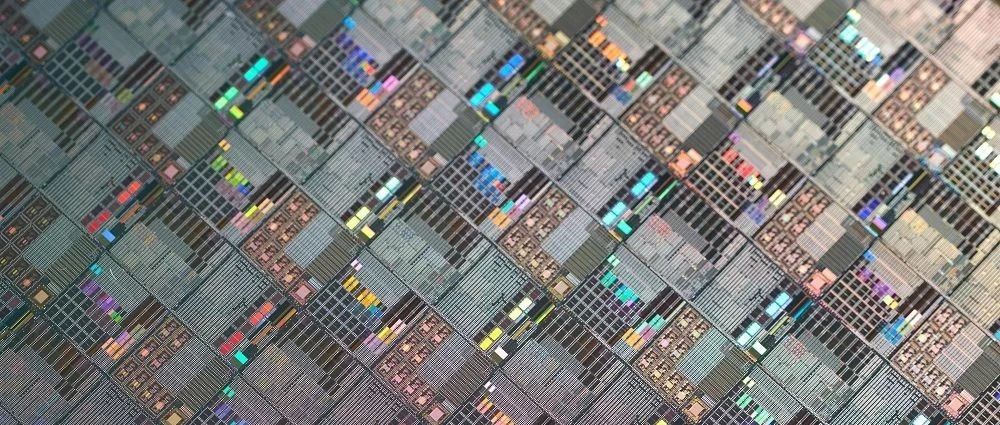
Core Viewpoint - The semiconductor industry is witnessing intense competition among leading foundries like TSMC, Intel, and Samsung in the development of 2nm and 1nm technologies, with TSMC planning to establish a 1nm fab in Taiwan to maintain its market leadership [1][6][7]. Group 1: Advanced Lithography and Technology Partnerships - ASML and Imec have formed a five-year partnership to enhance research capabilities for technologies below 2nm, utilizing ASML's latest lithography tools [3][4]. - Imec will integrate ASML's advanced wafer fabrication equipment, including High-NA EUV tools, into its facilities in Belgium, marking a significant step in semiconductor manufacturing technology [4][5]. - High-NA EUV systems, essential for efficient manufacturing at 2nm nodes, can cost up to $350 million each, posing a barrier for new entrants [4]. Group 2: TSMC's 1nm Development Plans - TSMC is accelerating its 1nm technology development and plans to build a 1nm fab in Tainan, Taiwan, with six production lines dedicated to 1nm and 1.4nm chips [6][7]. - The new fab aims to outpace competitors like Samsung and Intel, with TSMC initially planning to launch 1.4nm technology in 2027 but now targeting 2026 for 1.6nm production [7]. Group 3: EUV Technology Advancements - DNP has successfully developed the first generation of EUV masks required for 2nm and beyond, achieving a resolution that is 20% smaller than that needed for 3nm [8][9]. - The company is collaborating with Imec to advance mask manufacturing technology, focusing on the requirements for 1nm processes [9]. Group 4: Future Roadmaps and Challenges - Imec's roadmap includes the transition from FinFET to GAA (Gate-All-Around) transistors at the 2nm node, with further innovations expected to continue down to atomic channel designs [11][12]. - The industry faces challenges such as rising design costs and the need for increased computational power, particularly for machine learning applications, which are growing at a faster rate than traditional transistor scaling can accommodate [13][14]. - Imec emphasizes the importance of next-generation tools and techniques, such as High-NA EUV lithography, to achieve higher transistor densities and performance [15][16].

首位华人CEO,能否让英特尔再次伟大?
虎嗅APP· 2025-03-14 09:47
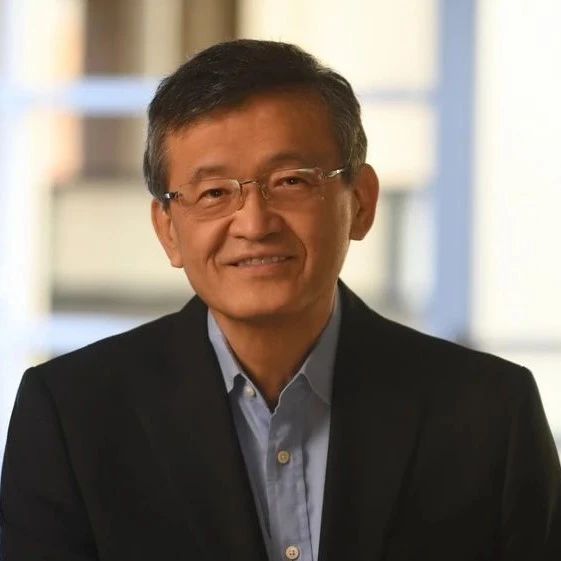
Core Viewpoint - The appointment of Lip-Bu Tan as CEO of Intel is seen positively by the market, with a notable stock price increase of 12% following the announcement. This reflects investor confidence in his extensive semiconductor experience and capital operation skills, which are crucial for addressing Intel's current challenges in the semiconductor industry [2][3][4]. Group 1: CEO Appointment and Market Reaction - Intel's board appointed Lip-Bu Tan as CEO, effective March 18, following the resignation of Pat Gelsinger [2]. - The market reacted positively, with Intel's stock price surging by 12% after the announcement [3]. - Tan's background includes over 20 years in the semiconductor industry and significant experience in capital operations, having founded Walden International and invested in over 500 companies, including more than 120 semiconductor firms [4]. Group 2: Challenges Facing Intel - Intel is projected to incur a net loss of $18.8 billion in 2024, with its market value halved due to massive investments in wafer fabrication [9]. - The company has not demonstrated the ability to compete with Nvidia in the AI chip sector, despite progress in process technology [10]. - There are concerns about cash flow sustainability for ongoing investments, with some wafer fabrication plants at risk of being abandoned [11]. Group 3: Tan's Background and Strategic Vision - Lip-Bu Tan, aged 65, has a strong track record in the semiconductor industry, having founded Walden International and served as CEO of Cadence, where he turned around the company and increased its stock price by 4500% during his tenure [13][14]. - His appointment is seen as a strategic move to balance the need for technical expertise and capital management, crucial for Intel's future direction [16][17]. - Tan's vision includes maintaining Intel's IDM 2.0 model and focusing on becoming a world-class foundry, despite the challenges posed by the company's current financial situation [21][34]. Group 4: Potential External Support - Reports suggest that TSMC may lead a joint venture to manage Intel's wafer fabrication, potentially alleviating some financial burdens and providing external orders from major clients like Nvidia and AMD [22][23]. - The feasibility of this partnership remains uncertain, as it hinges on both companies' willingness to collaborate and the implications for Intel's financial performance [25]. Group 5: Focus on AI Chips - Under Tan's leadership, Intel is expected to shift resources towards AI chip development, recognizing the growing importance of this market [27]. - Despite Nvidia's dominance in the AI chip market, Intel's Xeon and Gaudi product lines may offer opportunities for growth as the industry evolves [30].

电子日报:首款搭载原生鸿蒙正式版手机预计于3月20日发布
Tai Ping Yang· 2025-03-14 07:57
Investment Rating - The industry investment rating is "Positive," indicating an expected overall return exceeding 5% above the CSI 300 index within the next six months [8]. Core Insights - The first smartphone featuring the native HarmonyOS is set to be launched on March 20, 2025, which is anticipated to drive market interest and sales [1][5]. - The report highlights a significant increase in smartphone production among the top six global brands, with a total output of 335 million units in Q4 2024, reflecting a quarter-on-quarter growth of 9.2% [5]. - The report provides a market overview, noting declines in various electronic sectors, including passive components (-0.85%) and semiconductor materials (-3.01%) [3]. Summary by Sections Market Overview - The Shanghai Composite Index decreased by 0.39%, while the Shenzhen Composite Index fell by 1.12% [3]. - The electronic sector showed declines across multiple categories, with optical components experiencing the largest drop at -4.67% [3]. Company Announcements - Shenzhen Huaqiang reported a revenue of 21.954 billion yuan for 2024, a year-on-year increase of 6.60%, but a net profit decline of 54.43% [4]. - Huafeng Measurement Control announced a revenue of 0.905 billion yuan for 2024, marking a 31.05% increase, with a net profit growth of 32.69% [4]. Industry Developments - Huawei is set to hold a product launch event for its HarmonyOS smartphone on March 20, 2025, which is expected to attract significant consumer interest [5]. - TrendForce forecasts that Apple will lead smartphone production in Q4 2024 with 80.1 million units, a 57.4% increase quarter-on-quarter [5].
从硅谷到上海:中微公司改写全球半导体权力版图
新财富· 2025-03-14 07:15
Core Viewpoint - The article highlights the journey of Yin Zhiyao, a prominent figure in the semiconductor industry, who transitioned from Silicon Valley to lead a domestic company in China, contributing significantly to the country's semiconductor self-sufficiency and innovation [2][15]. Group 1: Historical Context and Contributions - In 1984, Yin Zhiyao joined Intel, where he made significant improvements in plasma etching technology, enhancing uniformity from ±15% to ±5%, which became an industry standard [5]. - Yin's move to Lam Research in 1986 marked a pivotal point in his career, where he led the development of the "Rainbow" project, resulting in the world's first etching machine capable of 0.5-micron processes, significantly increasing market share [6][8]. - The "Rainbow" project not only showcased the capabilities of Chinese engineers but also disrupted the semiconductor equipment market, proving that Eastern innovation could set global standards [8]. Group 2: Transition to Strategic Leadership - In 1991, Yin Zhiyao became Vice President at Applied Materials, where he transformed the company's etching business by focusing on customer needs and integrating equipment with process solutions, leading to a significant market share increase [10][12]. - His strategic shift towards customization and collaboration with major clients like Samsung and TSMC helped Applied Materials regain its competitive edge, with etching equipment market share rising to 42% by 2004 [12][13]. Group 3: Founding of Zhongwei Company - In 2004, at the age of 60, Yin Zhiyao returned to China to establish Zhongwei Company, focusing on domestic semiconductor equipment production amidst international technological barriers [15]. - Zhongwei's first dry etching machine launched in 2005 filled a critical gap in China's high-end semiconductor equipment market, challenging the dominance of Western firms [16]. - The company faced legal challenges from American firms but successfully built a supply chain that reduced reliance on U.S. components, demonstrating strategic foresight [17]. Group 4: Technological Advancements and Market Impact - By 2017, Zhongwei delivered its first 5nm etching machine, significantly advancing the capabilities of Chinese semiconductor manufacturers and contributing to a rise in domestic chip self-sufficiency from 5% in 2016 to 20% in 2023 [18]. - Zhongwei's innovations in etching technology have begun to dismantle the market monopolies held by major players like Lam Research and Applied Materials, fostering vertical integration within China's semiconductor industry [18]. Group 5: Philosophical Insights and Future Directions - The article concludes with reflections on the nature of technological advancement, emphasizing the importance of deep understanding and persistent effort in overcoming challenges in the semiconductor field [20][21]. - Yin Zhiyao's journey illustrates a broader narrative of China's technological evolution, highlighting the shift from dependency to self-reliance and innovation in the global semiconductor landscape [21].


亚翔集成(603929):内外市场共振驱动业绩高增,洁净室龙头扬帆再启航
Guoxin Securities· 2025-03-14 03:42
Investment Rating - The report maintains an "Outperform the Market" rating for the company [3][22][28] Core Views - The company achieved significant revenue and profit growth in 2024, with operating income reaching 5.38 billion yuan, up 68.1% year-on-year, and net profit attributable to shareholders at 636 million yuan, up 121.6% year-on-year [1][3][7] - The company is benefiting from the expansion demand in the semiconductor industry in China and Southeast Asia, with a strong pipeline of projects and successful bids for major contracts [3][22] - The company’s cash flow from operating activities increased significantly, reaching 1.6 billion yuan, which is 2.5 times the net profit attributable to shareholders, indicating strong cash collection from projects [1][15] Financial Performance Summary - In 2024, the company’s revenue was 5.38 billion yuan, with a gross margin of 14.0% and a net profit margin of 11.8%, reflecting a 2.8 percentage point increase in net profit margin year-on-year [8][15] - The company’s new contract value in 2024 was 3.61 billion yuan, down 49.6% year-on-year, but the overall trend of new orders is upward when excluding the impact of a major project from 2023 [2][17] - The company forecasts net profits for 2025-2027 to be 411 million, 530 million, and 651 million yuan respectively, with earnings per share projected at 1.93, 2.49, and 3.05 yuan [3][4][22] Project and Order Status - The company has a backlog of 3.03 billion yuan in signed but uncompleted contracts at the end of 2024, down 45.9% year-on-year [2][17] - The successful bid for the Singapore VSMC plant system project worth 630 million yuan is expected to contribute to overseas business volume [2][17] - The company is nearing completion of the major UMC Singapore project, with 830 million yuan in unrecognized revenue remaining, which is expected to contribute 175 million yuan to net profit in 2025 [2][17] Cash Flow and Dividends - The company plans to distribute a cash dividend of 213 million yuan for the 2024 fiscal year, maintaining a high payout ratio of 33.5% [19][22] - The cash reserves at the end of 2024 reached 2.48 billion yuan, up 129% year-on-year, supporting future dividend payments [15][19]

台湾重申,投产美国的芯片工艺要N-1
半导体行业观察· 2025-03-14 00:53
Core Viewpoint - Taiwan authorities reaffirmed the "N-1" rule for TSMC's investment in the U.S., which mandates that Taiwanese companies can only use one generation older technology when establishing overseas facilities compared to those in Taiwan [2][3]. Group 1: TSMC's U.S. Investment - TSMC's $100 billion investment in the U.S. is subject to the "N-1" rule, meaning advanced processes in Taiwan must be followed by one generation older processes in the U.S. [2][3]. - TSMC's 2nm semiconductor production is set to begin trial production in Taiwan this year, with U.S. production expected around 2028, lagging by at least 48 months [4]. - TSMC is considering joint ventures with major U.S. semiconductor companies like Intel, Nvidia, and AMD, which could enhance its control over yield management [4][6]. Group 2: Impact on Samsung - Experts warn that if TSMC forms joint ventures with U.S. chip design companies, Samsung's foundry business could face severe risks, leading to an inevitable decline in market share [6][9]. - TSMC's market share rose to 67.1% in Q4 2024, while Samsung's dropped from 9.1% to 8.1% [9]. - Samsung's foundry division reported an operating loss exceeding 2 trillion KRW (approximately $14 billion) in Q4 2024, highlighting its struggles in the competitive landscape [11]. Group 3: Market Dynamics - The global top ten foundry companies achieved a total revenue of $38.4 billion in Q4, a 9.9% increase quarter-on-quarter, with TSMC producing about 90% of advanced chips [10]. - The demand for AI chips is increasing, which could further challenge Samsung's foundry business as major industry players collaborate to secure orders [7][10]. - Samsung's new chip manufacturing facility in Texas is nearing completion, but its operational timeline has been pushed to 2025 due to customer acquisition challenges [13].
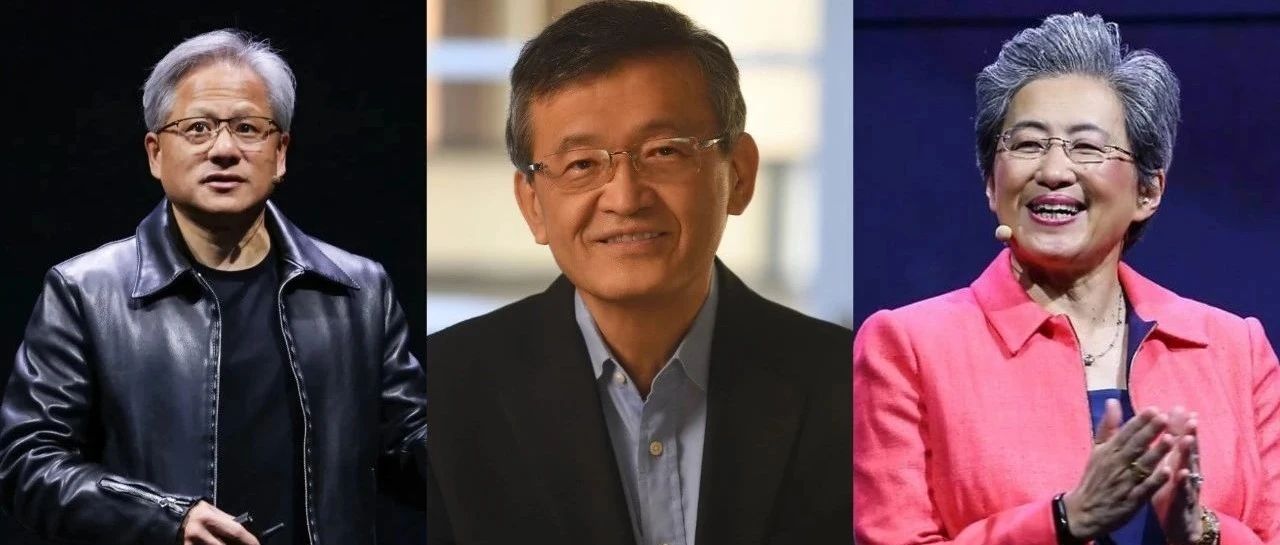
刚刚,陈立武接任英特尔CEO! 老黄、苏姿丰后,华人称霸芯片三巨头
创业邦· 2025-03-13 09:57
来源丨新智元(ID:AI_era) 消息一出,英特尔股价在盘后交易中,应声上涨12%。 更令人震撼的是,随着陈立武入主英特尔,芯片界三大顶级巨头已全部由华人执掌: 英伟达黄仁勋、 AMD苏姿丰、英特尔陈立武。 芯片行业精英强势集结,俨然开启了一场「华人一统芯片江湖」的新格局。 英特尔迎来新掌门 编辑丨桃子 好困 三个月后,英特尔终于迎来新任CEO! 刚刚,英特尔官宣一项重大人事变动—— 任陈立武(Lip-Bu Tan)为新任首席执行官,自2025年3月 18日起正式生效。 这项决定,终于结束了3个月前解雇前CEO Pat Gelsinger后的领导层空缺期。 此次,陈立武将接替临时联合首席执行官David Zinsner和Michelle(MJ)Johnston Holthaus,正式执掌英 特尔帅印。 与此同时,他还将在2024年8月从英特尔董事会卸任后,以新身份重新回归董事会。 值得一提的是,原有的管理团队并未「大换血」。 David Zinsner将担任执行副总裁兼CFO,Johnston Holthaus则继续担任英特尔产品部门的首席执行官。 此外,在新CEO搜寻期间担任董事会临时执行主席的Frank ...
暴力反弹!抄不抄?
格隆汇APP· 2025-03-13 09:13
作者 | 深鹏 数据支持 | 勾股大数 据(www.gogudata.com) 花无百日红,股无千日好! 过去两年,称霸全球的美股,现在正陷入连日的大跌状态。 周一晚,纳指一度跌至17000点附近,回撤幅度15%,进入技术性调整区间,将特朗普当选后的涨幅全部归 零。 类似2022年初,美股再一次站在了十字路口。 虽然昨晚发布的CPI数据低于预期,暂时缓解了经济衰退的阴影,美股出现暴力反弹,特斯拉、英伟达等高 弹性的科技股涨幅居前。 但总体上看,美股市场还说不上企稳,接下来依然会呈现高波动性。 都说美股长牛是信仰,只要有大回撤,就可以买入,这一次,会不一样吗? 01 美股跌到底了吗? 单从技术指标上看,美股的确存在超卖。 以纳指为例。 周一大跌时,纳斯达克100指数主连(2503)分析,RSI跌至10.95,比24年4月19日的15.69,24年8月7日的 21.47,24年9月6日的20.27还要低。 另外,周一晚标普500波动率指数(VIX)冲高到29.56,收盘为27.86,追平了2023年3月份硅谷银行爆雷时 的水平,仅次于24年8月5日日元加息传闻时的恐慌水平,高于2023年10月份、24年4月份、2 ...
Manus推出全球首款通用型AIAgent,博通一季度业绩超预期
Shanxi Securities· 2025-03-13 06:32
电子 周跟踪(20250303-20250307) 领先大市-A(维持) Manus 推出全球首款通用型 AI Agent,博通一季度业绩超预期 投资要点 电子行业近一年市场表现 资料来源:最闻 相关报告: 小米双 Ultra 点燃市场热情-山西证券电 子行业周跟踪 2025.3.4 储即将迎来新涨价周期-山西证券电子行 业周跟踪 2025.2.25 高宇洋 2025 年 3 月 13 日 行业研究/行业周报 执业登记编码:S0760523050002 邮箱:gaoyuyang@sxzq.com 董雯丹 邮箱:dongwendan@sxzq.com 市场整体:本周(2025.3.3-2025.3.7)市场大盘普遍上涨,上证指数涨 1.56%,深圳成指涨 2.19%,创业板指涨 1.61%,科创 50 涨 2.67%,申万电子 指数涨 2.74%,Wind 半导体指数涨 2.48%。外围市场,费城半导体指数跌 2.88%,台湾半导体指数跌 3.29%。细分板块中,周涨跌幅前三为半导体设备 (+4.53%)、模拟芯片设计(+3.65%)、分立器件(+3.52%)。从个股看,涨 幅前五为珠城科技(+41.38%)、 ...
