元气森林

Search documents
一周新消费NO.338|旺旺莎娃推出辣椒酒;奈雪10周年高圆圆成品牌代言人
新消费智库· 2025-12-07 13:03
New Products - Let Tea launched "Guava Oil Kumquat Jasmine Tea" across all channels, featuring a health-focused formula with 0 sugar and 0 calories, using high-altitude tea and a unique flavor profile [4][5] - Yuanqi Forest introduced a new juice product, "Full Score! 100 Vitamin Juice," which has 25% less sugar compared to ripe fruits and is rich in various vitamins [5] - Hershey's released a limited edition Dubai-style chocolate bar, with only 10,000 units available [5] - Chacha launched a seasonal limited "Warm Ginger Tea Flavor Sunflower Seeds," emphasizing a crispy texture and convenient packaging [5] - Wangwang's brand Shawa introduced a chili-flavored liquor with an alcohol content of 26% [5] Industry Events - Cargill announced a price increase for 148 products in Japan, affecting various beverages and frozen vegetable products starting February 1, 2026 [13] - The largest Pop Mart store in Shanghai opened in Nanjing East Road, marking a significant retail expansion [13] - Prada's acquisition of Versace is set to finalize on December 2, 2023, making Versace a wholly-owned subsidiary of Prada [15] - Feihe announced the launch of new products at its 2025 partner conference, highlighting its first milk powder raw material traceability capability [15] - Dior introduced a women's fashion scholarship to address the industry's demand for creative talent [15] Investment Trends - Wuwen Xinqiong completed a 500 million RMB A+ round of financing, with investors including Junlian Capital and Lenovo Ventures [21] - Yingzhifang received a multi-million strategic investment from Huaxin Capital, aiming for an international market entry within five years [21] - FrieslandCampina announced the acquisition of Wisconsin Whey Protein Company, enhancing its protein and probiotic supply capabilities [21] - Function Health secured 298 million USD in B round financing, with participation from several prominent venture capital firms [21] - Qido Smart completed multiple rounds of financing totaling several million, focusing on AI children's exploration products [21] Food Industry Developments - Heytea launched a new product, "Bitter Matcha," available in two flavors, combining fresh ingredients with chilled milk [28] - PepsiCo inaugurated a new food factory in Vietnam with an investment of approximately 90 million USD, aiming for an annual output of over 25,000 tons of snacks [28] - Haeha launched a winter limited product, "Hawaiian Macadamia Butter Cookie Milk," featuring high-quality milk and macadamia [28] - Luckin Coffee introduced two new products, "Samba Deep Roasted Latte" and "Samba Deep Roasted Americano," using 100% Arabica coffee beans [28] - Huangshanghuang opened its first hot marinated food store in Nanchang, offering various meal sets at competitive prices [30] Retail Expansion - Babbi Xiaolongbao opened its first store in South China, achieving a record sales of 18,000 RMB on its opening day [33] - Xiangpiaopiao launched its first offline milk tea store in Hangzhou, featuring a menu focused on fresh leaf tea [33] - The first "Li Ning Outdoor" store opened in Beijing, showcasing a full range of outdoor products [34] - Toys "R" Us launched its first "Trendy Flagship Store" in Shanghai, targeting the adult trendy toy market [38] - Chanel unveiled its first public library in Shanghai, dedicated to contemporary art [40]

金镒资本杨燚:科技筑基,消费扬帆——布局中国经济新航程|WISE2025商业之王
3 6 Ke· 2025-12-05 06:42
Core Insights - The WISE 2025 Business King Conference aims to anchor the future of Chinese business amidst uncertainty, emphasizing the theme "The Scenery Here is Unique" [1] - The conference is characterized by an immersive experience rather than a traditional industry summit, focusing on trends in technology and business practices [1] Group 1: Technology and Consumption Dynamics - Yang Yi, founder of Jinyu Capital, highlighted the positive cycle of "technology empowering consumption and consumption driving technology" as a key force for China's development [2][5] - Jinyu Capital focuses on investing in technology innovation and improving quality of life, aligning with China's 14th Five-Year Plan [6][7] Group 2: Technological Foundations - China has the largest pool of R&D personnel globally, with 28% of high-level tech talent and 37% of STEM graduates [8] - The country is increasing its R&D investment, projected to reach 3.6 trillion yuan in 2024, accounting for 20% of global R&D spending [9] - China leads in manufacturing output, holding 30% of global manufacturing value, and has made significant breakthroughs in key technologies [9][10] Group 3: Consumer Market Potential - China is the world's largest consumer market, with significant growth in disposable income, which reached 41,000 yuan in 2024, a 46-fold increase since 1990 [12] - The country is expected to surpass the U.S. as the largest consumer market by 2025, with retail sales projected to exceed 50 trillion yuan [13] Group 4: Investment Strategies - Jinyu Capital emphasizes the synergy between technology and consumption, viewing them as coexisting elements that drive each other [14] - The firm has identified opportunities in sectors where technology enhances consumer experiences, such as consumer electronics, retail, health, and food industries [15][16] Group 5: Future Opportunities - The integration of AI in both hardware and software is seen as a significant opportunity for entrepreneurs and investors, with AI expected to reshape consumer experiences and productivity [23][24] - The development of consumer-grade AI hardware and software is anticipated to create new product categories and enhance existing ones, driving market growth [25]

一瓶3块5,年销超百亿,卖了30年的“土味饮料”翻红
3 6 Ke· 2025-12-05 00:05
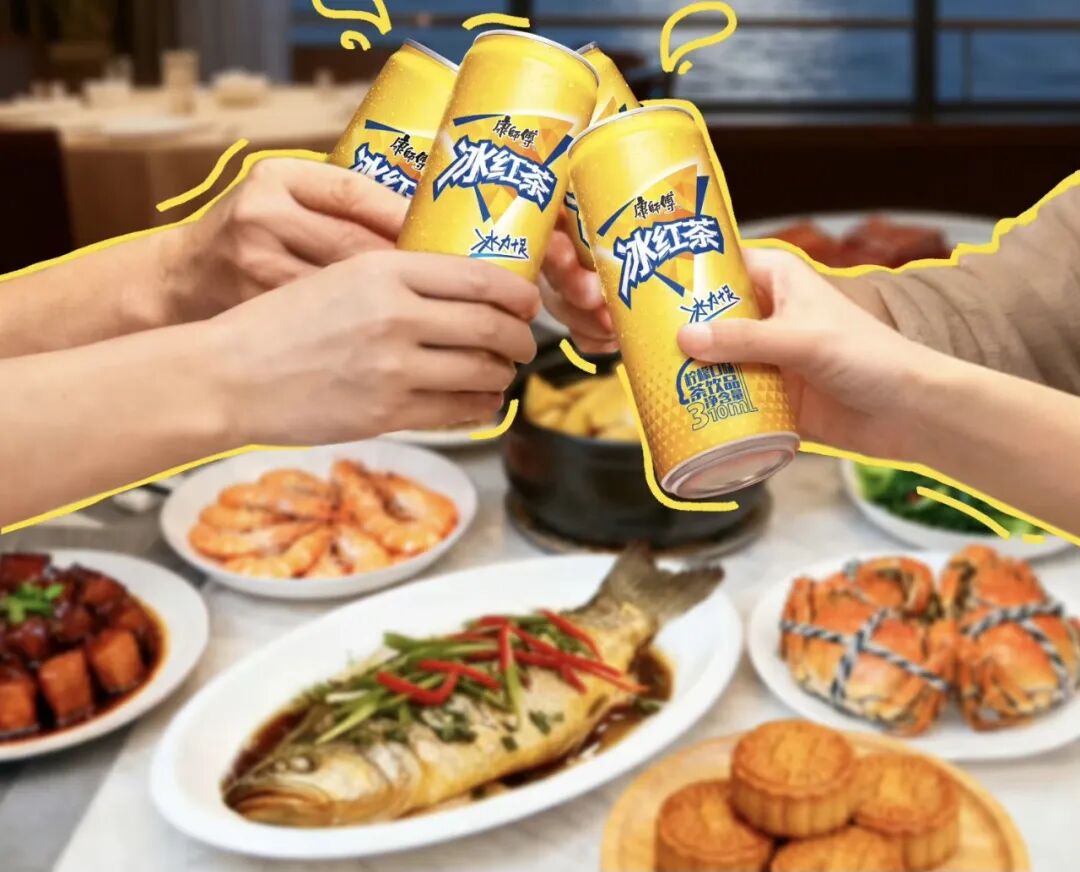
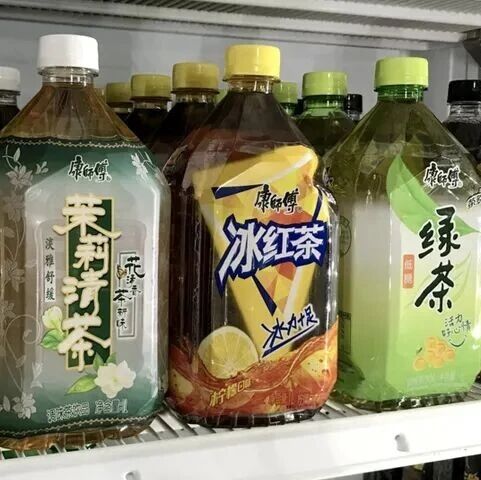
Core Insights - The beverage market is witnessing a resurgence of iced tea, particularly carbonated iced tea, which was previously labeled as "low-end" but is now regaining popularity among consumers, especially the younger generation [1][4][10] - Major brands like Master Kong, Uni-President, and Wahaha are re-entering the iced tea market with new product launches and flavor innovations, revitalizing this classic category [1][3][10] Market Dynamics - Master Kong's beverage segment reported revenue of 51.621 billion yuan in 2024, with the tea beverage sector contributing 21.7 billion yuan, marking an 8.2% year-on-year growth [3][14] - The iced tea market size reached 30 billion yuan in 2024 and is projected to grow to 35 billion yuan in 2025, indicating a strong recovery and increasing consumer interest [3][17] Consumer Trends - Young consumers are increasingly drawn to iced tea for its affordability and refreshing taste, with prices ranging from 3.5 to 5 yuan for 550ml to 1L bottles [4][10][19] - The resurgence of iced tea is attributed to its adaptability in various consumption scenarios, from casual settings to social events, appealing to a wide demographic [9][20] Competitive Landscape - The competition in the iced tea market is intensifying, with new entrants like Nongfu Spring and Yuanqi Forest launching innovative products, including carbonated iced tea and low-sugar options [3][16][19] - Brands are focusing on health trends, with 71.4% of consumers prioritizing "low-sugar/no sugar" labels when selecting iced tea, prompting companies to reformulate their products accordingly [17][19] Product Innovation - Master Kong has introduced several new iced tea flavors, including low-sugar and high-fiber options, to cater to health-conscious consumers [13][20] - Uni-President is also innovating with products like "cola iced tea" and collaborating with popular platforms to attract younger audiences [14][20] Financial Performance - Master Kong's revenue for the first half of 2025 was 40.092 billion yuan, with a 20.5% increase in net profit, largely driven by its beverage segment [10][12] - Uni-President reported a total revenue of approximately 17.087 billion yuan in the first half of 2025, with a 10.6% year-on-year growth, highlighting the importance of iced tea in their product lineup [14][20]

离场还是进化?酒水经销商的出路到底在哪里
Sou Hu Cai Jing· 2025-12-04 10:47
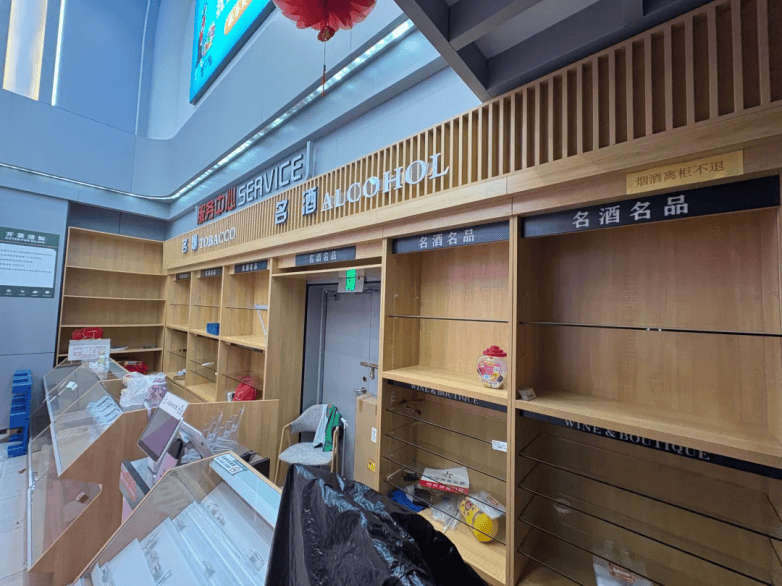
Core Viewpoint - The Chinese liquor industry is facing significant challenges, akin to extreme mountain climbing, with leading companies struggling for growth while distributors experience severe survival pressures [1][3]. Industry Performance - The third-quarter reports indicate a sharp decline in performance for most liquor companies, with some net profits dropping nearly three digits year-on-year [1]. - The growth in the industry is highly concentrated among a few leading companies, resulting in the exit of numerous small and medium-sized enterprises, with over 100 liquor companies expected to exit by mid-2025 [1]. Distributor Challenges - Major liquor distribution companies reported a dramatic drop in both revenue and net profit in the third quarter, highlighting the severe survival challenges faced by distributors [3]. - Many distributors are only able to provide minimal living expenses to employees, leading to salary cuts or layoffs [3]. - By mid-2025, 1,701 distributors exited from the networks of 20 major liquor companies, contrasting sharply with a net increase of nearly 2,000 last year [3]. Market Trends - Traditional sales peaks during the Mid-Autumn and National Day festivals have diminished, with sales dropping by 20% compared to the previous year [3]. - The high-end gift liquor market is declining due to more rational consumer behavior, while the self-consumption market is still present but with reduced purchase volumes and heightened price sensitivity [3]. Strategic Shifts - To survive, distributors are adopting new strategies such as street vending, live streaming, and reducing inventory [5]. - Many distributors are shifting focus to new beverage categories, such as low-alcohol trendy drinks, to navigate the current market challenges [5]. - The new beverage segment is seen as a second climbing route, with higher repurchase rates and a growing customer base, contrasting with traditional liquor sales [5]. Emerging Opportunities - Successful new products, such as the 38-degree Guojiao 1573 and Wuliangye's "Yijian Qingxin," have achieved significant sales milestones, indicating a potential shift in consumer preferences [9]. - Beverage giants are entering the new drink market, with brands like Yuanqi Forest and Mixue Ice City launching new products, reflecting changing consumer trends towards convenience and value [9]. - The new beverage market is rapidly heating up, suggesting that competition will intensify as companies adapt to the evolving landscape [9].
京东折扣超市安徽首店开业;林清轩再次递表港交所
Sou Hu Cai Jing· 2025-12-04 00:18
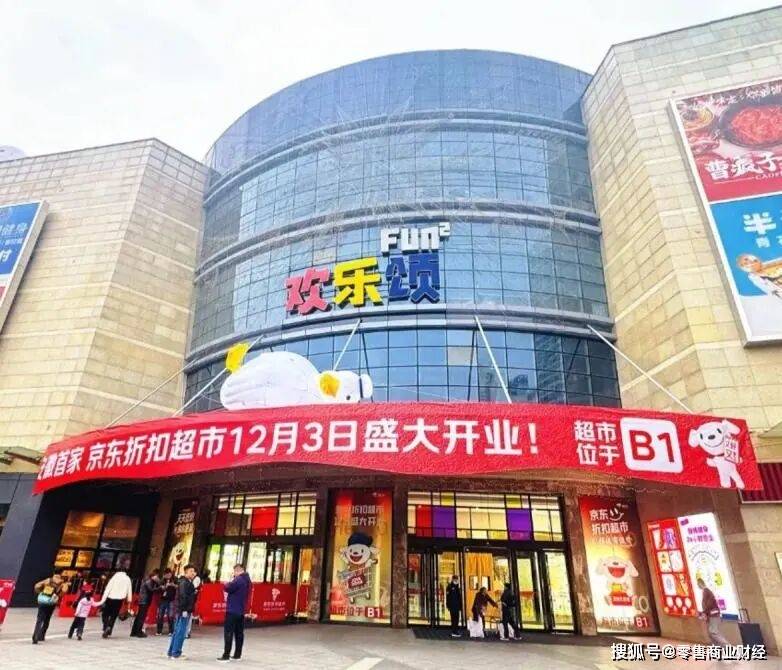
Group 1: JD Discount Supermarket - JD Discount Supermarket opened its first store in Anhui, located in Hefei, with long queues on the opening day [1] - The store follows JD's "large store, multiple SKUs" model, utilizing a self-built warehouse of 14,000 square meters for efficient delivery within a 25-kilometer radius [1] - The product selection focuses on high-cost performance nationwide goods while incorporating local Anhui specialties [1] Group 2: Dingdong Maicai - Dingdong Maicai launched a seafood processing service nationwide, offering various processing options for popular fish types [3] - In Jiangsu, over 70% of users opted for processing services when purchasing black fish, with sliced processing accounting for 60% of those choices [3] Group 3: Meituan and Starbucks - Meituan Longzhu's founder revealed that they exited the first round of bidding for Starbucks China due to failed verification [5] - The founder predicts a slowdown in the tea beverage market growth after reaching a scale of 400 billion yuan, while the coffee market is expected to grow to 600 billion yuan [5] Group 4: Walmart - Walmart announced a $350 million investment to build a second milk processing plant in Valdosta, Georgia, to strengthen its supply chain [12] - The new facility will create over 400 jobs and supply milk to more than 650 Walmart and Sam's Club locations in the southeastern U.S. [12] Group 5: Alibaba Foundation - Alibaba Foundation released a report on its progress in assisting people with disabilities, highlighting the increasing role of AI in creating accessible environments [13] - The foundation's initiatives have helped over 18,000 disabled individuals earn income through various projects [13] Group 6: Cainiao - Cainiao's unmanned vehicle delivery network has expanded to over 30 cities in China, enhancing supply chain efficiency [14] - The solution allows for real-time replenishment and dynamic route planning, upgrading the traditional delivery model [14] Group 7: KFC Expansion - KFC plans to double the number of its restaurants in Europe over the next five years, marking a significant expansion [15] Group 8: Lin Qingxuan - Lin Qingxuan submitted a new application for listing on the Hong Kong Stock Exchange, planning to issue up to 16.06 million shares [17] Group 9: Tianjin Snack Growth - Tianjin's Le Ba potato chips saw a tenfold increase in sales on Pinduoduo, leveraging innovative flavors and nostalgic appeal [18] Group 10: New Store Openings - Sushi Lang will open two new stores in Shanghai, marking its first locations in the city [20] - Beijing added over 960 new stores in the first 11 months of 2025, highlighting the growth of the first-store economy [22]

【2025美好生活高峰论坛|圆桌会议】从“悦己”到“共情”:解码Z世代消费心智
Sou Hu Cai Jing· 2025-12-03 11:21
11月21日,由《经济观察报》主办、北京希肯国际文化集团联合承办的"2025美好生活新消费高峰论坛"在北京圆满落幕。该论坛已连续成功举办十一届,汇 聚了政界、企业界、学术界及研究机构的各界代表,现场聚焦高质量与消费升级的核心议题,共同为中国消费市场迈向更健康、更持续的未来献计献策。 论坛上,"从'悦己'到'共情':解码Z世代消费心智"圆桌会议围绕Z时代消费心智展开深入探讨。在经济观察报大消费新闻一部主任阿茹汗的主持下,布朗兄 弟集团创始人王宇平、元气森林公共事务副总裁胡文娟、马大姐CCO杨学宝、好想你总经理助理及投资总监王浩翔、大窑饮品品牌创新总监刘辉,以及AI 管理学与科技伦理学科研究者杨马克等嘉宾,从量化研究、消费趋势、品牌构建、产品体验等多个维度分享了情绪价值的理解与实践,揭示了情绪价值崛 起、共情策略实践及未来消费趋势的核心逻辑。 11 / x personal 7 1 m 9 a / all 00 1 f L 0 从功能满足到精神共鸣 从个性化表达到圈层认同 情绪价值已成为Z世代消费决策的核心驱动力。王宇平指出,品牌需通过精神价值观的构建与消费者建立深层共鸣。以布朗兄弟投资的科技品牌为例,其通 过正 ...

东鹏把“补水啦”卖火后还没找到下一个爆款
Xin Lang Cai Jing· 2025-12-03 11:16
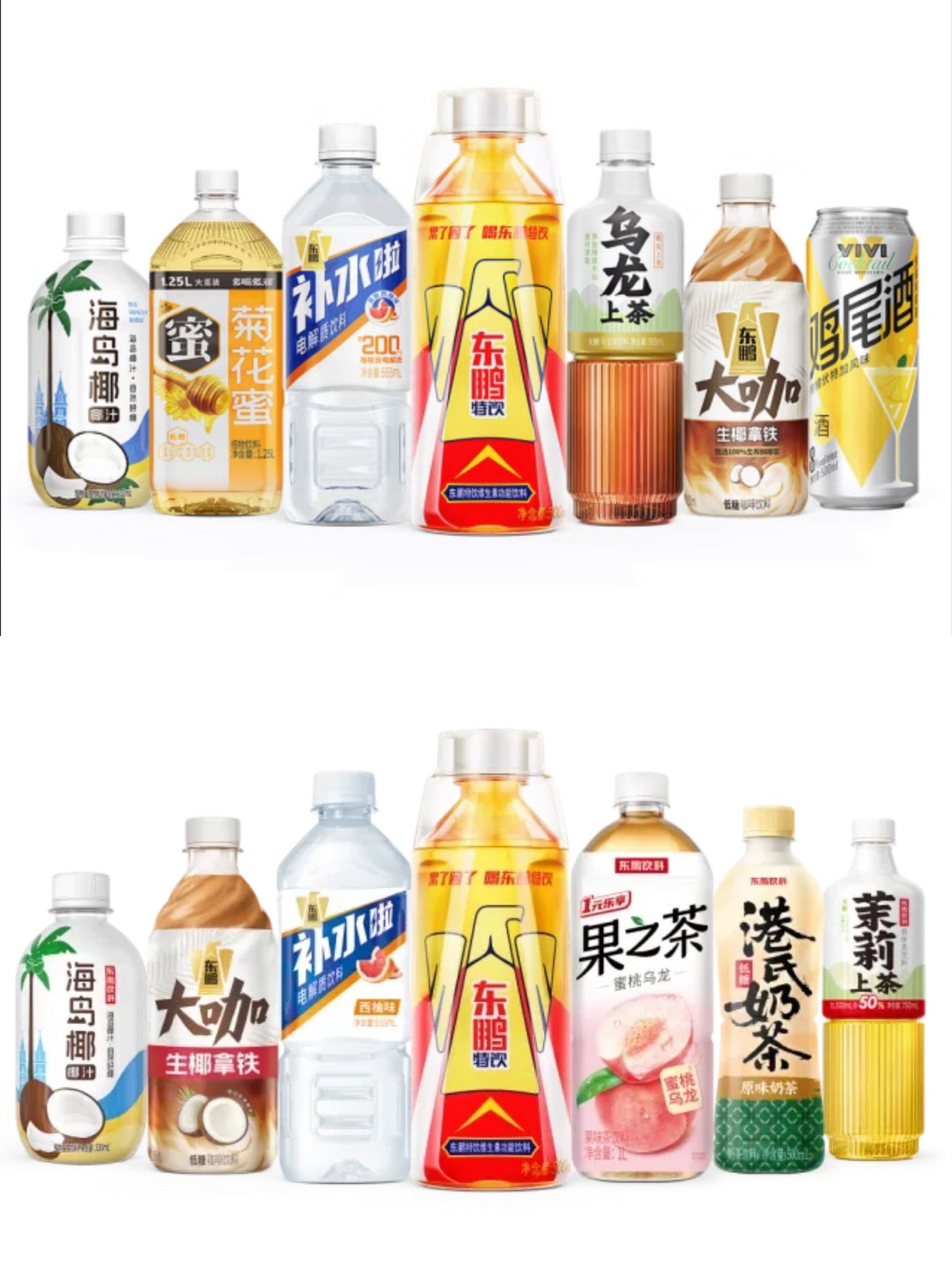
Core Viewpoint - Dongpeng Beverage is attempting to diversify its product offerings with a new "1+6" product matrix for 2026, focusing on energy drinks, electrolyte drinks, and various tea and coffee beverages, while phasing out less successful products [1][4]. Product Matrix Strategy - The "1+6" product matrix includes the core energy drink "Dongpeng Special Drink" and six new potential categories: electrolyte drink "Bushuila," sugary tea "Guozhi Tea," coconut drink "Haidao Coconut," ready-to-drink milk tea "Gangshi Milk Tea," unsweetened tea "Shangcha," and coffee drink "Daka" [1][4]. - "Guozhi Tea" and "Gangshi Milk Tea" have quickly become central products in the matrix, replacing "Chrysanthemum Honey" and "VIVI" pre-mixed cocktails [1][4]. Sales Performance - For the first three quarters of 2025, Dongpeng Special Drink, Bushuila, and other beverages generated revenues of 12.563 billion, 2.847 billion, and 1.424 billion yuan respectively, with year-on-year growth rates of 19.4%, 134.8%, and 76.4% [4]. - The rapid growth of Bushuila and other beverages indicates a shift in consumer preferences, with Dongpeng Special Drink remaining a key revenue driver but showing slower growth [4]. Market Share and Competition - "Guozhi Tea" has gained significant market traction, with its market share increasing from 0.02% in February 2025 to 1.20% by November 2025, ranking among the top 10 brands in the ready-to-drink tea category [6][8]. - The product's success is attributed to its high cost-performance ratio and effective promotional strategies, such as the "1 Yuan Enjoyment" campaign, which incentivizes retailers to promote the product [9]. New Product Developments - Dongpeng is also investing in unsweetened tea products, with plans to launch a new unsweetened tea called "Beihai Tea," featuring flavors like Jasmine Oolong and Phoenix Dan Cong [12]. - The company is facing challenges in the unsweetened tea segment, as sales growth has slowed significantly compared to previous years [12]. Distribution and Market Strategy - Dongpeng Beverage has a robust distribution network, with 3,200 distributors and 4.2 million active retail points, which facilitates rapid product rollout across various market segments [15]. - The company plans to enhance its presence in the market by deploying 300,000 freezers in schools, factories, and service areas, with an additional 100,000 to 200,000 planned for 2025 [15]. Future Outlook - While "Guozhi Tea" shows potential for becoming a third growth curve for the company, it has not yet demonstrated the explosive growth seen with Bushuila [16]. - Dongpeng's strategy of diversifying its product matrix and transitioning to a platform-based company has garnered positive recognition from the capital markets, as evidenced by its recent plans for overseas listing [17].

从囤货到种草:一场酒水经销商的生存进化论
Sou Hu Cai Jing· 2025-12-02 17:07
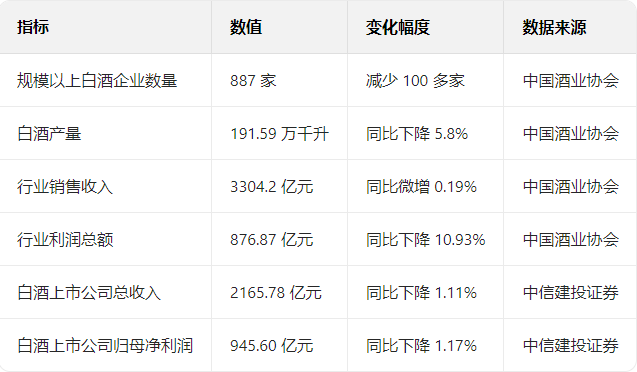
Core Insights - The white liquor industry is experiencing significant challenges, with major companies facing declining growth and many small to medium enterprises exiting the market [1][2] - The third quarter reports indicate a sharp decline in performance for most liquor companies, with some net profits dropping nearly 100% year-on-year [1] - The number of large-scale liquor enterprises decreased by over 100 in the first half of 2025, highlighting the industry's contraction [1] Industry Performance - The third quarter saw a dual drop in revenue and net profit for two major liquor distribution companies, indicating severe pressure on the entire supply chain [1] - Many distributors are struggling to survive, with reports of basic living allowances around 1,000 yuan and potential layoffs or salary cuts for employees [1][2] - In the first half of 2025, 1,701 distributors exited the market, contrasting sharply with the previous year's net increase of nearly 2,000 [1][2] Market Trends - Distributors are adapting by diversifying their product offerings, introducing lower-alcohol trendy drinks to appeal to younger consumers [4] - The traditional high-end liquor market is facing a decline, with sales during key festive periods dropping by 20% compared to the previous year [2] - New beverage categories are gaining traction, with examples of successful products like the 38-degree Guojiao 1573 and Wuliangye's "Yijian Qingxin" achieving significant sales milestones [4] Future Outlook - The new beverage market is rapidly heating up, indicating a shift in competition dynamics as traditional liquor companies seek to adapt [5] - The transition from traditional liquor to new beverage categories requires companies to innovate and embrace new marketing strategies [5][7] - The survival of companies in the current market will depend on their ability to evolve and find opportunities in the changing landscape [7]
3元饮料,集体消失
36氪· 2025-12-02 14:16
Core Viewpoint - The beverage market is experiencing a significant transformation characterized by rising prices and the decline of the 3 yuan price range, driven by consumer demand for healthier options and changes in the industry landscape [6][17][20]. Price Trends - Traditional beverages priced around 3 yuan are becoming increasingly rare, with many drinks now costing 5 to 6 yuan or more, reflecting a shift in consumer purchasing behavior [5][8]. - Major brands like 康师傅 and 可口可乐 have announced price increases for their products, with 康师傅's 500ml iced tea rising from 3 yuan to 3.5 yuan, and 可口可乐's prices also seeing similar hikes [12][16]. Cost Factors - The beverage industry's cost structure includes significant contributions from raw materials such as sugar, PET resin, and packaging, with sugar prices directly impacting beverage pricing [14][16]. - The rising costs of ingredients, particularly sugar, have led to increased prices for traditional sugary drinks, while healthier options often command even higher prices due to their premium ingredients [16][17]. Market Transformation - The beverage market is undergoing a profound change, with new categories like sugar-free teas and functional drinks gaining popularity, reflecting a shift towards health-conscious consumption [17][20]. - This transformation is not merely about price increases but involves a complete restructuring of the industry value chain and competitive landscape, emphasizing health, personalization, and emotional value [18][20]. Consumer Behavior - Consumers are increasingly willing to pay a premium for beverages that offer cleaner ingredients and health benefits, indicating a fundamental shift in consumer values [18][20]. - The new beverage era prioritizes product development, supply chain efficiency, and deep consumer insights over traditional price competition [20].

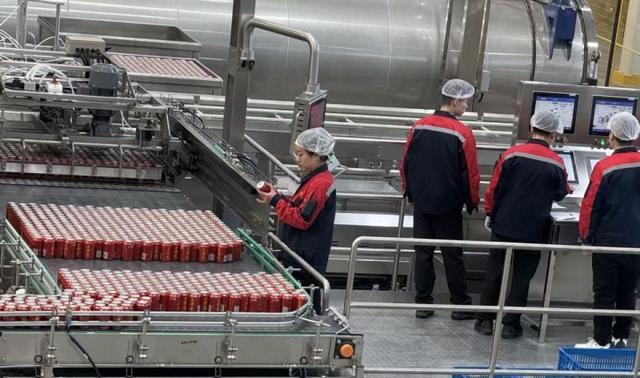
实探兰州智能工厂!王老吉西北落子,饮料行业产能竞赛再升级
Hua Xia Shi Bao· 2025-12-02 03:17
Core Viewpoint - The beverage industry is transitioning from a phase of rapid growth to a focus on capacity layout competition, with leading companies shifting their strategic emphasis from marketing and channel battles to supply chain efficiency and regional penetration [2][4]. Group 1: Company Developments - The newly completed production base of Wanglaoji in Lanzhou represents a significant addition to China's beverage industry capacity upgrade map, featuring highly automated production lines operating in a sterile environment [2][3]. - The Lanzhou production base is Wanglaoji's fourth self-owned facility, with a total investment of 350 million yuan, covering an area of approximately 100 acres, and an annual production capacity of about 6.5 million standard boxes [3][4]. - Wanglaoji aims to establish the Lanzhou base as a national-level green factory and intelligent manufacturing demonstration factory, leveraging local resources and geographical advantages to strengthen its supply chain network [4][5]. Group 2: Strategic Significance - The Lanzhou base is strategically positioned to enhance Wanglaoji's domestic and international supply chain systems, facilitating access to the Central Asian market and supporting the Belt and Road Initiative [5][6]. - Wanglaoji has expanded its international presence, covering over 100 countries and regions, and has maintained its position as the world's top seller of natural plant beverages for five consecutive years [5][6]. Group 3: Industry Trends - The expansion of Wanglaoji's production capacity reflects a broader trend among beverage giants in China, as they collectively embark on capacity expansion amid intensifying competition [6][7]. - The beverage industry is experiencing a shift in competitive logic, moving from aggressive market expansion to a focus on production efficiency and supply chain optimization, as companies adapt to slowing growth and increased competition [7][8]. - The current expansion wave is not limited to traditional beverage companies; some liquor companies are also exploring entry into the beverage sector, although this diversification is still in its early stages [6][7].