
红旗连锁

Search documents
生鲜生意还值得资本下注吗
3 6 Ke· 2026-01-15 03:46
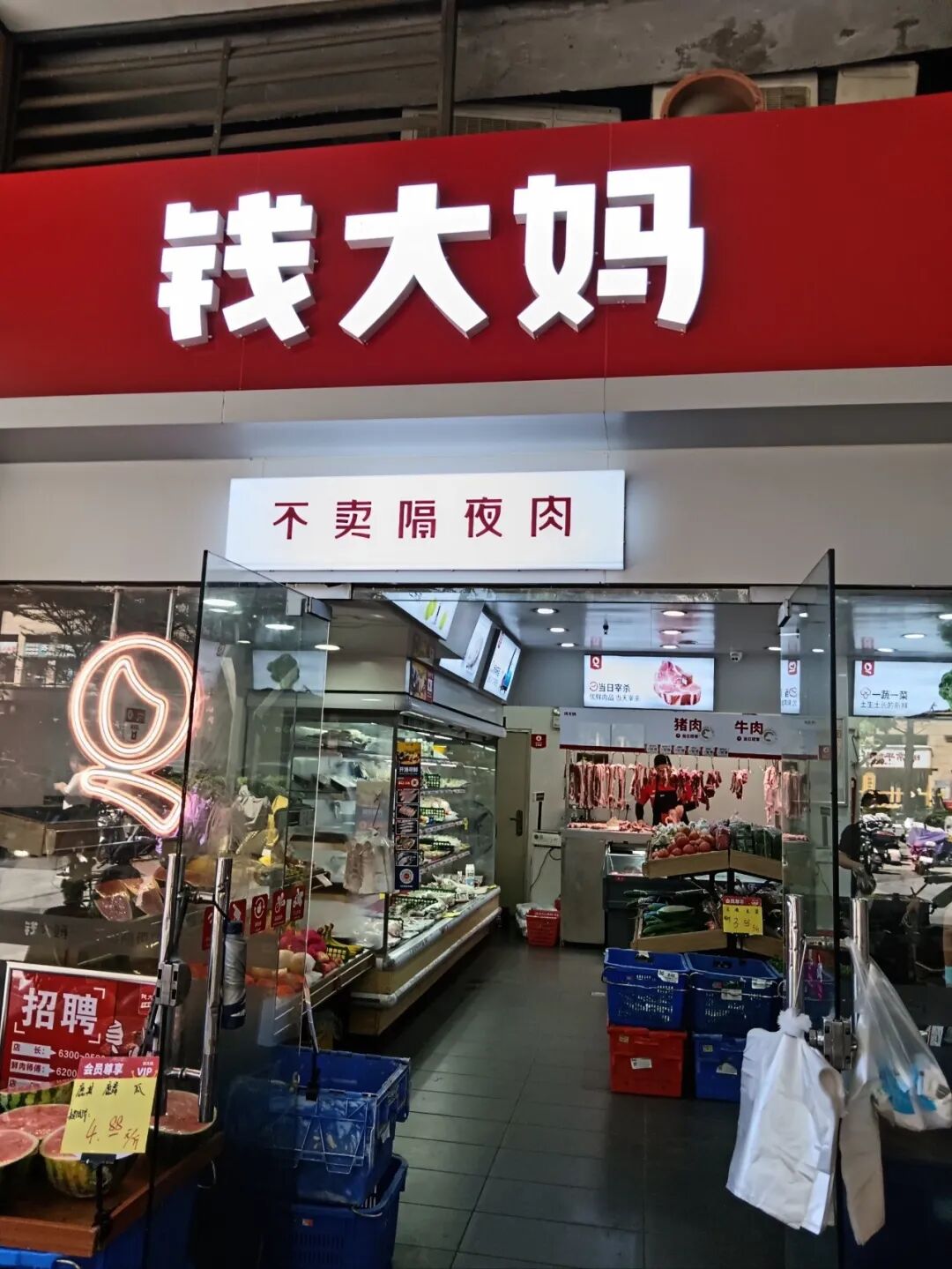
Core Insights - The company, Qian Dama, has experienced a rapid growth trajectory, crossing the 10 billion RMB revenue mark in 8 years, but has faced significant challenges leading to a net loss of 288 million RMB in the first three quarters of 2025 after previously earning 288 million RMB annually [1][9][11] - The fresh food industry is notoriously difficult, with many companies, including Dingdong Maicai and Hema Fresh, struggling despite large-scale financing and initial high growth expectations [2][4] - Qian Dama's recent attempt to list on the Hong Kong stock exchange reflects a desperate need for capital amid financial pressures and a competitive landscape [5][17] Company Overview - Qian Dama was founded in 2012 in Dongguan, initially focusing on pork sales, and expanded to over 3,700 stores nationwide, achieving peak revenue of over 11.7 billion RMB [6][8] - The company adopted a "daily fresh" model, significantly reducing inventory turnover time to under 12 hours, which is much lower than the industry average of 2-4 days [12][13] - Despite its initial success, Qian Dama's revenue growth has stagnated, with a notable decline in net profit, attributed to a shift in consumer behavior towards only purchasing fresh goods [9][14] Financial Performance - In 2023, Qian Dama reported a revenue of 11.744 billion RMB, with a slight increase projected for 2024, but a decline of 4.2% expected in the first nine months of 2025 [11] - The company's gross profit margins are significantly lower than the industry average, with 2023 and 2024 margins at 9.8% and 10.2%, respectively, compared to the typical 15%-20% [14] - The number of stores has decreased to approximately 2,900 by September 2025, with a higher number of franchise terminations than new openings in recent years [16] Industry Context - The fresh food retail sector is highly competitive, with established players like Alibaba, JD, and Pinduoduo solidifying their positions, while Qian Dama's traditional model appears outdated [20][22] - Competitors such as Dingdong Maicai and Hema Fresh have shown signs of recovery and profitability, contrasting with Qian Dama's ongoing financial struggles [21][22] - The shift in consumer preferences towards price sensitivity has raised concerns about customer loyalty and profitability for Qian Dama, as many customers now only buy discounted fresh goods [16]

上海惊现“史上最美”瑞幸:9块9,在民国公馆喝咖啡?
3 6 Ke· 2026-01-15 01:43
Core Viewpoint - Luckin Coffee has successfully transformed its brand image with the opening of a new garden-themed store in Shanghai, attracting significant attention and positive feedback from consumers, particularly younger demographics. Group 1: Store Concept and Design - The new garden-themed store features a luxurious design reminiscent of old Shanghai, with elements such as arched doorways, decorative ironwork, and vintage lighting, creating an immersive experience for customers [1][3] - The store layout includes a first floor for ordering and a second floor designed as a coffee-sharing lounge, enhancing the customer experience while maintaining efficient service [3] Group 2: Pricing and Product Offering - Despite the upscale ambiance, the product offerings and pricing remain unchanged, with customers still able to purchase coffee for 9.9 yuan, which has led to positive reactions regarding the value for money [5] - Social media users have praised the store for providing a high-quality experience at an affordable price, reinforcing the perception of Luckin Coffee as a value-driven brand [5] Group 3: Industry Trends - Other beverage brands are also exploring unique store concepts, with an increasing focus on larger spaces and enhanced customer experiences, as seen with brands like Mixue and Heytea [9][10] - The trend of integrating local culture into store designs is becoming more prevalent, with brands using thematic elements to create a deeper connection with consumers and enhance brand recognition [14][16] Group 4: Strategic Implications - The dual strategy of maintaining efficient small stores while investing in distinctive flagship locations allows brands to enhance their market presence and foster emotional connections with consumers [16] - The shift towards experiential retail, where stores serve as content carriers for brand identity, is becoming essential in a market characterized by product homogeneity [16]


中国企业出海的新特点、新趋势
Shang Hai Zheng Quan Bao· 2026-01-14 17:51
Group 1: New Characteristics of Chinese Enterprises Going Abroad - Since 2018, Chinese enterprises have formed a new wave of going abroad characterized by unprecedented diversity in participants, including large corporations, small and medium-sized enterprises, and individual entrepreneurs, with destinations spanning across continents [1][2] - The industries involved in this wave are comprehensive, including both low-end and high-end sectors such as new energy vehicles and fintech, as well as manufacturing and service industries like telecommunications and food and beverage [2][3] - The scale of going abroad is substantial, with a large number of enterprises and significant investment, which can rapidly enhance the industrial levels of many smaller and developing economies [3] Group 2: Impact and Trends of Chinese Enterprises Going Abroad - The trend of Chinese enterprises going abroad is expected to significantly influence the global economic landscape, forming supply chains led by Chinese companies and promoting the internationalization of Chinese standards and rules [4][5] - Many developing countries are likely to achieve rapid industrial upgrades and infrastructure improvements, altering their competitive positions in regional and global economies [5] - Chinese enterprises are poised to become the main force in large-scale industrial transfers and cross-border investments in the coming period, marking a shift from the previous patterns of labor-intensive manufacturing transfers by developed countries [5][6] Group 3: Strategic Support for Enterprises Going Abroad - A comprehensive strategic support framework is necessary for enterprises going abroad, which includes innovative methods to protect their legal rights and asset security, as well as a reassessment of cross-border capital flows [8][9] - Regulatory and policy measures should be employed to guide and support Chinese enterprises in their international endeavors, ensuring compliance and sustainability while protecting their interests [9][10] - Financial services must be provided comprehensively to meet the diverse needs of both large and small enterprises going abroad, with a focus on creating a robust financial service ecosystem [12][15]
奶茶店开始“卖饭”?蜜雪、古茗、阿嬷都盯上这门生意
东京烘焙职业人· 2026-01-14 08:33
Core Viewpoint - The beverage industry, particularly tea and coffee brands, is increasingly diversifying into food offerings, with a focus on integrating meals into their menus to enhance customer experience and drive sales [5][14][30]. Group 1: New Trends in Beverage Industry - Recent developments show tea shops like Mubaishousuo are introducing main dishes, such as the Min Nan Taro Rice, to attract customers [5][6]. - The trend of beverage shops selling food is gaining traction, with brands like Mixue Ice City and Starbucks experimenting with breakfast options [5][19]. - Social media reactions indicate consumer surprise and curiosity about beverage shops venturing into food sales, highlighting a shift in consumer expectations [7][10]. Group 2: Strategic Shifts in Offerings - Beverage brands are moving from merely offering snacks to providing full meal options, targeting breakfast and lunch markets [16][19]. - Companies like Mubaishousuo and Starbucks are launching new store formats and meal combinations to redefine the dining experience [20][22]. - The introduction of meal options is seen as a strategy to increase customer spending and adapt to daily consumption needs [15][30]. Group 3: Operational Considerations - The integration of food into beverage menus requires significant operational changes, including new equipment and food safety standards [33][35]. - Successful examples of food and beverage integration often involve light processing or strong synergy between products, with food revenue still being a small percentage of total sales [35][36]. - Brands must maintain consistency in their identity and ensure that new food offerings align with their core consumer experience [35].
德邦股份拟主动退市 京东物流近38亿元收购剩余股份
Chang Jiang Shang Bao· 2026-01-14 07:26
Group 1 - Vanke's "whistleblower" Yu Liang announced retirement without gratitude, raising concerns about the company's future as it receives a 30.8 billion yuan financial support from Shenzhen Metro to aid in orderly recovery [1] - Chang'an Bank received a 10 billion yuan capital injection from state-owned enterprises, with its capital adequacy ratio dropping to 11.66% after four years without an IPO [1] - Ideal Auto's delivery volume fell short of expectations, achieving only 63% of its target, resulting in a net loss of 620 million yuan for the quarter [1] Group 2 - Jiaoyun Co. is planning a restructuring, leading to a strong stock price surge, despite having accumulated a non-recurring loss of 1.9 billion yuan over the past six years while attempting to pivot into the cultural tourism sector [1] - Jiechuan Intelligent has only 200 million yuan in cash but plans to spend 4 billion yuan on procurement, with a net profit of 23 million yuan in the first three quarters, raising questions about the effectiveness of its entry into AI [1] - Hearty Noodle is facing challenges in the prepared food sector, having raised 7 rounds of financing with no movement towards an IPO, despite involvement from Tencent and Alibaba [1] Group 3 - Chang'an Automobile's claim of "cancelling year-end bonuses" is disputed, as Zhu Huarong sets an ambitious sales target of 3 million vehicles by 2025, which remains unfulfilled [1] - China Resources Double Crane's subsidiary has a product on the blacklist, with performance growth stagnating and R&D expense ratio dropping to 4.5% [1] - Xiamen Port's 6.2 billion yuan restructuring is close to completion, with the target assets projected to earn 430 million yuan before August 2025 [1] Group 4 - Chongqing Beer resolved an 18-year sales dispute, resulting in an increase of 1.908 million yuan in profits, despite facing declining sales and spending 2.5 billion yuan annually on sales expenses [1] - Zhang Yushuang is leading an 80 billion yuan empire into a second entrepreneurial phase, with Dongyang Sunshine Manufacturing earning 900 million yuan in nine months, raising questions about sustainability [1] - Tesla's projected annual delivery of 1.636 million vehicles in 2025 lags behind BYD, with China remaining its largest market [1] Group 5 - Tianpu Co. saw a stock surge of 1631% amid regulatory scrutiny and rumors of a backdoor listing involving Zhonghao Xinying [1] - Zheshang Bank underwent a management reshuffle, eliminating four assistant positions, with a declining non-performing loan ratio of 1.36% for four consecutive periods [1] - The Xie family, with a wealth of 375.3 billion yuan, re-entered the global wealth rankings, as the "Zhengda System" aims for its first A-share IPO after over 40 years in China [1]


成都市区联动促投资:多个产业项目集中签约落地
Sou Hu Cai Jing· 2026-01-14 06:11
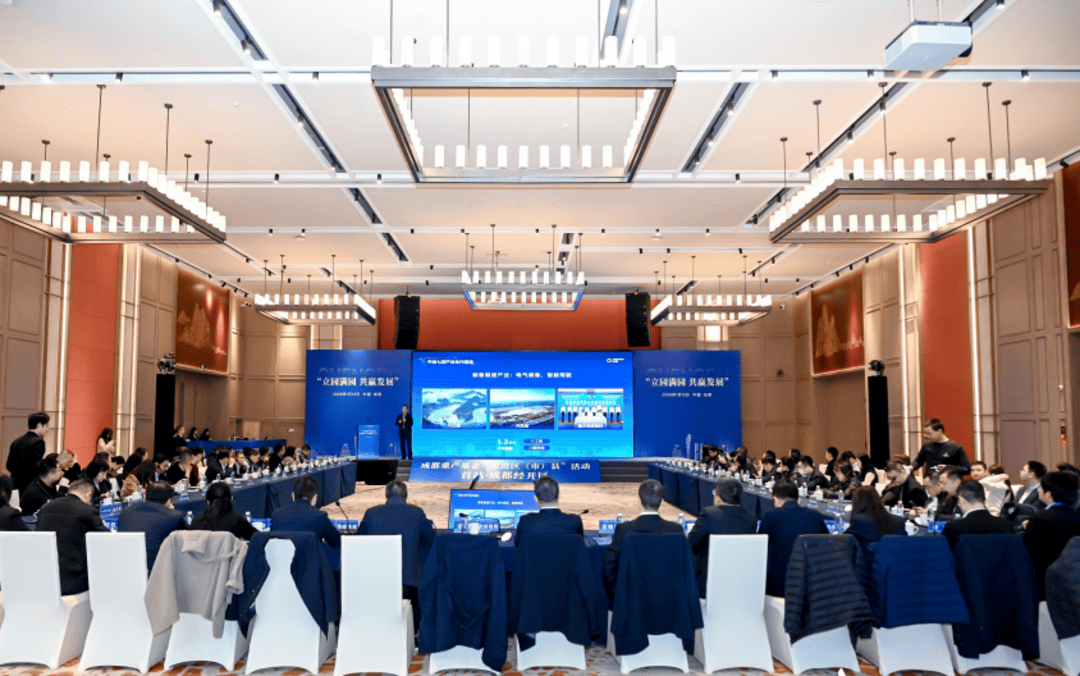
Group 1 - Chengdu and several districts are actively promoting effective investment and industrial project implementation through various methods, including fund support and international connections [1] - The Chengdu Major Industrialization Project Investment Fund, in collaboration with the state-owned investment platform of Chongzhou, has supported the establishment of the "Star Computing" headquarters by Guoxing Aerospace Technology Co., Ltd., with a total investment of 5 billion yuan [2][4] - The project aims to build a global headquarters for aerospace AI additive manufacturing in Chongzhou, with the first satellite, "Chongzhou No. 1," expected to be launched by May 2025 [4] Group 2 - The "Robotics + Smart Energy" industry development conference in Chengdu attracted over 120 representatives from industry chain enterprises, research institutions, and financial organizations [5] - Six key projects, including the R&D headquarters of Chengdu Yuntu Shijing Chuangjie Technology Co., Ltd., were signed during the conference, focusing on aircraft design and visual navigation algorithm development [7] - The Chengdu Robotics Innovation Center presented its capabilities in robotics for the energy sector, while the Chengdu Smart Oil Service Industrial Base showcased AI applications in the oil and gas field [7] Group 3 - Chengdu High-tech Zone organized a business matching event for Chinese and Korean enterprises during the "2026 China-Korea Investment Forum" [8] - The "Little Giant" enterprise, Yifang Smart Technology, established connections with several Korean partners to expand its market presence [10] - The Chengdu-Korea Innovation and Entrepreneurship Park has attracted 125 Korean-funded enterprises since its establishment in 2015, ranking high in the 2025 evaluation of national parks in Sichuan Province [10]
比蜜雪200%糖更猛,美国奶茶含糖量震惊网友,真有这么高?
3 6 Ke· 2026-01-14 00:57
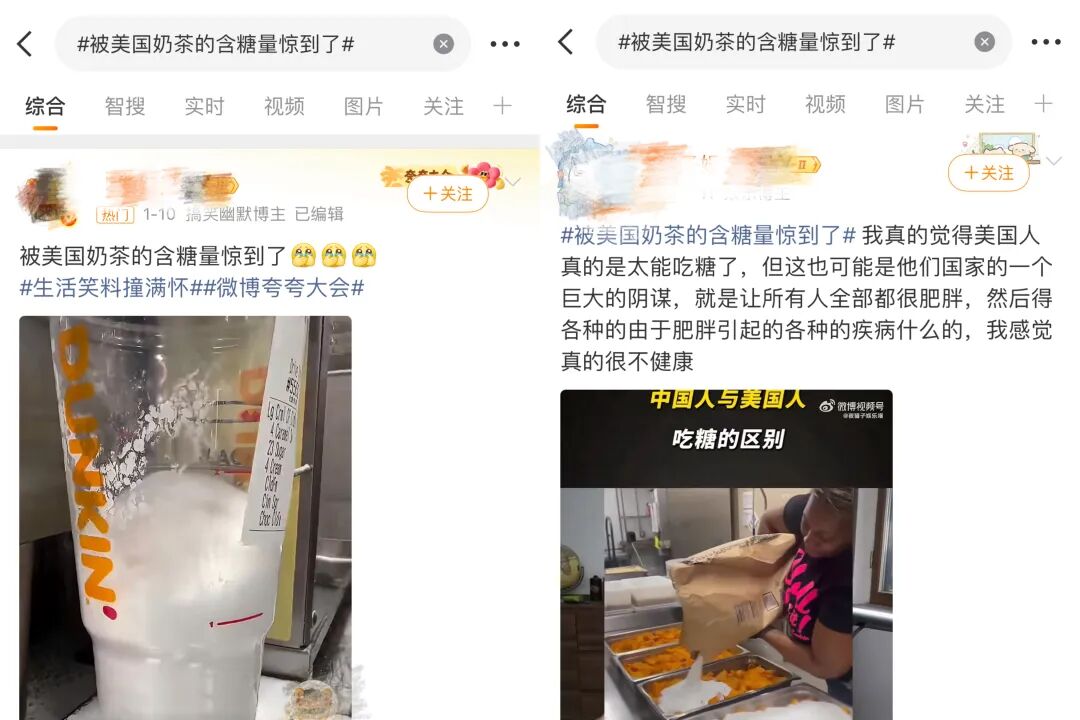
Core Viewpoint - The discussion around the sugar content in American milk tea, particularly the "200% sugar" option from the brand Mixue, has sparked widespread interest and debate on social media, revealing differing consumer preferences and perceptions of sweetness between American and Chinese markets [1][2][4]. Group 1: Sugar Content in American Milk Tea - A viral video highlighted that some American milk tea drinks contain excessive sugar, leading to shock among viewers who compared it to lower-sugar options available in China [2][4]. - Multiple short video creators have contributed to the narrative that Americans have a strong preference for sweet beverages, with exaggerated claims about sugar levels in popular drinks [4]. Group 2: Insights from Interviews with Brands - Interviews with ten tea brands operating in the U.S. revealed that many do not offer significantly higher sugar options than their Chinese counterparts, with standard options including 100%, 70%, 50%, 30%, and 0% sugar levels [6][8]. - The majority of consumers in these brands' U.S. locations prefer lower sugar options, with 80% choosing 70% sugar or less, indicating a health-conscious trend among younger demographics [8][10]. Group 3: Consumer Preferences and Market Strategy - The presence of high-sugar options like "200% sugar" is seen as a marketing strategy to cater to a niche market rather than a reflection of general consumer demand [10][11]. - Some brands have noted that while American consumers may tolerate higher sugar levels, the actual demand for such options is limited, and many consumers prioritize health [13][15]. Group 4: Health Trends in New Tea Brands - New tea brands entering the U.S. market are focusing on health-oriented strategies rather than high-sugar offerings, reflecting a shift in consumer preferences towards healthier options [15][17]. - Brands are advised to tailor their sugar levels based on the target market, with urban areas showing a preference for lower sugar content while suburban areas may allow for sweeter options [17][19]. Group 5: Cultural Reflections - The expansion of Chinese tea brands into the U.S. market serves as a cultural reflection of differing attitudes towards sweetness, emphasizing the importance of balancing taste and health in product offerings [19].

永辉超市预计2025年亏损 前三季度已亏7.10亿元
Xi Niu Cai Jing· 2026-01-13 02:09
Core Viewpoint - Yonghui Supermarket Co., Ltd. is expected to report a negative net profit attributable to shareholders for the fiscal year 2025, indicating an anticipated operational loss [2] Financial Performance - For the first three quarters of 2025, Yonghui Supermarket achieved revenue of 42.434 billion yuan, a year-on-year decline of 22.21% [4] - The net profit attributable to shareholders was -710 million yuan, while the net profit excluding non-recurring items was -1.502 billion yuan [4] Legal Issues - As of December 6, 2025, Yonghui Supermarket reported new litigation and arbitration cases totaling 495 million yuan, which is 11.14% of the audited net assets for 2024 [4] - The majority of the disputes, over 90%, involve the company as a defendant, primarily related to lease contract disputes with real estate developers and supply disputes with vendors [4] Shareholding Changes - Yonghui Supermarket has significantly reduced its stake in Hongqi Chain, completing three reductions between April and October 2025 [4] - On December 22, 2025, it announced plans to further reduce its holdings by up to 13.6 million shares, leading to an 8.07% drop in Hongqi Chain's stock price the following day [4]


量产”爆款文旅IP? 中部大省河南再造一个“支柱产业
Mei Ri Jing Ji Xin Wen· 2026-01-12 14:57
Core Viewpoint - The success of Kaifeng Wansui Mountain Martial Arts City has sparked discussions about its IP model, the roles of government and enterprises, and the potential for replicating this model in other regions [1][3]. Group 1: Performance Metrics - In 2025, Kaifeng Wansui Mountain Martial Arts City is projected to receive over 24.52 million visitors, a year-on-year increase of 146.9%, and achieve a total revenue of 1.27 billion yuan, up 136.5% [2]. - The annual comprehensive revenue of Kaifeng Wansui Mountain Martial Arts City grew from over 80 million yuan in 2022 to 1.27 billion yuan in 2025, marking a 15-fold increase in just three years [3]. Group 2: Operational Strategies - The park employs five operational models, including an innovative pricing strategy and interactive experiences, which cater to evolving tourist demands for emotional value and deep experiences [3][4]. - Daily, the park offers over 4,000 performances, adjusting content based on visitor feedback, which enhances its appeal and creates a sense of scarcity [4]. Group 3: Regional Development and Policy - The Henan government aims to create a "phenomenal tourism attraction cluster" and increase the cultural tourism industry's contribution to GDP to over 10% by the end of 2030 [5][6]. - The "draft for soliciting opinions" emphasizes supporting leading attractions like Kaifeng Wansui Mountain Martial Arts City to strengthen the tourism sector [5]. Group 4: Challenges and Opportunities - Despite the growth, Henan's tourism faces challenges such as low per capita spending, ranking 19th nationally, indicating a disparity between visitor numbers and revenue generation [7][9]. - The region is encouraged to develop high-quality immersive cultural projects and enhance the overall tourism experience to better capitalize on its cultural heritage [7][10]. Group 5: Integration of Commerce and Culture - The integration of commercial brands like Pang Donglai into tourism planning is seen as a way to enhance visitor engagement and create new consumption scenarios [11][12]. - The government is focusing on blending cultural IP with commercial entities to boost both cultural value and commercial benefits, aiming for a synergistic effect in the tourism sector [12].
科技股表现活跃 “碰一下”概念股受资金追捧
Zhong Zheng Wang· 2026-01-12 14:00
Group 1 - The core viewpoint of the articles highlights the strong performance of the A-share technology sector, particularly stocks related to the "Tap to Pay" feature of Alipay, which has seen daily payment transactions exceed 100 million [1][2] - The NFC (Near Field Communication) industry chain is experiencing increased attention and trading volume, with significant stock price increases for companies like Lens Technology, which rose by 10.26% with a trading volume exceeding 12 billion yuan, and Fudan Microelectronics, which increased by 9.84% with a trading volume of 2.48 billion yuan [1] - The rapid adoption of Alipay's "Tap to Pay" feature is activating the potential of existing NFC functionalities in smartphones, leading to increased order expectations for upstream components such as chips and materials [1] Group 2 - The simplification of operations through the "Tap to Pay" feature is lowering user barriers and pushing NFC from low-frequency applications to high-frequency payment scenarios, creating new growth opportunities for the industry [1][2] - Analysts note that the expansion of application scenarios for NFC technology, from payments to social interactions, is significantly enlarging the market space, potentially by several multiples [2] - There is a cautionary note from some institutional investors regarding short-term speculative risks, emphasizing the importance of focusing on companies' technological strengths and long-term value rather than merely following trends [2]
