
中国平安

Search documents
开源证券晨会纪要-20260112
KAIYUAN SECURITIES· 2026-01-12 14:42
Core Insights - The report highlights the ongoing transition in China's economic structure from traditional industries to new productivity sectors, particularly in real estate, renewable energy, and new productivity chains, indicating a significant shift in GDP contributions from these sectors [4][5][6] - The AI sector is experiencing rapid growth, with specific emphasis on AI marketing, social applications, and gaming, suggesting a robust investment opportunity in these areas [23][25] - The non-bank financial sector is projected to see continued profitability and growth, particularly in brokerage and asset management, driven by favorable market conditions and regulatory support [20][33] Macro Economic Perspective - The report discusses the shift from old to new economic drivers in China, with real estate's contribution to GDP declining from 12.3% in 2020 to 11.9% in 2023, while the renewable energy sector's share increased from 1.3% to 2.1% during the same period [4] - New productivity sectors are expected to take over the role of real estate as a pillar of the economy, with projections indicating a rise in their GDP contribution [4] Industry Analysis - The AI marketing sector is projected to grow significantly, with the global market expected to reach $11.2 billion by 2025 and $100.7 billion by 2030, reflecting a compound annual growth rate (CAGR) of 55% [24] - The non-bank financial sector is expected to see a 64% year-on-year increase in net profit for listed brokerages in the first three quarters of 2025, indicating strong performance driven by investment income [20] - The report emphasizes the importance of the satellite industry, highlighting investment opportunities in satellite components and systems, which are crucial for communication and data transmission [15][16] Company Specific Insights - The report identifies key companies in the satellite industry, including Tianyin Electromechanical and Aerospace Intelligence, which are positioned to benefit from the growth in satellite technology [15][16] - In the AI sector, companies like Minimax and Kunlun Wanwei are noted for their innovative applications and potential for significant market impact [25] - The brokerage sector is highlighted with specific recommendations for firms such as Huatai Securities and Guotai Junan, which are expected to perform well due to their strategic positioning and market conditions [20][33]
2025上半年财险公司“13精”综合竞争力排名榜:平安、人保、太保均为AAA!(2026年第一期 总第六十六期)
13个精算师· 2026-01-12 14:21
Core Viewpoint - Analyzing an insurance company requires a comprehensive approach that considers multiple indicators such as risk, profitability, development, and scale, rather than focusing solely on premiums or profits [1]. Group 1: Comprehensive Strength of Insurance Companies - The "13精" comprehensive competitiveness ranking has been published for six consecutive years, evaluating companies based on six key indicators [1][4]. - The ranking aims to guide insurance companies to prioritize consumer rights protection by adjusting the evaluation system to include service capability [1]. Group 2: Top Competitors in 2025 - In the first half of 2025, the top 30 companies in the "13精" comprehensive competitiveness ranking included five AAA-rated companies: Ping An Property & Casualty, PICC Property & Casualty, Taiping Property & Casualty, China Life Property, and Yingda Property [5][6][14]. - The ranking reflects the ongoing "Matthew Effect" in the insurance industry, where leading companies maintain their competitive edge [14]. Group 3: Financial Performance and Trends - In the first half of 2025, the net profit of 84 property insurance companies reached 52.5 billion, marking a continuous growth for five years and nearing the total net profit of 60.5 billion for 2024 [11]. - The profitability of property insurance companies has improved due to better underwriting capabilities and a favorable investment environment, with many companies experiencing significant year-on-year profit increases [12][19]. Group 4: Individual Company Analysis - Ping An Property & Casualty demonstrated strong growth in both scale and profitability, with a double-digit growth rate in non-auto insurance premiums [16][19]. - PICC Property & Casualty achieved a comprehensive cost ratio of 94.72%, down 0.81 percentage points from the previous year, with a return on equity (ROE) exceeding 9% [20][22]. - Taiping Property & Casualty improved its net asset return to 8.9%, benefiting from a reduction in comprehensive cost ratios [24]. Group 5: Industry Dynamics and Challenges - The transition towards non-auto insurance has led to increased differentiation among insurance companies, with some small and medium-sized firms improving profitability while others struggle [12][28]. - The industry continues to experience a "Matthew Effect," where larger firms outperform smaller ones in both scale and profitability, despite overall improvements in cost ratios across the sector [25][28]. Group 6: Industry Metrics and Comparisons - The average premium growth rate in the industry was 4.04%, with an average ROE of 6.86% and a comprehensive solvency adequacy ratio of 239.30% [30]. - The ranking system has been refined over time to better reflect the industry's focus on high-quality development, including adjustments to the scoring of premium growth and the introduction of service capability metrics [52][54].



产品陆续走进券商App,保险代销“下半场”竞速开启
Bei Jing Shang Bao· 2026-01-12 14:13
Core Viewpoint - The emergence of insurance sections in brokerage apps indicates a significant shift in wealth management strategies, suggesting that the "second half" of the wealth management market is beginning to unfold through these subtle interface changes [1][4]. Group 1: Insurance Integration in Brokerage Apps - Major brokerages like CITIC Securities, China Merchants Securities, GF Securities, Galaxy Securities, and Ping An Securities have introduced dedicated insurance purchase sections in their apps [1][4]. - The insurance products available on these platforms include various types such as health insurance, accident insurance, and endowment insurance, with CITIC Securities offering nearly 20 products, half of which are dividend-type [3][4]. Group 2: Historical Context and Regulatory Framework - The practice of brokerages selling insurance is not new, having begun over two decades ago, but it has gained renewed attention recently due to regulatory changes [4][5]. - In 2012, the China Securities Regulatory Commission issued regulations allowing qualified securities firms to sell insurance products, yet progress has been slow with limited participation from eligible firms [5]. Group 3: Comparison with Banking Channels - Banks have long been the primary channel for insurance sales, benefiting from a mature service model and a large retail customer base, which contrasts with the nascent insurance sales efforts of brokerages [6][8]. - The differences in customer engagement and service offerings between banks and brokerages highlight the challenges brokerages face in establishing a robust insurance sales framework [7][9]. Group 4: Market Opportunities and Challenges - The entry of brokerages into the insurance market represents a diversification strategy aimed at increasing revenue and enhancing customer engagement [12]. - There is potential for brokerages to leverage their investment advisory capabilities to offer insurance products that align with their clients' investment preferences, particularly in dividend-type insurance [12][13]. - However, challenges remain, including ensuring sales quality and building strong partnerships with insurance companies, as well as addressing the complexity of insurance products compared to traditional financial offerings [14].

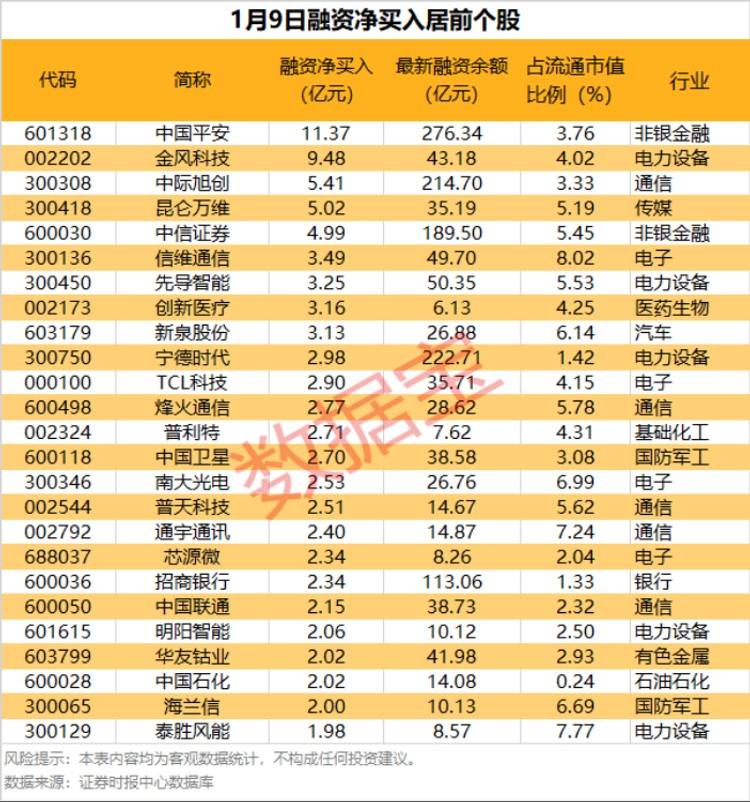
融资连增背后,别被走势骗了
Sou Hu Cai Jing· 2026-01-12 14:07
Core Viewpoint - The recent increase in financing funds, reaching approximately 2.6 trillion yuan, indicates a positive market sentiment, but surface price movements may not reflect true trading intentions [1] Group 1: Market Behavior - Many investors are misled by superficial price fluctuations, often reacting emotionally to market movements, which can lead to poor decision-making [3][9] - There are two types of market behaviors: one where prices rise but experience multiple pullbacks, leading investors to sell out of fear; and another where prices appear to rebound, misleading investors into thinking new funds are entering the market [5][8] Group 2: Quantitative Data Analysis - Utilizing quantitative data can help reveal the true trading intentions behind market movements, as traditional observations may not capture the underlying dynamics [7][8] - The "institutional inventory" data reflects the activity level of large institutional funds, providing insights into whether institutions are actively participating in trades [6][8] Group 3: Investment Strategy - A continuous increase in financing funds suggests a generally positive market attitude, but it is crucial to analyze individual stocks beyond their price movements, focusing on the underlying trading behaviors [8] - If a stock shows price fluctuations but maintains active "institutional inventory," it indicates significant institutional involvement; conversely, if a stock rebounds without such activity, it may be a false signal [8][9]
2026国际垂直马拉松在深圳平安金融中心举行
Zhong Zheng Wang· 2026-01-12 14:03
据赛事组委会负责人介绍,本次深圳平安金融中心垂直马拉松赛事,参与人数规模全面升级,阵容更加 强大,创下该运动参赛规模纪录。参赛专业选手包括15个国家地区的国际选手。同时,大众组中还有来 自大湾区高校、深圳消防,来自中国平安(601318)、华为、大疆、字节跳动等多家深圳知名企业大厂 的65家跑团集结,及特邀精英跑者参加,充分彰显了该赛事的广泛社会参与度与多元融合力,展现了深 圳"全民健身"的浓厚氛围。 中证报中证网讯(记者 齐金钊)日前,"2026国际垂直马拉松"在粤港澳大湾区第一高楼深圳平安金融 中心举行。作为一项具有国际影响力的粤港澳大湾区独立品牌赛事,该项比赛迄今已经举办七届。其专 业赛事的组织水平、参赛人数规模、国际化程度,获得世界高塔竞速协会(TWA)与亚太地区垂直马 拉松协会(AVA)双重认证和授权,被认证为高级别积分赛,体现了国际体育界对深圳赛事标准与城市 资格的认可。 据悉,2026年度该赛事以"新年向上跑,马上出发"为主题,选手们垂直竞速挑战高达599米的深圳平安 金融中心大厦。亚太地区垂直马拉松协会(AVA)主席陶云峰表示,垂直马拉松以城市高楼为赛道,既 为都市人提供便捷运动方式,也象征不 ...

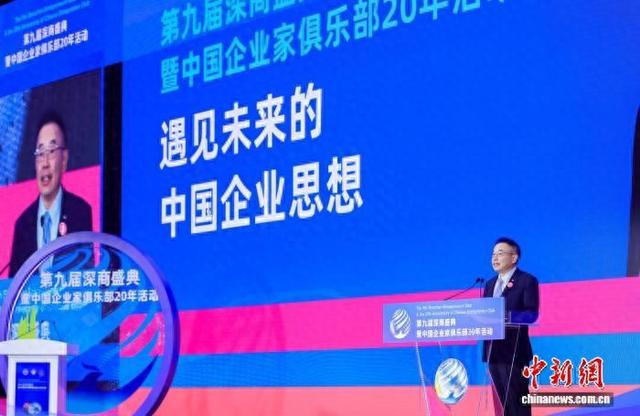
多位知名企业家齐聚第九届深商盛典发声
Zhong Guo Xin Wen Wang· 2026-01-12 13:39
Group 1 - The core theme of the event is "Encountering the Future of Chinese Enterprise Thought," focusing on industrial innovation, technological breakthroughs, ecological construction, and social responsibility [1] - TCL's founder and chairman, Li Dongsheng, emphasized that global technological competition is intensifying, with artificial intelligence transitioning from concept to deep industrialization, becoming a key driver of future economic growth [1] - iFlytek's founder and chairman, Liu Qingfeng, stated that the autonomy of core technologies is fundamental for long-term business sustainability, and the company will focus on independent research and development of foundational models [3] Group 2 - Xiaopeng Motors' chairman and CEO, He Xiaopeng, noted that the Chinese automotive industry has moved from "electrification" to the "intelligent" competition phase, where breakthroughs in autonomous driving and smart cockpit technologies are crucial for seizing global leadership [3] - Ping An Group's deputy secretary of the party committee and general manager, Xie Yonglin, highlighted that the essence of finance is to serve the real economy, advocating for financial technology to upgrade industrial chain finance while ensuring risk control [5] - BGI Group's CEO, Yin Ye, discussed the concept of empowering people's livelihoods through technology, stressing that life and health are the foundation of public welfare, and companies should focus on tackling core technological challenges in gene technology and biomanufacturing [5]


又一家!零息可转债受热捧,多家港股公司入局
Zheng Quan Shi Bao· 2026-01-12 12:43
Core Viewpoint - The issuance of zero-coupon convertible bonds is becoming a significant tool for listed companies in Hong Kong to optimize their capital structure and drive strategic transformation, particularly in the context of a recovering stock market [1] Group 1: Company Announcements - Game company Tanwan announced the successful issuance of HKD 468 million zero-coupon convertible bonds maturing in 2027, with an initial conversion price of HKD 23.5 per share, potentially converting into approximately 1.99 million new shares, representing about 3.79% of existing shares [2] - The proceeds from Tanwan's bond issuance will be allocated to AI-related business investments, with 50% for developing AI infrastructure and technology, and the other 50% for acquiring shares in AI-related listed companies [2] - Guangfa Securities plans to issue zero-coupon convertible bonds totaling HKD 21.5 billion, with a net fundraising target of approximately HKD 39.59 billion, aimed at enhancing the capital strength of its overseas subsidiaries [2] - Jingtai Holdings intends to issue HKD 28.66 billion in zero-coupon convertible bonds to enhance its R&D capabilities and expand its business development and marketing teams [3] Group 2: Market Trends - The zero-coupon convertible bond market is experiencing a new wave of issuance, with several companies, including Alibaba and Baidu, having issued over HKD 930 billion in such bonds in recent years [3] - The zero-coupon structure allows companies to achieve long-term financing without interest payments, significantly reducing financing costs [4] - The trend of issuing zero-coupon convertible bonds reflects a growing preference among companies for flexible financing options that do not immediately dilute existing shareholders' equity [5] Group 3: Investor Implications - The issuance of zero-coupon convertible bonds is expected to attract long-term investors, enhancing market stability and international competitiveness [6] - This financing method provides a hybrid investment tool that meets the varying risk preferences of investors, indicating recognition of the fundamentals and development potential of quality Chinese enterprises [7]

又一家!零息可转债受热捧,多家港股公司入局
证券时报· 2026-01-12 12:37
Core Viewpoint - The article highlights the rising trend of zero-coupon convertible bonds in the Hong Kong stock market, emphasizing their role in optimizing capital structure and facilitating strategic transformation for listed companies [1][4]. Group 1: Zero-Coupon Convertible Bonds Overview - Zero-coupon convertible bonds are becoming a popular financing tool for companies, allowing them to raise capital without immediate interest payments, thus significantly reducing financing costs [6][7]. - Companies like Tanwan (09890.HK) have successfully issued zero-coupon convertible bonds, with Tanwan raising HKD 468 million, which will be allocated for AI-related investments [3][4]. Group 2: Recent Issuances and Their Purposes - Tanwan's zero-coupon convertible bond has an initial conversion price of HKD 23.5 per share, potentially converting into approximately 1.99 million new shares, representing about 3.79% of existing shares [3]. - Other companies, such as Guangfa Securities and Jingtai Holdings, are also planning to issue zero-coupon convertible bonds to support business development, with Guangfa expecting to raise around HKD 61.1 billion through its bond issuance [3][4]. Group 3: Market Trends and Implications - The issuance of zero-coupon convertible bonds is seen as a new trend in the Hong Kong market, with over HKD 930 billion raised by various companies in recent years, including major players like Alibaba and Baidu [4]. - The zero-coupon structure allows companies to avoid interest expenses during the bond's term, aligning well with the current low-interest-rate environment and reducing financial pressure [6][7]. Group 4: Attracting International Capital - The trend of issuing zero-coupon convertible bonds is expected to broaden financing channels for companies, reducing reliance on traditional equity financing methods, which can dilute existing shareholders' equity [9][10]. - This trend is likely to attract long-term investors, enhancing market stability and international competitiveness, while also increasing the international influence of the Hong Kong stock market [9][10].

退保换新并非合理选择,实际投资回报决定老保单分红
2 1 Shi Ji Jing Ji Bao Dao· 2026-01-12 12:05
Core Viewpoint - The insurance market in 2026 is witnessing a shift towards dividend insurance products due to a low interest rate environment and the ongoing effects of "deposit migration" [1][2] Group 1: Market Trends - The focus of the insurance market has shifted to dividend insurance, which features "guaranteed + floating" returns, becoming the main product for insurers to boost premium scale [1] - New dividend insurance products launched after 2024 show a higher dividend realization rate, often exceeding 100%, while older products typically hover around 50% [2][3] Group 2: Product Performance - The disparity in dividend realization rates between new and old products is attributed to differences in the benchmark interest rates used for projections [3] - New products have lower guaranteed rates and are subject to regulatory limits on projected dividend rates, making it easier for them to achieve high realization rates [3][4] Group 3: Customer Experience - Customers holding different policies experience varying dividend realization rates, with new products generally offering better performance compared to older ones [2][4] - The actual customer yield from new products, despite a 100% realization rate, may be around 3.05%, while older products with lower realization rates can still yield approximately 3.2% due to higher guaranteed rates [4] Group 4: Operational Mechanisms - The operational mechanisms of dividend accounts and the unique "smoothing mechanism" of dividend insurance have been adjusted, impacting the performance of older accounts [5][6] - New accounts benefit from starting afresh without the historical burdens of older accounts, allowing for more direct distribution of investment earnings [6] Group 5: Sales Dynamics - The sales approach has shifted from emphasizing interest rates to focusing on underlying assets and investment capabilities, increasing transparency but also introducing potential risks of misrepresentation [7] - The sustainability of high dividend realization rates for new products will depend on actual investment returns, with potential challenges if market interest rates decline further [7][8] Group 6: Consumer Considerations - For holders of older policies, switching to new products may not always be a rational choice due to potential principal losses from surrendering old policies [8] - New investors should be aware that the displayed "100% realization rate" during the 2026 sales period is a product of specific historical conditions and statistical criteria [8]
“报行合一”重塑财险半壁江山 五千亿非车险告别“野蛮生长”
2 1 Shi Ji Jing Ji Bao Dao· 2026-01-12 11:57
Core Insights - The non-auto insurance sector in China has experienced an average annual growth rate exceeding 10% over the past decade, with premiums now accounting for over 50% of total insurance premiums, but this growth has been driven by high costs rather than sustainable practices [1][2] - The National Financial Regulatory Administration has issued several guidelines to address irrational competition and high costs in the non-auto insurance sector, aiming to shift the focus from price wars to risk pricing and service capabilities [1][4][9] Industry Growth and Trends - Non-auto insurance premiums have grown at an average annual rate of 14.4% from 2014 to 2024, significantly outpacing the 5.2% growth rate of auto insurance [2] - By mid-2025, the total insurance premium income in the property insurance industry is projected to reach 965.4 billion yuan, with non-auto insurance contributing 514.9 billion yuan, surpassing 50% of the total [2] Regulatory Changes - The recent regulatory measures include the "reporting and operation unity" policy, which mandates that insurance companies adhere strictly to approved insurance terms and rates, aiming to eliminate high fees that do not correspond to services provided [3][4][6] - The new regulations are expected to compress some business operations in the short term but will ultimately reshape the competitive landscape by emphasizing risk assessment and service quality [9][10] Company Responses - Major insurance companies like PICC, Ping An, and Taikang have begun to implement changes in response to the new regulations, focusing on compliance and optimizing their cost structures [5][7][8] - Companies are restructuring their business models to transition from fee-based competition to risk pricing and service capability enhancement [7][10] Market Dynamics - The regulatory changes are anticipated to accelerate industry differentiation, with larger firms solidifying their competitive advantages while smaller firms may struggle to adapt [15][16] - The new policies may lead to a concentration of market power among larger firms, but they also provide a buffer for smaller companies to transition and innovate within niche markets [16][17] Future Outlook - The shift towards a more regulated and quality-focused market is expected to enhance the sustainability of the non-auto insurance sector, fostering a competitive environment based on risk management and service excellence [10][12] - Smaller companies are encouraged to focus on specialized markets and innovative products to establish competitive advantages, rather than competing directly with larger firms [17][18]
