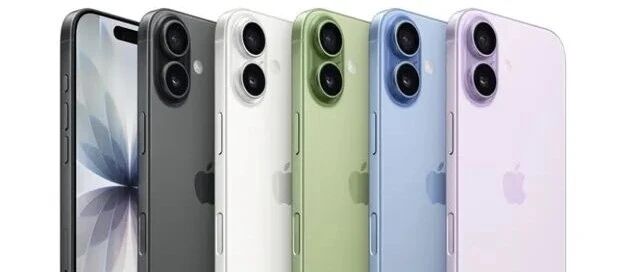
三星

Search documents
AI大周期初段下的六大关键议题
Hua Er Jie Jian Wen· 2026-01-08 06:43
Group 1 - The core viewpoint of the articles is that the AI sector is entering a significant growth phase, with expectations for substantial capital expenditure increases and productivity enhancements by 2026 [1][2][4]. - HSBC's analysis suggests that the S&P 500 index is projected to reach 7500 points by 2026, indicating a positive outlook for the U.S. stock market [1]. - The report emphasizes that the focus on AI will shift from infrastructure suppliers to application developers and promoters [1]. Group 2 - Major cloud providers, including Amazon, Microsoft, and Alphabet, are facing capacity constraints due to data center construction cycles, which are expected to persist until 2026 [2]. - HSBC forecasts a 44% increase in capital expenditure for relevant companies in 2026, driven by strong demand and limited construction capabilities [2][4]. - The report indicates that the capital expenditure guidance for 2026 may have upward risks due to the current capacity limitations and strong demand [4]. Group 3 - The primary bottleneck for AI development is identified as power supply, with significant delays in heavy gas turbine deliveries and limited contributions from small modular reactors until 2035 [3]. - Chinese brands are rapidly penetrating the large engine market due to shorter delivery times, contrasting with the global market [3]. Group 4 - ASIC chips are gaining traction in the AI chip market, challenging NVIDIA's GPU dominance, with a projected increase in ASIC's share of cloud service capital expenditure from 2% in 2023 to 13% by 2027 [5]. - Discussions around orders and technology agreements in 2026 are expected to influence valuations, despite external chip sales not contributing significantly until 2027 [5]. Group 5 - The competition among leading AI models is shifting towards an oligopoly, with high sunk costs leading to market rationalization and dominance by a few major players [6]. - The gap between open-source models and closed-source models is narrowing, with advancements in AI capabilities expected to accelerate [6]. Group 6 - 2026 is anticipated to be a pivotal year for integrating AI into smartphones and introducing new hardware that challenges traditional platforms [7]. - Companies like Apple, Meta, and others are expected to enhance their hardware's AI capabilities significantly, with innovations such as upgraded Siri and smart glasses [7].
TrendForce集邦咨询:受规格提升与英伟达(NVDA.US)策略调整影响 预估HBM4量产时程延至2026年第一季度末
智通财经网· 2026-01-08 06:29
Core Insights - Nvidia is adjusting the specifications for its Rubin platform's HBM4, raising the Speed per Pin requirement to over 11Gbps, which necessitates design revisions from major HBM suppliers [1] - The demand for Nvidia's previous generation Blackwell products has exceeded expectations due to the AI boom, leading to adjustments in the production timeline for the Rubin platform [1] - The mass production of HBM4 is now expected to be delayed, with the earliest production anticipated by the end of Q1 2026 [1] Group 1 - TrendForce indicates that SK Hynix, Samsung, and Micron have all revised their HBM4 product designs in response to Nvidia's stricter specifications [1] - Samsung is positioned to be the first supplier to pass validation for HBM4, utilizing its advanced 1Cnm process technology, which may give it a competitive edge in supplying high-spec Rubin products [1] - SK Hynix is expected to maintain a significant supply advantage in 2026 due to pre-existing HBM contracts [1] Group 2 - Nvidia's product strategy shift is significantly impacting the HBM4 validation timeline, as the demand for Blackwell series products is projected to grow substantially in the first half of 2026 [2] - Nvidia has raised its shipment targets for the B300/GB300 series and increased HBM3e orders, which allows HBM suppliers additional time to adjust their HBM4 products [2] - The anticipated mass production timeline for HBM4 is now expected to fall between the end of Q1 2026 and Q2 2026 [2]

三星S24 5G仅2540元
Xin Lang Cai Jing· 2026-01-08 06:05
Core Viewpoint - The Samsung Galaxy S24 5G smartphone is currently priced at 3628.01 yuan on JD.com, with a promotional price of 2540 yuan on Paiyide, highlighting a significant discount opportunity for consumers [2][3] Product Specifications - The Samsung Galaxy S24 5G features a lightweight design with an aluminum frame, weighing approximately 167g, providing a comfortable grip [2][3] - It is equipped with a 6.2-inch FHD+ display that supports a 120Hz refresh rate and a new ultra-fast under-display fingerprint recognition [2][3] - The device is powered by the third-generation Snapdragon 8 processor, LPDDR5X memory, and UFS 4.0 storage, with a 1.5 times improvement in heat dissipation efficiency [2][3] - It includes a 4000mAh battery that supports 25W fast charging [2][3] - The camera system features a 50MP main rear camera with 3x optical zoom and 30x digital zoom, along with a 12MP front camera [2][3] - The smartphone runs on One UI 6.1 and offers 7 years of security updates, along with Galaxy AI features such as selection search, real-time translation, note assistant, and AI photo editing [2][3] - The device is rated IP68 for dust and water resistance [2][3]
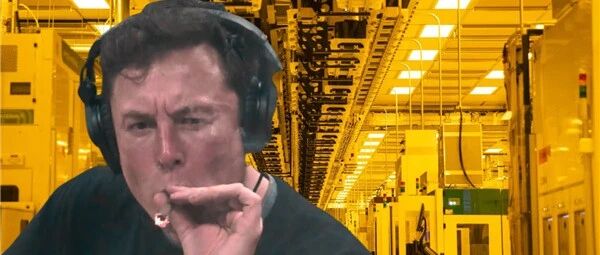
马斯克:Fab里面要能抽烟!
是说芯语· 2026-01-08 05:03
Core Viewpoint - Tesla plans to build a TeraFab factory capable of producing 2nm chips, challenging traditional cleanroom standards in chip manufacturing [3][4] Group 1: TeraFab Factory Plans - Elon Musk announced that Tesla intends to establish a TeraFab factory for 2nm chip production, which would allow activities like smoking and eating inside the facility [1][3] - Musk's approach to chip manufacturing involves a concept called "wafer isolation," which focuses on keeping the wafers themselves isolated from external contamination rather than maintaining a cleanroom environment [3] Group 2: Industry Context and Collaboration - Tesla has previously proposed creating its own chip manufacturing network to meet its custom chip needs and has engaged in extensive collaboration with Samsung on AI5 and AI6 chips [4] - Given Tesla's lack of experience in chip manufacturing, the TeraFab project is likely to be a collaborative effort with other partners rather than a standalone initiative [4]


英伟达VeraRubin重构AI存储层级,NAND有望成为通胀品
China Post Securities· 2026-01-08 04:54
Industry Investment Rating - The industry investment rating is maintained at "Outperform the Market" [2] Core Viewpoints - The report highlights the significant advancements in storage architecture driven by NVIDIA's Vera Rubin platform, which aims to address the "memory wall" issue in AI applications. The new GPU architecture shows substantial improvements in processing power and memory bandwidth [5][6] - The storage industry is expected to experience a narrative upgrade, with a focus on key players in both overseas and domestic markets, including major companies like SK Hynix, Samsung, and Micron, as well as domestic firms like Shannon Semiconductor and Zhaoyi Innovation [8] Summary by Relevant Sections Industry Basic Situation - The closing index level is 5469.82, with a 52-week high of 5841.52 and a low of 3966.07 [2] Industry Relative Index Performance - The relative performance of the computer industry compared to the CSI 300 index shows fluctuations, with a peak increase of 40% observed from January 2025 to January 2026 [4] Recent Research Reports - The report discusses NVIDIA's Vera Rubin platform, which has entered full production and is expected to significantly enhance AI computing capabilities. The new GPU architecture features a processing power of 50 PFLOPS for inference and 35 PFLOPS for training, with a memory bandwidth of 22 TB/s [5][6] - The report emphasizes the introduction of a new storage architecture that integrates HBM, DRAM, and NAND technologies, which is crucial for managing the increasing demands of AI applications [6][7] Investment Recommendations - The report suggests focusing on the storage supply chain, recommending both international leaders and domestic companies as potential investment opportunities [8]
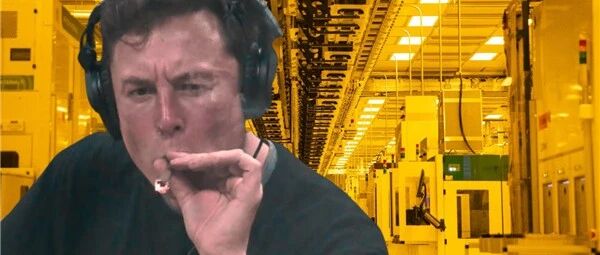
马斯克:Fab里面要能抽烟!
国芯网· 2026-01-08 04:45
Group 1 - The core idea of the article revolves around Elon Musk's announcement of Tesla's plan to build a TeraFab factory capable of producing 2nm chips, challenging traditional cleanroom standards in chip manufacturing [2][4][5] - Musk's assertion that the TeraFab factory will allow activities like eating hamburgers and smoking cigars inside the facility raises questions about contamination control in semiconductor manufacturing [4][5] - The proposed "wafer isolation" method aims to keep the wafers physically isolated from the external environment, potentially reducing the need for expensive ISO-level cleanrooms [4][5] Group 2 - Tesla has previously collaborated with Samsung on AI5 and AI6 chips, indicating a strategic move towards establishing its own chip manufacturing capabilities [5] - Despite the ambitious plans, Tesla's lack of experience in chip manufacturing suggests that TeraFab may be more of a collaborative effort with existing partners rather than a standalone venture [5]
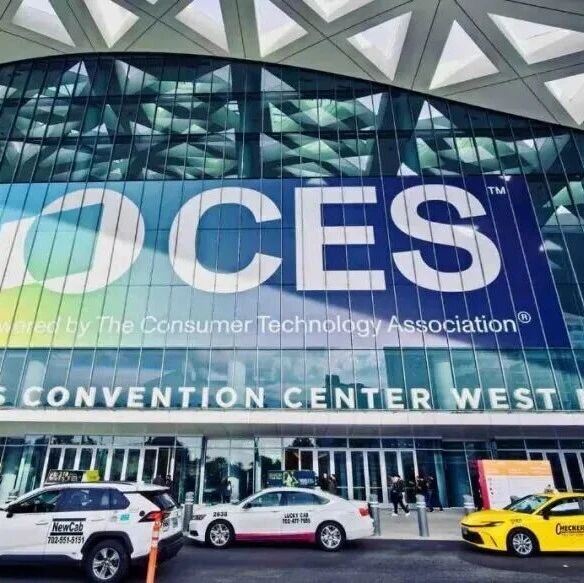
CES 2026 最疯狂的25个脑洞,全在这里了
首席商业评论· 2026-01-08 04:27
Core Viewpoint - CES 2026 showcases a significant shift where AI is not just a digital entity but is increasingly integrated into physical hardware, impacting various aspects of daily life and industry [6][7]. Group 1: Robotics and Embodied Intelligence - CES 2026 marks a turning point for robotics, with a dedicated exhibition area for embodied intelligence, indicating that robots are moving from mere demonstrations to practical applications in manufacturing, transportation, and healthcare [9]. - The Chinese robotics sector is prominently represented, with over half of the exhibitors showcasing advancements, while Boston Dynamics introduced the all-electric Atlas robot, highlighting a competitive landscape for commercialization in embodied intelligence [9][10]. - The new Atlas robot is designed for practical factory work, featuring advanced mobility and AI learning capabilities, marking a milestone in the transition from prototype to product [12]. Group 2: AI Hardware - AI hardware is becoming more integrated into everyday products, with a focus on subtlety and functionality rather than overt complexity [32]. - The NotePin S device captures important audio moments and organizes them using AI, reflecting a trend towards more intelligent and user-friendly recording solutions [32][35]. - Sweekar, an AI pet, embodies the trend of companionship through physical entities, evolving from simple digital pets to interactive, breathing companions that learn and adapt to user interactions [36][38]. Group 3: Smart Mobility - The automotive sector at CES 2026 reveals a stark contrast between the vibrant Chinese market and a more subdued American presence, reflecting a shift in global automotive dynamics [44]. - Nvidia's Alpamayo introduces advanced logical reasoning capabilities for autonomous driving, moving beyond basic reflexive responses to more complex decision-making processes [45][48]. - Strutt's Ev1 smart electric wheelchair incorporates advanced sensors for enhanced navigation, addressing the unique challenges faced by wheelchair users [49][50]. Group 4: Innovative Products - The CES 2026 features innovative products that blend nostalgia with modern technology, such as Lego's interactive building blocks that respond to user actions without screens [60][61]. - Mui Board Gen 2 offers a unique approach to sleep monitoring through a wooden board that detects breathing patterns without the need for wearable devices, emphasizing a blend of aesthetics and functionality [76].
一天一个价,涨幅远超黄金!业内人士:离谱,但还会涨
Sou Hu Cai Jing· 2026-01-08 03:52
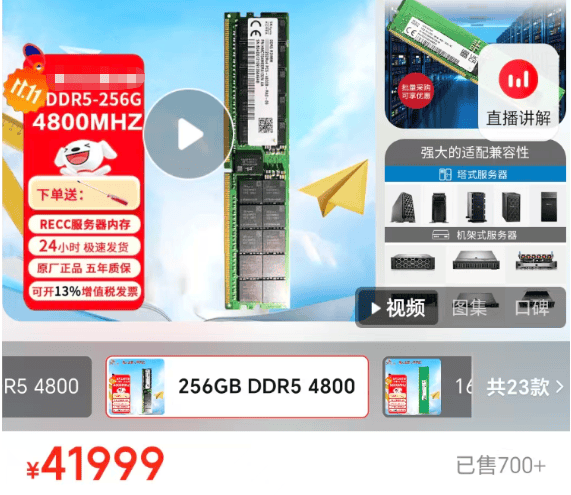
Group 1 - The global DRAM market is experiencing a significant price increase, described as the "strongest" price surge in history, with most categories seeing price increases of over 100% since July 2025 [3] - DDR4 and DDR5 memory prices have increased 2-3 times within the year, and the price increase is accelerating as 2026 approaches [3][4] - Industry insiders believe that the current price cycle has not yet reached its peak, indicating further potential for price increases [3] Group 2 - The memory price surge is primarily driven by explosive demand from the AI industry, which requires 8-10 times more storage chips than standard servers, consuming 53% of global monthly production capacity [6] - Major memory manufacturers, including Samsung, SK Hynix, and Micron, are reallocating resources towards high-margin products like HBM and DDR5, leading to a strategic reduction in DDR4 production [7][8] - The HBM market is experiencing explosive growth, with prices increasing over 30%, and manufacturers are facing supply shortages [8] Group 3 - The rising memory prices are expected to impact smartphone production costs significantly, with memory accounting for 10% of the Bill of Materials (BoM) for the iPhone 17 Pro Max, up from 8% for the iPhone 12 Pro Max [10] - Counterpoint forecasts a 2.1% decline in global smartphone shipments in 2026 due to rising storage costs, leading to potential price increases or reduced specifications for smartphones [10] - Major manufacturers like Micron, Samsung, and SK Hynix have announced price increases for various memory products, with Micron's prices rising by approximately 20% and Samsung's mobile DRAM prices increasing by 15%-30% [10]
CES 2026首日结束,这20个产品有亮点
3 6 Ke· 2026-01-08 03:15
Core Insights - The CES 2026 event in Las Vegas showcases over 4,500 exhibitors, with around 1,000 being Chinese companies, highlighting the significant presence of Chinese enterprises in the consumer electronics sector [2] Group 1: Robotics Innovations - Sharpa introduced the humanoid robot Sharpa North, capable of performing tasks such as playing table tennis, taking photos, and folding origami, utilizing its advanced dexterous hand and self-developed models [3] - Boston Dynamics' Atlas robot made its public debut, designed for practical applications in Hyundai's factories, with plans to produce 30,000 units annually starting in 2028 [4] - Vbot, a machine dog from Weita Power, can understand human language and navigate autonomously, showcasing its ability to interact with users in multiple languages [5][6] - ZhiMi unveiled a stair-climbing robot that can carry a vacuum cleaner upstairs, enhancing cleaning capabilities in multi-level homes [8] Group 2: AI and Smart Home Devices - HeSai presented a "mini robot community" featuring various robots equipped with their JT series 3D LiDAR for autonomous navigation and obstacle avoidance [11] - Onero H1, a household robot, can perform multiple tasks including cooking and organizing, and can coordinate with other smart devices [13] - LG's CLOiD robot can perform household chores and interact with users through voice and expressions, marking a significant upgrade from previous models [15] - Samsung's Ballie, a spherical robot, aims to manage home electronics and monitor health, despite previous delays in its release [17] Group 3: AI-Driven Personalization - Fraimic, an AI "artist," can create personalized artwork based on user input and environmental factors [21] - BreakReal introduced an AI cocktail machine that generates custom drink recipes based on user preferences, set to launch on Kickstarter [24] - Skyris showcased a flying companion robot that can recognize user emotions and respond accordingly [26] - Satellai's AI collar for pets tracks health and behavior, providing insights and recommendations for pet care [32] Group 4: Innovative Gadgets - Teeni.AI's Mooni Pro camera encourages children to explore and express their creativity through photography [34] - Plaud AI upgraded its NotePin device with physical buttons for easier operation, addressing previous usability issues [36] - Mui's wall-mounted device monitors sleep patterns and controls smart home appliances, integrating functionality into a discreet design [44]

苹果计划2028年发布2亿像素iPhone
新华网财经· 2026-01-08 03:08
Core Viewpoint - Apple plans to introduce a 200-megapixel main camera in the iPhone set to launch in 2028, marking a significant upgrade from the 48-megapixel camera introduced in the iPhone 14 series in 2022, after a six-year interval of major pixel enhancements [2][3]. Group 1: Camera Technology Evolution - The collaboration between Apple and Samsung will result in the production of high-end image sensors for the iPhone 18 series at Samsung's Austin, Texas facility, breaking Sony's exclusive supply dominance [2]. - Samsung's new three-layer stacked image sensor, designed for the iPhone 18, will enhance pixel density, low-light performance, dynamic range, reading speed, and reduce power consumption, representing a significant technological upgrade over current Sony sensors [2]. - Apple's camera pixel evolution has been gradual, starting from a 2-megapixel camera in the original iPhone in 2007, to 8 megapixels in the iPhone 4S in 2011, and reaching 12 megapixels with the iPhone 6s series in 2015, which remained the standard for seven years [2]. Group 2: Competitive Landscape - In contrast to Apple's cautious approach, the Android market has already adopted 200-megapixel technology, with flagship models like the Xiaomi 15 Ultra featuring a 200-megapixel telephoto lens and Huawei's recent flagship models incorporating similar high-resolution systems [3]. - The competitive advancements in the Android ecosystem are influencing Apple to accelerate its high-resolution camera strategy [3]. Group 3: Future Product Plans - Apple is expected to progressively enhance its imaging technology leading up to the 200-megapixel model, with the iPhone 18 Pro series potentially featuring a variable aperture main camera in 2026 and the introduction of under-display Face ID technology in 2027, coinciding with the 20th anniversary of the original iPhone [3]. - Apple plans to significantly expand its smartphone product line, with at least seven new flagship models anticipated by fall 2027, including the first foldable iPhone expected to launch in fall 2026 [4].