智谱

Search documents
金十数据全球财经早餐 | 2026年1月14日
Jin Shi Shu Ju· 2026-01-13 23:02
Group 1: Economic Indicators - The US December CPI unexpectedly cooled, leading traders to increase bets on a Fed rate cut in April, with the dollar index initially dropping before recovering, closing up 0.29% at 99.18 [3] - The core CPI was slightly below expectations, with the 10-year Treasury yield closing at 4.1840% and the 2-year yield at 3.5450% [3][10] - Spot gold reached a historical high but ended down 0.26% at $4585.95 per ounce, while silver rose 2.14% to $86.91 per ounce after hitting a peak of $89.12 [3][7] Group 2: Commodity Markets - WTI crude oil rose 0.29% to $61.09 per barrel, and Brent crude increased by 1.79% to $65.44 per barrel, influenced by concerns over reduced Iranian exports amid geopolitical tensions [4] - LME copper inventories fell by 22% to a six-month low, indicating potential supply constraints [13] Group 3: Stock Market Performance - The Hong Kong Hang Seng Index opened over 300 points higher but closed up only 0.9% at 26848.47, with significant trading volume of HKD 315.19 billion [5] - The A-share market saw the Shanghai Composite Index down 0.64% and the Shenzhen Component down 1.37%, with total trading volume exceeding 3.6 trillion [6] - Notable stock movements included Alibaba up 3.63%, WuXi AppTec up 8.3%, and Pinduoduo down 5.4% [5][6]


香港经济的“开门红”和“持续旺”
Ren Min Ri Bao· 2026-01-13 20:58
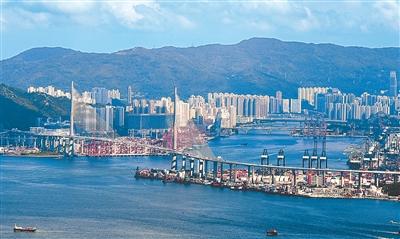
Economic Performance - The Hang Seng Index rose over 700 points, an increase of approximately 2.8%, marking the best start to a year since 2013, reflecting the vitality of Hong Kong's economy [2] - In 2025, Hong Kong's overall investment expenditure saw a real year-on-year increase of 4.3%, while private consumption expenditure grew by 2.1% [4] - The overall goods exports continued to show strong growth with a real year-on-year increase of 12.1%, and service exports expanded by 6.3% [4] - The forecast for real local GDP growth for 2025 was revised upward from 2%-3% to 3.2% [4] Financial Market Developments - The Hong Kong stock market continued its momentum with the listing of two AI model companies, with MiniMax seeing a first-day increase of over 109% [3] - In 2025, the IPO scale in Hong Kong more than doubled year-on-year, ranking first globally [3] - Net inflows into funds recognized by the Securities and Futures Commission in Hong Kong exceeded $41 billion in the first nine months of the previous year, an increase of over 1.5 times compared to the full year of 2024 [3] Innovation and Technology - Hong Kong is transitioning from traditional roles as a financial and shipping center to a "diversified innovation-driven economy" [5] - The Hong Kong Science and Technology Innovation Cooperation Zone officially opened, hosting 60 enterprises, including several industry leaders [5] - Approximately 40% of Hong Kong enterprises have adopted AI and digital technologies, with 75.5% reporting significant improvements in operational efficiency [6] International Recognition and Business Environment - Hong Kong's status as a global financial center is solidified, ranking third in the Global Financial Centers Index and fourth in the World Talent Ranking [7] - The number of companies with headquarters in Hong Kong reached nearly 10,000, a historical high [3] - The Hong Kong government has actively engaged in international trade, achieving 59 cooperation agreements during trade missions to Qatar and Kuwait [7] Future Economic Outlook - The Hong Kong General Chamber of Commerce predicts a GDP growth of 2.7% for 2026, with nearly half of surveyed businesses holding a positive outlook for the economy over the next 12 months, a significant increase from 18.3% the previous year [8] - The year 2026 is seen as a pivotal year for aligning with the national "14th Five-Year Plan" and focusing on economic development and public welfare [8]
瑞银:国际资金加仓中国资产步伐提速
Zhong Guo Zheng Quan Bao· 2026-01-13 20:46
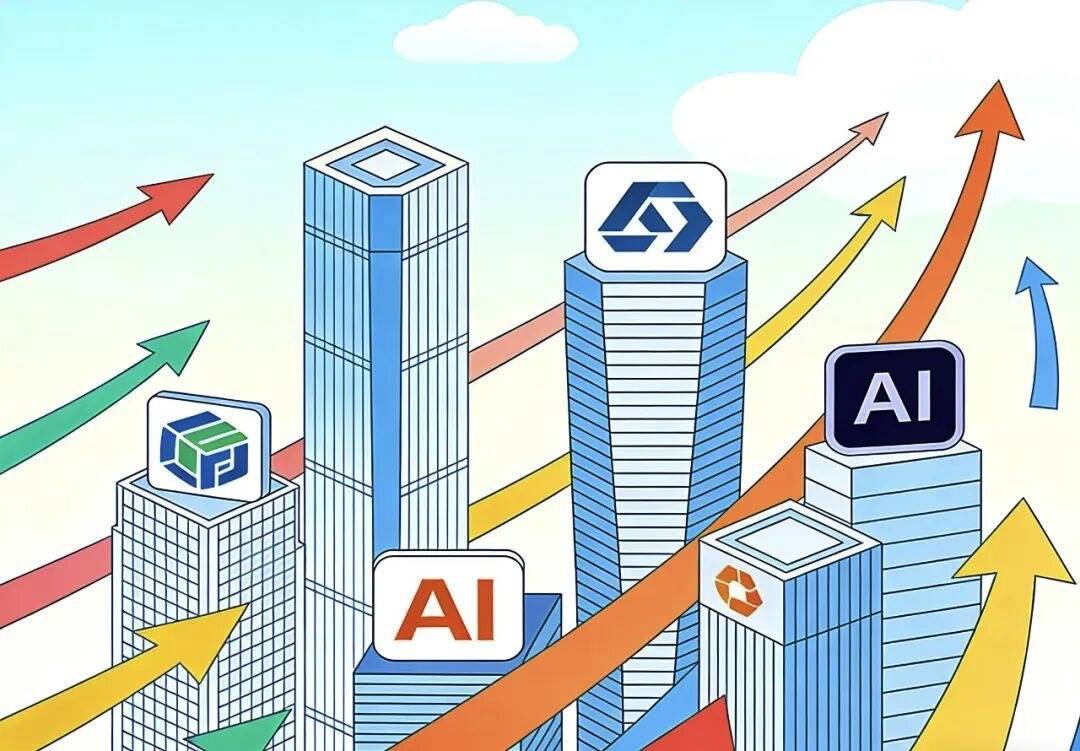
Group 1 - The core viewpoint of the news is that international investors are accelerating their allocation of Chinese assets, with the proportion of holdings by major institutions reaching a new high since 2023 [1][2] - UBS's analysis indicates that the interest in Chinese assets is increasingly based on optimism regarding industrial transformation and growth potential rather than short-term trading opportunities [1][2] - The Hong Kong IPO market is experiencing a positive cycle with over 300 companies having submitted listing applications, indicating a significant increase compared to previous years [3][4] Group 2 - Foreign investment in Chinese assets is particularly evident in the Hong Kong IPO market, with major international asset management firms participating as cornerstone investors in recent listings [2][3] - The investment style of foreign investors is evolving, with a shift from focusing solely on companies with stable earnings to also considering high-growth companies, indicating a broader acceptance of growth-oriented investments [3][5] - The outlook for Chinese assets remains strong, with key sectors such as AI, semiconductor equipment, brokerage firms, and companies benefiting from overseas expansion being highlighted as areas of interest for future investment [4][5]
2026年第2周计算机行业周报:智谱及MiniMax上市带动国产AI应用行情-20260113
Changjiang Securities· 2026-01-13 15:23
Investment Rating - The industry investment rating is "Positive" and is maintained [7] Core Insights - The computer sector experienced a significant increase of 9.12%, ranking 4th among primary industries in the Yangtze River region, with a trading volume accounting for 7.72% of the total market [2][4][15] - The recent listings of Zhiyu and MiniMax are expected to drive investment opportunities in domestic AI applications, with MiniMax's stock surging nearly 110% on its debut, reaching a market capitalization of over HKD 105 billion [6][49] - The report suggests focusing on domestic large model manufacturers, major cloud service providers, vertical scenario agent manufacturers, and the domestic computing power industry chain [6][49] Summary by Sections Market Performance - The computer sector saw a substantial rise, with the Shanghai Composite Index achieving a sixteen-day winning streak, closing at 4120.43 points, reflecting an overall increase of 3.82% [4][15] - AI-related stocks were particularly active, with notable gains in companies such as Starry Technology (+49.74%) and Zhuoyi Information (+43.33%) [17] Key Developments - NVIDIA launched the Alpamayo series of open-source AI models aimed at enhancing autonomous driving capabilities [20][22] - OpenAI introduced ChatGPT Health, a specialized version of ChatGPT designed for health and wellness applications [31][38] - China submitted a proposal to the ITU for multiple satellite constellations, totaling 203,000 satellites, indicating a strategic acceleration in the commercial space sector [41][42] Investment Recommendations - The report emphasizes the importance of the recent IPOs of Zhiyu and MiniMax, which may reshape the industry landscape and capital market pricing logic, shifting the focus from parameter competition to profitability and implementation efficiency [49][60] - Investors are encouraged to monitor developments in the AI application sector, particularly in relation to large model manufacturers and cloud service providers [6][49]
王小川计划再造一个IPO
Di Yi Cai Jing· 2026-01-13 13:46
Core Viewpoint - The recent comments by Wang Xiaochuan, CEO of Baichuan Intelligence, highlight the mismatch between the market valuation and commercialization capabilities of AI companies like Zhipu and MiniMax, despite their technological advancements in the AI sector [1] Group 1: AI Industry Developments - The AI healthcare sector is experiencing significant advancements, with major players entering the market, indicating a competitive landscape that is intensifying globally [1] - Baichuan Intelligence has launched a new open-source medical language model, Baichuan-M3, which has shown superior questioning capabilities compared to average human doctors in evaluations [2] Group 2: Challenges and Opportunities in Healthcare - The healthcare system faces challenges such as a shortage of quality doctors, inequality in doctor-patient relationships, and underdeveloped grassroots medical services [3] - AI's role is seen as not just replacing doctors but empowering patients by providing them with information and decision-making support, thereby enhancing medical efficiency [3] Group 3: Company Strategy and Future Outlook - Baichuan Intelligence is focusing on pediatric and oncology applications, collaborating with major hospitals to validate its products in real-world scenarios [3] - The company plans to release two consumer-oriented medical products in the first half of the year, initially free to build trust and reputation before introducing paid features [3] - Baichuan Intelligence aims for an IPO around 2027 and currently has approximately 3 billion in funding available [4]
王小川,计划再造一个IPO
第一财经· 2026-01-13 13:29
Core Viewpoint - The article discusses the recent developments in the AI healthcare sector, highlighting the competitive landscape and the potential of AI technologies to enhance medical decision-making and patient care [3][4]. Group 1: AI Healthcare Developments - Wang Xiaochuan, CEO of Baichuan Intelligent, emphasizes that AI healthcare is at a tipping point, with major players entering the market, including OpenAI and Anthropic [4]. - Baichuan has launched a new open-source medical language model, Baichuan-M3, which has shown superior questioning capabilities compared to average human doctors in evaluations [5]. - The company is focusing on pediatric and oncology applications, collaborating with major hospitals to validate real-world scenarios [6]. Group 2: AI's Role in Medical Decision-Making - Wang highlights the pain points in the medical system, such as the shortage of quality doctors and inequalities in patient care, suggesting that AI's role extends beyond replacing doctors to empowering patients in decision-making [6]. - AI can provide comprehensive information and risk assessments, allowing patients to make informed choices about their treatment options, akin to a jury in a legal system [6]. Group 3: Future Outlook - The AI healthcare sector is seen as a significant paradigm in the competition among large models, with Baichuan aiming for an IPO around 2027 and currently holding nearly 3 billion in funds [7].

智谱与MiniMax上市:AI大模型“告别草莽”
Sou Hu Cai Jing· 2026-01-13 13:13
Core Insights - The article discusses the transition of the AI large model industry from a phase of intense competition to a period focused on commercial validation, highlighting the distinct paths taken by two companies, Zhiyu and MiniMax, as they went public in the Hong Kong market [2][17]. Group 1: Business Models and Strategies - Zhiyu adopts a "MaaS" (Model as a Service) approach, focusing on becoming a foundational infrastructure for various industries, emphasizing stability and long-term value [3][5]. - MiniMax, on the other hand, pursues a global C-end strategy, leveraging product innovation and market speed to establish a competitive edge, with a significant portion of its revenue coming from overseas markets [3][5][27]. - Both companies' paths reflect their strategic judgments regarding different stages of AI commercialization, with no absolute superiority between the two approaches [4][6]. Group 2: Financial Performance - Zhiyu's revenue grew from 57.4 million yuan in 2022 to 312.4 million yuan in 2024, with a compound annual growth rate of 130%, and a projected revenue of 738 million yuan in 2025 [7][8]. - MiniMax's revenue surged from 3.5 million USD in 2023 to 30.5 million USD in 2024, marking a year-on-year growth rate of 782.2% [8]. - Both companies face significant losses, with Zhiyu accumulating over 6.2 billion yuan in losses from 2022 to mid-2025, and MiniMax's losses reaching approximately 9.3 billion yuan during the same period [9][10]. Group 3: Industry Trends and Market Dynamics - The successful IPOs of Zhiyu and MiniMax signify a shift in the AI large model industry, moving away from the "parameter competition" era towards a more rational investment landscape [17][21]. - The market is witnessing a clear differentiation among AI companies, with some exiting direct competition in favor of niche markets, while others, like Zhiyu and MiniMax, demonstrate viable business models and growth potential [18][22]. - Major internet companies are entering the AI space, altering the competitive landscape with their resources and strategies, which creates a disparity in competition between established giants and startups [23][24]. Group 4: Future Outlook - The article concludes that the paths of Zhiyu and MiniMax illustrate the diverse possibilities within the AI industry, with both companies facing similar challenges of high operational costs and the need for sustainable profitability [29][30]. - The successful listings of these companies mark a new beginning in the AI competition, emphasizing the importance of technological assets and ecosystem potential in valuation [30][31].
【太平洋科技-每日观点&资讯】(2026-01-14)
远峰电子· 2026-01-13 12:53
Market Overview - Major indices showed declines: Shanghai Composite Index (-0.64%), Shenzhen Component Index (-1.37%), ChiNext Index (-1.96%), North Star 50 (-2.50%), and Sci-Tech Innovation 50 (-2.80%) [1] - TMT sector led the gains with SW Portal (+6.79%), SW Marketing Agency (+2.49%), and SW Gaming III (+0.40%) [1] - TMT sector faced losses with SW Military Electronics III (-5.41%), SW Communication Terminals and Accessories (-5.34%), and SW Communication Cables and Accessories (-5.20%) [1] Domestic News - XREAL announced a strategic partnership with ASUS ROG to launch the ROG XREAL R1 AR glasses, featuring micro OLED technology with a resolution of 1920 x 1080 and a virtual screen equivalent to 171 inches at 4 meters [2] - Jiangbolong reported that its self-developed UFS4.1 product outperforms market counterparts in process, read/write speed, and stability, gaining recognition from major clients [2] - Yongxi Electronics plans to invest 2.1 billion yuan in a packaging base in Malaysia, focusing on system-level packaging products for AIoT and power modules [2] - Sanan Optoelectronics disclosed that its SiC MOSFET products have begun bulk supply to leading global power manufacturers, targeting data centers and AI servers [2] Overseas News - SK Hynix is investing in its advanced packaging plant P&T7 to meet global AI storage demand, with the plant expected to play a crucial role in commercializing DRAM as HBM [3] - A collaboration between the University of Cambridge and a German research team has led to the successful development of stable and high-performance cubic InGaN materials for red Micro-LED devices [3] - Counterpoint Research forecasts a 2% year-on-year growth in global smartphone shipments in 2025, driven by high-end demand and emerging market growth, with Apple leading the market at a 20% share [3] - The Indian Space Research Organization (ISRO) faced a setback with the PSLV-C62 rocket losing all 16 satellites during its third phase of flight [3] AI News - Apple and Google have announced a multi-year partnership to develop the next generation of Apple Foundation Models based on Google's Gemini model and cloud technology [4] - Zhipu AI and Didi Chuxing have formed a strategic partnership focusing on the development of intelligent agents for transportation scenarios [4] - Tencent Research Institute and Midjourney have launched the Niji v7 anime-specific model, enhancing details and stability for anime-style creations [4] - Nvidia and Eli Lilly are investing $1 billion to establish an AI lab aimed at accelerating drug discovery and personalized treatment [4] Industry Tracking - The FCC has approved SpaceX to launch an additional 7,500 second-generation Starlink satellites, bringing the total approved to 15,000 [5] - The Eighth Research Institute of China Shipbuilding Group has developed a low-vibration helium re-liquefaction system for high-precision instruments [5] - The National Medical Products Administration of China plans to establish standards for medical devices using brain-computer interface technology [5] - LimX Dynamics has released a new embodied intelligent system that allows for dynamic task adjustments during operation [5] Storage Market - The average price of DDR5 16G (2G×8) 4800/5600 DRAM is reported at $33.563, with a 3.27% increase [6] - The average price of DDR4 16Gb (2G×8) 3200 DRAM is reported at $73.500, with a 2.80% increase [6] Semiconductor Material Prices - The average price for 4N zinc oxide powder is reported at 1,465 yuan/kg, with a daily change of 20 yuan [7] - The average price for 5N high-purity zinc is reported at 6,300 yuan/kg, with no daily change [7]


王小川,计划再造一个IPO
Di Yi Cai Jing· 2026-01-13 12:31
Core Insights - Baichuan Intelligent aims for an IPO around 2027 and currently has nearly 3 billion yuan in funds available [4] Industry Trends - The AI healthcare sector is experiencing rapid growth, with major players entering the market, including OpenAI and Anthropic [2] - The competition in AI healthcare is intensifying, with significant investments and talent acquisition from companies like Ant Group [2] Company Strategy - Baichuan Intelligent is focusing on the medical sector, particularly pediatrics and oncology, and has established partnerships with Beijing Children's Hospital and the Cancer Hospital of the Chinese Academy of Medical Sciences [3] - The company plans to release two consumer-oriented medical products in the first half of the year, initially offering them for free to build trust and reputation before introducing paid features [3] Product Development - Baichuan Intelligent has launched a new open-source medical language model, Baichuan-M3, which has shown promising results in medical AI evaluations and possesses advanced questioning capabilities [2] - The model aims to enhance medical decision-making by providing patients with comprehensive information and risk assessments, thereby improving healthcare efficiency [3]
月之暗面,豪赌下一代AI范式
3 6 Ke· 2026-01-13 12:04
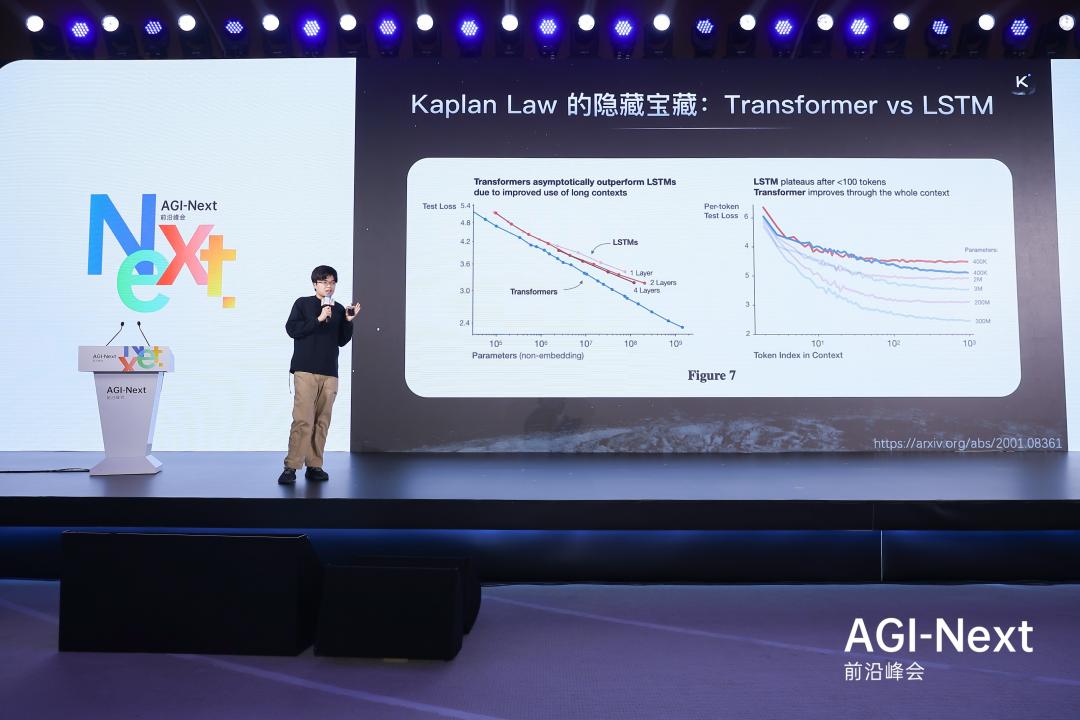
Core Viewpoint - The company "月之暗面" (Kimi) is focusing on advancing its AI technology while facing significant competition and challenges in the market, particularly from larger firms. The founder emphasizes the importance of maintaining a technological edge and finding a clear commercial path for sustainable growth [1][4][10]. Group 1: Company Strategy and Development - Kimi aims to enhance its models (K4, K5 to K100) over the next decade, indicating a long-term commitment to AI development [1]. - The company has shifted its focus to foundational technology for large models due to declining user engagement and competition from other AI applications [2][12]. - Kimi's strategy involves optimizing Token efficiency to achieve better performance with fewer resources, which is crucial for competing in the next generation of AI models [7][9]. Group 2: Market Position and Competition - Kimi's monthly active users have significantly decreased compared to last year, necessitating a strategic pivot to concentrate resources on core technology [2][12]. - The competitive landscape is intensifying, with major players like DeepSeek and Doubao gaining traction, leading to Kimi's reduced market presence [2][12]. - Kimi's past success included a peak monthly investment exceeding 100 million yuan, but it now faces challenges from larger companies that can afford aggressive marketing and free offerings [12][14]. Group 3: Financial and Investment Insights - Kimi has secured a $500 million Series C funding round, providing it with over 10 billion yuan in cash reserves, which supports its long-term research and development goals [5]. - The company is not in a rush to go public, allowing it to focus on long-term technological advancements without the pressure of short-term profitability [5][6]. - The capital market's perception of Kimi is positive, as indicated by its ability to attract significant investment, but the company must establish a sustainable business model to ensure long-term viability [11][14]. Group 4: Future Challenges and Opportunities - Kimi's strategy is seen as a "long-term gamble," with success dependent on achieving technological milestones and establishing a unique position in specific verticals [11]. - The AI industry is shifting from a focus on technology to results, emphasizing the need for Kimi to develop practical applications that can generate revenue [11][14]. - The competitive environment suggests that Kimi must adapt quickly to survive against larger firms that have substantial resources and market influence [10][14].