
格力电器

Search documents
董明珠一语点破当前我国大企业的困境!她公开表示:“格力一年被挖走600人,培养人才的速度比不上挖人的速度。#今日热聊#
Sou Hu Cai Jing· 2025-11-15 18:29
她公开表示:"格力一年被挖走600人,培养人才的速度比不上挖人的速度。 董明珠一语点破当前我国大企业的困境! ...



估值周报(1110-1114):最新A股、港股、美股估值怎么看?-20251115
HUAXI Securities· 2025-11-15 07:11
A-share Market Valuation - The current PE (TTM) for the A-share market is 17.45, with a historical average of 26.03, indicating a significant undervaluation[7] - The PE (TTM) for the Shanghai Composite Index is 14.37, while the CSI 300 is at 13.45, both below historical averages[9] - The contribution of earnings and valuation changes to index performance shows that the Shanghai Composite Index has a current value change rate of 16.64%[13] Hong Kong Market Valuation - The Hang Seng Index has a current PE (TTM) of 12.05, with a historical maximum of 22.67 and a minimum of 7.36[64] - The Hang Seng Technology Index shows a current PE of 22.47, indicating a relatively high valuation compared to other sectors[64] US Market Valuation - The S&P 500 has a current PE (TTM) of 28.67, with a historical maximum of 41.99 and a minimum of 11.21, suggesting a premium valuation[86] - The NASDAQ Index currently stands at a PE of 41.09, reflecting a high growth expectation in the tech sector[86] Sector-Specific Insights - Non-bank financials, food and beverage, and non-ferrous metals sectors in A-shares are currently at historically low PE levels, while sectors like computing and automotive are at high PE levels[24] - In the Hong Kong market, the healthcare sector has a median PE of 52.91, indicating strong growth expectations[75] Risk Factors - Potential risks include policy effectiveness falling short of expectations, corporate earnings not meeting forecasts, and significant market volatility[107]
数据洞察:高学历新中产人群,正成为无风感的“忠实票仓”
Jing Ji Guan Cha Wang· 2025-11-15 02:59
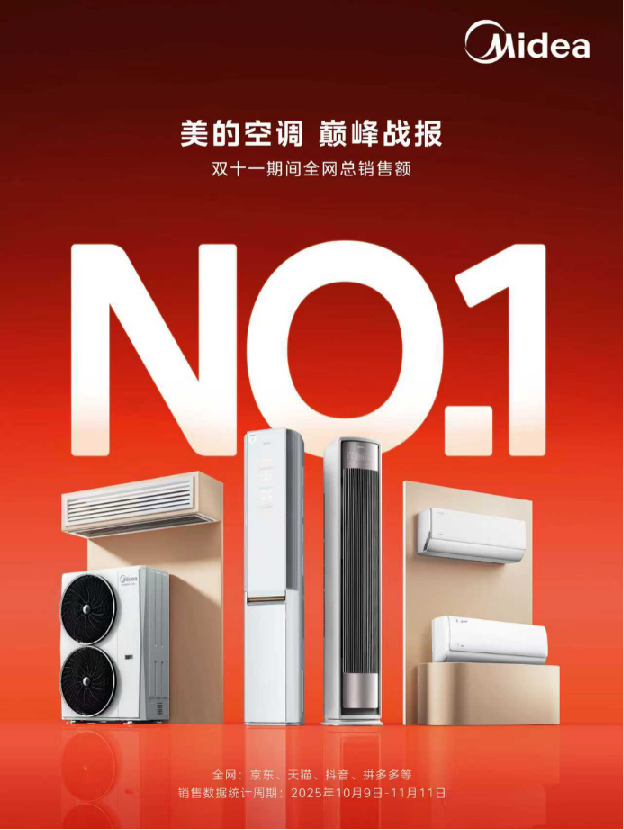
Core Insights - The concept of "wind-free air conditioning" has gained significant traction among urban middle-class families, reflecting a shift towards higher quality living standards [1][4][12] - Midea's wind-free air conditioner has emerged as a market leader, dominating sales during major shopping events like 618 and Double Eleven, showcasing its strong consumer appeal [2][12] Group 1: Market Trends - The traditional air conditioning market has faced challenges due to discomfort caused by direct airflow, leading to the rise of the "wind-free" concept as a solution [2][4] - Midea's wind-free air conditioner has achieved remarkable sales, with over 70,000 units sold during the 618 shopping festival, and it has maintained a top position in various online sales platforms [2][12] - The urban middle-class demographic, characterized by a high willingness to spend on quality products, is driving the demand for innovative home appliances [4][5][14] Group 2: Consumer Behavior - The urban middle-class is increasingly focused on improving their living environment, with nearly 90% acknowledging the significant impact of environmental health on personal well-being [5][14] - This demographic prioritizes comfort, aesthetics, and health in their purchasing decisions, moving beyond basic functionality to seek products that enhance their lifestyle [6][14] - Midea's wind-free air conditioner aligns with these values by offering a design that emphasizes simplicity and elegance, along with health benefits and quiet operation [6][7][10] Group 3: Technological Innovation - Midea has developed a unique approach to air conditioning by altering the airflow characteristics rather than just changing the direction of the wind, resulting in a more comfortable experience [8][10] - The company has invested heavily in research and development, holding 343 patents related to wind-free technology, and has established a comprehensive testing system to ensure product comfort [10][11] - Midea's wind-free air conditioning technology has evolved through multiple stages, enhancing its ability to provide a balanced and pleasant indoor climate [10][11] Group 4: Strategic Positioning - Capturing the urban middle-class market is crucial for future growth, as this group is projected to represent over half of the urban population by 2025 [13][14] - Midea's success with the wind-free air conditioner illustrates a shift in consumer values, where emotional resonance and lifestyle alignment are becoming more important than traditional performance metrics [14][15] - The competition in the home appliance sector is transitioning from technical specifications to consumer perception and emotional connection, highlighting the importance of brand philosophy [14][15]

客厅里的智能战争
经济观察报· 2025-11-14 15:08
Core Viewpoint - The competition in the home appliance market is intensifying as traditional companies like Midea, Gree, Haier, and Hisense seek new growth through AI technology, product line expansion, and internationalization, while tech companies like Huawei and Xiaomi leverage their established smart ecosystem advantages to increase competition [2][3]. Group 1: Market Dynamics - Traditional home appliance companies are exploring new growth points through AI technology and expanding product lines [2][3]. - Tech companies are intensifying competition in the home appliance market by leveraging their smart ecosystem advantages [2][3]. - The shift towards a fully smart home environment is becoming evident, with consumers increasingly interested in integrated smart solutions [12]. Group 2: Consumer Behavior - Consumers are showing a preference for smart appliances, with features like AI voice control being particularly appealing to families with children and elderly members [6]. - There is a noticeable shift in consumer purchasing habits, with many moving from foreign brands to domestic brands due to the increasing expectations for smart features [6][7]. - Consumers are facing challenges with compatibility between different brands' smart systems, which complicates the integration of smart home devices [7]. Group 3: Technological Advancements - Home appliances are evolving from "single product intelligence" to "whole home intelligence," with systems like Midea's "Xiao Mei AI" integrating various smart functions [9][10]. - The interaction between vehicles and home systems is being developed, allowing for seamless integration and control of home environments from vehicles [11]. - The trend towards smart home integration is expected to continue, with significant growth projected in the smart home market over the next few years [12]. Group 4: Industry Trends - Major players in the home appliance sector, including Gree, Midea, Haier, and Hisense, are adapting to the blurred lines between home appliances and broader home ecosystems [14]. - The retail landscape is shifting, with smart home products being prominently displayed alongside traditional appliances to attract consumer interest [14]. - The release of technological potential in the home appliance sector is expected to reshape global competition, allowing Chinese companies to gain a more advantageous position in the market [15].


在武汉,像造车造船一样造房
Chang Jiang Ri Bao· 2025-11-14 13:07
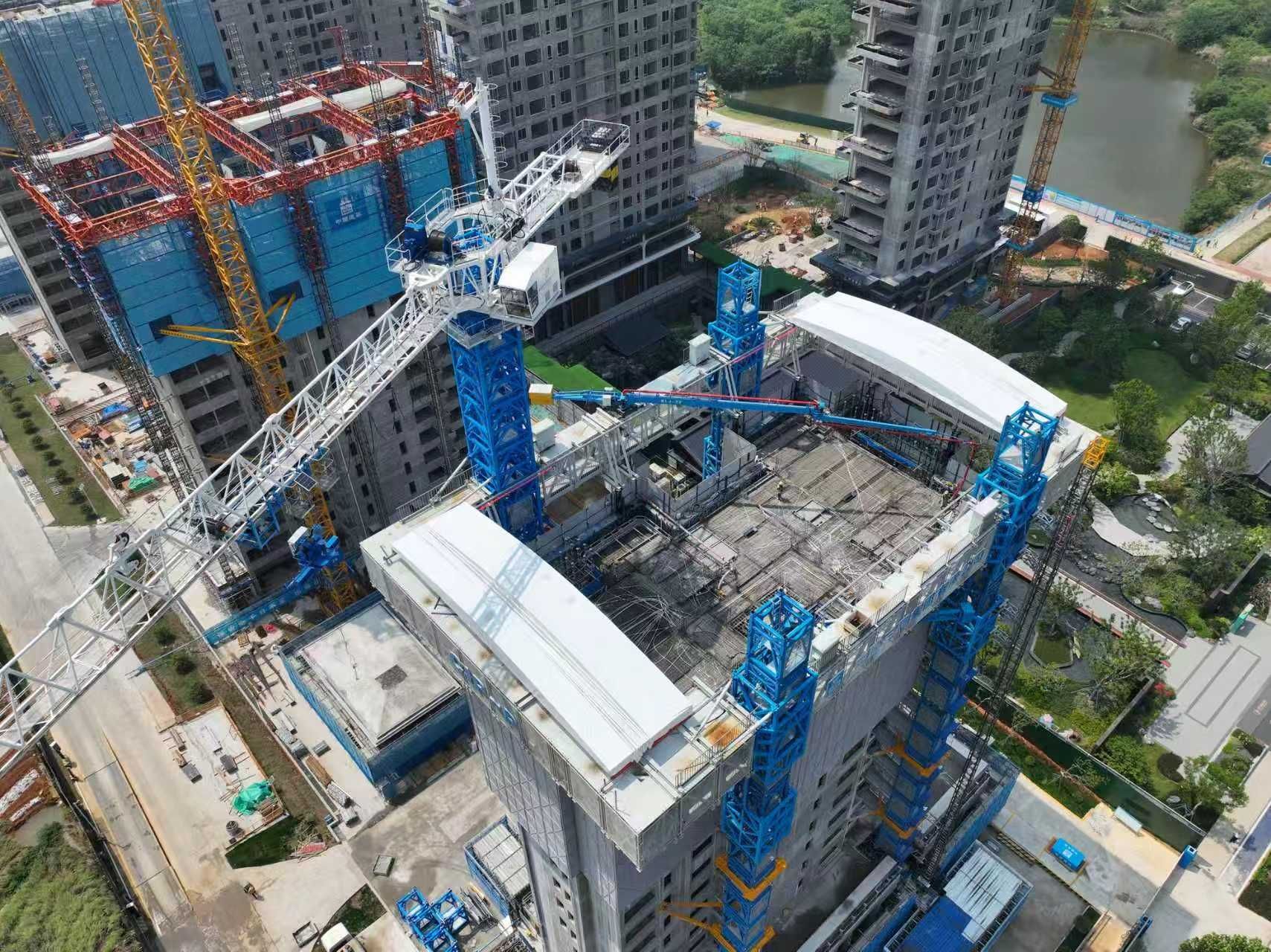
你眼中的好房子是什么样的? 也许每个人的答案不同,但武汉已经开始探索。 作为全国智能建造试点城市之一,武汉利用在造房、造车、造船上的优势,要像造车、造船一样造房。 武汉光谷,中建壹品汉韵公馆即将完工,这是武汉第一个获批备案的第四代住宅。 汉韵公馆。 建造中的住宅楼顶是一座"智能建造工厂",集成了混凝土布料机器人、3D打印机器人等智能装备;塔吊内空无一人却能正常运转,因 为在地面的集控中心,塔机司机在此远程操作,不再需要爬上百米高空。 在看不见的地方,所有的智能装备集群,都依靠"中建万方"平台,实现全工地数据的一网统管、智能装备一端调度,让房屋建造的精 度和效率更高。 除了建造过程和汽车一样实现标准化、智能化,项目的另一个特点是提供全周期的运营维护,这和过去的房产项目交付即结束不同。 汉韵公馆施工现场的智能设备。 "像造车一样造房,不仅是用工业化的方式来建造房屋,更是把房子当成产品,以产品思维来造好房子。"中国建筑智能建造研究院副 院长明磊说。 非标化、碎片化,一直是建筑业的痛点,明磊解释,以工业化方式造房,一方面是把施工现场搬到工厂,让更多建造环节在工厂完成 模块化生产,另一方面是把施工现场变为工厂,通过精细 ...
白色家电板块11月14日跌0.74%,海信家电领跌,主力资金净流出1.64亿元
Zheng Xing Xing Ye Ri Bao· 2025-11-14 08:49
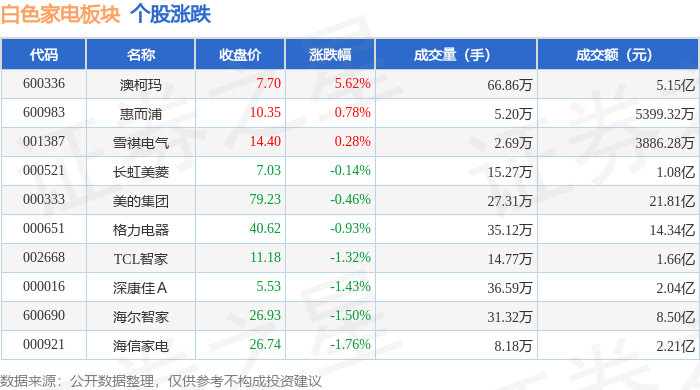
Market Overview - The white goods sector experienced a decline of 0.74% on November 14, with Hisense Appliances leading the drop [1] - The Shanghai Composite Index closed at 3990.49, down 0.97%, while the Shenzhen Component Index closed at 13216.03, down 1.93% [1] Stock Performance - Aokema (600336) saw a significant increase in its closing price to 7.70, up by 5.62% with a trading volume of 668,600 shares [1] - Whirlpool (600983) closed at 10.35, up 0.78%, with a trading volume of 52,000 shares [1] - Midea Group (000333) closed at 79.23, down 0.46%, with a trading volume of 273,100 shares [1] - Gree Electric (000651) closed at 40.62, down 0.93%, with a trading volume of 351,200 shares [1] - Hisense Appliances (000921) closed at 26.74, down 1.76%, with a trading volume of 81,800 shares [1] Capital Flow - The white goods sector experienced a net outflow of 164 million yuan from institutional investors, while retail investors saw a net inflow of 129 million yuan [1] - Aokema had a net inflow of 52.74 million yuan from institutional investors, while retail investors had a net outflow of 27.33 million yuan [2] - Midea Group had a net inflow of 10.00 million yuan from institutional investors, but retail investors experienced a net outflow of 20.38 million yuan [2] - Hisense Appliances faced a net outflow of 31.43 million yuan from institutional investors, while retail investors had a net inflow of 23.60 million yuan [2]


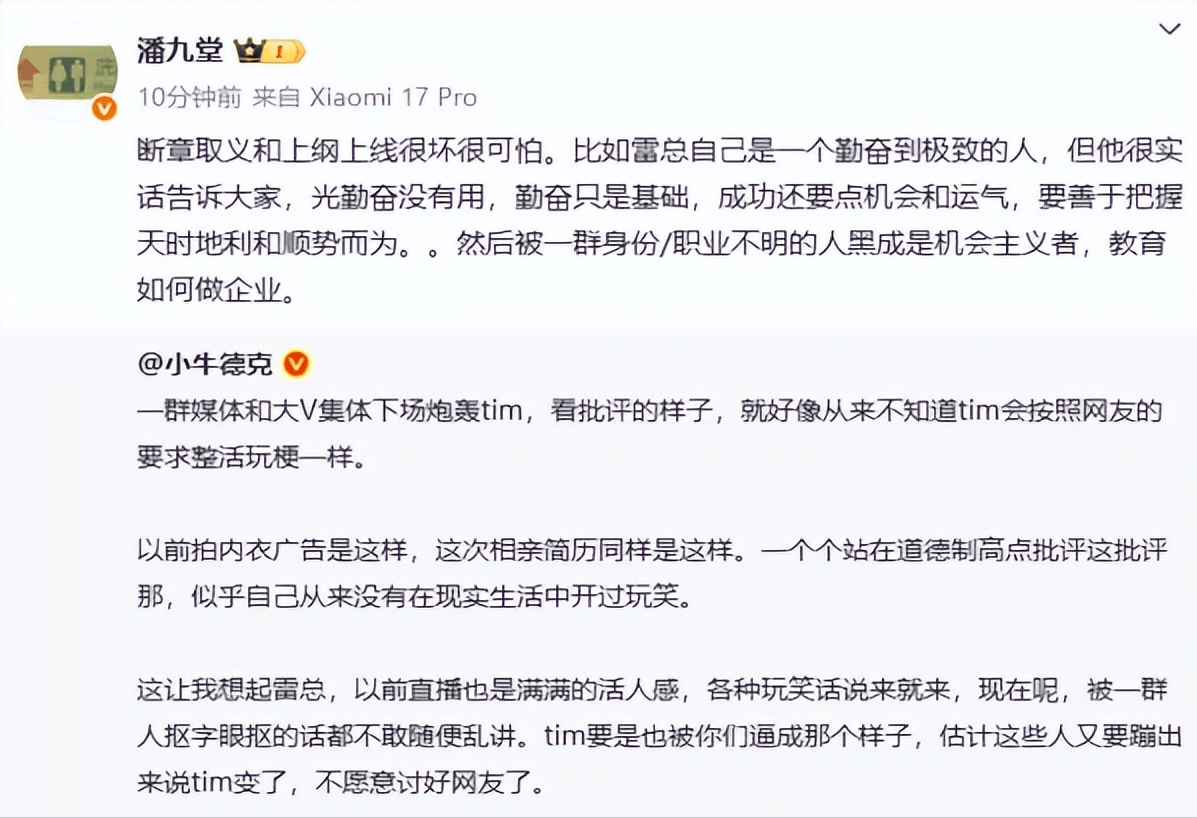
身份不明的人,竟敢黑小米雷军?
Sou Hu Cai Jing· 2025-11-14 07:55
Core Viewpoint - The article discusses the challenges faced by Lei Jun and Xiaomi, highlighting the backlash against Lei's call to combat online misinformation and the perception of arrogance following a recent car accident involving a Xiaomi vehicle [4][5]. Group 1: Public Perception and Criticism - Lei Jun has been criticized for being labeled an opportunist and for his approach to business, with emphasis on the need for both hard work and seizing opportunities [1]. - Following a serious incident involving a Xiaomi vehicle, public sentiment has turned against Lei's call to resist online attacks, with many interpreting it as dismissive of legitimate safety concerns [4]. - Critics argue that Xiaomi's response to public criticism reflects a failure to fully embrace a consumer-first philosophy, as noted by former Global Times editor Hu Xijin [4]. Group 2: Industry Context and Reactions - The automotive industry is characterized by intense scrutiny, especially regarding safety, with competitors like Geely emphasizing safety over aesthetics in vehicle design [5]. - There is a widespread acknowledgment within the industry of the use of online tactics to undermine competitors, which complicates the landscape for companies like Xiaomi [5][7]. - Despite efforts from industry leaders to combat negative online narratives, such as BYD and Great Wall Motors offering rewards for information on black public relations activities, the effectiveness of these measures remains questionable [7].

智能家电打响“生态战”
Jing Ji Guan Cha Wang· 2025-11-14 05:13
Core Insights - The Chinese home appliance industry is entering an era of whole-home intelligence, with traditional appliance manufacturers and tech companies competing fiercely in this new landscape [1][2] Group 1: Market Dynamics - Traditional appliance companies like Midea, Gree, Haier, and Hisense are seeking new growth points through AI technology, product line expansion, and internationalization [1] - Tech companies such as Huawei and Xiaomi are intensifying competition in the appliance market by leveraging their established smart ecosystem advantages [1][2] Group 2: Consumer Behavior - Consumers are increasingly opting for smart appliances, with a notable shift from foreign brands to domestic brands, reflecting a growing expectation for intelligent features [3][4] - The demand for whole-home smart systems is primarily driven by high-end customers, while budget constraints limit broader consumer adoption [3][7] Group 3: Technological Advancements - Major appliance brands have developed independent smart systems, enhancing their products with AI capabilities, particularly in high-end models [2][5] - The evolution from "passive response" to "active service" in smart appliances is exemplified by Midea's AI system, which can proactively adjust settings based on user needs [5][6] Group 4: Industry Trends - The smart home market in China is projected to grow at double-digit rates from 2023 to 2025, with significant interest in smart security, lighting, and audio-visual products [7][8] - The boundaries of the home appliance industry are becoming increasingly blurred, with a trend towards integrating home appliances into a broader home ecosystem [8][9] Group 5: Competitive Landscape - Leading companies in the appliance sector include Gree, Midea, Haier, Hisense, and TCL, but the competition is shifting towards providing intelligent services rather than just hardware [8][9] - The release of technological potential in the appliance sector is expected to reshape the global competitive landscape, positioning Chinese appliance manufacturers more favorably in international markets [9]
家电行业2025年三季报综述:收入韧性,盈利优化
Changjiang Securities· 2025-11-14 05:12
Investment Rating - The report maintains a "Positive" investment rating for the home appliance industry [11] Core Insights - The home appliance sector shows strong profitability resilience despite challenges from domestic subsidy reductions and external tariff impacts. The overall valuation remains at a reasonable low level, suggesting opportunities for growth in high-performing leaders and stable value recovery in established companies [2][10] Overall Industry Summary - The home appliance industry achieved a revenue growth of 7.52% year-on-year in the first three quarters of 2025, with quarterly growth rates of +13.97%, +5.46%, and +3.59% respectively. The growth trend is expected to slow down due to subsidy reductions and diminishing marginal effects [4][21] - The gross profit margin for the industry in Q3 2025 was 24.75%, reflecting a slight year-on-year decrease of 0.54 percentage points, while the gross sales difference improved by 0.64 percentage points to 16.35% [31][39] - The net profit attributable to shareholders for the first three quarters of 2025 reached 1,048.77 billion, marking a year-on-year increase of 9.76%, with Q3 net profit growing by 4.22% [38][44] White Goods - The white goods sector reported a revenue growth of 9.06% year-on-year in the first three quarters of 2025, with Q3 growth at 5.29%. The sector benefits from a reduction in domestic price competition, leading to a recovery in gross profit margins [5][27] - The net profit for the white goods sector increased by 11.32% year-on-year in the first three quarters, with Q3 showing a growth of 3.50% [43][44] Black Goods - The black goods sector experienced a revenue growth of 3.09% year-on-year in the first three quarters, but Q3 saw a decline of 2.64%. The sector's performance is influenced by a low base effect and increased non-recurring gains [6][24] - The net profit for the black goods sector surged by 37.26% in Q3, reflecting a strong recovery [42][43] Kitchen Appliances and Post-Cycle - The kitchen appliance sector faced a revenue decline of 4.09% in Q3 2025, attributed to a downturn in the real estate market and cautious consumer spending [7][25] - The net profit for the kitchen appliance sector decreased by 12.73% year-on-year in Q3 [42][43] Small Appliances - The small appliances sector achieved a revenue growth of 5.92% in Q3 2025, with the cleaning segment showing a remarkable growth of 30.70% [8][24] - The net profit for the small appliances sector increased by 16.52% year-on-year in Q3 [42][43] Upstream Components - The upstream components sector reported a revenue growth of 8.13% year-on-year in the first three quarters, with Q3 growth at 3.31%. The sector's profitability significantly improved due to order and business structure optimization [9][26] - The net profit for the upstream components sector grew by 30.29% in Q3 [42][43] Investment Recommendations - The report suggests focusing on high-growth leaders with strong organizational, technological, and brand capabilities, such as Anker Innovations, Roborock, and Ninebot. Additionally, it recommends paying attention to stable leaders like Midea Group, Haier Smart Home, and Gree Electric for value recovery opportunities [10]



家电2026策略:周期筑底与智能新机遇
2025-11-14 03:48
Summary of Key Points from the Conference Call Industry Overview - The conference call focuses on the home appliance industry in China, particularly the trends and strategies leading up to 2026 [1][3][5]. Core Insights and Arguments - **Market Demand Trends**: The domestic demand for home appliances is expected to bottom out in 2026, with traditional white goods companies showing low valuations and stable growth, indicating defensive value [1][3]. - **Innovation and Smart Upgrades**: Companies that focus on product innovation and smart upgrades are favored, particularly in emerging fields like robotics and AI computing [1][3][4]. - **Globalization Strategy**: Chinese home appliance companies are expanding globally through acquisitions and local manufacturing to mitigate tariff impacts, transitioning from a focus on volume to structural upgrades and globalization [1][5][6]. - **Smart Home Ecosystem**: The industry is evolving from single product offerings to a multi-scenario integration of smart home ecosystems, driven by AI computing, energy management, and robotics [1][7][8]. - **Investment Strategy for 2026**: Key investment focuses include core assets (e.g., Midea, Haier, Gree), innovative smart home companies (e.g., Ugreen, Anker Innovations, Ecovacs), and emerging business opportunities in sectors like environmental technology and LED supply chains [1][10]. Additional Important Insights - **Performance Disparities**: The home appliance sector is experiencing internal disparities, with traditional companies facing challenges due to subsidy reductions and competition, while smart home companies are rapidly growing [2][3]. - **Long-term Transformations**: The industry is undergoing significant changes, including a shift from quantity to quality and from export-driven growth to global restructuring [6][11]. - **Short-term Market Dynamics**: The market is expected to show cyclical recovery, with domestic sales gradually improving despite fluctuations in demand due to policy changes and competition [11][12]. - **Global Export Challenges**: The global home appliance export market is facing challenges due to high tariffs and weakening demand in North America and Europe, although long-term growth is anticipated as companies adapt [17][19]. - **Technological Differentiation**: Traditional companies are focusing on building comprehensive smart ecosystems, while emerging companies leverage technological innovations for rapid market entry [21][23]. Conclusion - The home appliance industry in China is poised for a transformative period leading up to 2026, characterized by a focus on smart technology, globalization, and structural upgrades, with varying performance across different segments and companies. The strategic emphasis on innovation and adaptation to market conditions will be crucial for future growth and investment opportunities [1][10][25].