赛力斯

Search documents
赛力斯取得动力仿真方法、系统、计算机设备和存储介质专利
Jin Rong Jie· 2025-11-29 01:08
Core Insights - The State Intellectual Property Office of China has granted a patent to Seres Automotive Co., Ltd. for a technology titled "Power Simulation Method, System, Computer Equipment, and Storage Medium" with the authorization announcement number CN119849122B, applied for on December 2024 [1] Company Overview - Seres Automotive Co., Ltd. was established in 2012 and is located in Chongqing, primarily engaged in the automotive manufacturing industry [1] - The company has a registered capital of approximately 1,063.73 million RMB [1] - Seres Automotive has made investments in 10 companies and participated in 26 bidding projects [1] - The company holds 525 trademark registrations and 4,281 patent records, along with 140 administrative licenses [1]

典型案例频出!并购重组多点开花,上市公司向“新”提质马力足
Zheng Quan Shi Bao· 2025-11-29 00:57
Core Insights - The M&A market is experiencing a shift from scale expansion to value creation, with an increasing willingness among listed companies to engage in mergers and acquisitions [1][3] - A total of 153 major asset restructuring cases have been disclosed in the A-share market this year, representing a year-on-year increase of approximately 45% [1][3] - The trend of mergers and acquisitions is being driven by policy support from government agencies and local authorities, promoting professional integration among listed companies [1][9] Group 1: M&A Activity and Trends - The A-share M&A market has been active this year, with many companies focusing on transformation through acquisitions to seek new growth points [3] - Notable cases include China International Capital Corporation's plan to merge with Dongxing Securities and Xinda Securities, potentially creating a new securities "giant" with assets reaching 1,009.5 billion yuan [3][4] - The wave of mergers in the securities industry is part of a broader trend, with significant activity also observed in sectors like semiconductors and biomedicine [4] Group 2: Cross-Border M&A - Cross-border M&A has seen significant growth, with policies facilitating overseas acquisitions, allowing Chinese companies to connect domestic and international markets [6][7] - The total value of cross-border M&A transactions by A-share companies and their subsidiaries has reached a five-year high, indicating a strong upward trend [6] - Companies are increasingly looking to acquire advanced technologies and new market opportunities through overseas mergers [6][7] Group 3: Policy Support - The recent surge in M&A activity is attributed to the "Six M&A Guidelines" released in September 2024, which have enhanced market activity [9] - The State-owned Assets Supervision and Administration Commission has emphasized the need for state-owned enterprises to enhance their integration capabilities in strategic emerging industries [9] - Local policies, such as Guangdong's financial support for industry chain integration, are encouraging listed companies to utilize various payment methods for mergers and acquisitions [9] Group 4: Challenges and Considerations - Companies must address challenges related to integration, cultural conflicts, and governance issues during mergers [10] - Regulatory scrutiny and the complexity of M&A processes can increase costs and affect efficiency, necessitating improvements in the M&A environment [10]

典型案例频出!并购重组多点开花,上市公司向“新”提质马力足
证券时报· 2025-11-29 00:34
Core Viewpoint - The recent merger and acquisition (M&A) market in China is experiencing significant activity, driven by policy support and a shift towards value creation rather than mere scale expansion, with an increasing willingness among listed companies to engage in M&A [1][3]. Group 1: M&A Market Activity - As of November 27, 2024, there have been 153 major asset restructuring announcements in A-shares, representing a year-on-year increase of approximately 45%, with deep mergers driven by industrial integration becoming mainstream [1]. - Notable cases include China International Capital Corporation (CICC) planning to absorb Dongxing Securities and Xinda Securities through a share issuance, potentially creating a new securities "carrier" with a combined asset scale of 1,009.5 billion [3]. - The wave of M&A in the securities industry is gaining momentum, with previous mergers such as Guotai Junan and Haitong Securities, indicating a transformative trend across the market [3]. Group 2: Strategic Focus and Sectors - Various companies are pursuing M&A for strategic realignment, including state-owned enterprises focusing on strategic restructuring and private enterprises entering new sectors to build a second growth curve [4]. - Key sectors for M&A activity include semiconductors and biomedicine, with a notable increase in transaction amounts in the technology sector, facilitating a transition to new productive forces [4]. Group 3: Cross-Border M&A Growth - Cross-border M&A has seen significant growth, with 2024 marking the highest transaction volume in nearly five years, driven by policies facilitating overseas acquisitions and the pursuit of advanced technologies and new market opportunities [6]. - Companies like Zhizheng Co. and Luxshare Precision have engaged in cross-border transactions, highlighting the importance of global resource utilization for expansion [6]. Group 4: Policy Support - The recent M&A wave began with the release of the "Six M&A Guidelines" in September 2024, which has significantly boosted market activity, with ongoing policy enhancements [9]. - The State-owned Assets Supervision and Administration Commission (SASAC) emphasizes the need for state-owned enterprises to enhance their integration capabilities in strategic emerging industries, promoting resource concentration through asset restructuring and equity cooperation [9]. Group 5: Challenges and Recommendations - Companies are advised to clearly define M&A objectives, avoid blindly chasing trends, and address challenges such as integration difficulties and information asymmetry [10]. - Regulatory bodies are encouraged to focus on the complexities of M&A and streamline processes to reduce costs and improve efficiency in M&A activities [10].



【忠阳车评】车圈“争抢”华为现象值得研究
Jing Ji Ri Bao· 2025-11-28 23:11
Core Insights - The 23rd Guangzhou Auto Show has highlighted the intense competition among car manufacturers to partner with Huawei, showcasing a significant shift in the automotive industry towards embracing Huawei's technology solutions [2][3] - Huawei's strategy focuses on not manufacturing cars but rather assisting car manufacturers in creating better vehicles through various collaboration models, including component supply and full-stack solutions [2][3] Group 1: Huawei's Role in the Automotive Industry - Huawei has established partnerships with over 10 car manufacturers, resulting in more than 30 mass-produced models, covering price ranges from 150,000 to 1,000,000 yuan [3] - The company aims to have over 80 models collaborating with Huawei's technology by 2026, positioning itself as a key player in the smart automotive sector [3] - The automotive industry is undergoing a transformation towards smart vehicles, necessitating collaboration with technology firms like Huawei to enhance innovation and development [3][4] Group 2: Technological Advancements and Market Impact - Huawei's technology encompasses all areas of smart vehicle development, including cloud, connectivity, and intelligent driving systems, which are crucial for modern automotive solutions [4] - The rapid delivery of Huawei's products, achieving over 1 million units in just 43 months, demonstrates its significant impact on the market and its ability to drive profitability for partner brands [4][5] - Cross-industry collaboration between ICT companies and traditional automakers is essential to reduce redundant investments and improve efficiency in the long-term automotive development cycle [5]

车圈“争抢”华为现象值得研究
Jing Ji Ri Bao· 2025-11-28 21:48
Core Insights - The 23rd Guangzhou Auto Show highlights the increasing collaboration between Huawei and various automotive companies, showcasing Huawei's influence in the automotive industry as it focuses on providing technology rather than manufacturing vehicles itself [1][2][3] Group 1: Huawei's Role in the Automotive Industry - Huawei has established partnerships with over 10 automotive companies, resulting in more than 30 mass-produced models that cover price ranges from 150,000 to 1 million yuan [2] - The company aims to have over 80 models collaborating with Huawei's technology by 2026, positioning itself as a key player in the smart automotive sector [2] - Huawei's approach involves three main collaboration models: component supplier, HI (Huawei Inside) model, and the Smart Selection Car model, allowing deep involvement in product definition and marketing [1] Group 2: Industry Transformation and Challenges - The automotive industry is undergoing a significant transformation towards smart technology, necessitating a shift from traditional mechanical integration to a more interconnected, intelligent system [2] - The complexity of smart technology surpasses that of electric vehicle technology, requiring collaboration with consumer electronics and telecommunications sectors to accelerate development [2][4] - Concerns exist regarding potential product homogenization if all vehicles adopt Huawei's technology, but differentiation is expected to emerge through competition among automotive companies within Huawei's ecosystem [4] Group 3: Huawei's Technological Advancements - Huawei has developed comprehensive solutions that encompass cloud, network, and end-device technologies, including electric drive systems and intelligent cockpit solutions [3] - The company has achieved a record of delivering over 1 million units of its HarmonyOS products in just 43 months, demonstrating its rapid growth and market acceptance [3] - Partnerships with brands like Lantu and Changan have strengthened their market positions, with Changan investing 11.5 billion yuan to become a major stakeholder in the Avita brand [3]
并购重组多点开花 上市公司向“新”提质马力足
Zheng Quan Shi Bao· 2025-11-28 18:16
证券时报记者 程丹 近期并购重组市场多点开花,既有如中金公司拟换股吸收合并两家券商等典型案例,也有来自部委、地方政府的 政策支持,助推上市公司专业化整合。并购重组市场呈现从规模扩张向价值创造的趋势,资源配置高效集聚,上 市公司并购重组意愿不断提升。 境外并购显著增长 随着政策对跨境并购进一步便利化,并购已经成为中国企业连接国内国际两个市场的桥梁。上交所副总经理王泊 近日在上交所国际投资者大会上介绍,从企业层面看,一方面,积极"走出去",通过海外并购获得先进的技术和 新的市场机遇;另一方面,大力"引进来",通过并购引入外资完善内部治理,提升公司形象。 2024年,A股公司及其子公司公布的跨境并购交易额达到了近5年来的最高点,今年这一趋势仍在持续升温。如至 正股份跨境换股收购AAMI,成为新战投管理办法发布后的首单跨境换股案例,为企业利用全球资源拓展了路径; 又如立讯精密收购Leoni AG及其下属全资子公司股权。跨境并购已经成为中国企业拓展全球产业链、追求高质量 发展的关键途径。 据Wind数据统计,截至11月27日,年内A股公司披露重大资产重组153单,同比增长约45%,以产业整合为导向的 深度并购成为主流。 ...

首家冲港股IPO央企新能源!阿维塔1-7月营收超2024全年,各项指标猛涨
Sou Hu Cai Jing· 2025-11-28 13:54
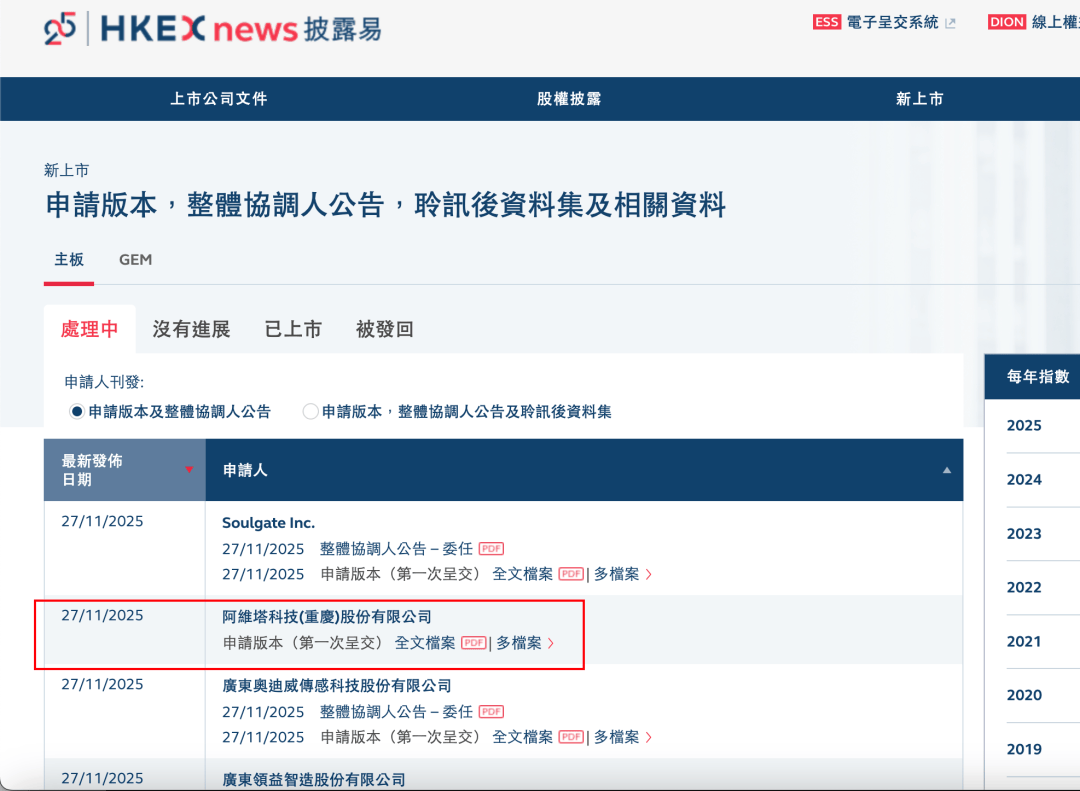
Core Viewpoint - Avita Technology has submitted its IPO application to the Hong Kong Stock Exchange, marking a significant step towards its planned public listing, which is now expected around the second quarter of 2024 [1][3]. Company Overview - Avita is positioned as the first central enterprise new energy vehicle brand to apply for a Hong Kong IPO through standard procedures, indicating a high level of compliance and governance [3]. - The company has experienced a remarkable valuation increase, with its valuation rising from 788.2 million in 2021 to over 30 billion in 2024, reflecting a 40-fold increase over three years [3]. Financial Performance - Avita's revenue projections show significant growth, with expected revenues of 12.208 billion for the first half of 2025, doubling from 6.149 billion in the same period of 2024, representing a growth rate of 98.52% [7][9]. - The company reported a substantial increase in vehicle sales revenue, with a year-on-year growth of 94.4% in the first half of 2023 [9]. - Avita's gross profit is projected to improve significantly, with a gross profit of 12.37 billion expected in the first half of 2025, compared to a loss of 1.03 billion in 2022 [10]. Market Position and Strategy - Avita ranks second in the new luxury electric vehicle market in China, aiming to become a top player by diversifying its product offerings and increasing delivery scale [6]. - The company plans to utilize funds raised from the IPO for product development, brand building, and expanding its sales network, enhancing its core competitiveness [6]. Unique Value Proposition - Avita is uniquely positioned as a joint venture between Changan, CATL, and Huawei, benefiting from the technological strengths of these leading companies [11][13]. - The company holds a 10% stake in the subsidiary of Huawei, which is expected to contribute significantly to its revenue and technological capabilities [15]. Future Outlook - Avita aims to achieve global sales of 400,000 vehicles and annual revenue of 100 billion by 2027, with plans to launch multiple new models in the coming years [15][16]. - The company is actively enhancing its technological capabilities, which will be crucial for its sustained market growth [16].
蔚来每卖一辆车亏超6万,奔驰赚2.3万
Di Yi Cai Jing· 2025-11-28 12:00
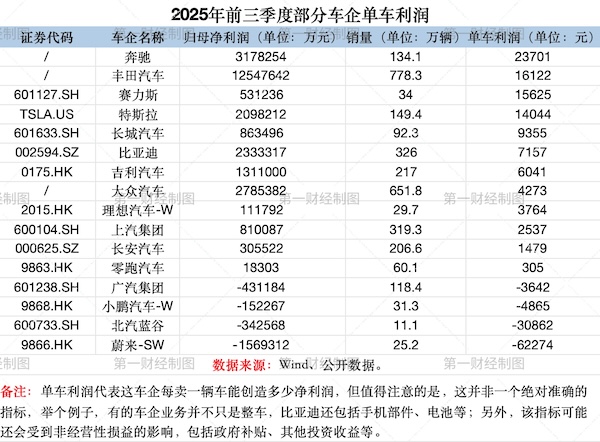
Core Insights - The profitability of major automotive companies is a focal point, particularly the per-vehicle profit, with luxury brands like Mercedes-Benz and Toyota leading the rankings [1][2] - The data indicates a shift in the narrative around electric vehicles, with companies like Seres and Tesla showing significant per-vehicle profits, challenging the notion that electric vehicles are unprofitable [1] Group 1: Profitability Rankings - Mercedes-Benz has the highest per-vehicle profit at approximately 24,000 yuan, followed by Toyota at 16,000 yuan, and Seres, a Chinese brand, at over 15,000 yuan, surpassing Tesla's profit of 14,000 yuan [1] - Among the 16 companies analyzed, only four have a per-vehicle profit exceeding 10,000 yuan, representing 25% of the sample [1] Group 2: Performance of Domestic and Foreign Brands - The "Big Three" private Chinese automakers, Great Wall, BYD, and Geely, have per-vehicle profits of 9,355 yuan, 7,157 yuan, and 6,041 yuan, respectively [2] - Xiaomi's automotive division reported a third-quarter operating profit of 700 million yuan with a delivery volume of 108,000 vehicles, showing significant improvement from a previous loss of 60,000 yuan per vehicle [2] Group 3: Challenges Faced by Multinational Companies - Volkswagen's net profit dropped by 61.5% year-on-year to 3.4 billion euros, with per-vehicle profit falling to around 4,000 euros due to various challenges including tariffs and restructuring [2] - Mercedes-Benz's net profit for the first three quarters was 3.878 billion euros, down from 7.806 billion euros the previous year, with a per-vehicle profit decline from 44,000 yuan to 24,000 yuan [2] Group 4: Losses in Certain Companies - NIO reported a cumulative loss of nearly 15.7 billion yuan in the first three quarters, with a per-vehicle loss exceeding 60,000 yuan, although there is an improvement trend compared to the previous year [3] - BAIC Blue Valley incurred a cumulative loss of over 3.4 billion yuan, with a per-vehicle loss exceeding 30,000 yuan, also showing signs of improvement [3]



众筹升级芯片,车主和车企的两难选择
3 6 Ke· 2025-11-28 11:34
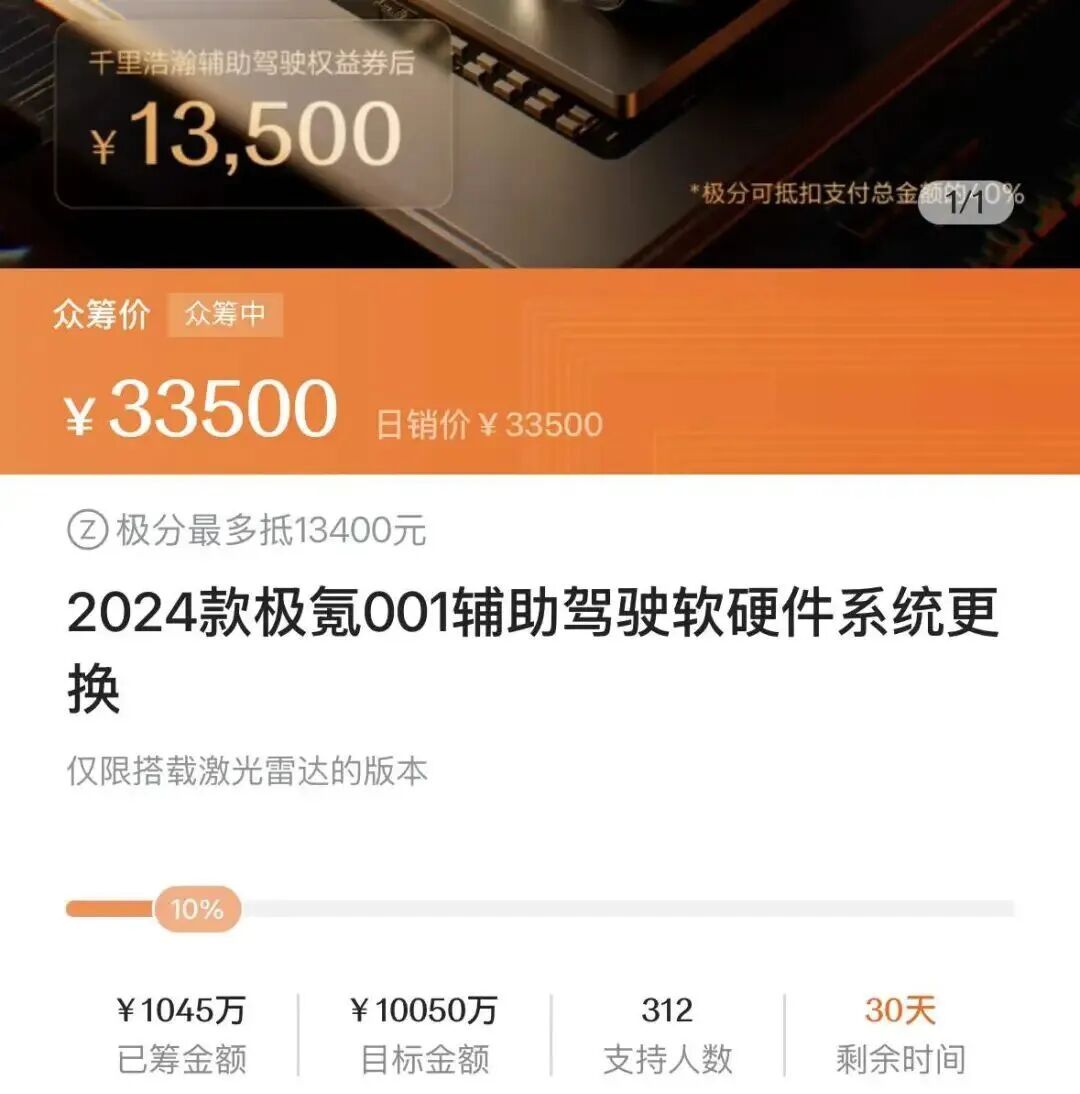
Core Viewpoint - Zeekr has launched a crowdfunding initiative for hardware and software upgrades for specific models, with a one-month window for participation, indicating a significant shift in their approach to customer engagement and product enhancement [1] Group 1: Crowdfunding Initiative - The crowdfunding is available for owners of the 2024 Zeekr 001 and 009 models equipped with lidar but not the Qilin driving assistance system [1] - The upgrade involves a substantial overhaul, requiring the replacement of 53 components in the Zeekr 001 and transitioning to the NVIDIA DRIVE Thor-U platform [1] - The cost for Zeekr 001 owners is set at 13,500 yuan, targeting 3,000 participants, while Zeekr 009 owners will pay 18,500 yuan with a target of 1,500 participants [1] Group 2: Customer Sentiment and Industry Context - There is a growing dissatisfaction among car owners regarding the need to pay for upgrades that were initially marketed as included features, reflecting a broader trend in the automotive industry where older models face obsolescence compared to newer, more advanced models [4][5] - Complaints about hardware limitations and the inability to upgrade older models are prevalent, with significant numbers of complaints regarding system performance and upgrade issues reported [6][7] - The complexity and high costs associated with hardware upgrades are highlighted, with Zeekr's initiative being one of the first of its kind in the industry, involving extensive technical challenges and development costs [12][19] Group 3: Economic Considerations - The financial implications of hardware upgrades are significant, with many owners questioning the value of paying for upgrades versus purchasing new vehicles, especially when considering depreciation and potential resale value [17][19] - The presence of third-party alternatives for hardware upgrades complicates the decision-making process for consumers, as they often offer lower prices but come with risks regarding compatibility and warranty [19] - The automotive industry faces a dilemma in balancing upgrade costs with customer satisfaction, as both manufacturers and consumers navigate the complexities of evolving technology and market expectations [20]
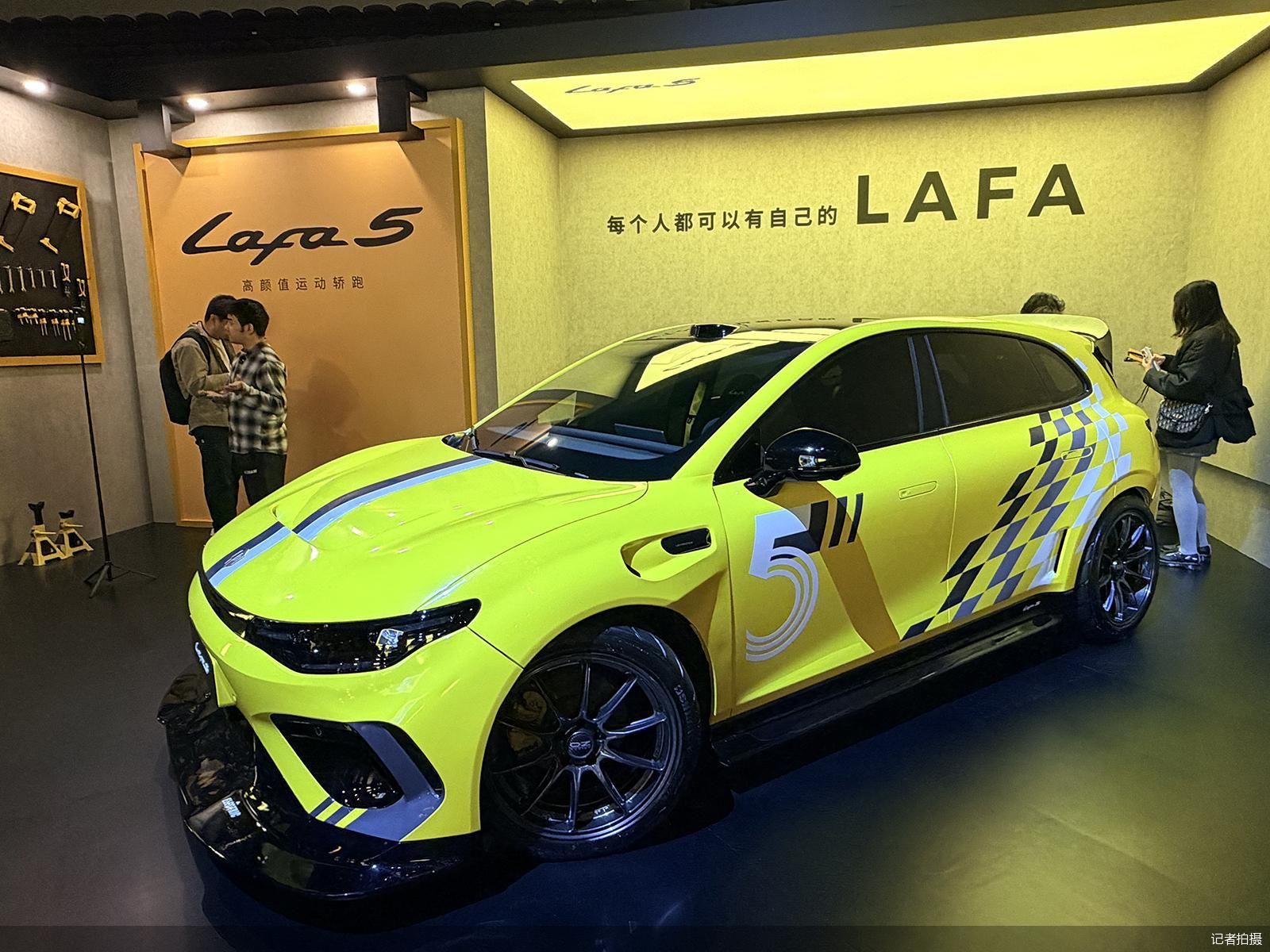
2026年百万销量目标:零跑的野望与博弈
Bei Jing Shang Bao· 2025-11-28 10:46
Core Insights - Leap Motor aims to achieve an ambitious sales target of 1 million vehicles annually by 2026, nearly doubling its previous target of 500,000 vehicles, which was completed 45 days ahead of schedule in 2025 [1][3] - The company has maintained its position as the monthly sales champion among new energy vehicle manufacturers for eight consecutive months, with delivery volumes exceeding 60,000 and 70,000 units in September and October, respectively [3][4] - Despite the optimistic sales forecast, Leap Motor faces significant challenges, including the reduction of government subsidies for electric vehicle purchases, intense market competition, and a market valuation that lags behind other new energy vehicle companies [1][5][6] Sales Milestones - Leap Motor took five years to reach the 500,000 vehicle milestone, while it aims to achieve the next 500,000 in just 343 days [3] - The company plans to launch four new models next year, including the recently unveiled Lafa5, which targets younger consumers with a competitive price of 92,800 yuan [3][4] Financial Performance - Leap Motor reported a net profit of 150 million yuan in Q3 2025, marking its first half-year profit and becoming the second new energy vehicle company to achieve profitability after Li Auto [4] - The company's revenue for Q3 2025 reached 19.45 billion yuan, a 97.3% increase year-on-year, with a gross margin of 14.5% [4] Market Challenges - The reduction in government subsidies is expected to impact Q4 sales, although the overall vehicle market is anticipated to recover in the long term [5] - The competitive landscape is intensifying, with brands like Geely and NIO launching products in the 100,000 to 300,000 yuan price range, posing a direct challenge to Leap Motor [5][6] Brand Development - Leap Motor is focusing on establishing a strong brand presence and expanding into international markets, having recently launched in Brazil and Chile [7] - The company aims to transition from quantity to quality, enhancing brand value and profitability while optimizing cost control and exploring niche market opportunities [7][8]