
大众汽车集团

Search documents
投资奇瑞,被大众投资,国轩高科能否重返全球动力电池一线阵营?
3 6 Ke· 2025-12-11 07:32
Core Viewpoint - The collaboration between Guoxuan High-Tech and Volkswagen Group marks a significant milestone with the mass production of the world's first "standard cell," potentially allowing Guoxuan High-Tech to re-enter the global top tier of power battery manufacturers [2][3]. Group 1: Partnership and Production Milestones - Guoxuan High-Tech completed the mass production delivery of the "standard cell" on November 20, 2025, marking the transition to large-scale production in its five-year strategic partnership with Volkswagen Group [3]. - The "standard cell" is designed to be highly compatible, significantly reducing R&D complexity and potentially cutting costs by up to 50% compared to traditional custom cells [3][5]. - Guoxuan High-Tech is set to deliver high-performance lithium iron phosphate and other standard cells to Volkswagen from 2026 to 2032 [3]. Group 2: Market Position and Performance - In the first three quarters of 2025, Guoxuan High-Tech's power battery installation volume reached 29.7 GWh, with a global market share of 3.7%, an increase of 0.7 percentage points year-on-year [7]. - The company ranked eighth in the international market (excluding China) with a battery installation volume of 6.9 GWh, a year-on-year growth of 61% [7]. - Guoxuan High-Tech's overseas revenue for 2024 reached 11 billion yuan, marking a 71.21% year-on-year increase, the first time surpassing the 10 billion yuan mark [8]. Group 3: Financial Performance - For the first three quarters of 2025, Guoxuan High-Tech reported a revenue of 29.5 billion yuan, a year-on-year increase of 17.21%, and a net profit of 2.53 billion yuan, up 514.35% [10]. - The third quarter of 2025 saw a revenue of 10.11 billion yuan, a 20.68% increase year-on-year, with a net profit of 2.17 billion yuan, reflecting a staggering 1434.42% growth [10][11]. - The company’s gross margin for lithium battery products was 15.5%, down 0.86 percentage points year-on-year, compared to 22.41% for its competitor, CATL [13]. Group 4: Expansion and Future Plans - Guoxuan High-Tech plans to invest 25.14 billion euros (approximately 191 billion yuan) in lithium battery projects in Morocco and Slovakia, with the Slovak project expected to start production in the second quarter of 2026 [14]. - The company is also investing 4 billion yuan in new battery manufacturing bases in Nanjing and Wuhu, focusing on solid-state battery technology [17]. - Guoxuan High-Tech is pursuing a dual strategy in solid-state battery development, aiming for both full solid-state and semi-solid-state battery commercialization [21][22].


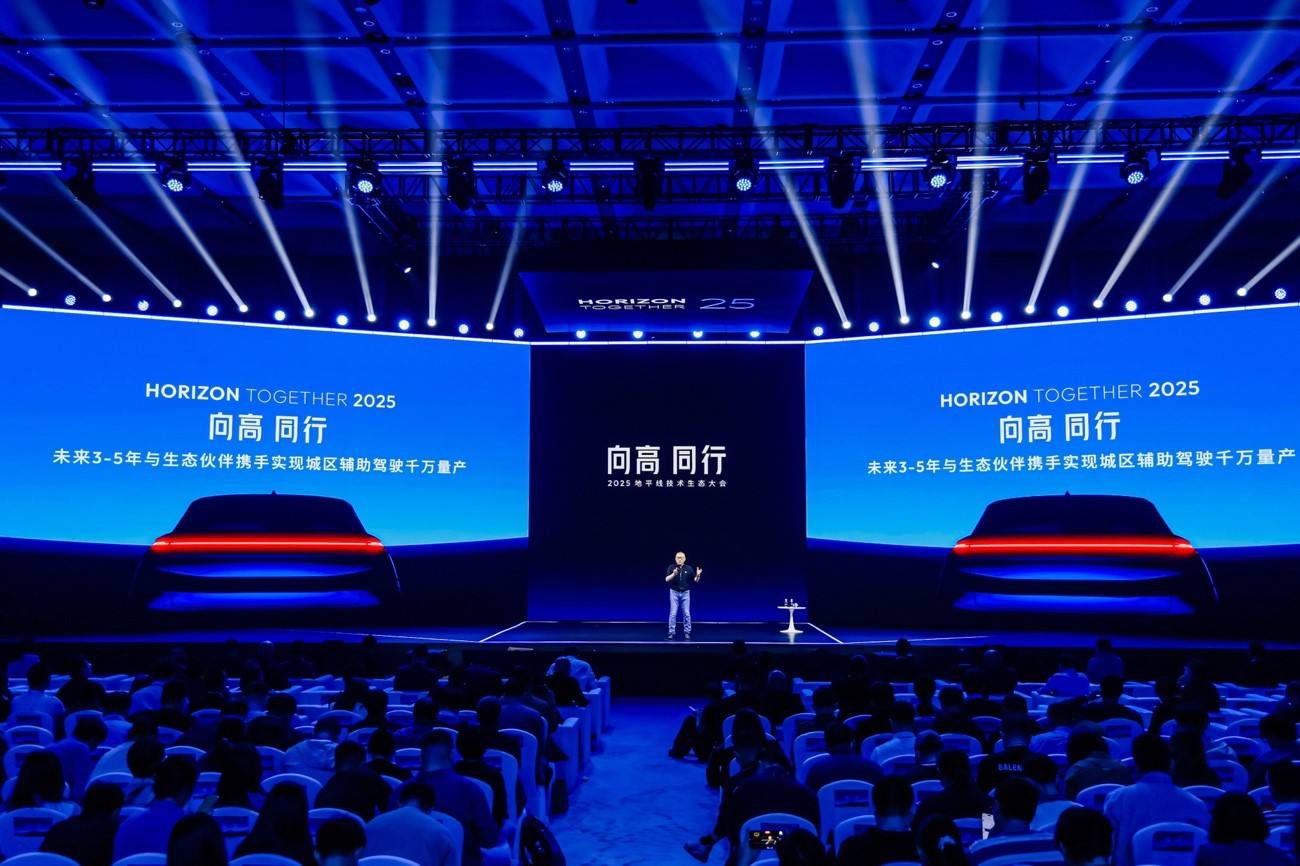
引领技术高标,共议普惠路径:地平线(09660)技术生态大会首日解码智驾破局之道
智通财经网· 2025-12-11 03:37
Core Insights - The Horizon Together 2025 conference emphasizes the theme "Walking Together Towards High" and aims to accelerate the mass adoption of full-scene assisted driving technology [1][3] - 2025 is identified as a pivotal year for the transition of intelligent driving from technological breakthroughs to large-scale accessibility, with urban NOA (Navigation on Autopilot) being a critical battleground for commercial success [3][6] Industry Collaboration - The automotive industry is moving towards a collaborative model, where value sharing and ecosystem building are essential for the advancement of intelligent driving technology [6][19] - Companies like BYD and Volkswagen are focusing on building core capabilities in China, recognizing that software is becoming central to automotive business models [8][12] Technological Advancements - The conference highlights the importance of high-performance computing technologies and open ecosystems in enhancing user experiences and driving value [3][30] - The integration of advanced algorithms and high-performance chips, such as Horizon's Journey 6 series, is crucial for reducing costs and improving system efficiency [36][34] User Trust and Safety - Safety is deemed the foremost priority, with user trust being the ultimate measure for the widespread adoption of intelligent driving systems [34][35] - The industry consensus is that user experience must align closely with human driving expectations to foster trust in autonomous systems [35] Cost Optimization - The reduction in costs is driven by a dual approach of hardware restructuring and software paradigm shifts, enabling more affordable intelligent driving solutions [36] - The collaboration among industry players is essential for achieving cost-effective solutions while maintaining high standards of performance and safety [36][34]
平安证券(香港)港股晨报-20251211
Ping An Securities Hongkong· 2025-12-11 03:22
Market Overview - The Hong Kong stock market experienced fluctuations, with the Hang Seng Index closing at 23,831 points, down 145 points or 0.61% [1] - The market turnover decreased to 82.799 billion, with net inflows of 484 million in the Hong Kong Stock Connect [1] - The US Federal Reserve announced another interest rate cut, leading to gains in the US stock market, with the Dow Jones rising 497 points or 1.1% to 48,057 points [2] Investment Opportunities - The report emphasizes the attractiveness of undervalued high-dividend sectors in the Hong Kong market, suggesting that these areas are suitable for capital allocation [3] - Key sectors to focus on include artificial intelligence, semiconductors, industrial software, and state-owned enterprises with low valuations and high dividends [3] - The semiconductor and robotics sectors are highlighted as areas for continued attention, with leading companies expected to benefit from long-term growth opportunities [3] Company Highlights - Volkswagen Group has shifted decision-making authority for new energy vehicle development to its Chinese team, enhancing local autonomy [9] - Alibaba's Qwen team launched a new multimodal model, Qwen3-Omni-Flash, which supports seamless input and output across various media types [9] - Tencent has been active in share buybacks, repurchasing 1.06 million shares for 636 million [12] Stock Performance - The Hang Seng Index has shown a 1-year performance increase of 29%, while the Hang Seng Technology Index has risen by 26% [15] - Notable stock performances include Alibaba, which has increased by 84% over the past year, and Tencent, which has risen by 50% [15]
引领技术高标,共议普惠路径:2025地平线技术生态大会首日解码智驾破局之道
Zhong Guo Jin Rong Xin Xi Wang· 2025-12-11 01:53
Core Insights - The 2025 Horizon Technology Ecosystem Conference in Shenzhen focuses on accelerating the mass adoption of all-scenario assisted driving, emphasizing the importance of experience, cost, safety, and policy collaboration for commercial success [1][2] - The conference highlights the shift of intelligent driving from technological breakthroughs to large-scale accessibility, with the urban NOA (Navigation on Autopilot) being a critical battleground for success [1] Industry Trends - The Chinese technology platform is becoming a core variable in the global automotive industry's transformation driven by intelligence [4] - Companies like Volkswagen emphasize the necessity of building core capabilities in China to lead in the new energy vehicle era, with software becoming central to automotive business [5][7] Collaborative Ecosystem - Local automakers are forming strategic partnerships to enhance intelligent driving experiences, with a focus on shared vision and risk [11][12] - The integration of local ecosystems is crucial for Chinese companies to achieve global competitiveness in intelligent driving [8][9] User Trust and Safety - Establishing user trust and safety is identified as a core issue for the industry, with safety being prioritized over experience and cost [26] - The importance of human-like interaction in systems is emphasized as a means to build trust among users [27] Cost Optimization - The industry anticipates a cost tipping point in 2025, driven by hardware restructuring and software paradigm shifts [28] - The collaboration between hardware advancements and new algorithm paradigms is seen as essential for reducing costs and enhancing system performance [28]

两大汽车巨头同日换帅,一家空降,一家内部提升
汽车商业评论· 2025-12-10 23:07
Core Insights - The article discusses the leadership changes at two major German luxury car manufacturers, BMW and Mercedes-AMG, highlighting the strategic implications of these transitions for their future direction [3][6]. BMW Leadership Transition - Milan Nedeljkovic, a long-time BMW executive, will become the new CEO, succeeding Oliver Zipse, who has served for seven years. Nedeljkovic's contract will last until 2031, and he is expected to lead the company through its electric vehicle transition [6][10]. - Nedeljkovic has been with BMW since 1993 and has held various positions, including production head, making him a strong internal candidate for the CEO role. His experience includes overseeing production at key BMW facilities globally [8][10]. - The market reacted positively to the leadership change, with BMW's stock remaining stable and close to an 18-month high. Investors believe that the peak investment phase for the Neue Klasse electric vehicle platform has passed, indicating a potential for profit release in the future [10][11]. - The success of Nedeljkovic's tenure will largely depend on performance in the Chinese market, where BMW's sales have declined by 11% year-on-year in the first three quarters of 2025 [11][12]. Mercedes-AMG Leadership Transition - Mercedes-AMG appointed Stefan Weckbach, a former Porsche executive with extensive experience in electric vehicle projects, as its new leader. He will also oversee the high-end vehicle group, which includes AMG, Maybach, and G-Class product lines [6][15]. - Weckbach's background includes significant contributions to Porsche's electric vehicle strategy, including the development of the Taycan, positioning him well to lead AMG's electric transition [18][21]. - AMG is currently focused on developing its first production model based on the AMG.EA electric architecture, with a new four-door coupe expected to launch in 2026, directly competing with the Porsche Taycan [21][24]. - The leadership changes at Mercedes-Benz are part of a broader strategy to address declining revenues and profits, with the company reporting a 7% year-on-year revenue drop to €32.14 billion (approximately $37.37 billion) in Q3 2025 [24].
决胜智驾“关键一跃”:行业实践者齐聚地平线技术生态大会,共商普惠之道
机器人圈· 2025-12-10 09:37
Core Viewpoint - The 2025 Horizon Together conference emphasizes the transition of intelligent driving technology from breakthroughs to widespread adoption, with a focus on urban NOA (Navigation on Autopilot) as a critical battleground for commercial success [3][6]. Group 1: Industry Insights - The consensus at the conference is that 2025 marks a pivotal point for intelligent driving, with urban NOA's large-scale adoption being essential for commercial success, hinging on experience, cost, safety, and policy collaboration [3][6]. - The founder and CEO of Horizon, Dr. Yu Kai, highlighted two pillars for breaking through: advancing underlying computing technology and building an open ecosystem with partners to convert high-level driving experiences into scalable user value [3][6]. - The automotive industry is urged to move away from isolated breakthroughs to a collaborative approach that shares value across the entire chain, as stated by Fu Bingfeng, Executive Vice President of the China Association of Automobile Manufacturers [6]. Group 2: Global Collaboration - The intelligent wave is driving a deep restructuring of the global automotive industry, with Chinese technology platforms becoming a core variable in this process [7]. - Thomas Ulbrich, CTO of Volkswagen Group China, emphasized that to lead in the new energy vehicle era, companies must build core capabilities in China, where software is becoming central to automotive business [9]. - The trend of intelligent driving is increasingly defining brand value, with global markets showing growing interest in intelligent cabins and driving assistance features, as noted by Yang Dongsheng, Senior Vice President of BYD [12]. Group 3: Local Development and Collaboration - Local automakers are accelerating the large-scale implementation of top-tier intelligent experiences through deep collaboration [17]. - Su Jun, Vice President of Chery Automobile, discussed the strategic partnership with Horizon, focusing on creating unique designs and brand spirit through advanced technology [19]. - Yang Xinglong from FAW Bestune highlighted the necessity of collaboration with leaders like Horizon to navigate the intelligent transformation, showcasing a clear path of technology co-research and ecosystem building [21]. Group 4: Future Challenges and Opportunities - Jiang Haipeng from Great Wall Motors predicted a technological inflection point around 2028, emphasizing the need for specialized computing architectures to meet future challenges [23]. - Su Linke from Deep Blue Automotive highlighted the rapid success of their L06 model, showcasing the value of collaboration with Horizon in achieving high-quality autonomous driving solutions [26]. - The CEO of CARIZON, Han Hongming, shared insights on how international giants are integrating into China's innovation ecosystem through new collaborative models [28]. Group 5: Key Consensus from the Forum - The forum identified three core consensus points: safety is paramount, user trust is built through human-like interactions, and cost optimization will be driven by hardware restructuring and software paradigm shifts [35][36][37]. - The emphasis on safety as the foundation for user trust was reiterated, with a focus on ensuring system stability in everyday scenarios [35]. - The discussion highlighted that cost reduction is a result of collaborative advancements in hardware and software, with a call for performance iteration and system integration to drive down costs while maintaining high standards [38].
大众汽车集团韩三楚:与小鹏合作车型12月31日落地,仅用时18个月
Xin Lang Cai Jing· 2025-12-10 01:45
Core Insights - The first model developed in collaboration between Volkswagen Group and Xpeng Motors will be launched on December 31, 2023, taking only 18 months to develop [1][5]. Group 1: R&D Transformation - Volkswagen Group has shifted its R&D decision-making authority from Germany to its Chinese team, granting significant autonomy in key areas such as overall vehicle development, platform development, electronic and electrical architecture, and software development starting this year [3][7]. - In July 2024, Volkswagen Group and Xpeng Motors signed a strategic cooperation agreement for the joint development of electronic and electrical architecture for the CMP and MEB platforms, aimed at creating industry-leading technology [3][7]. - In August 2023, it was announced that the jointly developed electronic and electrical architecture will be integrated into Volkswagen's pure electric vehicle platforms in China, as well as its fuel and plug-in hybrid vehicle platforms [3][7]. Group 2: CEA Architecture - The CEA 1.0 architecture is designed to quickly address Volkswagen Group's deficiencies in electronic and electrical architecture, with the first vehicle expected to be delivered by the end of this year and four additional vehicles planned for next year [4][8]. - The CEA 2.0 architecture will expand horizontally to support not only A-class vehicles but also D-class vehicles, and will provide multi-power support, including pure electric, range-extended, and hybrid options, marking a significant milestone for Volkswagen [4][8]. - The CEA architecture will undergo iterations every two years, with CEA 2.0 expected in 2027 and CEA 3.0 in 2029 [4][8].

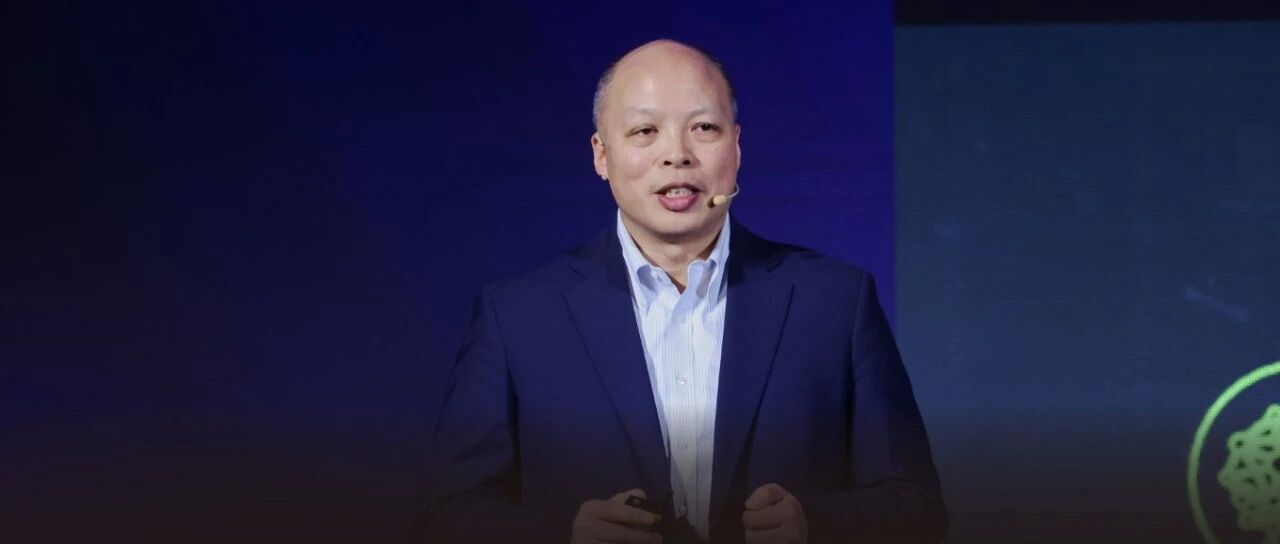
独家|仅18个月!大众小鹏首款合作车型12月31日落地
汽车商业评论· 2025-12-09 23:07
Core Insights - The first model based on Volkswagen's CEA electronic and electrical architecture, specifically developed for the Chinese market, will be launched on December 31 this year in Anhui [3] - The new model, named "Zhizhong 07," is a collaboration between Volkswagen and Xiaopeng Motors, marking a significant investment and partnership aimed at developing electric vehicles for the Chinese market [6][8] - The leadership transition to Han Sanchu as CEO of CARIAD China is expected to enhance software development capabilities and shorten product development cycles [3][8] Group 1 - Volkswagen's CEA project, initiated in July 2024, aims to create a new generation of electronic and electrical architecture tailored for the Chinese market [4] - The partnership with Xiaopeng Motors includes a strategic agreement to expand the collaboration on electronic and electrical architecture technology, integrating it into both electric and hybrid vehicle platforms [6] - The new vehicle "Zhizhong 07" has dimensions of 4853×1852×1566 mm and a wheelbase of 2826 mm, categorizing it as a mid-size sedan [6] Group 2 - The establishment of Volkswagen (China) Technology Co., known as VCTC, is a pivotal development in Volkswagen's localization strategy, serving as the largest R&D center outside Germany [8][16] - The decision-making power for local electric vehicle development and software has shifted to the Chinese team, providing unprecedented autonomy in the region [9][18] - The new R&D structure combines VCTC's focus on vehicle engineering and hardware with CARIAD China's emphasis on architecture and software, fostering collaboration [16][18] Group 3 - The CEA architecture aims to decouple software and hardware, presenting significant challenges in both technical architecture and development processes [23][24] - The CEA architecture will serve as the core control mechanism for vehicle development, allowing for standardized interfaces and cost reduction [27][28] - The development efficiency has improved by 30%, and costs have decreased by 40% due to localized decision-making and development processes [27][28] Group 4 - The CEA architecture is set to evolve through multiple iterations, with CEA 1.0 expected to deliver its first vehicle by the end of this year, followed by broader platform integration in subsequent versions [32][33] - The architecture will support various powertrain options, including electric, hybrid, and traditional combustion engines, marking a significant industry advancement [32][33] - The long-term vision includes creating a multi-agent vehicle ecosystem that enhances user experience through advanced AI and real-time interaction capabilities [39][40]
全球大公司要闻 | 英伟达获美国政府批准向中国出售H200人工智能芯片
Wind万得· 2025-12-09 22:40
Group 1 - Microsoft announced an investment of CAD 19 billion in Canada to enhance artificial intelligence infrastructure, with new capacity expected to be operational by the second half of 2026 [2] - Nvidia received approval from the US government to sell H200 AI chips to China, raising market interest in China's purchasing permissions and demand outlook, which will significantly impact the global AI supply chain [2] - Walmart has migrated its listing from the New York Stock Exchange to Nasdaq, marking the largest listing migration in US stock market history and indicating a major strategic shift for the company [2] - Stellantis partnered with Bolt to accelerate the large-scale deployment of autonomous driving services in Europe, with plans to begin testing vehicles in 2026 and aim for mass production by 2029 [2] - Alibaba established the Qianwen C-end business group, merging its previous smart information and smart connectivity units, aiming to create a super app as the primary entry point for users in the AI era [2] Group 2 - Wenta Technology proposed constructive talks regarding disputes over Nexperia Semiconductor to restore its legal control and shareholder rights [4] - Haiguang Information announced the termination of its stock swap merger with Zhongke Shuguang due to market changes and immature restructuring conditions, stating that normal operations will not be significantly affected [4] - Fosun Pharma signed a licensing agreement worth over USD 500 million with Pfizer, which is expected to enhance the company's market position and technological advantages [4] - Longi Green Energy decided to terminate its overseas issuance of global depositary receipts, citing market conditions and strategic planning considerations [4] - United Microelectronics Corporation (UMC) signed a technology licensing agreement with imec to acquire iSiPP300 silicon photonics technology, aiming to launch a 12-inch silicon photonics platform for next-generation high-speed connectivity applications [4] Group 3 - Microsoft plans to invest USD 17.5 billion in India over the next four years for AI and cloud infrastructure, alongside an additional CAD 7.5 billion investment in Canada [7] - Nvidia received approval to sell H200 chips to "approved customers" in China at a 25% markup, pending security reviews [7] - Apple confirmed that its foldable iPhone OLED screen orders will be exclusively supplied by Samsung, targeting a production of 11 million units [7] - Tesla's wholesale sales in China reached 86,700 units in November, with exports doubling year-on-year to 13,500 units but showing a month-on-month decline [7] - Meta's smart glasses collaboration with Ray-Ban gained popularity despite privacy concerns, and the company plans to launch a new AI model named Avocado early next year [7] Group 4 - Samsung Electronics will launch its first tri-fold smartphone, Galaxy Z TriFold, in China on December 9, with a starting price of CNY 19,999 and a limited global release of 20,000 units [10] - LG Energy Solution secured a USD 1.4 billion battery order from Mercedes, with a supply period extending to 2035 [10] - SK Hynix announced that its next-generation V10 NAND flash will utilize hybrid bonding technology, aiming for mass production by 2027 [10] Group 5 - Mercedes announced a partnership with Momenta and UAE's Lumo to launch L4-level Robotaxi services in Abu Dhabi by 2026 [13] - BMW Group's supervisory board appointed Milan Nedeljkovic as the new chairman, set to take over in May 2026 [13] - BHP plans to sell a 49% stake in its inland power grid in Western Australia for USD 2 billion while retaining a 51% stake [13] - Rio Tinto announced a new strategy focusing on high-quality assets in iron ore, copper, aluminum, and lithium, while integrating AI technology into mineral exploration and production [13] - Volkswagen Group reported a 61.5% year-on-year decline in net profit for the first three quarters, with plans to reduce its investment plan to EUR 160 billion by 2030 [13]

商务部副部长兼国际贸易谈判副代表凌激会见大众汽车集团(中国)董事长兼首席执行官贝瑞德
Zheng Quan Shi Bao Wang· 2025-12-09 10:38
人民财讯12月9日电,12月9日下午,商务部副部长兼国际贸易谈判副代表凌激会见大众汽车集团(中国) 董事长兼首席执行官贝瑞德。 ...