奈雪的茶

Search documents
年度趋势:告别大单品时代
3 6 Ke· 2026-01-06 04:57
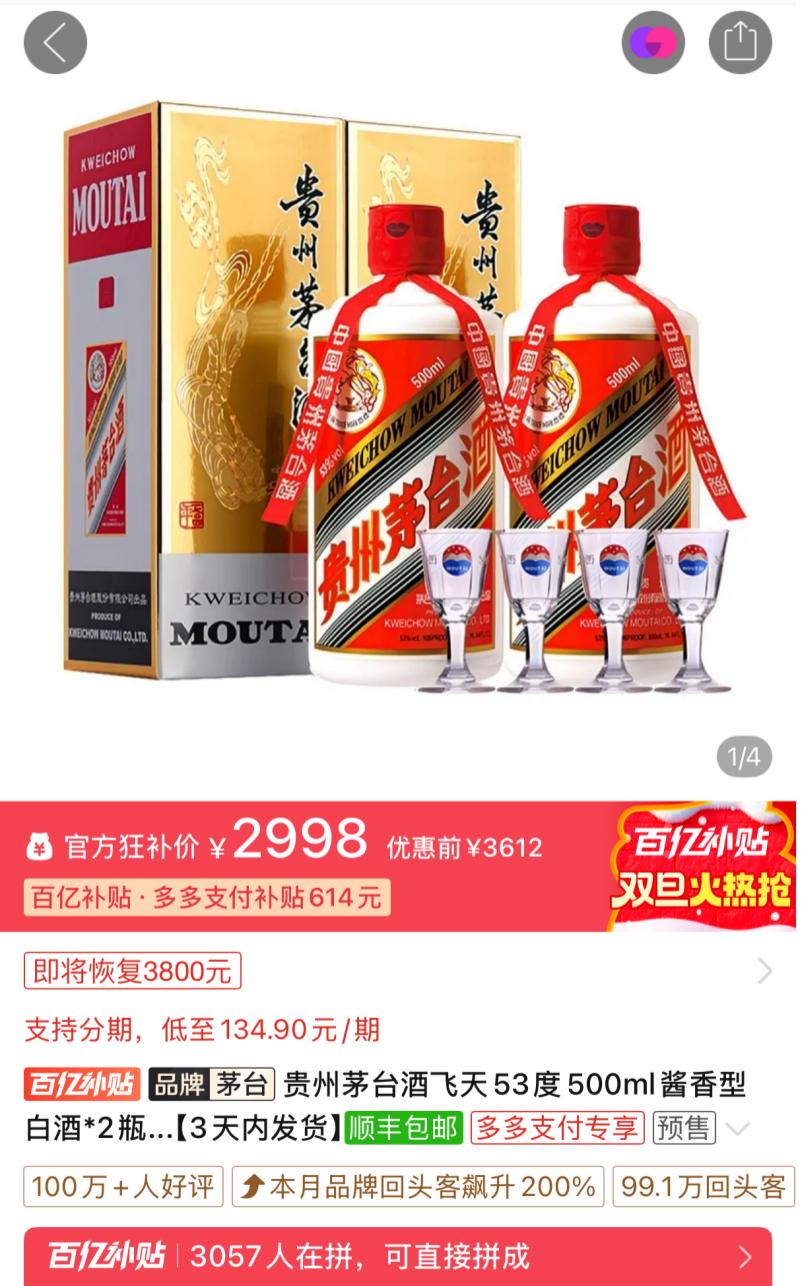
Core Insights - The article discusses the shift in business strategy from focusing on a single flagship product to managing a diverse product matrix due to increasing market complexity and competition [2][5][6] Group 1: Single Product Strategy - The allure of a single product strategy lies in its efficiency and scale, with examples like Moutai, Red Bull, Apple, and Tesla demonstrating significant revenue contributions from flagship products [2][4][7] - Moutai's focus on its flagship product, the 53-degree Feitian Moutai, has allowed it to dominate the market, achieving a gross margin of over 90% and a net profit margin exceeding 50% [7][9] Group 2: Challenges of Single Product Strategy - The success stories of single product strategies are becoming rarer as market conditions change, with factors like the saturation of traffic, fragmented consumer attention, and highly diversified channels posing challenges [5][6] - Moutai is currently facing challenges as its core attributes of investment and social status are being questioned, leading to a decline in its market price from a peak of over 3000 yuan per bottle [11][9] Group 3: Emergence of Multi-SKU Strategy - The article suggests that the era of single product dominance may be ending, with new companies needing to adopt multi-SKU strategies to thrive in a competitive landscape [6][20] - Successful new brands often emerge from niche markets, leveraging unique products to establish themselves before expanding their product lines over time [15][19] Group 4: Strategic Considerations for Companies - Companies must evaluate their market position, resources, and long-term goals when deciding between a single product or multi-SKU strategy [21][28] - The choice of strategy should align with market dynamics, consumer needs, and the company's capabilities, with a focus on rapid adaptation to changing conditions [22][30]





年度投资策略报告:底部向阳,寻找结构性亮点-20260105
Tai Ping Yang Zheng Quan· 2026-01-05 14:15
Overall Industry Review - The food and beverage sector significantly underperformed the market, with a year-to-date decline of -0.62%, lagging behind the Shanghai Composite Index by 15.0 percentage points [7][11] - The snack sector showed strong performance with a year-to-date increase of 28.88%, driven by channel expansion and a total revenue growth of 30.97% in the first three quarters of 2025 [11] - The beverage sector, particularly soft drinks, benefited from travel demand and low-price, high-frequency consumption, achieving a revenue and profit growth in double digits [11][14] Alcoholic Beverages - The liquor sector exhibited weak performance, with a decline in sales and prices, particularly for white liquor, which saw a year-on-year revenue drop of -5.83% and a net profit decline of -6.93% in the first three quarters of 2025 [11][44] - The overall white liquor sector's revenue decreased by -5.8% and net profit by -6.9% in the first three quarters of 2025, with a significant drop in Q3, where total revenue fell by -18.4% [44] - The report indicates that the white liquor industry is in a prolonged adjustment phase, with the current downturn lasting 57 months, marking the longest adjustment period in history [35][40] Future Outlook - The central economic work conference emphasized the importance of boosting domestic demand in 2026, with expectations for policy support to stimulate recovery [3] - The report suggests focusing on sectors with low bases for recovery, such as frozen foods and beverages, which are expected to benefit from demand recovery and new product opportunities [3][4] - The report highlights the potential for structural opportunities in the food and beverage sector, particularly in overseas markets and cost improvements, recommending companies like Anqi Yeast and Mijiu Group for their overseas expansion strategies [4][34] Investment Strategies - The report identifies four key investment themes for 2026: opportunities in overseas markets, cost benefits, new product launches, and value-for-money consumption [4] - Companies with strong platform capabilities and innovative products, such as Dongpeng Beverage and Wancheng Group, are recommended for their potential in the beverage sector [4] - The report also emphasizes the importance of identifying companies that can adapt to a low-inflation, low-confidence environment by offering high-value products [14]





回望新消费:风停了,猪会摔下来
虎嗅APP· 2026-01-05 13:28
Core Viewpoint - The article discusses the dramatic shift in the new consumption sector from a period of rapid growth and high valuations to a phase of significant decline and business failures, emphasizing that while some brands thrived, many others collapsed under unsustainable business models and market conditions [5][24]. Group 1: Market Trends and Brand Performance - In 2021, the new consumption sector experienced a frenzy with 842 financing events totaling over 900 billion yuan, leading to inflated valuations for brands with minimal sales [11]. - By 2025, many once-prominent brands like墨茉点心局 and 钟薛高 faced severe operational challenges, with墨茉点心局 reducing its stores from a nationwide presence to just 29, primarily in its home city of Changsha [6][8]. - The consumer market in 2025 is undergoing a harsh selection process, with a significant number of previously sought-after unicorns facing closure and valuation drops [8]. Group 2: Reasons for Business Failures - The rapid decline of brands can be attributed to several factors: high operational costs, severe product homogeneity, and a faster-than-expected consumer downgrade [19]. - The cost of maintaining storefronts in high-rent areas is unsustainable for low-margin products like 30 yuan noodles, leading to financial strain [19]. - The oversaturation of similar products in the market has made it difficult for brands to differentiate themselves, resulting in a loss of consumer interest [19]. Group 3: Survivors and Their Strategies - Brands like 蜜雪冰城 have emerged as winners by maintaining a cautious approach to capital and focusing on sustainable business practices, such as building their supply chains [21][23]. - Traditional brands like 泸溪河 have also thrived, with over 600 stores nationwide, demonstrating resilience against the backdrop of newer, capital-driven brands [21]. - The article highlights a shift in consumer behavior, where repeat purchases are essential for business sustainability, contrasting with brands that relied heavily on initial consumer interest without fostering loyalty [23][24].

新茶饮2026:一半是深海,一半是远洋
3 6 Ke· 2026-01-05 12:57
Core Insights - The new tea beverage industry is reaching its ceiling, with contrasting signals indicating the end of a chaotic growth phase and a shift towards stability and efficiency [1][2] - The industry growth rate is projected to stabilize between 5%-7% in the first three quarters of 2025, similar to the previous year, leading to a more strategic competition focused on brand loyalty and operational efficiency [2][20] Industry Trends - Product innovation has shifted from a focus on sensory stimulation to becoming a "meaning anchor" for consumers' lifestyle and emotional needs [3] - The controversy surrounding the pricing strategy of brands like Mixue Ice City highlights the risks of straying from established brand perceptions [4][5] Brand Strategies - Successful brands are transitioning towards health-oriented products, emphasizing low-calorie and functional ingredients to align with consumer trends towards healthier lifestyles [6] - The evolution of co-branding strategies reflects a deeper engagement with consumers, moving from simple logo placements to creating shared values and experiences [7] Retail Dynamics - The role of physical stores is evolving from mere distribution points to brand experience centers that collect data and provide localized services [8][9] - The focus is shifting towards optimizing store efficiency and creating unique customer experiences that cannot be replicated online [9][11] Market Expansion - Brands like Mixue Ice City are rapidly expanding internationally, leveraging their successful domestic models in emerging markets, while others like Nayuki and Heytea are focusing on cultural branding in developed markets [17][18] - The competition will increasingly hinge on supply chain efficiency and the ability to adapt to local markets, with successful brands needing to balance cost control with product innovation [14][15][19] Future Outlook - The tea beverage industry is expected to surpass a market size of one trillion yuan by 2026, with growth concentrated among leading brands, making it challenging for smaller players to survive [20][21] - The industry is entering a phase of intense competition and consolidation, where only brands with robust supply chains and operational capabilities will thrive [21]
奈雪的茶(02150) - 截至二零二五年十二月三十一日止月份之股份发行人的证券变动月报表
2026-01-05 10:43
股份發行人及根據《上市規則》第十九B章上市的香港預託證券發行人的證券變動月報表 截至月份: 2025年12月31日 狀態: 新提交 本月底法定/註冊股本總額: USD 250,000 第 1 頁 共 10 頁 v 1.1.1 致:香港交易及結算所有限公司 公司名稱: 奈雪的茶控股有限公司 呈交日期: 2026年1月5日 I. 法定/註冊股本變動 | 1. 股份分類 | 普通股 | 股份類別 | 不適用 | | 於香港聯交所上市 (註1) | | 是 | | | --- | --- | --- | --- | --- | --- | --- | --- | --- | | 證券代號 (如上市) | 02150 | 說明 | | | | | | | | | | 法定/註冊股份數目 | | | 面值 | | 法定/註冊股本 | | | 上月底結存 | | 5,000,000,000 | | USD | | 0.00005 USD | | 250,000 | | 增加 / 減少 (-) | | | 0 | | | USD | | 0 | | 本月底結存 | | | 5,000,000,000 | USD | | 0. ...
2026年元旦餐饮消费升温,异地打卡流量翻倍,跨年夜海底捞接待超450万人次
Sou Hu Cai Jing· 2026-01-05 10:20
2026年元旦假期期间,餐饮消费市场呈现显著升温态势。中国烹饪协会发布的《2026年元旦假期餐饮业经营情况调研》显示,受访餐饮企业中,元旦当天客 流量同比增长或持平的企业占比为58.1%,外卖订单量同比增长或持平的企业占比为69.6%。 新茶饮赛道同样表现活跃。奈雪的茶方面称,元旦假期全国多地门店销量比节前增长超700%,珠海、南京等部分门店在跨年当日出现单笔订单超1000杯的 情况。另一品牌茉莉奶白在跨年当日全国销量近190万杯,元旦当日售出153万杯,部分位于景区与交通枢纽的门店销售额环比增长接近300%。 在地方层面,浙江省商务厅监测数据显示,元旦假期该省重点监测的43家大型餐饮企业销售额同比增长13.5%。相关平台监测的省内3000余家商户营业额及 消费人次同比分别增长18%和26%。北京市商务局发布的元旦消费数据显示,1月1日至1月3日,重点监测的餐饮业态销售额日均同比增长4.6%,其中正餐日 均同比增长25.4%。广州市商务局数据显示,元旦假期该市餐饮业消费同比增长18.9%。 市场有风险,投资需谨慎。本文为AI基于第三方数据生成,仅供参考,不构成个人投资建议。 来源:市场资讯 美团平台数据显示, ...


元旦消费市场迎来 “开门红” 餐饮场景热度集中释放
Zheng Quan Shi Bao Wang· 2026-01-05 09:40
Group 1: Overall Market Performance - The consumer market experienced a "good start" during the 2026 New Year's holiday, with a significant increase in restaurant scene activity [1] - 58.1% of surveyed restaurants reported stable or increased customer traffic on New Year's Day, while 69.6% saw stable or increased takeaway orders [1] - Daily average consumption in dine-in restaurants during the holiday increased by 19% compared to the same period in 2025 [1] Group 2: Specific Company Performance - The group behind "Xiabuxiabu" reported over 20 million yuan in revenue from its "Coucou" stores during the holiday, with a customer flow of 140,000 and a peak daily revenue exceeding 8 million yuan [2] - "Xiabuxiabu" brand stores nationwide saw a total net sales exceeding 30 million yuan, with a year-on-year growth of over 30% and a peak daily revenue surpassing 10 million yuan [2] - "Xibei" restaurants attracted around 500,000 customers during the holiday, with no impact from subsidy cessation on overall customer flow [2] Group 3: New Tea Beverage Sector - "Nayuki" tea outlets experienced a sales increase of over 700% compared to pre-holiday levels, with some stores recording single orders exceeding 1,000 cups [3] - "Nayuki" tea's overseas locations, including in New York and Bangkok, became popular among local tourists, with the New York store generating nearly 40,000 USD (approximately 279,000 yuan) in sales over three days [3] - "Moli Naibai" brand sold nearly 1.9 million cups on New Year's Eve and continued strong sales with 1.53 million cups sold on New Year's Day, with some stores seeing sales growth close to 300% [3]
喝古茗单加6份木薯堪比韩国国宴,这个容易吃中毒的奶茶小料咋被抢成断货王?
3 6 Ke· 2026-01-05 09:11
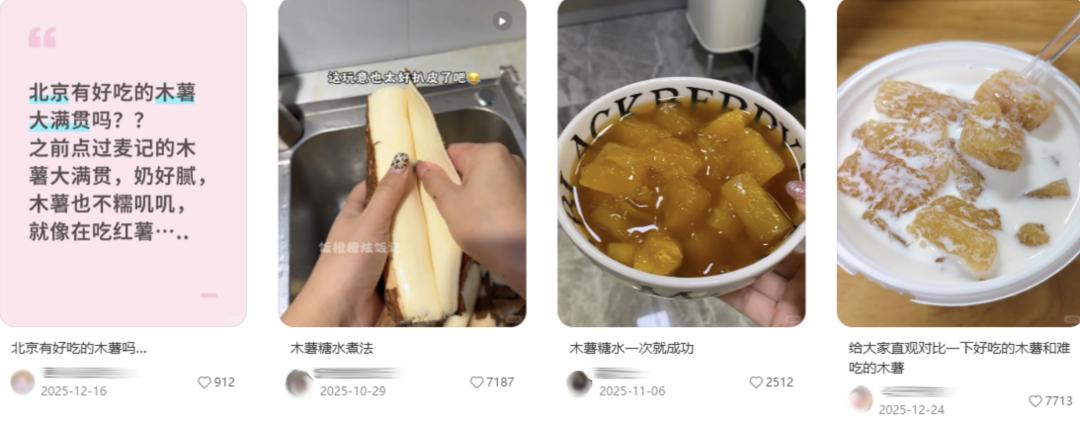
Core Viewpoint - The rising popularity of cassava as a trendy ingredient in winter beverages, particularly in milk tea, has led to significant social media engagement and consumer interest, despite potential health risks associated with its consumption [1][3][19]. Group 1: Popularity and Social Media Engagement - Cassava has become a viral sensation, with the hashtag CassavaSugarWater garnering 930 million views on Douyin and over 200 million views on Xiaohongshu [1][4]. - The unique texture of cassava, described as "geng jiu jiu," has captivated consumers, leading to its classification into three main types: "pulling cassava," "powdery cassava," and "geng jiu jiu cassava," with the latter being the most favored [1][5][7]. Group 2: Consumer Behavior and Product Development - Consumers are increasingly prioritizing cassava over traditional milk tea, with some opting to add multiple servings of cassava to their drinks, indicating a shift in consumption patterns [10][22]. - Brands like Gu Ming have introduced cassava products, such as a 19 yuan peach gum cassava dessert, which quickly gained popularity, leading to a surge in demand for cassava as a key ingredient [3][10]. Group 3: Health Concerns and Preparation Challenges - Despite its popularity, cassava poses health risks due to its natural toxins, which can lead to food poisoning if not properly prepared [19][21]. - The preparation of cassava requires careful handling, including peeling, soaking, and cooking to eliminate toxins, which adds complexity to its consumption [21][22]. Group 4: Market Dynamics and Supply Chain Issues - The cassava market is characterized by a fragmented supply chain, with production concentrated in specific regions, leading to challenges in standardization and quality control [27][30]. - The demand for cassava has prompted brands to explore sourcing from various production bases to ensure consistent quality, highlighting the need for a stable supply chain [28][30].
甜不动了!为什么茶咖品牌集体上新咸奶茶?
东京烘焙职业人· 2026-01-05 08:33
Core Viewpoint - The rise of "salty milk tea" is becoming a significant trend in the beverage industry for the autumn and winter of 2025, driven by innovative product launches from various tea and coffee brands [5][10]. Group 1: Popularity and Market Trends - "Salty milk tea" has gained substantial attention on social media platforms, with over 50 million views on Xiaohongshu and more than 160 million video plays related to the topic on Douyin [5]. - Major brands like Heytea and Luckin Coffee are introducing unique salty milk tea products, with Heytea launching two new flavors that quickly sold out in some locations [10][12]. - Other brands, including Cha Bai Dao and Nayuki, have also released salty milk tea products that have been well-received, with Cha Bai Dao's offerings selling over 1 million cups within 10 days of launch [12][15]. Group 2: Industry Dynamics and Consumer Behavior - The introduction of salty milk tea is a response to the increasing product homogeneity in the ready-to-drink beverage market, where brands are seeking differentiation through innovative flavors [16]. - Salty milk tea appeals to consumers who are experiencing "taste fatigue" from overly sweet beverages, thus stimulating demand and boosting sales for brands [16]. - However, the popularity of salty milk tea is still largely dependent on novelty and differentiation, with mixed consumer reviews indicating that while some enjoy the flavor, others find it underwhelming [18].
2026消费前瞻:为「活人感」买单
投中网· 2026-01-05 07:32
Core Insights - The consumption market in 2025 cannot be simply categorized as "recovery" or "weakness," as it reflects a shift in consumer behavior towards price sensitivity and rational consumption, emphasizing the importance of "human experience" [5][22][25] Group 1: Dining Industry - The offline dining sector is facing a decline in foot traffic, with average monthly customer visits dropping to 5,681, a decrease of 0.66% year-on-year, and a more significant decline of 4.1% after June 2025 [8] - To attract customers, many dining brands are adopting price reduction strategies, with self-service hot pot and street food becoming representative categories of this approach [8] - Innovative dining experiences, such as "dining + performance" concepts, are emerging to create new reasons for customers to visit, enhancing the atmosphere and encouraging social sharing [9] - Street food stalls have gained popularity, offering affordable home-style dishes priced between 10-30 yuan, effectively capturing additional customer flow and expanding revenue channels for restaurants [10] Group 2: New Tea Beverage Market - The new tea beverage market in 2025 is stabilizing, with a market size of 374.93 billion yuan, growing by 5.7% year-on-year, a slowdown from 6.4% in 2024 [12] - The total number of tea beverage stores has exceeded 415,000, but the net number of new openings is lower than closures, resulting in a decrease of 39,000 stores [12] - Major brands like Mixue Ice City and Bawang Tea Ji are expanding rapidly, while others like Heytea are experiencing significant store closures, with a reduction of 711 stores, or 15.41% year-on-year [13] - Consumer preferences are shifting towards fresh, health-oriented products, with a growing demand for fresh fruit and low-calorie options [14][15] Group 3: Cultural and Tourism Market - The cultural and tourism market is experiencing significant growth, with domestic travel reaching 4.998 billion trips in the first three quarters of 2025, an increase of 18% year-on-year [17] - Total spending on domestic travel reached 4.85 trillion yuan, reflecting a year-on-year increase of 11.5% [18] - Innovative experiences, such as city walks and rural tourism, are gaining traction, providing consumers with engaging and authentic experiences [20][19]