
恒瑞医药

Search documents
2025港股IPO年度全景复盘
Sou Hu Cai Jing· 2026-02-16 10:09
Core Insights - The strong resurgence of Hong Kong IPOs in 2025 is a central theme for the global capital markets, with nearly HKD 300 billion raised, reclaiming the top position in global IPO fundraising [2][7] - The Hong Kong IPO market has experienced a significant increase in both quantity and quality, with new listings up nearly 70% year-on-year and fundraising doubling compared to the previous year [2][3] Market Dynamics - The traditional dominance of internet and financial real estate sectors has been disrupted, with hard technology, advanced manufacturing, and biomedicine emerging as the three main pillars supporting the market [3][4] - Key sectors such as new energy, semiconductors, smart vehicles, and high-end equipment are now prominently represented in the Hong Kong market, enhancing its manufacturing base [3][4] Notable IPOs - Significant companies that went public in 2025 include: - CATL (宁德时代), raising approximately HKD 41 billion with a market cap of about HKD 920 billion and a PE ratio of around 18x [3] - Hengrui Medicine (恒瑞医药), a leader in innovative drugs, with a market cap of approximately HKD 320 billion and a PE of about 32x [3] - Sanhua Intelligent Control (三花智控), with a market cap of around HKD 180 billion and a PE of about 24x [3] - Haitian Flavoring and Food (海天味业), with a market cap of approximately HKD 420 billion and a PE of about 30x [3] - Chery Automobile (奇瑞汽车), with a market cap of around HKD 190 billion and a PE of about 12x [4] A+H Listing Trend - 2025 marked a significant year for A+H dual listings, with leading companies opting for this model to enhance global liquidity and valuation recovery [5][6] - The A+H model has become a standard for industry giants, reinforcing Hong Kong's position as the preferred overseas listing location for Chinese enterprises [6] Future Outlook - The recovery of the Hong Kong IPO market is seen as a result of multiple cyclical factors, including improved global liquidity, long-term valuation recovery, and the increasing demand for high-quality assets from mainland China [6][7] - Moving forward, the focus of the Hong Kong IPO market is expected to shift from quantity expansion to quality prioritization, with a stronger emphasis on industry logic over speculative trading [6][7]

一家别样的“减肥企业”赴港!糖吉医疗成色如何?
Sou Hu Cai Jing· 2026-02-16 08:42
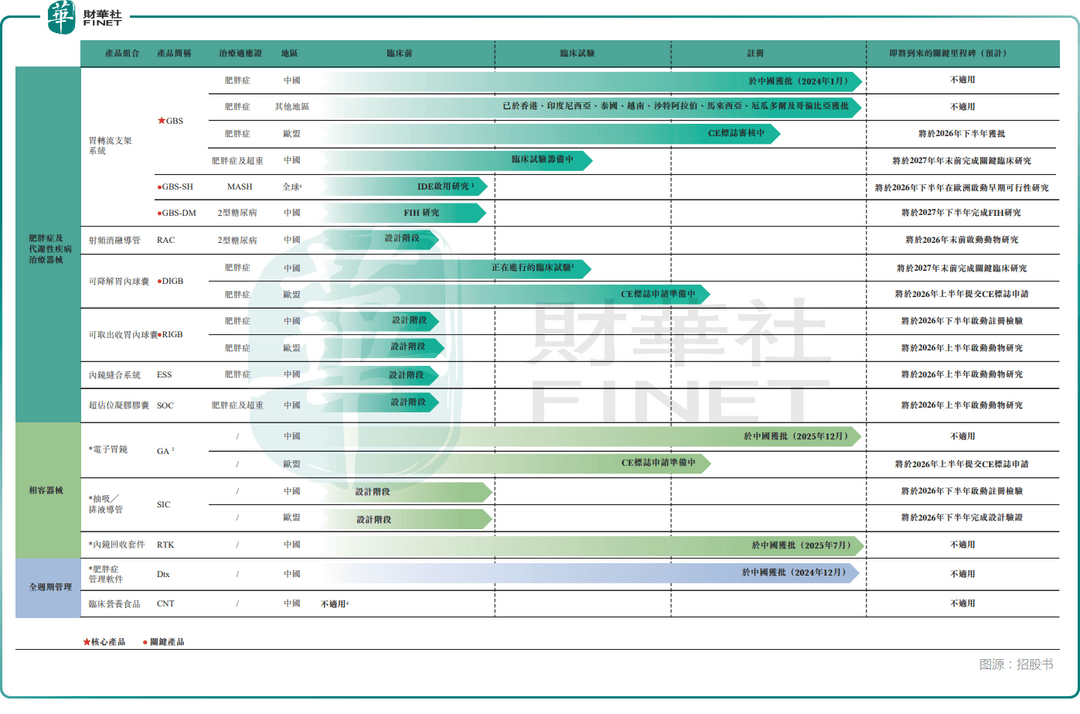
文|财华社 医械企业如何布局减肥赛道? 在全球生活方式改变、城市化及人口老龄化的驱动下,包括肥胖症、代谢功能障碍相关脂肪性肝炎(MASH)及2型糖尿病(T2DM)在内的代谢性疾病 已成为一项普遍的全球健康挑战,并为医疗器械领域创造了规模最大且增长最快的机遇之一。 成立于2016年的糖吉医疗是一家立足于中国的医疗器械公司,专注于为代谢性疾病的治疗及全周期管理提供创新解决方案,旨在提供有别于药物治疗及侵 入性减重手术的独特治疗方法。 在业务布局上,糖吉医疗形成了"核心产品+关键产品+配套器械+数字健康"的多元化管线:核心产品胃转流支架系统(GBS)已实现商业化;关键产品包 括针对MASH的GBS-SH(获FDA突破性器械认定)、针对2型糖尿病的GBS-DM,以及可降解胃内球囊(DIGB)、可取出收胃内球囊(RIGB);配套器 械涵盖电子胃镜、内镜回收套件等;数字健康平台Dtx与临床营养食品则完善了全周期管理闭环。 | | FINE | | | | | | | | | | | --- | --- | --- | --- | --- | --- | --- | --- | --- | --- | --- | | | ...
肿瘤药断供数月,患者“自费1万多元1瓶还买不到”
Mei Ri Jing Ji Xin Wen· 2026-02-15 04:12
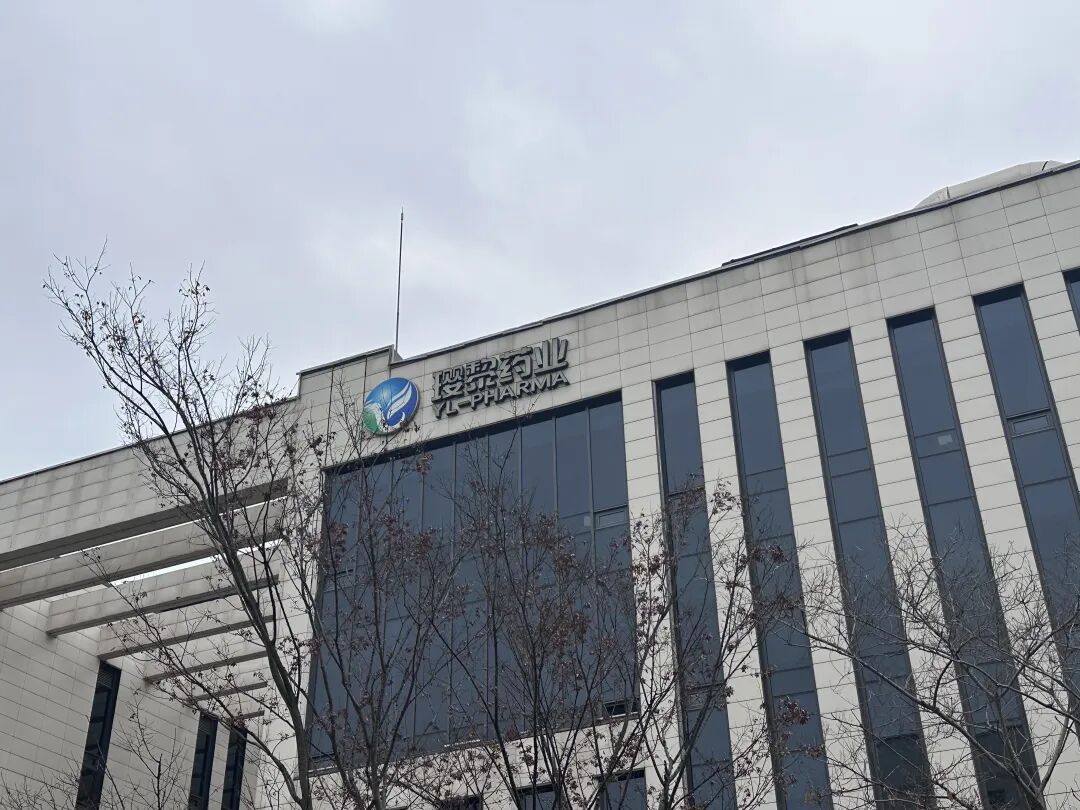
近日,一则关于上海璎黎药业有限公司(以下简称"璎黎药业")"大门被封"的消息在业内不胫而走。这 家曾因研发出高选择性PI3Kδ抑制剂林普利塞片(商品名:因他瑞,以下简称"林普利塞")而声名鹊 起,并曾获得恒瑞医药2000万美元战略投资的明星Biotech(生物科技公司),如今却陷入窘境。 针对上述传闻,2月11日,璎黎药业发布声明称,公司所有经营活动均正常有序进行,各项研发、生 产、运营及服务工作均按计划稳步推进,并未出现任何影响公司正常运转的异常情形。 《每日经济新闻》记者(以下简称"每经记者")实探璎黎药业位于上海漕河泾康桥商务绿洲的注册地址 后发现,公司大门及各处出入口均贴有封条,部分办公室已处于清空状态,现场还有两名工人正在包装 设备仪器等。一名璎黎药业工作人员向记者表示,公司确实正在整体搬迁,主要原因是"和房东有一些 租房上的纠纷,并不是企业经营有什么大的问题"。 此外,也有多位患者向记者反映,林普利塞这款"救命药"自2025年四季度起就已出现断供的情况,在多 地医院和药店均已无法采购,此前药企承诺的赠药活动也成了一张"空头支票"。 2月10日上午,每经记者再次来到璎黎药业办公地点。经由货运电梯来到 ...
肿瘤药断供数月,患者“自费1万多元1瓶还买不到”!知名药企大门被贴封条,部分办公室已清空,员工:整体搬迁,与房东有些纠纷
Mei Ri Jing Ji Xin Wen· 2026-02-15 03:46
Core Viewpoint - Shanghai Yingli Pharmaceutical Co., Ltd. is facing operational challenges, including relocation and supply issues with its key product, Linpulise, which has led to concerns among patients and stakeholders [1][12][14]. Group 1: Company Operations - Yingli Pharmaceutical has announced that all business activities are proceeding normally, with research, production, and operations on schedule despite rumors of operational disruptions [2][12]. - The company is currently undergoing relocation due to disputes with its landlord, not due to significant operational issues [2][9]. - As of the latest reports, the company has around 30 employees remaining at its current location, with some staff involved in packing and moving equipment [3][8]. Group 2: Product Supply Issues - Linpulise, a critical drug for patients, has been in short supply since the fourth quarter of 2025, with reports of unfulfilled patient assistance programs [14][15]. - Patients have expressed difficulties in obtaining Linpulise, which has led to a search for alternative treatments [15][16]. - The drug was previously included in the national medical insurance directory but was removed in the latest update, limiting its market access and increasing its retail price to 11,040 yuan per bottle [17][18]. Group 3: Legal and Financial Challenges - Yingli Pharmaceutical has been involved in over 30 lawsuits since 2025, primarily related to contract disputes with suppliers and service providers [18]. - The company has been ordered to pay approximately 2.25 million yuan due to a legal ruling related to a service contract dispute [18]. - The financial strain from these legal issues and operational challenges has raised concerns about the company's future viability and its ability to meet obligations to suppliers and patients [18]. Group 4: Future Prospects - The future of Yingli Pharmaceutical may hinge on its partnership with Heng Rui Medicine, which has invested in the company and holds commercialization rights for Linpulise [18]. - Heng Rui Medicine has stated that it is actively assisting with related matters and that discussions regarding future cooperation are ongoing [18].

肿瘤药断供数月,患者“自费1万多元1瓶还买不到”!知名药企大门被贴封条,部分办公室已清空
Xin Lang Cai Jing· 2026-02-15 03:45
Core Viewpoint - Shanghai Yingli Pharmaceutical Co., Ltd. is facing operational challenges, including relocation due to disputes with the landlord, despite claims of normal business operations [2][21][30]. Group 1: Company Operations - The company has announced that all business activities are proceeding normally, with research, production, and operations on schedule [2][21][32]. - Reports indicate that the company's premises are sealed, and some offices are being cleared, suggesting a significant operational shift [2][22][30]. - Employees have confirmed that the company is relocating to Zhangjiang due to rental disputes, not operational issues [2][28][30]. Group 2: Product Supply Issues - The core product, Linpulise (also known as "因他瑞"), has been in short supply since Q4 2025, affecting patients who rely on it [2][15][34]. - Patients have reported that the promised drug donation programs have not been fulfilled, leading to further distress among those dependent on the medication [15][35][36]. - The drug's price is set at 11,040 yuan per bottle, and its removal from the national medical insurance directory has severely limited its market accessibility [18][37]. Group 3: Financial and Legal Challenges - The company is facing over 30 lawsuits related to various contractual disputes, indicating significant financial strain [18][37]. - A recent court ruling has mandated the company to pay approximately 2.25 million yuan due to a service contract dispute [18][37]. - The reliance on a single product, Linpulise, and the lack of a robust pipeline for new drugs are underlying factors contributing to the company's current difficulties [18][37]. Group 4: Future Prospects - The future of Yingli Pharmaceutical may hinge on the decisions made by its strategic partner, Heng Rui Medicine, regarding the commercialization of Linpulise [19][38]. - Heng Rui Medicine has stated that they are actively assisting with the ongoing issues related to Linpulise and are in discussions about future cooperation [19][38].
创新驱动自免市场扩容,三生国健迈入价值兑现期
Guo Ji Jin Rong Bao· 2026-02-14 04:14
Core Viewpoint - The approval of the anti-IL-17A monoclonal antibody, Anmucita, by Sanofi is a significant milestone for the domestic innovative drug industry, enhancing the competitive landscape in the treatment of autoimmune diseases like psoriasis [1] Group 1: Market Trends and Competitive Landscape - The market position of anti-IL-17 treatments is gradually increasing, with Novartis's Cosentyx projected to achieve sales of $6.668 billion by 2025, reflecting a 9% year-on-year growth [1] - As imported products approach patent expiration, sales growth is slowing, leading to increased focus on domestic players, including Sanofi's Anmucita, Hengrui's innovative drug, and others [1] - The domestic autoimmune drug market is expected to reach $4.6 billion by 2024, with a compound annual growth rate (CAGR) of 15.9% from 2020 to 2024, and projected to grow to $35.2 billion by 2034 [7] Group 2: Clinical Advantages of Anmucita - Anmucita demonstrates a significantly lower immunogenicity rate of only 0.7%, with no patients developing neutralizing antibodies, which enhances its clinical efficacy [4] - The drug shows rapid onset of action, with symptom relief occurring within two weeks of the first dose, and maintains high response rates (over 92%) for PASI75 and PASI90 at 52 weeks [4] - Anmucita offers a long dosing interval of Q8W (every 8 weeks), improving patient compliance while maintaining stable efficacy [4] Group 3: Company Strengths and Innovation - Sanofi's confidence stems from over 20 years of experience in target discovery, early development, and a comprehensive innovation system, positioning it ahead of many local biotech firms [5] - The company has established a robust antibody drug development platform and talent pool, enabling it to efficiently navigate the drug approval process and commercialize products [8] - Sanofi's extensive experience in the autoimmune sector allows it to leverage its commercial capabilities and channel coverage for seamless product launch and market penetration [8]

2025,港股重回巅峰
3 6 Ke· 2026-02-14 02:36
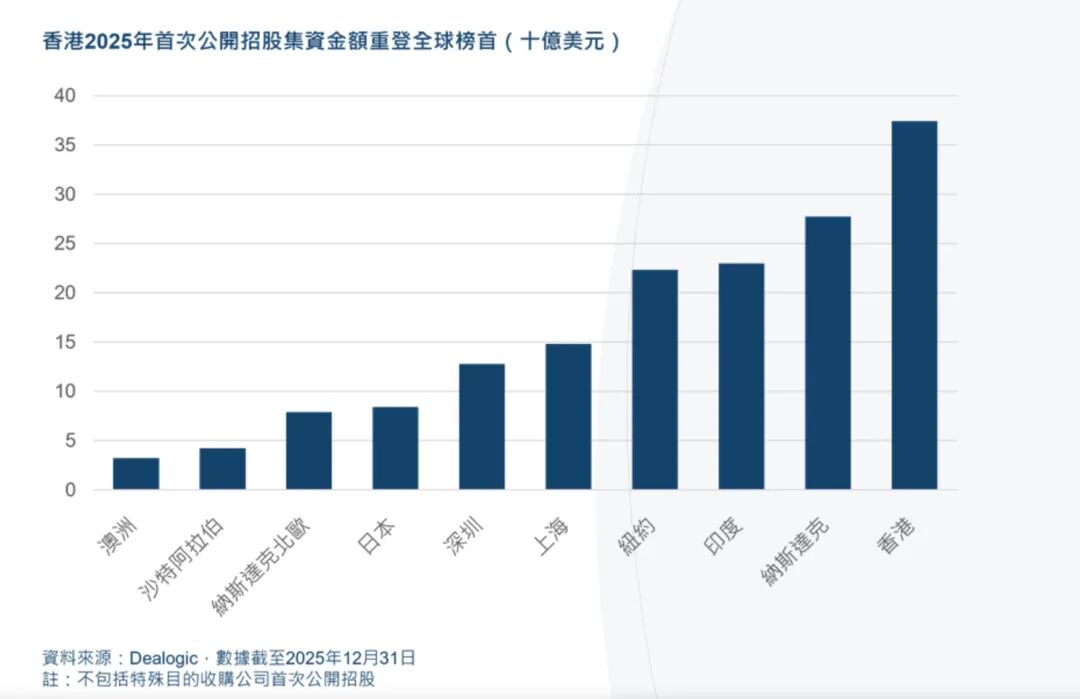
Core Insights - Hong Kong's IPO fundraising reached a record high of $37.4 billion in 2025, surpassing the total of the previous three years combined, marking a return to the top of the global IPO market after four years [1][3] - The surge in IPOs is attributed to explosive growth in listed companies, with 612 applications received and 119 successful listings, a 68% increase year-on-year [3][5] - Key sectors driving this growth include pharmaceuticals and technology, with significant participation from companies already listed on A-shares [3][5] IPO Performance - The top 10 IPOs in Hong Kong raised a total of approximately 142.5 billion HKD, accounting for about 50% of the total fundraising for the year [6][7] - Notable IPOs include CATL, which raised over 41 billion HKD, and Zijin Mining, which raised approximately 28.7 billion HKD [6][7] - The average first-day gain for new listings was significant, with the highest being 363.75% for Nobikang [10][12] Market Trends - The proportion of IPOs with a market capitalization exceeding 10 billion HKD reached 56%, significantly higher than the 30% average over the past five years [5] - The IPO market showed signs of confidence, with a record low first-day failure rate of 28.83% [5] - A total of 19 companies achieved dual listings (A+H), the highest in recent years, primarily in information technology and new consumption sectors [16][18] Industry Highlights - The emergence of "first stocks" in various sectors, such as high-end tea and AI, reflects the market's recognition of leading companies in niche areas [19][20] - The IPO market remains active into 2026, with 21 companies already listed by February, raising a total of 791.17 million HKD, indicating a 1220% increase [29][30] - Predictions for 2026 suggest the potential for 150 to 200 new listings, with fundraising expected to exceed 300 billion HKD, reinforcing Hong Kong's position as a leading global IPO market [29][30]
医药行业专题报告:25Q4持仓调整筑底,2026年医药板块有望迎来修复性机会
Guoxin Securities· 2026-02-14 00:45
Investment Rating - The investment rating for the pharmaceutical and biotechnology sector is "Outperform the Market" (maintained) [2] Core Insights - The pharmaceutical sector underperformed the market in Q4 2025, with the overall sector down by 9.3% compared to a slight decline of 0.2% in the CSI 300 index. Notably, the pharmaceutical commercial segment showed a positive performance with a 5.3% increase, while other segments like medical services and biological products experienced significant declines [4][8] - The total net asset value of pharmaceutical funds decreased to 358.4 billion yuan, a 9.0% decline quarter-on-quarter. This marks the first time since 2019 that passive pharmaceutical funds (181.8 billion yuan) surpassed active funds (176.5 billion yuan) [4][14] - The overall pharmaceutical holdings across all funds dropped to 7.97%, a decrease of 1.71 percentage points. Active pharmaceutical funds maintained a high concentration with a holding ratio of 97.45% [23] Summary by Sections 1. Market Review - In Q4 2025, the pharmaceutical and biotechnology sector lagged behind the CSI 300 index, with a decline of 9.3%. The chemical pharmaceuticals segment fell by 9.6%, biological products by 12.4%, and medical devices by 10.6% [8] 2. Pharmaceutical Fund Size - As of Q4 2025, the net asset value of pharmaceutical funds was 358.4 billion yuan, down 9.0% from the previous quarter. Active funds accounted for 176.5 billion yuan, a 14.6% decrease, while passive funds reached 181.8 billion yuan, down 2.8% [14] 3. Pharmaceutical Holdings Ratio - The pharmaceutical holdings ratio for all funds was 7.97%, down 1.71 percentage points. Active pharmaceutical funds had a holding ratio of 97.08%, while passive funds had 97.83% [23] 4. Holdings Structure Analysis - The highest sub-sector holding in Q4 2025 was chemical preparations at 37.5%, followed by other biological products at 20.8%. The largest increases in holdings were seen in traditional Chinese medicine (+0.98 percentage points) and chemical preparations (+0.62 percentage points) [29] 5. Additions and Reductions in Holdings - The top three pharmaceutical stocks by the number of funds holding them were Heng Rui Medicine (498 funds), WuXi AppTec (408 funds), and Mindray Medical (204 funds). Notably, Heng Rui Medicine saw a reduction of 236 funds, while Ying En Biological-B experienced an increase of 47 funds [84][88]
让患者用上更多新药好药
Xin Hua Ri Bao· 2026-02-13 21:39
Core Insights - The meeting held in Jiangsu aimed to facilitate communication between key hospitals and pharmaceutical companies to accelerate the implementation of innovative drugs and support high-quality development in the pharmaceutical sector [1] Group 1: Innovative Drug Development - Jiangsu's local pharmaceutical companies have consistently ranked first in the number of innovative drugs included in the national medical insurance directory, with 41 drugs expected to be approved by 2025, accounting for over one-third of the national total [1] - Among these, 21 are significant Class 1 innovative drugs, with 18 being original research drugs developed in Jiangsu, highlighting the province's core competitiveness in pharmaceutical innovation [1] Group 2: Economic Impact - The biopharmaceutical industry in Jiangsu has reached nearly 500 billion yuan in output value, maintaining its position as the leading province in the country [2] - The sales revenue of Zhengda Tianqing Pharmaceutical Group reached 22.5 billion yuan last year, contributing 2.18 billion yuan in taxes to Jiangsu [2] Group 3: Policy Support and Market Access - The Jiangsu government is actively creating platforms for communication to eliminate barriers for innovative drugs entering hospitals, which is crucial for enhancing clinical application [4] - By 2025, it is projected that 399 out of 406 national negotiated drugs will be sold and used in designated medical institutions in Jiangsu, with over 80% of the sales amount coming from these institutions [4] Group 4: Future Initiatives - Jiangsu plans to introduce an artificial intelligence application plan for the biopharmaceutical cluster this year, aiming to cultivate 1-2 industry models and gather typical AI-enabled solutions [7] - The province will also implement a budget policy that allows for separate budgeting for innovative drugs included in the national medical insurance directory, alleviating financial concerns for hospitals [7]
瑞银深度调研报告:2026年中国两大产业主线:自主可控与海外扩张
Zhi Tong Cai Jing· 2026-02-13 13:31
Group 1: Core Insights - UBS's in-depth research in China identifies two main industry themes for 2026: self-sufficiency and overseas expansion [1] - The research covered various sectors including technology, industrial, healthcare, consumer, and utilities, visiting over 100 companies and industry experts [1] - The report highlights a shift in investor interest, with capital goods, media entertainment, and real estate development seeing increased research focus, while semiconductor and automotive parts sectors experienced a decline [1] Group 2: Technology Sector Insights - The technology sector is a key focus, with advancements in self-sufficiency moving from isolated breakthroughs to industry-wide collaboration [2] - AI capital expenditure is expected to grow steadily in 2026, driven by strong demand for AI applications and local semiconductor production [3] - Despite uncertainties regarding H200 GPU imports, domestic supply chains are adapting through technology substitution and demand upgrades [3] Group 3: Semiconductor Developments - The localization of China's semiconductor industry is accelerating, with significant progress in advanced etching/ deposition equipment, advanced packaging, and high-end analog chips [4] - Capital expenditure for wafer fabrication equipment (WFE) is projected to grow by 10-15% annually, driven by capacity expansion in advanced logic and memory wafer fabs [4] - Domestic manufacturers anticipate a substantial increase in storage capital expenditure in 2026, aligning with a global upcycle in the storage industry [4] Group 4: Overseas Expansion Trends - Multiple industries, including industrial, biopharmaceuticals, and consumer goods, are focusing on overseas expansion as a key growth strategy [6] - In the industrial sector, overseas orders for AIDC and renewable energy storage equipment are increasing significantly [7] - The healthcare sector is also prioritizing global expansion, with biopharmaceutical companies actively pursuing international collaborations and local sales team development [9] Group 5: Key Recommendations - UBS recommends several core stocks in the technology and semiconductor sectors, including Northern Huachuang (advanced etching/ deposition), Changdian Technology (advanced packaging), and Horizon Robotics (edge AI) [5][12] - In the healthcare sector, companies like WuXi AppTec (CRO/CDMO) and 3SBio (biopharmaceuticals) are highlighted as key beneficiaries of global expansion [12] - The consumer sector sees recommendations for Jason Furniture (overseas expansion) and Leap Motor (new energy vehicles), while Gree Electric Appliances is advised to sell due to margin pressures [12] Group 6: Overall Industry Outlook - The report concludes that China's industrial development in 2026 will be characterized by a dual focus on self-sufficiency in technology and overseas expansion in various sectors [13] - The integration of these two themes is expected to enhance China's economic globalization, with technology supporting overseas expansion and vice versa [13] - Investment opportunities are identified in sectors with low crowding and improving fundamentals, as well as in high-growth areas like AI and semiconductors [13]


