
宝马

Search documents
五一华南新车“放价”,送补贴送保险还0息!有车降7.5万
Nan Fang Du Shi Bao· 2025-05-06 08:26
Group 1: Core Insights - The five-day holiday has led to a surge in car purchases, with local auto shows crowded and various automakers increasing discounts to capture orders [1][2] - GAC Group's brands are heavily promoting during the holiday, offering extensive benefits such as lifetime free charging and maintenance, as well as attractive financing options [2][3] - The second-hand car market is facing increased pressure, prompting more second-hand car dealers to explore new car sales as a potential revenue stream [5][6] Group 2: Promotions and Discounts - GAC Aion is offering significant incentives, including up to 45,000 yuan in trade-in subsidies for certain models, and zero down payment options [3][4] - GAC Honda and GAC Toyota are also providing substantial discounts, with some models offering up to 67,000 yuan in comprehensive benefits during the holiday [3][4] - Chery Automobile is promoting attractive trade-in prices, allowing customers to save up to 40,000 yuan on new purchases [4] Group 3: Second-Hand Car Market Trends - The second-hand car market has seen a notable increase in transaction volume during the holiday, with a 23.6% year-on-year growth in vehicle sales [9] - The transaction value reached approximately 83 million yuan, marking a 28.7% increase compared to the previous year [9] - The market is expected to evolve with trends such as policy-driven growth, technological innovation, and consumer segmentation, particularly in the second-hand electric vehicle segment [10]


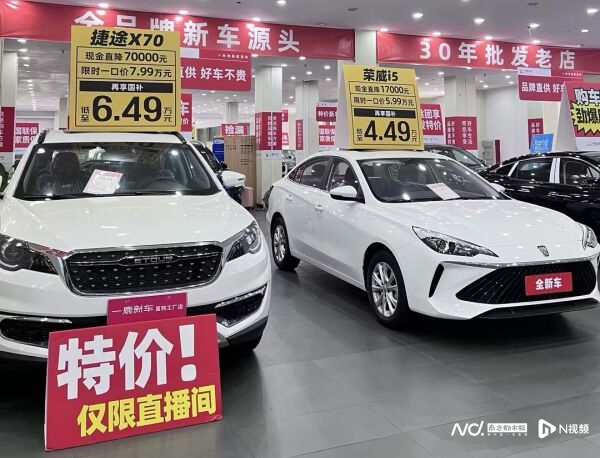
在上海车展找到汽车新消费的密钥
Zhong Guo Qi Che Bao Wang· 2025-05-06 02:26
Group 1 - The 2025 Shanghai International Automobile Exhibition reflects the hot automotive consumption in China, showcasing new technologies and products while highlighting new consumer characteristics such as a shift from "price wars" to "technology wars" [2] - McKinsey's report indicates that consumers are increasingly favoring hybrid and range-extended vehicles due to their convenience and ability to alleviate range anxiety, marking a significant trend in automotive consumption [7][9] - The exhibition emphasizes the importance of "scene-based" applications in creating differentiated products, driven by the rising wave of "technology equality" among consumers [5][11] Group 2 - The theme of the exhibition is centered around intelligent driving, with numerous brands showcasing advanced autonomous driving systems, including BYD's "Heavenly Eye" and NIO's third-generation NAD system [3][4] - Major automotive brands like Volkswagen and Mercedes-Benz presented their latest intelligent connected vehicles, with Volkswagen showcasing over 50 models, including 7 global debuts [3] - The collaboration between Huawei and automakers, such as the launch of the "SAIC尚界" brand, highlights the integration of technology and automotive sectors, aiming for significant market impact [18] Group 3 - The exhibition features a variety of new energy vehicles, with companies like Buick and Chery presenting plug-in hybrid models that combine electric and fuel efficiency [7][12] - Innovations in charging technology were prominent, with BYD's "Megawatt Flash Charge" and Huawei's 1.5MW solution demonstrating significant advancements in charging speed and efficiency [14][15] - The introduction of hydrogen fuel cell vehicles by various manufacturers indicates a growing interest in alternative energy solutions for long-distance travel [15] Group 4 - The event showcased a diverse range of products catering to various consumer needs, from family-oriented vehicles to high-performance luxury cars, reflecting the industry's response to evolving consumer preferences [11][12] - The presence of numerous technology companies at the exhibition underscores the critical role of tech in the automotive ecosystem, with firms like Bosch and Intel highlighting their contributions to automotive intelligence [17][19] - The collaboration between automotive manufacturers and tech companies is seen as a key strategy to meet rapidly changing consumer demands and to lead the automotive market [19]



加速推进本土化,成合资品牌发展新趋势
3 6 Ke· 2025-05-06 00:43
Core Viewpoint - The current situation of joint venture brands in the Chinese automotive market reflects a significant decline in market share, necessitating a strategic shift to regain consumer attention and adapt to evolving market demands [1][6][13]. Market Dynamics - Joint venture brands once dominated the market with a share exceeding 70%, but as of March 2025, their market share has plummeted to below 25% [1]. - New brands like Wenjie and Xiaomi have emerged as the new favorites among consumers, highlighting a shift in consumer preferences and shopping experiences [2][4]. Consumer Experience - The shopping and product experiences have evolved, with new brands offering advanced technology and innovative features that appeal to modern consumers, contrasting with the traditional offerings of joint venture brands [4][6]. - The perception of value has shifted, with consumers increasingly finding joint venture brands less appealing due to outdated features and pricing strategies [6]. Localization and Adaptation - Joint venture brands are now focusing on localized development to better meet the needs of Chinese consumers, as evidenced by new models specifically designed for the Chinese market [7][10]. - Collaborations with local tech companies, such as BMW's partnership with Huawei, are aimed at enhancing digital services and integrating local technology into their offerings [9][12]. Industry Transformation - The automotive industry in China is undergoing a transformation, with joint venture brands transitioning from leaders to followers in the face of rapid advancements in electric and smart vehicle technologies [13]. - The shift towards "China-specific" vehicles is seen as a positive development, as these models are increasingly favored by consumers and reflect the growing capabilities of Chinese automotive manufacturers [6][9].
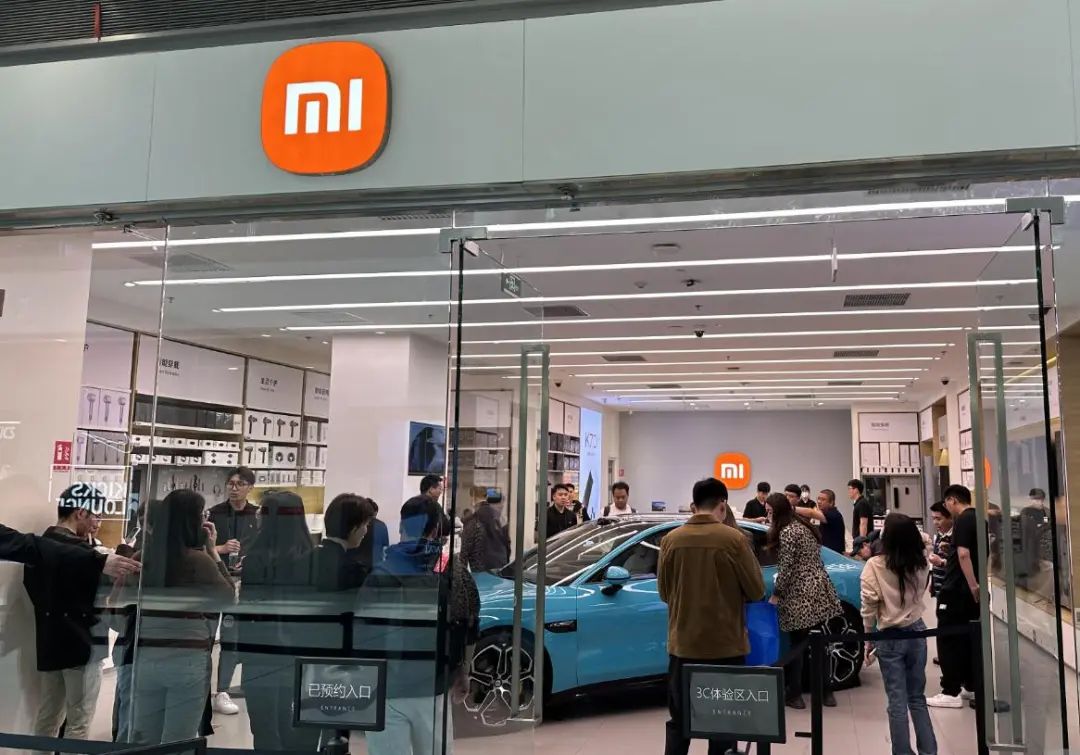
【环球财经】沙特新能源车辆及储能展在利雅得开幕
Xin Hua Cai Jing· 2025-05-05 15:49
Group 1 - The 2025 Saudi Arabia Electric Vehicle and Energy Storage Exhibition (EVS Saudi Arabia 2025) opened in Riyadh, showcasing over 100 exhibitors from various countries, including China, France, Germany, Sweden, and Malaysia, across an exhibition area exceeding 10,000 square meters [1] - Major automotive brands such as Tesla, BMW, Volvo, and local Saudi companies like SASCO and EVIQ participated, highlighting the growing importance of the electric vehicle and energy storage sectors in the region [1] - The exhibition serves as a platform for discussions on future trends in electric vehicles, energy storage technologies, and smart industries, with multiple forums scheduled during the event [1] Group 2 - As part of Saudi Arabia's Vision 2030 strategy, the electric vehicle and energy storage industries are critical for the country's economic transformation and energy structure optimization [2] - The Saudi government aims to significantly increase the domestic electric vehicle market share by 2030 through policy support, infrastructure development, and local R&D initiatives [2] - The Saudi Electric Vehicle Association emphasized the government's commitment to energy transition and the development of a robust charging network to provide greener transportation options [2] Group 3 - The Middle East International Exhibition Group aims to facilitate cooperation between Middle Eastern and global electric vehicle enterprises, positioning the exhibition as a starting point for deep integration of the global EV supply chain with the local market [2] - Several Chinese companies signed strategic cooperation agreements with local Saudi institutions during the exhibition, focusing on electric vehicles, power batteries, and energy storage technologies, laying the groundwork for future technology sharing and market expansion [2]
拓普集团系列四十五-财报点评:盈利短期承压,机器人业务打开全新增量空间【国信汽车】
车中旭霞· 2025-05-05 12:57
Core Viewpoint - Top Group (601689.SH) is experiencing a robust growth trajectory, with a focus on platform-based automotive components and a strategic shift towards robotics, which is expected to drive long-term performance despite short-term sales pressures from key customers [1][5][14]. Financial Performance - In 2024, Top Group achieved revenue of 26.6 billion yuan, a year-on-year increase of 35.0%, and a net profit attributable to shareholders of 3.0 billion yuan, up 38.9% year-on-year [2][7]. - For Q1 2025, the company reported revenue of 5.77 billion yuan, a slight increase of 1.4% year-on-year but a decrease of 20.4% quarter-on-quarter, with net profit of 570 million yuan, down 11.6% year-on-year and 26.2% quarter-on-quarter [2][7][14]. Cost and Margin Analysis - In Q1 2025, the sales, management, and R&D expense ratios were 1.2%, 3.3%, and 5.9%, respectively, showing a mixed trend with R&D expenses increasing due to ongoing investments in new products and technologies [4][14]. - The gross margin for Q1 2025 was 19.9%, reflecting a year-on-year decrease of 2.5 percentage points, attributed to changes in product mix and pricing fluctuations [4][14]. Strategic Initiatives - The company is deepening collaborations with major automotive clients such as Tesla, Geely, and Xiaomi, which is expected to provide stable growth momentum [6][14]. - Top Group is actively expanding its production capacity with ongoing projects in various locations, including Hangzhou and Mexico, to support its growth strategy [6][14]. R&D and Product Development - Top Group has a strong R&D capability, focusing on key products and core technologies, which enhances its efficiency in developing new products [11][12]. - The company is advancing in the robotics sector, with significant progress in actuator development and plans to expand into various robotic components, positioning itself as a platform supplier in this field [12][14].


福达股份(603166):曲轴乘混动车型东风,人形机器人业务蓄势待发
Tianfeng Securities· 2025-05-04 11:38
Investment Rating - The report assigns a "Buy" rating for the company with a target price of 17.64 CNY, based on a 38X PE for 2025 [4][56]. Core Insights - The company is positioned as a leading domestic automotive crankshaft manufacturer, actively expanding into the new energy and humanoid robot sectors [12][2]. - The shift towards hybrid vehicles is reshaping the crankshaft market, creating significant growth opportunities for third-party crankshaft manufacturers like the company [2][31]. - The company has established a dedicated robotics division and is investing in humanoid robot components, leveraging its existing manufacturing capabilities [3][44]. Summary by Sections Company Overview - The company, founded in 1995 and listed in 2014, specializes in the research, production, and sales of automotive crankshafts, precision forgings, new energy electric drive gears, clutches, spiral bevel gears, and high-strength bolts [12][1]. - In 2022, the company expanded into the new energy gear sector and established a new energy electric drive technology company, which commenced production in 2023 [12][1]. Automotive Parts Business - The hybrid vehicle market is expected to significantly increase demand for crankshafts, as traditional automakers are reducing investments in engines, leading to a shift towards outsourcing [2][31]. - The company has established strong partnerships with leading automotive manufacturers, securing over 50% of the crankshaft supply for BYD's hybrid models [32][33]. Robotics Business - The company is developing its own humanoid robot components, including planetary gear reducers, and has formed a joint venture with Changban Technology to enhance its capabilities in this area [3][47]. - The investment in Changban Technology aims to leverage its precision screw and reducer technology, which is critical for humanoid robot joints [48][47]. Financial Projections - Revenue is projected to grow significantly, with estimates of 25.4 billion CNY in 2025, representing a year-over-year increase of 54% [4][52]. - The company anticipates achieving a net profit of 3.0 billion CNY in 2025, with a growth rate of 62% [4][52]. Valuation - The report compares the company to peers such as Shuanghuan Transmission and Haoneng Co., with an average valuation of 38X for 2025 [56][57].

重大突破 这家头部上市胶企锂电硅碳负极材料实现百吨级销售
Sou Hu Cai Jing· 2025-05-04 01:58
Core Insights - Silicon Bao Technology has achieved a significant breakthrough in the lithium battery silicon-carbon anode field, marking its transition from a follower to a leader in high-end new energy materials [1] - The company has completed key milestones from technology research and development to large-scale sales, with cumulative sales reaching a hundred tons in 2024, including a ton-level breakthrough in new silicon-carbon products [1] Industry Overview - Silicon-based anode materials are crucial for supporting strategic emerging industries such as domestic semiconductors, new energy, and advanced equipment manufacturing, making them a focus of national development in new materials [1] - The commercial prospects for silicon-carbon anodes in the high-end battery market are promising, with a projected penetration rate of 20-30% by 2025 and a demand of approximately 200,000 tons per year, translating to a market space exceeding 20 billion yuan [2] Company Development - Silicon Bao Technology's research on silicon-carbon anode materials began in 2016, leading to the establishment of a 50 tons/year pilot production line in 2019, which was recognized as internationally advanced [2][6] - In 2021, the company invested 560 million yuan to establish a wholly-owned subsidiary in Sichuan, aimed at producing 10,000 tons/year of silicon-carbon anode materials and 40,000 tons/year of specialized adhesives [4] Product and Market Expansion - The product line of silicon-carbon anodes covers various types, including sand-milled silicon-carbon and new silicon-carbon products, suitable for liquid, semi-solid, and solid battery systems [6] - The company has received recognition from 19 power battery manufacturers and 7 3C battery manufacturers, achieving order breakthroughs and positive customer feedback [7]

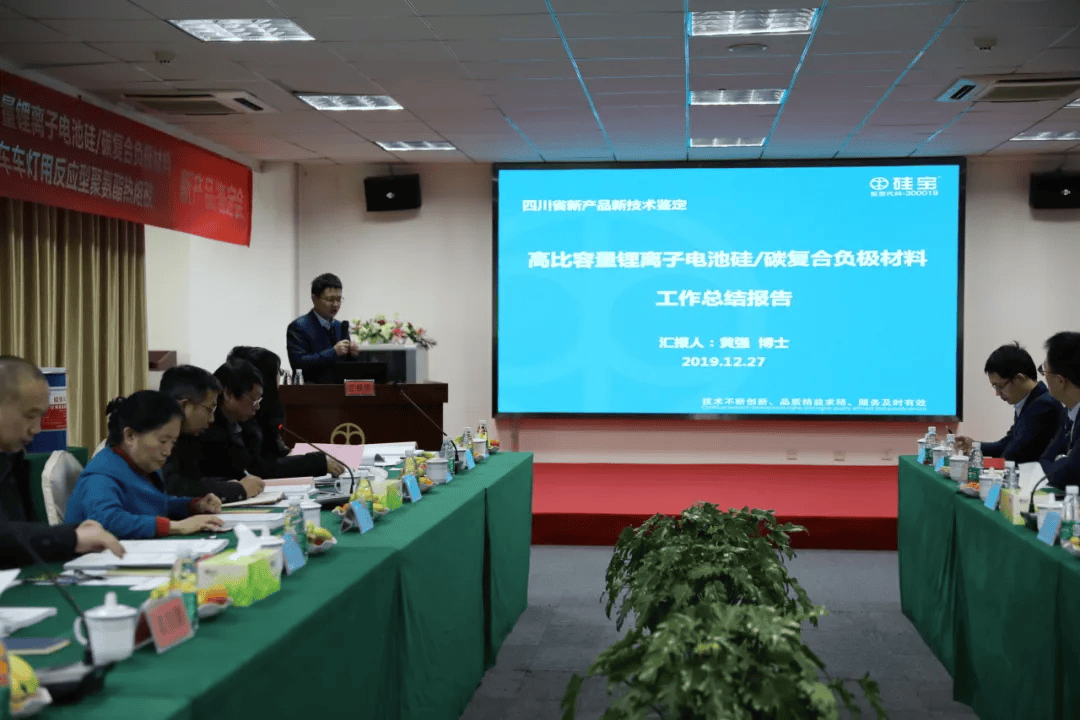
德系豪车求变:“必须研究中国的产品、技术和供应商”
第一财经· 2025-05-02 11:33
Core Insights - The article highlights the increasing urgency among German luxury car manufacturers to adapt to the rapidly evolving Chinese electric vehicle (EV) market, as traditional sales and profits have declined while new competitors gain traction [1][5][10] Group 1: Market Dynamics - The Chinese EV market has grown significantly, now accounting for a substantial share of the overall automotive market, prompting luxury brands to reassess their strategies [1][5] - German luxury carmakers, including Audi, BMW, and Mercedes-Benz, are intensifying their focus on the Chinese market, with executives making multiple visits to engage with local consumers and competitors [2][4] Group 2: Product Strategy - At the Shanghai Auto Show, luxury carmakers unveiled a strong lineup of products tailored for the Chinese market, showcasing advanced technologies and new models [2][5] - Audi has introduced a dual-brand strategy to cater to different consumer segments, while BMW is investing heavily in new platforms and technologies, emphasizing safety and overall optimization rather than just technical specifications [5][7][11] Group 3: Supply Chain and R&D - The article notes a shift in focus towards local Chinese suppliers, as their rapid response and customization capabilities are increasingly recognized as essential for success in the competitive market [9][10] - German automakers are establishing R&D centers in China to enhance local product adaptation and innovation, with a growing emphasis on integrating local technological advancements into their global strategies [11][10]
圆柱电池市场“洗牌”酝酿,场景争夺战打响
高工锂电· 2025-05-02 09:35
Core Viewpoint - The global cylindrical battery market is undergoing a structural transformation driven by technological advancements and increased manufacturing efficiency, leading to a competitive landscape focused on diverse application scenarios [3][26]. Group 1: Industry Events - The 2025 High-Performance Sodium Battery Industry Summit is scheduled for June 9, 2025, in Suzhou, organized by GGII and sponsored by Zhongna Energy [2]. - The 2025 High-Performance Solid-State Battery Technology and Application Summit will take place on June 10, 2025, also in Suzhou, organized by GGII and sponsored by Liyuanheng [2]. Group 2: Market Dynamics - The cylindrical battery market is experiencing a shift, with a decline in shipments for power applications, particularly influenced by changes in Tesla's 21700 model sales, while electric two-wheelers and power tools see significant growth [9][10]. - Chinese companies have increased their share in the global cylindrical battery market to over 40% in 2024, while Japanese and Korean manufacturers have seen a decline in shipments [10][11]. Group 3: Technological Advancements - The adoption of full-tab technology has improved manufacturing control, precision, and yield, enabling large cylindrical batteries to achieve rapid charging capabilities, meeting market demands for ultra-fast charging since 2024 [5][6]. - The cylindrical battery production efficiency is at least 50% higher than that of prismatic or pouch batteries, with leading manufacturers achieving production speeds of over 300 PPM [6][7]. Group 4: Application Trends - Large cylindrical batteries are increasingly being adopted in mid-to-high-end electric vehicles, with BMW confirming their use in next-generation models, marking a significant milestone for this technology [4][6]. - The market for cylindrical batteries is diversifying, with companies like EVE Energy and Tianpeng Power expanding into new markets such as eVTOL and humanoid robots, indicating a competitive landscape focused on specific application scenarios [8][11]. Group 5: Safety and Material Trends - The introduction of lithium iron phosphate (LFP) and lithium manganese iron phosphate (LMFP) chemistries is accelerating in the cylindrical battery market, particularly in small cylindrical batteries, driven by new safety regulations in China [18][20]. - The combination of LFP with large cylindrical batteries is opening new application spaces, especially in cost-sensitive sectors like public transportation and energy storage [21][24]. Group 6: Future Outlook - The competition in the cylindrical battery market is shifting towards specific application scenarios, with companies strategically positioning themselves across various sectors, including electric vehicles, flying vehicles, and energy storage [26]. - The expected shipment scale of large cylindrical batteries in China is projected to exceed 2.5 GWh in 2024, with a forecasted transition from small cylindrical batteries to large cylindrical batteries in the electric two-wheeler market [24].


德系豪车求变:“必须研究中国的产品、技术和供应商”
Di Yi Cai Jing· 2025-05-02 07:42
Core Insights - The German luxury car manufacturers are increasingly focused on the Chinese market, recognizing its rapid growth and the need to adapt to local consumer demands [1][2][4] - The shift towards electric vehicles (EVs) is critical, as traditional sales and profits for brands like Audi, BMW, and Mercedes-Benz have declined, prompting a reevaluation of their strategies in China [1][3][4] Group 1: Market Dynamics - The Chinese electric vehicle market has grown significantly, with EVs now accounting for a substantial portion of total vehicle sales [1] - German luxury brands are facing pressure from new entrants in the market, which are capturing consumer interest with high-end products [1][3] - The competitive landscape is evolving, with traditional luxury brands needing to innovate rapidly to keep pace with local competitors [4][7] Group 2: Strategic Initiatives - German automakers are showcasing new models and technologies specifically designed for the Chinese market, indicating a shift in their product strategies [2][4] - Companies like BMW are investing heavily in new platforms and technologies, including the sixth generation of electric drive technology [4][8] - Audi has introduced a dual-brand strategy to better cater to different consumer segments in China, focusing on both traditional luxury and tech-savvy younger consumers [4][8] Group 3: Collaboration and Local Adaptation - There is a growing emphasis on partnerships with local suppliers and technology firms to enhance responsiveness and innovation [7][8] - German manufacturers are establishing R&D centers in China to localize product development and integrate cutting-edge technologies [8] - The approach to market entry and product development is shifting from a global standard to a more localized strategy, reflecting the unique demands of the Chinese market [7][8]