
奔驰

Search documents
消失的门把手:创新,还是为了不同而不同?
晚点Auto· 2025-05-16 14:27
Core Viewpoint - The article discusses the evolution and challenges of hidden door handles in the automotive industry, highlighting their aesthetic appeal and the associated safety concerns that have led to regulatory scrutiny [3][4][5]. Group 1: Product Innovation and Market Trends - Hidden door handles were initially designed for aesthetics and aerodynamics, becoming more common in mainstream vehicles due to technological advancements and cost reductions [4][5]. - Tesla played a significant role in popularizing hidden door handles with the Model S, which integrated this design to enhance the vehicle's technological appeal and performance [5][6]. - The adoption of hidden door handles has increased, with approximately 60% of the top 100 new energy vehicles in China featuring this design [15]. Group 2: Safety and Regulatory Concerns - Recent issues with hidden door handles include problems such as hand pinching, freezing in winter, and sensor failures, prompting regulatory bodies to intervene [5][6]. - The Ministry of Industry and Information Technology in China proposed new safety standards for automotive door handles, addressing concerns about strength, control logic risks, and emergency escape scenarios [6][15]. - The complexity of hidden door handles increases the potential for failure, especially in emergency situations where traditional mechanical systems may be more reliable [13][15]. Group 3: Cost and Engineering Challenges - The implementation of hidden door handles significantly increases vehicle weight and costs, with estimates suggesting a 7-8 kg increase and BOM costs that can be 4-7 times higher than traditional systems [14][15]. - Some manufacturers are adopting hybrid designs, such as semi-hidden handles, to balance aesthetics and functionality while mitigating risks associated with fully electronic systems [14][15]. - The lack of unified industry standards for hidden door handles raises concerns about safety and reliability, as different manufacturers may have varying levels of quality and emergency features [16][17]. Group 4: Future Developments and Innovations - Suppliers are developing safer hidden door handle solutions, including mechanical systems that do not rely on electrical power, ensuring functionality in emergencies [20][21]. - The automotive industry is urged to prioritize safety and quality over cost-cutting measures, as the current trend of focusing on price may lead to increased risks in product reliability [27].



2025第二十四届青岛国际车展启幕,智领未来出行,激活消费新势能
Xin Lang Cai Jing· 2025-05-16 10:54
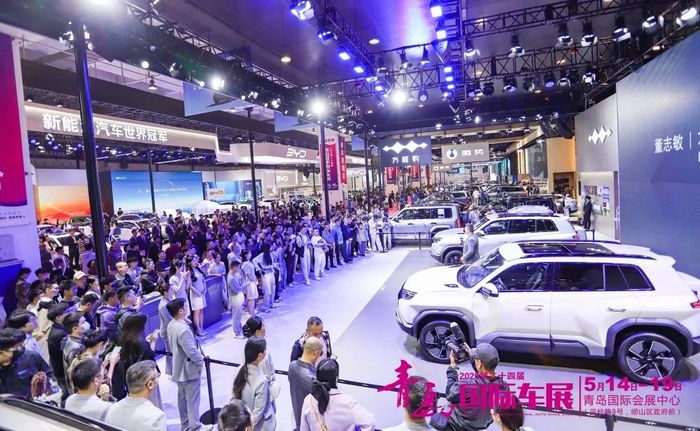
Core Insights - The 2025 Qingdao International Auto Show, themed "Moving Upward, Leading the Future," showcases over 90 global automotive brands and nearly 1,000 models, with more than 60% being new energy vehicles, reflecting the industry's shift towards electrification and smart technology [1][3][9] Industry Trends - The integration of new energy and smart technology is reshaping product forms, consumption patterns, and industry structures, with significant representation from brands like BYD, NIO, and XPeng, marking a notable increase in the scale of new energy vehicle displays [3][4] - The event features 24 press conferences on the opening day, highlighting new models and strategic releases from various brands, indicating a competitive landscape focused on innovation and market presence [3][4] Technological Innovations - The exhibition emphasizes smart technology not only in vehicles but also through AI robots and interactive experiences, enhancing visitor engagement and showcasing advancements in automotive technology [7][9] - Major automakers, including BMW, Mercedes-Benz, and Volkswagen, present multiple electric and hybrid models equipped with advanced driver assistance systems, reflecting the industry's commitment to innovation [5][9] Policy and Market Dynamics - Qingdao's "old-for-new" vehicle replacement policy, combined with first-time car purchase subsidies, has stimulated significant automotive consumption, with reported figures of approximately 5.213 billion yuan in sales and 35,700 vehicles traded in under the program [10] - The ongoing exemption of purchase tax for new energy vehicles until December 31, 2025, further incentivizes consumer adoption, with additional discounts leading to comprehensive savings exceeding 40,000 yuan for certain models [10] Regional Impact - The Qingdao International Auto Show serves as a critical engine for regional consumption and a reflection of China's automotive market transformation, driven by local policy initiatives and national strategic frameworks [9][10] - The event reinforces Qingdao's status as one of China's top five auto shows, showcasing the city's innovative capabilities in artificial intelligence and its role in the automotive industry's evolution [9][11]
泽润新能:乘光伏东风业绩稳增,布局汽车领域开辟全新增长空间
梧桐树下V· 2025-05-16 03:09
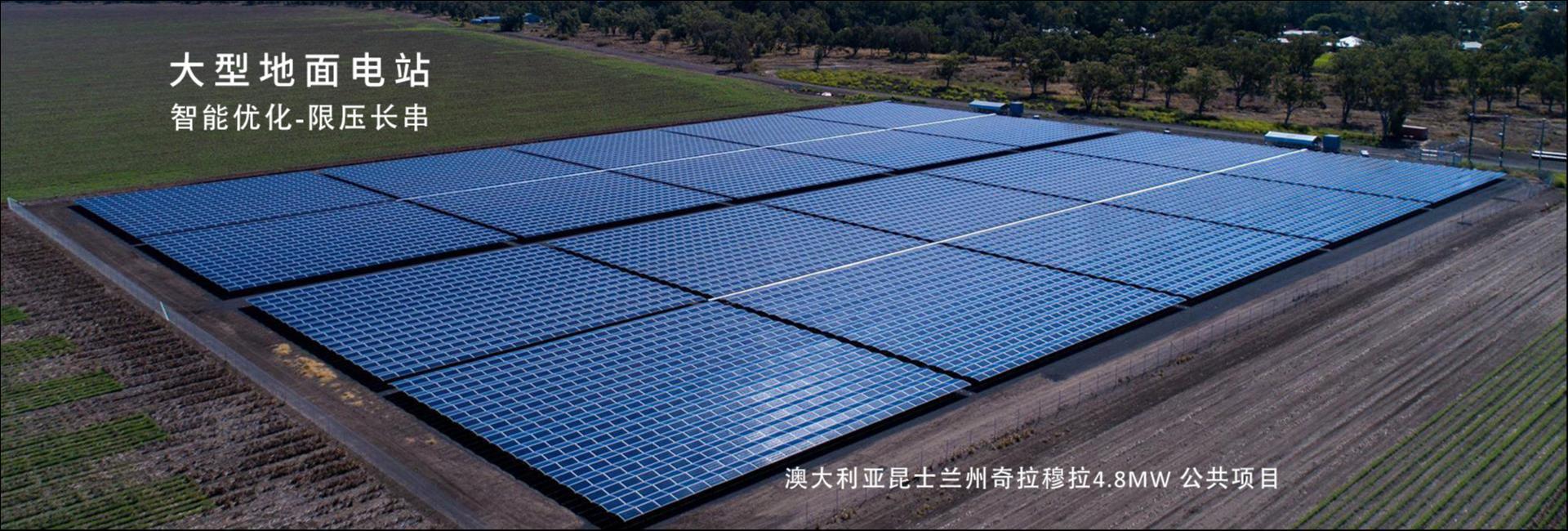
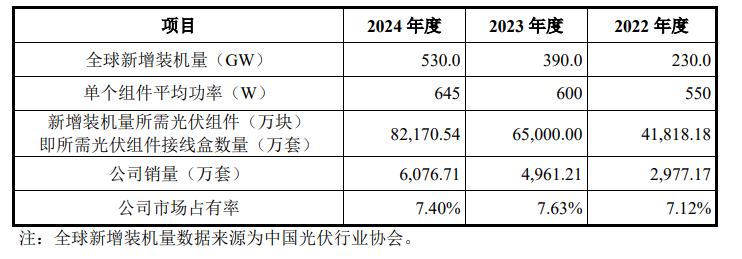
Core Viewpoint - Jiangsu Zerun New Energy Technology Co., Ltd. (stock code: 301636) has officially listed on the Shenzhen Stock Exchange's Growth Enterprise Market, focusing on the photovoltaic junction box sector and expanding into the electric vehicle and energy storage markets. The company raised 528 million yuan through its IPO to enhance production capacity and innovation, aiming to capitalize on carbon neutrality opportunities and initiate a second growth curve [1]. Group 1: Company Overview and Market Position - Zerun New Energy, established in 2009, transitioned to the photovoltaic junction box sector in 2011, seizing global solar industry opportunities. The company emphasizes technological innovation, launching products like the Victor and Z7 junction boxes, solidifying its industry position [2]. - The Z8X junction box features a unique design that optimizes diode heat dissipation, achieving a rated current of 30A, with an upgraded version reaching 35A, becoming the first in the industry to receive TUV Rheinland certification for 35A [2]. - The Z8C junction box innovatively reduces components from three to two, enhancing performance while cutting electrical connection points by over 30%. This product has won multiple awards and established a strong patent portfolio [3]. Group 2: Financial Performance and Growth Metrics - From 2022 to 2024, Zerun's junction box sales surged from 29.77 million units to 60.77 million units, with a compound annual growth rate (CAGR) of 42.87%. Revenue increased from 522 million yuan to 876 million yuan, averaging a growth rate of 29.55%, maintaining a global market share above 7% [3]. - The company's gross margin remained between 23.78% and 26.50% from 2022 to 2024, consistently outperforming the industry average. Net profit attributable to shareholders grew from 86.40 million yuan to 131.32 million yuan, reflecting a CAGR of 23.28% [4]. Group 3: Industry Trends and Opportunities - The global photovoltaic installation is expected to reach 530 GW in 2024, a 35.90% increase year-on-year, with China leading at 277.57 GW, accounting for 52% of the global share. Emerging markets in the Middle East and North Africa are also rapidly developing [5][6]. - The distributed photovoltaic market is becoming a significant growth area, with global distributed installations reaching 43% of total installations in 2023. China's distributed market is particularly strong, with a CAGR of 57.95% from 2019 to 2024 [6]. Group 4: Technological Innovations and Future Prospects - Zerun is a pioneer in smart junction box development, integrating intelligent chips for precise control of photovoltaic components, enhancing efficiency and safety. The ZS and Z8S series have received TUV Rheinland certifications, establishing a technological barrier [7]. - The company plans to expand production capacity for both general and smart junction boxes, addressing increasing demand and optimizing product structure. The new projects aim to add 35 million units of general junction boxes and 1 million units of smart junction boxes annually [8]. - Zerun is also diversifying into the electric vehicle sector, leveraging its expertise in junction box technology to develop auxiliary power supply products. Collaborations with major automotive companies are underway, positioning the company for growth in the electric vehicle market [9].

被异化的汽车“风阻系数”,一场没有裁判的“行业内耗”
Hua Xia Shi Bao· 2025-05-16 02:35
Core Viewpoint - The recent controversies surrounding the wind resistance coefficients of electric vehicles (EVs) highlight the industry's obsession with technical parameters, which have shifted from being a tool for enhancing range to a symbol of brand "technological strength" [2][4][6]. Group 1: Industry Trends - The wind resistance coefficient has become a focal point in the EV industry, with companies like Tesla setting benchmarks that others strive to surpass, leading to a competitive environment where every 0.01Cd reduction is seen as a significant achievement [4][6]. - The lack of stringent national standards in China allows manufacturers to exploit testing conditions, often leading to misleading representations of vehicle performance [4][5]. - The pursuit of lower wind resistance has led to a phenomenon where companies prioritize testing standards over genuine improvements in aerodynamic performance, potentially stifling true innovation in the industry [5][6]. Group 2: Consumer Impact - Misleading marketing practices regarding wind resistance can confuse consumers, leading them to believe that advertised performance aligns with real-world capabilities, which can affect purchasing decisions [5][6]. - The focus on wind resistance has created a disconnect between consumer preferences and vehicle design, with many consumers favoring traditional designs over the increasingly popular aerodynamic shapes [7][8]. Group 3: Design and Innovation - The obsession with achieving lower wind resistance has led to design choices that may compromise user experience, such as reducing cabin space or eliminating practical features [6][8]. - Successful examples in the industry demonstrate that it is possible to balance aesthetics, functionality, and efficiency without solely focusing on wind resistance metrics [7][8].

万亿光伏市场新故事:泽润新能成功登陆A股,募资开辟第二增长曲线
Tai Mei Ti A P P· 2025-05-16 02:26
Core Viewpoint - The photovoltaic industry is experiencing rapid growth, driven by global energy transformation and the "dual carbon" narrative, with Jiangsu Zerun New Energy Technology Co., Ltd. (Zerun New Energy) emerging as a key player in the photovoltaic component junction box market [2][3]. Industry Overview - The global solar photovoltaic installed capacity has been increasing annually since 2019, with an expected addition of 553 GW in 2024 [2]. - The photovoltaic junction box, a critical component of solar power systems, is witnessing strong demand alongside the growth of the photovoltaic industry [2][3]. - China has developed a complete and competitive photovoltaic industry over the past two decades, achieving multiple "global firsts" in materials, technology, and market presence [3]. Company Performance - Zerun New Energy has achieved a compound annual growth rate (CAGR) of 68.70% in revenue from 2021 to 2023 [2]. - The company reported revenues of 297 million yuan, 522 million yuan, 844 million yuan, and 876 million yuan for the years 2021 to 2024, with year-on-year growth rates of 98.53%, 75.92%, 61.77%, and 3.75% respectively [4]. - The net profit attributable to shareholders for the same period was 37.78 million yuan, 86.40 million yuan, 120.15 million yuan, and 131.32 million yuan, with growth rates of 405.39%, 128.67%, 39.06%, and 9.30% respectively [4]. Market Position - Zerun New Energy's market share in the photovoltaic junction box sector is projected to be 7.12%, 7.63%, and 7.40% for the years 2022, 2023, and 2024 respectively, indicating an overall increasing trend [7][8]. - The company has established long-term partnerships with major photovoltaic component manufacturers, securing a procurement share of 40%-80% from key clients [11]. Technological Innovation - Zerun New Energy has consistently focused on research and development, with R&D expenditures increasing from 11.19 million yuan in 2021 to 32.83 million yuan in 2024, representing a CAGR of 43.16% [13]. - The company has introduced several innovative products, including the first TUV Rheinland certified smart junction box in mainland China and the first junction box designed for high-power photovoltaic components [10][11]. Future Growth Strategy - Zerun New Energy plans to raise 720 million yuan through its IPO to enhance production capacity, R&D, and develop auxiliary power battery boxes for electric vehicles [14][16]. - The company aims to expand its production capacity for junction boxes to 35 million units annually and 1 million units for smart junction boxes, significantly increasing its manufacturing scale [15][16]. - The strategic partnership with Camel Group for electric vehicle battery boxes is expected to become a new growth driver for the company [11][16].
泽润新能深交所敲钟上市:深耕光伏细分赛道,开启资本赋能新篇章
Cai Jing Wang· 2025-05-16 01:14
Core Viewpoint - Jiangsu Zerun New Energy Technology Co., Ltd. (Zerun New Energy) officially listed on the ChiNext board, marking a new chapter in its capital market journey, focusing on photovoltaic component junction boxes and related technologies [1] Company Overview - Zerun New Energy, a national-level specialized and innovative "little giant" enterprise, specializes in providing integrated solutions for photovoltaic component junction boxes [1][2] - The company has over 100 patents, showcasing its strong technical capabilities and competitive edge in the market [1] Financial Performance - In 2024, Zerun New Energy achieved a revenue of 876 million yuan and a net profit of 131 million yuan, reflecting significant growth [1] - The company’s revenue from 2022 to 2024 showed a compound annual growth rate (CAGR) of 29.55%, with net profit increasing from 86 million yuan to 131 million yuan during the same period [4] Market Demand and Growth - The global photovoltaic junction box market is projected to reach a sales volume of 1.391 billion USD in 2024, with a compound annual growth rate of 7% from 2025 to 2031 [3] - The demand for photovoltaic junction boxes is expected to rise significantly due to the increasing installation of distributed photovoltaic systems and the growing need for intelligent solutions [2][3] Product and Innovation - Zerun New Energy's photovoltaic junction boxes are critical components that ensure the safe operation of photovoltaic systems, with features like intelligent optimization and monitoring capabilities [2] - The company has invested significantly in R&D, with expenses growing from 19.08 million yuan in 2022 to 32.83 million yuan in 2024, achieving a CAGR of 31.19% [8] Production Capacity and Utilization - The production capacity for photovoltaic junction boxes increased from 29.46 million units in 2022 to 66.59 million units in 2024, with utilization rates remaining high [12][13] - The company’s production and sales rates indicate a strong market demand, with production rates exceeding capacity utilization in previous years [12] Strategic Expansion - Zerun New Energy plans to raise 720 million yuan through its IPO to expand its production capacity for photovoltaic junction boxes and develop auxiliary power battery boxes for electric vehicles [11][16] - The company aims to enhance its market share in the electric vehicle sector by supplying high-quality battery boxes to major automotive manufacturers [15][16] Industry Context - The photovoltaic industry is experiencing unprecedented growth, with global installations projected to reach 530 GW in 2024, driven by a global consensus on renewable energy development [3][11] - China's commitment to increasing the share of non-fossil energy in its power system provides a favorable policy environment for the long-term growth of the photovoltaic sector [11]
前4月熊猫债发行规模达622亿元 展现出全球资本对人民币资产的信心与青睐
Ren Min Ri Bao· 2025-05-15 21:54
熊猫债募集资金用途广泛,既可用于境内项目建设及业务发展,也可用于海外运作。中国债券市场利率 近年来相对较低,熊猫债融资成本优势持续强化,不少发行人将熊猫债作为境外直接获取人民币的重要 融资渠道。与此同时,中国人民银行持续推动优化熊猫债发行管理,在发行机制、信息披露、可持续发 展、资金使用等方面不断为境外发行人提供便利,市场创新持续深化,进一步巩固了熊猫债的吸引力。 本报北京5月15日电 (记者吴秋余)记者从中国人民银行获悉:在有利的政策及市场环境下,熊猫债市 场不断提质扩容,规模屡创新高,展现出全球资本对人民币资产的信心与青睐。2024年,银行间市场熊 猫债年度发行量约1858亿元,市场规模近3000亿元;今年前4月,熊猫债累计发行规模622亿元,继续保 持快速增长势头。 熊猫债是境外机构在中国境内发行的以人民币计价的债券,既是推动我国债券市场开放的重要举措,也 是拓宽人民币跨境融资渠道,助力人民币国际化进程的重要工具。 "中国金融高水平开放不断深化,熊猫债市场创新日益活跃,制度安排愈加国际化,资金使用更加便 利。"中国人民银行行长潘功胜介绍,熊猫债吸引越来越多的国际投资者,反映他们参与中国金融市场 的坚定信 ...
红外热成像:智能汽车的“全天候之眼”
汽车商业评论· 2025-05-15 14:32
Core Viewpoint - Infrared thermal imaging technology is transitioning from a luxury feature in high-end vehicles to a core standard in smart cars, driven by technological advancements, market demand, and industry collaboration [3][20]. Group 1: Technological Breakthroughs and Industry Upgrades - Infrared thermal imaging captures infrared radiation to create temperature distribution images, functioning effectively in extreme conditions unlike traditional cameras [7]. - The development of non-cooled detectors has significantly reduced costs from 600,000 yuan to a few hundred yuan, enabling mass production and improved stability [7][11]. - Companies like Gaode Infrared and Ruichuang Micro-Nano have achieved significant technological advancements, including the production of high-resolution infrared chips and automated production lines [11][12]. Group 2: Application Scenarios and Safety Enhancements - Infrared thermal imaging technology enhances safety in various driving conditions, such as night driving and adverse weather, by detecting living beings and obstacles [13][14]. - The technology is crucial for intelligent driving, providing redundancy in sensor systems and monitoring vehicle health by detecting temperature anomalies in critical components [15][12]. - Smart cabin applications utilize infrared technology to monitor driver behavior and adjust environmental controls for enhanced comfort and safety [15][16]. Group 3: Market Dynamics and Competitive Landscape - The infrared thermal imaging market is shifting from being dominated by international giants like FLIR and Bosch to rapid advancements by Chinese companies [20][22]. - Cost reductions due to technological advancements have increased the penetration of infrared systems in mid-range vehicles, with market share expected to grow significantly [22][23]. - The North American market leads in production and consumption of infrared detectors, while the Chinese market is rapidly expanding [23]. Group 4: Challenges and Future Trends - The technology faces challenges such as performance optimization in extreme weather and the need for standardized testing methods [25][26]. - Future developments will focus on technology integration, cost reduction, and enhanced environmental perception capabilities through multi-spectral sensing [26][27]. - The trend indicates that infrared thermal imaging will become a standard feature in vehicles, redefining automotive safety and functionality [27].

2025年中国混合动力汽车行业产业链、市场规模及发展全景研判:具有环保和经济性方面的双重优势,在汽车行业中极具发展前景[图]
Chan Ye Xin Xi Wang· 2025-05-15 01:39
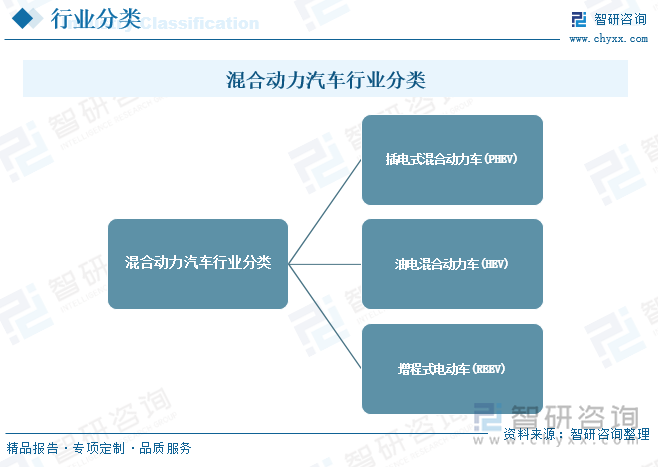
Core Insights - The hybrid electric vehicle (HEV) market is expected to grow significantly, with global sales projected to reach approximately 15.84 million units in 2024, an increase of 2.33 million units from 2023 [1][6] - China is the largest automotive market globally, with the hybrid vehicle market size estimated at around 916.7 billion yuan in 2024, reflecting a growth of 88.07 billion yuan from 2023 [1][8] - Hybrid vehicles serve as a crucial transition from traditional fuel vehicles to fully electric vehicles, benefiting from mature technology and positive consumer reception [1][6] Hybrid Vehicle Industry Definition and Classification - Hybrid electric vehicles (HEVs) combine two different power sources, allowing for flexible adjustments based on driving conditions to optimize performance [2] - The main classifications of hybrid vehicles include plug-in hybrid electric vehicles (PHEVs), conventional hybrid electric vehicles (HEVs), and range-extended electric vehicles (REEVs) [2] Current Industry Status Global Hybrid Vehicle Market - The global hybrid vehicle market is experiencing growth due to increasing environmental concerns and stricter emission regulations, with a projected sales increase of 2.33 million units in 2024 [6] - PHEVs and REEVs are expected to account for approximately 55% of total hybrid vehicle sales, while conventional HEVs will make up about 45% [6] Domestic Hybrid Vehicle Market - In China, hybrid vehicles are gaining traction as a strategic direction for the automotive industry, with a market size of approximately 916.7 billion yuan in 2024 [8] - In the first three quarters of 2024, China's hybrid vehicle sales accounted for 46.9% of global sales, significantly higher than the United States' 14.5% [8] Industry Value Chain - The hybrid vehicle industry value chain includes upstream components such as power batteries, internal combustion engines, chassis, automotive electronics, and downstream services like charging and after-market services [10] - The power battery sector is crucial for plug-in hybrid vehicles, with China's battery installation volume expected to grow from 62.3 GWh in 2019 to 548.4 GWh in 2024 [12] Competitive Landscape - Major global players in the hybrid vehicle market include Toyota, Honda, Ford, BMW, and Mercedes-Benz, while domestic competitors include BYD, Li Auto, SAIC, and Changan [16] - BYD is focusing on technology and innovation, with projected revenues of 777.1 billion yuan in 2024, an increase of 174.79 billion yuan from 2023 [19] - Li Auto is expanding its product line with the launch of the Li L6, targeting the family vehicle market, and is expected to achieve significant sales growth in 2024 [21] Development Trends in Control Strategies - The hybrid vehicle market is evolving rapidly, with increasing consumer preference driven by environmental awareness and rising fuel prices [23] - Countries like the US, Japan, and Germany are advancing hybrid technology, focusing on powertrain matching control and energy recovery strategies [24] - The hybrid vehicle sector is anticipated to play a vital role in achieving energy conservation and emission reduction goals, with a shift towards fully electric vehicles in the public sector [24]


前4个月累计发行622亿元,熊猫债成国际资本“香饽饽”
Di Yi Cai Jing· 2025-05-14 14:25
此后,在一系列政策的积极推动下,市场规模不断扩大。2015年以来,为进一步扩大人民币跨境使用, 推进人民币加入特别提款权货币篮子进程,人民银行会同财政部等相关部门加大熊猫债市场推进力度, 2016年熊猫债年发行规模一举跃升至约1300亿元。 2018年9月,人民银行联合财政部发布《全国银行间债券市场境外机构债券发行管理暂行办法》,为熊 猫债提供了更加透明、稳定的政策环境,此后进入平稳发展阶段。2022年以来,随着市场利率环境的改 变以及熊猫债管理机制的优化,熊猫债市场发展速度加快。2024年,银行间市场熊猫债券年度发行量约 1858亿元,市场规模近3000亿元。今年前4个月,熊猫债累计发行规模622亿元,继续保持快速增长势 头。 如今,熊猫债正在成为国际知名机构的重要人民币融资渠道。近年来,包括亚洲基础设施投资银行 (AIIB)、新开发银行(NDB)、亚洲开发银行(ADB)等国际开发机构,匈牙利、埃及等外国政 府,以及奔驰、宝马、大众、巴斯夫、书赞桉诺等知名跨国公司相继进入熊猫债券市场。熊猫债发行主 体涵盖国际开发机构、外国政府、境外金融机构及非金融企业等各类型机构,区域覆盖亚洲、欧洲、非 洲、北美洲、南美洲 ...