小米

Search documents
9点1氪|香港高等法院驳回宗馥莉上诉申请;京东原副总裁蔡磊发文,确认丧失语言能力;西贝回应“一碗汤换顾客北京一套房”
3 6 Ke· 2025-09-27 01:22
Group 1 - The Hong Kong High Court rejected the appeal from Zong Fuli regarding the inheritance dispute of Wahaha's founder, maintaining the original ruling from August [1][2] - The case involved five grounds for appeal presented by Zong Fuli, all of which were dismissed by the court [2] Group 2 - Xiaomi's legal department reported progress in combating online defamation, having evaluated 16,465 pieces of public sentiment data and filed civil lawsuits against 92 malicious accounts [13] - The company is also assisting car owners who have been victims of online attacks, with 35 lawsuits initiated for their protection [13] Group 3 - The micro-short drama user base in China has reached 696 million, with the market expected to exceed 50 billion yuan this year [6] - The National Development and Reform Commission encourages regions to explore the issuance of "data vouchers" and "algorithm vouchers" to reduce costs associated with data usage [11] Group 4 - Xiaomi's CEO Lei Jun discussed the long and challenging competition with Apple, emphasizing the need to learn from Apple and improve in various aspects [4] - TCL Huaxing announced that it exclusively supplies the main and back screens for Xiaomi 17 Pro and Pro Max models [15]


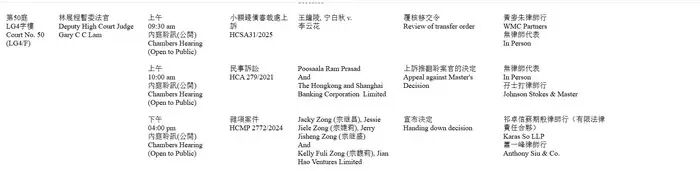
从“永不请代言人”到官宣易烊千玺,理想汽车为何“打脸”?
Hu Xiu· 2025-09-27 01:21
Core Viewpoint - The announcement of Yi Yangqianxi as the brand ambassador for Li Auto marks a significant shift in the company's marketing strategy, moving from a previous stance of not using celebrity endorsements to embracing this classic marketing approach to enhance brand recognition and emotional connection with consumers [1][4][6]. Group 1: Marketing Strategy Shift - Li Auto's founder, Li Xiang, previously stated that car owners are the best ambassadors and that the company would not engage in celebrity endorsements [1][4]. - The automotive marketing landscape is changing, with new energy vehicle brands like Li Auto beginning to adopt celebrity endorsements as a means to differentiate themselves in a market where technical specifications are increasingly homogenized [6][7]. - The choice of Yi Yangqianxi, a popular young actor, aligns with Li Auto's strategy to appeal to younger consumers and families, marking a shift from targeting middle-aged demographics [34][36]. Group 2: Current Challenges and Goals - Li Auto is currently facing challenges in its electric vehicle transition, with recent models like the Li MEGA and Li i8 encountering negative publicity and declining sales [14][18][19]. - The company aims to stabilize monthly sales of its electric models at 18,000 to 20,000 units by the end of the year, with the new Li i6 model expected to contribute significantly to this target [22]. - The marketing push with Yi Yangqianxi is seen as a critical move to counteract previous negative perceptions and boost sales for the newly launched Li i6 [23][24]. Group 3: Financial Implications of Celebrity Endorsement - The cost of hiring Yi Yangqianxi as a brand ambassador is substantial, typically in the tens of millions, but could be justified if it successfully revitalizes sales and brand perception [24][32]. - The effectiveness of celebrity endorsements in driving sales remains uncertain, as consumer purchasing decisions for complex products like cars are influenced by product quality, pricing, and overall value [40][44]. - There are concerns that investing heavily in celebrity endorsements may not yield immediate returns, and some consumers prefer that funds be allocated to vehicle incentives rather than marketing [45][46]. Group 4: Industry Trends - The trend of using celebrity endorsements is becoming more prevalent among new energy vehicle brands, with competitors like NIO and Xpeng also engaging in similar marketing strategies [46][47]. - Li Auto is the first among its peers to officially adopt a celebrity ambassador, while others have utilized "celebrity owners" or "chief experience officers" to promote their brands [47][51]. - The shift towards celebrity endorsements reflects a broader industry trend where brands seek to enhance their appeal to younger consumers and differentiate themselves in a competitive market [70][72].

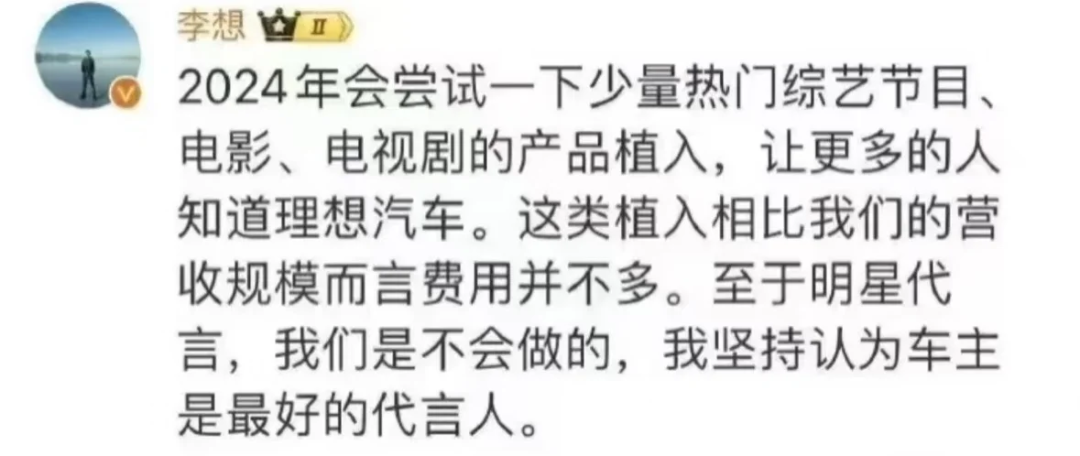
娃哈哈遗产争夺案最新进展:宗馥莉上诉申请被驳回;马斯克称特斯拉将实现“5秒造车”;贪玩游戏向正式员工每人发10克黄金丨邦早报
创业邦· 2025-09-27 00:33
Group 1 - Hong Kong High Court rejected the appeal from Zong Fuli regarding the injunction and disclosure order, but allowed a temporary stay on the disclosure order pending further appeal [1] - The court previously granted a temporary injunction requested by three plaintiffs, prohibiting Zong Fuli and Jianhao Investment Co., Ltd. from withdrawing or mortgaging assets in their HSBC account until the related litigation is resolved [1] - The court also ordered the defendants to fully disclose the flow of funds [1] Group 2 - Tesla's new "True Unboxed Process 2.0" patent aims to significantly reduce production costs and cycle time, potentially allowing a vehicle to be produced every 5 to 10 seconds [5] - Starbucks announced plans to close hundreds of stores in the U.S. and Canada, resulting in a 1% reduction in total store count, and will lay off approximately 900 employees as part of a strategy to revitalize performance [6] - Chinese beverage company Yangyuan Beverage's stock surged following speculation about its investment in the semiconductor sector, although the company clarified that the investment is purely financial and not strategic [10] Group 3 - Meta launched a new AI video generation platform called Vibes, enabling users to create and share AI-generated short videos [16] - Counterpoint reported a 14% year-on-year decline in global VR headset shipments in the first half of 2025, with Meta maintaining a dominant market share of approximately 80% [18] - The average selling price of smartphones is projected to rise from $370 in 2025 to $412 by 2029, driven by trends towards higher-end devices and the adoption of 5G technology [19]
关于未来的汽车,他认为很多人都想错了
Hu Xiu· 2025-09-26 23:05
Core Insights - The core idea of the articles revolves around the innovative approach of Yitu Technology, led by CEO Wu Xiaohang, in developing an AI-native in-car operating system that emphasizes a "No Touch, No APP" interaction model, aiming to redefine user experience in the automotive industry [1][47]. Company Overview - Yitu Technology was founded in June 2023, focusing on integrating large models with automotive applications, a niche that remains largely unexplored in the current market [6][20]. - The company aims to address the challenges of traditional in-car software by leveraging advancements in AI, particularly through the use of large language models [5][17]. Market Context - The automotive industry is experiencing a significant shift towards smart technologies, with many companies entering the market, but Yitu Technology is strategically choosing a less crowded path by focusing on AI-driven solutions [4][25]. - The emergence of Android in the automotive sector has transformed the landscape, leading to a chain reaction affecting various players in the industry, including chip manufacturers and application developers [11][12]. Product Development - Yitu Technology's product strategy involves a phased approach, with a focus on high-frequency needs such as AI-enhanced mapping solutions, which are seen as critical for connecting the physical and virtual worlds [7][59]. - The company emphasizes the importance of user and client pain points in product development, aiming to create solutions that are not only innovative but also practical and user-friendly [46][47]. Future Outlook - Wu Xiaohang predicts that 2027 will be a pivotal year for Yitu Technology, with expectations of significant growth and market impact as the company's strategic initiatives come to fruition [8][78]. - The company is preparing for a competitive landscape, with a focus on maintaining agility and responsiveness to industry changes, particularly in the areas of chips, applications, and software [80][81]. Investment and Funding - Yitu Technology secured its first investment shortly after its establishment, with investors recognizing the potential for significant advancements in the automotive industry's smart technology landscape through the company's unique approach [22][23]. - The company is not pursuing a broad product line but is instead concentrating on core offerings that address essential market needs, which is expected to facilitate sustainable growth [7][59].
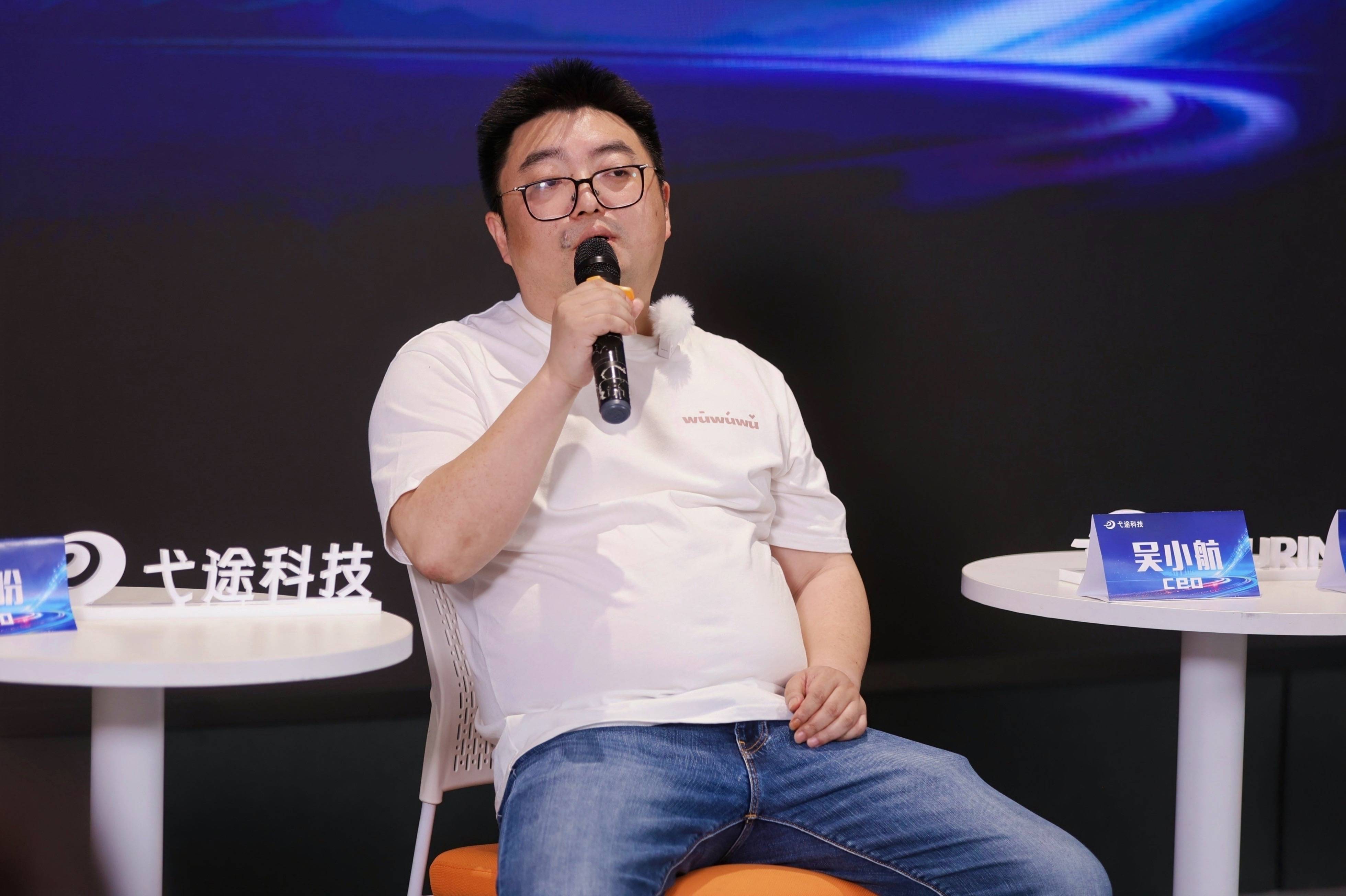
押上10年家底,5年彻底蜕变!雷军亲述玄戒芯片及造车的幕后故事
Sou Hu Cai Jing· 2025-09-26 16:13
Core Insights - The core theme of the event was "Change," highlighting Xiaomi's transformation into a "hardcore technology company" from an "internet company" over the past five years [19][24] - Xiaomi introduced several new products, including the Xiaomi 17 series smartphones, Xiaomi custom services for cars, and various home appliances, showcasing its continuous innovation across mobile, automotive, and technology ecosystems [3][5] Product Launches - The Xiaomi 17 series includes the standard version starting at 4,499 yuan, the Pro version at 4,999 yuan, and the Pro Max starting at 5,999 yuan, with pre-sales beginning on September 27 [5] - The new "Xiaomi Custom Service" for cars starts at 100,000 yuan, offering 26 customizable options, with a limited availability of 40 units per month [5][16] - Other products launched include the Xiaomi Pad 8 series starting at 2,199 yuan, the Mi Home washing machine Pro starting at 3,999 yuan, and the Mi TV S Pro Mini LED 2026 starting at 5,199 yuan [5][18] Technological Innovations - The Xiaomi 17 series features the "Miao Enjoy Back Screen" innovation, which redefines smartphone interaction and enhances user experience with personalized features [6][9] - The series is powered by the fifth-generation Snapdragon 8 processor, utilizing a 3nm process, with CPU performance comparable to A19 Pro and a 34.6% GPU improvement [6][8] - The battery technology in the Xiaomi 17 series includes a high silicon content of 16% and an energy density of up to 894Wh/L, with the Pro series utilizing a unique L-shaped battery design [11] Strategic Direction - Xiaomi aims to compete directly with Apple, marking a significant strategic shift with the Xiaomi 17 series as a starting point for the next five years of high-end market penetration [13][24] - The company has committed to investing 100 billion yuan in core technology research and development over the next five years, reflecting its focus on technological advancement [19][21] - Xiaomi's automotive division has seen significant success, with the Xiaomi YU7 SUV achieving over 400,000 orders within 18 hours of its launch and a delivery volume exceeding 40,000 units since July [14][16] Market Positioning - Xiaomi's high-end products have gained substantial market traction, with the smartphone business leading in the 4,000 to 5,000 yuan price range and making strides in the 6,000+ yuan segment [24] - The company has also seen a 66.2% year-on-year revenue growth in its technology home appliance sector, indicating a strong performance across its product lines [24]
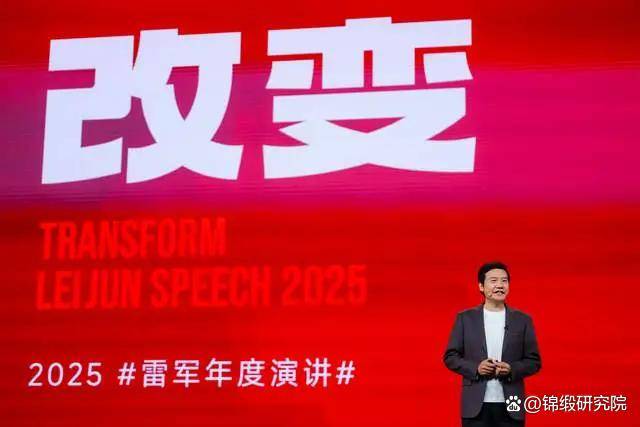
劳斯莱斯同款服务,仅需10万元!小米汽车变“尊”了?
电动车公社· 2025-09-26 16:13
Core Viewpoint - Xiaomi is shifting its automotive strategy towards customization, aiming to provide a luxury experience at a more accessible price point, with a focus on individual preferences and personalization in vehicle design [3][7][43]. Group 1: Customization Strategy - Xiaomi's automotive customization project includes options for exterior paint, logos, decals, brake calipers, wheels, and interior features such as seat colors and materials [9][11][14]. - The initial phase offers over 20 personalized options, including five unique paint colors and various interior customization choices [11][36]. - The company plans to collaborate with top paint suppliers to introduce 100 new paint options within three years, indicating a strong commitment to customization [14][15]. Group 2: Market Positioning - Xiaomi's customization service is positioned to compete with luxury brands like Porsche and Rolls-Royce, offering a range of options at a relatively lower price point [38][43]. - The pricing strategy for customization is designed to be more accessible compared to traditional luxury brands, potentially attracting a broader customer base [43][44]. Group 3: Financial Implications - The revenue potential from the customization service is estimated at around 50 million annually, which is minimal compared to Xiaomi's overall automotive revenue targets [68][69]. - The company is investing significantly in a dedicated customization service center, indicating that the focus is on long-term brand positioning rather than immediate profit [70][73]. Group 4: Challenges and Considerations - The customization service has a minimum spending requirement of 100,000 yuan, which may limit accessibility for some customers [46][49]. - There are operational challenges associated with customization, including increased production costs and the need for a sophisticated supply chain management system [81][90]. - The success of this initiative will depend on Xiaomi's ability to scale production and manage the complexities of offering a wide range of customization options [92][93]. Group 5: Industry Trends - The demand for personalized vehicles is growing, particularly among younger consumers, indicating a shift in consumer preferences towards individuality in automotive design [95][96]. - Xiaomi's approach may influence the broader automotive industry to transition from a manufacturer-defined product model to a user-defined product model, enhancing customer engagement [99][100].
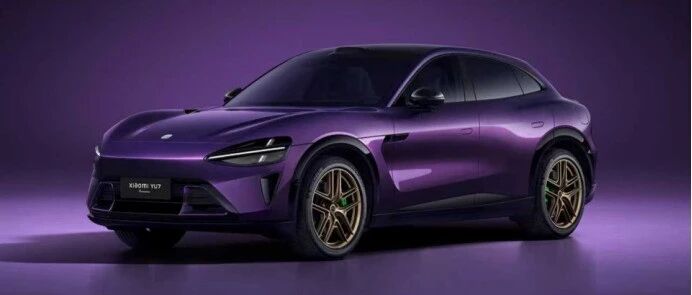
“不走低价路线”!理想i6售价24.98万元,“标配即顶配”!李想:希望它成为五座SUV的“第三种选择”
Mei Ri Jing Ji Xin Wen· 2025-09-26 14:51
Core Viewpoint - The launch of the Li Auto i6 marks a strategic shift for the company, focusing on a younger demographic and emphasizing self-expression through the vehicle, rather than the previous family-oriented approach [1][3]. Pricing and Product Features - The Li Auto i6 is positioned as the most affordable electric model from the company, priced at 249,800 yuan, utilizing cost-effective lithium iron phosphate batteries to achieve this price point [2][6]. - The vehicle boasts a CLTC range of 720 kilometers and can achieve 500 kilometers of range with just 10 minutes of fast charging, highlighting advancements in battery technology [2][6]. - The i6 comes standard with the AD Max assisted driving feature, which will not incur additional usage fees, aiming to enhance its competitive edge in the market [2][3]. Market Position and Competition - The i6 is expected to compete directly with Tesla's Model Y and Xiaomi's YU7 in the same price segment, with advantages in space, fast charging, and intelligent driving features [5][9]. - The company aims for monthly sales of 9,000 to 10,000 units for the i6, contributing to an overall target of 18,000 to 20,000 units per month for its electric vehicle lineup [7][10]. Strategic Direction - Li Auto is reducing the number of configurations for its vehicles, focusing on maximizing the product's value and performance with a single configuration for the i6 [6][10]. - The company is also enhancing its marketing strategy by employing a brand ambassador to broaden the vehicle's appeal and improve customer engagement [9]. Internal Challenges - Li Auto faces challenges with declining sales of its existing models, particularly the L series, which necessitates a timely upgrade to maintain market share [10][11]. - The company is under pressure to rebuild market confidence in its future vehicle cycles while balancing its dual-track strategy of electric and range-extended vehicles [11].

融资涨股价不涨!资金开始偷偷减仓通信了
Sou Hu Cai Jing· 2025-09-26 13:44
Core Viewpoint - The skepticism surrounding the future profitability of Zhongji Xuchuang has led to a mixed market response, with recent stock price movements indicating a lack of confidence despite increased financing activity [1][2][3]. Financing Activity - In August, Zhongji Xuchuang experienced a significant increase in net financing purchases, which was a key driver for its stock price rise. However, in September, while financing continued to grow, the stock price stagnated, suggesting that selling pressure has emerged [5][6]. - The net financing purchases for Zhongji Xuchuang showed fluctuations, with notable figures such as a net purchase of 371,977.60 thousand yuan on September 5, followed by a decline in net purchases in subsequent weeks [6]. Market Sentiment - The stock price of Zhongji Xuchuang has only increased by 1.65% over the past month, which is negligible given its typical volatility of around 5% [3]. - The commentary from analysts and market participants reflects a divided sentiment, with some urging caution regarding the sustainability of profit margins in the face of future capacity expansions [1][3]. Broader Industry Context - Other companies in similar sectors, such as Xinyi Technology and Shenghong Technology, have also seen increased financing but have struggled to maintain upward stock momentum, indicating a potential trend across the industry [5][7]. - The overall market has accumulated a significant amount of speculative financing, particularly in sectors like telecommunications and AI, which could pose risks if market conditions shift [10].
理想i6上市限时23.98万元,李想:希望i6、小米YU7、特斯拉Model Y形成“67Y”
Xin Lang Cai Jing· 2025-09-26 13:16
李想提到,目前来看虽然公司为理想i6准备了充足产能,但依旧可能出现供不应求的状况。 9月26日,理想汽车发布新款车型理想i6,官方售价为24.98万元,限时优惠1万元,并将于9月27日起正 式开启交付。 理想汽车CEO李想在发布会上表示,奔驰GLC、宝马X3、奥迪Q5是传统汽车市场中高端五座两排SUV 前三强,希望未来理想i6、小米YU7、特斯拉Model Y能够形成"67Y",替代"35C"的市场地位。9月25日 晚间,雷军也在其年度演讲中推荐了特斯拉Model Y和理想i6。 ...
“不走低价路线”,理想i6售价24.98万元,李想:希望它成为五座SUV的“第三种选择”
3 6 Ke· 2025-09-26 12:49
Core Insights - The launch of the Li Auto i6 marks a strategic shift for the company, focusing on a younger demographic and emphasizing self-expression through the vehicle [1][3] - The i6 is positioned as the most affordable electric model from Li Auto, utilizing cost-effective lithium iron phosphate batteries to achieve a starting price below 250,000 yuan [2][5] - The company aims for monthly sales of 9,000 to 10,000 units for the i6, which is crucial for boosting overall sales performance amid increasing competition in the electric vehicle market [6][8] Pricing and Positioning - The Li Auto i6 is priced at 249,800 yuan, making it the lowest-priced electric vehicle in the company's lineup [2] - The vehicle's design and features are tailored for young consumers, moving away from the previous family-oriented branding [1][3] - The i6 is equipped with advanced features such as the AD Max assisted driving system, which is offered at no additional cost [2][3] Competitive Landscape - The i6 faces strong competition from models like the Tesla Model Y and Xiaomi YU7, which dominate the same price segment [5][7] - The market for electric SUVs priced between 200,000 and 300,000 yuan is highly competitive, with numerous brands vying for market share [7] - Li Auto's strategy includes reducing the number of configurations to enhance product strength and value [5] Sales Strategy and Goals - The company has set ambitious sales targets for the i6, aiming for a total of 18,000 to 20,000 units per month across its electric models [6] - Preparations for the i6 launch included improved test drive availability and a marketing strategy leveraging a brand ambassador to enhance visibility [6] - The company is focused on maintaining product strategy while rebuilding market confidence in its future vehicle cycles [8]