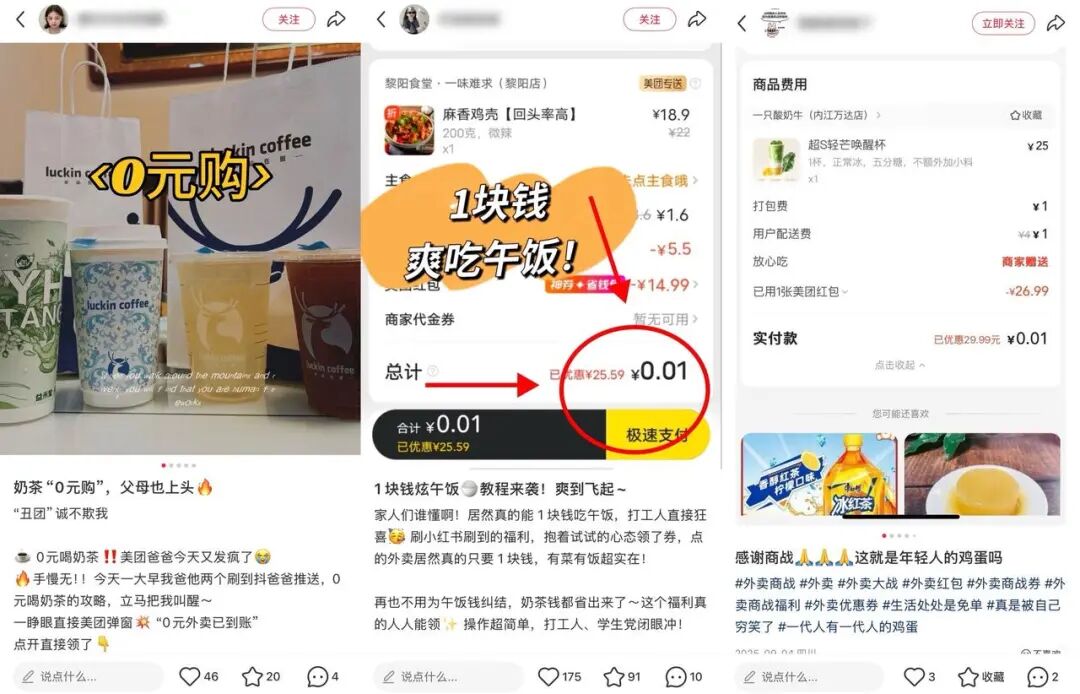
瑞幸咖啡

Search documents
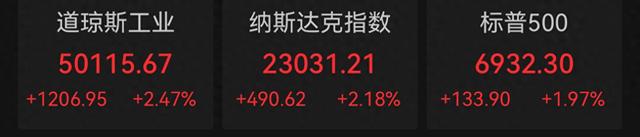
道指收盘首次站上5万点,英伟达大涨近8%,芯片股集体反弹,金龙指数涨3.7%
Di Yi Cai Jing· 2026-02-07 00:24
Core Viewpoint - The U.S. stock market experienced a strong rebound, with the Dow Jones Industrial Average surpassing 50,000 points for the first time, driven by gains in financial and cyclical stocks [1][2]. Market Performance - The Dow Jones Industrial Average closed up 2.47% at 50,115.67 points, marking a historic high; the S&P 500 rose 1.97% to 6,932.30 points; and the Nasdaq Composite increased by 2.18% to 23,031.21 points [1]. - The Russell 2000 index, which reflects small-cap stocks, surged by 3.6% [1]. - The S&P 500 index saw 9 out of its 11 sectors rise, with the Information Technology sector leading with a 4.1% increase [2]. Sector Highlights - The Energy, Industrial, and Consumer Staples sectors reached new historical highs, with the S&P 500 Energy Index also setting a record [2]. - Chip stocks collectively strengthened, with Nvidia rebounding by 7.87% after a previous decline, and other semiconductor companies like AMD and Broadcom also showing significant gains [3][4]. Notable Stock Movements - Nvidia's stock rose significantly after a five-day decline, while Amazon's stock fell by 5.6% due to concerns over a projected 50% increase in capital expenditures [3][4]. - Other major tech stocks like Tesla and Microsoft also saw gains, while Google and Meta experienced declines [3][4]. Broader Market Trends - The market breadth improved as funds shifted from previously high-performing tech stocks to underperforming sectors [6]. - Caterpillar was a key driver in the Dow's performance, with its stock up over 26% year-to-date, benefiting from expectations of lower borrowing costs and fiscal stimulus [6][7]. Economic Indicators - Over 80% of S&P 500 companies that reported quarterly earnings exceeded analyst expectations, indicating strong corporate performance [7]. - The upcoming non-farm payroll report is anticipated to show an increase of approximately 70,000 jobs, with the unemployment rate expected to remain at 4.4% [7].


港股行业点评报告:大厂抢滩构建AI生态,流量+技术+场景多维驱动便利生活渗透,外卖、配送有望充分受益
KAIYUAN SECURITIES· 2026-02-06 14:31
2026 年 02 月 06 日 投资评级:看好(首次) 行业走势图 数据来源:聚源 -10% 0% 10% 19% 29% 38% 2025-02 2025-06 2025-10 恒生指数 本地生活服务Ⅱ 本地生活服务Ⅱ 相关研究报告 大厂抢滩构建 AI 生态,流量+技术+场景多维驱动便 利生活渗透,外卖&配送有望充分受益 ——港股行业点评报告 | 初敏(分析师) | 李睿娴(分析师) | 荀月(分析师) | | --- | --- | --- | | chumin@kysec.cn | liruixian@kysec.cn | xunyue@kysec.cn | | 证书编号:S0790522080008 | 证书编号:S0790525020004 | 证书编号:S0790524110001 | 阿里千问推出 30 亿春节活动,有望带动闪购单量增长 事件:阿里千问推出 30 亿春节活动,(1)20 亿免单卡,2 月 6 日-2 月 12 日阿 里千问联合淘宝闪购、飞猪、大麦、盒马、天猫超市、支付宝等阿里生态业务, 用户最多可领取 21 张无门槛 25 元免单卡,用于全国 30 多万家奶茶店、餐厅、 超市等 ...
库迪全场9.9元提前结束,原因找到了
21世纪经济报道· 2026-02-06 14:01
记者丨贺泓源 徐鸿儒 编辑丨陶力 打响咖啡9块9战争的库迪提前收兵了。 从2026年2月1日开始,库迪咖啡仅在特价专区保留3—7款产品延续该低价,其余产品恢复11.9 —16.9元的常规售价,部分核心单品涨幅30%—60%,例如咸法酪香草拿铁从9.9元升至15.9 元。 为何结束? 客观上,此次库迪收兵远早于预期。 在2024年5月24日,库迪宣布了一项为期三年的促销活动,即"全场9.9元促销"。 甚至,库迪在9.9元战争中如鱼得水。库迪咖啡首席策略官李颖波告诉21世纪经济报道记者, 从2024年5月份开始,库迪公司已经实现盈利。 基于全产业链的降本,叠加低价原奶,库迪咖啡在保证产品质量基础上,成本被压得很低。乃 至,库迪杯套都是自己做,曾经的天然糖浆价格由上百元跌至个位数。 同时,库迪还调整了其他配套活动。譬如,新店首月券从6.9元涨至8.8元,邀新奖励中的新用 户礼券从8.8元提至9.9元,仅保留外卖平台补贴联动。 对此,库迪向21世纪经济报道记者确认,部分产品延续特价9.9元不限量,全线产品持续参与 外卖平台各类补贴活动。 需要注意的是,这一步是不容易的。 据21世纪经济报道记者了解,曾经在9.9元战争 ...
爆单排队!喜茶二手周边爆炒至50元
2 1 Shi Ji Jing Ji Bao Dao· 2026-02-06 13:38
5小时500万单,全国多地奶茶店紧急闭店!喜茶爆单 2月6日,千问App正式启动"春节30亿免单"活动。随着首轮"请喝奶茶"福利上线,全国多地奶茶店出现订单激增、排队爆单的现象。据@千问 发布消息: 活动上线5小时下单超过500万单。据极目新闻,全国多地的奶茶门店爆单,有的门店甚至排到了1400多杯。 2月6日千问App发放奶茶免单卡,用户仅凭1分钱即可点单奶茶,彻底燃爆消费市场,多家奶茶店单量暴涨10倍,紧急临时闭店。2月6日下午,21世纪经 济报道记者线下实探发现,喜茶有门店出现爆单排队的火爆场面,骑手扎堆排队取餐。 不仅奶茶火了,奶茶的周边产品也大热,21世纪经济报道记者发现,在二手平台上,一些奶茶周边甚至还要加价买,比如喜茶的一款手账本周边,在闲鱼 上二手价已超50元。 图片来自社交平台 2月6日,21世纪经济报道记者线下实探发现,喜茶门店爆单排队。 喜茶曾多次大搞联名活动引发排队抢购 "为了周边,半个月买了18杯奶茶""如何处理为了周边多买的饮品"……在社交平台上,不乏上述这样的情况。 年轻人到奶茶店抢年货了 今年,接棒成为"年货主理人"的90后、00后们,选择去奶茶店抢年货了。春节前夕,蜜雪冰城" ...
库迪挥别全场9块9,咖啡市场“走出”野蛮生长
2 1 Shi Ji Jing Ji Bao Dao· 2026-02-06 13:27
Core Viewpoint - Kudi Coffee is ending its "all products at 9.9 yuan" promotion earlier than expected, indicating a shift in the coffee market towards a more stable and conventional industry rather than aggressive price wars [1][4][21] Pricing Strategy - Starting February 1, 2026, Kudi will maintain 3-7 products at the promotional price of 9.9 yuan, while other products will revert to regular prices ranging from 11.9 to 16.9 yuan, with some core items seeing price increases of 30% to 60% [1][4] - The new store opening coupon has increased from 6.9 yuan to 8.8 yuan, and the new user reward coupon has risen from 8.8 yuan to 9.9 yuan, while continuing to participate in various subsidies on delivery platforms [1][4] Market Context - Kudi's decision to withdraw from the 9.9 yuan promotion reflects a broader trend in the coffee market, moving away from aggressive competition and towards sustainable growth [1][21] - The external environment has changed, with regulatory bodies intervening in the delivery market to ensure fair competition, which may have influenced Kudi's pricing strategy [8][10] Financial Performance - Kudi Coffee achieved profitability starting in May 2024, aided by cost reductions across the supply chain and low-priced raw materials [4][6] - Despite the end of the 9.9 yuan promotion, Kudi reportedly does not face immediate profitability pressures, making the decision to adjust prices seem sudden [4][12] Competitive Landscape - Kudi's total store count stands at 18,000, which is below initial projections, indicating potential growth challenges [13] - The entry of new low-priced competitors has further compressed margins, contrasting with earlier years when competition was primarily with Luckin Coffee [13][16] Strategic Shift - Kudi's move away from the 9.9 yuan pricing strategy suggests a transition towards a focus on profitability rather than just growth, allowing for greater pricing flexibility and improved cash flow [14][17] - The company appears to be prioritizing collaboration with delivery platforms rather than developing its own direct sales channels [16][17]

库迪挥别全场9块9,咖啡市场“走出”野蛮生长丨小贺说
2 1 Shi Ji Jing Ji Bao Dao· 2026-02-06 13:15
Core Viewpoint - Kudi Coffee is ending its "all products at 9.9 yuan" promotion earlier than expected, indicating a shift in the coffee market towards a more stable and conventional industry environment [3][13]. Pricing Strategy - Starting February 1, 2026, Kudi will retain only 3-7 products at the promotional price of 9.9 yuan, while other products will revert to regular prices ranging from 11.9 to 16.9 yuan, with some core items seeing price increases of 30% to 60% [1][4]. - The new store opening coupon has increased from 6.9 yuan to 8.8 yuan, and the new user reward coupon has risen from 8.8 yuan to 9.9 yuan, with only delivery platform subsidies remaining [1]. Market Context - Kudi's decision to withdraw from the 9.9 yuan pricing strategy reflects a broader trend in the coffee market, moving away from aggressive growth tactics [1][13]. - The coffee market is experiencing a cooling period, with external pressures from regulatory bodies on delivery platforms to ensure fair competition [5][11]. Financial Performance - Kudi Coffee achieved profitability starting in May 2024, aided by cost reductions across the supply chain and low-priced raw materials [4]. - Despite the end of the 9.9 yuan promotion, Kudi reportedly does not face immediate profitability pressures, making the decision to adjust prices somewhat unexpected [4][6]. Competitive Landscape - Kudi's total store count stands at 18,000, which is below initial projections, and franchisees are experiencing longer payback periods [7]. - The entry of new low-priced competitors has significantly compressed profit margins, contrasting with previous years when competition was primarily with Luckin Coffee [7][9]. Consumer Behavior - Despite the price adjustments, Kudi's stores remain busy, indicating that customer traffic is still strong, particularly through delivery platforms [10]. - Franchisees suggest that actual customer spending may not increase due to the continued dominance of delivery platforms in sales [10][11]. Strategic Shift - Kudi's move away from the 9.9 yuan pricing strategy may signify a transition towards a focus on profitability rather than aggressive growth [8][11]. - The company is likely to prioritize flexible cash flow and pricing autonomy, moving away from reliance on self-owned channels for sales [11].


对话可隆 CEO 丁思榕:在高度内卷市场,做一个克制的品牌
晚点LatePost· 2026-02-06 09:32
Core Viewpoint - KOLON has successfully repositioned itself as a leading outdoor brand in China, focusing on professional outdoor products while maintaining a balance between functionality and design [5][7][19]. Brand Development - KOLON has rapidly grown since being acquired by ANTA Group, surpassing initial expectations and becoming the official partner of the Chinese National Climbing Team [3][10]. - The brand's new flagship store, "KOLON ATLAS," opened in a prime location in Beijing, indicating a shift towards high-end retail [3][15]. Strategic Focus - The CEO emphasizes the importance of long-term brand value over short-term sales, advocating for a return to the brand's core identity as a professional outdoor brand [5][6]. - KOLON has shifted its product focus back to core outdoor activities like hiking and camping, moving away from previous attempts to enter the fashion market [7][19]. Market Positioning - KOLON positions itself in the upper right quadrant of the outdoor brand spectrum, balancing professional performance with design appeal, distinguishing itself from both mass-market and extreme outdoor brands [7][19]. - The brand has strategically relocated stores to high-traffic shopping areas and streamlined its product lines to enhance brand identity [7][15]. Product Strategy - KOLON has developed products tailored to the needs of Asian consumers, focusing on fit, comfort, and practicality, while maintaining professional standards [11][21]. - The brand has introduced a new line, "K:," aimed at innovation and maintaining freshness in its offerings, while ensuring that new products align with brand values [12][24]. Community Engagement - KOLON has invested in community operations, organizing outdoor activities to foster a connection with consumers and promote a sustainable lifestyle [13][26]. - The brand's marketing strategy includes storytelling through advertisements that resonate with consumers' emotional needs rather than focusing solely on product features [16][27]. Future Outlook - KOLON aims for steady growth rather than aggressive expansion, maintaining a focus on brand quality and consumer experience [25][26]. - The company is committed to a sustainable approach, balancing product innovation with a clear understanding of consumer demands in the outdoor market [21][24].

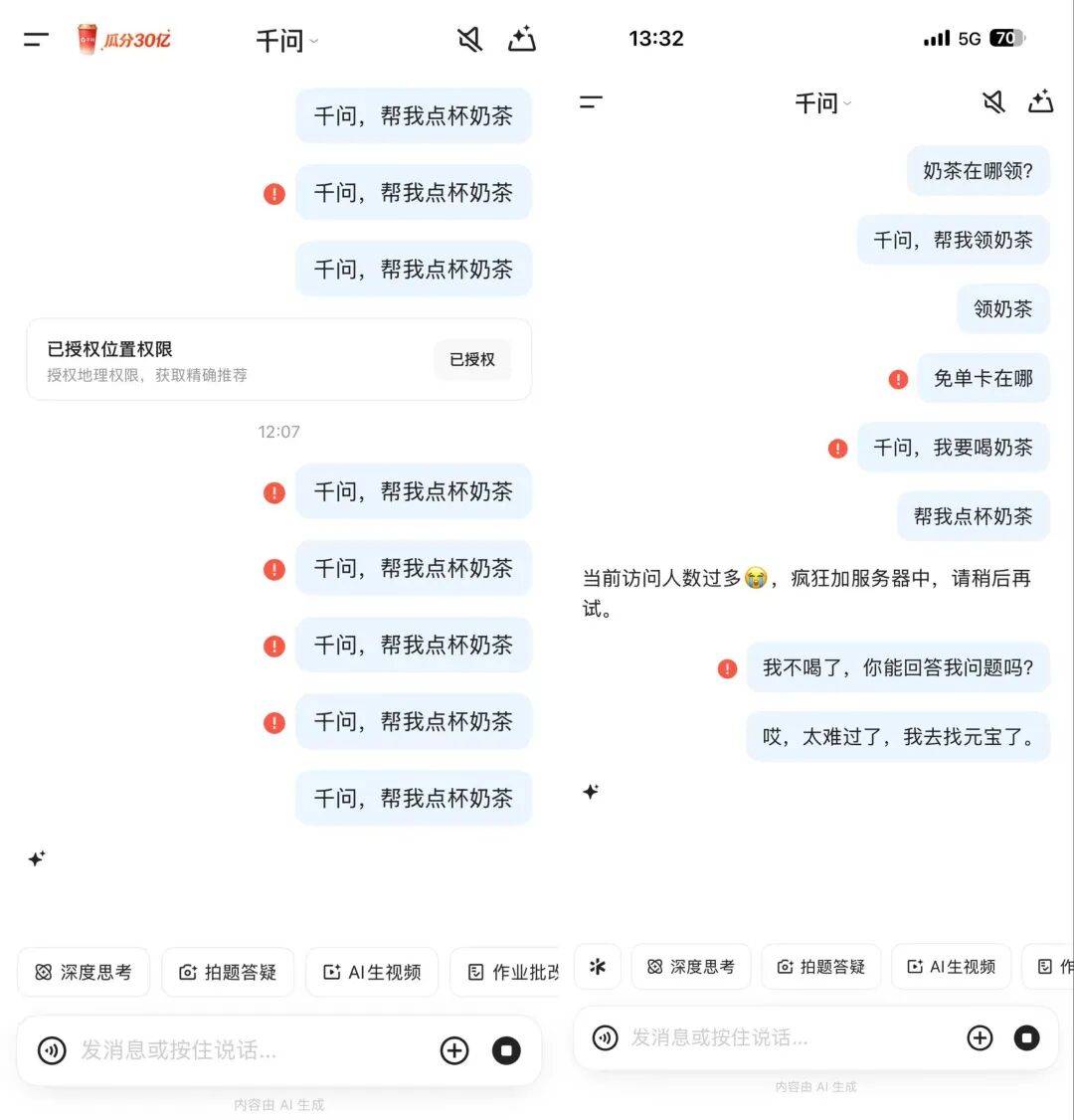
阿里千问免单活动致多家奶茶店爆单,网友吐槽:系统崩了用不了
Sou Hu Cai Jing· 2026-02-06 09:19
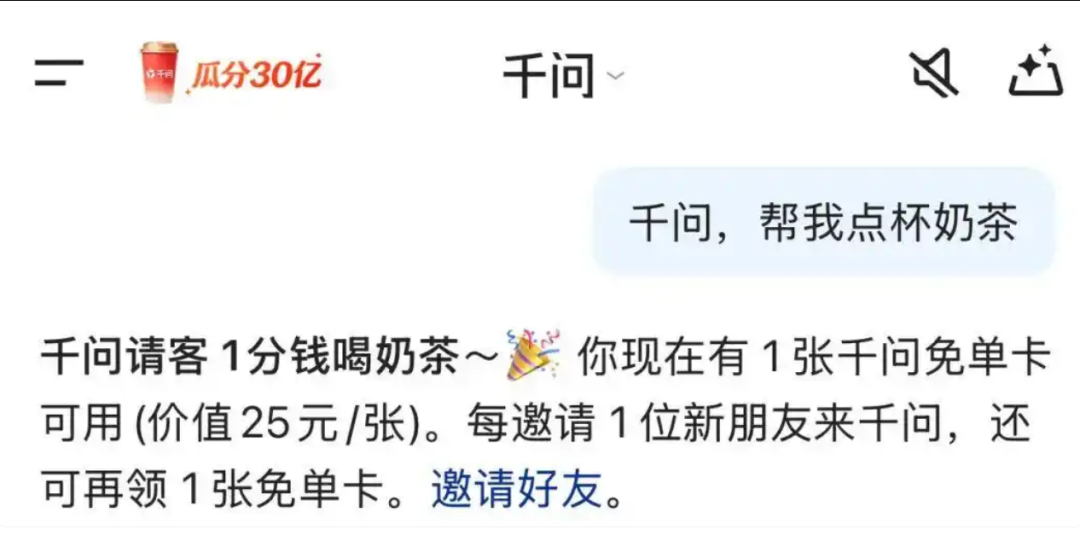
今日,阿里千问APP"春节30亿大免单"正式上线,率先发起"奶茶攻势"。据悉,该活动上线不到3小时,用户已通过千问APP下单超100万单奶茶。在此活 动影响下,港股茶饮股多数上涨,古茗涨超5%创上市来新高,茶百道涨超4%,沪上阿姨、蜜雪集团跟随上涨。 今日上午,多位用户在社交媒体晒出用千问APP下单的"第一杯AI奶茶"。根据用户对比,在各家AI应用的红包活动中,千问的玩法简单直接且门槛低。 不过,点奶茶免单活动的火爆导致千问APP一度"崩了",部分用户打开活动页面,发现页面无法点击或者出现卡顿,并显示 "系统开小差了,稍后再试 吧"。 据官方介绍,千问APP免单卡可在全国30多万家奶茶店使用,蜜雪冰城、瑞幸咖啡、霸王茶姬、奈雪的茶(02150.HK)、沪上阿姨(02589.HK)、茶百 道(02555.HK)、库迪咖啡等茶饮咖啡品牌支持使用。活动期间,每位用户可领取21张无门槛的25元免单卡,相当于525元钱,还有机会抽取价值10000 元的千问AI生活卡。活动页面还显示,第二波福利将于2月13日开启,用户可领取现金红包,最高可得2888元。 | = 115330亿 | 千问~ | | A +1 | 13:3 ...
从能聊天到会干活,网易智企Agent矩阵重构企业生产力
Sou Hu Wang· 2026-02-06 06:21
Core Insights - OpenClaw has emerged as a leading AI application, marking a shift from conversational AI to functional AI, indicating the arrival of the Agentic AI era [1][3] - The Agentic AI sector is growing at an annual rate of 43%, significantly outpacing other AI fields, with active agents expected to rise from approximately 28.6 million in 2025 to 2.216 billion by 2030 [3] - Companies face challenges in implementing agents due to concerns over risks such as hallucinations, unstable execution, and data leaks, creating a gap between potential and actual deployment [3][4] Company Overview - NetEase Intelligent Enterprise has been operational for 10 years, leveraging extensive industry knowledge and experience to assist various benchmark enterprises [4][5] - The company focuses on providing reliable and stable agents rather than generic large models, emphasizing the importance of deep business understanding for effective agent deployment [5] Agent Matrix and Applications - NetEase has established a comprehensive agent matrix targeting three key business areas: customer service/sales, data applications, and development [7][8] - The customer service/sales agents have transitioned from post-sale support to pre-sale consultations, significantly enhancing external service and marketing productivity [8][9] - DataAgent aims to simplify data accessibility and usability for frontline employees, allowing for quick and accurate decision-making based on data analysis [12][14] - Development agents utilize a Specification-Driven Development approach to improve coding efficiency and quality, addressing common issues in software development [16][18] Risk Management - The rise of AI also brings new risks, including hallucinations, data leaks, and model biases, necessitating robust risk management strategies [19][20] - NetEase has developed a multi-modal safety framework to address these challenges, ensuring compliance with legal and ethical standards in AI-generated content [20] Future Outlook - The future of organizations is expected to be characterized by human-agent collaboration, necessitating systematic agent deployment to reshape productivity [22]


外卖大战一年回顾:烧光800亿,到底谁赢了?
3 6 Ke· 2026-02-06 02:32
Core Insights - The article discusses the competitive landscape of the food delivery market in China, highlighting the shift from a subsidy war to a focus on ecosystem integration and service quality among major players like Meituan, Alibaba, and JD.com [1][10][34] Market Dynamics - One year after JD.com entered the food delivery market, the competitive landscape has shifted, with Meituan holding a market share of 46.9%, Alibaba (through Ele.me and Taobao Shanguo) at 42.8%, and JD.com at around 10% [3][6] - The three major players have collectively invested over 800 billion yuan in the market, leading to a significant reshaping of the industry [10] Competitive Strategies - JD.com initially focused on quality and rider benefits, but has since reduced marketing expenditures as it faced challenges in user engagement, with only 12% of its 700 million users utilizing its delivery service [23][29] - Meituan has adopted a strategy of maintaining high service quality while avoiding a price war, focusing on high-value users and enhancing delivery efficiency [20][34] - Alibaba's approach integrates its entire ecosystem, leveraging Taobao's traffic and supply chain capabilities to enhance its delivery services, resulting in a 20% increase in daily active users [15][22] Financial Performance - Meituan reported a core local business operating loss of 141 billion yuan in Q3 2025, with marketing expenses soaring to 343 billion yuan [18][20] - Alibaba's instant retail business saw a revenue increase of 60% year-on-year, but its sales expenses also rose significantly, indicating a strategic focus on ecosystem synergy rather than just order volume [21][22] - JD.com's new business segment, which includes food delivery, reported a revenue of 156 billion yuan with an operating loss of 157 billion yuan, prompting a strategic retreat from aggressive marketing [23][24] Impact on Stakeholders - The subsidy war has led to profit pressures for merchants, with 63% reporting revenue declines despite increased order volumes, and 28% forced to close their businesses [25] - Delivery riders initially benefited from higher wages, but as subsidies decreased and competition intensified, their income became unstable [26][27] Regulatory Environment - Regulatory tightening has prompted the major players to signal strategic adjustments, moving away from aggressive competition towards more sustainable business practices [28][34] Future Outlook - The competition in the food delivery sector is evolving from a focus on subsidies to establishing barriers in service efficiency, supply chain integration, and user experience [34][32]