蜜雪冰城

Search documents
情绪共识下的冷思考
3 6 Ke· 2026-01-21 10:56
Group 1 - The core argument emphasizes the importance of "emotional consensus" in brand discourse, particularly for leading brands [1] - A recent QuestMobile report indicates that major brand events, such as product launches, dominate social media discussions, often exceeding 80% of content volume [3] - The case of Xibei illustrates a missed opportunity to become a leading brand amidst public discourse, highlighting the need for brands to engage effectively with consumer sentiment [4] Group 2 - The market is shifting towards decisions driven by "emotion," with consumers increasingly seeking emotional experiences beyond product functionality [8][10] - Emotional consensus is defined as a collective understanding formed through discussion and shared feelings, which can be leveraged by brands to differentiate themselves [13] - Brands must actively participate in public discourse, not merely to avoid mistakes but to strengthen their connection with consumers [12][19] Group 3 - The value of emotional consensus is realized through a dynamic process of engagement, rather than mere appeasement [14] - Successful brands can ignite discussions around key events, as seen with OPPO's product launch that generated over 210 million exposures on Weibo [15] - Brands like Mixue Ice City effectively engage with consumers by responding humorously to public discussions, enhancing their relatability [15] Group 4 - Brands can achieve emotional resonance by transcending niche markets and appealing to broader audiences, as demonstrated by DeepSeek's rise to prominence [16] - Emotional consensus can highlight unmet consumer expectations, allowing brands to create meaningful connections and collaborations [18] - Brands need to develop capabilities such as strong brand identity, keen insight into public sentiment, and effective communication strategies to leverage emotional consensus [19][20] Group 5 - Recognizing the value of emotional consensus is becoming a critical variable in brand competition [22] - Future metrics for evaluating brand communication effectiveness will focus on emotional engagement rather than just traffic [23] - Brands that center their narratives around emotional consensus are building competitive advantages based on resonance and long-term trust [24]

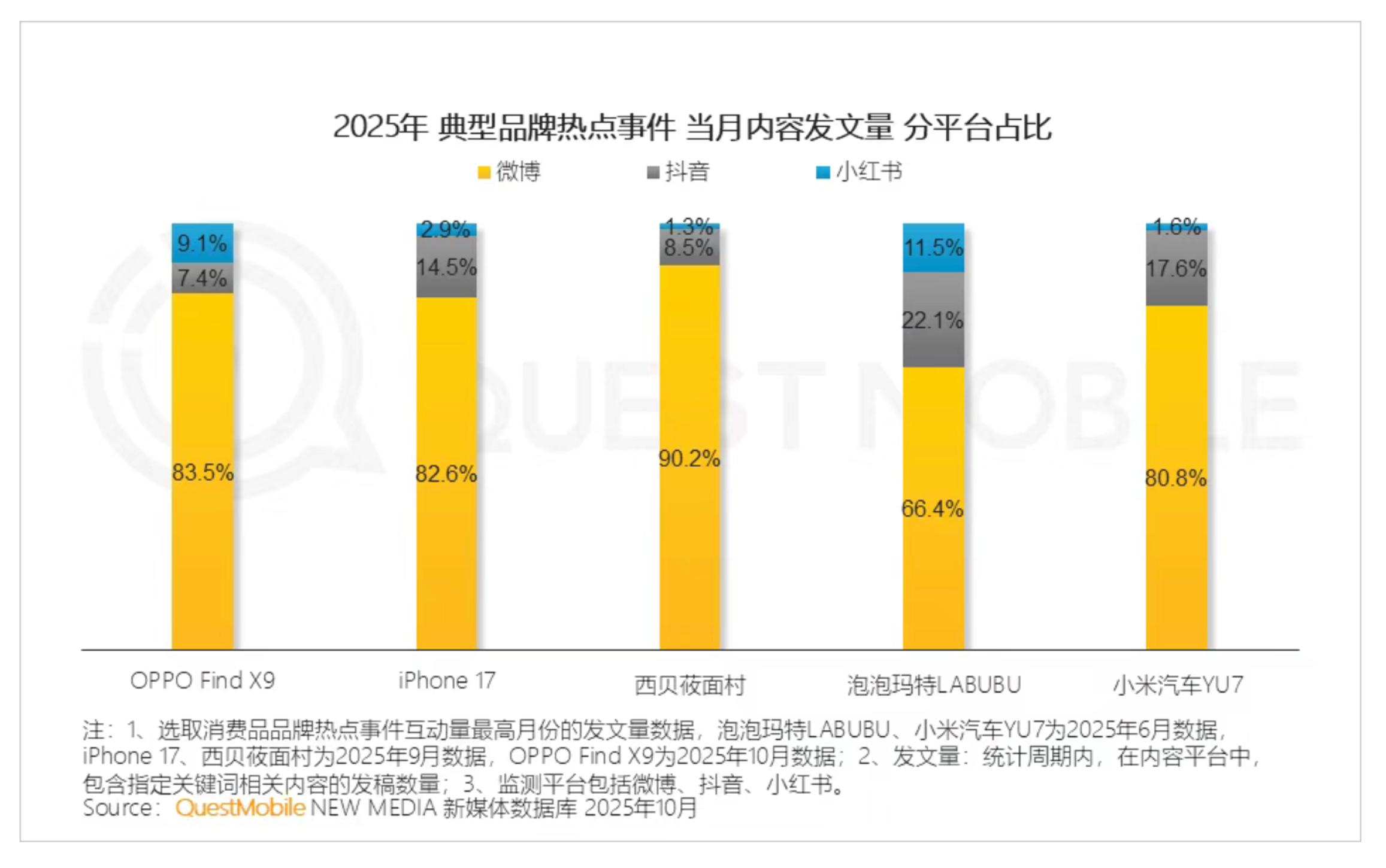
鲜啤福鹿家上新三款冬季产品,带动客流同比提升28%
Xin Lang Cai Jing· 2026-01-21 08:35
Core Insights - The core focus of the article is on the successful launch of three winter products by the fresh beer brand Xianpi Fulu Jia under the Mixue Ice Cream brand, which have significantly boosted sales and customer traffic during the winter season [2][7]. Product Performance - The "Osmanthus Sparkling Winter Brew Rice Wine" is priced at 9.9 yuan per jin and has achieved sales of over 350,000 jin within three days of launch, contributing to a winter performance increase for the market center [2][7]. - The product generated a GMV of over 7.77 million yuan on Douyin, with the new product alone accounting for 4.83 million yuan in GMV and over 300 million total exposures online [2][7]. - The "Red Date Small Milk Beer," a collaboration with "Good Idea," emphasizes health and sweetness, gaining popularity among consumers [2][7]. - The "Rock Candy Fulu Fresh Rice Wine," inspired by the national snack "rock candy hawthorn," saw over 60% of orders from young users within three days of launch [2][7]. Market Expansion - Xianpi Fulu Jia's nationwide store traffic increased by 28% year-on-year due to the winter product matrix [2][7]. - The brand plans to expand its store count to 1,800 by 2025, maintaining a pace of over 100 new signed stores each month despite traditional beliefs that beer sales decline in winter [2][7]. Revenue Growth - Following the launch of the "Osmanthus Sparkling Winter Brew Rice Wine" in October 2025, most stores reported a monthly revenue increase of over 30% compared to October, with weekday sales stabilizing above 1,000 yuan and weekend sales exceeding 3,000 yuan [2][7]. Strategic Positioning - The brand is expanding its presence in high-frequency winter scenarios such as community convenience stores and office buildings, with data indicating a significant rise in family and immediate consumption [8]. - Xianpi Fulu Jia leverages the five production bases of the Mixue Group and a global procurement network to convert supply chain advantages into product strength and price competitiveness, ensuring consumers can enjoy fresh beer even in winter [8].
从蜜雪冰城到鸣鸣很忙,中国县城为何走出一个又一个成功的新消费?
Xin Lang Cai Jing· 2026-01-21 07:10
Core Insights - The central economic work conference in December 2025 will prioritize boosting consumption as a key macro policy, highlighting its importance in China's economic strategy [2] - The report by Black Ant Capital focuses on the county-level economy, which is crucial for understanding the future of consumption in China, emphasizing the need for in-depth field research [2][3] Group 1: County Market Dynamics - The county market represents about one-third of China's population (450 million people) and GDP (33%), making it a significant area for consumption growth [3] - The county economy exhibits stronger consumption resilience compared to first-tier cities, with unique challenges such as "scale inefficiency" [3][4] - The rise of brands like Mixue Ice Cream and Mingming Busy from lower-tier markets indicates the potential of county economies in shaping future consumption trends [3][4] Group 2: Consumer Behavior Changes - From 2022 to 2025, county residents have become more cautious in their spending, particularly on non-essential items, reflecting a shift from identity-driven consumption to practical and emotional needs [13][24] - The demand for identity symbols has decreased, with consumers prioritizing practical value and emotional connections in their purchasing decisions [24][28] - There is a notable increase in the importance of "gaining knowledge" as a consumer need, indicating a shift towards valuing experiences and personal growth [24][28] Group 3: Spending Patterns - County households are experiencing stable income levels, yet they are actively reducing discretionary spending, particularly on clothing and identity-related items [13][50] - Essential expenditures such as education and healthcare remain a priority, while personal discretionary spending is being redirected towards experiences that provide immediate satisfaction and long-term health benefits [35][37] - The trend indicates a transformation in spending from acquiring more goods to enhancing quality of life and emotional well-being [35][50] Group 4: Channel Evolution - There is a growing preference for high-value, convenient shopping channels in county markets, with a decline in traditional retail and an increase in modern formats like discount stores [45][48] - The rise of interest-driven e-commerce and local life platforms reflects changing consumer habits, aligning more closely with trends seen in higher-tier cities [45][48] Group 5: Future Outlook - The report emphasizes the importance of continuous research on county-level consumer behavior to identify emerging trends and investment opportunities [10][12] - The evolving landscape of consumer expectations and spending habits in county markets will be critical for brands aiming to penetrate these areas effectively [11][12]
咖啡系列四:云南咖啡产业特点总结
Hua Tai Qi Huo· 2026-01-21 00:41
1. Report Overview - The coffee series special report consists of four parts, with the fourth one summarizing the main characteristics of the current Yunnan coffee industry from four aspects: planting cost, grading classification, pricing mechanism, and industrial chain development [3] 2. Planting Cost: Diverse Accounting - As of November 2025, the average yield per mu of commercial coffee fresh fruit in Yunnan is about 700 - 800 kg, and about every 6 - 7 kg of fresh fruit can produce 1 kg of green beans, so the yield of green coffee beans is about 120 kg per mu. The cost of fresh coffee fruit is about 5 yuan/kg, and the cost of green coffee beans is between 25 - 40 yuan/kg. Cost components include rent, labor, fertilizers, picking, and initial processing [6] - Different business entities, production areas, varieties, and planting patterns have a significant impact on costs. Small and medium - sized coffee farmers mainly grow commercial beans, while boutique coffee is mainly planted in estates. The cost of boutique estates is 2 - 3 times that of small and medium - sized farmers [7] - High - altitude production areas have higher costs due to the need to optimize the planting environment and management standards for high - quality varieties. Yunnan coffee is often planted in a multi - layer composite structure with economic crops like macadamia, which can share costs and increase efficiency [7][8] 3. Bean Grading: Unique Standards - Coffee grading is based on various standards, with the ICO and SCA standards having an increasing influence. The market is divided into commodity beans and boutique beans, with different grading methods [9] - Physical attributes include bean size (classified by screen size), shape (round and uniform preferred), color (light blue or light green for Yunnan beans), density (higher density is better), moisture content (controlled at 9% - 12%), and processing methods (washed beans are cleaner) [15] - Defect assessment includes counting major and minor defects, with the boutique level requiring no major defects and no more than 5 total defects per 300g (SCA standard). Defects affect flavor purity [16] - Altitude is directly related to bean hardness and acidity, and regional soil properties also affect the bean grade. Cup - tasting is a unique and important part of coffee grading, with clear evaluation criteria for different dimensions [17][21] 4. Pricing Mechanism: Rich Dimensions - The global coffee pricing mechanism is a complex system composed of the futures market, the spot market, and special trading mechanisms. The futures market price dominates the global coffee spot market pricing [23] - The ICE Arabica coffee futures contract and the ICE Europe Robusta coffee futures contract are the most influential in the world. The spot market pricing generally uses the "futures price + premium/discount" model, and high - quality boutique coffee uses a flavor - based pricing mechanism [23][24][25] - Historically, Yunnan coffee prices were mainly determined by international coffee traders and large foreign - funded enterprises. Currently, domestic enterprises have become the main players in Yunnan coffee trade, and the dependence on the international futures market is decreasing [26][27] - The entire coffee industry chain looks forward to the construction of a domestic coffee futures market, which can help farmers, traders, and enterprises manage price risks and enhance China's international pricing power [29] 5. Industrial Chain: Uneven Development - The Yunnan coffee industry chain consists of upstream planting, mid - stream processing, and downstream distribution, showing an uneven development pattern. However, this situation has been continuously improved with policy support [30] - In terms of value distribution, the downstream distribution环节accounts for 93% of the value - added, while the upstream planting accounts for only 1% and the mid - stream processing accounts for 6%. The upstream is highly affected by price fluctuations, and the mid - stream has limited value - added due to low - end processing [31][32] - In terms of industrial chain concentration, the upstream and mid - stream have low concentration, with small - scale and scattered operations. The downstream has a relatively high concentration, and the market is shifting from extensive expansion to refined operation, but brand building and traceability systems still need improvement [34][35][36]
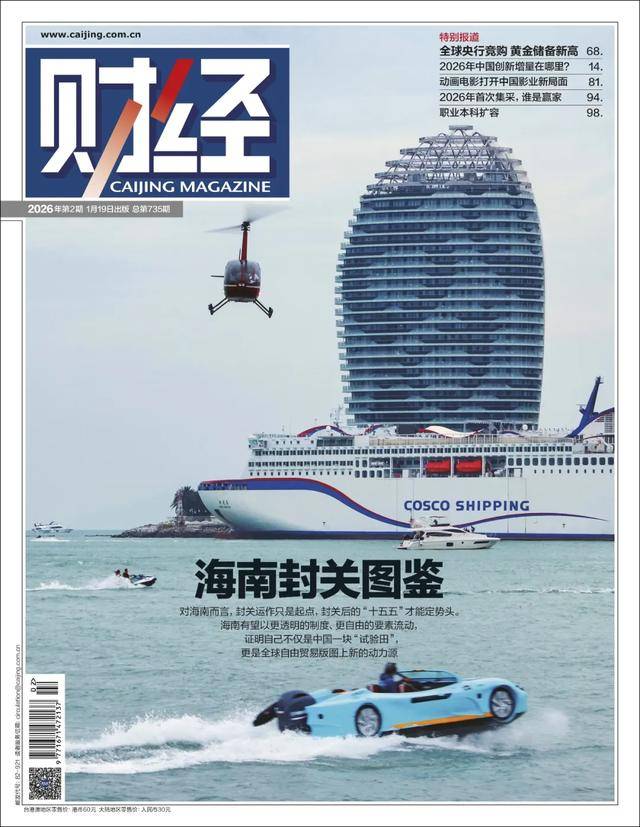
人、货、钱正在涌入:封关后的海南发生了什么? | 《财经》封面
Sou Hu Cai Jing· 2026-01-20 10:18
Core Insights - The establishment of the Hainan Free Trade Port marks a significant milestone in China's reform and opening-up process, transitioning from "policy-driven growth" to "institutional supply-driven growth" [2][5][6] - Hainan aims to become a new driving force in the global free trade landscape, leveraging its unique geographical advantages to connect with ASEAN and the world [6][31] Economic Impact - The Hainan Free Trade Port officially commenced operations on December 18, 2025, with immediate positive effects, including a 61% year-on-year increase in duty-free shopping on the first day [5][8] - In the first three weeks post-closure, Hainan recorded a total shopping amount of 38.9 billion yuan, reflecting a 49.6% year-on-year growth [8][19] - The introduction of a "zero tariff" policy has expanded the range of duty-free goods from 1,900 to approximately 6,600 tax items, significantly reducing prices for consumers [9][19] Investment and Business Development - Hainan has seen a surge in foreign investment, with 4,709 new foreign trade enterprises registered within the first month of the port's operation, surpassing the total for an entire previous quarter [13] - Major companies, including Siemens Energy and various international firms, have initiated projects in Hainan, indicating a robust influx of capital and business activities [5][19] Tourism and Entertainment - The influx of international stars for concerts and events has transformed Hainan into a burgeoning hub for entertainment, attracting significant tourism and related economic activities [3][4] - The number of inbound flights and tourists has dramatically increased, with ticket bookings for flights to Hainan rising by over 300% in some cases [8][19] Future Prospects - Hainan's strategic location positions it as a key node for resource allocation globally, with expectations of becoming a central hub for trade and investment between China and ASEAN [6][31] - The province is set to enhance its service sectors, including tourism, high-tech industries, and modern services, aiming for a GDP contribution of 67% from these sectors [16][31] Regulatory Environment - The implementation of the Hainan Free Trade Port Law in 2021 has provided unprecedented autonomy and legal frameworks for the region, facilitating smoother business operations and foreign investments [4][6] - Ongoing policy optimizations are expected to further attract talent and investment, with tax incentives for businesses and individuals residing in Hainan [12][19]
掘金银发、冰雪、AI+新增长点,港股通消费ETF华夏(513230)现涨近1.5%
Mei Ri Jing Ji Xin Wen· 2026-01-20 03:30
财通证券预计,未来以银发经济(智慧养老、康养旅居等)、冰雪经济、体育赛事为代表的细分领域, 以及由技术赋能(AI+)和情感体验驱动的服务新模式,有望成为新兴增长极。 港股通消费ETF华夏(513230)跟踪中证港股通消费主题指数,一键打包消费龙头,成分股近乎囊括港 股消费的各个领域,包括泡泡玛特、百胜中国、安踏体育、农夫山泉、蜜雪冰城等消费龙头。 1月20日,港股消费板块持续飘红,港股通消费ETF华夏(513230)现涨近1.5%。持仓股中,泡泡玛 特、布鲁可、中烟香港、上美股份、毛戈平、蜜雪集团等涨幅靠前;裕元集团、卫龙美味、晶苑国际、 珍酒李渡等跌幅靠前。 消息方面,1月19日,国新办举行新闻发布会介绍2025年国民经济运行情况。2025年,我国社会消费品 零售总额突破50万亿元大关,达到501202亿元,同比增长3.7%,增速较2024年加快0.2个百分点,规模 居全球零售市场前列。新型消费不断增长,消费结构升级趋势明显。随着居民生活水平提高,消费正 从"商品主导"向"商品与服务并重"转变,2025年服务消费成为最亮眼的增长点。 ...
蜜雪招聘主题乐园相关人才,“雪王乐园”有戏了?
3 6 Ke· 2026-01-20 02:52
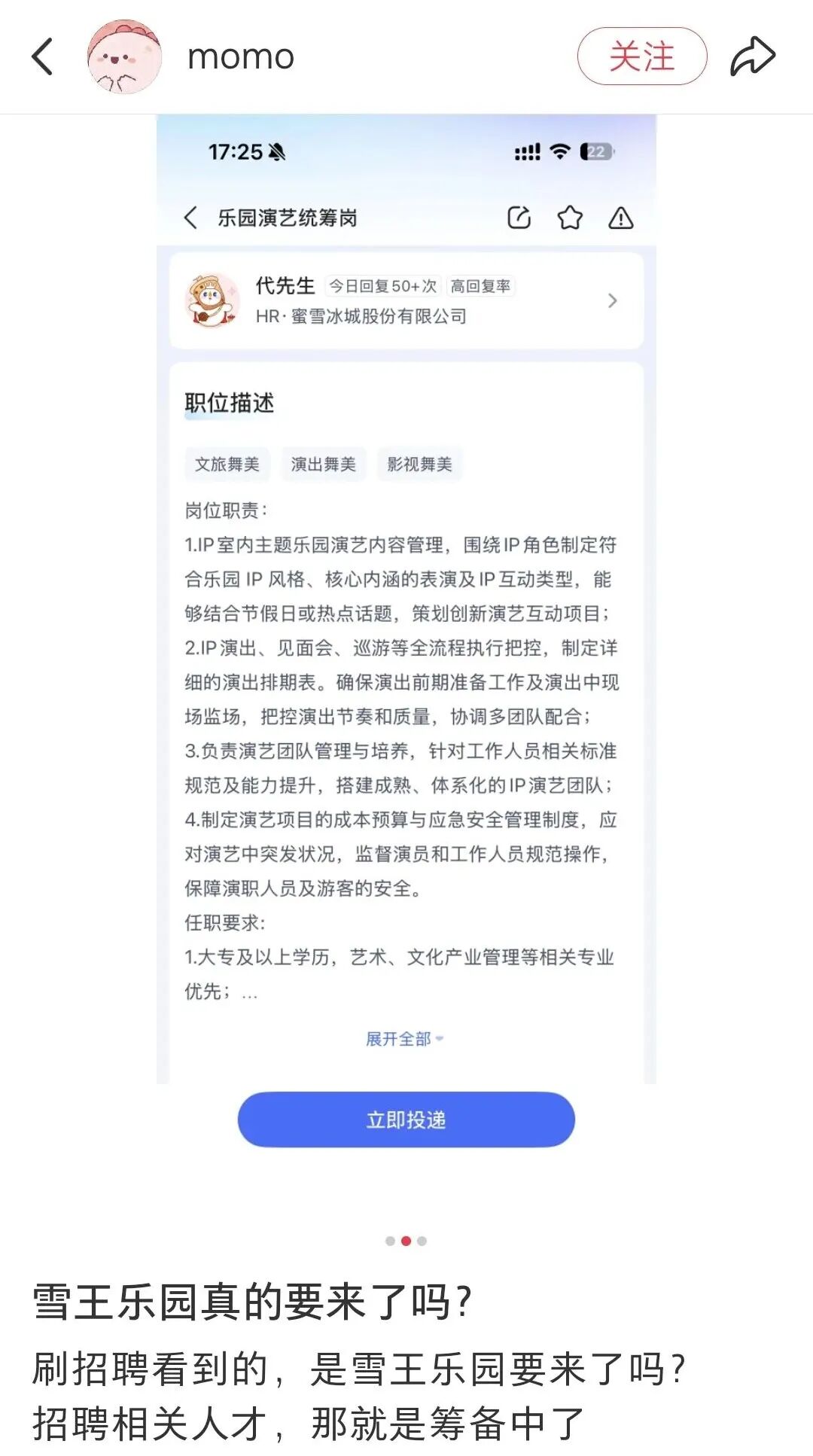
有网友发帖称,在招聘软件上看到蜜雪冰城招人,岗位包括乐园内容编剧岗、乐园演艺统筹岗、乐园周边产品统筹岗、工程管理岗等,工作内容则写 明"参与乐园设计""IP演出、见面会、巡游等全流程执行把控""结合乐园主题活动节点规划周边产品"等。 蜜雪冰城招聘 如果这是在长隆、方特、泡泡玛特等文化旅游娱乐之类集团看到,想必不会有所稀奇,但蜜雪一下次招这么多岗位,似乎人们望眼欲穿的"雪王乐园"就有 戏了! 看这架势,有人猜测"是自己建造乐园",也有人觉得"可能是快闪主题乐园"或者"和别的乐园合作",还有的热心网友连乐园选址都想好了"西四环有地 铁""把XXX收过来,改造一下就可以""建中牟吧,离开封郑州都近"…… 蜜雪造乐园,似乎也是个"老话题"了。 2023年,蜜雪冰城在成都建造的"雪王城堡",现在看来或许是"雪王乐园"的雏形。霸气的外观,梦幻的设计,手持冰淇淋权杖大号雪王,一度成为当年话 题焦点。 此后,雪王的"基建之魂"燃烧得一发而不可收拾。 蜜雪冰城郑州东站总部旗舰店 蜜雪冰城总部旗舰店建在郑州东站,出了高铁站就可以明显看到两层超大门店,不仅可以率先喝到内测产品,还大量雪王周边可以购买,店内雪王元素丰 富,好吃好喝又 ...
牢记领袖嘱托 推动文化繁荣兴盛开新局谱新篇 ——2025年河南宣传思想文化工作综述
He Nan Ri Bao· 2026-01-19 23:57
Core Viewpoint - The articles emphasize the importance of cultural prosperity and the promotion of traditional Chinese values in Henan province, guided by Xi Jinping's cultural thoughts and directives, aiming for high-quality development and modernization of the region [1][2][16]. Group 1: Cultural Development Initiatives - The Henan provincial government is focusing on cultural prosperity by implementing a "1+2+4+N" target task system to enhance mainstream values, public opinion, and culture [1]. - A significant meeting was held to promote cultural transmission and development, with provincial leaders emphasizing the need for a strong cultural tourism sector [2]. - The promotion of Xi Jinping's cultural thoughts has been integrated into educational and community activities, fostering a strong ideological foundation among the populace [3][4]. Group 2: Achievements in Cultural Promotion - Over the past year, there has been a notable increase in the number of cultural events and educational activities, with more than 10,000 grassroots outreach events conducted to disseminate party theories [4][5]. - The establishment of research centers and the approval of numerous academic projects have contributed to a deeper understanding of Marxist theory and its application in governance [3]. - The province has successfully organized various cultural events, including the 42nd Luoyang Peony Cultural Festival, enhancing its cultural visibility on both national and international stages [9]. Group 3: Economic and Tourism Growth - The cultural tourism sector in Henan has seen significant growth, with 1.11 billion visitors and a revenue of 1,082.13 billion yuan in 2025, positioning it as a key driver of economic development [15]. - The province is actively promoting its cultural heritage and tourism through initiatives like the "Walking Henan, Understanding China" campaign, which has increased its brand influence [15]. - The rise of the micro-short film industry in traditional villages reflects the growing cultural confidence and creative vitality in Henan [14]. Group 4: Social and Civilizational Advancements - The promotion of core socialist values has been integrated into daily life, with numerous initiatives aimed at enhancing social civility and moral standards [11][12]. - The province has recognized and celebrated local heroes and role models, fostering a culture of virtue and community spirit [11]. - Efforts to improve civilizational practices have included extensive community engagement and the establishment of new cultural norms, contributing to an overall uplift in social values [12][13].
2025年中国餐饮品牌力白皮书
Sou Hu Cai Jing· 2026-01-19 15:43
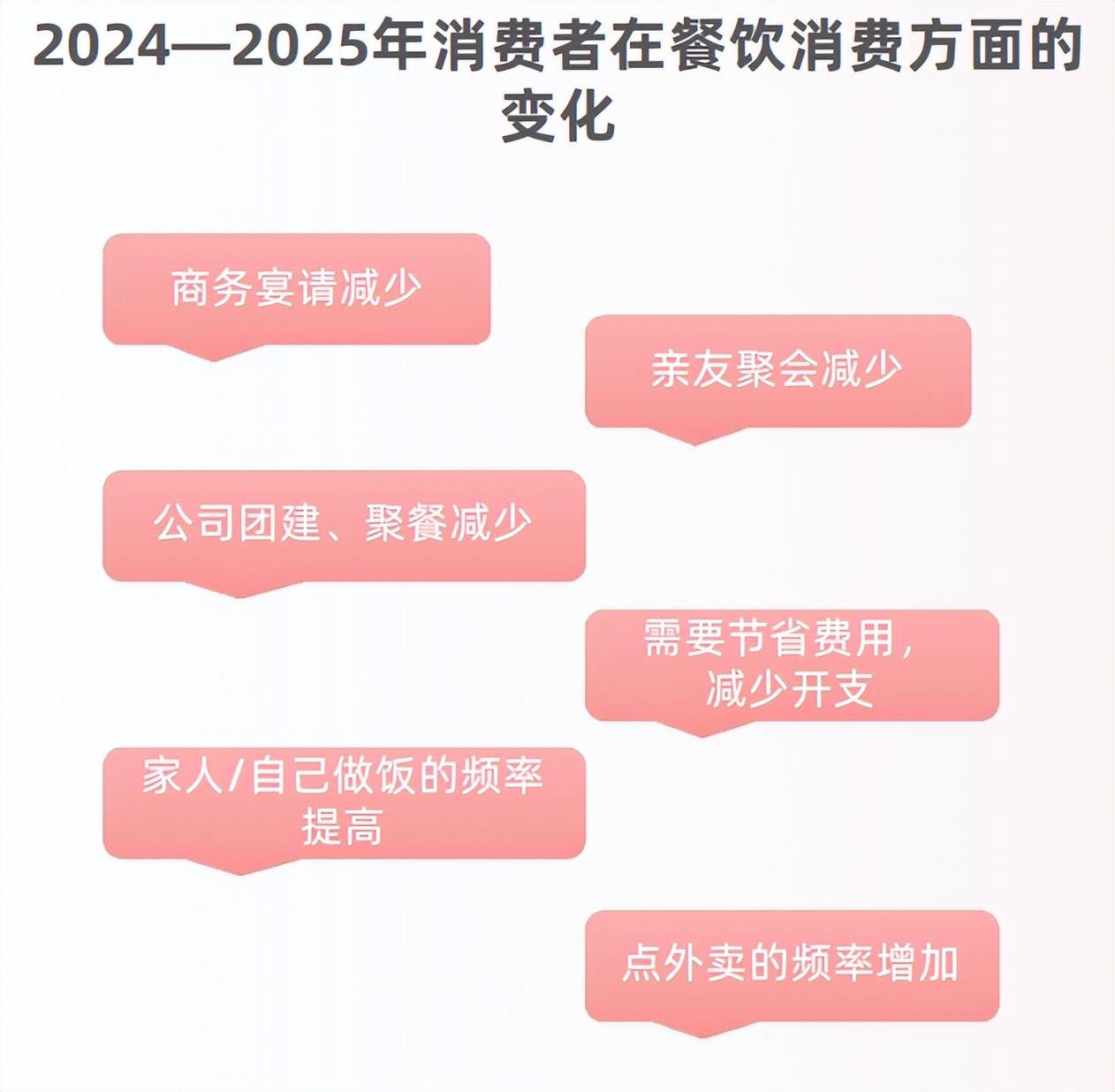
Core Insights - The Chinese catering industry is experiencing a significant slowdown, with a 3.6% year-on-year growth in revenue from January to August 2025, down from 6.6% in the same period of 2024, indicating a shift to a "micro-profit era" [1] - The total number of catering outlets in China has seen a rare negative growth, decreasing by 1.9% year-on-year to over 7.6 million by August 2025, marking a transition from "incremental competition" to "stock competition" [1] Industry Trends - Different segments within the catering industry show a clear divergence in outlet growth, with ready-to-drink beverages and Chinese cuisine being among the few segments experiencing growth, while fast food, bakery, barbecue, hot pot, Western cuisine, and Asian cuisine have all seen declines [2] - The overall operating efficiency of the industry is under pressure from rising costs and changing consumer demand, leading to the elimination of underperforming outlets and the survival of those with brand advantages and high operational efficiency [2] - The chain rate in the catering industry has steadily increased from 15% in 2020 to an expected 25% in 2025, highlighting the growing importance of brand and scale in the industry [2][3] Consumer Behavior - Consumer spending on dining is becoming more cautious, with a significant drop in the proportion of consumers planning to increase their dining expenditures in 2025 compared to 2024 [5] - A notable shift in dining habits is observed, with 24.2% of consumers reducing business meals and gatherings, while over 40% are cooking more at home, indicating a move towards more economical and healthier dining options [6] Market Dynamics - The takeaway market is undergoing a historic transformation, with the market size expected to exceed 1.4 trillion yuan in 2025, driven by a new competitive landscape following the entry of JD.com and Alibaba's "Taobao Flash Purchase" [4][5] - The competitive landscape in the takeaway market has shifted to a three-way competition among Meituan, Alibaba, and JD.com, moving beyond mere subsidy wars to focus on service quality and technological innovation [5] Operational Strategies - Brands are increasingly optimizing their store models to reduce costs and improve efficiency, with various new store formats emerging, such as satellite stores and delivery-focused outlets [10][11] - The average lifespan of catering outlets is decreasing, with projections indicating a further reduction to around 15 months in 2025, emphasizing the need for strong operational capabilities and brand differentiation [8] Product Innovation - The number of new products launched by brands has surged, with over 5,263 new items introduced from January to July 2025, reflecting a focus on regional ingredients and flavors to meet consumer demand for diversity [9] - Brands are leveraging regional specialties to create unique product offerings, enhancing brand value and consumer engagement through localized flavors [9]
开餐饮去跟消费者纠结预制菜属于精神变态
半佛仙人· 2026-01-19 08:30
Core Viewpoint - The article discusses the restaurant industry's use of pre-prepared meals, emphasizing that the focus should not be on whether meals are pre-prepared but rather on the value, pricing, and experience offered to consumers [3][4][5]. Group 1: Consumer Perception and Pre-prepared Meals - Consumers are already heavy users of pre-prepared meals, and the success of these products in e-commerce indicates a lack of discrimination against them [4]. - The debate over the definition of pre-prepared meals is deemed irrelevant; what matters is the product's pricing, positioning, and taste [4][5]. - Major brands like KFC, McDonald's, and Haidilao do not engage in discussions about whether their meals are pre-prepared, focusing instead on delivering value and experience [4][5]. Group 2: Brand Strategy and Consumer Experience - Successful brands provide unique experiences that justify their pricing, such as KFC and McDonald's offering consistency and hygiene, while Haidilao emphasizes service and emotional connection [5][6]. - Brands like Mizuki Ice City and Salia focus on delivering exceptional value without over-explaining their offerings [6]. - The article suggests that brands should not confront consumer criticisms about pricing but instead maintain a confident stance regarding their pricing strategies, indicating that some consumers may simply not be the right fit for their offerings [7].