Momenta

Search documents
地平线生态联盟扩张,抵御Momenta的猛攻
3 6 Ke· 2025-12-17 11:00
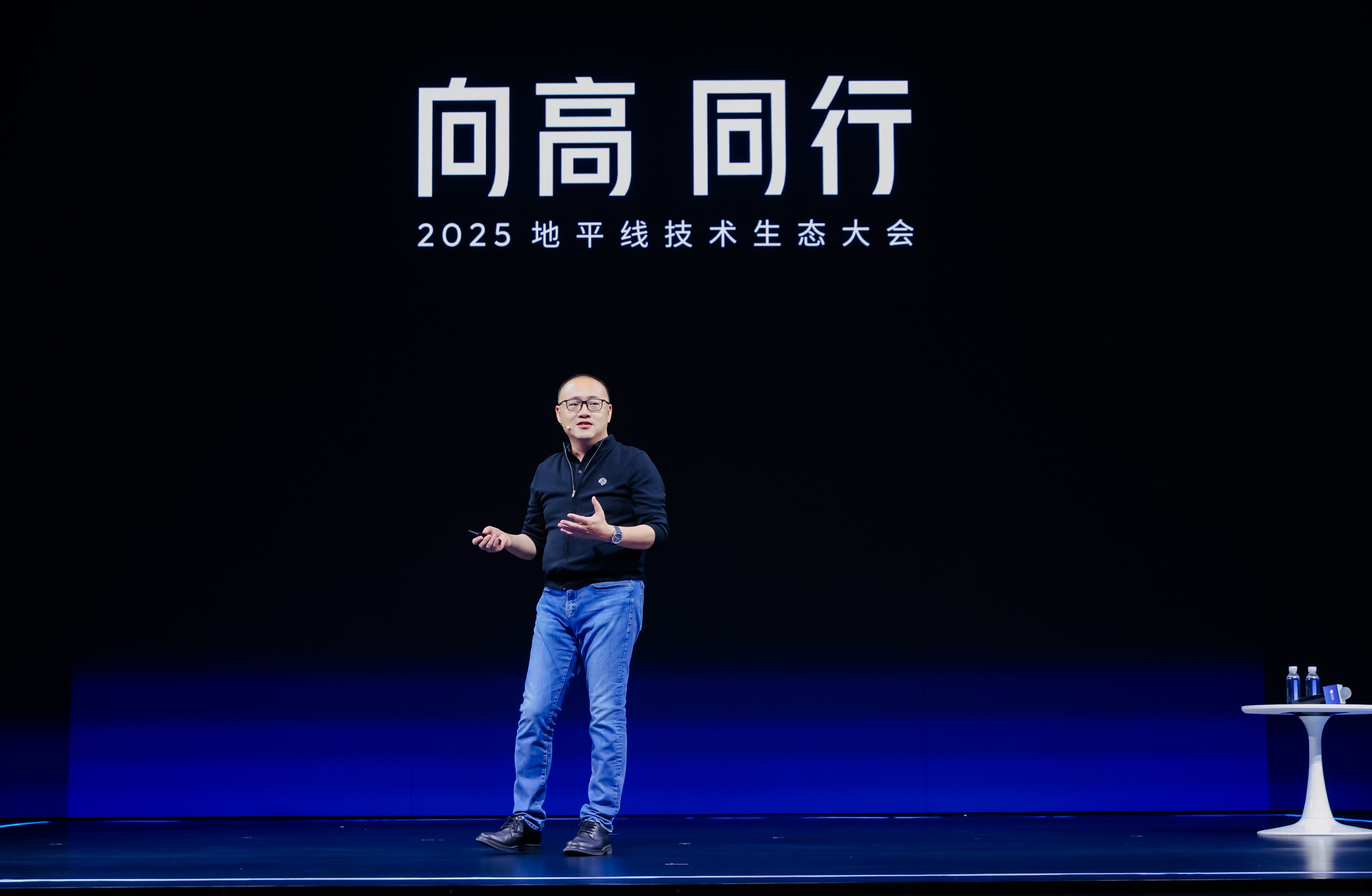
Core Viewpoint - Horizon Robotics aims to democratize urban assisted driving technology by making it available for vehicles priced at 100,000 yuan, targeting the mass market [3][8]. Group 1: Market Dynamics - In the first three quarters of this year, vehicles priced above 200,000 yuan accounted for 30% of the market share, while those below 130,000 yuan made up 50%, with the latter lacking urban assisted driving features [3]. - The competition in the intelligent driving sector is consolidating around a few leading companies, with Huawei and Momenta establishing strong positions in the high-end market [4]. - Horizon Robotics is rapidly expanding its market presence by introducing new algorithm service models and collaborating with various partners, including major automotive suppliers [6][10]. Group 2: Technological Developments - Horizon Robotics has transitioned from being solely a chip manufacturer to a full-stack solution provider, emphasizing the integration of hardware and software [6][10]. - The company plans to equip vehicles priced as low as 70,000 yuan with its urban assisted driving solutions next year, targeting a significant portion of the Chinese passenger car market [8][12]. - The introduction of the HSD Together model allows Horizon to collaborate with international partners, facilitating its entry into overseas markets [17][18]. Group 3: Competitive Landscape - The competition between Horizon Robotics and Momenta is intensifying, with both companies vying for market share in the L2+ segment and preparing for a direct confrontation in the lower-priced vehicle market [13][16]. - Momenta is also developing its own chips, which are expected to enhance its competitive edge in the intelligent driving space [14][15]. - The ongoing competition is characterized by a race to achieve higher performance at lower costs, with both companies focusing on production efficiency and ecosystem collaboration [15][19].

AI技术爆发 汽车业迎智能化革命
Zhong Guo Qi Che Bao Wang· 2025-12-16 02:25
Core Insights - The automotive industry is entering an era of universal intelligent driving by 2025, with AI technology deeply integrated into smart cockpits and autonomous driving, marking a significant transformation in the sector [2][3] Group 1: Intelligent Driving and AI Integration - "Intelligent driving equity" has emerged as a key theme, with traditional automakers and new players racing to adopt advanced driving systems, leading to the prediction of 2025 as the "year of universal intelligent driving" [3] - BYD has launched its self-developed "Tianshen Eye" advanced driving system, enhancing the driving experience across its entire model range and supporting sales growth [3] - The overall cost of intelligent driving has significantly decreased due to technological advancements, enabling systems to be integrated into vehicles priced around 100,000 yuan or lower [3][6] Group 2: VLA Model and Its Advantages - The introduction of VLA (Visual Language Action) models by various automakers signifies a trend in intelligent driving, addressing the unpredictability of traditional end-to-end models [4][5] - VLA models enhance the ability to handle complex scenarios and provide interpretability in decision-making, mimicking human driving logic [5] - Companies like Li Auto have upgraded their systems to VLA architecture, improving spatial understanding and communication capabilities [5] Group 3: Robotaxi Commercialization - The commercial application of L4-level autonomous taxis (Robotaxi) is accelerating, with cities like Shanghai seeing the deployment of driverless vehicles [7] - The Robotaxi market in China is projected to grow from $54 million in 2025 to $47 billion by 2035, with over 50,000 Robotaxis expected to operate in more than 10 cities by 2030 [8] - Companies like Xiaoma Zhixing and Wenyan Zhixing reported significant revenue growth in their Robotaxi businesses, indicating a rapid commercialization trend [9][10] Group 4: Emerging Technologies and Opportunities - The automotive industry is also focusing on embodied intelligence, flying cars, and humanoid robots as new opportunities for growth by 2025 [11][12] - The development of flying cars is seen as a transformative innovation in transportation, with companies targeting 2026 for mass production [12] - The integration of industrial internet technologies in automotive manufacturing is redefining production processes and driving the shift towards intelligent manufacturing [12][13]
首批L3自动驾驶获准入许可,中国无人驾驶进入“商业化应用”新纪元
Hua Er Jie Jian Wen· 2025-12-15 12:51
Core Insights - The Chinese autonomous driving industry has reached a historic turning point, officially crossing the divide between "testing demonstration" and "commercial application" with the release of the first batch of L3 conditional autonomous driving vehicle permits by the Ministry of Industry and Information Technology [1][4] - The approval of L3 vehicles signifies a shift from technology demonstration to regulatory compliance and operational oversight, allowing for a clearer definition of liability in the event of accidents [1][7] - This regulatory breakthrough is expected to bring about a definitive growth outlook for the autonomous driving supply chain, shifting market focus from L2 adoption rates to the reliability of L3 technology [1][4] Regulatory Framework - The new regulatory framework establishes a "three-in-one" oversight system that includes vehicle safety technology certification, usage scenario limitations, and accident liability definitions [4][7] - The pilot program allows L3 vehicles to be used by real users on designated public roads, highlighting China's ambition to lead global development in autonomous driving through a comprehensive standard system [4] Technological Standards - L3 autonomous driving systems are designed to perform all driving tasks under specified conditions, with the driver only needing to intervene when the system requests it, contrasting with Tesla's L2 systems that require constant driver attention [7] - The new framework clarifies the compensation responsibilities of vehicle manufacturers and component suppliers in the event of system failures leading to accidents, pushing the industry to enhance technical standards from "usable" to "reliable" [7] Commercialization Trends - The commercialization of autonomous driving is accelerating, particularly in the Robotaxi sector, with two main technological routes emerging: the "disruptive route" represented by Waymo and the "incremental route" represented by Tesla [10][11] - The industry trend is leaning towards the "incremental route," where major players are advancing into the Robotaxi business using consumer-grade mass-produced vehicles, significantly reducing deployment costs and leveraging data for model optimization [11][12] Industry Developments - Several companies have announced specific timelines for commercialization, with XPeng Motors planning to launch three Robotaxi models by 2026, and Huawei aiming for large-scale L3 commercialization by 2026 and full automation by 2027 [12][14] - Supply chain companies are also making significant moves, with Horizon Robotics and Hello signing a strategic partnership to produce their first mass-produced Robotaxi by 2026, and Momenta planning to launch its own Robotaxi solution by 2025 [14] - The issuance of the first L3 permits marks a transition from a purely technical competition to a comprehensive contest involving technology, regulations, and business models in the Chinese autonomous driving sector [14]

泡沫破裂与生死时速 ——自动驾驶行业进入“务实生存”新阶段
Zhong Guo Qi Che Bao Wang· 2025-12-15 01:32
Core Viewpoint - The autonomous driving industry is experiencing a significant downturn, marked by the collapse of once-prominent unicorn companies, reflecting the harsh realities of the market after a period of excessive capital influx [2][3]. Group 1: Industry Collapse - By the end of 2025, the autonomous driving sector is witnessing the end of its "crazy era," with companies like Maimo Zhixing halting operations due to financial distress and judicial account freezes [2]. - The downfall of Maimo Zhixing and Zongmu Technology serves as a warning for the industry, indicating that the collapse of high-valuation companies is no longer an isolated incident but a reflection of systemic issues within the sector [2]. Group 2: Strategic Pitfalls - Companies that have fallen from grace share similar trajectories, having initially thrived during a booming market by securing substantial funding and high valuations based on promising technology narratives [3]. - Maimo Zhixing's reliance on a single major client, Great Wall Motors, created a dependency that ultimately limited its market expansion and technological autonomy, leading to missed opportunities [4]. Group 3: Market Dynamics - The shift in Great Wall Motors towards more open technological collaborations has destabilized Maimo Zhixing's foundational partnerships, exacerbating its vulnerabilities in a competitive landscape [4]. - The global capital market's increasing caution towards hard technology investments has redirected funds away from the uncertain profitability of autonomous driving towards more immediately rewarding sectors like AI [4]. Group 4: Technological Missteps - Maimo Zhixing's failure to adapt to the industry's shift towards "light mapping" technology has hindered its competitiveness, as it continued to invest heavily in outdated systems [5]. - The choice of technology routes has significant implications for cost structure, data iteration efficiency, and scalability, with companies like Momenta successfully leveraging their capabilities to enter global markets [6]. Group 5: Market Polarization - The collapse of weaker firms has led to a stark division in the industry, with leading companies like Horizon Robotics solidifying their positions through extensive partnerships and market penetration [8]. - The competition has shifted from mere technological prowess to the speed of technological iteration, cost control, and the ability to commercialize effectively [9]. Group 6: Future Outlook - The autonomous driving sector is transitioning from its initial chaotic phase to a more mature stage focused on deepening and consolidating market positions, with capital becoming more selective in its investments [10].

一场事故,让哈啰Robotaxi按下暂停键
3 6 Ke· 2025-12-12 11:49
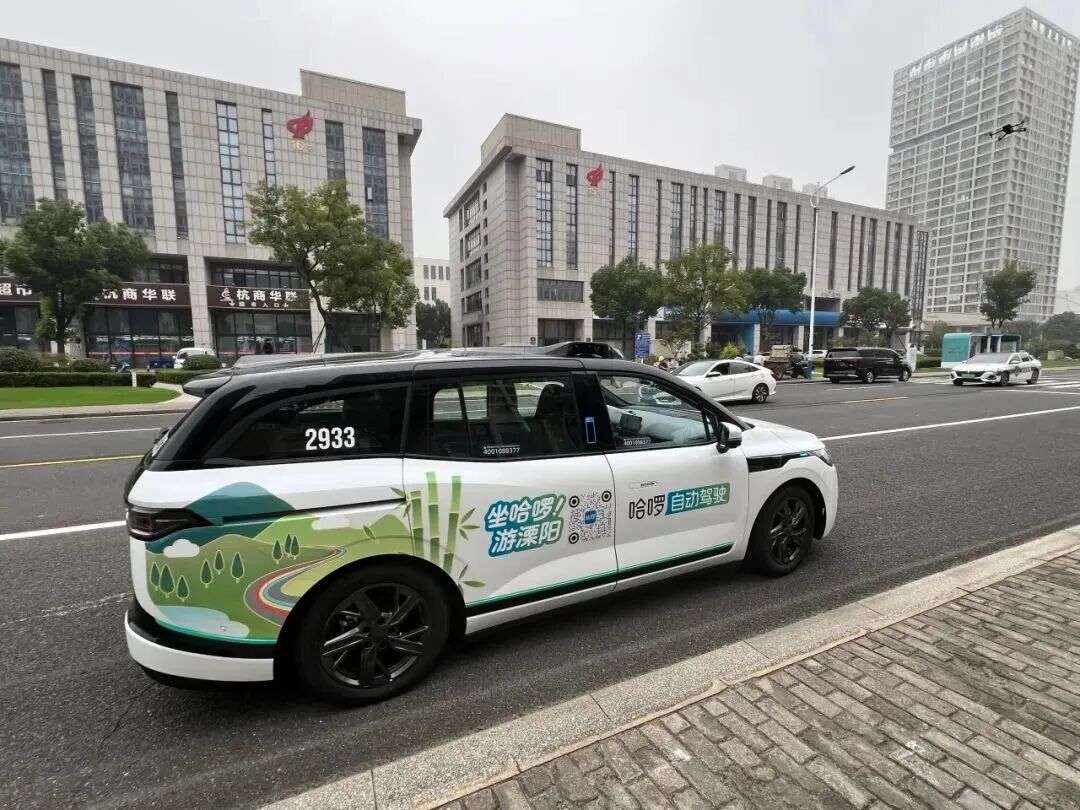
Core Viewpoint - The recent accident involving a Haolo Robotaxi has raised significant concerns about the safety of autonomous driving technology, particularly as it is one of the few incidents where a Robotaxi has reportedly struck pedestrians [1][3][4]. Group 1: Incident Details - A Haolo Robotaxi was involved in an accident in Zhuzhou, Hunan, where it allegedly struck two pedestrians at a crosswalk, leading to injuries that required hospitalization [4][6]. - The local hospital confirmed that the injured individuals, a man and a woman, were admitted to the ICU, although their specific conditions remain unclear [4][6]. - Following the incident, Haolo's autonomous driving operations in the area have been suspended, with no timeline provided for resumption [6][16]. Group 2: Company Response and Safety Measures - Haolo's co-founder emphasized that safety is the cornerstone of autonomous driving commercialization, highlighting the importance of addressing this incident to maintain public trust [3][12]. - The company has not provided detailed information about the accident, but customer service representatives indicated that they are cooperating with relevant authorities [4][6]. - The HR1 model involved in the incident is equipped with multiple safety features, including various types of sensors and a high-performance computing architecture, which raises questions about the effectiveness of these technologies in real-world scenarios [7][11][10]. Group 3: Market Context and Future Implications - Haolo's entry into the Robotaxi market has been marked by strategic partnerships with major companies like Ant Group and CATL, which provide technological and operational support [12][14]. - The Robotaxi sector is still in the early stages of user acceptance, and any accidents can significantly impact public perception and trust in autonomous vehicles [3][28]. - The global Robotaxi market is projected to reach 834.9 billion yuan by 2030, with a compound annual growth rate (CAGR) of 239% from 2024 to 2030, indicating a highly competitive landscape [26].
从本土到全球:奔驰中国合作生态赋能,引领自动驾驶商业化发展
第一财经· 2025-12-12 08:30
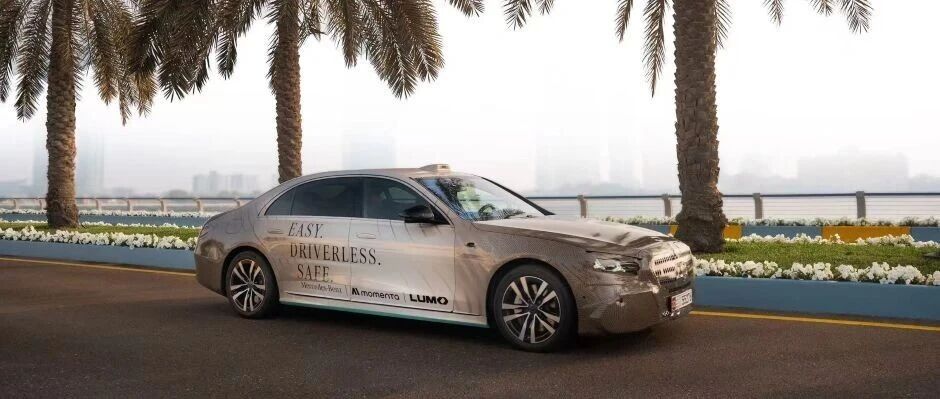
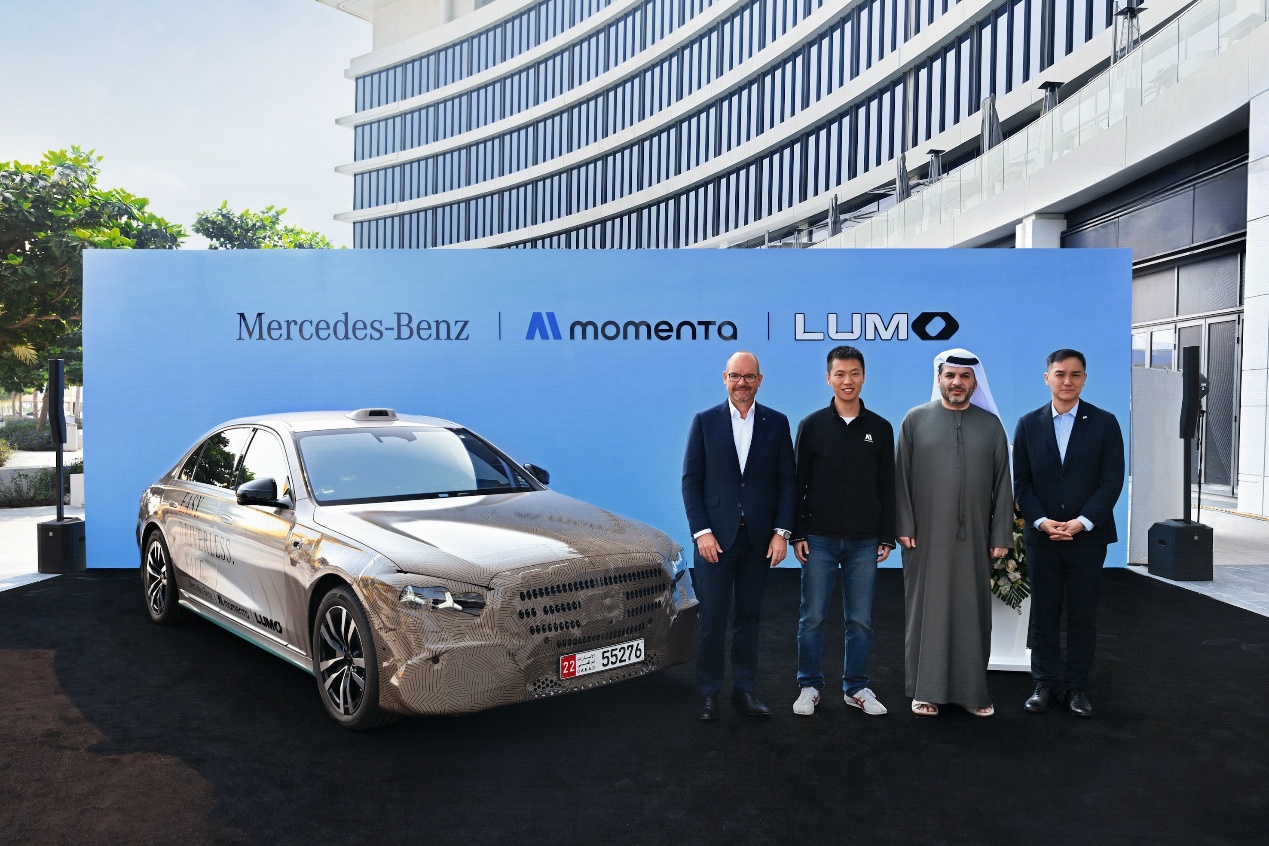
Core Viewpoint - Mercedes-Benz is focusing on the Chinese market with a long-term vision, enhancing its self-research capabilities while expanding partnerships to deliver innovative products and services that exceed user expectations [1]. Group 1: Investment and Technological Advancements - In 2017, Mercedes-Benz became the first international car manufacturer to invest in Momenta, a leading company in intelligent driving, which is now yielding returns with the launch of the new all-electric CLA featuring advanced driving assistance capabilities [1]. - The new Mercedes-Benz S-Class will provide L4 autonomous taxi services, with initial testing set to take place in Abu Dhabi, showcasing the company's commitment to advancing autonomous driving technology [3][4]. Group 2: Collaboration and Ecosystem Development - Mercedes-Benz is collaborating with industry leaders like NVIDIA to explore the future of L4 autonomous taxi ecosystems, utilizing its proprietary MB.OS architecture [4]. - The company is actively engaging in multiple R&D projects with top firms such as Momenta and ByteDance, forming a "circle of elites" to enhance smart driving and cockpit technologies [7][8]. Group 3: Testing and Certification - In 2024, Mercedes-Benz will be the first international automotive brand authorized to conduct L4 level testing in urban and high-speed environments in Beijing, focusing on advanced sensor technology and system performance under extreme conditions [6]. - The company has previously set industry benchmarks with innovations like the L2 level intelligent driving system and became the first to receive international certification for L3 conditional autonomous driving in December 2021 [6].
从本土到全球:奔驰中国合作生态赋能,引领自动驾驶商业化发展
Di Yi Cai Jing· 2025-12-12 08:29
Core Insights - Mercedes-Benz is focusing on the Chinese market while enhancing its self-research capabilities and expanding partnerships to deliver innovative products and services [1] Group 1: Investment and Technology Development - Mercedes-Benz was the first international car manufacturer to invest in Momenta in 2017, which has now become a leading company in intelligent driving [1] - The new all-electric Mercedes-Benz CLA, set to launch in November, features advanced urban and highway navigation assistance developed in collaboration with Momenta [1] - Mercedes-Benz and Momenta announced plans to provide L4 autonomous taxi services based on the new S-Class, with initial testing in Abu Dhabi [2] Group 2: Autonomous Driving Initiatives - The first S-Class vehicles will be used for testing in Abu Dhabi, with local partner Lumo responsible for operations [3] - The L4 autonomous taxi project aims to explore both user scenarios and commercial applications, allowing Mercedes-Benz to gain valuable experience in autonomous driving [3] - Mercedes-Benz is leveraging its proprietary MB.OS architecture and collaborating with NVIDIA to develop an L4 autonomous taxi ecosystem [3] Group 3: Future Testing and Innovations - In 2024, Mercedes-Benz will be the first international automotive brand authorized to conduct L4 city and highway testing in Beijing, focusing on advanced autonomous driving systems [5] - The project will investigate multi-sensor perception and system performance in extreme conditions, utilizing a specially designed sensor suite [5] - Mercedes-Benz has a history of innovation, having introduced advanced L2 intelligent driving systems and becoming the first to receive international certification for L3 conditional autonomous driving [5] Group 4: Product Launches and Collaborations - During the 2025 Guangzhou Auto Show, Mercedes-Benz will launch several key models, including the long-wheelbase C-Class and E-Class, equipped with smart features [6] - The company is enhancing its smart technology capabilities in China through collaborations with leading firms like Momenta and ByteDance, aiming to drive rapid development across various fields [6]
AD智驾的2025年:监管刹车、技术狂飙,“地大华魔”四雄争霸
3 6 Ke· 2025-12-11 09:55
Core Insights - The automotive industry in 2025 has seen a significant shift towards safety and responsibility, moving away from exaggerated claims about autonomous driving technology [1][3] - The Chinese Ministry of Industry and Information Technology has banned the term "autonomous driving," leading to a more realistic portrayal of the technology by car manufacturers [3][5] Industry Developments - The narrative around autonomous driving has changed, with companies now focusing on "assisted driving" and "intelligent driving assistance" instead of "autonomous driving" [3][5] - The industry is characterized by two main trends: advancement in technology and democratization of intelligent driving [5][11] Key Players and Innovations - Xiaopeng Motors has introduced a second-generation VLA model that eliminates the "middleman" in the translation process, allowing for direct machine understanding of physical environments [6][7] - BYD launched the "Tian Shen Zhi Yan" high-level intelligent driving system, targeting the 100,000 yuan market with various versions, including features like highway NOA and automatic parking [11][13] - Geely has also entered the market with its own intelligent driving system, offering multiple versions with varying capabilities [11][13] Competitive Landscape - Tesla's role has evolved, with Chinese companies no longer viewing it as the sole leader in intelligent driving technology [13][14] - Horizon Robotics has gained traction with its end-to-end architecture and aims to make urban NOA widely available, achieving significant market share in the autonomous driving sector [19][21] - DJI's subsidiary, Zhuoyue Technology, has focused on practical applications and has made strides in the European market, showcasing its capabilities in urban NOA [22][24] Strategic Collaborations - Huawei has formed numerous partnerships across the automotive industry, providing comprehensive intelligent driving solutions to various manufacturers [25][28] - Momenta has expanded its collaboration network significantly, working with multiple brands to implement its driving assistance solutions [29][31] Challenges and Future Outlook - Despite advancements, the industry faces challenges related to user trust and the potential for misuse of autonomous driving systems [33][34] - The ongoing evolution of intelligent driving technology is expected to continue, with a focus on making it accessible to a broader market while addressing safety and ethical concerns [35][36]
韧性2025|合资与豪华车企,还有戏吗?
Xin Lang Cai Jing· 2025-12-11 08:22
Core Insights - By the end of 2025, China's automotive market has transitioned from a fragmented exploration phase to a systematic breakthrough in smart electric transformation, with a nearly 60% penetration rate of new energy vehicles [1] - Joint ventures and luxury brands have recognized the need to abandon their previous technological arrogance and adapt to the Chinese market, demonstrating resilience in their strategies [1][3] Group 1: Industry Transformation - The most significant change in 2025 is the deep integration between joint ventures and luxury brands with Chinese tech companies, moving from simple supply relationships to comprehensive collaboration in R&D [3] - Brands like Audi and Toyota are now incorporating advanced Chinese technologies into their vehicles, indicating a shift in strategy where smart features are seen as essential rather than optional [3][4] Group 2: Market Strategy - Joint ventures are adopting a dual strategy of maintaining fuel vehicles while simultaneously developing new energy vehicles, with fuel vehicles still holding about 50% market share [4][6] - SAIC Volkswagen's "oil-electric dual progress" strategy exemplifies this approach, allowing them to leverage stable cash flow from fuel vehicles to support new energy development [6][7] Group 3: Luxury Brand Adaptation - Luxury brands are diversifying their product offerings to include pure electric, hybrid, and range-extended vehicles, moving away from a singular focus on electric models [8][9] - BMW, Mercedes-Benz, and Audi are all implementing strategies that combine their luxury heritage with advanced Chinese technology to enhance their competitive edge [9][10] Group 4: Competitive Dynamics - The automotive industry is shifting from a zero-sum game of disruption to a new phase of adaptation and coexistence, where the ability to adjust to market demands is becoming the primary competitive advantage [14][16] - The collaboration with Chinese tech firms is seen as a way to quickly fill technological gaps and enhance product offerings, while also maintaining a foothold in the fuel vehicle market [16][17]
前蔚来智驾高管加盟新公司
自动驾驶之心· 2025-12-11 00:05
以下文章来源于蚀刻AiTech ,作者蚀刻团队 蚀刻AiTech . 智能驾驶十年老兵,走过四家公司,搞过芯片做过量产,写写行业新鲜事。 期待刻录AI发展的重点时 刻。 原文链接: 蚀刻独家 | 前蔚来智驾高管加盟新公司 点击下方 卡片 ,关注" 自动驾驶之心 "公众号 戳我-> 领取 自动驾驶近30个 方向 学习 路线 >>自动驾驶前沿信息获取 → 自动驾驶之心知识星球 该头部无人配送公司目前正处于发展的快车道。今年10月,公司宣布完成D轮融资,创下中国自动驾驶 领域最大一笔私募融资纪录。目前该公司已实现累计交付车辆突破1万台、业务覆盖全国近300个城市的 规模,正全力杀入即时物流和泛城配市场,加速推进无图自动驾驶技术和端到端大模型的应用。这些技 术正是该高管在蔚来负责的核心领域。他的加入,可以说是该公司为应对下一阶段挑战所做的关键性人 才储备。 加加加加加加加加柱柱柱柱柱柱柱柱哥哥哥哥哥哥哥哥微微微微微微微微信信信信信信信信爆爆爆爆爆爆爆爆料料料料料料料料!!!!!!!! 自 动 驾驶之心 某前蔚来智驾高管已正式加入某头部无人配送自动驾驶企业,并出任该公司要职。 该高管在加入蔚来前,曾任Momenta高级 ...