抖音

Search documents
2025“最长618”:硝烟散去,生态竞合
3 6 Ke· 2025-06-19 02:28
Core Insights - The 618 shopping festival has shifted from a price war to a focus on ecosystem competition among e-commerce platforms, emphasizing supply chain optimization and user experience enhancement [2][3][11] Promotional Strategies - Major platforms like Tmall, JD, and Douyin launched the 618 promotions earlier than last year, with new strategies such as Tmall's "one item discount" and JD's combination of national subsidies and delivery discounts [2][3] - The promotional tactics have evolved, with platforms moving away from aggressive price competition to enhancing overall service quality and ecosystem collaboration [2][10] Consumer Behavior - Consumers have shown signs of fatigue from continuous promotions, leading to a decline in the urgency to purchase during the 618 festival, despite it being perceived as the cheapest year [3][7] - The shopping experience has been negatively impacted by high return rates and quality issues, prompting platforms to reconsider their pricing strategies [7][8] Sales Performance - Last year's 618 saw a decline in sales, with a total of 742.8 billion yuan, marking a nearly 7% drop year-on-year, the first negative growth since the festival's inception [7] - In contrast, the sales during the subsequent Double 11 festival rebounded significantly, reaching 1.4418 trillion yuan, a 26.6% increase from the previous year [8] Ecosystem Collaboration - Platforms are increasingly forming strategic partnerships to enhance their competitive edge, such as Tmall's collaboration with Xiaohongshu and JD's partnership with Bilibili [11][12] - The industry is transitioning towards a "co-opetition" model, where platforms collaborate to enhance user engagement and drive sales [13][15] Marketing and User Engagement - The rise of content-driven marketing is reshaping consumer decision-making, with platforms leveraging influencers and content creators to build trust and loyalty [13][14] - E-commerce platforms are focusing on improving operational efficiency and marketing effectiveness to better serve merchants and consumers [16][17] Future Outlook - The competition in the e-commerce sector is expected to evolve from mere GMV comparisons to a more nuanced evaluation of ecosystem capabilities and resource integration [16][18] - Platforms are prioritizing long-term sustainability and ecosystem health over short-term gains, indicating a strategic shift in the industry [18]


当电商大促回归本质,谁在为中小商家的成长“浇水”
2 1 Shi Ji Jing Ji Bao Dao· 2025-06-19 01:37
Group 1 - The market environment and consumer habits have significantly changed, with e-commerce promotions still driving consumer demand, especially under the enhanced national subsidy policies [1] - Quality content has emerged as a new narrative to stimulate consumption, reflecting a shift in traffic logic [1] - Interest e-commerce platforms like Douyin are becoming essential for small and medium-sized businesses, providing support in sales channels, marketing, and logistics [1] Group 2 - The demand for products is high, as evidenced by the success of businesses like Feifei Shrimp, which prepared over 50,000 orders for a promotional event and sold out quickly [2] - The shift from offline to online sales is evident, with businesses leveraging data from online sales to better understand consumer preferences [2] - Traditional marketing methods are still relevant, but brands now demand unprecedented levels of return on investment [4] Group 3 - Content marketing based on consumer insights is becoming a fundamental capability for businesses, allowing them to better understand and engage with their customers [5] - Brands like Amei Handcrafted Shoes have successfully used direct consumer feedback to refine their products, leading to significant sales during promotional events [6] - The strategy for businesses includes having quality products, effective content to attract users, and utilizing Douyin's support policies for growth [7][8] Group 4 - Douyin has implemented various support policies for merchants, including commission waivers and cost-saving measures, resulting in over 11 billion yuan in savings for businesses [8] - The 618 shopping festival served as a critical test for retail strategies, with Douyin investing heavily in cash subsidies and traffic resources to boost merchant performance [8] - The core of e-commerce remains to solidify universal value while addressing the specific needs of different consumer and supply segments [9]
体现崭新特点,吸引外国企业,超长“618”提振中国消费
Huan Qiu Wang· 2025-06-18 23:02
Group 1 - The "618" shopping festival in China has been extended to 39 days, starting from May 13 and ending on June 20, which is 7 days earlier than last year, aiming to boost consumer spending amid global economic uncertainties [1] - Major e-commerce platforms like Tmall and JD.com have simplified their promotional rules this year, eliminating complex discount calculations and focusing on straightforward discount methods to enhance consumer experience [2] - The sales of agricultural products, particularly lychees, have surged during the "618" festival, with JD.com reporting a significant increase in sales due to direct sourcing from Guangdong [3][4] Group 2 - The "618" festival has attracted international attention, with foreign companies increasing their stock for the event, indicating a growing interest in the Chinese market [5][6] - China's retail market is showing signs of vitality, with the retail sales growth rate reaching 6.4% in May, the highest since December 2023, supported by strong consumer spending during the Labor Day holiday and government subsidies [6][7] - Despite external challenges such as trade conflicts, the demand in the Chinese market remains stable, with experts suggesting that the retail sector has significant growth potential [7]
消费理性回归 电商走向共赢
Zheng Quan Shi Bao· 2025-06-18 18:30
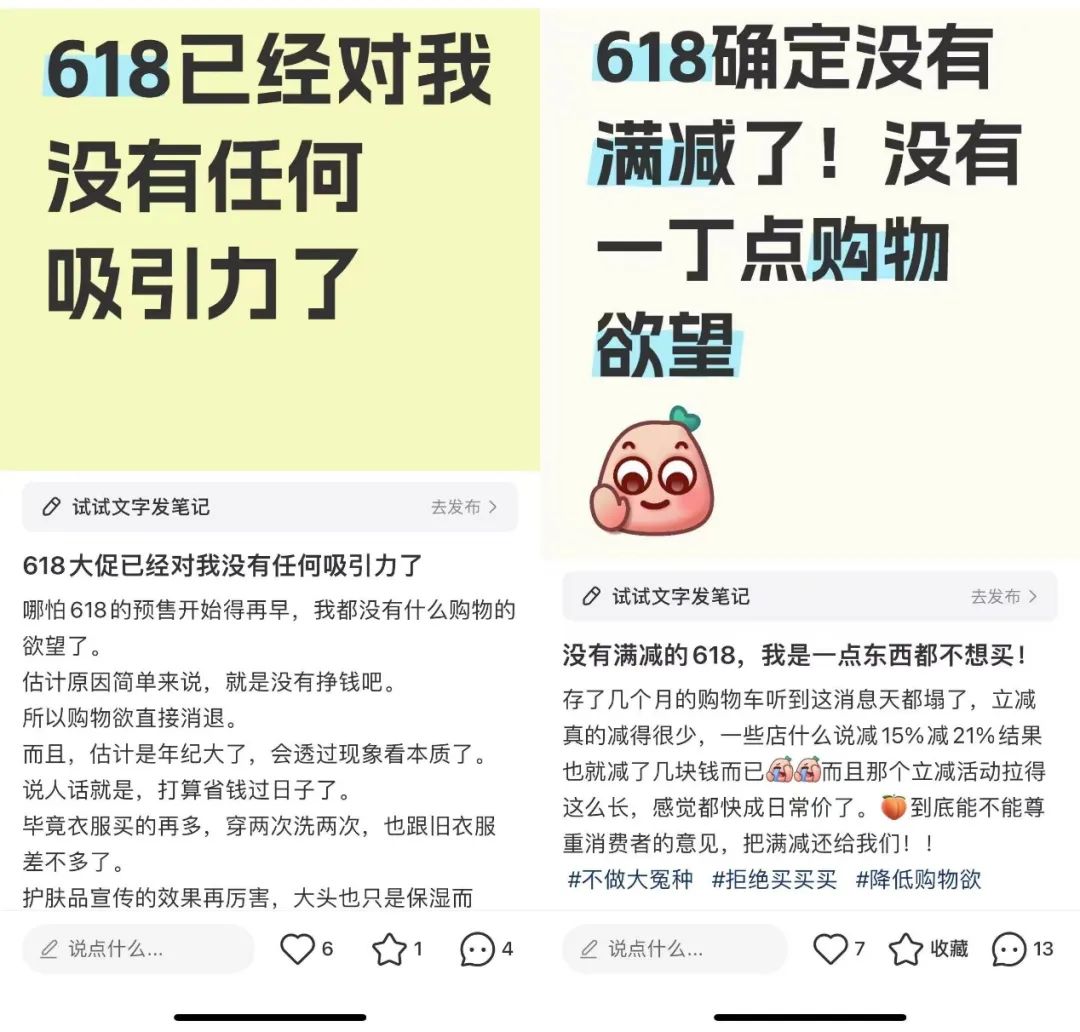
Core Insights - The 6.18 shopping festival has shifted from intense competition to a more collaborative approach among e-commerce platforms, reflecting changes in consumer behavior and preferences [1][2][3] Group 1: Changes in Consumer Behavior - Consumers are increasingly fatigued by complex promotional rules and prefer simpler, more direct discounts, leading platforms to simplify their promotional strategies [1][2] - Over 80% of consumers prefer the 6.18 promotion duration to be no longer than two weeks, with 34.2% believing two weeks is optimal for comparison shopping [2] - A growing number of consumers express indifference or even aversion to pre-sales, indicating a preference for immediate purchases [2] Group 2: E-commerce Platforms' Strategies - Major platforms like Tmall and Douyin have simplified their promotional rules, moving towards direct discounts rather than complicated tiered discounts [1][2] - Platforms are exploring cooperative strategies, such as Tmall's partnership with Xiaohongshu to drive traffic through shared marketing efforts [2] - JD.com is integrating external traffic sources and collaborating with Bilibili to create a marketing ecosystem that enhances user engagement [2] Group 3: Supply Chain and Logistics Innovations - E-commerce platforms are focusing on supply chain efficiency and consumer experience, with initiatives like Tmall's establishment of a local warehouse in Xinjiang to improve delivery times [3] - JD.com has launched a comprehensive logistics enhancement plan, including the deployment of high-density unmanned vehicles and the opening of self-operated stations in remote areas [3] Group 4: Marketing and Innovation - The 6.18 festival has seen the introduction of innovative marketing strategies, such as live streaming and virtual fitting rooms, enhancing consumer engagement and experience [4] - The shift towards rational competition emphasizes the importance of resource integration and efficiency over mere sales volume, indicating a potential turning point for the e-commerce industry [4]

线上消费投诉频发,监管质量受到质疑
Sou Hu Cai Jing· 2025-06-18 18:12
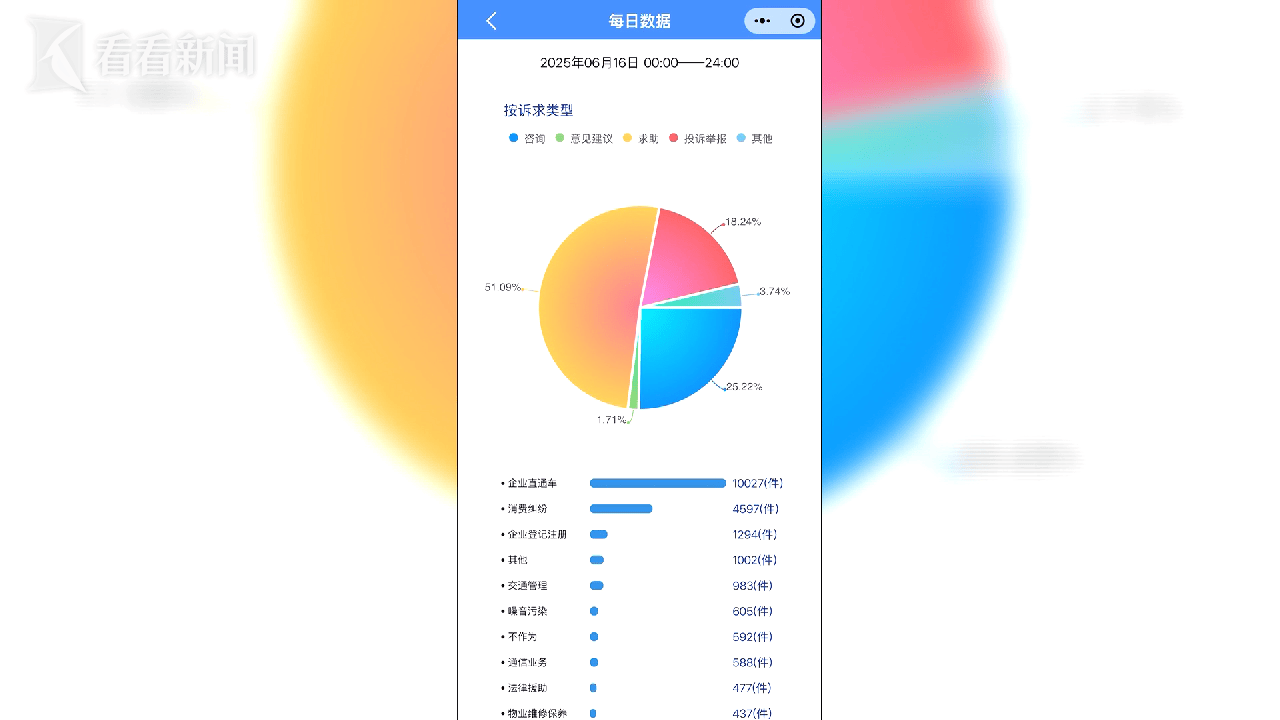
Core Viewpoint - The article highlights the increasing consumer complaints regarding online shopping disputes, particularly focusing on the ineffectiveness of market regulatory departments in addressing these issues, leading to dissatisfaction among consumers [1][3]. Group 1: Consumer Complaints - A significant number of complaints have been directed at market regulatory departments, indicating a lack of trust in their ability to resolve disputes effectively [3][5]. - Consumers have reported instances where they did not receive any communication from regulatory departments after filing complaints, leading to frustration and unresolved issues [5][7]. Group 2: Regulatory Challenges - Market regulatory departments often lack the resources to handle the volume of complaints, with some departments receiving over 80,000 complaints in a year, yet having only a few staff members to manage them [9][10]. - The current system requires that all complaints be directed to the platform's registered location, which can overwhelm local regulatory bodies, resulting in inadequate responses to consumer issues [9][12]. Group 3: Proposed Solutions - Some districts are experimenting with dedicated "online monitoring offices" to better manage complaints related to online platforms, although the workload remains high for the limited staff available [10][12]. - There are suggestions to change the jurisdiction principle, allowing complaints to be handled by the regulatory department in the consumer's or the merchant's location, which could lead to more effective resolutions [12].
这个“618”大促,电商平台因势而变
Nan Fang Du Shi Bao· 2025-06-18 15:49
Group 1 - The core viewpoint of the articles highlights the shift in e-commerce platforms towards more transparent pricing mechanisms and a move away from aggressive price competition, driven by consumer demand for clarity and fairness [1][2][3] - Platforms like Tmall have replaced the previous "full reduction" mechanism with a more straightforward "official discount" approach, addressing consumer complaints about complex discount structures [1] - The implementation of the "Interim Provisions on Prohibition of Unfair Competition in E-commerce" has led to a reduction in price wars among platforms, with even low-cost competitors like Pinduoduo adapting to a "store minimum" pricing strategy [1] Group 2 - The trend of "anti-involution" is becoming prominent, with platforms and merchants recognizing that unsustainable low pricing cannot drive long-term performance, leading to changes in traffic distribution mechanisms [2] - Tmall has shifted from a "low price wins" model to a "quality wins" approach, while Douyin e-commerce has introduced various support measures for quality merchants, indicating a focus on sustainable business practices [2] - Consumer expectations have evolved, with a demand for more transparent and straightforward promotional activities during sales events like "618," reflecting a shift in shopping behavior [2] Group 3 - Instant retail has entered the competitive landscape during the "618" event, catering to consumers' preferences for immediate purchases without bulk buying, even if discounts are less aggressive [3] - The rise of instant retail has prompted traditional e-commerce platforms to enhance user experience and optimize their ecosystems [3] - Despite positive changes, the e-commerce sector still faces significant issues, such as increased complaints about pricing practices and hidden discounts, indicating ongoing challenges in consumer trust and satisfaction [3]

“罗永浩”超越罗永浩,百度618搬来了“新救星”?
创业邦· 2025-06-18 09:51
Core Viewpoint - The emergence of digital humans in live streaming, exemplified by the recent performance of "digital Luo Yonghao," showcases the potential to revitalize the struggling live commerce sector and highlights Baidu's ambition in the smart e-commerce landscape [3][4][8]. Group 1: Digital Human Performance - The digital human version of Luo Yonghao achieved over 55 million yuan in GMV within just 26 minutes, surpassing the sales of the real Luo Yonghao in a one-hour live stream [1][4]. - The live stream attracted over 13 million viewers, setting a new record for digital human live commerce [1][4]. Group 2: Industry Challenges - The live commerce industry faces rising costs for real human hosts, content homogenization, and challenges such as peak traffic and high marketing costs [4][6]. - Training a real human host requires significant time and financial investment, often necessitating a large support team, which contributes to high operational costs [4][10]. Group 3: Digital Human Technology - Baidu has been exploring digital human technology since 2022, launching the "Xiling" digital human live streaming platform and achieving a 740% increase in GMV during the Double 11 shopping festival [5][9]. - The digital human can perform actions and expressions that closely mimic real humans, enhancing viewer engagement and trust [5][8]. Group 4: Market Trends - The digital human market is projected to reach 48.06 billion yuan by 2025, with the overall industry scale expected to reach 640.27 billion yuan [7][8]. - The shift from human-driven to technology-driven live commerce marks a significant transition in the industry, potentially reshaping the competitive landscape [8][12]. Group 5: Baidu's Strategic Moves - Baidu's strategic partnerships and initiatives, such as the "Dream Butterfly" and "繁星" plans, aim to increase the number of digital human hosts and provide substantial support for their development [11][12]. - The company has developed a key technology for script generation, which is crucial for creating engaging digital human content [10][11].


618存量之战:电商平台重新定义“增长”
2 1 Shi Ji Jing Ji Bao Dao· 2025-06-18 05:30
Core Insights - The traditional promotional model of "618" is evolving as consumers become more discerning about their purchases, focusing on the reasons behind their buying decisions rather than just discounts [2][9] Group 1: Changes in Consumer Behavior - Consumers are increasingly prioritizing high cost-performance products, leading to a normalization of value-driven offerings across both online and offline platforms [3][4] - The impact of promotions on consumer behavior is diminishing, with consumers becoming more aware of their needs and less influenced by single promotional events [4] - The market share of domestic brands in the fast-moving consumer goods (FMCG) sector has risen from 66% in 2012 to an expected 76% by 2024, indicating a shift towards local brands that better understand consumer preferences [4] Group 2: E-commerce Platform Strategies - E-commerce platforms are moving away from complex discount structures to simpler pricing strategies, which reduces decision-making costs for consumers and enhances shopping experiences [3] - Platforms like Taobao, JD, Douyin, and Kuaishou are focusing on emotional engagement and user understanding to drive sustainable growth, rather than relying solely on price competition [3][6] - Instant retail is reshaping the purchasing and fulfillment process, with significant growth in categories like alcohol and baby formula during the "618" period, highlighting the demand for quick delivery services [6] Group 3: Emotional Economy and New Trends - The emotional economy is becoming a key driver of consumer behavior, with platforms leveraging content and emotional resonance to stimulate "self-rewarding" consumption [7][8] - The integration of content marketing with e-commerce is evident, as seen in initiatives like the "Red Cat Plan" by Taobao and Xiaohongshu, targeting specific consumer segments [7] - The rise of niche markets, such as the toy and collectible sector, has led to explosive sales growth, with many merchants achieving significant sales milestones during the "618" event [8]


“确定性”服务引领行业变革,万师傅何以成为“用户首选”
Zhong Guo Chan Ye Jing Ji Xin Xi Wang· 2025-06-18 03:41
Core Insights - The traditional home service industry suffers from issues such as information asymmetry, price opacity, inconsistent service quality, and lack of after-sales support, leading to a loss of consumer confidence [1] - The rise of internet home service platforms, exemplified by Wan Shifu, is addressing these challenges by leveraging digital technology to enhance service quality and transparency [1][4] - Wan Shifu has achieved significant scale, with over 400 million registered service providers and a service coverage rate of 99.8% across 297 cities and 2844 counties in China, equating to over one-third of households [1] Group 1: Service Quality Assurance - Wan Shifu's CEO, Tian Xiaozheng, introduced a "service demand pyramid" model, emphasizing the importance of safety, accessibility, certainty, and stability in home services [2] - The company has established industry standards for home service quality, ensuring service providers adhere to specific guidelines and undergo rigorous assessments [4] - A unique "master capacity map" allows for rapid matching of service providers to user requests, significantly improving service response times [6] Group 2: Customer Satisfaction and Brand Loyalty - Wan Shifu was awarded "Best Installation Platform Partner" at the 2025 Digital Logistics Center Cooperation Conference, highlighting its superior service quality and efficiency [7] - The company boasts a Net Promoter Score (NPS) of 92, far exceeding the industry average of 18.8, indicating high customer satisfaction [7] - Strategic partnerships with leading brands and platforms enhance Wan Shifu's service capabilities and customer experience [7] Group 3: Scale and Market Leadership - As of March 2025, Wan Shifu is recognized as the leading home installation and repair platform in terms of scale and market share [10] - The platform surpassed 1 billion cumulative service orders by April 2023, becoming the first in the industry to achieve this milestone [10][11] - Wan Shifu has received multiple accolades for its service quality, reinforcing its position as a trusted brand in the home service sector [11] Group 4: Continuous Improvement and Innovation - Wan Shifu conducts regular training for service providers to enhance their skills and service quality, particularly before peak shopping seasons [8] - The company actively engages with service providers through feedback sessions to refine platform rules and address employment challenges [9] - Wan Shifu's commitment to innovation and long-term goals aims to create a better home service ecosystem, focusing on both service quality and provider welfare [12]

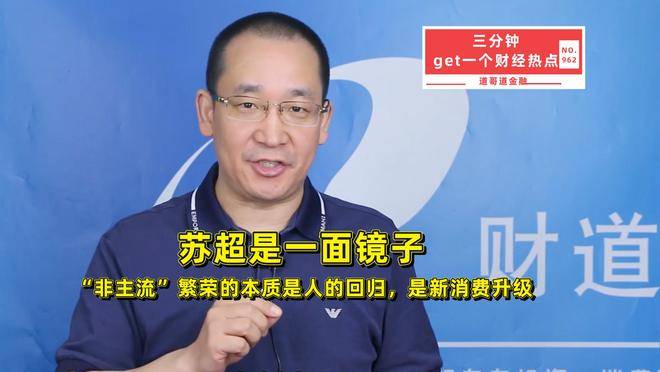
“非主流”苏超爆火,背后是人的回归,是新消费升级
Sou Hu Cai Jing· 2025-06-18 03:28
Group 1 - The "Su Super League" phenomenon reflects a unique non-mainstream prosperity driven by a renewed recognition of personal value and enhanced consumer behavior [1] - Ticket prices for matches in the Su Super League have surged from 5-10 yuan to 300-600 yuan, sparking widespread discussion and contrasting sharply with the Chinese Super League [1] - The success of the Su Super League is attributed to cultural identity replacing utilitarianism, leading to genuine spiritual resonance beyond superficial formalism [1] Group 2 - The rise of self-media has significantly reduced reliance on traditional media, with many individuals no longer watching programs like "News Broadcast" [2] - The public's attention has shifted from reading newspapers and magazines to engaging with content on mobile screens, indicating a shift in information consumption [4] - Self-media development has created new commercial value, reflecting a public dissatisfaction with the single dissemination model of mainstream media [4] Group 3 - The evolution of e-commerce has led to the decline of traditional retail formats, with online shopping and live-streaming sales becoming mainstream [5] - Consumers are increasingly seeking simplicity and convenience, moving away from complex packaging and traditional shopping experiences [5] - Emphasizing consumer-centric decision-making can unlock significant consumption potential and invigorate economic development [5]