
吉利汽车

Search documents
一周一刻钟,大事快评(W139):补贴政策受益分析;小鹏、零跑、长城销量解读
Shenwan Hongyuan Securities· 2026-01-07 10:29
Investment Rating - The report maintains an "Overweight" rating for the automotive industry, indicating a positive outlook compared to the overall market performance [10]. Core Insights - The 2026 new energy vehicle (NEV) purchase tax subsidy policy has shifted from a flat-rate model to a tiered proportional subsidy, resulting in a slight decrease in per-vehicle subsidy amounts. Companies with a higher proportion of low-end models, such as Geely and BYD, will experience a more significant subsidy reduction, while high-end brands will be less affected [2][3]. - The adjustment in subsidy policy is expected to reshape the sales structure of NEVs in 2026, with a decline in demand for low-end models and a relative advantage for mid-to-high-end models [2]. Summary by Relevant Sections Subsidy Policy Analysis - The new subsidy policy will lead to a 19% reduction for Geely and a 14% reduction for BYD, while companies like Xiaopeng, Great Wall, and Leap Motor will see a smaller impact of around 10% due to their higher proportion of mid-to-high-end models [2]. - The demand for A0 and A00 level low-end models, which previously relied heavily on subsidies, is expected to decrease significantly [2]. Sales Analysis of Key Companies - Xiaopeng Motors delivered nearly 430,000 vehicles in 2025, a 126% year-on-year increase. However, the average selling price (ASP) dropped from approximately 190,000 yuan in 2024 to 160,000 yuan in the first half of 2025 due to changes in product mix [3]. - Leap Motor achieved a delivery volume of 597,000 vehicles in 2025, doubling from 290,000 in 2024. The company plans to launch two high-end models in 2026 and aims for a sales target of 1 million vehicles [4]. - Great Wall Motors sold 1.32 million vehicles in 2025, with a 7% year-on-year growth. The company has set a sales target of 1.8 million vehicles for 2026, reflecting a 40% increase [5]. Investment Recommendations - The report suggests focusing on new energy vehicle companies with advantages in AI and robotics, such as Xiaopeng, NIO, and Li Auto, as well as component manufacturers like Yinchuan, Fuda, and Shuanghuan, which are expected to benefit from the new subsidy policies [6].

万亿赛道加速成型 绿色甲醇重构能源变革新范式
财联社· 2026-01-07 10:19
Core Viewpoint - The green methanol industry is entering a critical phase of large-scale industrialization, driven by its economic and strategic advantages as a new energy carrier, which is essential for China's energy security and achieving carbon neutrality goals [1][2][7]. Policy Support - Over 70 policy documents have been issued by national ministries and local governments to support the promotion of methanol vehicles, creating a comprehensive policy framework from top-level design to local implementation [2]. - The introduction of the "New Energy Law" in 2025 explicitly supports renewable energy development, indicating ongoing policy incentives for the methanol industry [2]. Economic Advantages - Green methanol shows significant economic benefits, with fuel costs for methanol-hydrogen electric heavy trucks reduced by 32%-52% compared to diesel vehicles, and a 30% savings in purchase costs compared to pure electric vehicles [3]. - The cost of retrofitting methanol refueling stations is only 5% of that for traditional gas stations, leveraging existing infrastructure for energy transition [3]. Technological Innovations - Key technological breakthroughs, such as the development of zero-carbon methanol production and methanol engine efficiency reaching 50.3%, are driving the industrialization of methanol [3]. - The "Yuanchun 001" vessel, the world's first methanol-hydrogen electric dual-use ship, demonstrates the potential for green transformation in water transport, achieving a 42% reduction in energy costs compared to diesel ships [3]. Market Potential - The green methanol market in China is projected to exceed 1 trillion yuan by 2030, encompassing production, storage, transportation, and application sectors [5]. - Investment in wind-solar-hydrogen coupling projects for methanol production is becoming a hotspot, with significant market opportunities in storage and transportation networks [5]. Capital Market Interest - The continuous policy support, technological advancements, and ecosystem development are attracting significant attention from the capital market, with substantial funding rounds completed for methanol-related ventures [4].


参展中企占比22%,CES显露中美路径分水岭
Guan Cha Zhe Wang· 2026-01-07 10:15
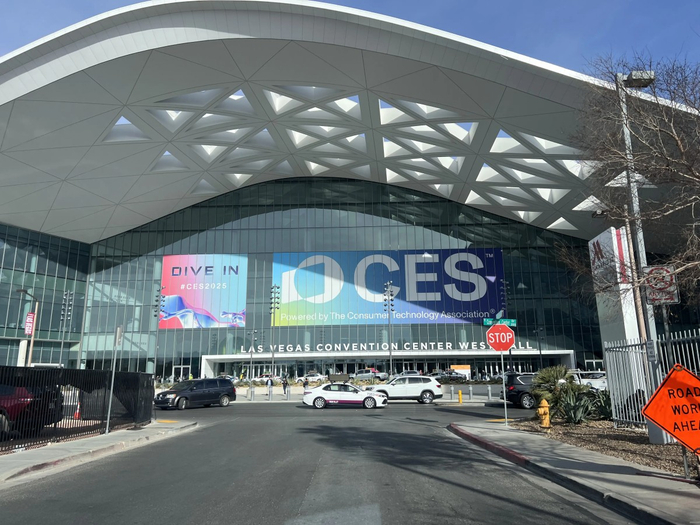
(文/观察者网 张家栋 编辑/高莘) 1月6日,CES 2026(2026年国际消费电子展)在拉斯维加斯正式启幕,在全球科技产业经历新一轮周 期调整背景下,这一展会正被赋予新的含义——不仅是前沿技术的集中展示窗口,也逐渐成为中美企业 在多个关键技术领域同台亮相的平台。 官方数据显示,本届CES参展商总数超过4000家,其中,尽管受到地缘政治等因素影响,中国企业参展 总数依然达到942家,占比约22%,延续了全球第二大参展国的地位。 CES拉斯维加斯会展中心 更值得关注的是,除参展数量变化之外,中国企业的参展结构也在发生变化,尤其是在AI技术介入 后,中国企业正从以往的单一品类单打独斗,走向覆盖整车制造、智能驾驶、AI芯片、机器人、消费 电子、核心零部件与系统平台等多领域协同,几乎贯穿产业链的全链路AI路径。 而这种变化,也正成为本届CES上,在围绕英伟达硬件建立的生态外,最具象征意义的变化之一,并且 令本届CES成为直观感受中美在AI等前沿科技领域差异化路径及竞争的窗口。 从整体展会主题看,AI是贯穿CES 2026的主线。无论是消费电子、汽车、机器人,还是算力与云端系 统,人工智能都不再只是为人类生产赋能的 ...
中国车企CES秀肌肉
Hua Er Jie Jian Wen· 2026-01-07 09:56
Core Insights - Chinese automakers are redefining the future of the automotive industry at CES, shifting focus from hardware to AI models and advanced driving architectures [1] - The competition is now centered around software capabilities and supply chain integration, marking a significant transition from manufacturing to standard-setting [1][11] Group 1: Technological Advancements - Geely introduced its "Universal AI 2.0" system, featuring the World Action Model (WAM), which enhances the vehicle's intelligence through a layered design [2] - WAM allows for a complete intelligent feedback loop, enabling continuous evolution in automotive intelligence [2] - Geely's strategy has led to a 20%-30% reduction in project numbers while enhancing quality, indicating a focus on efficiency [3] Group 2: Strategic Integration - Geely's brands, including Zeekr and Lynk & Co, have unified their driving software under the "G-ASD" system, promoting technology sharing across models [3] - This integration allows for rapid deployment of advanced technologies, such as the Thor-U chip, across different vehicle brands [3] - Great Wall Motors is pursuing a dual strategy of mechanical and intelligent advancements, showcasing its Hi4-Z hybrid architecture to address consumer concerns about range and energy consumption [4] Group 3: Supply Chain and Market Positioning - Chinese supply chain companies are demonstrating their production capabilities, with Leap Motor showcasing its aggressive electronic architecture strategy [5] - Black Sesame Intelligence presented its A2000 autonomous driving chip, targeting the L2+/L3 market, while other companies displayed advancements in lidar technology [6] - The automotive industry is expected to undergo significant changes, with a shift from funding and qualifications to AI model integration as the new entry barrier [7] Group 4: Future Industry Dynamics - The high costs associated with advanced driving technologies are leading to a consolidation trend, where only a few major players will dominate the market [9] - Companies unable to develop large models or afford high-performance chips may face significant challenges, leading to potential market exits [9] - The transition from "software-defined vehicles" to "AI-defined vehicles" will fundamentally alter the automotive business model, emphasizing AI capabilities over traditional hardware metrics [10][11]
黑芝麻智能(02533.HK)五赴CES,三大领域最新突破推动智能全维进化
Ge Long Hui A P P· 2026-01-07 09:54
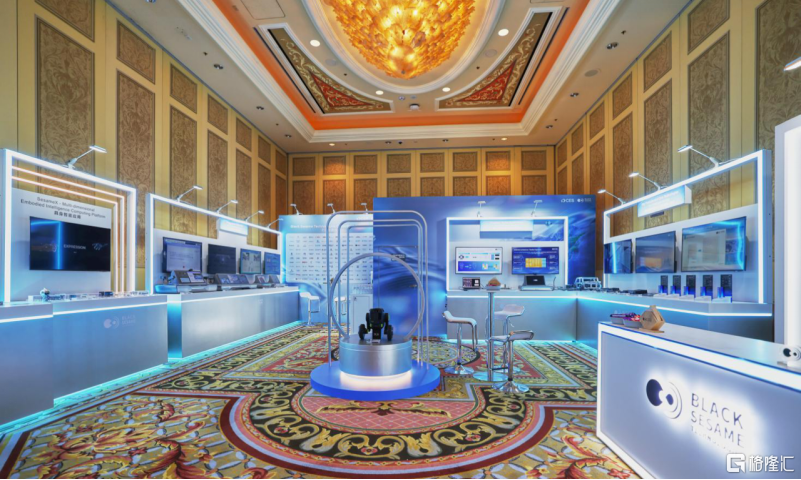
Core Insights - Black Sesame Intelligence showcased its latest achievements in assisted driving, embodied intelligence, and consumer electronics at CES 2026, marking its strategic shift from "driving assisted driving" to "promoting intelligent evolution" [1] Group 1: Assisted Driving - The A2000 all-scenario general-purpose assisted driving demonstration platform made its debut, providing high-performance, high-reliability full-stack solutions for the smart automotive industry [2] - The Huashan A2000 chip has gained wide recognition in the industry, successfully collaborating with major automakers like Dongfeng, Geely, Hongqi, and JAC to implement assisted driving technology in mass-produced vehicles [5] - The A2000 chip has passed relevant U.S. reviews and is officially launched in the global market, featuring a large-core architecture and system-level optimization [5] Group 2: Embodied Intelligence - The SesameX multi-dimensional embodied intelligence computing platform made its overseas debut, aimed at providing an open, scalable, and mass-producible intelligent computing base for robotics [7] - The platform includes three series: Kalos, Aura, and Liora, catering to various complexities and forms of robotic needs, promoting the large-scale industrial implementation of embodied intelligence [7] Group 3: Consumer Electronics - Black Sesame's AI imaging solutions have been widely adopted in consumer electronics, with over 500 million devices equipped globally [8] - The recent strategic acquisition of Yizhi Electronics enhances Black Sesame's capabilities in low-power, cost-effective AI SoC chips, showcased at CES [8] - The AI imaging solutions cover a range of products, including smartphones, tablets, cameras, and AI glasses, providing enhanced user experiences through deep integration of chips and algorithms [8]

吉利汽车(00175.HK)1月7日回购338.80万股,耗资5915.60万港元
Zheng Quan Shi Bao Wang· 2026-01-07 09:52
吉利汽车回购明细 | 日期 | 回购股数(万股) | 回购最高价(港元) | 回购最低价(港元) | 回购金额(万港元) | | --- | --- | --- | --- | --- | | 2026.01.07 | 338.80 | 17.650 | 17.380 | 5915.60 | | 2026.01.06 | 42.30 | 17.810 | 17.570 | 749.94 | | 2026.01.05 | 342.00 | 17.900 | 17.520 | 6031.47 | (文章来源:证券时报网) 证券时报·数据宝统计,吉利汽车在港交所公告显示,1月7日以每股17.380港元至17.650港元的价格回购 338.80万股,回购金额达5915.60万港元。该股当日收盘价17.510港元,下跌1.79%,全天成交额6.83亿 港元。 自1月5日以来公司已连续3日进行回购,合计回购723.10万股,累计回购金额1.27亿港元。 其间该股累 计下跌3.79%。(数据宝) ...
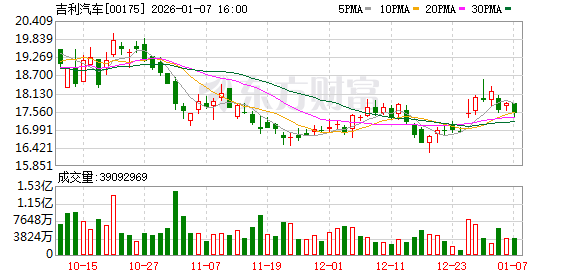
2025汽车行业十大年度金句 | 精进2025——汽车行业10个十大年度盘点
Jing Ji Guan Cha Wang· 2026-01-07 09:32
Core Insights - The automotive industry in 2025 has experienced significant growth driven by proactive policies that enhance consumption, tap into incremental potential, and improve the competitive environment, leading to a collaborative effort to combat unhealthy competition [2] - The "Cover Story" titled "Progress 2025 - Ten Major Annual Reviews of the Automotive Industry" has been launched, marking the sixth consecutive year of such comprehensive reporting [2] Group 1: Industry Trends - The automotive sector is focusing on innovation and collaboration to achieve steady progress while addressing challenges such as unhealthy competition [2] - A series of ten thematic reports have been published, covering various aspects of the automotive industry, including annual highlights, new policies, personnel changes, and significant events [2] Group 2: Leadership Perspectives - Industry leaders emphasize the importance of face-to-face interactions to reduce misunderstandings and foster collaboration, as highlighted by Chery's chairman [6] - The call for open communication among industry leaders is seen as essential for addressing challenges and promoting a healthy competitive environment [6][7] Group 3: Safety and Technology - Geely's establishment of a world-class safety center aims to enhance automotive safety through shared resources and data accumulation, reflecting a commitment to industry-wide safety standards [7][8] - The focus on safety is underscored by the need for responsible innovation that prioritizes user safety over mere technological advancement [10][11] Group 4: Market Dynamics - BYD's chairman advocates for a leadership role that respects competitors while pushing for technological excellence, emphasizing the importance of consumer trust and respect within the industry [9][10] - The shift towards a more collaborative industry ethos is seen as vital for fostering innovation and maintaining a competitive edge [10] Group 5: Innovation and Responsibility - The automotive industry is urged to prioritize necessary technological advancements that align with user safety and regulatory requirements, as articulated by Great Wall's chairman [11] - The call for innovation driven by real user needs rather than mere technological prowess reflects a shift towards more responsible and inclusive practices in the industry [13] Group 6: Global Trade and Cooperation - BMW's chairman stresses the importance of open markets and clear rules over trade barriers, advocating for mutual support in the face of geopolitical challenges [15][16] - The emphasis on cooperation and shared prosperity highlights the need for a unified approach to global trade within the automotive sector [16] Group 7: Strategic Reflections - Volkswagen's CEO acknowledges the need for self-reflection and adaptability in response to industry changes, emphasizing the importance of proactive engagement [17][18] - Toyota's chairman highlights the significance of preparing for uncertainties rather than making predictions, advocating for a responsive strategy to market changes [18][19]


吉利汽车(00175.HK)1月7日耗资5915.6万港元回购338.8万股
Ge Long Hui· 2026-01-07 09:16
Group 1 - Geely Automobile (00175.HK) announced a share buyback on January 7, 2026, spending HKD 59.156 million to repurchase 3.388 million shares at a price range of HKD 17.38 to HKD 17.65 per share [1] - On January 6, 2026, Geely Automobile spent HKD 7.4994 million to buy back 423,000 shares [1]
一周一刻钟,大事快评(W139):补贴政策受益分析,小鹏、零跑、长城销量解读
Shenwan Hongyuan Securities· 2026-01-07 09:13
Investment Rating - The industry investment rating is "Overweight" indicating that the industry is expected to outperform the overall market [12]. Core Insights - The 2026 new energy vehicle purchase tax subsidy policy has shifted from a "one-size-fits-all" model to a tiered proportional subsidy, resulting in a slight decrease in per-vehicle subsidy amounts. Companies with a higher proportion of low-end models, such as Geely and BYD, will experience a more significant subsidy reduction, while high-end brands are largely unaffected [2][3]. - The adjustment in subsidy policy is expected to significantly reshape the sales structure of new energy vehicles in 2026, with demand for low-end models likely to decline, benefiting mid-to-high-end models and companies with higher average selling prices (ASP) [3]. Summary by Sections Subsidy Policy Analysis - The 2026 subsidy policy will lead to a reduction in subsidies for companies with a higher share of low-end models, with Geely facing a 19% reduction and BYD a 14% reduction. In contrast, companies like Xiaopeng, Great Wall, and Leap Motor will see a reduction of around 10% due to their higher proportion of mid-to-high-end models [3][4]. Sales Analysis of Key Companies - **Xiaopeng Motors**: Projected delivery volume for 2025 is approximately 430,000 units, a 126% increase year-on-year. December deliveries were 37,500 units, showing a decline due to subsidy reductions. The ASP is expected to drop from nearly 190,000 yuan in 2024 to 160,000 yuan in the first half of 2025. Xiaopeng plans to launch seven dual-power models in 2026, which are expected to benefit from the policy changes [4][5]. - **Leap Motor**: Expected to deliver 597,000 units in 2025, doubling from 290,000 units in 2024. The growth is driven by new models and overseas market expansion. Despite the introduction of lower-priced models, Leap Motor has maintained its gross margin due to effective cost control. The 2026 sales target is set at 1 million units [5][6]. - **Great Wall Motors**: Anticipated sales for 2025 are 1.32 million units, a 7% increase. The company has optimized its internal structure, with new models compensating for declines in older models. The sales target for 2026 is set at 1.8 million units, reflecting a 40% year-on-year growth expectation [6]. Investment Recommendations - The report suggests focusing on new energy vehicle companies that have advantages in AI and robotics, such as Xiaopeng, NIO, and Li Auto, as well as key Tier 1 suppliers. It also recommends second-hand car companies and component manufacturers with low valuations and growth potential, such as Yinchuan, Fuda, and others [2][6].
吉利汽车(00175)1月7日斥资5915.6万港元回购338.8万股
智通财经网· 2026-01-07 08:48
Core Viewpoint - Geely Automobile announced a share buyback plan, indicating confidence in its stock value and future prospects [1] Group 1: Share Buyback Details - The company will repurchase 3.388 million shares at a total cost of HKD 59.156 million [1] - The buyback price per share ranges from HKD 17.38 to HKD 17.65 [1]