
洋河股份

Search documents
白酒板块午盘微跌贵州茅台上涨0.07%
Xin Lang Cai Jing· 2025-08-04 05:37
Core Viewpoint - The liquor sector, particularly the baijiu market, is experiencing significant challenges in sales performance due to seasonal consumption declines and regulatory impacts, with some regions reporting sales drops exceeding 50% in June [1] Group 1: Market Performance - On August 4, the Shanghai Composite Index opened at 3567.02 points, rising by 0.20% [1] - The baijiu sector closed at 2170.73 points, showing a slight decline of 0.01%, with 14 baijiu stocks decreasing in value [1] - Kweichow Moutai's stock price reached 1417.97 yuan per share, increasing by 0.07% [1] - Wuliangye's stock price closed at 120.96 yuan per share, down by 0.03% [1] - Luzhou Laojiao's stock price was 123.56 yuan per share, up by 0.41% [1] - Yanghe's stock price ended at 67.85 yuan per share [1] Group 2: Sales Challenges - According to Zheshang Securities, the baijiu sales performance is under pressure in Q2 2025, with June sales significantly impacted by the "ban on alcohol" [1] - Reports indicate that some regions experienced over a 50% decline in baijiu sales in June, attributed to the off-season for consumption and lack of consumption scenarios [1]






白酒板块午盘微跌 贵州茅台上涨0.07%
Bei Jing Shang Bao· 2025-08-04 04:54
Core Viewpoint - The Chinese liquor industry is facing significant challenges in sales performance, particularly due to the impact of the "ban on alcohol" and seasonal consumption declines, with some regions experiencing sales drops exceeding 50% in June [1] Industry Summary - The Shanghai Composite Index rose by 0.20% to 3567.02 points, while the liquor sector closed at 2170.73 points, slightly down by 0.01% [1] - Among 14 liquor stocks, Kweichow Moutai saw a minor increase of 0.07%, closing at 1417.97 CNY per share, while Wuliangye and Yanghe both experienced slight declines [1] Sales Performance - According to a report from Zheshang Securities, the sales performance of liquor is under pressure, particularly in Q2 2025, with June sales significantly affected by the "ban on alcohol" [1] - Reports indicate that high-end liquor sales in instant retail have declined by approximately 15%-20%, while mass retail and group purchasing have seen declines of around 30% [1] - The most affected price range is between 300-800 CNY, with sales of products priced above 500 CNY experiencing severe downturns, nearly ceasing to move [1]

零售品牌白酒夺权战,将如何重构白酒消费逻辑?
Sou Hu Cai Jing· 2025-08-04 04:13
Core Viewpoint - The retail channels are transforming from "selling alcohol" to "defining alcohol," significantly impacting the Chinese liquor industry by enhancing their power and influence over product development and consumer engagement [2][4][15]. Group 1: Industry Dynamics - Retail brands are evolving from mere channel distributors to value chain leaders, actively participating in product design and consumer experience [4][15]. - This transformation is evident across the country, indicating a collective awakening among retail giants to redefine their roles in the liquor market [4][15]. - The shift in roles enhances the bargaining power of retail channels, allowing them to directly connect with suppliers, optimize inventory management, and improve logistics efficiency [4][15]. Group 2: Changes in Pricing Power - Traditional liquor companies have relied on cultural marketing to maintain high profit margins, but this is being challenged as retail brands gain influence [9][10]. - For instance, the collaboration between Pang Donglai and "Jiu Gui · Free Love" revealed a cost of 168.26 yuan with a profit margin of only 15.87%, contrasting sharply with traditional liquor brands [9][10]. - This transparency in pricing and costs is expected to further compress the profit margins of established liquor brands [9][10]. Group 3: Evolution of Consumption Scenarios - The role of retail channels is reshaping traditional consumption scenarios, moving liquor from high-end social events to everyday consumption contexts [10][12]. - Liquor is increasingly being integrated into daily purchases, family meals, and casual gatherings, thus becoming a part of regular consumer choices [10][12]. - The rise of instant retail is accelerating this shift, challenging the perception of liquor as merely a social currency [10][12]. Group 4: Brand Value Dilution - The dominance of retail channels is leading to a dilution of brand value, as liquor products are increasingly viewed as functional beverages rather than cultural symbols [13][14]. - Younger consumers are prioritizing taste, price, and convenience over brand heritage and cultural significance, posing a challenge to traditional liquor companies that rely on brand loyalty [13][14]. - To adapt, liquor brands must innovate and engage with younger consumers while maintaining their unique brand identities [14][18]. Group 5: Industry Efficiency and Risks - The involvement of retail channels is driving significant improvements in industry efficiency, enabling quicker market responses and reduced inventory issues [15][18]. - However, this efficiency comes with risks, such as potential loss of brand autonomy and the threat of price wars in the market [17][18]. - Liquor companies must balance leveraging retail advantages with maintaining brand integrity and market position to navigate these challenges effectively [17][18].
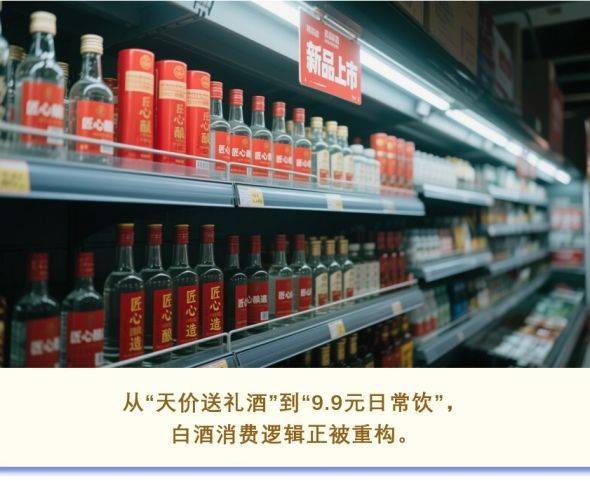
中低端白酒新消费场景:“小餐桌”时代端倪已现
Sou Hu Cai Jing· 2025-08-04 04:13
Core Insights - The Chinese liquor market is undergoing a quiet transformation, particularly in the mid-to-low-end segment, driven by changing consumer habits and the blurring of traditional consumption scenarios [3] - The industry is in a deep adjustment phase characterized by policy changes, a shift in consumption structure, and intense competition, leading to a notable trend of "declining volume but increasing profits" [4] Industry Trends - In 2024, the total production of large-scale liquor enterprises in China is projected to be 4.145 million kiloliters, a year-on-year decrease of 1.8%, while sales revenue and total profit continue to rise [4] - The first quarter of 2025 is expected to see a more severe challenge, with liquor production down by 7.2% year-on-year, potentially marking the eighth consecutive year of production decline [4] - The revised policy in May 2025, which expands the ban on alcohol to all alcoholic beverages, further exacerbates the decline in traditional government consumption scenarios [4] Consumer Behavior - There is a clear trend towards younger and more rational consumer groups, with the philosophy of "drink less, drink better" gaining traction, leading to a shift towards smaller dining scenarios like casual gatherings and solo dining [6] - In the Chengdu market, the price segment of 100-300 yuan has a market size exceeding 5 billion yuan, becoming the main driver of liquor sales [6] New Consumption Scenarios - The rise of instant retail has revolutionized liquor consumption, with a reported over 100% year-on-year growth in instant retail transactions for liquor, and mid-to-high-end products priced above 500 yuan now accounting for 35% of sales [7] - Outdoor and family scenarios are emerging as new opportunities for mid-to-low-end liquor, with significant growth in consumer access to liquor during outdoor activities [9] - Family gatherings are benefiting from instant retail, allowing for spontaneous purchases of liquor, especially during holidays, with a reported 24% year-on-year growth in liquor sales on platforms like JD.com [10] Product Innovation - The diversification of consumer tastes is prompting liquor companies to innovate, with a focus on lower alcohol content and healthier options, facilitating entry into pure drinking scenarios [11] - The introduction of small bottle liquor options is catering to the "small quantity, multiple times" consumption demand, with over twenty new products launched in the first half of 2025 [11] Market Outlook - The mid-to-low-end liquor market is positioned to capture growth opportunities amid the crisis and market iteration, as the industry transitions from "scale expansion" to "value cultivation" [13] - Companies are encouraged to actively explore new consumption scenarios, innovate products, and leverage emerging channels like instant retail to enhance market penetration and attract younger consumers [13]
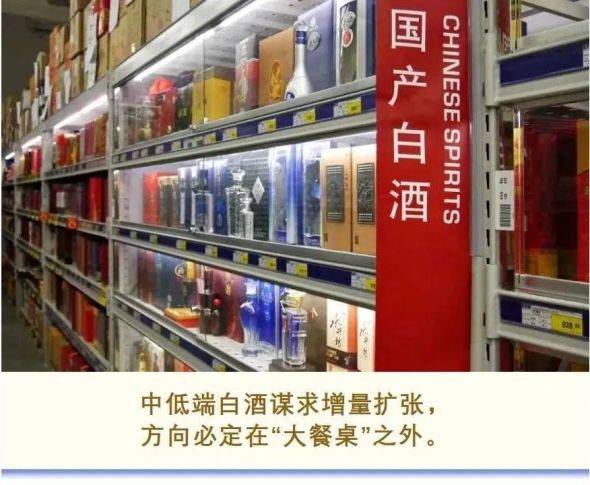
2025年第31周:酒行业周度市场观察
艾瑞咨询· 2025-08-04 00:04
Industry Environment - The Chinese liquor industry is undergoing significant adjustments in the first half of 2025, characterized by declining volume and price, significant policy impacts, and a trend towards lower-quality products [3][4] - The market is seeing a rise in light bottle products, reflecting a trend of consumption downgrade, while the price inversion phenomenon is prevalent, indicating severe supply-demand imbalance [3][4] - The industry is focusing on high-quality development, with an emphasis on product innovation and sustainable practices as it seeks breakthroughs amid challenges [3][4] Market Trends - Small capacity (50ml-250ml) and large bottle (1L and above) products are gaining traction in the liquor market, with small bottles appealing to younger consumers through innovative marketing [5] - Major liquor brands are competing for the young market by launching low-alcohol products, with a significant potential consumer base of 490 million aged 18-30 contributing over 400 billion yuan in market size [6] Performance Insights - The white liquor industry is experiencing a downturn, with several listed companies issuing profit warnings, while the beer sector is witnessing growth due to consumption recovery and cost reductions [7] - The domestic whiskey market is facing a selling frenzy, with prices dropping significantly below market value due to weakened consumer demand and increased channel pressure [8] Brand Dynamics - Tibet Development Co. plans to acquire a 50% stake in Lhasa Beer from Carlsberg, which could enhance its asset integrity and operational capabilities [9] - Yanghe's collaboration with the Scottish Premier League has led to the launch of a football-themed product, enhancing brand engagement through cultural integration [10][11] - Water Well's sales volume increased by 14.54% in the first half of 2025, attributed to its focus on mid-to-high-end products and effective inventory management strategies [17] Strategic Developments - Moutai is establishing a technology research institute to enhance innovation in the liquor industry, focusing on biochemistry and fermentation optimization [20] - The introduction of a 1L bottle of Moutai through the "i Moutai" platform reflects a strategic shift towards consumer-centric approaches and packaging upgrades [21][22] - The rise of light bottle products in the market, with brands like Yanghe leading the charge, indicates a shift in consumer preferences towards high-quality, affordable options [23] Consumer Engagement - The collaboration between Baidonglai and Jiu Gui Jiu aims to connect with younger consumers through cultural narratives and quality experiences [24] - The launch of new wedding-themed products by Congtai Distillery targets the high-end wedding market, leveraging cultural elements to enhance brand positioning [25] - The success of Red Label Jin Jiu, which saw a 50% growth in sales, highlights the effectiveness of innovative marketing strategies in attracting new consumer segments [26]


白酒三巨头,江苏一哥消失了
36氪· 2025-08-03 13:41
Core Viewpoint - Yanghe, once a leading player in the Chinese liquor industry, is facing significant challenges, including declining revenue and profit, necessitating a strategic shift under new leadership to survive in a competitive market [4][6][50]. Group 1: Leadership Changes - Yanghe's former chairman, Zhang Liandong, resigned unexpectedly in July 2024, just a week after promoting a new product [4][6]. - Gu Yu, a 47-year-old local government official with no prior experience in liquor sales, was appointed as the new chairman [6][7][8]. Group 2: Financial Performance - In 2024, Yanghe's revenue fell by 12.83% to 28.876 billion yuan, and net profit dropped by 33.37% to 6.673 billion yuan [12][18]. - The company's market position deteriorated from third to fifth in the industry, with significant competition from Shanxi Fenjiu and Luzhou Laojiao [12][13]. Group 3: Market Challenges - Yanghe is grappling with high inventory levels, unclear brand positioning, and a breakdown of trust within its distribution channels [9][10]. - The average inventory turnover days surged to 898 days in 2024, indicating severe inventory management issues [9]. Group 4: Brand and Product Strategy - Yanghe's high-end product, "Dream Blue," has seen declining sales, with significant price drops observed in the market [21][26]. - The company has shifted focus to lower-priced products, launching a 59 yuan light bottle wine in collaboration with JD.com, which quickly gained popularity [27][30]. Group 5: Distribution and Channel Issues - Yanghe's distribution network is characterized by a high turnover rate of over 15%, indicating instability and a lack of strong relationships with distributors [38][40]. - The company has lost market share in its home province of Jiangsu, with revenue declining by 11.43% in 2024 [43][45]. Group 6: Strategic Missteps - Yanghe's failure to adapt to market changes and consumer preferences has led to a decline in its competitive edge [49]. - The company's past strategic decisions, such as underutilizing the acquired brand "Shuangou," have hindered its growth potential [49].

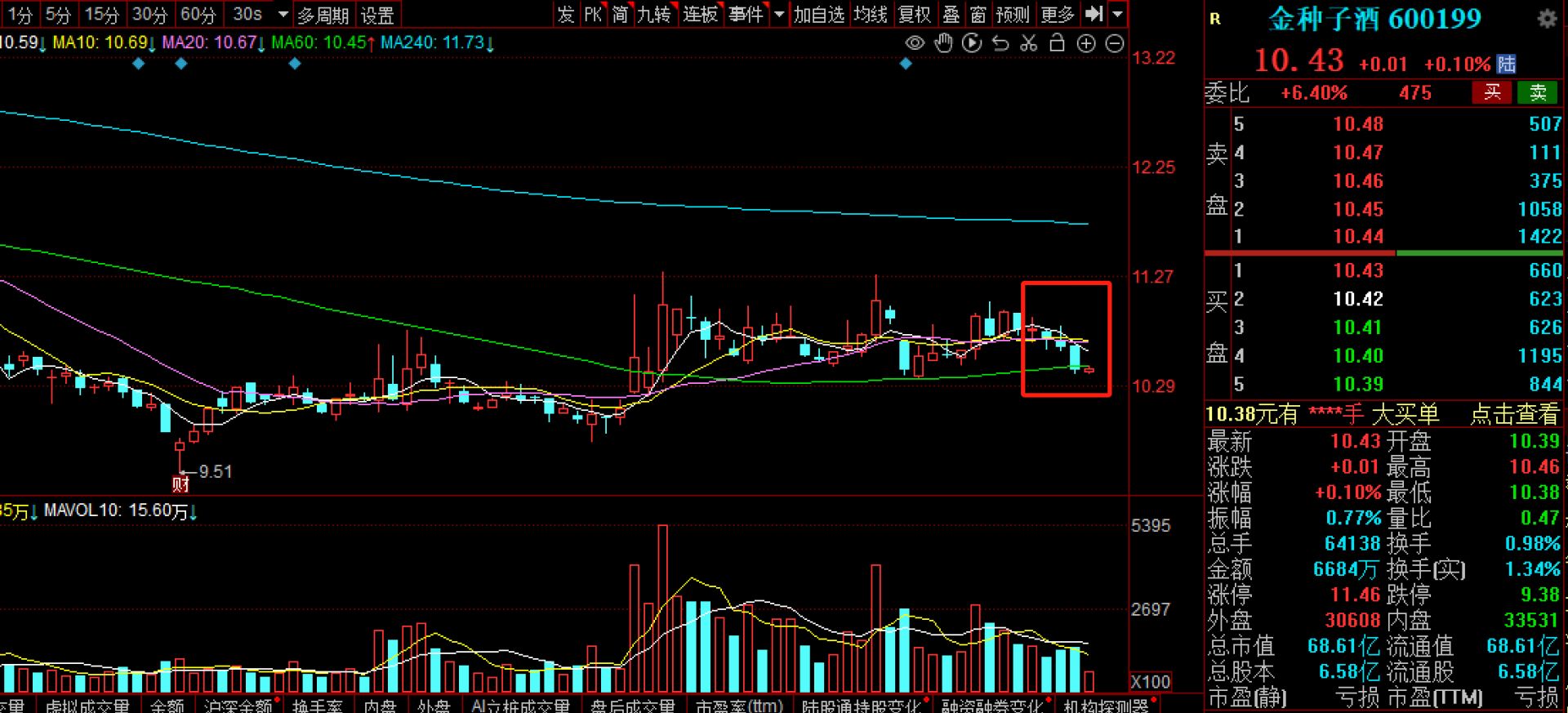
金种子酒等白酒股周跌超3%,白酒指数未能实现周线7连阳
Xin Lang Cai Jing· 2025-08-03 10:33
Group 1 - The white liquor index experienced a weekly decline of 2.15%, failing to achieve a seven-week upward trend [1] - The white liquor sector is characterized by low valuation, low expectations, low holdings, and high dividend returns, indicating a potential investment opportunity as consumer demand gradually recovers [1][5] - Major liquor companies are showing strong competitive advantages due to their robust market positions and brand strength [1] Group 2 - Hong Kong's San Miguel Brewery reported a 26% weekly increase in stock price, driven by a mid-term performance that exceeded expectations, with a revenue of approximately HKD 390 million, up 3.22% year-on-year [3] - In contrast, Budweiser APAC faced a 7.75% weekly decline due to poor performance, with a reported 8.2% decrease in sales and a 9.5% drop in revenue in the Chinese market for the first half of 2025 [3] - The white liquor industry is undergoing significant changes, including a shift towards lower alcohol content, younger demographics, and higher cost-performance ratios [3][5] Group 3 - The white liquor industry is currently marked by low valuation metrics, with the white liquor index's price-to-earnings ratios at historical lows, indicating potential undervaluation [5] - The proportion of fund holdings in the white liquor sector has significantly decreased, reaching a new low compared to previous years, reflecting reduced investor confidence [5] - Despite the challenges, the dividend yield for leading liquor brands has become relatively attractive, with several companies showing an increase in dividend rates [5]

食饮行业周报(2025年7月第4期):白酒关注中秋国庆表现,重视新消费回调机会-20250803
ZHESHANG SECURITIES· 2025-08-03 09:59
Investment Rating - The industry rating is maintained as "Positive" [4] Core Views - The report emphasizes the importance of the Mid-Autumn Festival and National Day performance for the liquor industry, recommending strong brand leaders in the liquor sector, particularly in the white liquor category [1][10] - The new consumption trend is expected to continue despite a short-term adjustment, with opportunities for investment in brands that align with rational quality consumption and emotional value [2][24] - The white liquor sector is advised to focus on potential policy catalysts and low-level rebounds, with a cautious assumption of profit bottoms for leading companies [10] Summary by Sections White Liquor Sector - Recommended brands include Guizhou Moutai, Shanxi Fenjiu, and Luzhou Laojiao, with a focus on strong brand momentum and high ROE, dividends, and share buybacks [1][10] - The white liquor sector experienced a decline of 2.40% during the trading period from July 28 to August 1, with specific companies like Zhenjiu Lidu and Gujing Gongjiu facing significant drops [3][30] Consumer Goods Sector - The new consumption sector is undergoing a structural adjustment but remains a key area for investment, with recommended stocks including Weidong Meishi, Wancheng Group, and Yili Group [2][24] - The consumer goods sector saw a mixed performance, with meat products gaining slightly while non-dairy beverages and white liquor faced declines [11][30] Company Updates - Guizhou Moutai is expanding its market presence through partnerships with platforms like Meituan, indicating a strategic move to enhance distribution channels [5] - Jinshiyuan is focusing on national expansion, with a clear three-step plan to establish itself as a leading brand in the high-end liquor market [6][7] Market Data - The report notes that the white liquor price for Moutai remains stable at 1860 RMB per bottle, with similar stability observed in other leading brands [9][47] - The overall valuation for the food and beverage industry is reported at 20.66 times, with the white liquor sector showing a valuation of 18.06 times [35]

酒业密集人事调整,折射出怎样的行业困局?
Sou Hu Cai Jing· 2025-08-03 09:34
Core Viewpoint - The liquor industry is undergoing unprecedented executive changes across various segments, reflecting deep-seated challenges and transformation pains amid multiple pressures such as declining performance, high inventory, and weak consumer demand [1][4]. Group 1: Executive Changes - The trend of executive turnover in the liquor industry, which began in 2024, has expanded beyond just the liquor segment to include beer and yellow wine [3]. - Notable changes in the liquor sector include the resignation of Yanghe's chairman Zhang Liandong and the appointment of Gu Yu as his successor, as well as similar transitions in other companies like Jinzhongzi and Guizhou Moutai [3]. - In the beer industry, significant leadership changes occurred with the resignation of China Resources Beer chairman Hou Xiaohai and the retirement of Zhujiang Beer chairman Wang Zhibin, leading to new appointments [3]. Group 2: Industry Challenges - The liquor industry's executive changes are indicative of a deep transformation driven by pressures from consumption shifts, intensified competition, and policy adjustments [5]. - The slowing macroeconomic growth has led to decreased consumer spending power and willingness, significantly impacting liquor products as discretionary items [5]. - The younger generation's changing consumption attitudes are influencing liquor consumption, prompting companies to seek younger management to tap into this market [5]. Group 3: Strategic Adjustments - The introduction of the "new alcohol ban" policy in May has created additional pressure on the industry, despite its limited direct impact on actual sales [5]. - The decline in government consumption from 40% in 2011 to approximately 5% in 2023 has further affected market confidence, leading to a drop in high-end liquor wholesale prices [5]. - Companies are increasingly focusing on differentiated competition and precise market segmentation to survive, developing product lines tailored to various consumption scenarios such as banquets, gifts, personal use, and collections [6].




天风·食品饮料 | 深度调整期行业迎4大变化,重视白酒相对底部机会
Sou Hu Cai Jing· 2025-08-03 08:14
Group 1 - The core viewpoint is that the PE recovery in the liquor sector may precede the EPS recovery, with expectations of an EPS turning point in Q2 2026 due to a low performance base [1][4] - The liquor industry is currently undergoing significant changes, including product matrix adjustments, channel upgrades, marketing innovations, and a rational approach to growth targets [1] - The industry is transitioning to a "quality-price ratio" competition phase, with leading companies already positioning themselves for this shift, which is expected to accelerate industry concentration [2] Group 2 - The liquor sector is characterized by low valuations, low expectations, low holdings, and high dividends, with several leading companies offering dividend yields above 4%, indicating relative bottom opportunities [3] - Companies like Yanghe, Luzhou Laojiao, Wuliangye, and Gujing Gongjiu are highlighted for their strong dividend returns, while Kweichow Moutai also maintains a high dividend yield of 3.55% [3] - The focus is on strong brands and resilient demand, with recommendations to pay attention to leading liquor companies that are likely to achieve value re-evaluation as consumer spending gradually recovers [3][4]

