优衣库

Search documents
当优衣库UT系列也用上了AI设计
36氪未来消费· 2025-10-21 04:11
Core Viewpoint - The controversy surrounding the collaboration between Uniqlo and Oriental Kopi highlights the potential risks of using AI-generated artwork in branding, raising questions about authenticity and local artist support [2][5][16]. Summary by Sections Collaboration Details - Uniqlo partnered with Oriental Kopi to release a collection featuring T-shirts and canvas bags adorned with illustrations of local food items, which have been criticized as AI-generated [3][5]. - The collection includes five T-shirt designs and two canvas bags, showcasing popular Malaysian food items and the café's exterior [3]. Artist Reactions - Local artists expressed anger and disappointment over the use of AI-generated designs, emphasizing the need for authentic local artistry [5][16]. - Illustrators pointed out flaws typical of AI-generated images, such as "image defects" and "structural misalignment," suggesting that the designs were not created by skilled artists [3][5]. Financial Implications - Uniqlo's UTme service allows customers to customize T-shirts, but the revenue from this service has not been disclosed [8][9]. - The local market for commercial illustrations typically ranges from 20 to 250 Malaysian Ringgit (approximately 30 to 421 RMB), indicating that hiring local artists would be financially feasible for a brand like Uniqlo [9]. Brand Strategy and Market Position - Uniqlo has been focusing on localizing its strategy in Southeast Asia, where it has seen significant growth, contributing approximately 31% of its overseas revenue [12]. - The incident reveals potential weaknesses in Uniqlo's quality control and understanding of local cultural sentiments, which are crucial for successful market penetration [12][16]. Broader Industry Context - The use of AI in creative processes is becoming more common, but it raises ethical questions about the value of human creativity and the implications for brand integrity [15][16]. - Similar controversies have arisen in the fashion industry, such as H&M's use of AI models, indicating a growing tension between technology and traditional creative practices [14][15]. Consumer Response - Social media has seen a rise in hashtags supporting local artists and opposing AI-generated content, reflecting consumer demand for authenticity and respect for local culture [16].


今年双11,淘宝天翻地覆
Sou Hu Cai Jing· 2025-10-21 02:45
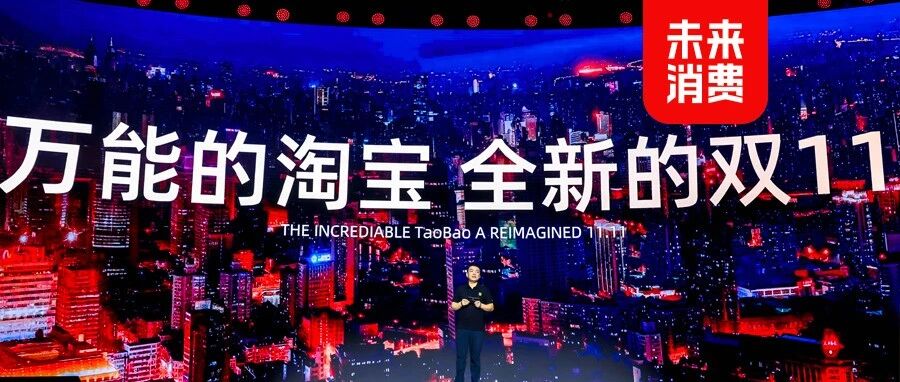
Core Insights - The 17th Double 11 shopping festival is facing skepticism regarding its necessity and effectiveness, with both merchants and consumers showing signs of fatigue [1] - The intersection of large consumption and AI presents unprecedented opportunities and challenges for participants in this year's Double 11 [1] - Alibaba's Taobao and Tmall are not merely iterating on past strategies but are undergoing significant transformations in traffic logic and service experience, potentially redefining future e-commerce promotions [1][10] AI Integration - Alibaba's CEO emphasized the inevitability of achieving Artificial General Intelligence (AGI) and the ultimate goal of developing Super Artificial Intelligence (ASI), which will enhance human capabilities [2][4] - The e-commerce sector, particularly Taobao and Tmall, is positioned as a prime testing ground for AI applications, leveraging a vast consumer base and extensive product offerings [5] - This year's Double 11 marks the first fully AI-integrated event, with AI expected to revolutionize traffic distribution and merchant operations [5][6] Merchant Benefits - AI will enhance the efficiency of traffic matching, with improvements such as a 20% increase in search relevance and a 12% boost in advertising ROI for merchants [6] - The integration of AI across the entire operational chain for brands on Tmall is projected to save merchants hundreds of billions in costs [6] - AI tools have already generated millions of reports and images, significantly improving product visibility and operational efficiency for merchants [6] Consumer Experience - A total of 50 billion yuan in consumer vouchers will be distributed, with AI optimizing the distribution process to enhance conversion rates by 15% [7] - New AI-driven shopping tools, such as AI Universal Search and AI Assistant, have been introduced to improve user decision-making and streamline the shopping process [8] - Features like AI Try-On and personalized AI Lists are designed to enhance the shopping experience, making it more interactive and tailored to individual needs [8] Instant Retail and Market Dynamics - The entry of instant retail players has transformed the landscape of e-commerce promotions, with platforms like Meituan and Taobao Flash Sale offering rapid delivery options [11][15] - Taobao Flash Sale has integrated with Tmall, allowing for a seamless shopping experience that combines e-commerce and local services [16] - The collaboration between e-commerce and instant retail is expected to drive significant growth, with brands reporting over 290% increase in sales through Taobao Flash Sale compared to the previous year [22] Future Considerations - The Double 11 event is at a crossroads of "AI + large consumption," with the need to address consumer fatigue and the effectiveness of promotional strategies [23] - The focus is shifting from price competition to enhancing user experience, precision, and convenience, which may lead to more stable benefits for merchants [24] - Continuous innovation and value creation for consumers will be essential for maintaining the vitality of the Double 11 festival in the long term [25]


当优衣库UT系列也用上了AI设计
3 6 Ke· 2025-10-21 02:38
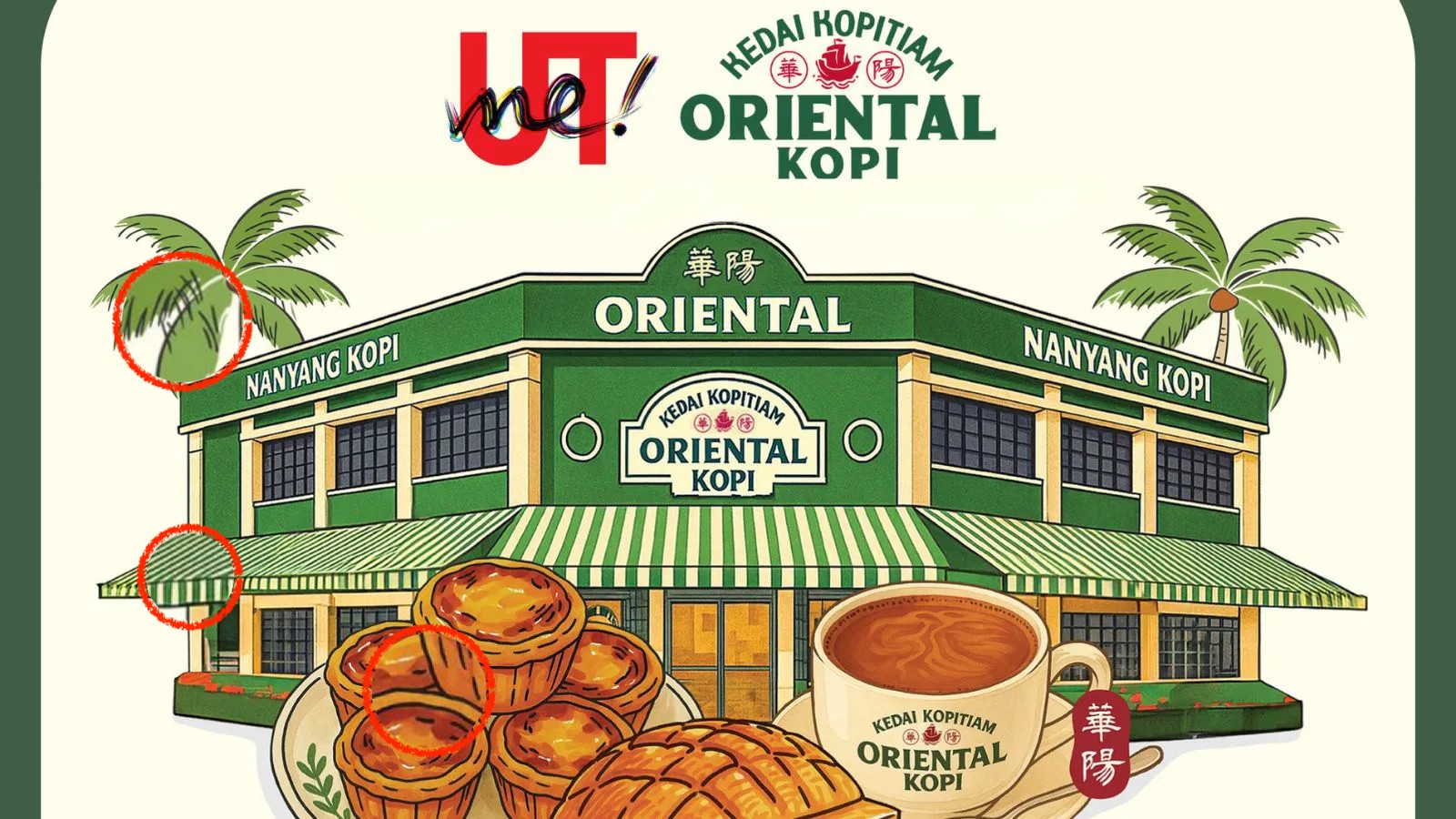
Core Viewpoint - The collaboration between Uniqlo and Oriental Kopi has raised concerns regarding the use of AI-generated designs, which has sparked outrage among local artists and consumers in Malaysia [1][3][5]. Summary by Sections Collaboration Details - The collaboration features five T-shirts and two canvas bags, showcasing cartoon images of local delicacies and the café's exterior [3]. - The designs have been criticized for showing common AI-generated flaws such as "image defects," "structural misalignment," and "blurry lines" [3][5]. Artist Reactions - Local illustrators expressed anger over the use of AI-generated artwork, emphasizing the lack of opportunities for local artists [5]. - The pricing for commercial illustrations in Malaysia typically ranges from 20 to 250 MYR (approximately 30 to 421 CNY), which is considered affordable for a brand like Uniqlo [8]. Brand Strategy and Market Position - Uniqlo has not disclosed specific revenue figures for its UT and UTme series, but these lines are crucial for its localization strategy in Southeast Asia [8]. - As of the third quarter of the 2024 fiscal year, Uniqlo operates 61 stores in Malaysia, ranking fourth in Southeast Asia, contributing approximately 12% to its overseas revenue [11]. Implications of the Controversy - The incident highlights potential risks in Uniqlo's rapid localization efforts, particularly regarding quality control and respect for local culture [9][14]. - The controversy reflects a broader trend where global brands may prioritize efficiency over cultural sensitivity, which can lead to consumer backlash [9][14]. Social Media and Public Response - Social media has seen the emergence of hashtags like "SupportLocalArtists" and "NoToAICulture," indicating a growing demand for brands to address these issues [13]. - Both Uniqlo and Oriental Kopi have yet to publicly respond to the controversy, but the situation serves as a warning for brands entering new markets [14].
2025年第41周:服装行业周度市场观察
艾瑞咨询· 2025-10-21 00:06
Market Overview - The recent surge in international gold prices has led to a price increase among various gold brands, with some brands like Chow Sang Sang raising their gold jewelry prices to 1100 yuan per gram, and others like Laopuhuang increasing prices by up to 15% [3][4] - Major fast fashion brands such as Gap, Zara, and H&M are entering the beauty industry due to sluggish clothing sales, with LVMH and other fashion brands also expanding their beauty lines [5] - The Chinese sportswear market is witnessing intensified competition among major players like Anta and Li Ning, with Anta leading in revenue and profit, while Li Ning focuses on brand rejuvenation and Olympic sponsorship [6] Industry Environment - The rise of Laopuhuang has prompted other brands like Baolan and Junpei to adopt high-end strategies, launching products priced above 10,000 yuan, despite the price hikes not dampening consumer enthusiasm [3][4] - The beauty sector's performance remains uncertain, as many luxury brands are experiencing declines in beauty sales, leading to a preference for licensing rather than acquisitions [5] - Anta's revenue reached 38.5 billion yuan in the first half of the year, 1.4 times that of its competitors combined, while Li Ning is focusing on Olympic-related marketing to enhance its brand image [6] Retail Trends - H&M has reopened its largest flagship store in China, covering nearly 3,000 square meters, as part of a strategy to enhance brand presence amid a reduction in the number of stores [7] - The Milan Fashion Week saw the opening of 15 new international brand stores, reinforcing Milan's status as a fashion capital [8] Emerging Brands - New brands in the sneaker market are gaining traction by emphasizing innovative design and functionality, with EMPTYBEHAVIOR being a notable example [9] - The high-end down jacket market is evolving with the introduction of a "six-dimensional standard" to enhance product quality and consumer satisfaction [10] Golf Market - Several overseas golf brands are accelerating their entry into the Chinese market, targeting younger consumers through trendy collaborations and social media marketing [11][12] - Malbon Golf is establishing a presence in China, focusing on lifestyle branding and community engagement to attract a diverse audience [16][19] Competitive Landscape - UR has emerged as a leading fast fashion brand in China, aiming for global expansion with a target of opening 200 overseas stores in five years [13] - Bosideng is innovating in the down jacket sector by integrating technology and fashion, launching a three-in-one jacket designed for varying temperatures [14] - FILA is strengthening its position in the tennis market by renewing sponsorships and targeting the growing Chinese tennis audience [15] Challenges in Established Brands - Lululemon is facing declining sales and profitability, with a significant drop in stock price, attributed to over-expansion and a shift in consumer preferences [21]

天猫双11撬动了一个新的万亿市场
Hua Er Jie Jian Wen· 2025-10-19 04:03
Core Insights - The 17th Double 11 event has transformed from a mere e-commerce sales frenzy into a significant intersection of Alibaba's "Big Consumption Era" and "AI Implementation" strategies [2][3] - This year's Double 11 is characterized by three "firsts": the first Double 11 of the Big Consumption Era, the first fully participating Taobao Flash Sale, and the first fully AI-implemented Double 11 [2][3] AI as a Driving Force - AI has shifted from being a marketing tool to a foundational infrastructure for the Taobao platform, enhancing operational efficiency and consumer experience [4][6] - The AI-driven approach allows for precise user identification and efficient private domain operations, moving beyond mere traffic acquisition [5][6] - During the pre-sale on October 15, AI model calls exceeded 15 billion, indicating high engagement from both merchants and consumers [7] - The platform's computational power has increased by 40 times, significantly improving product recommendation accuracy and boosting purchase efficiency by 25% [7] Big Consumption Strategy - The "Big Consumption Platform" strategy represents a top-level design for Alibaba's business model, integrating various consumer services under the Taobao umbrella [9][11] - Recent upgrades include the transformation of "Hour Delivery" into "Taobao Flash Sale" and the integration of services like Fliggy and Ele.me into the Alibaba ecosystem [9][10] - The new membership system connects various services, creating a vast user base of 530 million 88VIP members and 1 billion big members, which will drive significant growth opportunities [11] Integration of Online and Offline - This year's Double 11 marks the first event after Taobao's upgrade to a Big Consumption Platform, facilitating a seamless integration of online and offline retail experiences [11][12] - The collaboration between Tmall and Taobao Flash Sale allows brands to connect their flagship stores with flash sales, enhancing operational efficiency [12] - The event has seen substantial participation, with 37,000 brands and 400,000 stores involved, including major brands like Apple and Huawei [12]
美国关税下狠手!东南亚商品加税超 20%,优衣库为啥死扛不迁厂?
Sou Hu Cai Jing· 2025-10-18 21:17
Core Viewpoint - Uniqlo is determined to maintain its supply chain in Asia despite increasing tariffs on imports to the U.S., indicating a strategic choice to preserve its competitive advantage and operational efficiency [1][5][16] Group 1: Tariff Impact - The U.S. tariffs are severe, with additional taxes ranging from 20% to 49% on goods from Southeast Asian countries, and 24% on non-automotive products from Japan, affecting Uniqlo's supply chain [1][3] - Uniqlo's North American revenue is projected to grow by 24.5% and profits by 35.1% in the 2025 fiscal year, with significant contributions from this market [3][12] - The company anticipates a 1% profit reduction due to tariffs in the 2025 fiscal year, with a more pronounced impact expected in the latter half of the year [3][10] Group 2: Supply Chain Strategy - Uniqlo relies heavily on its Asian supply chain, which is not solely based on cost but also on design quality and production efficiency, adhering to Japanese standards [7][8] - The company can produce samples within 5 to 7 days in Asia, a capability that is lacking in the U.S. due to a shortage of skilled labor and textile infrastructure [8][10] - Uniqlo is exploring alternatives to mitigate tariff impacts, such as stockpiling inventory and shifting production from China to countries like Vietnam and Indonesia [10][12] Group 3: Pricing and Market Position - Uniqlo plans to increase prices by 10% to 15% on certain products in the U.S. starting in the fall of 2025, indicating a strategy to pass some costs onto consumers while maintaining profitability [12][14] - The company has successfully established a foothold in the U.S. market, having turned a profit after 17 years of operations, and is focused on expanding its presence [12][14] - Uniqlo's approach to navigating tariffs without compromising its supply chain or core competencies is seen as a model for other companies facing similar challenges [14][16]
服饰行业周度市场观察-20251018
Ai Rui Zi Xun· 2025-10-18 09:27
Investment Rating - The report does not explicitly provide an investment rating for the apparel industry Core Insights - The apparel industry is experiencing significant shifts with brands adapting to market changes and consumer preferences, particularly in high-end segments and the beauty sector Industry Trends - Recent price increases among traditional gold brands, driven by rising international gold prices, have led to a surge in demand for high-end products, with some brands seeing price hikes of up to 15% [4] - Major fast fashion brands like Gap, Zara, and H&M are entering the beauty market due to sluggish clothing sales, with previous expansions by luxury brands like LVMH indicating a trend towards diversification [4] - The competition among major Chinese sportswear brands, including Anta and Li Ning, is intensifying as they leverage Olympic sponsorships and brand repositioning to capture market share [6] - The trend of flagship store openings among apparel brands aims to enhance brand presence and consumer experience, despite challenges such as high costs and market saturation [6] - The high-end down jacket market is evolving with a focus on technology and fashion, driven by consumer demand for premium products [10] - Golf brands are targeting younger consumers in China, shifting from traditional business models to more lifestyle-oriented approaches [10] Top Brand News - UR has emerged as a leading fast fashion brand in China, aiming for global expansion with a target of opening 200 overseas stores in five years [12] - Bosideng is innovating in the down jacket segment by integrating technology and fashion, launching a versatile jacket designed for varying temperatures [12] - FILA is strengthening its position in the tennis market by renewing sponsorships and targeting the growing Chinese tennis audience [12] - Malbon Golf is entering the Chinese market with a focus on youth culture and lifestyle, planning to open flagship stores and engage in community activities [15] - The competition in the luxury retail market is intensifying, with SKP facing challenges from Nanjing Deji Plaza, which has recently surpassed SKP in sales [15] - lululemon is facing declining sales and profitability, drawing comparisons to the decline of Victoria's Secret due to shifting consumer preferences [16]
淘宝闪购:双11的“新物种”,激活万亿增量市场
36氪未来消费· 2025-10-18 08:37
Core Viewpoint - The integration of instant retail and e-commerce marks a new phase, with Taobao Flash Sale emerging as a significant player during the Double 11 shopping festival, showcasing explosive growth and new consumer engagement strategies [3][6]. Group 1: Taobao Flash Sale Performance - Taobao Flash Sale debuted during this year's Double 11, achieving over 200% growth in night snack categories across more than 70% of cities, with multiple categories seeing over 2x year-on-year growth [3][4]. - Over 4 million local service merchants participated in the Double 11 event through Taobao Flash Sale, indicating a substantial seasonal growth opportunity for local businesses [4]. - The platform has onboarded 37,000 brands and 400,000 brand stores, covering various sectors including electronics, beauty, and home goods, with major brands like Apple and Moutai involved [5]. Group 2: Consumer Engagement and Experience - The platform introduced innovative strategies such as "millions of free orders" and "88VIP half-price takeout," enhancing consumer engagement and driving participation [5][14]. - User feedback has been positive, with 8 million users participating in the "Flash Sale Free Order" event on the first day of Double 11, indicating strong consumer interest [13]. Group 3: Operational Efficiency and Growth - Taobao Flash Sale has achieved an average of 80 million daily orders since its launch, with monthly active users reaching 300 million, reflecting a significant increase in user engagement [9][10]. - The integration of offline stores into the Taobao Flash Sale system allows for rapid fulfillment, with some orders being delivered within 1 hour, enhancing the overall shopping experience [8][9]. Group 4: Market Dynamics and Competitive Landscape - The instant retail market is becoming a new battleground for major players, with companies vying for market share since the 618 shopping festival [13]. - The collaboration between Taobao Flash Sale and various brands has led to significant sales increases, with brands like Decathlon and Naturals seeing substantial order growth [19][22]. Group 5: Technological Integration - The use of AI technologies in search, recommendation, and advertising has been emphasized, with the goal of reducing operational costs for merchants [21]. - The integration of generative AI into the platform is expected to enhance operational efficiency and drive further growth [21].
“淘宝闪购”首次出战 即时零售改造“双11”
Zhong Guo Jing Ying Bao· 2025-10-17 20:41
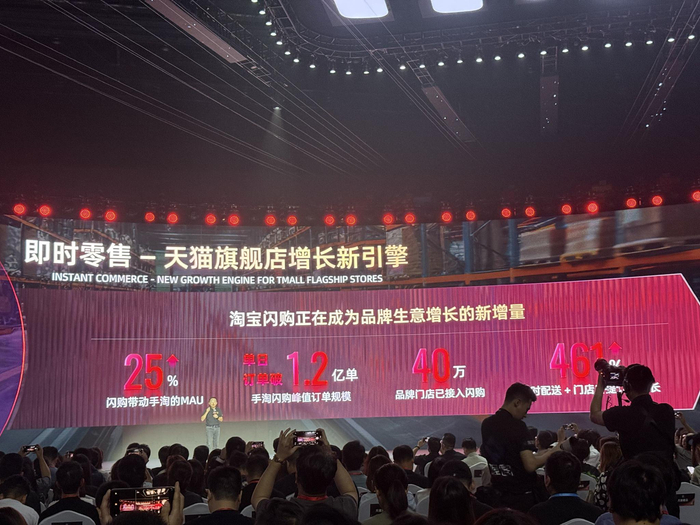
Core Insights - The 17th Tmall "Double 11" event will be the first to fully incorporate Taobao Flash Sales, marking a significant shift in Alibaba's strategy to leverage traffic from the food delivery battle [2][4] - Taobao Flash Sales are expected to generate a trillion yuan in new revenue over the next five years, indicating strong growth potential for the platform [2] - The competition in instant retail is intensifying, particularly between Alibaba and Meituan, as both companies seek to capture market share in this emerging sector [5][6] Group 1: Taobao Flash Sales - Taobao Flash Sales have shown promising results, with peak daily orders reaching 120 million in August, a 200% increase from April [4] - The integration of Taobao Flash Sales allows brands to connect online and offline sales, enhancing customer experience and operational efficiency [4][6] - The platform has already onboarded 37,000 brands and 400,000 stores, indicating strong merchant interest and participation [4] Group 2: Competitive Landscape - Meituan is closely monitoring the "Double 11" event, suggesting that aggressive subsidies from competitors could prompt a response [2][5] - While JD.com has shifted focus away from food delivery for this event, it is still engaged in deep operational strategies within instant retail [5][6] - The competition is expected to escalate between Alibaba and Meituan, with both companies leveraging their respective strengths in instant retail [6][10] Group 3: Market Potential - The instant retail market is projected to reach 600 billion yuan by 2024, with Alibaba's Flash Sales expected to contribute significantly to this growth [9] - Industry experts predict that instant retail could meet the increasing consumer demand for fast delivery, particularly for urgent and perishable goods [10][11] - The integration of offline stores into the instant delivery network is anticipated to enhance conversion rates and customer retention [10][11]

2025天猫“双11”迎来三个“第一次”
Sou Hu Cai Jing· 2025-10-17 05:51
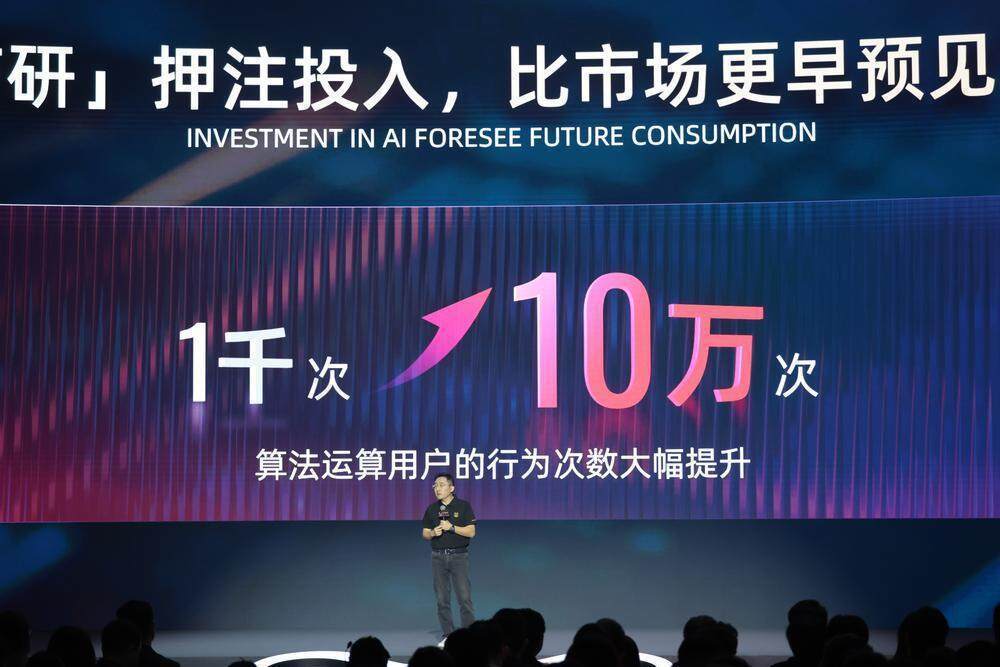
Core Insights - The 2025 Tmall Double 11 sales event will officially start on October 20 at 20:00, marking the first Double 11 in the era of big consumption and AI integration [1] - Tmall President Jia Luo emphasized the intersection of AI and big consumption as a historical opportunity, focusing on AI upgrades to enhance product capabilities and improve user engagement [1] Group 1: Sales Performance - In the first hour of the pre-sale, 35 brands achieved over 100 million in sales, and 1,802 brands saw their sales double compared to the same period last year [4] - The number of brands exceeding 100 million in sales, the number of brands with doubled sales, and the number of active users all surpassed last year's figures [4] Group 2: AI Integration and Efficiency - Tmall has invested in AI research and development, significantly improving the accuracy of product recommendations by extending user behavior analysis from a six-month to a ten-year period, resulting in a 25% increase in purchasing efficiency [4] - The AI "Smart Benefit Engine" will distribute 50 billion in consumer vouchers, with a 15% increase in conversion rates compared to previous methods, allowing for more precise consumer subsidies [4] Group 3: Brand and User Engagement - Tmall has transformed into a comprehensive consumption platform, boasting 53 million 88VIP members, 300 million monthly active users on flash sales, and 1 billion total members, providing brands with a high-value and broad user base [4] - The integration of instant retail and e-commerce is expected to unlock a new market worth trillions [4] Group 4: Collaboration with Flash Sales - The first Double 11 after the upgrade to a big consumption platform will see deep collaboration between Tmall and Taobao Flash Sales, allowing flagship stores to connect with flash sales and integrate online and offline operations [5] - 37,000 brands and 400,000 stores have already connected to flash sales, including major brands like Apple, Huawei, Uniqlo, and Decathlon [5] - The 50 billion consumer vouchers will be applicable not only to Tmall products but also to brands participating in Taobao Flash Sales, enhancing delivery efficiency [5]