
永达汽车

Search documents
汽车反“内卷”第二枪打响:车企承诺“60天返利”治理拖延症
Bei Ke Cai Jing· 2025-06-19 01:17
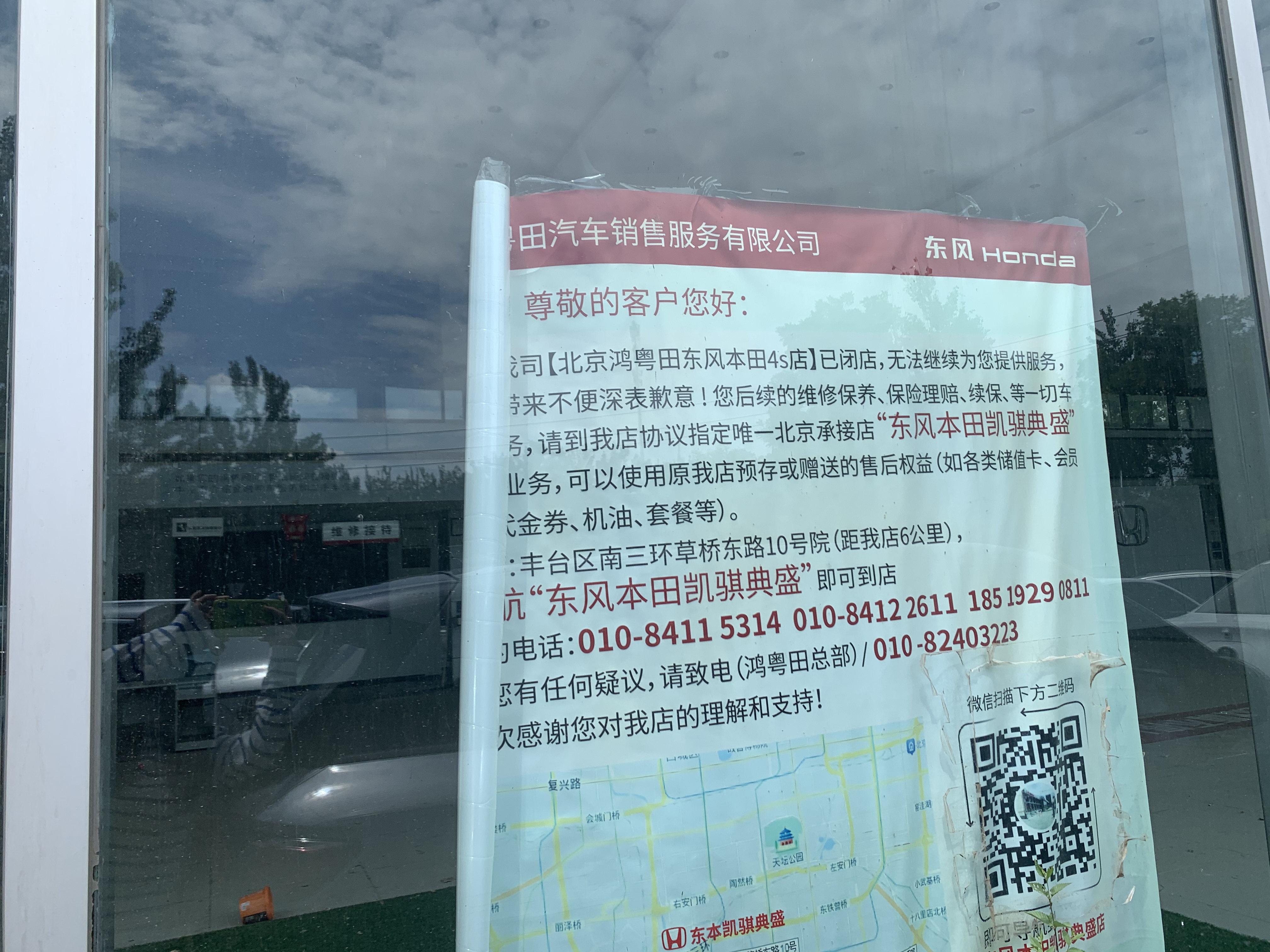
Core Viewpoint - The automotive industry is experiencing a severe "price war," prompting dealers to optimize operations and seek survival and transformation opportunities [1] Group 1: Industry Developments - In June, 17 automakers publicly committed to a "60-day payment term" for suppliers, marking the beginning of a response to internal competition [2] - GAC Group announced a commitment to ensure "60-day rebate payment" to dealers, responding to the call for healthy industry development [5] - Several major manufacturers, including GAC Group, BMW, and others, have pledged to complete rebate payments to dealers within 60 days [3][4] Group 2: Dealer Conditions - A survey of 10 dealerships revealed a stark contrast in operational conditions, with 6 facing difficulties and some having closed, while 4 reported better performance [3][9] - Dealers are experiencing a significant decline in profitability, with some reporting annual losses between 6 million to 10 million yuan [10][18] - The traditional profit model for dealers, heavily reliant on new car sales and after-sales services, is becoming unsustainable due to increased competition and price transparency [18] Group 3: Inventory and Financial Management - High inventory levels are a pressing issue, with some brands having stock that exceeds three months, leading to financial strain on dealers [20][24] - The average inventory turnover days for several major dealer groups have increased, indicating a growing challenge in managing stock [22] - A significant percentage of dealers (84.4%) are facing price inversion, with 60.4% experiencing a price drop of over 15%, severely impacting cash flow [31] Group 4: Strategic Responses - Dealers are urged to prioritize cash flow management, seek timely rebates from manufacturers, and optimize inventory structures to avoid financial collapse [32] - The industry is expected to undergo a "Matthew effect," with weaker brands and inefficient stores likely to exit the market, while stronger dealer groups may expand through acquisitions [33] - The Ministry of Commerce is taking steps to address the "involution" in the automotive sector, aiming to maintain fair competition and support the industry [34]

独家丨智界、尚界将设独立销售渠道,正筛选经销商资质
晚点Auto· 2025-06-12 14:45
Core Viewpoint - Huawei is restructuring its automotive sales channels by establishing independent sales networks for its brands, including Zhijie and Shangjie, to enhance brand identity and user engagement [2][7]. Group 1: Sales Channel Development - Huawei is expanding its automotive sales network, with Zhijie and Shangjie brands set to have their own dedicated sales channels, similar to the AITO Wenjie user center [2][4]. - The current focus is on quickly onboarding dealers without complex renovations, allowing existing authorized dealers to expand their operations [4][8]. - As of November last year, Huawei had established over 990 experience centers and 330 user centers nationwide, with plans to add user centers dedicated to single-brand sales [6]. Group 2: Brand Positioning and Market Strategy - The transition from shared stores to brand-specific networks allows each brand to create distinct identities and target specific user demographics through tailored marketing strategies [7]. - The "Hongmeng Intelligent Driving" sales network is categorized into experience centers and user centers, with the latter providing comprehensive sales and after-sales services [5][6]. - The introduction of the "Fifth Realm" Shangjie, with its first model expected to launch later this year, reflects Huawei's commitment to expanding its automotive offerings [6]. Group 3: Partnership Dynamics and Challenges - Huawei's automotive strategy has evolved from a dominant role to a more collaborative approach with partners, as seen in the shift from the "1.0" model with AITO to the "2.0" model with other manufacturers [8][9]. - Challenges have arisen in the production and supply chain, particularly with the launch of the Zhijie S7, leading to renegotiations of profit-sharing agreements with partners like BAIC [9]. - The financial viability of partnerships is under scrutiny, as seen with BAIC's concerns over the profitability of the Xiangjie brand, which has seen fluctuating sales figures [9].
32家港股公司回购 腾讯控股回购5.01亿港元



Zheng Quan Shi Bao Wang· 2025-06-09 01:21
| 代码 | 简称 | 回购股数 | 回购金额(万 | 回购最高价 | 回购最低价 | 年内累计回购金额 | | --- | --- | --- | --- | --- | --- | --- | | | | (万股) | 港元) | (港元) | (港元) | (万港元) | | 00700 | 腾讯控股 | 97.50 | 50084.93 | 516.500 | 511.500 | 2853315.68 | | 01299 | 友邦保险 | 300.00 | 20382.49 | 69.000 | 67.150 | 1206539.55 | | 00670 | 中国东方航 空股份 | 220.00 | 648.42 | 2.970 | 2.920 | 49816.45 | | 01519 | 极兔速递-W | 92.00 | 626.52 | 6.870 | 6.730 | 25362.34 | | 09987 | 百胜中国 | 1.39 | 467.34 | 339.400 | 335.200 | 70033.89 | | 01907 | 中国旭阳集 团 | 165.00 | 412.92 | 2.5 ...
港股风险偏好持续上行


SINOLINK SECURITIES· 2025-06-08 15:26
Investment Rating - The report maintains a positive outlook on the Hong Kong stock market, indicating a strong risk appetite and suggesting investment opportunities in various sectors, particularly in virtual assets and Web 3.0 [3][10]. Core Insights - The Hong Kong stock market is experiencing a significant increase in risk appetite, with improved asset quality and trading volume, highlighting the value of asset trading platforms [3][10]. - There is a notable uptrend in multiple sectors such as AI, new consumption, and innovative pharmaceuticals, with a particular focus on small and mid-cap stocks in media and consumer sectors [3][10]. - The report emphasizes the ongoing development of virtual assets and the Web 3.0 market, driven by stablecoin policies and recent IPOs, suggesting that more regulatory frameworks will emerge [3][10]. - The trend of Chinese companies returning to Hong Kong for IPOs is gaining momentum, with increased trading of companies like NetEase and Ctrip in the Hong Kong market [3][10]. - The valuation of overseas Chinese assets remains influenced by US-China trade relations and the broader economic environment, necessitating close monitoring of trade policies and domestic economic changes [3][10]. Summary by Sections Education - The K12 education sector maintains high growth, with leading institutions reporting over 20% revenue growth during the winter training period, and an increase in non-academic course retention rates [5][11]. Luxury Goods - The luxury goods market shows slight pressure due to macroeconomic factors, but brands that align with demand trends are performing well, with cautious price increases observed [5][20]. Coffee and Tea Drinks & OTA - Coffee and tea remain key categories for delivery platforms, with strong performance from major brands like Luckin Coffee, which continues to expand its store presence [5][25]. E-commerce - The e-commerce sector faces slight pressure, but major platforms like Alibaba and JD.com are expected to benefit from ongoing promotional activities [5][26]. Streaming Platforms - Music streaming platforms are viewed as high-quality internet assets, with sustained profitability driven by scale effects [5][34]. Virtual Assets & Internet Brokers - The stablecoin leader Circle's IPO saw a 168% increase on its first day, marking a significant event in the virtual asset space [5][38]. Real Estate Transactions - Recent data shows a slight decline in second-hand housing transactions in major cities, suggesting a need for caution in the real estate market [5][50]. Automotive Services - The automotive aftermarket is under pressure, with traditional fuel vehicle service visits declining, while new energy vehicle service visits are increasing [5][45].
永达汽车(3669.HK):短期迎困境反转,长期受益于领先的新能源战略布局
Ge Long Hui· 2025-06-04 01:20
Group 1: Market Overview - The market sentiment is gradually improving despite external disturbances such as interest rate hikes, with A-shares showing a "four consecutive days of gains" trend as of June 2 [1] - The automotive sector has become a favored area for capital, with significant rebounds observed in various automotive-related stocks [2] Group 2: Policy Impact - The recent introduction of a new vehicle purchase tax exemption policy has exceeded market expectations, benefiting a wider range of vehicles than initially anticipated [4][5] - The policy includes a 5% tax reduction for vehicles with engine displacements of 2.0L or below and priced under 300,000 yuan, with 80% of fuel vehicles qualifying for this reduction [5] - Shanghai's full reopening on June 1, along with supportive measures, is expected to further stimulate the automotive market, including subsidies for both fuel and new energy vehicles [7][9] Group 3: Company Focus - Yongda Automotive - Yongda Automotive is identified as a key beneficiary of the Shanghai stimulus measures, holding 30% of the city's automotive dealerships [9] - The company is projected to see a sales increase of over 10% from June to December 2022 due to the new policies and pent-up demand [9] - Yongda has established a strong presence in the new energy vehicle market, with plans to expand its sales network significantly by 2025 [12][13] Group 4: New Energy Vehicle Strategy - Yongda has been proactive in developing its new energy vehicle segment since 2018, achieving a nearly 60% increase in new energy vehicle sales in 2021 [12] - The company aims to reach 250,000 new energy vehicle sales and 30 billion yuan in revenue by 2025, with a gross profit margin target of 17% [13] - Yongda's flexible business model, including partnerships with brands like Xiaopeng, allows for rapid expansion with lower initial investment [14] Group 5: Future Outlook - The automotive industry is entering a recovery cycle, with expectations of a "three-stage rebound" driven by sentiment recovery, valuation recovery, and fundamental recovery [9] - The upcoming launch of high-end models from brands like Xiaopeng and Huawei is anticipated to support Yongda's sales and profit margins in the second half of the year [15]

车况怎么判断,新能源汽车咋上保险,售后谁来保障 购买二手车,如何更放心(经济新方位·二手交易市场观察)
Ren Min Ri Bao· 2025-06-03 21:16
Core Viewpoint - The Chinese used car market is experiencing significant growth, driven by consumer demand for transparency in vehicle conditions, warranty issues, and improved after-sales services, as well as supportive government policies aimed at enhancing consumer confidence and market efficiency [1][10]. Group 1: Market Growth and Consumer Concerns - In the first four months of this year, China's automobile production and sales both exceeded 10 million units for the first time in history, indicating a robust new car market alongside a growing interest in the used car sector [1]. - Consumers express concerns about purchasing used cars, particularly regarding the condition of the vehicles and the risk of buying "lemon cars" that may look good but have hidden issues [2][3]. - The demand for transparency in vehicle conditions is crucial for consumer confidence, with many preferring to buy from reputable dealers who provide detailed vehicle history and inspection reports [3][4]. Group 2: Regulatory and Industry Developments - The Chinese government has implemented policies to enhance information sharing in the automotive sector and support the development of third-party used car information platforms, which aim to facilitate trustworthy transactions [4]. - The introduction of independent third-party assessment agencies and platforms has increased the availability of vehicle history reports, helping to reduce trust issues in used car transactions [3][4]. Group 3: Warranty and Insurance Issues - The entry of electric vehicles (EVs) into the used car market has raised concerns about warranty and insurance coverage, particularly since many manufacturers offer lifetime warranties only to the first owner [5][6]. - Some manufacturers are beginning to address these concerns by offering warranty solutions that are not tied to the first owner, allowing for better protection for subsequent owners [5]. - Insurance companies are also adapting to the unique risks associated with used EVs, with some consumers facing higher premiums due to concerns over battery degradation and repair costs [6]. Group 4: After-Sales Service and Consumer Protection - The used car market is evolving to include better after-sales service guarantees, with regulations requiring dealers to provide quality assurance and service commitments to buyers [7]. - Major automotive brands are enhancing their offerings by providing certified used cars with comprehensive warranties and after-sales support, which helps to build consumer trust [8]. - The overall improvement in transparency regarding vehicle conditions, warranty coverage, and after-sales services is expected to reduce consumer risks and enhance the buying experience in the used car market [9]. Group 5: Future Outlook - The used car market is projected to continue its growth, with expectations of surpassing 20 million transactions this year, supported by favorable policies and increasing consumer demand [10][11]. - The transition from a new car market to a more mature used car market is seen as a natural progression, with the potential to stimulate new car sales and contribute to a more sustainable automotive ecosystem [10].
智享车生活,平安产险上海分公司探索数字营销新路径
Cai Fu Zai Xian· 2025-05-30 05:32
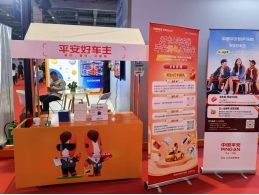
Core Insights - The company showcased its innovative digital marketing strategies at the Shanghai International Auto Show, focusing on enhancing customer service experiences through technology [1] Group 1: Digital Marketing Initiatives - The company launched a "Check-in for Prizes" campaign on Xiaohongshu to attract younger consumers, successfully reaching the key automotive consumer demographics of the 80s, 90s, and 00s [2] - The "Explore the Auto Show for Travel Subsidies" activity on the Ping An Good Car Owner APP engaged 12,000 users, enhancing customer journey experiences through interactive gamification [4] - A "Ping An Travel Package" was distributed to potential car buyers in collaboration with Yongda Group, utilizing essential service vouchers to boost conversion rates [6] Group 2: Brand Collaboration and Promotion - The company partnered with Auto Home to conduct in-depth interviews with dealers, discussing benefits, new model highlights, and service networks, effectively enhancing brand professionalism [7] - A comprehensive video marketing campaign across platforms like Douyin, WeChat Video, and Xiaohongshu achieved over 6,600 views, showcasing live event footage and vehicle performance [9] Group 3: Future Directions - The company aims to continue leveraging technology to deepen the integration of insurance services with the automotive ecosystem, striving to create a new value experience that is time-saving, cost-effective, and hassle-free for customers [9]

2025汽车经销商百强榜发布,运营能力两极分化,“剩”者为王时代已来
Zhong Guo Qi Che Bao Wang· 2025-05-30 01:47
Core Insights - Despite an increase in automobile sales, dealers are facing significant challenges, with the industry experiencing a shift from "increasing sales without profit" to "losing money with every sale" [1] - The "2025 China Automotive Circulation Industry Dealer Group Top 100 Ranking" highlights the struggles of traditional dealers, with the top performer, Zhongsheng Group, reporting revenues of 168.12 billion yuan and total sales of 711,500 vehicles [1][5] - The implementation of the "old-for-new" policy in 2024 has helped maintain a 5.5% growth in the passenger car market, with over 3.22 million applications for subsidies by May 11, 2025 [1] Industry Overview - The automotive circulation industry is witnessing a polarization in operational capabilities among dealers, with the future favoring those who can adapt to new market conditions [2] - The average gross profit margin for new cars among struggling traditional brand dealers is negative, leading to an overall pre-tax profit margin of -6.9% [4] - In contrast, strong traditional brand dealers maintain a gross profit margin of 1.5% on new cars and achieve a net profit margin of 2.1% through effective management [4] Financial Performance - The top 100 dealers reported a total revenue of 1.7213 trillion yuan in 2024, a decrease of 2.5% year-on-year, with new car sales down by 0.2% to 6.52 million units [5] - The number of 4S stores increased by 3.5% to 6,003, while the gross profit margin for new cars fell by 22.6%, although the overall gross profit margin rose by 3.2% to 6.7% [5] - Used car sales surged by 19.7% to 1.39 million units, but the gross profit margin for used cars decreased by 3.6% to 6.4% [5] Strategic Responses - To counter declining profit margins, top dealers are reducing operational costs, with employee numbers down by 6.8% and salaries reduced by 8.2% [6] - The number of base customers for top dealers grew by 19.3% to 100.26 million, indicating a focus on customer retention and engagement [6] - The penetration rate of new energy vehicles among top dealers reached 23%, a year-on-year increase of 31.1%, with total sales of new energy vehicles rising by 30.9% to 15.02 million units [7] Future Directions - The "New Four Transformations" strategy for dealers includes diversifying business operations, asset lightening, brand differentiation, and management digitization [7] - Successful examples, such as Chongqing Baishida, demonstrate the effectiveness of value-driven customer engagement and digital tools in enhancing profitability [8] - Digital transformation is seen as a means to not only control costs but also to unlock greater profit potential, as evidenced by various case studies [8]



36家港股公司出手回购(5月27日)


Zheng Quan Shi Bao Wang· 2025-05-28 01:41
Summary of Key Points Core Viewpoint - On May 27, 36 Hong Kong-listed companies conducted share buybacks totaling 25.22 million shares, with a total buyback amount of 1.047 billion HKD [1][2]. Group 1: Buyback Details - Tencent Holdings repurchased 979,000 shares for 500 million HKD, with a highest price of 514.000 HKD and a lowest price of 507.000 HKD, bringing its total buyback amount for the year to 24.53 billion HKD [1][2]. - Meituan-W repurchased 3.02 million shares for 392 million HKD, with a highest price of 132.400 HKD and a lowest price of 122.600 HKD, totaling 392 million HKD in buybacks for the year [1][2]. - China COSCO Shipping repurchased 6.17 million shares for 89.84 million HKD, with a highest price of 14.820 HKD and a lowest price of 14.280 HKD, accumulating 4.41 billion HKD in buybacks for the year [1][2]. Group 2: Buyback Rankings - The highest buyback amount on May 27 was from Tencent Holdings at 500 million HKD, followed by Meituan-W at 392 million HKD [1][2]. - In terms of buyback volume, China COSCO Shipping led with 6.17 million shares, followed by NetEase Technology and Meituan-W with 5 million shares and 3.02 million shares, respectively [1][2]. Group 3: First-Time Buybacks - Notably, Meituan-W and Zhongxu Future conducted their first buybacks of the year on this date [2].
【港股收评】三大股指涨跌不一!影视股、光伏概念股领涨
Jin Rong Jie· 2025-05-23 09:03
Market Performance - The Hong Kong stock market showed mixed results with the Hang Seng Index up by 0.24%, the Hang Seng China Enterprises Index up by 0.31%, and the Hang Seng Tech Index down by 0.09% [1] Sector Highlights - The film sector saw significant gains, with Alibaba Pictures (01060.HK) rising by 8.45% and a total increase of 63.83% over the past four trading days. Citi noted that the potential of its IP products has not been fully realized, with "Chiikawa" and "Crayon Shin-chan" expected to contribute in FY2026 [1] - Solar energy stocks also performed well, with Fuyao Glass (03606.HK) up by 4.64% and Rainbow New Energy (00438.HK) up by 2.5%. Additionally, some nuclear power stocks saw notable increases, such as CGN Mining (01164.HK) up by 8.5% and CGN Power (01816.HK) up by 1.72% [1] - The automotive supply chain, including Tesla-related stocks and lithium battery companies, experienced upward movement. Nexperia (01316.HK) rose by 4.4%, Yongda Auto (03669.HK) by 2.37%, Brilliance China (01114.HK) by 3.13%, and Great Wall Motors (02333.HK) by 2.42%. According to the China Passenger Car Association, the retail market for narrow passenger cars is expected to reach approximately 1.85 million units this month, representing a year-on-year increase of 8.5% and a month-on-month increase of 5.4% [1] Active Stocks - The pharmaceutical outsourcing sector was active, with Tigermed (03347.HK) up by 8.35%, Zai Lab (06127.HK) up by 7.34%, and other related companies also showing gains. Institutions noted a fundamental turning point in the CXO sector, with continued growth expected in small molecule and large molecule CDMO orders [2] - Other sectors with notable gains included pork, agriculture, tobacco, and beer [3] Declining Stocks - The luxury goods, Hong Kong retail, dairy, department store, food, and airline sectors faced declines, with stocks like Eslon (01856.HK) down by 5.43% and China Wangwang (00151.HK) down by 2.11% [3] - SaaS stocks generally underperformed, with Huizhongda Network (09878.HK) down by 9.22% and other related companies also declining [3] - Apple-related stocks experienced pullbacks, including Q Technology (01478.HK) down by 3.06% and GoerTek (01415.HK) down by 2.88% [3] Other Notable Movements - Cement stocks and property management stocks showed poor performance, while education and semiconductor stocks also weakened [4] - Specific cement companies like China National Building Material (00691.HK) fell by 6.6% [5] - Heng Rui Pharmaceutical (01276.HK) saw a significant increase of 25.2% on its first day of trading [6] - FIH Mobile (02981.HK) rose by 22.62% after being included in the Hong Kong Stock Connect following a share consolidation [7]