
安踏集团

Search documents
2月2日你需要知道的隔夜全球重要信息
Sou Hu Cai Jing· 2026-02-01 23:44
Group 1: Federal Reserve and Economic Impact - President Trump nominated former Fed governor Kevin Walsh as the next Fed Chair, which is expected to pass Senate confirmation easily, leading to a collective drop in US stock indices and a rebound in the dollar and US Treasury yields [1][2] - The probability of the Fed maintaining interest rates in March is 84.7% [3] Group 2: Geopolitical Developments - The US government is partially shut down, with House Speaker Johnson expressing confidence in securing enough votes to end the shutdown by Tuesday [4] - Signals of negotiation between the US and Iran have emerged, with a potential meeting in Ankara later this week [5] - Iran's parliament speaker announced that European military forces would be considered terrorist organizations, while Iran's Supreme Leader warned that a US-led war would trigger regional conflict [6] Group 3: Market Reactions and Commodity Prices - Precious metals experienced a historic drop, with gold falling 9.45% to $4,865.35 per ounce, marking the largest single-day decline in nearly 40 years, and silver dropping 26.77% to $84.7 per ounce, the largest since 1980 [15] - Global exchanges have raised margin requirements for precious metal futures, with the CME Group increasing margins for gold and silver futures effective February 2 [16] - Major Chinese banks, including ICBC and CCB, have adjusted their gold accumulation business and issued investment risk warnings [17] Group 4: Corporate Developments - Apple completed a $2 billion acquisition of Israeli AI startup Q.ai, betting on the integration of "sensors + AI" technology [12] - Anta Group acquired a 29.06% stake in German sports brand Puma for €1.5 billion, becoming its largest single shareholder [13] - LVMH invested €1 billion to increase its stake in the Italian luxury brand Loro Piana to 94%, achieving full control over the brand [14] Group 5: Market Performance - The Indonesian Composite Index fell 6.94% from January 26 to 30, leading to the resignation of the president of the Indonesian Stock Exchange and the chairman of the Financial Services Authority [18] - Indian markets faced significant losses in metal stocks and precious metal ETFs, with the NIFTY metal index dropping over 5% and precious metal ETFs declining over 10% [19] - US stock index futures opened lower on February 2, with Nasdaq futures down over 1% and S&P 500 futures down 0.6% [20]
福建“豪门”,打响继承之战
创业邦· 2026-02-01 10:09
Core Viewpoint - The article discusses the generational transition in family businesses, particularly among Fujian entrepreneurs, highlighting the challenges faced by the second generation as they take over leadership roles amidst changing market conditions and societal expectations [5][16]. Group 1: Succession in Fujian Enterprises - Xu Shihui, founder of Dali Food Group, has retired, passing leadership to his daughter Xu Yangyang, who has been groomed for this role for years [7][14]. - Cao Dewang, founder of Fuyao Group, has also stepped down, with his son Cao Hui taking over, marking a trend of succession among Fujian entrepreneurs [7][11]. - The transition of leadership is becoming a reality in Fujian's private enterprises, with several second-generation leaders stepping into their roles [7][8]. Group 2: Challenges Faced by Successors - The new generation faces a more challenging business environment and intense competition, along with the pressure of living up to their predecessors' legacies [16][18]. - Many successors, despite having better resources and education, struggle with the dual identity of being both children and inheritors, leading to potential conflicts [8][16]. - The decision to take over family businesses can lead to significant generational "wars," as seen in the case of Fuyao Group, where Cao Hui initially resisted taking over [11][12]. Group 3: Performance and Expectations - Dali Group's revenue peaked at 22.294 billion yuan in 2021 but has since declined, with 2023 revenue reported at 18.86 billion yuan, presenting a significant challenge for Xu Yangyang [20][21]. - Xu Yangyang aims to innovate beyond her father's established "imitator" strategy, which has become less effective in the current market [21][23]. - In contrast, Fuyao Group, under Cao Hui, is experiencing growth, with 2025 fiscal year revenue reaching 21.45 billion yuan, indicating a different set of challenges focused on maintaining market leadership [23][24]. Group 4: Strategies for Business Continuity - The article highlights the trend of inter-family marriages among Fujian entrepreneurs as a strategy to strengthen business alliances and ensure continuity [26][29]. - Establishing family offices has become a common practice among Fujian businesses to manage wealth and address succession issues proactively [27][30]. - The emphasis on collaboration and mutual support among family businesses reflects a cultural approach to navigating risks and uncertainties in the market [30][31].



不控股也行!安踏百亿入局彪马丨消费参考+
2 1 Shi Ji Jing Ji Bao Dao· 2026-01-31 02:17
安踏集团董事局主席丁世忠就明确,双方将保持各自业务运营上的独立性、纪律性和战略清晰。 今天我们就来聊下,安踏为何敢于豪掷上百亿元只为入局彪马? 大家好,我是小贺,欢迎收看本期消费参考。 21世纪经济报道记者贺泓源 安踏的全球化进程,正在步入深水区。 这次,安踏集团以15亿欧元(约合124.8亿元人民币)收购彪马所属公司PUMA SE 29.06%的股权,成为 了单一最大股东。 但要看到,就算拿下最大股东位置,对彪马的控制权依旧相对有限。安踏并没有进入董事会,而是拥有 监事会席位。 首先,安踏看上彪马的原因是,这个品牌太诱人了。短跑之神博尔特脚下的跑鞋是彪马,球王贝利马拉 多纳的战靴也是彪马。去年3月,彪马还拿下2025/26赛季英超官方用球赞助。从2025-26赛季开始,彪 马将为英超联赛提供官方用球。 某种程度上,挺进彪马,就能拿下全球足球市场的入场券。况且,彪马还在F1赛场上的赛车鞋和专业 服饰上占据了极高市场份额。 2025年前三季度,彪马约80%的销售额来自于EMEA(欧洲、中东、非洲)地区和美洲。这些都等跟安 踏形成互补。 此前,丁世忠就提到,要收购具有强品牌价值和基因的品牌,通过战略重塑实现价值跃 ...
不控股也行!安踏百亿入局彪马
2 1 Shi Ji Jing Ji Bao Dao· 2026-01-31 02:16
但要看到,就算拿下最大股东位置,对彪马的控制权依旧相对有限。安踏并没有进入董事会,而是拥有监事会席位。 安踏集团董事局主席丁世忠就明确,双方将保持各自业务运营上的独立性、纪律性和战略清晰。 今天我们就来聊下,安踏为何敢于豪掷上百亿元只为入局彪马? 21世纪经济报道记者贺泓源 安踏的全球化进程,正在步入深水区。 这次,安踏集团以15亿欧元(约合124.8亿元人民币)收购彪马所属公司PUMA SE29.06%的股权,成为了单一最大股东。 大家好,我是小贺,欢迎收看本期消费参考。 首先,安踏看上彪马的原因是,这个品牌太诱人了。短跑之神博尔特脚下的跑鞋是彪马,球王贝利马拉多纳的战靴也是彪马。 去年3月,彪马还拿下2025/26赛季英超官方用球赞助。从2025-26赛季开始,彪马将为英超联赛提供官方用球。 某种程度上,挺进彪马,就能拿下全球足球市场的入场券。况且,彪马还在F1赛场上的赛车鞋和专业服饰上占据了极高市场份 额。 2025年前三季度,彪马约80%的销售额来自于EMEA(欧洲、中东、非洲)地区和美洲。这些都等跟安踏形成互补。 此前,丁世忠就提到,要收购具有强品牌价值和基因的品牌,通过战略重塑实现价值跃升。彪马显 ...
安踏的野心,接管了彪马的命运
3 6 Ke· 2026-01-28 00:00
Core Insights - Anta Group has acquired a 29.06% stake in PUMA from the Pinault family's investment company Groupe Artémis for €1.5 billion, making Anta the largest shareholder of PUMA [1][3] - The transaction is expected to be completed by the end of 2026, with funding sourced entirely from Anta's internal cash reserves [1] - Following the announcement, PUMA's stock price surged by 16.28%, increasing its market capitalization to nearly €3.5 billion, while Anta's stock rose over 2% [3] Group 1: Anta's Strategic Moves - Anta's investment strategy focuses on acquiring struggling international sports brands and leveraging China's retail and supply chain efficiencies to help them recover [5] - The company has previously invested in brands like FILA and Descente, demonstrating a successful track record in revitalizing brands [5][14] - Anta aims to position itself as a global sports brand powerhouse, not just a competitor to Nike in China, but on a worldwide scale [12][14] Group 2: PUMA's Current Challenges - PUMA is facing significant challenges, including a 2% decline in sales to €1.942 billion in Q2 2023 and a 10.4% drop in Q3 sales to €1.9557 billion [6][8] - The company has announced plans to cut approximately 900 jobs globally by the end of 2026 as part of its restructuring efforts [7] - PUMA's inventory has increased by 18.3% year-on-year, reaching €2.151 billion, indicating ongoing operational difficulties [6] Group 3: Market Context and Future Outlook - The global sportswear market is experiencing a shift, with a growing demand for athletic footwear and apparel, which now accounts for over 60% of total footwear sales [16] - Anta's acquisition of PUMA aligns with its ambition to dominate the sportswear market, especially in the context of rising health and fitness trends post-pandemic [16][19] - The future of sports brands will likely depend on their ability to adapt to changing consumer preferences and maintain strong operational capabilities [19]
收购彪马股权 安踏版图再添一子
Bei Jing Shang Bao· 2026-01-27 16:46
买得起并推动规模化经营是一回事,守得住品牌价值获得消费者认可又是另一回事。此前始祖鸟营销事 件引发不小争议。有不少消费者认为在安踏集团主导下,始祖鸟正在失去户外品牌的初心。业界认为, 始祖鸟的舆论危机,一定程度上给安踏集团敲响了警钟。在大手笔收购推动规模化运营的同时,如何守 护并践行这些品牌的品牌价值成为关键。 鞋服行业品牌战略咨询专家、上海良栖品牌管理有限公司创始人程伟雄表示,收购众多品牌之后的运营 以及坚持品牌所独有的品牌价值,对于安踏集团而言是一大挑战。如何协同不同的团队做好不同品牌的 发展,坚守品牌的调性,安踏集团需要做出更多的努力。当然,也不排除在未来的发展中,安踏集团倾 向于成为一个投资公司、品牌管理公司。在品牌发展势头好的时候买入,不好的时候卖出,也会是好的 发展策略。 北京商报记者 张君花 安踏集团在全球市场的竞争力如何,目前还无法量化。不过,在中国市场,安踏集团已遥遥领先。根据 财报数据,2024年,安踏集团营收规模突破700亿元,为708.26亿元,同比增长13.6%,连续三年稳居中 国运动市场第一。 在要客研究院院长周婷看来,安踏集团收购彪马,核心是为巩固并提升自身在全球时尚运动领域的行 ...
安踏15亿欧元收购彪马29%股权
Cai Jing Wang· 2026-01-27 15:38
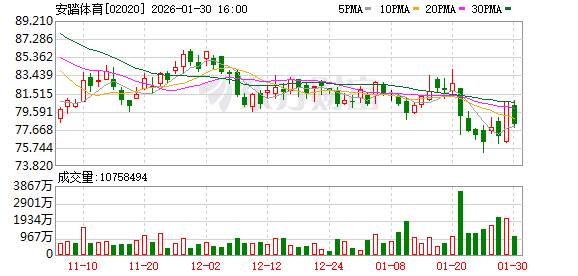
Core Viewpoint - Anta Group announced the acquisition of 29.06% stake in Puma SE for €1.5 billion (approximately ¥12.28 billion), making Anta the largest shareholder of Puma by the end of 2026, reflecting a significant trend in global sports fashion brand equity circulation [1][5] Group 1: Transaction Details - The acquisition involves over 43 million shares at approximately €35 per share, representing a 62% premium over Puma's closing price of €21.63 prior to the announcement [1] - The stake is currently held by the Pinault family through their holding company Artemis, which previously sought offers exceeding €40 per share [1] Group 2: Strategic Implications - This transaction is seen as a counter-cyclical investment, occurring during a period of valuation decline for international sports brands, allowing Anta to enhance its capital efficiency and global presence without taking full control [2] - Anta has been building a multi-brand matrix since 2009, acquiring brands like Fila and Amer Sports, and this acquisition will help strengthen its position in football and athletics, areas where it has been relatively weak [2] Group 3: Market Context - Puma has faced operational challenges, with sales declining by 4.3% to €5.974 billion and a net loss of €309 million in the first three quarters of 2025, making it a value opportunity for acquisition [3] - The acquisition is expected to provide Anta with access to Puma's established global sales network, enhancing its efficiency in expanding into the European and American markets [3] Group 4: Financial Capacity - Anta has sufficient funds to complete the transaction, with cash and cash equivalents totaling ¥55.58 billion as of June 30, 2025, ensuring efficient use of capital [4] Group 5: Market Reaction - Following the announcement, Anta's stock price rose by 1.38% to HK$77.4, with a market capitalization of HK$216.5 billion, indicating positive market sentiment towards the acquisition [5]
安踏的新考题:救彪马、破隐忧
经济观察报· 2026-01-27 14:43
Core Viewpoint - Anta's acquisition of Puma shares is a strategic move to enhance its global capabilities, but it faces challenges due to Puma's declining performance and internal growth issues within Anta's main brands [1][2]. Group 1: Acquisition Details - On January 27, Anta Group announced a cash acquisition of 29.06% of Puma SE for €1.5 billion (approximately 12.4 billion RMB), making Anta the largest shareholder of Puma [2]. - The transaction is expected to be completed by the end of 2026, pending regulatory approval and customary closing conditions, with funding sourced entirely from Anta's internal cash reserves [2]. - Anta interprets the acquisition as a means to strengthen its product categories, enhance its brand image, and fill market gaps in North America and Europe [2]. Group 2: Market Context - Puma's performance has been declining, with its revenue growth dropping from double digits to 6.6% and 4.4% in 2023 and 2024, respectively, and a net profit decline of 13.7% in 2023 and 7.6% in 2024 [8]. - In 2025, Puma's sales fell by 4.3% to €5.974 billion, with a net loss of €309 million, attributed to high inventory, weak brand momentum, and increased promotional activities [8]. Group 3: Strategic Implications - This acquisition marks Anta's sixth investment in international brands, distinguishing it from previous acquisitions that focused primarily on the Greater China region [5]. - Puma's strong presence in mainstream sports categories like football and running, along with its established market in North America and Europe, allows Anta to bypass lengthy market cultivation periods [5][9]. - The acquisition is seen as a new paradigm for Chinese brands, moving from mere capital expansion to a focus on brand and management globalization [4]. Group 4: Challenges for Anta - Anta's main brands, including Anta and Fila, are experiencing slowed growth, with Anta's retail sales showing low single-digit growth and Fila's growth lagging behind other brands [12][13]. - The complexity of managing multiple brands poses significant challenges, particularly in supply chain management and resource allocation, which could lead to operational burdens [13].
收购彪马背后:自信安踏,迈向全球化新征途
2 1 Shi Ji Jing Ji Bao Dao· 2026-01-27 13:51
Core Viewpoint - Anta Group has reached an agreement to acquire a 29.06% stake in Puma SE from Groupe Artémis for €1.5 billion, reflecting the company's confidence and strategic vision in the sportswear market [1][3][14]. Group 1: Acquisition Details - The acquisition is expected to be completed by the end of 2026, pending regulatory approvals and customary closing conditions [1]. - The funding for the acquisition will come entirely from Anta's internal cash reserves, indicating a strong financial position [1]. - Anta has no plans to launch a takeover bid for Puma, emphasizing respect for Puma's management culture and governance structure [1][16]. Group 2: Puma's Current Performance - Puma's sales decreased by 10.4% to €1.9557 billion in Q3 2025, primarily due to currency impacts and a reset plan affecting sales across all regions [2]. - The wholesale business saw a decline of approximately 15.4% to €1.3857 billion, while direct-to-consumer (DTC) sales grew by 4.5% to €570 million, driven by e-commerce [2]. - DTC's share of total sales increased significantly from 25.1% in Q3 2024 to 29.1% [2]. Group 3: Strategic Rationale for Acquisition - Anta views the acquisition as a strategic milestone in its "single focus, multi-brand, globalization" development strategy, recognizing Puma's long-term brand value and potential [3][4]. - The acquisition aligns with Anta's historical approach of prioritizing brands with strong value and potential for strategic transformation [4]. - Anta aims to leverage its experience in brand management and retail to enhance Puma's market position and global reach [4][12]. Group 4: Anta's Globalization Strategy - Anta has been executing a "three-step" strategy for globalization, focusing on building international brands in China, operating global brands, and promoting its own brand internationally [5][11]. - The successful acquisition of Amer Sports in 2019 marked a significant step in Anta's global operations, allowing it to manage global resources and brand integration [11][12]. - Anta's operational model emphasizes decentralized management, allowing brand CEOs to be accountable for their brands while ensuring strategic alignment with the group's overall goals [16][17].
15亿欧元落子百年品牌,安踏集团收购彪马股权,揭开中国品牌全球化新征程
Ge Long Hui· 2026-01-27 08:20
Core Viewpoint - Anta Group has announced a significant acquisition of a 29.06% stake in Puma SE for €1.5 billion, marking a strategic move to become the largest single shareholder of the iconic sports brand, Puma [1] Group 1: Acquisition Details - The acquisition is expected to be completed by the end of 2026 and is part of Anta's long-term strategy of "single focus, multi-brand, globalization" [1] - This transaction signifies a shift in the outbound strategy of Chinese sports brands from "capability export" to "ecosystem export," establishing a new third pole in the global sports goods market [1] Group 2: Multi-Brand Integration Methodology - Anta's core competitiveness lies in its replicable multi-brand operation system, validated through successful cases like FILA and Amer Sports, which lays a solid foundation for integrating Puma [3] - The success of this integration is attributed to three core capabilities: channel and retail model empowerment, multi-brand synergy and management, and global operation and resource integration [4][11] Group 3: Channel and Retail Model Empowerment - Anta's approach includes transforming brands like FILA, which was acquired in 2009 when it was losing over ¥30 million annually, into a profitable entity with a revenue of ¥26.63 billion in 2024, demonstrating a successful shift to a direct-to-consumer model [5] - Puma's current challenges, such as over-reliance on wholesale channels leading to inventory issues and a 15.3% decline in Euro-denominated revenue, can potentially be addressed through Anta's experience [6] Group 4: Multi-Brand Synergy and Management - Anta has established a differentiated brand matrix across various sports sectors, allowing brands to share resources while maintaining unique positioning, which has led to a 61.1% revenue increase for other brands in the first half of 2025 [7] - The addition of Puma will enhance Anta's global brand matrix, leveraging Puma's strong presence in Europe and its unique cultural resources in football and motorsports [8] Group 5: Global Operation and Resource Integration - Anta's strategy respects the operational expertise of acquired brands while injecting its own efficiencies in supply chain and digital operations, creating a dual synergy of global resources and Chinese capabilities [9] - The successful integration of Amer Sports post-acquisition in 2019, which saw significant revenue growth, serves as a model for the anticipated integration of Puma [10] Group 6: Strategic Implications of the Acquisition - The acquisition represents a critical step in Anta's "three-step" globalization strategy, transitioning from a regional leader to a global resource integrator [13] - Post-acquisition, Anta is expected to enhance its overseas revenue share significantly, filling gaps in its presence in core European and American markets [14] Group 7: New Paradigm for Chinese Enterprises - Anta's approach to global brand integration challenges the traditional Western-dominated model, promoting an "ecosystem export" strategy that emphasizes collaboration and shared growth [17] - This acquisition is poised to set a new precedent for Chinese brands in global markets, showcasing a shift from mere manufacturing to a comprehensive business model that integrates global insights with Chinese efficiency [21]