ZARA

Search documents
UR关闭杭州市场首店,快时尚品牌收缩趋势明显
Xi Niu Cai Jing· 2026-01-13 09:37
Core Viewpoint - UR Hangzhou Xiaoshan Yilong Department Store has closed due to business adjustments, with services now provided by the Hangzhou Olympic Sports Center store [2] Company Overview - UR (Urban Revivo) was founded in 2006 and is one of the earliest brands to adopt the fast fashion business model in China [2] - The brand underwent a repositioning in 2015, introducing a globally innovative "fast luxury fashion" business model [2] - As of now, UR operates over 400 stores across China, Singapore, Thailand, and the Philippines, with an online sales network extending to Europe, North America, and other international markets [2] Market Trends - The fast fashion market in Hangzhou is undergoing significant adjustments, with ZARA planning to close its stores in Hangzhou, reducing its presence to only two locations by the end of 2025 [2] - H&M's brand COS has also closed two stores in Hangzhou, while the Korean fast fashion brand SPAO has exited the Hangzhou market entirely [2]


波司登86克充绒量羽绒服卖2299元引争议 高端化战略下的性价比陷阱?
Xi Niu Cai Jing· 2026-01-13 08:45
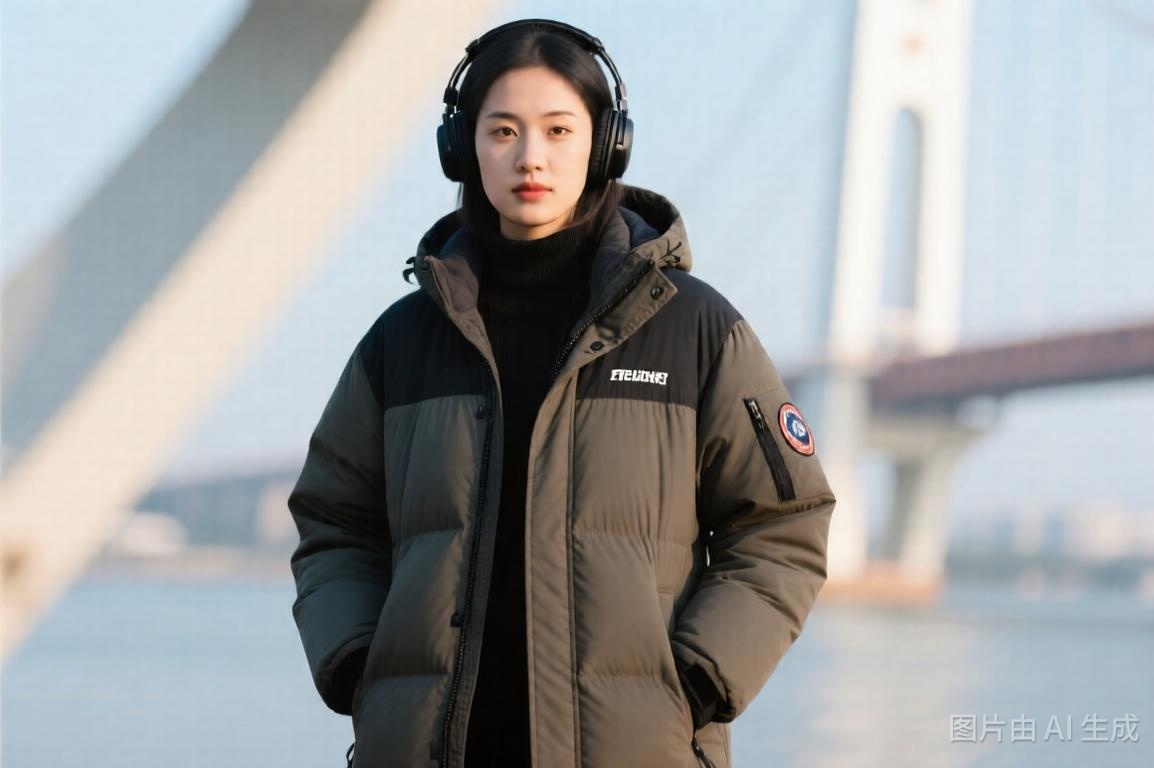
Core Insights - A consumer in Jiangsu criticized Bosideng for the high price of a business series down jacket, priced at 2099 yuan, which has a low filling weight of only 86 grams, questioning the brand's premium pricing strategy [2] - Bosideng's high-end transformation aims to shed its "cost-performance" label and align with international luxury brands like Moncler and Canada Goose, evidenced by collaborations and acquisitions [2][3] - Despite Bosideng's efforts, market data shows that nearly 80% of Chinese down jacket consumers prefer prices below 1200 yuan, indicating a mismatch between the brand's high-end positioning and consumer willingness to pay [3] Company Strategy - Bosideng has launched high-end products, such as the AREAL series in collaboration with Kim Jones, and has acquired the Canadian luxury down brand Moose Knuckles to enhance its market position [2] - The company reported record revenues of 25.9 billion yuan and a net profit of 3.5 billion yuan for the fiscal year 2024/25, marking eight consecutive years of historical highs [2] Market Competition - The competitive landscape is intensifying, with outdoor brands like The North Face and Columbia increasing market investments, while fast fashion brands like Uniqlo and ZARA leverage supply chain advantages to capture the mass market [3] - Only 32% of surveyed consumers believe Bosideng's "Dengfeng series" can compete with Moncler and Canada Goose, highlighting the challenges in establishing a premium brand perception [3][4] Brand Positioning - Unlike Moncler, which relies on a century of craftsmanship and brand storytelling, and Canada Goose, which emphasizes extreme performance and scarcity, Bosideng's high-end strategy requires a new supporting narrative to resonate with consumers [4]
“链主”企业牵头搞大事,SHEIN的产业赋能密码藏不住了
Guan Cha Zhe Wang· 2026-01-09 07:52
Core Viewpoint - SHEIN has emerged as a leading player in the global fashion retail market, leveraging innovative digital supply chain solutions to address traditional industry challenges such as high inventory risks and production inefficiencies [2][12]. Group 1: Industry Transformation - The improvement in China's traditional manufacturing industry is attributed to continuous training of frontline workers, innovative tools, and the digitalization of the entire production and distribution chain [1]. - SHEIN's flexible supply chain model has allowed it to surpass competitors like ZARA, H&M, and Uniqlo, becoming the third-largest fashion retailer globally, following Nike and Adidas [2]. - The company has developed over 180 innovative tools by 2025, enhancing production efficiency by an average of 35% for suppliers [5]. Group 2: Technological Innovation - SHEIN's manufacturing innovation research center has played a crucial role in developing tools that streamline production processes, such as combining multiple sewing steps into one, which can increase efficiency by up to 40% [3][5]. - The introduction of digital heat transfer printing technology has significantly reduced the time from design to production, compressing the cycle from 4-6 weeks to just 7-15 days, while also minimizing water usage [9][10]. Group 3: Supplier Empowerment - SHEIN has conducted nearly 600 training sessions for suppliers in 2025, covering approximately 37,000 instances, to enhance skills and management capabilities within the industry [6]. - The company has established a robust digital management system that provides suppliers with stable orders and clear timelines, improving their operational efficiency [13]. Group 4: Environmental Impact - SHEIN's transition to using new energy vehicles for logistics has contributed to reducing carbon emissions, showcasing the company's commitment to sustainable practices [10]. - The digital heat transfer printing technology employed by SHEIN is verified to consume zero water resources, representing a significant advancement in eco-friendly production methods [9]. Group 5: Market Expansion - The cross-border e-commerce sector, represented by SHEIN, has shown steady growth, with exports reaching approximately 1.63 trillion yuan in the first three quarters of 2025, marking a 6.6% increase year-on-year [12]. - SHEIN's "500 Cities Industrial Belt Going Abroad Plan" has expanded its reach to nearly 400 cities, fostering brand development and international market access for local businesses [14].
商场一层,被运动风攻占
虎嗅APP· 2026-01-06 09:13
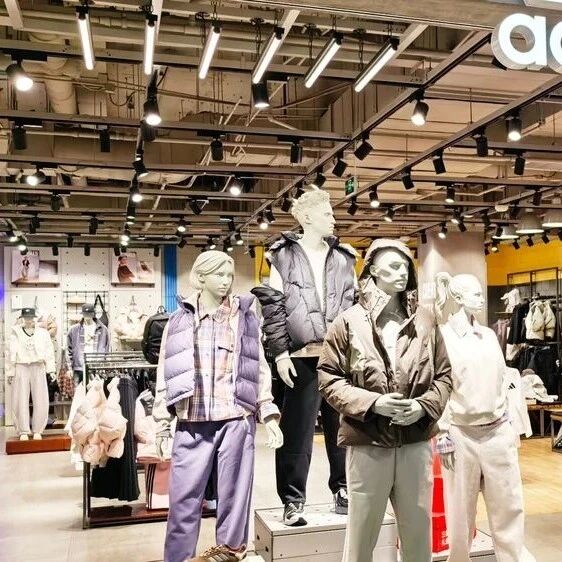
Core Viewpoint - A significant shift in retail branding is occurring, with sportswear brands increasingly occupying prime locations in shopping malls, replacing fast fashion brands that once dominated the space [4][11][12]. Group 1: Brand Transition in Malls - The rise of the "athleisure" trend has led to a transformation in shopping centers, where sports brands like Nike, Adidas, and emerging brands such as Lululemon are now prevalent in prime retail spaces [4][8]. - Traditional fast fashion brands, which once held significant market power, are now facing challenges due to declining sales and consumer preferences shifting towards quality and comfort [11][12]. - Shopping mall operators have noted a decline in the sales per square meter for fast fashion brands, while sports brands have shown steady growth, prompting a reallocation of retail space towards sports and outdoor brands [13][14]. Group 2: Consumer Behavior Changes - Consumers are increasingly prioritizing comfort and quality over fast fashion trends, leading to a demand for sportswear that integrates into daily life rather than being limited to athletic activities [5][9]. - The growing health consciousness and the normalization of fitness culture have made sportswear a lifestyle choice, influencing purchasing decisions across demographics [9][17]. - The shift from fast fashion to sportswear reflects a broader societal change, where consumers are more focused on health and quality of life rather than just fashion trends [18][19]. Group 3: Market Dynamics and Future Trends - The market for outdoor and sports brands is expected to continue growing, with projections indicating significant retail revenue increases for brands like Descente and KAILAS [16]. - The integration of technology in sportswear, such as breathable fabrics and smart wearables, is enhancing product appeal and driving innovation in the sector [14][16]. - The ongoing evolution in consumer preferences suggests that the retail landscape will continue to adapt, with brands needing to balance functionality and style to remain competitive [19].
真维斯杨勋:在浪潮中判断,在周期里守业|我们的四分之一世纪
Jing Ji Guan Cha Bao· 2025-12-31 08:41
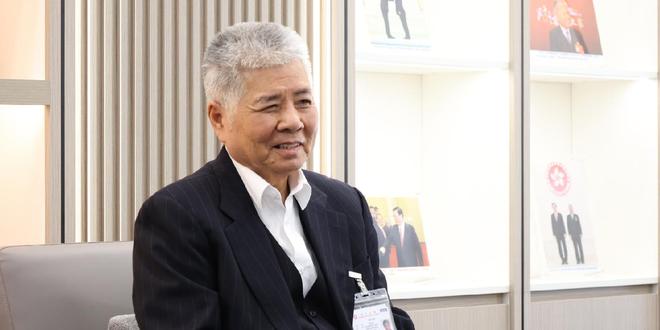
Core Insights - The article discusses the evolution and challenges faced by the clothing brand Jeanswest in China, highlighting its transition from a popular retail chain to a focus on e-commerce due to changing consumer behaviors and market dynamics. Group 1: Company History and Expansion - Jeanswest was acquired by Yang Xun in 1990 and introduced to the Chinese market during a time when clothing began to symbolize self-expression for youth [5] - The brand adopted an innovative retail model, moving away from traditional department store sales to open displays and customer engagement, which quickly gained popularity among young consumers [6] - By 2013, Jeanswest had expanded to nearly 3,000 stores in China, achieving annual sales of nearly 5 billion yuan [7] Group 2: Market Challenges and Strategic Shifts - The entry of fast-fashion brands like ZARA and H&M in the 2010s intensified competition, leading to a decline in Jeanswest's sales and an increase in inventory issues [8] - The company responded to declining performance by closing underperforming stores and shifting focus to e-commerce, which began in 2009 but only gained traction after 2014 [9][12] - By 2019, online sales had increased significantly from 460 million yuan to 6 billion yuan by 2024, marking a growth of over 13 times [12] Group 3: Operational Adjustments and Management Philosophy - Jeanswest restructured its product offerings and inventory management to better align with consumer demand and market trends, implementing a "brand ecosystem" approach [9][10] - The management emphasizes a culture of accountability and rapid response to market changes, with regular performance reviews and a focus on maintaining operational efficiency [14] - Yang Xun's philosophy centers on the distinction between entrepreneurship and stewardship, prioritizing long-term sustainability and social responsibility over short-term profits [13][15]
温州市区一知名店要关了
Sou Hu Cai Jing· 2025-12-28 14:45
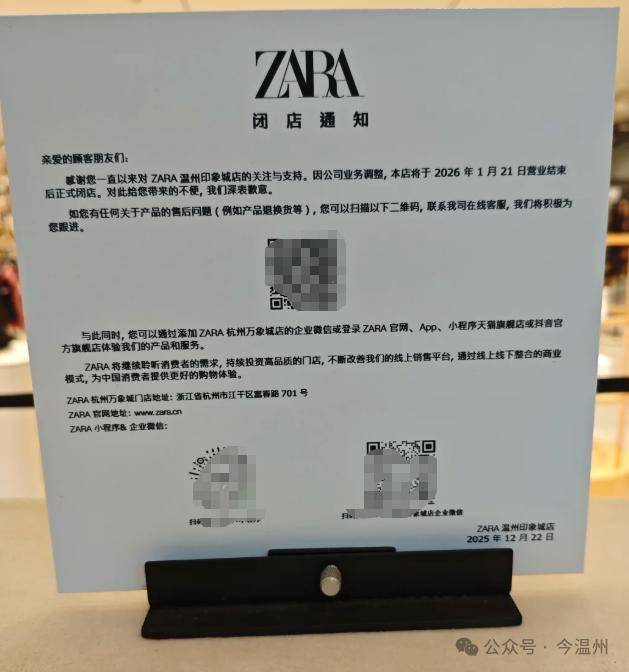
近日,一则消息引发关注。位于印象城MEGA的ZARA门店发布闭店通知,将于2026年1月21日正式闭 店。这一举措,不仅标志着ZARA在温州市场的谢幕,也再次折射出国际快时尚品牌在中国市场的艰难 处境。 然而,近年来国际快时尚品牌在中国市场的发展却不尽如人意,ZARA和H&M便是典型代表。它们在 全国范围内掀起关店潮,二线及以下城市的门店数量锐减,甚至撤出一些普通地级市。温州曾是ZARA 仅保留门店的三座普通地级市之一,另外两座为苏州和无锡。但今年以来,H&M在温州已相继关闭财 富中心、龙湾万达广场两家门店,如今仅剩国际大酒店一家。而ZARA此次关闭温州唯一门店,且暂未 有其他商业综合体出现ZARA围挡,这意味着ZARA将正式撤出温州市场。 从宏观层面看,这一现象背后有着复杂的原因。随着中国本土品牌的崛起,它们在设计、品质和价格上 更具竞争力,逐渐蚕食了快时尚品牌的市场份额。同时,中国消费者消费观念的转变,更加注重品质和 个性化,对快时尚品牌"快速复制、批量生产"的模式不再买账。此外,电商的蓬勃发展,让消费者购物 更加便捷,也进一步冲击了实体快时尚门店。 至于未来温州是否还会有商业综合体引进ZARA,结合该品 ...
福恩股份IPO:大单快反,精准响应,获多家头部品牌青睐
Sou Hu Cai Jing· 2025-12-24 01:06
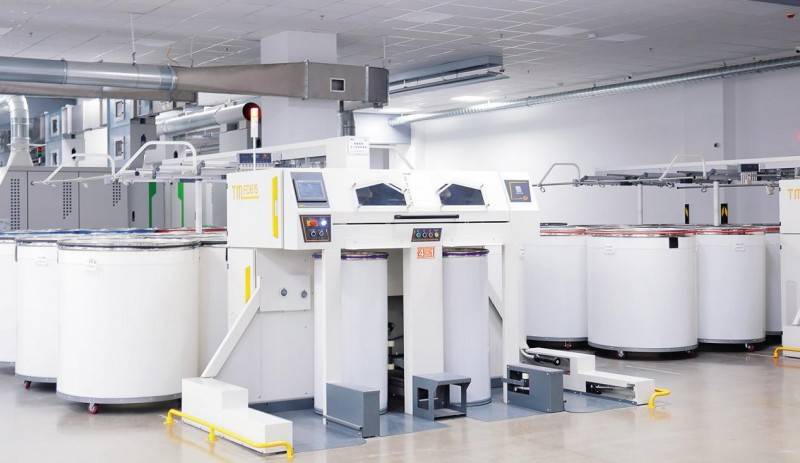
技术研发是支撑其设计落地的关键。福恩股份在面料加工工艺上拥有深厚积累。例如,在涤粘混纺领域,其独家 研发的后整理技术赋予了面料媲美精纺羊毛和羊绒的高级触感;在全涤面料上,通过差异化功能纤维与先进染整 技术的结合,实现了接近天然纤维的优异品质。这种将美学主张与技术工艺深度融合的能力,构成了难以被模仿 的核心优势。 聚焦设计创新,以精准研发驱动价值提升 在纺织面料行业竞争日益激烈的今天,能够持续获得全球头部服装品牌青睐的企业,必然具备独特的核心竞争 力。杭州福恩股份有限公司(以下简称"福恩股份")凭借其深度的精准研发能力与高效的弹性供应体系,成功构 建起坚实的行业壁垒,成为H&M、优衣库、ZARA、太平鸟等国内外知名品牌长期稳定的重要合作伙伴。 面对全球服装品牌为控制库存而采取的"小批量、短周期、快交付"采购策略,供应链的快速反应能力已成为选择 供应商的核心考量。福恩股份通过持续引进先进生产设备与信息化系统,大幅提升生产自动化与管理智能化水 平,确保了产品质量稳定与订单响应迅捷。这一"产能充足、配套完善"的高效灵活的生产体系,是其能够持续承 接优质订单的重要保障。 产品创新是福恩股份赢得市场的首要利器。福恩股份在 ...
未上市业绩已变脸,福恩股份毛利率逐级下行
Sou Hu Cai Jing· 2025-12-23 08:41
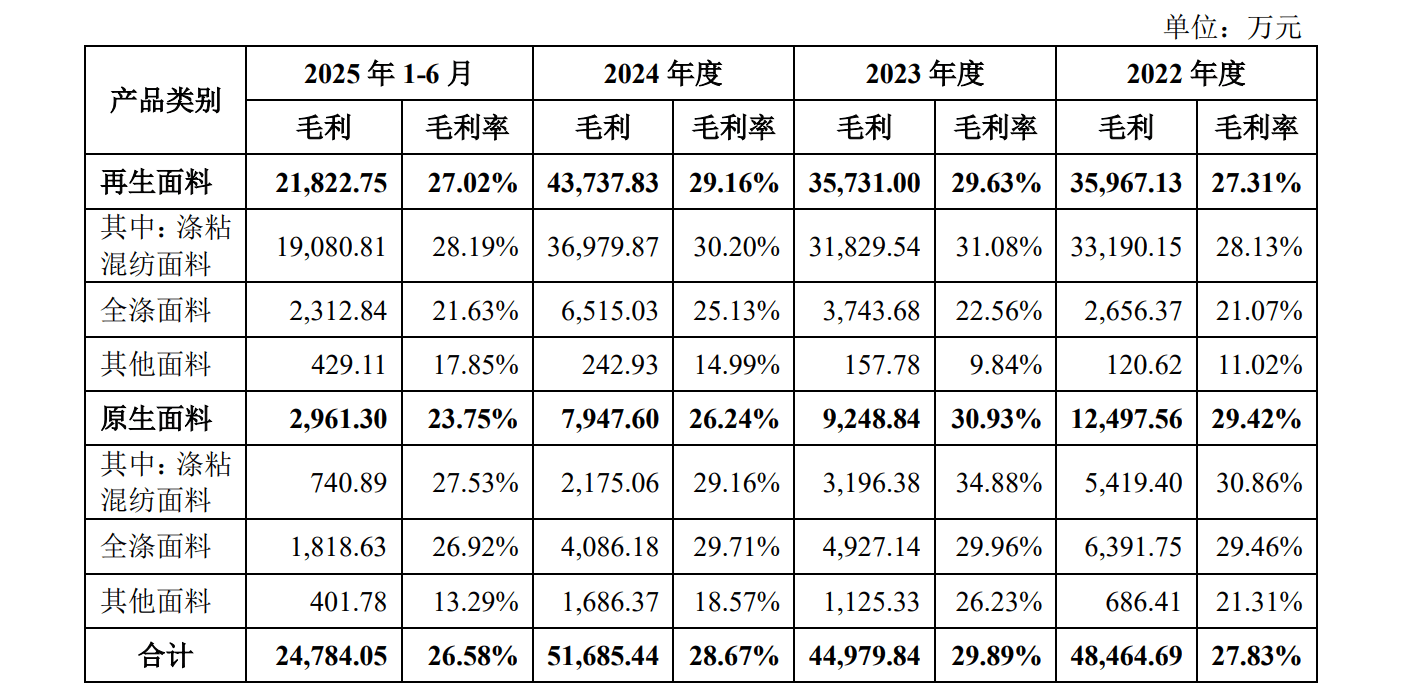
Core Viewpoint - The company, Fuen Co., Ltd., is facing significant challenges ahead of its IPO, with expectations of declining profits and a decrease in gross margins, raising concerns about its competitive edge in the sustainable fabric market [1][5]. Group 1: Company Overview - Fuen Co., Ltd. specializes in eco-friendly fabrics, primarily recycled materials, and has established itself as a leading supplier for major brands like Uniqlo and H&M [1][2]. - The company plans to raise 1.25 billion yuan through its IPO, with 800 million yuan allocated for an integrated project on recycled eco-friendly fabrics and 450 million yuan for a high-end recycled materials research institute [2]. Group 2: Market Position and Competitive Advantage - Fuen Co., Ltd. has a unique competitive advantage due to its sustainable and eco-friendly philosophy, which is becoming a standard in the industry as more competitors gain certification [3]. - The company is the largest supplier of recycled blended fabrics for H&M and Uniqlo, indicating a strong market position [3]. Group 3: Financial Performance and Projections - The company forecasts a revenue of 1.71 billion yuan for 2025, a decrease of 5.8% year-on-year, with a projected net profit of 230 million yuan, down 16.6% [5]. - The gross margin for the first half of 2025 is expected to be 26.6%, a decline of over two percentage points compared to the previous year [5][7]. Group 4: Challenges and Risks - The gross margin for recycled fabrics has been declining, with the gross margin for recycled blended fabrics dropping from 29.6% in 2023 to 27% in the first half of 2025 [6][7]. - The company relies heavily on outsourcing, with over 30% of its production outsourced, raising concerns about potential technology leakage [3][4]. - Rising raw material costs, including a nearly 5% increase in yarn prices and a similar rise in fabric prices, are pressuring the company's margins [9][10]. Group 5: Inventory and Accounts Receivable - The company has seen a significant increase in inventory, with a 20% rise compared to 2022, leading to substantial impairment provisions [11]. - The accounts receivable turnover rate has decreased from approximately 8 times in 2022 to 6.5 times in 2024, indicating slower collection from customers [11].
CEO的加减乘除与行稳致远
3 6 Ke· 2025-12-23 04:06
Group 1: Core Concepts - The essence of entrepreneurship is the race between the CEO's cognitive curve and the industry's time window, where success depends on the ability to upgrade cognition faster than opportunities disappear [1] - The fundamental tools for CEOs in managing a business are addition, subtraction, division, and multiplication, where addition builds the foundation, subtraction focuses efforts, division resets, and multiplication leads to explosive growth [1] Group 2: Addition as Foundation - Addition is crucial during the startup phase or critical transition periods, determining the organization's survival and cognitive breakthroughs [3] - CEOs must transition from being specialists to integrators, filling role gaps within the organization by becoming versatile leaders [4] - Expanding cognitive boundaries through social leverage is essential when facing new variables, allowing CEOs to break out of information silos [6] - Learning from cross-industry peers can fill knowledge gaps and drive transformation [10] - Non-work energy from personal life can enhance decision-making quality, serving as a counterbalance to decision fatigue [11] Group 3: Subtraction as Focus - Subtraction involves shedding redundancies and focusing on critical areas, especially during key turning points [14] - In the early stages, CEOs should avoid overambition and instead define their capability boundaries to prevent resource dilution [16] - During growth phases, CEOs should step back to empower their teams, focusing on strategic direction rather than operational details [19] - Long-term success requires resisting the temptation of diversification and maintaining focus on core competencies [22] Group 4: Division as Reset - Division involves rationally dissecting successes and failures to return to fundamental growth logic [26] - CEOs should analyze success factors to avoid attribution bias and maintain humility [28] - Organizations must adapt their capabilities to new market demands, shedding outdated practices [30] - CEOs should engage in first-principles thinking to address core business questions and avoid superficial solutions [32] Group 5: Multiplication as Growth - Multiplication leverages core capabilities for exponential growth, transforming individual strengths into organizational systems [36] - Strategic alliances can enhance growth by combining complementary strengths [40] - The ultimate multiplication occurs when CEOs evolve from operational roles to visionary leaders, fostering self-sustaining organizations [43] - The highest business achievement is enabling collective strength rather than individual prowess [44]

两年门店扩至170家,这个被收购的美国品牌活过来了|New Look专访
36氪· 2025-12-20 15:36
Core Viewpoint - The article discusses the trend of foreign brands selling their Chinese operations, emphasizing the importance of deep localization to revitalize brand growth in the Chinese market [4][7]. Group 1: Foreign Brand Acquisitions - Recent notable acquisitions include Starbucks China being sold to Boyu Capital and Burger King China being acquired by CPE Source Capital [4]. - Anta has become an expert in mergers and acquisitions, and in early 2023, Baozun completed the acquisition of GAP's China operations, joining the ranks of local players reshaping foreign brands [6]. Group 2: Localization Strategy - The core logic behind these acquisitions is that only through deep localization can brands regain growth momentum in China [7]. - GAP China faced operational challenges with over 40 complex systems that were not integrated, leading to slow decision-making processes [9]. - After the acquisition, Baozun spent ten months localizing GAP China's systems, which included reducing reliance on discount promotions and achieving about 70% localization in the supply chain [10]. Group 3: Brand Positioning and Consumer Connection - GAP's strategy has shifted from discount-driven sales to creating emotional connections with consumers [14]. - The number of GAP stores in China increased from over 120 to 170, with same-store sales growing by 7% year-on-year [10]. - The brand's new positioning emphasizes classic designs that resonate with consumer culture, moving away from a purely functional approach [19]. Group 4: Challenges and Future Directions - The CEO of GAP China, Ken Huang, highlighted that the biggest challenge in transforming a foreign brand is the complexity of the entire process [28]. - The company aims to balance international brand identity with local cultural integration, likening GAP China to a cup of "Yuan Yang," combining Western coffee and Chinese tea [43][44]. - The focus is on building a strong local team and supply chain to enhance responsiveness to market demands [26][31].