
福田汽车

Search documents
特朗普首次表态:万斯最有可能是“我的接班人”
21世纪经济报道· 2025-08-06 04:47
Group 1 - The core viewpoint of the article is that President Trump has indicated that Vice President Vance is the most likely successor for the Republican presidential candidate in 2028, marking the clearest statement to date regarding Vance's potential candidacy [1][2] - Trump suggested that Vance could potentially team up with Secretary of State Rubio for a future campaign, highlighting the strategic alliances that may form within the party [2] - Despite the 2028 election being several years away, Trump's influence among Republican grassroots voters means that his endorsement of any potential candidate could have significant implications [2]


商用车主动安全系统龙头IPO前夜:关联交易缠身、业绩波动添忧
Sou Hu Cai Jing· 2025-08-06 01:31
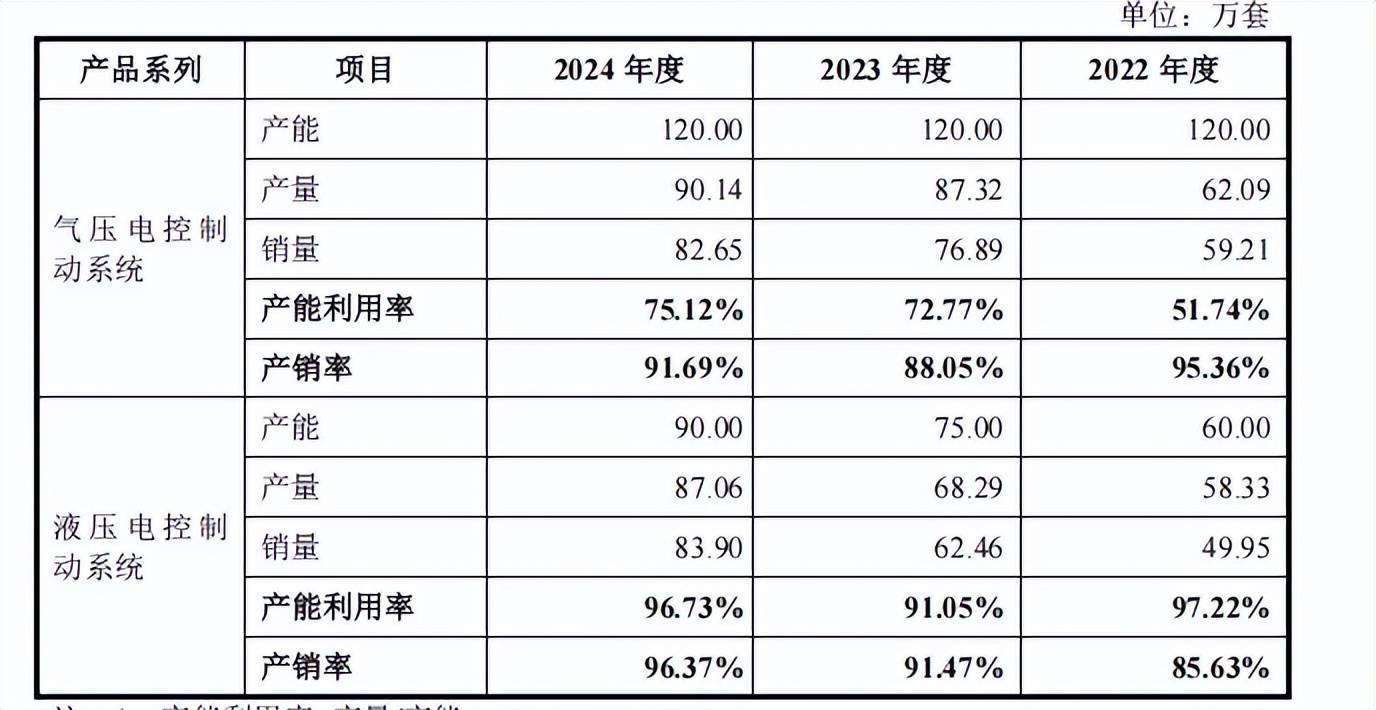
Core Viewpoint - Ruike Kemi is accelerating its IPO process amid the rapid development of automotive intelligence, positioning itself as a leading enterprise in commercial vehicle active safety systems in China [1] Group 1: Company Overview - Ruike Kemi specializes in active safety systems for commercial vehicles, with core products including ABS, ESC, EBS, and EPB, applicable in commercial vehicles, passenger cars, and motorcycles [1] - The company has successfully passed the initial public offering (IPO) review and is set to list on the Shenzhen Stock Exchange [1] Group 2: Financial Highlights - The IPO aims to raise 1.522 billion yuan, with plans to invest approximately 881 million yuan in the development and manufacturing headquarters for automotive intelligent electronic control systems in the Greater Bay Area [1] - Revenue for Ruike Kemi from 2022 to 2024 is projected to be 1.326 billion yuan, 1.76 billion yuan, and 1.977 billion yuan, reflecting year-on-year growth rates of -4.18%, 32.81%, and 12.32% respectively [2] - Net profit attributable to shareholders for the same period is expected to be 96.9647 million yuan, 236 million yuan, and 269 million yuan, with growth rates of -50.91%, 143.32%, and 14.07% respectively, indicating some volatility in operating performance [2] Group 3: Production Capacity and Utilization - The production capacity for the pneumatic electronic braking system is set at 120,000 units for 2024, with a projected utilization rate of 75.12%, up from 72.77% in 2023 [2] - The hydraulic electronic braking system's capacity is expected to increase from 75,000 units in 2023 to 90,000 units in 2024, with a utilization rate of 96.73% [2] Group 4: Market Dynamics - The commercial vehicle market is experiencing a downturn, with sales figures declining from 5.133 million units in 2020 to an estimated 3.873 million units in 2024, a decrease of 3.92% year-on-year [7] - The transition to new energy vehicles is significantly impacting traditional commercial vehicle demand, with new energy commercial vehicle sales expected to grow by 56.89% in the first half of 2025 [7] Group 5: Challenges and Risks - Ruike Kemi faces challenges such as high accounts receivable, low turnover rates, and a high proportion of inventory, with accounts receivable reaching 622 million yuan in 2022, accounting for 46.92% of revenue [15] - The company has a complex relationship with its controlling shareholder, Ruike Group, which has historically been a major customer and supplier, but the reliance on this relationship has decreased significantly in recent years [9][11] Group 6: Competitive Landscape - The active safety system market is highly concentrated, with international giants like ZF, Knorr, Bosch, and Continental dominating the market share, posing a challenge for Ruike Kemi to compete effectively [17] - The company is working to enhance its technological capabilities and product offerings to keep pace with the evolving market demands for integrated solutions in commercial vehicle safety systems [18]
高阶智驾免费风潮,汽车业未来靠什么挣钱
3 6 Ke· 2025-08-06 00:25
Group 1 - The automotive industry is facing challenges in monetizing software subscription models, with many companies unable to provide a clear timeline for profitability through this approach [1][2][3] - The emergence of a "free alliance" among domestic automakers, offering advanced driver assistance systems (ADAS) as standard features, has raised concerns about the sustainability of the software subscription model [1][8] - Bosch's call for not promoting high-level intelligent driving systems for free highlights the potential risks to the future profitability of the automotive sector [1][7] Group 2 - Global automakers initially viewed software subscriptions as a key revenue model, but the trend towards free offerings in China has led to a reevaluation of this strategy [2][5] - Companies like Tesla and Huawei remain committed to charging for software, with Tesla's Full Self-Driving (FSD) priced at 64,000 yuan, indicating a willingness to pay for advanced technology [2][13] - The competitive landscape has shifted, with many Chinese automakers adopting a model of embedding hardware and offering software for free, aiming to increase usage and data collection [9][10] Group 3 - The feasibility of subscription models is questioned due to consumer expectations for free access to intelligent driving features, making it difficult for companies to charge for software [3][12] - The hardware subscription model has seen limited success, with luxury brands experimenting but facing backlash from consumers who feel they should not pay extra for features already included in the vehicle [4][5] - The potential for a successful subscription model may depend on the development of higher-level autonomous driving technologies, which could change consumer willingness to pay [12][13] Group 4 - The automotive industry is experiencing a shift towards standardizing high-level intelligent driving systems, with many new models offering these features at no additional cost [8][9] - Companies are exploring various pricing strategies, including limited-time free access and one-time buyouts, to encourage adoption of intelligent driving technologies [9][10] - The long-term viability of subscription models remains uncertain, with industry experts suggesting that only a few companies may successfully implement them due to ongoing price competition [12][14]



商用车板块8月5日涨0.37%,曙光股份领涨,主力资金净流出4.92亿元
Zheng Xing Xing Ye Ri Bao· 2025-08-05 08:37
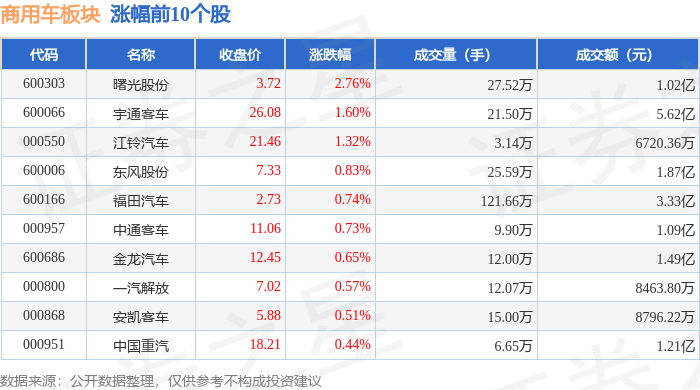
Group 1 - The commercial vehicle sector increased by 0.37% on August 5, with Shuguang Co. leading the gains [1] - The Shanghai Composite Index closed at 3617.6, up 0.96%, while the Shenzhen Component Index closed at 11106.96, up 0.59% [1] - Key stocks in the commercial vehicle sector showed varied performance, with Shuguang Co. closing at 3.72, up 2.76% [1] Group 2 - The commercial vehicle sector experienced a net outflow of 4.92 billion yuan from institutional investors, while retail investors saw a net inflow of 3.58 billion yuan [2] - Among individual stocks, China National Heavy Duty Truck had a net inflow of 972.34 million yuan from institutional investors, but a net outflow of 1499.16 million yuan from retail investors [3] - Foton Motor and Shuguang Co. also showed mixed fund flows, with Foton Motor seeing a net inflow of 731.12 million yuan from institutional investors [3]



7月重卡销量解读及后市展望
2025-08-05 03:15
Summary of Heavy Truck Market Conference Call Industry Overview - The heavy truck market in July 2025 experienced a year-on-year growth of 42%, continuing the upward trend from the second quarter, although there was a month-on-month decline due to inventory adjustments and seasonal factors [1][2][3]. Key Insights - **Sales Performance**: July heavy truck sales reached 83,000 units, a month-on-month decrease of 15% but a year-on-year increase of 42%. This marks the fourth consecutive month of year-on-year growth since April [2]. - **Market Drivers**: The "old-for-new" policy is identified as the main driver for the heavy truck market in the second half of 2025, with expectations of continued double-digit year-on-year growth in August and beyond, despite potential month-on-month declines due to seasonal factors [1][4][5]. - **Export Growth**: Heavy truck exports in July saw a year-on-year increase of over 20%, with stable performance in non-Russian regions, particularly in Africa, contributing to overall export stability [1][7]. - **Wholesale and Retail Dynamics**: Companies are adopting cautious wholesale strategies, aligning production with terminal sales to avoid excessive inventory. July terminal sales saw a month-on-month decline of nearly 20%, but still grew approximately 20% year-on-year [1][8]. - **Electric Truck Market**: Electric heavy trucks now account for over 20% of the market share, significantly impacting overall market dynamics. Despite a sales surge in June leading to a retail market pullback in July, strong growth momentum is expected to continue [1][9][12][13]. - **Gas Truck Market**: The gas truck market remained stable month-on-month in July but saw a year-on-year decline of over 20%. Factors such as the widening oil-gas price gap and the implementation of the "old-for-new" policy in northern regions are influencing this segment [1][10][11]. - **Diesel Truck Market**: The diesel truck market is primarily driven by the "old-for-new" policy, with July sales expected to grow over 25% year-on-year, despite a month-on-month decline due to seasonal trends [1][14]. Future Outlook - **Market Trends**: The heavy truck market is anticipated to experience a "first dip, then rise" trend in the second half of 2025, with sales expected to rebound in September and October following a seasonal low in August [1][15]. - **Sales Projections**: The average monthly sales in the last four months of 2025 are projected to exceed 90,000 units, with an overall annual sales estimate of around 1.05 million units, including 750,000 units in the domestic market and 300,000 units in exports [1][16][19]. - **Policy Impact**: The "old-for-new" policy is expected to have a significant impact on market performance, with the potential for a tail effect at the end of the year due to policy deadlines [1][15][17]. Additional Considerations - **Inventory Status**: The industry maintained a balanced inventory level in July, with no significant changes compared to June. The focus remains on order-based production to avoid excess stock [1][28]. - **Competitive Landscape**: The heavy truck industry is characterized by stable competition among major players like Jiefang, Dongfeng, and Shacman, while new entrants like SANY and XCMG are gradually increasing their market share [1][24][25]. - **Regulatory Environment**: Recent government measures to address overloading in transportation may lead to adjustments in the car carrier market, although the overall impact is expected to be limited [1][21][22]. This summary encapsulates the key points from the conference call regarding the heavy truck market, highlighting sales performance, market drivers, future outlook, and competitive dynamics.
帕西尼4个月融资10亿,京东战略领投
Sou Hu Cai Jing· 2025-08-05 01:51
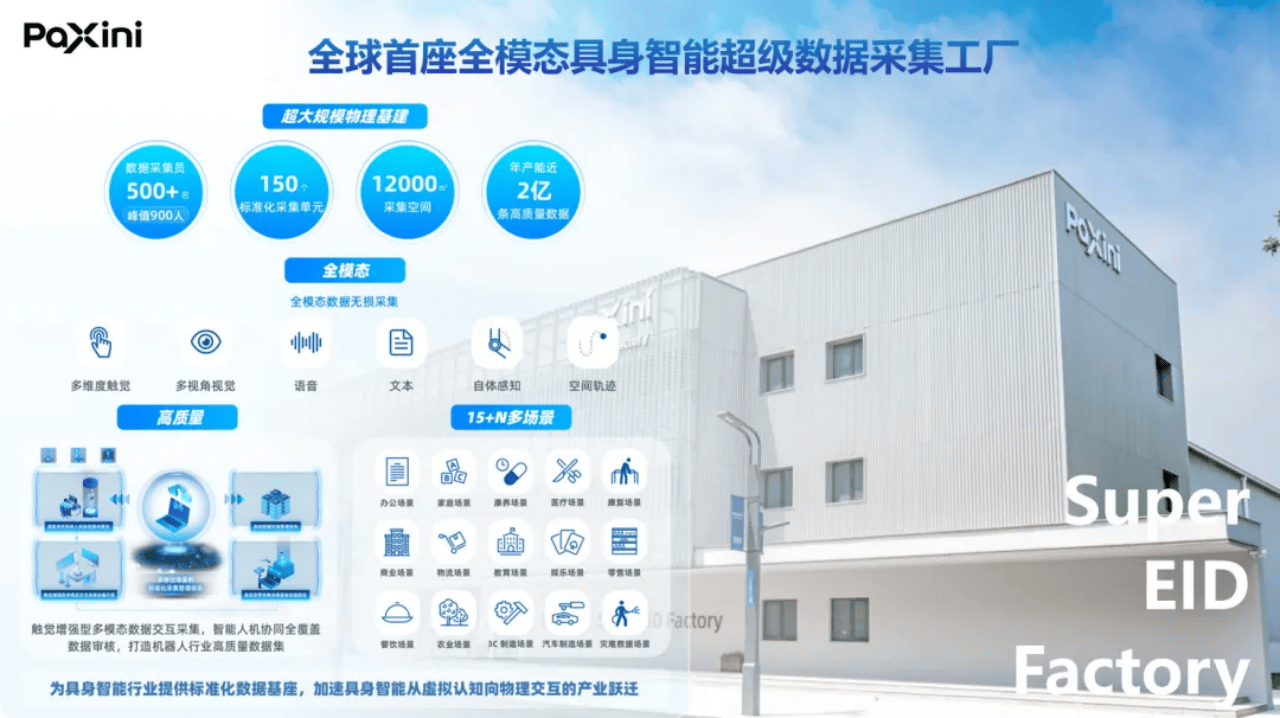
帕西尼在短短 4 个月内,已狂揽 10 亿元人民币,刷新了全球相关领域的融资规模与融资速度。除众多著名财务投资机构纷纷看好外,帕西尼还接连获得比 亚迪、北汽、上汽、新奥集团、TCL、商汤、新国都等国内知名产业资本青睐。 投资界8月5日消息,近日,帕西尼完成新一轮 A 系列融资,本轮由京东战略领投,浦耀信晔、宏兆基金、张科垚坤、上市公司新国都、北京昌平先进能源 制造产业直投基金、财鑫资本、复琢投资跟投,老股东湖南财信产业基金、钧犀资本、TCL创投、毅达资本持续加码,庚辛资本中国继续担任独家战略财务 顾问。 具身智能的发展高度依赖高精度的物理感知能力、高度集成的模块化软硬一体架构、与海量、高一致性的全模态数据集。这不仅是当前具身智能落地的关键 与不断迭代进化的核心燃料,更是决定其向上发展的"咽喉要道"。而帕西尼正凭借其全球领先的高精度多维触觉感知技术,及前瞻性布局的帕西尼具身智能 超级数采工厂 Super EID Factory,正牢牢占据这一战略制高点。 亿级规模全模态具身智能数据集:具身领域高质量数据的稀缺,是严重制约该领域发展另一个"扼制咽喉"般的技术瓶颈。依托全球领先的高壁垒触觉传感技 术,帕西尼布局 S ...
独家丨“宁王”猛砸超百亿,一场精密豪赌
Hu Xiu· 2025-08-04 22:53
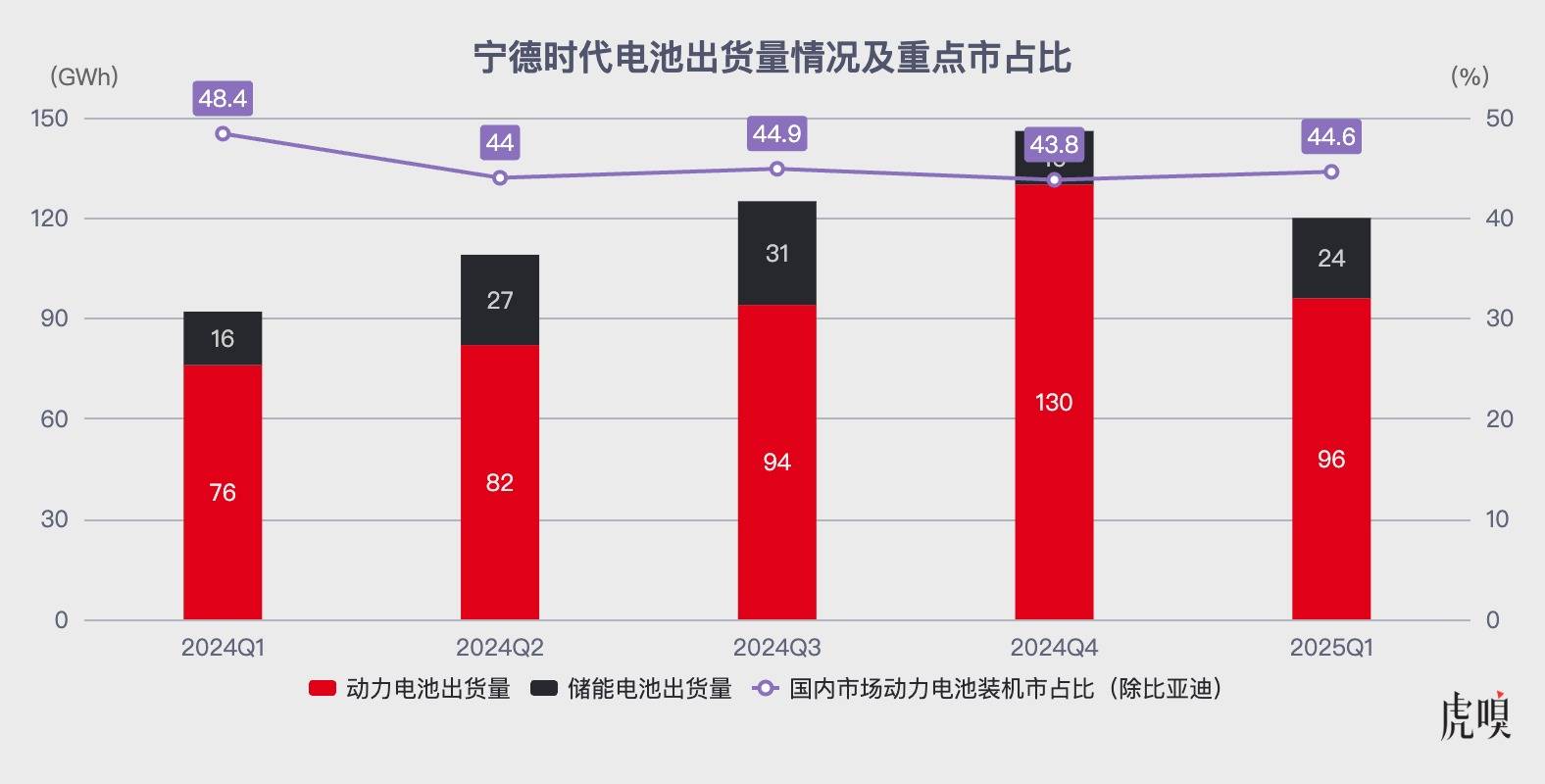
Core Viewpoint - CATL is aggressively investing over 10 billion in its battery swapping business, aiming to establish a new growth curve amidst challenges in traditional battery sales and competition in the energy storage sector [1][12][13]. Group 1: Business Performance and Strategy - CATL's energy storage battery shipments are growing rapidly, surpassing the growth of its power battery business in 2024, leading to a 15% year-on-year increase in net profit despite a slight revenue decline [1]. - The company is diversifying its business by developing battery swapping services and exploring new markets such as aviation and maritime [6][14]. - CATL's battery swapping business is being spearheaded by its subsidiaries, Times Electric and Times Qiji, which are rapidly building battery swapping stations [8][10]. Group 2: Investment and Financial Implications - To achieve its annual goals of building 1,000 chocolate battery swapping stations and 300 Qiji stations, CATL is preparing to invest approximately 3 billion yuan, with total investments expected to exceed 10 billion yuan by 2025 [11][12][13]. - Despite having over 300 billion yuan in cash, the significant capital investment reflects CATL's commitment to the success of its battery swapping business [13]. Group 3: Competitive Landscape and Challenges - The battery swapping industry faces intense competition, which could impact battery prices even if market share remains stable [4]. - CATL's entry into the battery swapping market is seen as a potential game-changer, with expectations that it will reshape the industry landscape and create new opportunities in the transportation sector [72][75]. Group 4: Technological Advancements and User Experience - CATL is focusing on improving the user experience and operational efficiency of its battery swapping stations, with a goal of achieving a 99.995% success rate in battery swaps [41][42]. - The company is leveraging its expertise in battery technology to enhance the longevity and performance of its batteries, which can achieve up to 12 years and 6,000 cycles [16]. Group 5: Future Outlook and Industry Impact - CATL aims to establish a comprehensive ecosystem around its battery swapping services, potentially transforming energy consumption patterns and creating significant commercial opportunities beyond just battery manufacturing [85][86]. - The company's ambitious goals include capturing a significant share of the market by 2030, with a vision of achieving a balanced distribution among battery swapping, home charging, and public charging stations [86][87].

重汽再破2万 解放/东风超1.4万 福田/徐工翻倍!7月重卡销8.3万辆 | 光耀评车
第一商用车网· 2025-08-04 16:04
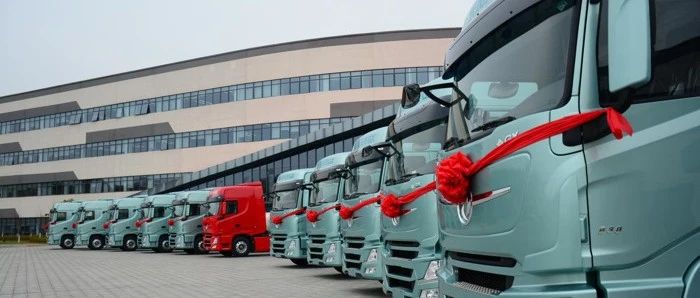
Core Viewpoint - The heavy truck market in China has experienced a significant increase in sales, with July 2025 showing a year-on-year growth of approximately 42%, marking the fourth consecutive month of growth since April 2025 [2][12]. Group 1: Market Performance - In July 2025, approximately 83,000 heavy trucks were sold, a decrease of 15% from June but an increase of about 42% compared to the same month last year [2][3]. - Cumulatively, from January to July 2025, the heavy truck market sales reached approximately 622,000 units, reflecting a year-on-year growth of about 11% [2]. - The sales figures for July 2025 are the second highest in the past eight years, only behind July 2020 [2]. Group 2: Segment Analysis - The sales of electric heavy trucks in July 2025 exceeded 15,000 units, representing a year-on-year increase of over 120% [9]. - The domestic terminal sales of diesel heavy trucks in July 2025 are expected to grow by over 25% year-on-year, despite a significant month-on-month decline [11]. - The gas truck segment saw a recovery in terminal sales, with a domestic penetration rate rising from below 20% in June to approximately 24% in July [7]. Group 3: Company Performance - China National Heavy Duty Truck Group (CNHTC) sold about 22,000 heavy trucks in July 2025, maintaining the highest market share at approximately 27.5% [14]. - FAW Jiefang sold around 15,000 heavy trucks in July 2025, achieving a year-on-year growth of about 42% [16]. - Beiqi Foton reported the highest year-on-year growth among major companies, with sales of approximately 11,500 units in July 2025, reflecting a growth rate of about 134% [20]. Group 4: Future Outlook - The heavy truck market is expected to see significant growth in the third quarter of 2025, driven by the "old-for-new" policy for trucks and the low sales figures from the previous year [24]. - The year-on-year growth rate for September 2025 is anticipated to exceed 50% [24].



极米科技拟H股上市 深化海外业务布局
Zheng Quan Shi Bao Wang· 2025-08-04 11:18
Core Viewpoint - Company XGIMI Technology is planning to issue H-shares and apply for listing on the Hong Kong Stock Exchange to support its international strategy and overseas business expansion [1][2]. Group 1: Business Overview - XGIMI Technology specializes in the research, production, and sales of smart projection products, along with providing related accessories and internet value-added services [1]. - The company is expanding its application scenarios for projection technology, entering the automotive smart cockpit and smart lighting sectors, and offering vehicle optical solutions [1]. Group 2: Financial Performance - For the first half of 2025, XGIMI expects to achieve a revenue of 1.626 billion yuan, representing a year-on-year growth of 1.63% [1]. - The projected net profit for the same period is 88.6622 million yuan, an increase of 84.5619 million yuan compared to the previous year, marking a growth of 2062.33% [1]. - The significant increase in net profit is attributed to the company's ongoing R&D innovation strategy and improvements in the supply chain, which enhance resource allocation and cost control [1]. Group 3: International Expansion - XGIMI is committed to a brand globalization strategy, with products already entering major offline channels in Europe, North America, Japan, and Australia [2]. - The company aims to strengthen the refined operation of its products and brand overseas to enhance recognition among international consumers [2]. - The company has begun mass production and delivery of its in-car projection products, which are being integrated into various vehicle models from clients such as Seres, JAC, and BAIC [2]. Group 4: H-Share Issuance - The issuance of H-shares and the listing process will require approval from the company's board, shareholders, and relevant regulatory bodies, including the China Securities Regulatory Commission and the Hong Kong Stock Exchange [2]. - There is significant uncertainty regarding whether the H-share issuance and listing will pass the necessary reviews and approvals [2]. Group 5: Market Capitalization - As of August 4, XGIMI's stock price is 110.1 yuan per share, with a total market capitalization of 7.707 billion yuan [3].

福田汽车前7月销量增10.3% 完成全年目标56%
Chang Jiang Shang Bao· 2025-08-04 09:27
Core Viewpoint - Foton Motor is accelerating its development in the new energy vehicle sector, achieving both sales and performance growth, with a significant increase in electric vehicle sales and a strong outlook for future revenue and profit targets [1][2]. Group 1: Sales and Performance Growth - In the first seven months, Foton Motor's total sales reached 373,400 units, representing a year-on-year increase of 10.3% [1]. - The sales of new energy vehicles reached 57,900 units, showing a remarkable year-on-year growth of 142.88% [1]. - For the first quarter of 2025, Foton Motor reported revenue of 14.801 billion yuan, a year-on-year increase of 15.01%, and a net profit of 436 million yuan, up 70.08% [1]. Group 2: Future Targets and Strategic Focus - Foton Motor aims to achieve a sales target of 670,500 units by 2025, having completed approximately 56% of this target by July [1]. - The company plans to reach an operating revenue of 68 billion yuan by 2025 [1]. - Foton Motor's strategy includes a focus on commercial vehicle development, international expansion, and innovation in marketing and after-sales services to create new profit growth points [2]. Group 3: Product Development and Technological Advancements - Foton Motor recently launched several new energy products, including the world's first dedicated electric light truck platform "Qixing," which took three years and over 1.7 billion yuan to develop [3]. - The company is committed to a comprehensive strategy of internationalization, new energy, and intelligence, aiming for new energy vehicles to account for 50% of sales by 2030 [3].