奔驰

Search documents
从“多生孩子好打架”到“优生优育”车企平台战略为何集体收缩?
Jing Ji Guan Cha Bao· 2026-01-24 04:27
Core Viewpoint - The automotive industry is shifting from multiple specialized platforms to versatile platforms that can accommodate various vehicle types and powertrains, reflecting a strategic response to market uncertainties and the need for efficiency [2][4][5]. Group 1: Platform Strategy Changes - Domestic automaker Great Wall Motors launched a new platform called "Guiyuan," which can cover seven vehicle categories and five powertrain types, aiming to produce over 50 models based on this platform [3]. - International automakers like Volkswagen and BMW are also consolidating their platforms, with Volkswagen planning to integrate multiple existing platforms into a single SSP platform [3][4]. - The transition from specialized platforms to compatible platforms signifies a return to survival efficiency, as companies focus on software and electronic architectures rather than just mechanical components [4][5]. Group 2: Market Dynamics and Risks - The automotive market is entering a "Warring States" era where fuel, hybrid, and electric vehicles coexist, making it risky for companies to invest heavily in single powertrain platforms [5]. - The shift to compatible platforms allows automakers to adapt to diverse regulatory environments and consumer demands with minimal costs, reducing the risk of misjudging technology trends [5][6]. - The increasing competition in the automotive market has made the hidden costs of developing new platforms significant, prompting companies to adopt compatible platforms that can share components and reduce material costs [6]. Group 3: Competitive Landscape - Despite the trend towards platform consolidation, some companies like Toyota and Hyundai continue to pursue multi-platform strategies to meet diverse market needs [7][8]. - Tesla exemplifies a single-platform approach, focusing on scale efficiency at the expense of some production flexibility [8]. - The choice between compatible and dedicated platforms depends on the company's market position and historical context, with larger automakers favoring compatibility while newer entrants may prefer dedicated platforms [8][9]. Group 4: Future Trends - Analysts predict that compatible platforms will become mainstream in the next 5 to 10 years, with the number of platforms reducing to one or two super platforms [9]. - Future platforms are expected to resemble standardized "skateboard chassis," allowing for flexible combinations of body styles and power sources, with competition shifting towards electronic architectures and software capabilities [9][10]. - The ongoing adjustments in brand architectures, such as mergers and consolidations among various brands under single corporate umbrellas, reflect the industry's response to competitive pressures and efficiency concerns [10].

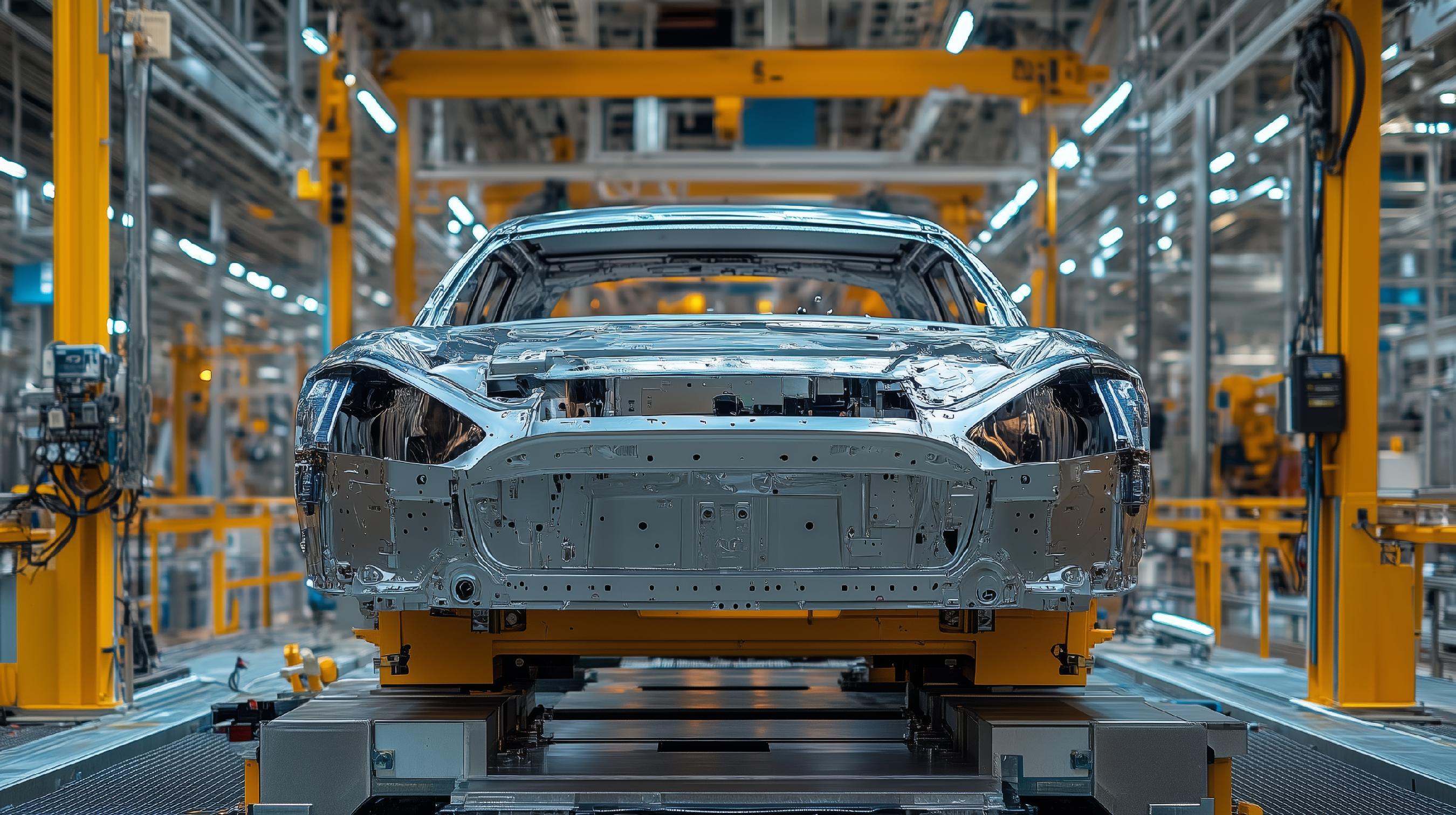
从“多生孩子好打架”到“优生优育” 车企平台战略为何集体收缩?
Jing Ji Guan Cha Wang· 2026-01-24 03:57
Core Viewpoint - The automotive industry is shifting from multiple specialized platforms to versatile platforms that can accommodate various vehicle types and powertrains, reflecting a strategic response to market uncertainties and competitive pressures [2][3][4]. Group 1: Platform Strategy Shift - Domestic automaker Great Wall Motors launched a new platform called "Guiyuan," which can cover seven vehicle categories and five powertrain types, aiming to produce over 50 models based on this platform [2]. - International automakers like Volkswagen and BMW are also consolidating their platforms, with Volkswagen planning to integrate multiple existing platforms into a single SSP platform [2][3]. - The transition from multiple platforms to a universal platform strategy indicates a focus on efficiency and adaptability in response to changing market dynamics [3][4]. Group 2: Reasons for the Shift - The primary reason for this shift is the changing competitive landscape, where the focus has moved from mechanical capabilities to software and intelligent features [3]. - Companies are also seeking to mitigate risks associated with technology pathways, as the market now supports a coexistence of fuel, hybrid, and electric vehicles [4]. - Cost pressures are driving the need for compatible platforms, which can significantly reduce material costs by increasing parts commonality to over 70% [4][5]. Group 3: Industry Trends and Future Outlook - Many automakers are also streamlining their platform offerings, with companies like Mercedes-Benz and Ford cutting back on certain platforms due to poor sales performance [5]. - Despite the trend towards compatibility, some companies like Toyota and Hyundai continue to maintain multiple specialized platforms to cater to diverse market needs [6][7]. - The future is expected to see a reduction in the number of platforms to 1 or 2 super platforms, with a focus on standardized "skateboard" chassis designs that allow for flexible combinations of body styles and power sources [8][9].
英伟达的汽车生意经
自动驾驶之心· 2026-01-24 02:55
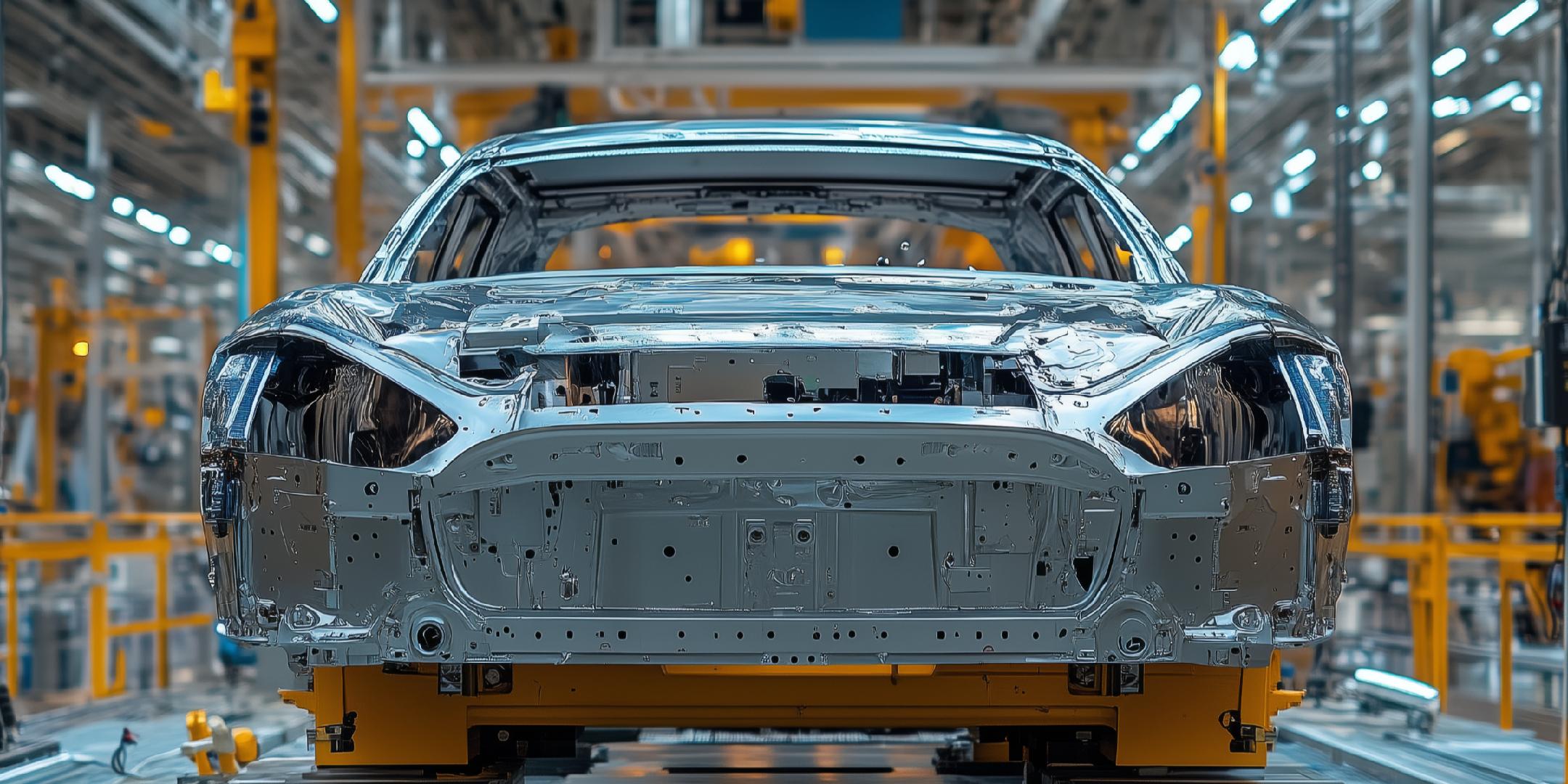
Core Viewpoint - NVIDIA is transitioning from a hardware supplier to a comprehensive provider of autonomous driving solutions, focusing on a full-stack approach that includes cloud training, simulation, and in-vehicle inference capabilities [4][7]. Group 1: Three Pillars of Full-Stack Solutions - NVIDIA's automotive strategy is built on three main components: DGX for AI model training, OVX for simulation, and AGX for in-vehicle inference [8][20]. - DGX serves as an AI model training factory, utilizing a supercomputing cluster of thousands of GPUs to process vast amounts of driving data [11][12]. - OVX creates a virtual world that mirrors real-world conditions, allowing for extensive testing of autonomous driving algorithms without the risks and costs associated with real-world testing [13][14][16]. - AGX represents NVIDIA's well-known in-vehicle computing chips, which have evolved to provide significantly higher processing power, becoming standard in various flagship models [18][20]. Group 2: Business Model Evolution - NVIDIA's revenue model has shifted from solely selling hardware to offering engineering services, which include deep involvement in automakers' production projects [21][23]. - The company charges a one-time engineering service fee, akin to a "coaching fee," to assist automakers in optimizing their algorithms on NVIDIA's platform [24][25]. - This service model fosters a win-win situation, enhancing automakers' capabilities while providing NVIDIA with valuable feedback for continuous product improvement [25]. Group 3: Open Source Strategy - In early 2025, NVIDIA announced the open-sourcing of its Alpamayo series, which includes a large-scale reasoning model and a comprehensive simulation framework [28][29][30]. - This strategic move aims to lower industry barriers, expand the ecosystem, and establish NVIDIA as a leader in defining the next generation of autonomous driving technology [34][35]. - The open-source approach also serves to mitigate geopolitical risks by transforming core technologies into global public assets [34]. Group 4: Demand from the Chinese Market - NVIDIA's accelerated pace in the automotive sector is largely driven by demand from the Chinese market, which is ahead of overseas automakers by two to three years in smart vehicle development [38][40]. - The rapid iteration and high expectations for functionality from Chinese automakers have prompted NVIDIA to develop specialized tools like TensorRT-LLM for Auto in record time [38][40]. Group 5: Competitive Landscape - NVIDIA maintains confidence against competitors by emphasizing that the ultimate competition in smart driving lies in systemic engineering capabilities and a continuously evolving ecosystem [41][42]. - The company has built a comprehensive stack that includes chips, safety certifications, operating systems, middleware, and development tools, creating a high barrier to entry for competitors [42][44].

AI应用的“妖风”还能吹多久?
虎嗅APP· 2026-01-23 10:16
Core Viewpoint - The article discusses the volatility and potential of AI application stocks, highlighting the recent surge and subsequent decline in their prices, emphasizing the need for logical investment rather than speculative trading [3][4][6]. Group 1: AI Application Market Dynamics - The AI application market saw a significant surge starting January 9, driven by the IPO of MiniMax, which rose over 90%, boosting market confidence in AI commercialization [3][4]. - Following the initial excitement, many AI companies issued announcements clarifying their limited revenue from AI, leading to a sharp price correction in the sector [4][5]. - The article suggests that while the current market may present opportunities, investors should focus on companies with genuine value and sustainable business models [4][7]. Group 2: GEO Model in Advertising - The article introduces the GEO (Generative Engine Optimization) model as a transformative approach in advertising, allowing users to input specific demands and receive optimized product recommendations directly from AI [9][11]. - The GEO market is projected to grow significantly, with estimates of $2.9 billion in China and $11.2 billion globally by 2025, indicating a shift from traditional SEO to AI-driven marketing strategies [11][12]. - Companies that own AI models and user behavior data are expected to be the primary beneficiaries of the GEO model, similar to how Google and Baidu benefited during the SEO era [12][13]. Group 3: AI in Healthcare - The AI healthcare sector has shown strong performance, with companies like 泓博医药 and 迪安诊断 seeing over 50% gains year-to-date, driven by increasing market interest [22][24]. - Government policies are increasingly supportive of AI in healthcare, with initiatives aimed at integrating AI into medical services and diagnostics [24][25]. - The article notes that advancements in AI healthcare applications, such as OpenAI's ChatGPT Health, are enhancing market sentiment and could lead to further growth in the sector [26][29]. Group 4: AI in Financial Technology - The financial technology sector has also experienced growth, with a 14% increase in the financial technology ETF as of January 14, 2026 [37]. - AI is expected to enhance the capabilities of both internet finance companies and financial IT firms, improving customer engagement and operational efficiency [38][39]. - However, the article cautions that while AI can improve operational efficiencies, it may not fundamentally change the poor business models prevalent in financial IT companies [40].

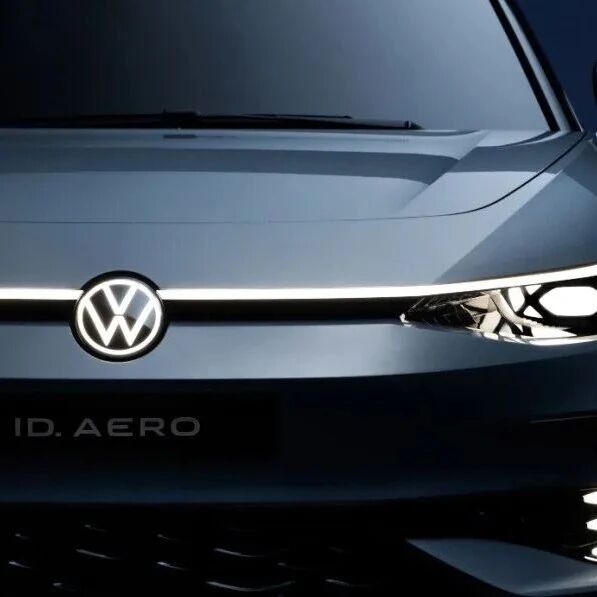
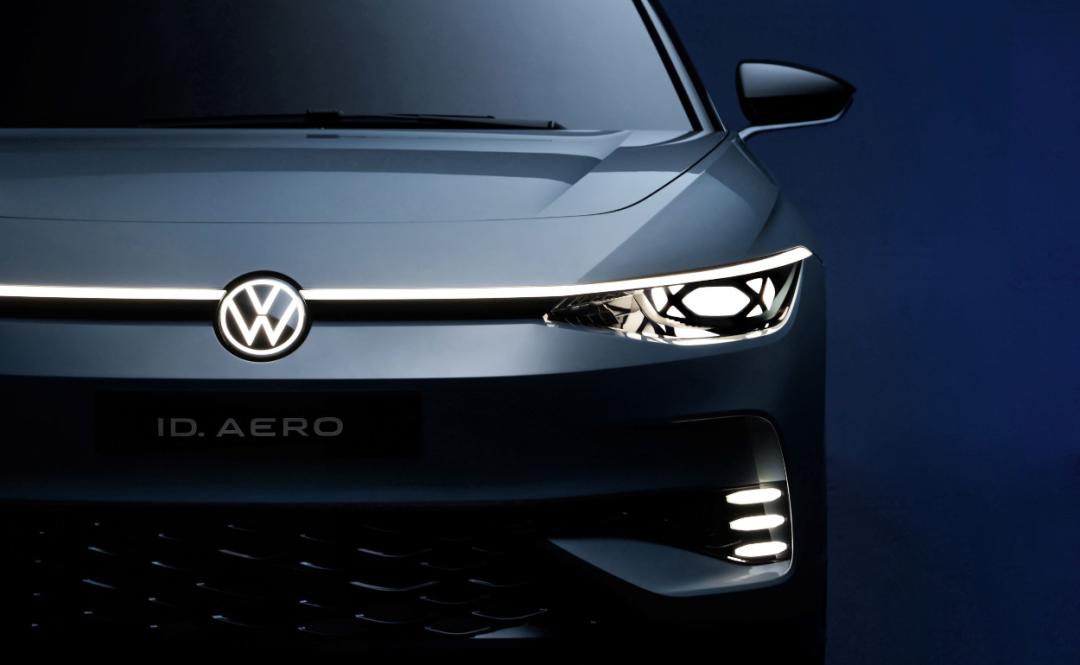
大众裁员裁到董事会,踢出1/3高管,20款新车今年反攻中国
创业邦· 2026-01-23 10:15
Core Viewpoint - Volkswagen is undergoing significant restructuring, including a plan to lay off 35,000 employees and reduce its board by one-third, in response to substantial financial losses and the need to streamline operations [5][6][11]. Group 1: Restructuring and Cost-Cutting Measures - Volkswagen plans to reduce its board members from 29 to 19 by summer, focusing on retaining only one CEO per brand and centralizing management functions [6][7]. - The company aims to implement a new management model to enhance efficiency and competitiveness, which includes streamlining internal processes and reducing development costs [8]. - Volkswagen's restructuring is expected to save approximately €1 billion (about 8.1 billion yuan) by 2030 through improved production processes across its global facilities [8][10]. Group 2: Financial Performance and Challenges - In Q3 of the previous year, Volkswagen reported an operating loss of €1.3 billion (approximately 10.58 billion yuan), marking its first quarterly loss in five years [11]. - The company's investment budget has been reduced from €180 billion (about 1.46 trillion yuan) to €160 billion (about 1.3 trillion yuan) for the 2023-2027 period due to ongoing financial pressures [11]. - Volkswagen's global sales in 2025 were 8.984 million units, a slight decline of 0.5%, with significant drops in the North American and Chinese markets [13]. Group 3: Market Strategy and Electric Vehicle Development - Volkswagen plans to launch over 20 new energy vehicle models in China this year, with a goal of increasing this number to over 30 by 2027 and around 50 by 2030 [15]. - The company is collaborating with local firms like XPeng to develop electronic and electrical architectures, indicating a shift towards partnerships in the Chinese market [15][17]. - Germany has reintroduced electric vehicle subsidies, which will be available for both domestic and Chinese brands, potentially facilitating the entry of Chinese electric vehicles into the German market [19].
国产“卷王”围堵BBA:问界M9L、蔚来ES9王炸升级,新旧势力迎来终极对决
3 6 Ke· 2026-01-23 07:37
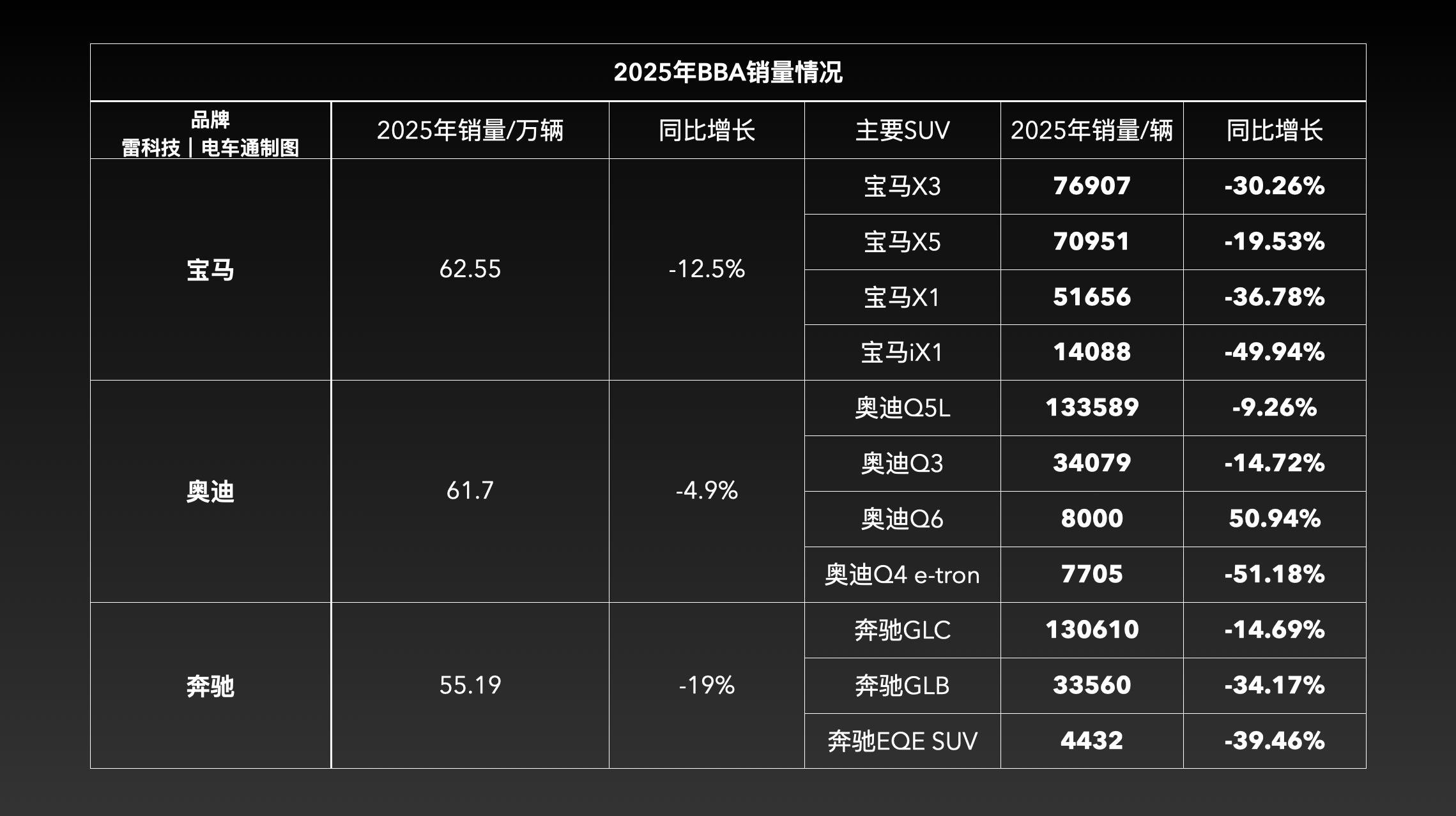
Core Viewpoint - The luxury SUV market in China is experiencing a significant shift, with traditional brands like BBA (BMW, Benz, Audi) facing declining sales due to the rise of domestic new energy vehicle manufacturers [1][17]. Group 1: Sales Performance - BBA's combined sales in China have dropped significantly, with Mercedes-Benz's sales falling to 551,900 units, marking a 12% decrease [2][1]. - In the high-end SUV segment, traditional models like Audi Q5L, Mercedes-Benz GLC, and BMW X3/X5 have seen substantial declines, while new entrants like Xiaomi YU7 and AITO M8 are gaining traction [2][1]. Group 2: Competitive Landscape - The competition in the high-end SUV market has intensified, with new players leveraging technology and consumer insights to capture market share from BBA [18][21]. - The market dynamics are shifting towards a focus on practical luxury and value, as consumers are less willing to pay for brand prestige alone [17][21]. Group 3: Product Innovations - New models such as the Ideal L9 and AITO M9 are set to challenge BBA's dominance, with significant upgrades in technology and features aimed at enhancing user experience [5][9]. - Upcoming models like the Zeekr 8X and Lido L80 are expected to offer competitive pricing and features, appealing to a broader consumer base [10][13]. Group 4: Market Trends - The high-end SUV market is witnessing a transformation where the focus is shifting from brand loyalty to practical benefits and technological advancements [17][20]. - Future competition will likely center around the ability to deliver practical technology and user-friendly features rather than just high specifications [22][21].


NOA将不再是BEV专属?
Zhong Guo Qi Che Bao Wang· 2026-01-23 06:53
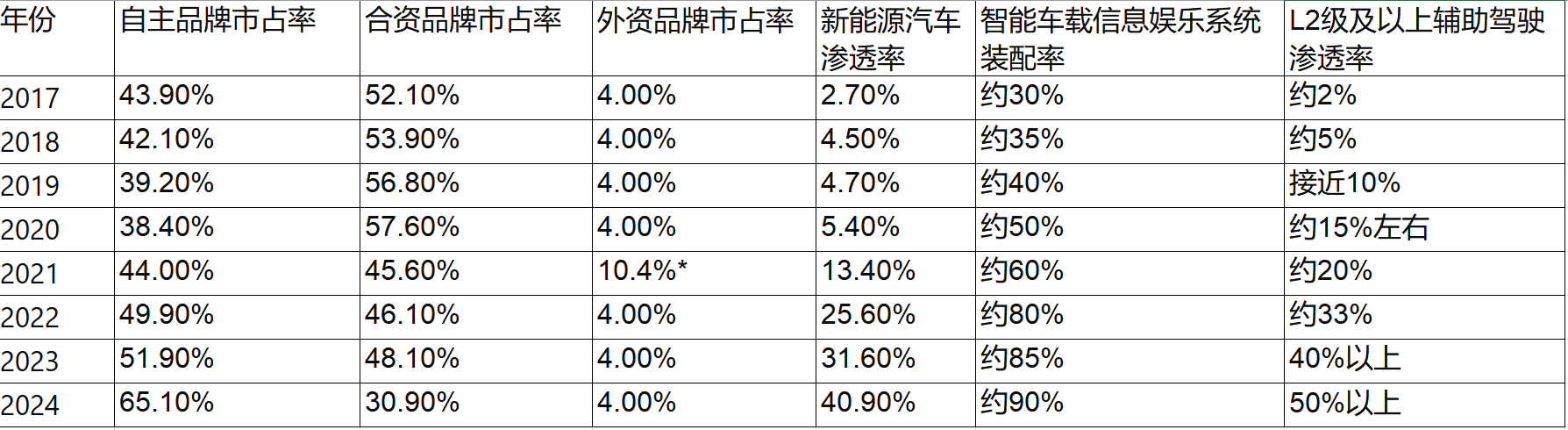
Core Insights - Goldman Sachs' report titled "2026 Outlook: Navigating Divergence" highlights 2026 as a pivotal year for the adoption of Battery Electric Vehicles (BEVs) and Navigation on Autopilot (NOA), suggesting that these technologies may develop into separate standards [1] - The report indicates a slowdown in BEV sales in Europe and the U.S., with consumers showing interest in advanced NOA but being cautious about purchasing BEVs [1][7] - In China, the integration of NOA in vehicles has led to a significant increase in sales, showcasing the advantages of BEVs in utilizing NOA, while traditional fuel vehicles are losing market share [1][5] Group 1: Market Trends - The market share of domestic brands in China has risen from 43.9% in 2017 to 51.9% in 2023, with the penetration rate of new energy vehicles increasing from 2.7% to 31.6% during the same period [3] - The report notes that the global electricity consumption of BEVs is expected to grow from 0.7% in 2024 to 2.5% by 2030, despite a stabilization in new BEV sales [7] - The competition landscape is shifting as NOA enhances the recognition and purchase intent for domestic brands, narrowing the gap with joint venture brands [5][6] Group 2: Technological Developments - Many automotive companies are focusing on applying NOA in hybrid models, although Goldman Sachs expresses skepticism about the medium-term effectiveness of this strategy [13] - The report lists various global automakers' progress in developing electronic and electrical architectures and end-to-end autonomous driving technologies, with companies like Tesla and BYD having completed their developments [14] - Traditional fuel vehicle manufacturers are exploring NOA applications in hybrid vehicles, but face challenges due to the inherent complexities of integrating NOA into their existing systems [15][16] Group 3: Future Outlook - The report suggests that by 2026, NOA may not solely rely on BEVs for growth, as traditional vehicles could also play a role in developing their own systems [19] - Concerns are raised about whether hybrid vehicles will be able to catch up with BEVs in terms of NOA capabilities, especially as BEVs are already testing Level 3 autonomous driving [19] - The future of NOA in traditional vehicles will depend on their ability to attract consumers and demonstrate value, as the market for traditional fuel vehicles remains substantial [19]
今年想买车的兄弟,建议先看看车企们的新年计划
3 6 Ke· 2026-01-23 04:33
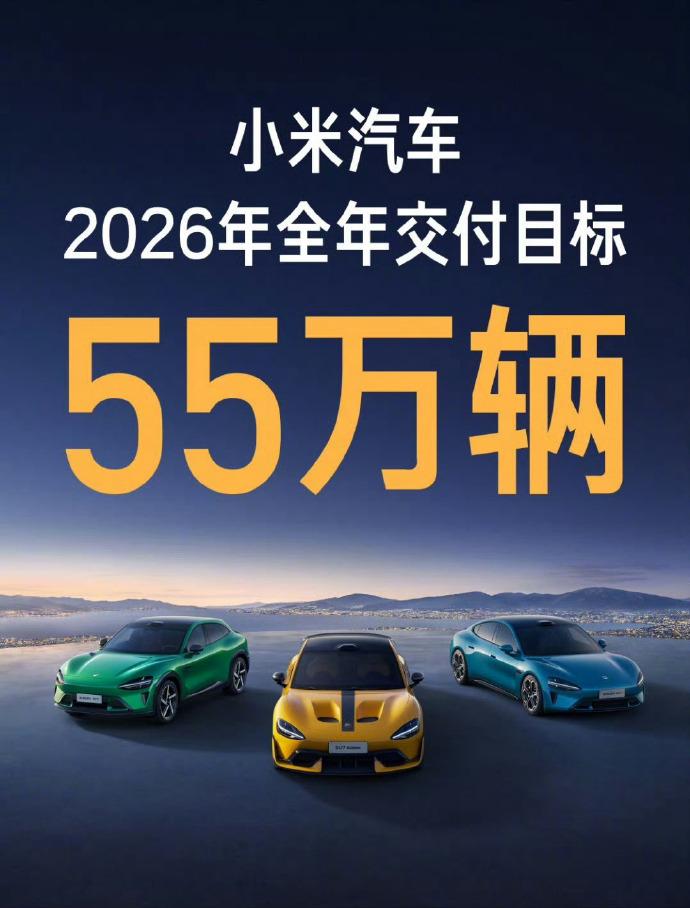
Group 1 - The article discusses various automotive companies' sales targets for 2026, highlighting aggressive and conservative strategies among different brands [2][4] - Xiaomi aims for a sales target of 550,000 vehicles in 2026, representing a 34% increase from last year's 410,000 deliveries, which had already exceeded its initial target of 300,000 [4][6] - BYD sets an ambitious overseas sales target of 1.5 to 1.6 million vehicles for 2026, reflecting over 50% growth compared to its 2025 sales of just over 1 million [8][10] Group 2 - The article notes that BYD's domestic sales have declined from 3.83 million in 2024 to 3.5 million last year, partly due to increased competition from brands like Geely [10][12] - NIO plans for a growth rate of 40-50% annually, building on last year's total sales of 326,000 vehicles, with a focus on upgrading existing models to a new platform [18][21] - Traditional luxury brands like Porsche, BMW, and Mercedes-Benz have faced significant sales declines in China, with Mercedes-Benz selling only 550,000 vehicles last year, a nearly 20% drop [23][28] Group 3 - The article highlights that the Chinese automotive market is becoming increasingly competitive, with domestic brands driving down prices and offering more attractive options for consumers [33][34] - Toyota has seen a rebound in sales, exceeding 1.78 million vehicles last year, and plans to introduce over five new models based on Chinese technology in the coming years [33]


大众裁员裁到董事会,踢出1/3高管,20款新车今年反攻中国
3 6 Ke· 2026-01-23 02:02
Group 1 - Volkswagen plans to cut 35,000 jobs, including a reduction of about one-third of its board members, from 29 to 19, by summer this year [2][4][11] - The company has closed its Dresden plant, marking the first time in 88 years that it has shut down a domestic production line, as part of its cost-cutting measures [2][12] - Volkswagen aims to launch over 20 new energy vehicles in China this year, as part of its strategy to boost sales and adapt to market demands [3][18] Group 2 - The restructuring includes consolidating management roles across its core brands, with each brand retaining only one CEO and key executives in finance, sales, and HR [4][6] - A new management committee has been established to oversee cross-brand decisions, aiming to streamline internal processes and reduce development costs [9][11] - The company anticipates saving €1 billion (approximately ¥8.1 billion) by 2030 through its restructuring efforts [9] Group 3 - Volkswagen reported an operating loss of €1.3 billion (approximately ¥10.5 billion) in Q3 last year, a significant decline from a profit of €2.83 billion (approximately ¥22.8 billion) in the same period the previous year [13] - The company has lowered its five-year investment budget from €180 billion (approximately ¥1.46 trillion) to €160 billion (approximately ¥1.3 trillion) due to ongoing financial pressures [14] - Sales in North America and China have declined by 10.4% and 8% respectively, contributing to the company's financial challenges [16] Group 4 - Volkswagen plans to increase its electric vehicle offerings in China, with projections of over 30 new models by 2027 and around 50 by 2030, focusing on both pure electric and hybrid vehicles [18][23] - The company has partnered with local firms like XPeng to develop electronic and electrical architectures, indicating a shift towards collaboration in the electric vehicle space [18][19] - Germany has reintroduced electric vehicle subsidies for consumers, which will be available until 2029, potentially benefiting both local and Chinese brands [23]
人本股份上交所IPO已问询 为国内规模最大的综合性轴承制造集团
Zhi Tong Cai Jing· 2026-01-22 12:05
Core Viewpoint - Renben Co., Ltd. has applied for a change in its listing status to "inquired" on the Shanghai Stock Exchange, with a fundraising target of 3.8 billion RMB [1] Group 1: Company Overview - Renben Co., Ltd. is the largest and most comprehensive bearing manufacturing group in China, engaged in the R&D, production, and sales of bearings and related products [1][2] - The company operates in over 70 countries and regions, with nine production bases and nearly 20,000 employees, covering the entire industry chain from bearing materials to finished products [1] - Renben's product range includes over 50,000 types of bearings, widely used in key sectors such as automotive, light industry machinery, heavy machinery, and major equipment [1][2] - The company has maintained the highest production and sales volume in the domestic industry for twelve consecutive years since 2013 and is the only Chinese company to enter the global top ten in the bearing industry [1][2] Group 2: Clientele and Market Position - The company serves a wide range of well-known enterprises across various industrial sectors, including major automotive brands like FAW, Dongfeng, and Toyota, as well as leading companies in light industry and heavy machinery [2] - Renben has established partnerships with notable equipment manufacturers such as CRRC and China Railway Equipment, further solidifying its market position [2] - The company has made significant technological advancements in key areas such as rail transportation, wind power generation, and precision machine tools, enhancing its competitiveness in the high-end bearing market [2] Group 3: Financial Performance - For the fiscal years 2022, 2023, and 2024, the company reported revenues of approximately 9.388 billion RMB, 10.482 billion RMB, and 11.960 billion RMB, respectively, with a projected revenue of 6.471 billion RMB for the first half of 2025 [3] - Corresponding net profits for the same periods were approximately 635 million RMB, 701 million RMB, 829 million RMB, and 442 million RMB for the first half of 2025 [3]