ST易购

Search documents
两会“爆款”主题面面观,兼论深海科技与具身智能(人形机器人)的投资前景
Huafu Securities· 2025-05-19 14:06
Group 1 - The report emphasizes that the investment themes from the Two Sessions are not just one-time opportunities but have long-term implications for industry development and sustained excess returns [2][20]. - Short-term characteristics highlight that low valuation themes are more likely to experience valuation increases shortly after the Two Sessions [3][26]. - The correlation between market capitalization distribution and cumulative excess returns weakens over time, indicating that smaller market cap stocks (<100 billion) tend to outperform in the short term [3][30]. Group 2 - Cumulative excess returns and performance growth are significant in the long term, with themes often generating excess returns over a 360-day period post-Two Sessions [4][36]. - Historical analysis shows that only a few years (2017, 2019, 2023) underperformed, suggesting the importance of new proposals in the government work report [4][36]. - The average cumulative excess returns may not be realized in the same year as the Two Sessions, indicating a longer-term guidance effect [4][38]. Group 3 - Seasonal timing indicates that the best periods for investing in Two Sessions themes are February-March and October [5][55]. - The report suggests that themes failing to pass the first-quarter report test may see their momentum stall in spring [5][56]. Group 4 - The evolution of "blockbuster" themes shows a clear pattern: national policy setting, local follow-up, highlighting key enterprises/events, expanding networks, and standardized industry development [6][10]. - Common characteristics of successful themes include alignment with current trends, broad market potential, high recognizability, and performance support [6][10]. - Themes first introduced in the Two Sessions tend to have better long-term excess returns [6][12]. Group 5 - The report identifies investment opportunities in 2025, particularly in deep-sea technology and embodied intelligence (humanoid robots) [7][18]. - Deep-sea technology is positioned as a strategic area with strong performance support, while humanoid robots are seen as potential blockbuster themes due to their alignment with market trends [7][18]. - The report suggests that deep-sea technology has already shown significant gains since the Two Sessions, with a maximum increase of 16.91% and an excess return of 18.16% relative to the Wind All A index [12][16].
卓跃传媒CEO王传凯:私域流量掘金术:0成本激活业主
Sou Hu Cai Jing· 2025-05-19 07:00
Core Insights - The PMIF2025 Property Management Innovation Forum in Shanghai focused on "Technology Empowerment and Value Innovation," discussing how AI can transform traditional property management into integrated lifestyle services [1] - The forum highlighted the importance of smart infrastructure, data asset management, and innovative service models to create a second growth curve for property companies [1] Group 1: Industry Trends - The property industry is exploring private domain operations as a potential growth area, leveraging insights from related businesses to enhance user relationships and operational structures [3] - The rise of Douyin's local life services presents new opportunities for property companies, as the local life traffic segment is still in its infancy, representing a blue ocean market [4] Group 2: Challenges in Current Models - Many property companies are struggling with e-commerce through mini-programs and WeChat groups, as traditional shelf e-commerce models are becoming outdated [5] - Group buying initiatives face significant operational challenges, including maintaining group activity and engagement [5] - Live streaming for property sales has shown initial promise but lacks sustainability for long-term growth [5] Group 3: Proposed Solutions - A new approach utilizing platforms, audiences, and matrices is suggested, with a focus on leveraging video accounts for private domain live streaming [6] - The video account platform has seen rapid growth, with a projected increase of 1.92 times in 2024, indicating a shift in traffic allocation favoring this medium [6] - The "1+N+X" model is proposed for building a matrix of accounts to enhance brand visibility and operational efficiency, allowing for effective live streaming and sales [7]

美的三星再出手并购,海尔TCL海信京东抢单松下索尼澳柯玛谋变
Sou Hu Cai Jing· 2025-05-19 00:50
Group 1 - The core viewpoint of the articles highlights the challenges faced by the home appliance industry, including a shift towards brand concentration and the struggles of small to medium enterprises amid a cooling consumer market [2][3] - The 618 shopping festival has become a stage for leading appliance brands, with overall market activity being subdued and promotional events returning to a normalized state [2] - The home appliance sector is experiencing significant changes, including leadership changes in major small appliance companies like Midea, Supor, and Joyoung, indicating operational challenges and the need for strategic adjustments [8] Group 2 - The home appliance industry is undergoing a standardization push, with 10 new industry standards set to be implemented by November 2025, focusing on quality upgrades and technological innovation [4] - The recent adjustment of tariffs between China and the U.S. is seen as a potential turning point for appliance companies, allowing for increased cross-border trade and production acceleration [5][6] - The after-sales service sector is being enhanced, with 105 leading service companies recognized, including Haier and Midea, reflecting a growing emphasis on service quality in the appliance market [7] Group 3 - Midea is actively pursuing acquisitions to strengthen its market position, including the purchase of Teka Group and strategic agreements with other companies to enhance its capabilities in the HVAC sector [10] - Haier and Hisense are launching innovative products aimed at improving consumer health and sleep quality, with Haier's "washing air" air conditioner and Hisense's new air conditioning solutions [11][12] - The financial performance of companies like Aucma has deteriorated, with a reported loss in 2024, highlighting the operational uncertainties faced by traditional appliance manufacturers [13] Group 4 - TCL has achieved significant market success during the 618 event, securing multiple top rankings in sales, showcasing the effectiveness of its product strategy focused on high-end and large-screen technology [14] - Samsung is expanding its presence in the HVAC market through a major acquisition, while Panasonic is selling "slightly flawed" appliances at discounted prices, indicating a strategic shift in product offerings [15] - Sony and Sharp are facing operational challenges, with Sony projecting a decline in revenue for the upcoming fiscal year and Sharp announcing the sale of its LCD panel factory due to poor performance [16]




多措并举,助力外贸企业拓展国内市场——南京加快推动内外贸一体化(聚力攻坚 协同发力·政策落地进行时)
Ren Min Ri Bao· 2025-05-17 21:39
Group 1 - The "Nanjing Exhibition Month" event has attracted over 5,000 sales, showcasing over 60 foreign trade companies in a 1,300 square meter area, aimed at expanding domestic market reach for foreign trade products [1] - Nanjing is promoting integration of domestic and foreign trade by encouraging major e-commerce platforms like Suning and JD to establish "foreign trade product zones" and enhance online and offline support for foreign trade enterprises [2] - The establishment of the "Nanjing Quality Products Online Zone" by the Nanjing business department and China Manufacturing Network aims to assist foreign trade companies in exploring new markets, with a reported 50% year-on-year increase in foreign trade sales for some companies [3] Group 2 - The retail sales total in Nanjing reached 232.3 billion yuan in the first quarter, marking a 7.5% year-on-year growth, while exports to countries involved in the Belt and Road Initiative saw a 24.6% increase [3] - Companies are focusing on improving product quality and expanding their market presence, particularly in emerging markets, as a key strategy for growth [4]
第七届双品网购节(深圳)专场活动收官 15天实现零售额696.3亿元
Shen Zhen Shang Bao· 2025-05-17 01:12
Group 1 - The seventh Double Product Online Shopping Festival in Shenzhen achieved an online retail sales of 69.63 billion yuan, a year-on-year increase of 14.5% during the event period from April 28 to May 12, 2025 [1] - The festival focused on five main themes, including quality e-commerce, foreign trade products, innovative scenarios, global sourcing, and digital commerce, featuring over 20 leading companies and e-commerce platforms [1] - Various promotional strategies such as government subsidies, platform discounts, and brand concessions were implemented to stimulate consumer spending [1] Group 2 - Home appliance consumption saw a significant increase, with Gree's "Old for New" campaign leading to over 5,000 core model sales, and JD's green initiative boosting 3C appliance sales by 50% year-on-year [1] - Foreign trade products linked to global markets experienced growth, with sales of staple food products increasing by over 10% and self-owned brand sales rising by over 40% [1] - Innovative scenarios reshaped the consumer ecosystem, with smart home product sales increasing by 80% and foot traffic in shopping malls rising by 35% due to interactive AI shows [2] Group 3 - The "Digital Commerce Promotes Industry" initiative supported industrial transformation, with sales of digital accessories and smart hardware increasing by 40% through live-streaming training [2] - Special live-streaming events promoted local agricultural products, achieving over 100,000 online orders and contributing to rural revitalization [2]
广州扩围提质实施消费品以旧换新(聚力攻坚 协同发力·政策落地进行时)
Ren Min Ri Bao· 2025-05-16 22:04
Core Insights - Guangzhou has expanded its home appliance replacement subsidy program to include household consumer robots, leading to a significant increase in sales of these products [1][4] - The city's business department has focused on enhancing consumer experience and has organized over 800 group purchase events, attracting more than 500,000 participants and generating over 2 billion yuan in direct sales [2][4] - The implementation of advanced technologies like big data and blockchain has streamlined the subsidy process, allowing for quick approval and distribution of funds [4] Group 1: Sales Growth - Sales of household consumer robots, including vacuum and window cleaning robots, have doubled year-on-year due to increased consumer demand and the inclusion of these products in the subsidy program [1] - The total sales generated from the appliance replacement program reached 30.19 billion yuan by May 6, benefiting approximately 5.5 million consumers [4] Group 2: Subsidy Program Expansion - The range of products eligible for the replacement subsidy has increased from "8+N" to "12+N" categories, with 37 categories and 126 specific products now included, making it the most comprehensive program in the province [1] - The business department's efforts to gather consumer feedback have led to the inclusion of popular household appliances in the subsidy program, reflecting actual consumer preferences [1][3] Group 3: Promotional Activities - Retailers have been encouraged to enhance promotional activities to further stimulate consumer spending, contributing to the overall growth of the appliance market [3] - The Guangzhou Friendship Store's promotional campaign successfully attracted consumers, with significant discounts leading to substantial savings on energy-efficient air conditioning units [4]
豪赌苏宁,阿里巨亏260亿,谁在埋单?
券商中国· 2025-05-16 15:34
Core Viewpoint - The article discusses the financial troubles of Suning Group and its subsidiaries, highlighting the risks associated with equity pledges and the potential for significant financial losses for involved parties, including major investors like Alibaba [2][4][50]. Group 1: Financial Status of Suning Group - Suning Electric, once a leading retailer, reported a revenue of 270 billion yuan in 2019, but by 2023, its revenue plummeted to 17.6 billion yuan, resulting in negative net assets [2][9][12]. - Suning Group's core companies, including Suning Electric, Suning Holdings, and Suning Real Estate, are undergoing bankruptcy restructuring, with their equity largely pledged to various financial institutions [2][7][24]. - The total assets of Suning Electric were reported at 1.25 trillion yuan in 2023, with liabilities reaching 1.345 trillion yuan, indicating a negative asset situation [12][9]. Group 2: Equity Pledge Risks - The article emphasizes the risks of equity pledges, particularly in a pyramid-like holding structure where each layer of shareholders pledges their equity, leading to compounded risks for lenders [4][28]. - Suning's equity pledges have resulted in significant financial losses for institutions like Alibaba, which has invested over 30 billion yuan in ST Yigou, facing a loss of approximately 26.7 billion yuan [2][50]. - The interconnectedness of Suning's financial operations, including pledges and related transactions, raises concerns about the sustainability of its financial structure and the potential for further losses [3][8][45]. Group 3: Impact on Stakeholders - Stakeholders, including financial institutions and investors, are facing severe financial repercussions due to the declining value of pledged equities, with some institutions potentially recording substantial losses [2][8][31]. - The restructuring of Suning's core companies is expected to have ripple effects on ST Yigou, which remains entangled in various financial dealings with Suning [7][24]. - The article suggests that the financial strategies employed by Suning, including high leverage and equity pledges, have led to a precarious situation for both the company and its investors [4][45].



我省成立政企协作品牌维权联盟——筑牢品牌“保护墙” 按下发展“加速键”
Xin Hua Ri Bao· 2025-05-15 23:12
Core Points - The article discusses the establishment of the Jiangsu Province Market Supervision Government-Enterprise Cooperation Brand Protection Alliance to enhance brand protection and support high-quality development in enterprises [1][6][7] - A case of cross-provincial trademark infringement involving Kunshan Meibao Environmental Equipment Co., Ltd. and Shanghai Meibao Pump Industry Group Co., Ltd. highlights the challenges in identifying and prosecuting infringers [2][3] - The article emphasizes the need for enterprises to adapt their trademark strategies in response to technological advancements and market changes [4][5] Group 1: Brand Protection Initiatives - The Jiangsu Province Market Supervision Bureau is actively promoting brand protection through the establishment of a cooperation alliance aimed at enhancing the ability of enterprises to protect their rights [1][6][7] - The alliance will focus on creating a direct mechanism for reporting infringement, building a cross-regional enforcement collaboration network, and empowering enterprises in their brand protection efforts [7] Group 2: Case Study of Trademark Infringement - The case involving Kunshan Meibao and Shanghai Meibao illustrates the complexities of trademark infringement investigations, including the difficulty in locating the production site of infringing products [2] - The enforcement actions led to the confiscation of over 260 infringing pump products and a preliminary estimated value of over 300,000 yuan [2][3] Group 3: Challenges in Trademark Protection - The rise of e-commerce has introduced new challenges in trademark protection, as seen in the case of the "Suning" brand confusion with the "Suning" beverage cabinet [4] - Legal experts suggest that rights holders should utilize legal provisions effectively to protect their trademarks, including sending notice letters to online platforms [4] Group 4: Strategic Recommendations for Enterprises - Enterprises are advised to monitor not only their trademarks but also the names of related business entities to prevent potential infringement [5] - The integration of trademark management with technological innovation is recommended to ensure that trademarks remain relevant in a rapidly changing market [5]
家电换新补贴百日记:是“红包雨”也是“及时雨”
Qi Lu Wan Bao Wang· 2025-05-12 11:14
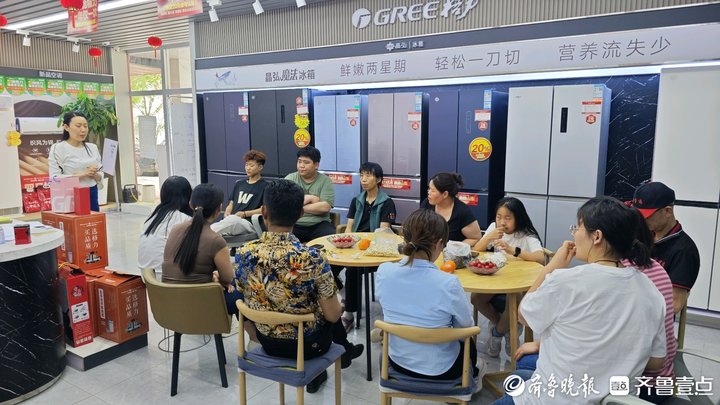
Core Viewpoint - The implementation of the home appliance trade-in subsidy policy in Jinan has significantly stimulated consumer demand and improved sales in the home appliance market, particularly for mid-to-high-end products [1][8]. Group 1: Impact of the Policy - Since the launch of the trade-in subsidy policy on January 23, over 100 days have passed, leading to increased consumer interest and sales in the home appliance sector [1]. - Consumers are taking advantage of the subsidies, with discounts of up to 20% on products like air conditioners, resulting in substantial savings [3][5]. - The policy has encouraged consumers to purchase multiple appliances, with reports of increased transaction rates and a shift towards bundled purchases [5][6]. Group 2: Sales Performance - Sales data indicates a significant increase in home appliance sales, with Gree's air conditioner sales in Shandong province rising by 30% year-on-year from January to April [8]. - Hisense reported a remarkable 78.4% increase in retail sales in Jinan during the first quarter [8]. - The trade-in policy has also positively impacted the sales of mid-to-high-end products, with their market share increasing from 40% to 60% for Gree's air conditioners [8]. Group 3: Consumer Trends - There is a noticeable shift in consumer preferences towards high-quality, smart, and environmentally friendly appliances, with a growing demand for energy-efficient products [9][10]. - The trend towards larger and more advanced appliances, such as big-screen TVs and high-capacity refrigerators, is evident, with significant sales growth reported [12]. - The policy has not only reduced purchase costs but also encouraged consumers to upgrade to higher-quality products, enhancing overall consumer experience [12]. Group 4: Future Outlook - Experts suggest that the trade-in policy will promote long-term upgrades in the home appliance industry, encouraging companies to invest in research and development for greener and smarter products [12]. - Recommendations for the government include optimizing the subsidy policy to better benefit consumers and enhancing awareness of the program to stimulate further market engagement [12].
法国家乐福、英国乐购、韩国乐天……在中国零售业消亡的9大洋品牌
3 6 Ke· 2025-05-12 04:49
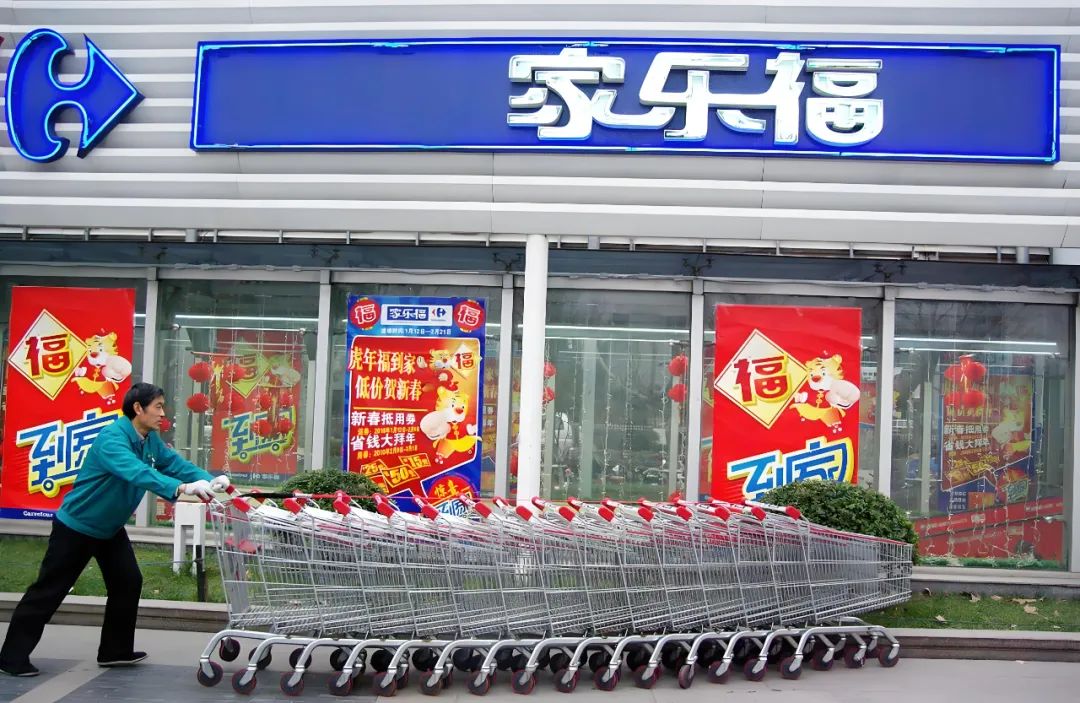
Core Insights - The article discusses the challenges faced by foreign supermarket brands in the Chinese retail market, highlighting their struggles to adapt to local consumer preferences and competition from domestic brands [1][32]. Group 1: Carrefour - Carrefour entered the Chinese market in 1995 and quickly expanded, reaching 155 stores and sales of 43.7 billion yuan by 2009 [4]. - The rise of e-commerce and local competitors led to Carrefour's decline, as it struggled to adapt its management and operational strategies [5]. - In 2019, Carrefour sold 80% of its Chinese business to Suning, and by 2023, only four stores remained, indicating a complete exit from the market [5]. Group 2: Marks & Spencer - Marks & Spencer entered China in 2008 but failed to resonate with local consumers due to its conservative product style and high pricing [8]. - The company closed all its Chinese stores in 2018, although it continues to operate an online flagship store [8][9]. Group 3: Tesco - Tesco entered China in 2004 but faced challenges due to insufficient localization and poor supply chain management [12]. - The company sold its Chinese operations to China Resources in 2014, marking its exit from the market [12]. Group 4: E-Mart - E-Mart, a South Korean brand, entered China in 1997 but failed to adapt its product offerings to local consumer preferences [15]. - The company exited the Chinese market in 2017 after selling all its stores [15]. Group 5: Takashimaya - Takashimaya opened its only Chinese store in 2012 but struggled with high-end positioning that did not align with the broader market [18]. - The company closed its Shanghai store in 2019, reflecting the challenges of high-end retail in China [18]. Group 6: Auchan - Auchan entered China in 1999 but faced difficulties due to slow digital transformation and competition from local supermarkets [21]. - The brand gradually faded from the market after 2020, with its stores being taken over by China Resources [21]. Group 7: Lotte Mart - Lotte Mart entered China in 2008 but faced a significant setback due to the "THAAD incident," leading to a boycott of its stores [24]. - The company closed 87 of its 112 stores in China and began selling its operations in 2018 [24]. Group 8: C.P. Lotus - C.P. Lotus entered China in 1997 but faced continuous losses, with a cumulative loss exceeding 1.1 billion yuan from 2012 to 2016 [27]. - The company is on the verge of privatization and is effectively exiting the Chinese market [27]. Group 9: Metro - Metro entered China in 1996 and was initially successful but faced challenges from e-commerce and local competitors [30]. - In 2019, the company sold 80% of its Chinese operations to Wumart, marking a significant reduction in its market presence [30]. Conclusion - The article emphasizes the importance of understanding local market dynamics and consumer preferences for foreign retailers in China, as many have failed to adapt and ultimately exited the market [32].