吉利

Search documents
产教融合 向新突破
Qi Lu Wan Bao· 2025-11-28 07:53
Group 1: Talent Development and Industry Alignment - The focus is on enhancing the systematic training of talent in strategic emerging industries and interdisciplinary technical skills to meet the development needs of Jinan's leading industries [1] - The establishment of the Jinan New Energy Vehicle Application R&D Center in collaboration with companies like BYD and Geely aims to create a dual education model that integrates practical training within the industry [1] - The curriculum is being aligned with industry standards through collaborative teaching reforms, ensuring that course content is updated to reflect the latest technological advancements and job requirements [2] Group 2: Digital Transformation in Education - The initiative aims to integrate information technology deeply into education, creating an AI-driven teaching ecosystem that is intelligent, immersive, and personalized [3] - A focus on enhancing teachers' digital teaching capabilities through training and partnerships with high-tech companies is being emphasized to adapt to digital work environments [3] - The development of a digital teaching resource library is underway, utilizing modern information technologies to enhance interactivity and effectiveness in teaching [3][4] Group 3: Collaborative Platforms and Industry Partnerships - The establishment of the Jinan Technical Education Alliance aims to create a collaborative mechanism for resource sharing and mutual development among educational institutions and industry stakeholders [5][6] - The creation of the Jinan Craftsman Academy integrates various resources for talent cultivation, vocational training, and cultural exchange, significantly increasing the scale of social training [6] - The construction of industry colleges, such as the Geely Automotive Industry College, focuses on developing modular courses and practical training to meet the needs of companies like Geely and BYD [7] Group 4: Outcomes and Impact - Over the past three years, the initiatives have provided labor support for key provincial and municipal projects, delivering nearly 2,000 skilled workers annually [7] - The training programs have successfully supplied over 4,000 skilled talents to society, addressing the workforce needs of emerging industries [7]
百亿独角兽的溃败始末
虎嗅APP· 2025-11-27 13:37
Core Insights - The article discusses the sudden downfall of Haomo Zhixing, once hailed as a pioneer in China's autonomous driving sector, culminating in a work stoppage announcement that signals its likely closure [2][3] - The company's crisis is attributed to high product costs, an imbalanced business model, and intensified competition, highlighting the survival challenges faced by non-leading firms in the autonomous driving industry [2][3] Company Overview - Haomo Zhixing was established in November 2019 and quickly became a unicorn with a valuation exceeding 10 billion yuan after raising nearly 1 billion yuan in A-round financing by the end of 2021 [4] - The company’s diverse shareholder structure includes major investors like Meituan, Hillhouse, and Qualcomm, with total financing exceeding 2 billion yuan [4] - The appointment of former Baidu executive Gu Weishao as CEO in 2021 aimed to integrate automotive resources with tech flexibility, but this led to a "positioning dilemma" [4] Business Performance - Haomo achieved significant milestones, including the mass production of its HPilot system, with over 100,000 units installed, becoming the first in China to implement autonomous driving technology [5] - However, the company struggled with over-reliance on a single client and failed to capitalize on announced partnerships due to insufficient product competitiveness [7] - The company’s diversification into passenger vehicle assistance, logistics vehicles, and smart hardware led to resource dilution, with logistics vehicle sales stagnating and hardware business failing to gain traction [7] Financial Challenges - The financing environment for the autonomous driving sector cooled significantly post-2023, with total financing dropping from 93.2 billion yuan at its peak to 20 billion yuan in 2024, concentrating capital among leading firms [7] - Haomo only secured 300 million yuan in 2024, and by 2025, industry financing was expected to decline by another 40%, exacerbating the cash flow issues for independent suppliers like Haomo [7] Technological Misalignment - Haomo's technological strategy became misaligned as it clung to high-precision mapping solutions while competitors shifted towards "map-free" and end-to-end model approaches, leading to a significant lag in technological advancement [9][10] - The company’s commitment to high-precision mapping resulted in delays in achieving its urban coverage goals, with only 8 cities operational by 2025 compared to over 200 for leading firms [10] - Haomo's data collection efforts were limited to 250 million kilometers, while competitors amassed over 1 billion kilometers, further widening the technological gap [10] Competitive Landscape - The rapid evolution of the automotive intelligence sector left little room for adjustment, with Haomo's cost structure at 8,000 yuan per unit compared to competitors' 4,000-7,000 yuan [12] - The lack of vertical integration in chip, algorithm, and hardware development hindered Haomo's ability to reduce costs and compete effectively in the mainstream market [12] - Competitors like Momenta captured over 60% of the market share through aggressive data accumulation and product delivery capabilities, further marginalizing Haomo [14] Industry Implications - Haomo's decline reflects systemic challenges faced by independent suppliers in the autonomous driving sector, as many companies have ceased operations since 2025, indicating a deep industry reshuffle [16] - The shift in automotive manufacturers towards self-developed solutions and the adoption of third-party technologies by major players like BYD and Geely highlights the changing dynamics in the market [16][17] - Independent suppliers must establish unique value propositions in cost control or advanced technology to avoid becoming interchangeable commodities in a competitive landscape [17][18] Future Outlook - To survive, Tier 1 independent suppliers must build irreplaceable technological barriers or cost advantages, and foster open, win-win ecosystems to mitigate risks associated with manufacturer dependencies [20] - The industry is expected to transition towards a multi-dimensional competition focused on cost control, data efficiency, and scenario penetration, with successful players either achieving full-stack capabilities or excelling in specific verticals [22]


科力装备:2025年8月公司以自有资金2000万元投资设立子公司微纳新材
Zheng Quan Ri Bao Wang· 2025-11-27 07:12
Core Viewpoint - Company Keli Equipment (301552) is expanding its business by investing 20 million yuan to establish a wholly-owned subsidiary, Micro-Nano New Materials, focusing on the development and preparation of nano-coating materials, which have diverse applications across multiple industries [1] Group 1: Investment and Subsidiary Establishment - In August 2025, the company will invest 20 million yuan of its own funds to set up the subsidiary Micro-Nano New Materials, holding 100% equity [1] Group 2: Product Development and Applications - The company is developing a series of nano-coating materials that offer various functionalities such as light absorption, heating defogging, chrome replacement, wear resistance, and antibacterial properties [1] - The nano-coating materials are targeted not only at the automotive industry but also have potential applications in robotics, mobile devices, and other sectors to address industry pain points [1] Group 3: Technological Breakthroughs and Industry Adoption - The company's anti-VOC pollution light-absorbing coating technology has achieved a full-process technological breakthrough from R&D to industrialization [1] - The technology has been applied in specific models from major manufacturers including Xiaomi, NIO, Li Auto, Xpeng, BYD, Volkswagen, Geely, Chery, and Changan, indicating strong industry adoption [1] - With the increasing penetration rate of new energy vehicles, the company's new technologies in the field of assisted driving are expected to gain further popularity [1]
信邦智能并购英迪芯微:国产车规芯片标杆崛起,技术攻坚、全球布局铸就并购核心价值
Quan Jing Wang· 2025-11-26 07:57
Core Viewpoint - The automotive "new four modernizations" and domestic substitution strategy are driving the growth of automotive-grade chips, with Wuxi Yindixin Microelectronics Technology Co., Ltd. (Yindixin) emerging as a leading player in the domestic analog chip market, highlighting the strategic significance of breaking international monopolies and enhancing supply chain security in the automotive chip industry [1] Group 1: Market Opportunity - The domestic penetration rate of automotive analog chips is only about 5% in 2024, expected to rise to 20% by 2029, indicating a significant growth opportunity for domestic companies [1] - The global automotive semiconductor market is projected to exceed $110 billion by 2028 and $200 billion by 2035, creating a vast replacement space for companies with core technologies [1] Group 2: Technological Strength - Yindixin is the only domestic company capable of mass-producing "five-in-one" automotive-grade mixed-signal chips, showcasing its strong technological innovation and comprehensive intellectual property system [2] - The company maintains a gross profit margin of around 40%, reflecting its robust profitability and competitive edge in performance and cost-effectiveness [2] Group 3: Market Penetration - Yindixin has established a global customer network, supplying major domestic automotive brands and successfully entering international markets, including partnerships with Volkswagen, Hyundai, Ford, and General Motors [3] - The company sold approximately 88.84 million automotive chips in 2023, with a projected increase to 120.90 million in 2024, representing a year-on-year growth of 36.09% [3] Group 4: Strategic Acquisition - The acquisition of Yindixin by Xinbang Intelligent for 2.856 billion yuan is expected to create synergies across various aspects, including customer resources, sales channels, and technology collaboration [4] - Xinbang's established relationships with Japanese automotive brands will accelerate Yindixin's market entry into this segment, while Yindixin's technology can enhance Xinbang's robotics business [4] Group 5: Future Outlook - The merger is anticipated to empower Yindixin with capital, enabling increased R&D investment and market expansion, thereby accelerating the domestic automotive-grade chip replacement process [5] - As synergies are realized, Yindixin is expected to expand production capacity and diversify its product line, positioning itself as a benchmark for domestic automotive chips on a global scale [5]
小鹏第100万辆整车下线,MG4固态电池版本首秀|一周车闻
Di Yi Cai Jing· 2025-11-25 14:47
Core Insights - The automotive industry is witnessing significant advancements in electric vehicles and autonomous driving technologies, with multiple companies showcasing new models and innovations at the 2025 Guangzhou Auto Show. Group 1: Financial Performance and Growth - Xiaoma Zhixing reported a total revenue of 181 million yuan for Q3 2025, marking a 72% year-on-year increase, with its Robotaxi business generating 47.7 million yuan, up 89.5% year-on-year [2] - XPeng Motors achieved a total delivery volume of approximately 116,000 vehicles in Q3 2025, a 149.3% increase year-on-year, with net losses narrowing by 78.9% to 38 million yuan [3] Group 2: New Product Launches - The MG brand unveiled its first mass-produced model equipped with a solid-liquid battery, set to be delivered in December at a promotional price of 99,800 yuan [4] - GAC's new energy heavy truck T9 was officially launched with a price of 439,900 yuan, targeting short-distance transportation scenarios [14] - The new generation Toyota Venza was launched with a starting price of 169,800 yuan, featuring a 2.0L hybrid version and advanced driving assistance systems [15] Group 3: Strategic Partnerships and Collaborations - Avita and Huawei announced a deepened strategic partnership, expanding their collaboration to include user insights, product development, and marketing, with plans to launch 17 products by 2030 [8] - Li Auto is enhancing its smart driving technology with the VLA driver model upgrade, which will include a new feature for automatic entry into charging stations [6][7] Group 4: Market Trends and Innovations - The "Robotaxi+" strategy was showcased by Huqi Chuxing, aiming to cover 100 core cities with a fleet of over 10,000 Robotaxis in the next five years [10] - Changan Automobile introduced a new safety value system, shifting from passive to proactive safety measures, encompassing various aspects of safety [9] - The introduction of AI virtual car exhibitions by Dongche Emperor aims to digitize offline sales costs and enhance automotive marketing experiences [11] Group 5: Competitive Landscape - The MPV market is seeing increased competition with multiple new entries, including the launch of the Galaxy V900 by Geely and the Lantu Dreamer [20][21] - The luxury segment is becoming more competitive, with brands like BYD's Yangwang and Lantu targeting high-end consumers with new models [19][18]



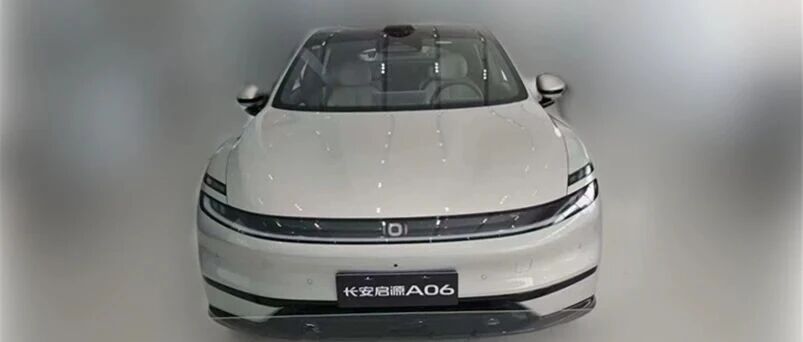
长安启源A06:上市后客流翻倍,买纯电的客户占八成
车fans· 2025-11-25 00:30
Core Viewpoint - The newly launched A06 model from Changan Qiyuan has seen a significant increase in customer interest and sales, particularly in the electric vehicle segment, indicating a positive market reception and potential growth for the brand [3][4]. Sales Performance - The A06 has experienced a doubling of daily customer visits to showrooms, with 80% of visitors specifically interested in this model, leading to over 30 pre-orders shortly after its launch [3]. - The electric version of the A06 accounts for approximately 80% of total sales, with the 630 Shuxiang Ultra and 630 Laser Ultra configurations being the most popular, both priced at 139,900 yuan [4][17]. Customer Demographics - The customer base for the A06 has expanded significantly, now including individuals aged 20-40 with stable jobs, such as nurses, teachers, and small business owners, contrasting with the previous focus on younger, style-driven buyers [3][7]. Reasons for Purchase - Customers are drawn to the A06 for its stylish design, high-quality interior, and competitive pricing, which offers a strong value proposition [7]. Competitive Landscape - The A06 is frequently compared to models such as the Xiaopeng MONA M03, Dongfeng Nissan N7, and Geely Galaxy Xingyao 8, indicating a competitive market environment [12]. Financing Options - The A06 offers attractive financing options, including a 0% interest loan for amounts up to 100,000 yuan over five years, making it financially accessible for a broader audience [18]. Customer Feedback - Initial customer feedback has been limited, primarily focused on the speed of vehicle delivery, as the demand for the A06 has outpaced supply [20]. Maintenance Costs - The maintenance costs for the A06 are relatively low, with basic servicing for the range-extended version costing between 400-500 yuan and for the electric version between 120-180 yuan [22]. Customer Rights and Incentives - The A06 offers several customer incentives, including a five-year 0% interest financing plan and potential subsidies for trade-ins, enhancing its appeal in the market [23].
汽车视点 | “一车双能”、厂家“三担责”……在广州车展透视2026车市关键信号
Xin Hua Cai Jing· 2025-11-23 06:21
Core Insights - The 2025 Guangzhou International Auto Show opened on November 21, showcasing 1,085 vehicles, including 93 global and domestic debuts, with 629 being new energy vehicles, highlighting their dominance in the market [1] Group 1: Industry Trends - The scale of this year's auto show has contracted compared to 2024, with the number of exhibition halls reduced from 16 to 14, indicating current industry pressures [1] - The auto show serves as a significant platform for automakers to showcase their annual achievements and forecast market trends for the upcoming year [1] Group 2: Company Achievements - Xiaomi Auto announced the production of its 500,000th vehicle in just 602 days, setting a record for the fastest achievement among global new energy vehicle brands [2] - XPeng Motors celebrated the production of its 1,000,000th vehicle, achieving a 190% year-on-year increase in deliveries from January to October, with significant growth in overseas markets [3] - Seres announced cumulative deliveries of over 900,000 vehicles and introduced its "Seres Magic Cube Technology Platform 2.0" at the show [3] - NIO's small car "Firefly" reached 30,000 deliveries within six months, indicating strong market performance in its segment [3] - Lynk & Co reported 50,000 deliveries of its flagship model Lynk 900 within six months, ranking among the top three in high-end hybrid SUV sales [4] Group 3: Technological Innovations - Automakers are shifting focus from price competition to technological advancements, with several brands unveiling key technology strategies at the auto show [5] - Dongfeng Nissan launched the "Tiida" model equipped with HarmonyOS, marking it as the only fuel vehicle with this feature in the market [5] - GAC Toyota introduced the "Toyota Platinum 7," developed by a local team, integrating multiple high-tech features and a unique warranty policy to alleviate consumer concerns [5] - BMW made advanced driver assistance features standard across its X5 model, enhancing its competitive edge [6] - Leap Motor introduced the A10 model, aiming to provide high-end features at an entry-level price point [6] - MG unveiled the world's first mass-produced semi-solid-state battery vehicle, the MG4, set to start deliveries in December, marking a significant technological milestone [6] Group 4: Market Outlook - The auto show indicates a potential surge in the MPV market in 2026, with several brands launching new MPV models aimed at high-end experiences [7][8] - The upcoming adjustment in the new energy vehicle purchase tax policy, effective January 1, 2026, is expected to impact sales strategies, with many automakers offering cross-year subsidy plans [8] - The China Passenger Car Association forecasts a retail volume of approximately 2.25 million passenger vehicles for November, a year-on-year decrease of 8.7%, while new energy vehicle sales are expected to grow by 6.5% [9]
富士康战略性放弃“造车”,转向“算力基建服务”
汽车商业评论· 2025-11-22 23:49
Core Viewpoint - Foxconn is shifting its focus from electric vehicle manufacturing to AI infrastructure, recognizing the challenges in the EV market and the growth potential in AI hardware and services [15][25][40]. Group 1: AI Infrastructure Investments - Foxconn's chairman Liu Yangwei announced a partnership with OpenAI to design and manufacture AI hardware in the U.S., emphasizing the need for new architectures in AI data centers [7][9]. - The company is building a $1.4 billion AI supercomputing center in Taiwan, expected to be operational by mid-2026, utilizing NVIDIA's latest GPU technology [9][15]. - Foxconn's AI business has surpassed its traditional consumer electronics revenue for two consecutive quarters, marking a significant shift in its growth engine [15][27]. Group 2: Challenges in the Electric Vehicle Market - Foxconn has faced difficulties in the EV sector, including unstable customer relationships and low industry profitability, leading to a reassessment of its strategy [16][19][21]. - The company initially aimed to capture 5% of the global EV market by 2025 but has struggled with production and commercialization [16][20]. - The competitive landscape in China's EV market is fragmented, with many players and ongoing price wars, complicating Foxconn's efforts to replicate its smartphone success [21][22][29]. Group 3: Strategic Shift and Future Outlook - Liu Yangwei believes the upcoming consolidation in the EV market will create opportunities for Foxconn to adopt a contract manufacturing model similar to the PC industry [23][29]. - The company is positioning itself as a key player in the AI infrastructure space, which aligns with its core competencies and offers a more stable growth path [34][40]. - Foxconn aims to become the "TSMC of the EV industry," focusing on efficient, standardized manufacturing and supply chain management rather than brand competition [39][40].
谁在中国市场“杀死”这款本田神车
凤凰网财经· 2025-11-21 03:09
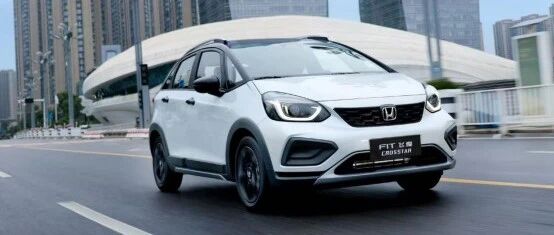
Core Viewpoint - The Honda Fit, once a popular model in the Chinese market, has seen a significant decline in sales, with October figures showing only 3 units sold, reflecting a broader collapse in the fuel small car market [1][2][9]. Group 1: Sales Performance - The Honda Fit's sales have been declining for over a year, with only 695 units sold in October 2022, which is just 1/74 of the sales of BYD Seagull [2]. - In the second half of this year, sales have dropped to double digits and are now approaching single digits [2]. - The Fit's sales in 2023 are projected to be over 50,000 units, but a drastic drop to 14,000 units is expected in the following year [9]. Group 2: Market Position and Competition - The Honda Fit was once a market leader due to its fuel efficiency, spaciousness, and affordability, appealing particularly to young consumers [3][4]. - The model's three-year resale value remains high at 63.95%, significantly above competitors, especially in cities like Guangzhou and Shenzhen where it approaches 70% [4]. - However, the rise of electric vehicles has diminished the Fit's competitive edge, as electric models offer superior cost efficiency and advanced technology features [9][10]. Group 3: Cultural Impact and Modifications - The Honda Fit has historically represented a culture of practicality and customization, with a robust aftermarket for modifications due to its versatile design [7]. - It has been a gateway for many enthusiasts into car culture, emphasizing the joy of driving and personalizing vehicles [7]. Group 4: Future Outlook - The company is attempting to revitalize the Fit with a new model featuring significant design changes, but market feedback suggests that this may not be sufficient to regain consumer interest [10]. - The competitive landscape is increasingly dominated by domestic electric vehicles, which poses a significant challenge for the Fit's revival [10].

霸王茶姬CEO将与“光伏女神”结婚;俞敏洪称明年将选10个员工去南极;何同学称公司今年亏了一两百万;魅族回应出售总部大楼丨邦早报
创业邦· 2025-11-21 00:08
Group 1 - Yu Minhong responded to New Oriental employees' complaints, emphasizing that allowing employees to voice their dissatisfaction is a tradition of the company, and he encourages it as a means to correct issues [4] - Xiaomi announced the allocation of 29,366,734 shares to 3,334 selected participants, including employees and service suppliers, with a total value of approximately HKD 1.14 billion (around CNY 1.041 billion) [5] - The recent changes in the management of Pang Donglai Group were confirmed by internal sources, indicating that Yu Donglai will not be heavily involved in daily operations but will focus on empowering his team [5] Group 2 - ByteDance's valuation surged to USD 480 billion during a recent equity auction, with the price of shares rising from an initial USD 200 million to nearly USD 300 million due to competitive bidding [5] - The founder of Bawang Tea Ji, Zhang Junjie, is set to marry Gao Haichun, a prominent figure in the solar energy sector, indicating potential synergies between the two industries [5] - He Tongxue, a notable figure in the tech industry, reported a loss of CNY 1-2 million for his company this year, attributing it to a significant impact from a social media post [5] Group 3 - KargoBot appointed a new CFO, Zhan Ruinan, to accelerate its development in the autonomous driving sector, signaling a strategic move towards internationalization and capital expansion [5] - The first MPV from Hongmeng Zhixing is set to launch, featuring advanced technology and multiple powertrain options, showcasing the company's commitment to innovation in the automotive sector [5] - Meizu denied rumors of relocating its headquarters, affirming that its current building will continue to serve the company for a long time [7] Group 4 - GAC Toyota's sales vice president refuted claims that the company would cease production of several key gasoline vehicles, clarifying that such information is false [8] - Nvidia's recent earnings report highlighted significant contributions from various clients, including a lesser-known Saudi startup, Humain, which aims to supply a substantial portion of global AI computing power by 2034 [8] - Ant Group's CTO discussed the relationship between its Lingguang App and Alibaba's Qianwen App, emphasizing collaboration in the pursuit of AGI [8] Group 5 - The humanoid robot A2 completed a 100-kilometer cross-province walk, earning a Guinness World Record for the longest distance walked by a humanoid robot [10] - Meta's chief scientist, Yann LeCun, announced his departure to start a new venture focused on advanced machine intelligence, aiming to revolutionize AI capabilities [11] - WeRide's Robotaxi received a pure unmanned license in Switzerland, marking a significant milestone in the deployment of autonomous vehicles [11] Group 6 - Physical Intelligence, a robotics startup, raised USD 600 million in funding, achieving a valuation of USD 5.6 billion, indicating strong investor confidence in AI-driven robotics [12] - Star Motion Era completed nearly CNY 1 billion in A+ round financing, led by Geely Capital, to support its technology iterations and applications [12] - SoftBank plans to invest up to USD 3 billion in a factory to produce equipment for OpenAI's data center, reinforcing its commitment to AI development [12] Group 7 - IDC forecasts that the smart glasses market in China will reach a significant turning point by 2026, with expected shipments surpassing 4.915 million units [17] - The sales of pure electric large three-row SUVs have outperformed other powertrain types for two consecutive months, indicating a strong market trend towards electric vehicles [17]