
三只松鼠

Search documents
便利店新竞赛:看懂5大进化方向
3 6 Ke· 2025-12-16 11:47
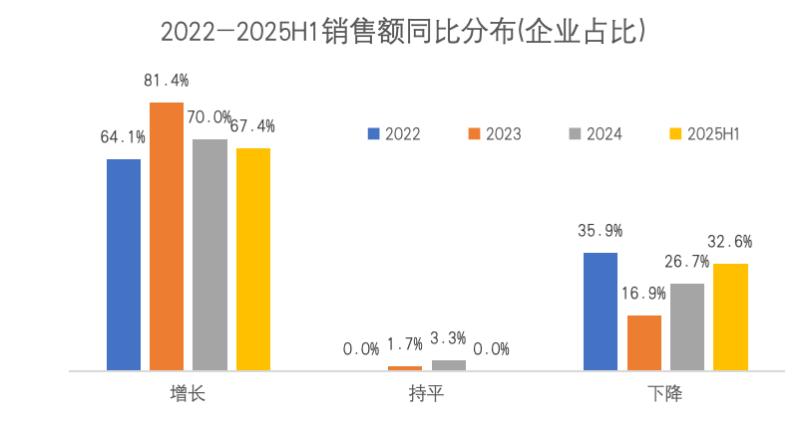
Core Insights - The convenience store industry is undergoing a significant transformation from scale expansion to value reconstruction, driven by changing consumer behaviors and competitive pressures [1][7]. Group 1: Market Growth and Competition - Convenience stores have become a vital growth segment in retail, with a 6% year-on-year increase in sales, outperforming other retail formats [1]. - The number of convenience stores continues to grow, with over 67.4% of surveyed companies reporting sales growth, and a net increase of 4,093 stores expected by mid-2025 [1][3]. - Major players like Meiyijia have rapidly expanded from over 30,000 to more than 40,000 stores in less than three years, achieving an annual sales figure of 558 billion yuan [3]. Group 2: Competitive Landscape - Local brands are aggressively expanding, with Tianfu and Furong Xingsheng also increasing their market presence [5]. - Foreign brands like 7-Eleven and Lawson are adapting by accelerating store openings and localizing their offerings, with 7-Eleven adding 733 stores in 2024 [5][6]. - New business models, such as instant retail platforms and snack discount stores, are increasingly diverting customers from traditional convenience stores [6][7]. Group 3: Evolution Strategies - Convenience stores are focusing on five key evolution directions to remain competitive: 1. **Product Differentiation**: Emphasizing fresh food and private label products to combat homogenization [10][14]. 2. **Instant Retail Integration**: Adopting instant retail as a standard offering, with a 60% year-on-year increase in instant retail orders [15][17]. 3. **Community Engagement**: Transforming stores into community hubs by offering additional services like package collection and entertainment [18]. 4. **Digital Transformation**: Implementing digital supply chain solutions to enhance operational efficiency and responsiveness [19][20]. 5. **Market Penetration**: Targeting lower-tier cities and exploring international expansion as new growth avenues [23][25]. Group 4: Future Outlook - The competition in the convenience store sector is evolving beyond mere location acquisition to encompass supply chain efficiency, product strength, digital capabilities, and customer experience [26].

繁荣之下暗流汹涌! 休闲零食难掩盈利之困力
Sou Hu Cai Jing· 2025-12-16 02:53
Core Viewpoint - The leisure snack industry is facing significant challenges, including declining gross margins and increasing pressure on net profit due to rising raw material costs and market competition [1][5]. Group 1: Financial Performance - Salted Fish's half-year report shows revenue of 2.941 billion yuan, a year-on-year increase of 19.58%, and a net profit of 373 million yuan, up 16.7%, but growth momentum is weakening compared to previous years [3]. - The gross margin for Salted Fish has decreased from 32.53% to 29.66%, marking a continuous decline over five years with a cumulative drop of over 12 percentage points [3]. - Other brands like Yummy and Three Squirrels also reported declines in gross margins, with Yummy's margin down 9.16% to 31.58% and Three Squirrels down 0.70 percentage points to 25.27% [4]. Group 2: Industry Challenges - The overall consumption capacity and willingness are declining, making the leisure snack industry, a non-essential category, face more severe challenges [5]. - The industry is expected to grow, with the market size projected to exceed 1.6 trillion yuan by 2025, maintaining an annual growth rate of about 6%-8% [5]. - Brands are advised to focus on upgrading supply chains and product innovation rather than relying on marketing for short-term performance [5]. Group 3: Raw Material Costs - Rising raw material costs are a direct pressure source, with some brands reporting cost increases of over 30% for key ingredients [6]. - For example, a brand's operating costs rose by 24.67% to 2.068 billion yuan due to increased prices of core raw materials [6]. - Many brands are struggling with the inability to control raw material procurement effectively, leading to increased costs and reduced profit margins [7]. Group 4: Channel Transformation - New emerging channels like snack wholesale stores and Douyin interest e-commerce are rapidly changing the growth path of traditional snack brands [8]. - Traditional channels are expected to shrink to 50% of market share by 2025, down from 80% in 2015, leading to significant revenue declines for brands reliant on these channels [8]. - Brands that adapt to new channels have seen success, with some reporting significant revenue growth through strategic partnerships [8]. Group 5: Scale vs. Profitability - Brands are expanding market scale through various strategies, but this often leads to increased costs without corresponding profit growth [10]. - Sales expenses are rising faster than revenue, with brands spending heavily on marketing to maintain competitive positions in new channels [11]. - The contradiction between scale and profitability is becoming more pronounced, necessitating a reevaluation of growth strategies and cost structures [11]. Group 6: Product Differentiation - Many brands rely on OEM models, leading to high product similarity and increased competition, which compresses profit margins [13]. - Some brands recognize the need for differentiation but face challenges in investing in R&D and production capabilities [14]. - Successful brands are investing in supply chain integration and product innovation to enhance competitiveness and profitability [15][16]. Group 7: Multi-Dimensional Strategies - Brands need to explore multiple dimensions for breakthroughs, including increasing R&D investment and innovating product offerings to meet consumer demands [17]. - There is a growing need for brands to adopt a user-centric approach, building emotional connections with consumers through storytelling and sustainable practices [18]. - The industry must achieve systematic breakthroughs in product strength, channel efficiency, and brand value to overcome current challenges [18].

香薰、盲盒与古法金:观夏、泡泡玛特、老铺黄金的"千亿情绪生意",是怎样炼成的?
新消费智库· 2025-12-15 15:49
Core Insights - The article discusses a significant shift in consumer behavior in China, moving from "tool-based consumption" to "toy-based consumption," where products are valued for their emotional and aesthetic significance rather than just functionality [2][4]. Group 1: Changes in Consumer Behavior - Consumers are increasingly willing to pay for products that offer emotional value, stories, and unique experiences rather than just functionality [4]. - The competition among brands has shifted from price and functionality to the lifestyle and values represented by the products [4][5]. Group 2: Psychological Drivers - Two major psychological drivers are identified: the pursuit of "instant gratification" and the feeling of "atomized existence" in urban life, leading to a desire for emotional connection through consumption [5][6]. - The fast-paced nature of modern life has reduced consumers' patience, making them favor products that provide immediate emotional satisfaction [6][8]. Group 3: Emotional Value Layers - The article outlines three layers of emotional value in consumption: 1. **"Little Happiness"**: Consumers pay for small, certain pleasures that provide immediate emotional relief [10][11]. 2. **Identity Construction**: Consumption becomes a means for individuals to define themselves and find belonging in a fragmented society [14][16]. 3. **Co-creation and Participation**: Consumers seek to engage in the creation of products and brand narratives, valuing their input and influence [25][30]. Group 4: Case Studies - **Case Study 1: Guansha**: This brand creates a "New Orientalism" aesthetic, allowing consumers to express cultural identity and taste through its products [17][18]. - **Case Study 2: Luckin Coffee**: The brand leverages limited edition collaborations to create social currency, allowing consumers to feel part of a trendy community [21][22]. Group 5: Strategies for Brands - Brands are encouraged to create "instant joy" through appealing designs, storytelling, and user empowerment [32]. - Engaging consumers as active participants in the brand narrative is essential for building loyalty and emotional connection [39][30].

果味化、奶茶化、功能化,啤酒行业增长虽稳但竞争已入深水区
Di Yi Cai Jing· 2025-12-15 12:34
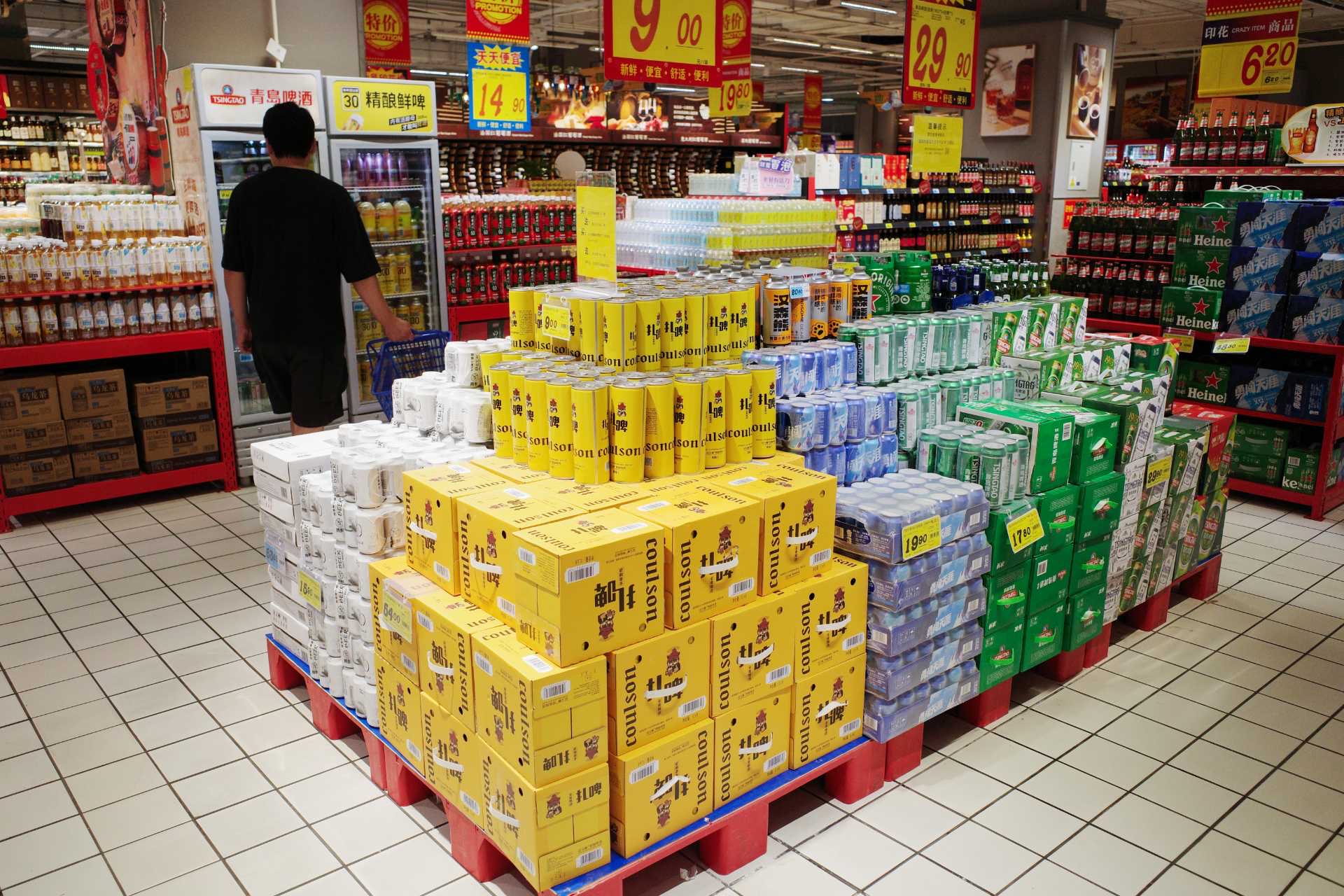
Core Insights - The beer industry is expected to maintain growth in 2025, driven by structural upgrades and flavor innovations, contrasting with the declining performance of the liquor and wine sectors [1][2] - High-end competition in the beer market is entering a new phase, focusing on quality and experience upgrades rather than just moving from low-end to high-end products [4] Industry Performance - From January to September, the beer sector is one of the few categories showing growth, while the domestic liquor and wine industries are experiencing declines in both production and sales [2] - The beer industry's revenue is projected to continue single-digit growth in 2025, with profits expected to grow in double digits [2] - Major brands like China Resources Beer, Tsingtao Brewery, and Yanjing Beer have reported revenue and net profit growth, primarily due to high-end product sales [3] Market Trends - The proportion of mid-to-high-end beer products has increased to over 40%, indicating a shift in consumer preferences towards premium offerings [2] - The entry of non-beer companies into the beer market is increasing, with various food and beverage firms announcing their foray into beer production, driven by the beer sector's growth amidst declines in other alcoholic beverages [3] Consumer Preferences - The younger generation (Z generation) is showing a higher participation rate in drinking, with 73% in 2025 compared to 66% in 2023, indicating a shift in drinking habits and preferences [6] - Young consumers prioritize taste, health, and aroma in their drinking choices, leading to a rise in low-alcohol, non-alcoholic, and functional beers [6] Innovation and New Products - The beer industry is witnessing rapid innovation in flavors, with fruit-flavored and tea-infused beers gaining popularity, reflecting a trend towards beverage-like characteristics [5] - The rise of instant retail channels is reshaping the beer market, allowing for quicker product development and consumer insights [7]

政治局会议强化扩内需,茅台批价短期调控,三只松鼠进军社区硬折扣业态
China Post Securities· 2025-12-15 10:57
Investment Rating - The industry investment rating is "Outperform" [2] Core Insights - The recent Politburo meeting emphasizes the importance of domestic demand, marking a shift towards a long-term strategy for high-quality development and countering external uncertainties. The focus is on "supply-demand coordinated reform" to create new demand through "new quality productivity" and to unleash consumption potential through a "unified market" and "livelihood guarantees" [5][15]. - Moutai's pricing strategy is being closely monitored, with recent adjustments indicating a short-term control of supply and a mid-term structural adjustment. The price of Moutai has recently increased by 100 yuan to 1600 yuan, reflecting market pressures and strategic responses [6][17]. - The "Three Squirrels" brand is transitioning from a snack brand to a community hard discount retail model, demonstrating strong competitiveness in areas with limited hard discount presence. The store emphasizes fresh and made-to-order products, with a strict discounting strategy to manage inventory effectively [7][19][20]. Industry Performance - The food and beverage sector index (801120.SL) experienced a decline of 1.63% this week, ranking 22nd among 30 primary industries, underperforming the CSI 300 index by 1.55 percentage points. The current dynamic PE ratio for the industry is 21.53 [8][28]. - All ten sub-sectors within the food and beverage industry reported declines, with the lowest drop in the dairy sector at -1.05%. Notably, 16 stocks in the sector saw gains, with the top performers being Yanjinpuzi (+5.11%) and Kuaijishan (+4.85%) [29][30].



食品饮料行业周报(2025.12.08-2025.12.14):政治局会议强化扩内需,茅台批价短期调控,三只松鼠进军社区硬折扣业态-20251215
China Post Securities· 2025-12-15 10:38
Investment Rating - The industry investment rating is "Outperform the Market" and is maintained [2] Core Insights - The recent Politburo meeting emphasizes the importance of domestic demand, marking a shift towards a long-term strategy for high-quality development through supply-demand coordination [5][15] - Moutai's pricing strategy is being adjusted to control supply and enhance channel profitability, with recent price increases observed [6][17] - Three Squirrels is transitioning from a snack brand to a community hard discount retail model, demonstrating strong competitiveness in underdeveloped markets [7][19] Industry Performance - The food and beverage sector index (801120.SL) experienced a decline of -1.63% this week, ranking 22nd among 30 sectors, underperforming the CSI 300 index by 1.55 percentage points [8][28] - All ten sub-sectors within the food and beverage industry reported declines, with the lowest drop in the dairy sector at -1.05% [29] Key Company Announcements - Moutai announced a cash dividend of 23.957 yuan per share, totaling approximately 30 billion yuan [37] - Wuliangye adjusted its ex-factory price to 900 yuan, aiming to alleviate channel pressure and stimulate sales [18] Important News - The Ministry of Commerce and other departments have issued differentiated financial support plans for five major consumption areas, including durable goods and service consumption [16] - Budweiser plans to acquire a majority stake in the US ready-to-drink beverage brand BeatBox for approximately 4.9 billion USD [39]
年终盘点|果味化、奶茶化、功能化,啤酒行业增长虽稳但竞争已入深水区
Di Yi Cai Jing· 2025-12-15 03:21
Core Insights - The beer industry is experiencing significant changes driven by self-consumption trends, with a shift towards high-end products and innovative flavors expected to continue into 2025 [1][4]. Industry Growth - The beer sector is one of the few categories maintaining growth amidst a broader adjustment in the alcoholic beverage market, with domestic production and sales of white and wine sectors declining [3]. - The China Beer Association forecasts a continued single-digit revenue growth for the beer industry in 2025, with profits expected to grow in double digits [3]. High-End Product Trends - The beer industry's rapid growth in recent years has been attributed to a shift towards high-end products, although overall growth rates have slowed this year due to various market pressures [4]. - The proportion of mid-to-high-end beer products has increased to over 40%, indicating a structural upgrade in product offerings [4]. New Market Entrants - The stable growth and high-end prospects of the beer market have attracted significant interest from outside capital, with various companies from different sectors, including liquor and food, entering the beer industry [4][5]. Flavor Innovation - The high-end phase of beer is evolving into a quality and experience upgrade, with innovative flavors such as fruit and tea-infused beers gaining popularity [6]. - The emergence of fruit-flavored beers has positioned them among the top three categories outside traditional beer, appealing to younger consumers [6]. Changing Consumer Preferences - The Z generation's participation in drinking is increasing, with beer and wine being their top choices, driven by emotional value and a focus on taste, health, and aroma [7]. - There is a notable rise in low-alcohol, non-alcoholic, low-sugar, and functional beers, reflecting changing consumer demands [7]. Retail Channel Evolution - The rise of instant retail channels is reshaping the beer industry, with significant growth in online sales, particularly through platforms like Meituan, which reported a 100% year-on-year increase in alcohol sales [8]. - Major domestic beer companies are accelerating partnerships with new retail channels to better understand consumer needs and enhance product development [8].


2025年零食行业消费趋势洞察
Sou Hu Cai Jing· 2025-12-14 09:25
Core Insights - The Chinese snack market is undergoing a significant transformation, shifting from traditional consumption focused on satiety to a new era driven by health, personalization, and emotional value [1][7] - Young consumers, making up over 70% of the market, exhibit a dual focus on "rational health" and "stress relief," indicating a complex consumer behavior that emphasizes snacks as emotional and social facilitators [1][7] Consumer Trends - Key factors influencing snack selection include taste, ingredient quality, and consumption context, with rising interest in low-sugar, low-fat, low-calorie, high-protein, and clean-label products [2][7] - Diverse consumption scenarios have emerged, extending from casual snacking to specific contexts like late-night binge-watching, outdoor camping, and travel gifts, highlighting snacks as solutions for various life moments [2][7] - The demand for snacks designed to alleviate stress and anxiety has surged, with related social media content experiencing significant growth [2][7] Regional and Social Dynamics - Local specialty snacks are revitalizing through cultural recognition and national trends, leveraging traditional craftsmanship and regional flavors, amplified by social media [3][7] - The "social currency" aspect of snacks is increasingly important, with consumers actively engaging in creative consumption methods, DIY snacks, and sharing experiences, transforming consumption into a social activity [3][7] Marketing Strategies - Xiaohongshu (Little Red Book) has emerged as the primary platform for snack brand marketing, showing significant year-on-year growth in commercial posts and user engagement around health and clean ingredients [4][7] - In contrast, Douyin (TikTok) has seen a contraction in snack marketing, focusing more on narrative-driven content and price-oriented promotions, indicating a differentiated marketing ecosystem [4][7] Competitive Landscape - Competition among snack categories is intensifying, with mixed nuts remaining a key focus despite a decline in overall social media engagement, while meat snacks and baked goods are experiencing stable growth [5][7] - Brands that can identify niche demands and create standout products are gaining market traction, exemplified by companies like Wang Xiaolu and Hema, which have successfully launched innovative products [5][7] - The current snack market is characterized by a shift towards consumer-driven, emotional, and social values, necessitating brands to enhance product quality and understand consumer emotional needs [5][7]
三只松鼠:公司具体业务情况请关注公司公告、官网、官微上发布的动态信息
Zheng Quan Ri Bao· 2025-12-12 13:19
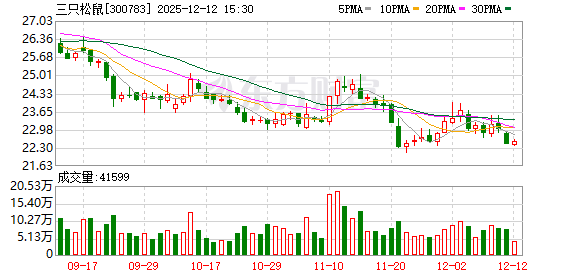
Group 1 - The company, Three Squirrels, responded to investor inquiries on December 12, indicating that specific business conditions should be monitored through official announcements, the company website, and social media updates [2]
2025年度京东金榜在沪揭晓
Zhong Guo Jing Ji Wang· 2025-12-11 06:20
Group 1 - The core event was the JD Gold List Annual Ceremony held on December 9, where awards for "Quality Gold Award," "New Product Gold Award," and "PLUS Member Selection Gold Award" were announced for the year 2025 [1] - Over 140 brands, including Midea, ASUS, Aiyin, Xiaomi, Huawei, and Three Squirrels, received annual gold awards [1] - It is projected that approximately 1 billion people will place orders for products listed on the JD Gold List in 2025, with sales growth rates for listed products being 12 times higher than ordinary products and a repurchase rate that is double [1] Group 2 - According to the iResearch report titled "2025 E-commerce List Value and Impact Insight," JD Gold List leads the industry in consumer awareness, user experience, and purchase satisfaction, with over 80% of users believing it helps find high-quality, well-serviced, and safer products [1] - More than 70% of users expressed high satisfaction with the products recommended by the Gold List [1] - This year, JD Gold List introduced a new "Quality Gold List," collaborating with JD's home appliance and supermarket quality laboratories to enforce stricter standards for product quality [1] Group 3 - JD Gold List aims to enhance consumer shopping experiences and create new growth paths for brands [1]
