默沙东

Search documents
新药周观点:创新药4月进院数据更新,多个新纳入医保创新药快速进院-20250615
Guotou Securities· 2025-06-15 09:02
Investment Rating - The report maintains an investment rating of "Outperform-A" for the biopharmaceutical sector [6]. Core Insights - The biopharmaceutical sector is experiencing rapid growth, particularly with the inclusion of several innovative drugs into the national medical insurance directory, leading to increased hospital admissions [2][19]. - Notable increases in hospital admissions for specific drugs have been observed, such as the rapid uptake of drugs like Budesonide enteric-coated capsules and monoclonal antibodies from Kangfang Biotech [2][19]. - The report highlights significant clinical approvals and applications for new drugs, indicating a robust pipeline and ongoing innovation within the industry [3][4][23]. Summary by Sections 1. Weekly New Drug Market Review - From June 9 to June 13, 2025, the top five companies in the new drug sector by stock price increase were Beihai Kangcheng-B (up 118.12%), Oconview Biotech-B (up 28.59%), Junshengtai Pharmaceutical-B (up 23.75%), WuXi AppTec-B (up 23.63%), and Gilead Sciences-B (up 23.40%) [1][13]. - The top five companies with stock price declines included Sangamo Therapeutics (-7.41%), Nossland (-7.14%), Yiming Oncology-B (-6.10%), Hualing Pharmaceutical-B (-4.38%), and Yongtai Biotech-B (-3.48%) [1][13]. 2. Key Industry Analysis - The National Healthcare Security Administration updated the hospital admission data for innovative drugs included in the medical insurance directory as of April 2025, showing rapid hospital admissions for several newly included domestic innovative drugs [2][19]. - The drugs with the fastest growth in hospital admissions compared to March 2025 include Budesonide enteric-coated capsules, Kangfang Biotech's monoclonal antibodies, and others [2][19]. 3. New Drug Application Approvals & Acceptances - Two new drug or new indication applications were approved this week, including the inhalation solution of Revinase and the injection of Pembrolizumab [23][24]. - Nine new drug applications were accepted, including Bevacizumab intravitreal injection and various insulin formulations [23][24]. 4. New Drug Clinical Application Approvals & Acceptances - A total of 45 new drug clinical applications were approved this week, with six new drug clinical applications accepted [4]. 5. Domestic Market Key Events TOP3 - Lepu Biotech's new drug MRG007 was approved for clinical trials, targeting locally advanced or metastatic solid tumors [5]. - Nocera Biotech presented multiple drug research data at the European Hematology Association annual meeting, showing significant efficacy in treating various blood diseases [5][9]. 6. Overseas Market Key Events TOP3 - Bristol-Myers Squibb announced positive results for Deucravacitinib in a Phase III trial for psoriatic arthritis, significantly improving patient symptoms [10]. - Nuvation Bio's Ibtrozi received FDA approval for treating ROS1-positive non-small cell lung cancer, demonstrating high response rates and good tolerability [10]. - Merck's enlictide decanoate showed positive results in two Phase III trials, potentially becoming the first oral PCSK9 inhibitor approved in the U.S. [10].
创新药火爆背后的增量叙事
Zhong Guo Jing Ying Bao· 2025-06-13 19:11
Core Viewpoint - The innovative drug sector in China has shown strong performance in 2025, with significant increases in stock prices and business development (BD) activities, indicating a robust market recovery and growth potential [3][4]. Group 1: Market Performance - The innovative drug sector (BK1106) has seen a cumulative increase of 33.01% from the beginning of 2025, with the Hang Seng Innovative Drug ETF (159316) and the Hong Kong Stock Connect Pharmaceutical ETF (513200) rising by 41.05% and 55.26%, respectively [3]. - The surge in the market is attributed to the recovery from previous declines, with many Hong Kong companies experiencing drops of up to 90% since 2021, suggesting that further growth is possible as new BD transactions emerge [3]. Group 2: Business Development Transactions - In the first five months of 2025, the total amount of license-out transactions by domestic innovative drug companies reached $45.5 billion, surpassing the total for the first half of 2024 [4]. - The upfront payment for license-out agreements has seen a significant increase, with a total of $2.329 billion in upfront payments recorded, marking a year-on-year growth of 329% [4]. Group 3: Notable Transactions - In March 2025, Merck Sharp & Dohme (MSD) paid $200 million for exclusive rights to develop, produce, and commercialize HRS-5346, a drug in development by Heng Rui Medicine, outside of Greater China, with potential milestone payments reaching $1.77 billion [5]. - Heng Rui Medicine has successfully completed 14 innovative drug licensing agreements, with nine occurring in the last three years, reflecting a trend of increasing transaction values [5][6]. Group 4: Internationalization Strategies - Heng Rui Medicine emphasizes internationalization as a long-term strategy, leveraging partnerships to accelerate the conversion of research results and expand market coverage [6]. - Yifan Medicine has adopted a "self-export" strategy, allowing it to control the entire value chain from research to market sales, enhancing its global competitiveness [7]. Group 5: Market Potential and Challenges - The U.S. market is identified as a primary target for innovative drugs, with a projected size of approximately $643 billion by 2024, where innovative drugs contribute significantly to sales despite representing a smaller portion of prescriptions [8]. - Yifan Medicine faced challenges in its self-export journey, including clinical trial complexities and supply chain issues, but views this path as essential for sustainable development and higher value [10].



国产九价HPV疫苗来了 智飞生物“先降为敬”
经济观察报· 2025-06-13 13:48
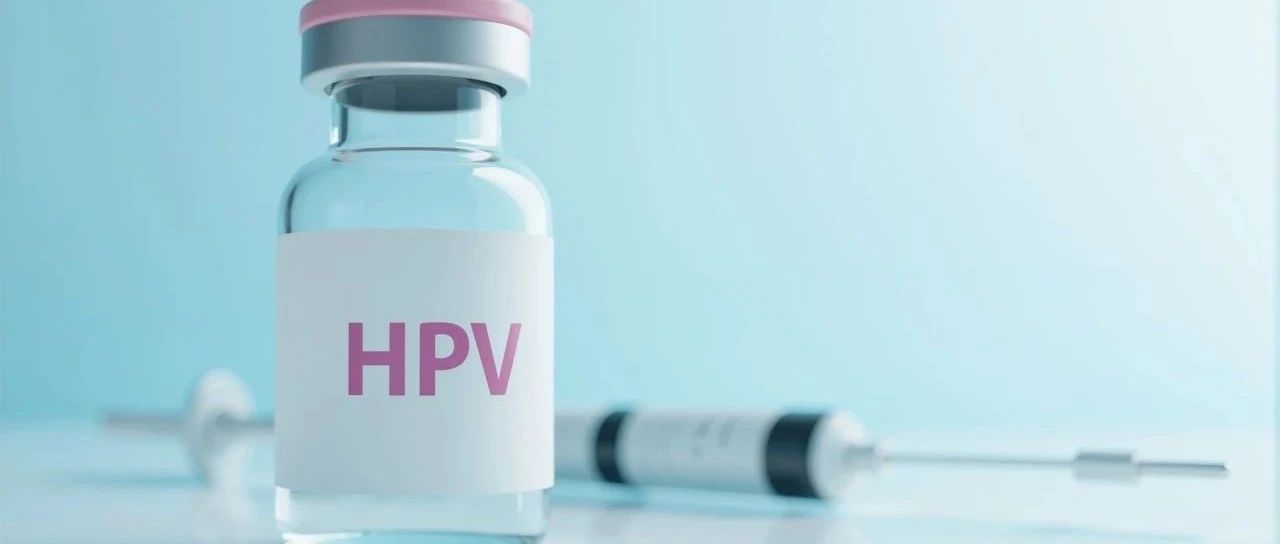
Core Viewpoint - The article discusses the challenges faced by Zhifei Biological, particularly in the sales of the nine-valent HPV vaccine, amid increasing competition and declining performance metrics [1][4][8]. Group 1: Sales and Market Challenges - Zhifei Biological has experienced severe sales difficulties with the nine-valent HPV vaccine, leading to significant inventory issues and delayed payments, resulting in a drastic decline in performance over the past year [1][4]. - The company reported a revenue of 26 billion yuan in 2025, a 50% decrease year-on-year, and a net profit of 2 billion yuan, down 75% from the previous year [8]. - The introduction of a competing nine-valent HPV vaccine by Wantai Biological has intensified market competition, prompting Zhifei to initiate promotional activities to boost sales [3][29]. Group 2: Inventory and Financial Management - As of the first quarter of 2025, Zhifei's accounts receivable decreased from 16.3 billion yuan to 14.6 billion yuan, indicating ongoing efforts to manage financial pressures [14]. - The company is focusing on "de-stocking, collecting payments, and reducing liabilities" as core strategies to mitigate operational risks [12]. - Inventory issues are compounded by a significant amount of unsold products, with a large portion being imported vaccines, leading to increased financial strain [17][18]. Group 3: Strategic Responses - Zhifei Biological has outlined three main strategies to address market challenges: enhancing communication with partners, adjusting promotional policies, and strengthening risk control measures [10][11]. - The company has initiated a large-scale promotional campaign, including free vaccination offers, to stimulate demand and improve vaccination rates [2][5]. - Despite these efforts, there are concerns about the effectiveness of their promotional strategies, particularly in reaching target demographics and adapting to market needs [20][21]. Group 4: Competitive Landscape - The competitive landscape is shifting, with Wantai Biological's entry into the market expected to create additional pressure on Zhifei, which has already been struggling with sales [26][30]. - Experts suggest that the market for the nine-valent HPV vaccine may face challenges due to a saturated customer base, as many potential recipients have already completed their vaccinations [30][31]. - The pricing strategy of Wantai Biological is anticipated to be significantly lower than that of imported vaccines, potentially affecting Zhifei's market share [27][32].


国产九价HPV疫苗来了 智飞生物“先降为敬”
Jing Ji Guan Cha Wang· 2025-06-13 12:06
Core Viewpoint - The article discusses the challenges faced by Zhifei Biological Products Co., Ltd. (智飞生物) in the HPV vaccine market, particularly in light of competition from Wantai Biological Pharmacy Enterprise Co., Ltd. (万泰生物) and the company's efforts to address inventory and financial issues through promotional activities and government collaboration [2][3][11]. Group 1: Company Performance - Zhifei Biological reported a significant decline in performance, with revenue dropping to 26 billion yuan, a 50% decrease year-on-year, and net profit falling to 2 billion yuan, a 75% decline [3]. - The company has experienced three consecutive quarters of losses, with the scale of accounts receivable decreasing from 16.3 billion yuan at the beginning of the year to 14.6 billion yuan by the end of Q1 2025 [7]. - The market value of Zhifei Biological has plummeted from a peak of 360 billion yuan to below 50 billion yuan, reflecting a substantial loss in the founder's wealth [3]. Group 2: Market Strategy - In response to market challenges, Zhifei Biological has initiated a "free one shot" promotional campaign for the nine-valent HPV vaccine, aiming to boost vaccination rates and reduce inventory [1][4]. - The company has identified two main factors affecting its performance: economic changes impacting public vaccination willingness and misjudgments regarding market conditions and new business opportunities [3]. - The company plans to strengthen communication with partners, adjust promotional policies, and enhance risk control measures to recover from financial difficulties [4][5]. Group 3: Competitive Landscape - The entry of Wantai Biological's nine-valent HPV vaccine poses a direct challenge to Zhifei Biological, which has been preparing for this competition by increasing promotional efforts [2][11]. - The pricing strategy for the new domestic vaccine is expected to be significantly lower than imported options, potentially ranging from 700 to 800 yuan [11]. - Despite promotional efforts, there are concerns about the overall market demand for HPV vaccines, as many potential recipients have already completed their vaccinations [12][13].
四川科伦药业股份有限公司
Shang Hai Zheng Quan Bao· 2025-06-11 21:25
Core Viewpoint - Sichuan Kelun Pharmaceutical Co., Ltd. announced that its subsidiary, Sichuan Kelun Botai Biopharmaceutical Co., Ltd., received breakthrough therapy designation from the National Medical Products Administration (NMPA) for its TROP2 ADC product, sac-TMT, in combination with PD-L1 monoclonal antibody, Tagolizumab, for the first-line treatment of locally advanced or metastatic non-squamous non-small cell lung cancer (NSCLC) without driver gene mutations [2][3]. Group 1: Product and Clinical Development - Sac-TMT is a novel TROP2 ADC developed by Kelun Botai, targeting advanced solid tumors such as NSCLC, breast cancer (BC), gastric cancer (GC), and gynecological tumors [3][5]. - The drug utilizes a new linker and has a drug-antibody ratio (DAR) of 7.4, employing a topoisomerase I inhibitor as an effective payload to induce DNA damage in tumor cells [3][5]. - Sac-TMT has previously received four other breakthrough therapy designations for various indications, including triple-negative breast cancer (TNBC) and EGFR mutation-positive NSCLC [3][4]. Group 2: Regulatory and Market Position - Sac-TMT is the first domestically developed ADC with global intellectual property rights and the first TROP2 ADC approved for lung cancer indications globally [5]. - The drug has already been approved for two indications in China, including treatment for advanced TNBC and EGFR mutation-positive NSCLC after prior treatment [4][5]. - Kelun Botai has initiated eight registration clinical studies in China, while Merck has started 14 ongoing global Phase III clinical studies for sac-TMT in various cancer types [5]. Group 3: Collaborations and Partnerships - In May 2022, Kelun Botai granted Merck exclusive rights to develop, use, manufacture, and commercialize sac-TMT outside Greater China [4]. - Tagolizumab, the PD-L1 monoclonal antibody used in combination with sac-TMT, is the first approved PD-L1 antibody for first-line treatment of nasopharyngeal carcinoma in China [6].

科伦博泰今年累计大涨110%,核心肺癌药物获突破性疗法认定
Zheng Quan Shi Bao Wang· 2025-06-11 14:07
Group 1 - Core product Lukanasatuzumab (SAC-TMT) received breakthrough therapy designation from China's National Medical Products Administration (NMPA) for treating locally advanced or metastatic non-squamous non-small cell lung cancer without driver gene mutations [1] - This is the fifth breakthrough therapy designation for Lukanasatuzumab, which is an innovative antibody-drug conjugate (ADC) targeting advanced solid tumors such as non-small cell lung cancer, breast cancer, gastric cancer, and gynecological tumors [1][2] - Lukanasatuzumab has two approved indications in China, including treatment for unresectable locally advanced or metastatic triple-negative breast cancer (TNBC) and EGFR mutation-positive non-small cell lung cancer after platinum-based chemotherapy [2] Group 2 - The company plans to place 5.918 million H-shares at a price of HKD 331.8 per share, raising approximately HKD 1.943 billion, marking the largest new share placement in the Hong Kong biopharmaceutical sector this year [3] - Proceeds from the placement will be used for product research and development, clinical trials, regulatory filings, manufacturing, and commercialization, aiming to enhance R&D capabilities and expand the product pipeline [3] - The company has seen a cumulative stock price increase of 110.04% this year, reflecting strong market interest in innovative drug concepts [3]
弘则医药- 为什么我们认为创新药还没有见顶
2025-06-10 15:26
Summary of Conference Call on Innovative Pharmaceuticals Industry Overview - The conference call focuses on the innovative pharmaceuticals industry, particularly in the context of clinical data, pricing policies, and market dynamics in China and the U.S. [1][2][3] Key Points and Arguments 1. **Clinical Data Certainty**: There is an increase in certainty regarding clinical data for new products in oncology, but poor results from key clinical trials could negatively impact the innovative drug market and trading strategies [1][2] 2. **Biosimilar Procurement Policy Risks**: The implementation of biosimilar procurement policies poses risks, particularly if price controls are strict. However, experts believe that the difficulty of implementation in 2025 may lead to better-than-expected pricing [1][2] 3. **Commercial Insurance Directory Progress**: Slow progress in the commercial insurance directory could lead to market skepticism regarding its implementation, affecting company valuations if no clear advancements are made by mid-year [1][2] 4. **Eleventh Batch of Procurement Policies**: The upcoming eleventh batch of procurement policies is expected to be optimized, with a lower probability of stricter measures, alleviating market concerns [1][2] 5. **Impact of U.S. Healthcare Policies**: The U.S. healthcare fund usage regulation bill may affect disease recognition for patients, leading to differentiation among innovative drugs, favoring orphan drugs while negatively impacting others [1][3] 6. **PBM Responsibility Reform**: The reform of Pharmacy Benefit Managers (PBM) could lead to a decrease in overall drug prices in the U.S., benefiting the export of innovative drugs, although the exact impact remains uncertain [1][5] 7. **Potential Catalysts for Market Growth**: Anticipated catalysts for the innovative drug market include large-scale business development (BD) transactions, important conference data releases, and better-than-expected mid-year reports from leading pharmaceutical companies [1][15] Additional Important Insights 1. **Valuation of BeiGene**: BeiGene's valuation is primarily based on its product pipeline post-phase II clinical trials, with core products expected to generate peak sales between $9 billion and $11 billion, leading to an overall valuation of approximately $30 billion [1][9] 2. **Market Performance of PBM Companies**: In 2025, most PBM companies have shown good stock performance, while UnitedHealth has struggled due to internal issues [1][6] 3. **Bubble Phenomenon in Innovative Drugs**: There is a concern about bubble-like conditions in the innovative drug sector, particularly for companies with overly optimistic single-product expectations [1][8] 4. **China's Position in Global Oncology**: Chinese companies have transitioned from followers to leaders in the oncology treatment field, with many mainstream clinical products being developed domestically [1][13] 5. **Comparison of Market Valuations**: The higher valuation of Hong Kong stocks compared to U.S. stocks can be attributed to asset scarcity and differing market stages, with Hong Kong currently experiencing strong BD expectations [1][18] Conclusion The innovative pharmaceuticals industry is navigating a complex landscape of clinical data, regulatory changes, and market dynamics. Key players like BeiGene and Heng Rui are positioned for potential growth, while external factors such as U.S. healthcare policies and market sentiment will continue to shape the industry's trajectory.
中泰国际:予翰森制药(03692)“增持”评级 目标价升至29.3港元
智通财经网· 2025-06-10 01:35
Group 1 - The core viewpoint of the report is that Zhongtai International has upgraded the rating of Hansoh Pharmaceutical (03692) to "Buy" and raised the target price to HKD 29.30, reflecting positive sales contributions from overseas markets [1] - The sales revenue forecasts for 2025-2027 have been adjusted upward by 0.2%-0.6%, while total revenue forecasts have been increased by 1.2%-3.7%, and net profit forecasts for shareholders have been raised by 1.3%-4.9% [1] - The company has successfully entered into an overseas licensing agreement with Regeneron Pharmaceuticals (REGN.US), which includes an upfront payment of USD 80 million and potential milestone payments of up to USD 1.93 billion [1] Group 2 - The core product Amelot in the oncology sector has received approval in the UK, indicating the company's strong R&D capabilities [2] - Amelot is approved for use as a first-line treatment for adults with locally advanced or metastatic non-small cell lung cancer (NSCLC) with activating EGFR mutations, as well as for patients with EGFRT790M mutation-positive NSCLC [2] - The approval in the UK is seen as a solid foundation for further market entry in the EU, despite cautious short-term sales predictions due to competition from AstraZeneca's drug [2]

晚报 | 6月10日主题前瞻
Xuan Gu Bao· 2025-06-09 14:36
Group 1: Artificial Intelligence - The 2025 Volcano Engine FORCE Conference will be held on June 11-12, focusing on AI applications, including the commercial acceleration of the Doubao large model and upgrades to AI cloud-native architecture [1] - Doubao is currently processing trillions of tokens daily, covering over 50 internal real business scenarios and collaborating deeply with more than 30 external companies [1] - The conference is expected to showcase a series of AI application products and introduce AI agent paradigms for industry-specific applications, particularly in finance, automotive, and education [1] Group 2: HPV Vaccination - The Chinese HPV vaccine market has grown rapidly, from 940 million yuan in 2017 to 13.56 billion yuan in 2020, with a compound annual growth rate (CAGR) of 143.43% [2] - Merck holds a 90% market share in the HPV vaccine sector, with the female vaccination rate at 3.61% in 2020 and a future target of 60%-80% [2] - The global HPV vaccine market is projected to reach 16.8 billion USD by 2031, with a CAGR of 20.04% from 2020 to 2025 [2] Group 3: Elderly Care Robots - The Ministry of Industry and Information Technology and the Ministry of Civil Affairs are launching pilot projects for intelligent elderly care service robots to meet diverse elderly care needs [3] - By 2024, the population aged 60 and above in China is expected to reach 22%, highlighting the urgent need for elderly care solutions [3] - The smart elderly care market in China is projected to reach 7.21 trillion yuan by 2025 and exceed 12 trillion yuan by 2030, with significant contributions from elderly care robots and smart wearable devices [3] Group 4: Photonic Chips - China's first photonic chip pilot line has successfully produced its first 6-inch thin-film lithium niobate photonic chip wafer, with high-performance modulators also entering mass production [4] - The development of photonic chips is seen as a key opportunity for China to break through technological barriers in the chip sector [4] - The global photonic computing market is expected to exceed 120 billion yuan by 2025, with a CAGR of 35%-40%, and the photonic chip market is anticipated to surpass 300 billion yuan by 2030 [4] Group 5: Macro and Industry News - The Chinese government is focusing on improving the efficiency of technology transfer to promote innovation [5] - Policies are being implemented to ensure equal rights for agricultural migrants and improve basic medical insurance [5] - The construction waste recycling rate in major cities is targeted to exceed 50% by 2027 [5] Group 6: Market Performance - In May, domestic retail sales of new energy passenger vehicles reached 1.021 million units, a year-on-year increase of 28.2% [6] - From January to May, domestic excavator sales totaled 57,501 units, reflecting a year-on-year growth of 25.7% [7]
生物医药企业集体大涨,中国生物药原创时代来了吗?
Di Yi Cai Jing· 2025-06-09 06:53
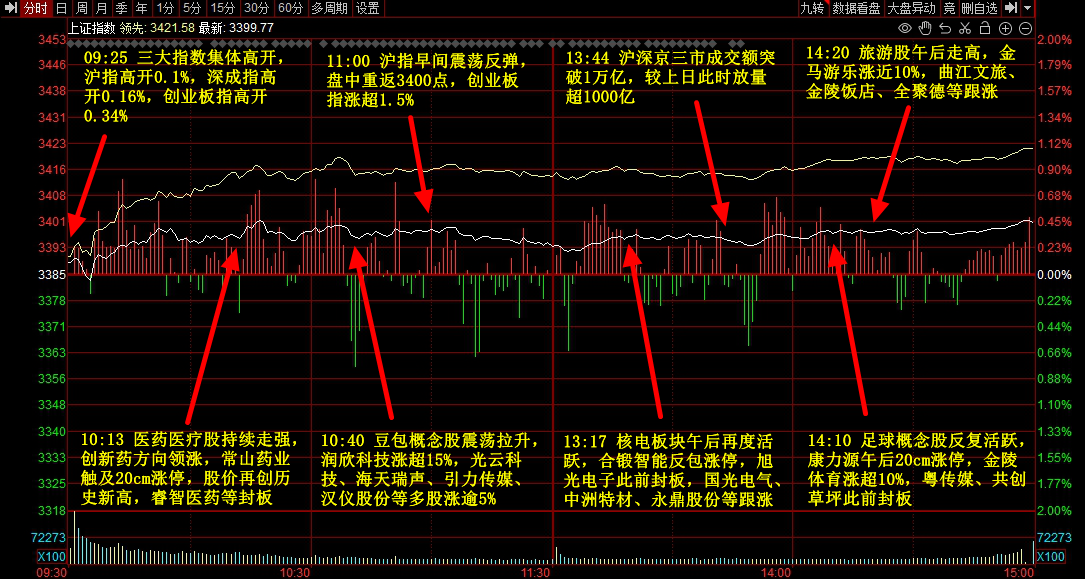
Core Viewpoint - The innovation speed and cost-effectiveness of Chinese biopharmaceutical companies have surpassed that of American companies, leading to a surge in stock prices for several Chinese biopharma firms [1][2]. Group 1: Market Performance - On June 9, 2023, Chinese biopharmaceutical companies saw a collective stock price increase, with Kelun-Botai (6990.HK) rising nearly 6% to a market cap exceeding HKD 80 billion, BeiGene (688235.SH) up over 8%, and Junshi Biosciences (688180.SH) up over 5% [1]. - The optimism surrounding original drug licensing contributed to the stock price increases, particularly following data presentations from Chinese companies at the recent ASCO annual meeting [1]. Group 2: International Interest - In recent months, American and European pharmaceutical companies have invested billions in acquiring Chinese-developed drugs, yielding returns for these companies [2]. - During the ASCO conference, BioNTech's resale of a tumor dual-antibody drug acquired from China's Pumice Biotech for over USD 10 billion to Bristol-Myers Squibb (BMS) highlighted the market's excitement [2]. - BMS is betting on a dual-antibody drug targeting PD-L1 and VEGF for treating various solid tumors, which shows potential to replace Merck's leading cancer drug, Keytruda [2]. Group 3: Competitive Landscape - The valuation of Chinese innovative drugs is considered reasonable by multinational companies, as they seek products with patent protection for lifecycle management [4]. - China has surpassed the U.S. in the number of clinical trials and has seen a significant increase in patent filings, attracting multinational pharmaceutical companies [4]. - AstraZeneca announced a USD 2.5 billion investment to establish a research center in Beijing, reflecting the growing interest in China's biopharmaceutical sector [4]. Group 4: Innovation and Development - Chinese biopharmaceutical companies have made rapid advancements in innovation over the past decade, although they still have a long way to go in achieving "original innovation" [4]. - The PD-L1/VEGF dual-antibody drug represents a significant innovation compared to traditional combination therapies, offering easier administration and potential cost reductions [4]. - Local companies like Kelun-Botai and InnoCare Pharma are actively investing in the development of antibody-drug conjugates (ADCs) in the competitive oncology market [4]. Group 5: Clinical Achievements - On June 6, 2023, Kelun-Botai's ADC drug, SKB264, received approval from the National Medical Products Administration (NMPA) and became the first TROP2 ADC drug approved for lung cancer indications globally [5]. - InnoCare Pharma presented data at ASCO indicating that its HER3-targeting ADC drug has potential comparable to Kelun-Botai's SKB264 for treating EGFR-resistant non-small cell lung cancer [5].