特步国际

Search documents
隐秘尾盘:下半场的另一个战场
3 6 Ke· 2025-11-18 09:08
Core Insights - The article discusses the challenges brands face with inventory management post-promotional events, highlighting the pressure to clear stock without damaging brand value or pricing integrity [1][3][4] - A new approach called "Special Sale" has emerged, allowing brands to sell inventory without affecting flagship store prices while driving sales through private channels [1][9][10] Inventory Management Challenges - Inventory pressure is a long-term issue for most brands, exacerbated by the rapid pace of e-commerce and mismatched supply chain rhythms [3][4] - Traditional clearance methods often lead to a disconnect between brands and consumers, making it difficult to maintain customer relationships during inventory liquidation [5][14] Special Sale Approach - The "Special Sale" model allows brands to efficiently clear inventory while maintaining price integrity and customer engagement [10][12] - This method focuses on a limited number of key products, enabling quick sales and minimizing the risk of price erosion in public channels [11][13] Benefits of Special Sale - Brands using the "Special Sale" model have reported significant sales success, with some achieving over one million in sales within hours without impacting flagship pricing [9][15] - The approach helps brands convert new customers during clearance events, integrating them into the brand's ecosystem for future marketing efforts [15][17] Future of E-commerce - The evolving e-commerce landscape necessitates brands to adapt their inventory management strategies, making clearance a critical aspect of ongoing operations rather than a one-time event [20][24] - The "Special Sale" model represents a shift towards a more integrated and efficient approach to inventory management, emphasizing the importance of maintaining customer relationships and brand integrity [21][23]



中泰证券:家纺大单品驱动增长 低基数下服装行业缓慢复苏
智通财经网· 2025-11-18 06:43
Core Insights - The sportswear industry is experiencing significant demand differentiation due to a warm autumn and weak consumer spending, with running and outdoor categories maintaining high demand, and online channels outperforming offline ones [1][2] - The home textile industry shows a moderate recovery, with leading companies achieving growth through a big product strategy, particularly highlighted by Mercury Home Textile's successful launches of innovative products [1][3] - The apparel industry is slowly recovering from a low base, with men's wear remaining stable but under profit pressure, while women's wear shows signs of recovery, emphasizing the importance of cost optimization [1][4] Sportswear Industry - Demand differentiation is evident, with running and outdoor categories maintaining high demand, while online sales channels outperform offline [2] - Anta Sports shows low single-digit growth in main brand revenue, while other brands within its portfolio achieve 45-50% growth, effectively mitigating market pressures [2] - Li Ning's inventory turnover is at 5-6 months, with expectations for improvement by year-end [2] - Xtep International's main brand revenue shows low single-digit growth, but its sub-brand Saucony performs well with over 20% growth [2] - 361 Degrees reports 10% and 20% year-on-year growth in offline and e-commerce sales, respectively, and expands its superstore count to 93 [2] Home Textile Industry - The overall recovery is moderate, but leading companies leverage big product strategies for superior growth [3] - Mercury Home Textile's Q3 revenue growth accelerates by 20.19%, driven by innovative products like the "ice cream quilt" and "ergonomic pillow," which also boost gross margin by 4.2 percentage points to 44.74% [3] - Luolai Life benefits similarly, with a 9.90% year-on-year revenue increase and a gross margin improvement of 3.8 percentage points to 48.05% [3] - Mercury Home Textile and Luolai Life see significant increases in net profit attributable to shareholders, up 43.18% and 50.14%, respectively [3] - Fuanna is in a phase of channel adjustment and inventory reduction, with a 7.58% year-on-year revenue decline, but plans to launch new products in early 2026 [3] Apparel Industry - The apparel sector is slowly recovering from a low base, with men's wear stable but facing profit pressures [4] - Haier's revenue and profit show slight growth, supported by new business and overseas expansion [4] - Women's wear shows signs of recovery, with cost optimization being crucial [4] - Dizhu Fashion reports double-digit profit recovery in Q3, while other brands like Ge Li Si and Xin He show varying performance with expectations for improvement [4] - Semir sees revenue and profit growth in Q3, while Taiping Bird experiences a loss due to channel and cost structure adjustments [4] Investment Recommendations - For sportswear, focus on leading companies that can maintain market share in a competitive environment, such as Anta Sports, Li Ning, Xtep International, and 361 Degrees [5][6] - In the home textile sector, prioritize companies like Mercury Home Textile and Luolai Life that show significant growth potential through big product strategies and improved e-commerce efficiency [5] - In the apparel sector, consider brands like Haier and Semir that are managing to improve profitability and expand their market presence [6]

2026年纺织服装行业投资策略:整固蓄势,挖掘新消费,看好全球制造
Shenwan Hongyuan Securities· 2025-11-18 01:48
Investment Strategy Overview - The report emphasizes the stabilization of global tariff negotiations, which does not alter the core competitiveness of global manufacturing, and highlights optimism towards two major industrial chains and a price increase cycle [3][4]. Industry Performance Review - As of November 14, 2025, the SW textile and apparel index has increased by 16.9%, ranking 17th in relative performance across the market. The manufacturing sector shows higher certainty compared to brands still in recovery [4][8]. - Domestic demand is at a low point in 2025 but is expected to recover in 2026-2027, focusing on the characteristics of young consumer groups to explore high-growth areas in new consumption [4][21]. New Consumption Trends - High-performance outdoor apparel is identified as a growth area with low penetration and high potential, with the market size projected to reach 102.7 billion yuan in 2024, growing by 17% year-on-year [4][33]. - Discount retail is highlighted as a scarce high-growth area within the consumption sector, with rapid expansion in urban outlets and hard discount specialty stores [4][46]. - The personal care and cleaning market, particularly wet wipes, is noted for its rapid growth and increasing necessity among young consumers, with a market size in China expected to reach 100 billion yuan [4][62]. - The sleep economy is emerging as a significant market, with explosive growth in household textile products, driven by young consumers' acceptance [4][20]. - The report discusses Nike's innovation cycle, which is expected to benefit from inventory replenishment and product innovation, similar to Adidas's recovery cycle [4][20]. - The Australian wool price increase cycle is anticipated due to supply contraction and demand highlights, with potential market space comparable to previous high points in 2011 and 2018 [4][20]. - The healthcare material upgrade cycle presents broad replacement opportunities for overseas non-woven fabrics [4][20]. Global Manufacturing Insights - The report notes that the resolution of tariff variables is expected to lead to a new growth phase for leading companies [4][27]. - The textile industry has undergone a pressure test for external demand, with recent tariff negotiations expected to boost export chain expectations for 2026 [4][26]. Investment Recommendations - The report suggests focusing on high-growth new consumption areas and the competitive strength of global manufacturing as key investment strategies [4][27].




纺织服装行业2025年三季报总结:品牌复苏方向明确,制造端关注订单修复
Shenwan Hongyuan Securities· 2025-11-17 07:15
Investment Rating - The report maintains a positive outlook on the textile and apparel industry, indicating a "Buy" rating for the sector in 2025 [2][5]. Core Insights - The report highlights a clear recovery direction for brands, with a focus on order restoration in the manufacturing sector. The domestic demand is showing a steady recovery, while external demand is under short-term pressure due to export declines [4][5]. - The retail performance of brands has been improving since the third quarter, with monthly growth rates gradually increasing from a low of 1.8% in July to 6.3% in October. The fourth quarter is expected to continue this trend due to seasonal demand and consumption promotion policies [5][13]. Summary by Sections 1. Industry Overview - Domestic demand is on a steady recovery path, with retail sales in the textile and apparel sector growing by 3.5% year-on-year to 1205.3 billion yuan from January to October 2025. The overall retail sales for the same period increased by 4.3% to 41.2 trillion yuan [4][13]. - Export pressures are evident, with textile and apparel exports in October 2025 amounting to $22.26 billion, a year-on-year decline of 12.6% [4][16]. 2. Hong Kong Sports Sector - The sports sector experienced a slight weakening in sales in Q3 2025, with brands like Anta and FILA showing low single-digit growth. However, other brands saw growth rates between 45-50% [4][24]. - Li Ning's overall sales decreased in Q3, while its youth brand maintained double-digit growth. Xtep showed stable performance with low single-digit growth in its main brand [4][24]. 3. Textile Manufacturing - The manufacturing sector faced disruptions due to tariffs in Q3 2025, with companies like Huayi and Yueyuan reporting revenue declines of 0.3% and 6.1%, respectively. However, a gradual recovery is expected as tariff impacts stabilize [4][29]. - The upstream textile sector showed steady growth, with companies like Weixing and Xin'ao reporting revenue increases of 1% year-on-year [4][29]. 4. Men's and Women's Apparel - Men's apparel showed stable revenue growth, but increased marketing and channel expansion costs pressured profits. Women's apparel is showing signs of recovery, with brands like Ge Li Si experiencing significant profit improvements [4][22]. - The report notes that women's apparel companies generally saw single-digit revenue declines, but the rate of decline has narrowed compared to 2024 [4][22]. 5. Children's Apparel - Children's apparel brands reported steady revenue growth, but increased expenses led to weaker profit performance. Companies like Semir and Jiama reported revenue growth of 5% and 3%, respectively, but faced significant profit declines [4][22]. 6. Home Textiles - The home textile sector showed varied performance, with brands like Luolai and Shuixing exceeding expectations due to successful product launches. Luolai's revenue grew by 6% year-on-year, while Shuixing's grew by 11% [4][22]. 7. Investment Analysis - The report suggests that improving domestic demand is a key investment theme for 2025, with a focus on high-quality domestic brands and recovery opportunities in the textile manufacturing sector. Recommended stocks include sports brands like Bosideng, Anta, and Li Ning, as well as home textile companies like Luolai and Shuixing [4][5].
国信证券:纺服行业预计明年结构性突破 制造企稳预期先于品牌服饰
Zhi Tong Cai Jing· 2025-11-17 02:24
Core Insights - The textile and apparel industry is expected to face pressure in 2025, with brand performance remaining subdued and manufacturing exports impacted by tariffs [1][2] - In 2026, manufacturing is anticipated to stabilize before brands, with investment opportunities focusing on resilient sectors such as outdoor sports, quality manufacturing firms benefiting from order recovery, and companies innovating in products and marketing [1][3] Industry Overview 2025 - Industry data indicates that apparel brand retail sales growth is slow, and textile manufacturing exports are weakening due to tariff impacts. Despite a low base in Q2 and Q3, growth accelerated in September and October [2] - The textile manufacturing sector experienced a high start but a decline in performance, while revenue drops in apparel and home textiles have narrowed. The sportswear segment showed better revenue growth, and online channels outperformed offline for home textiles [2] - The A-share textile and apparel index underperformed the broader market, with continuous downward adjustments in brand expectations and slow valuation increases in manufacturing [2] Outlook for 2026 - The textile manufacturing sector is expected to stabilize before the apparel sector, with structural opportunities in the industry. Key areas include the dominance of sports and outdoor categories, strong online growth driven by major home textile products, and new brands leveraging social media marketing and product iterations [3] - Brands with mid-to-high pricing power, the ability to explore niche markets, and innovative product offerings are likely to stand out in a cautious consumption environment [3] Manufacturing Opportunities - Tariff disruptions are showing signs of stabilization, with a recovery trend in exports of footwear and apparel products. Some raw materials, like wool, have seen a short-term price rebound [4] - Textile manufacturing firms are experiencing order pressures, but as tariff costs are gradually passed down, expectations for order stabilization have improved for Q4 and early next year. Companies with strong new product development and efficiency management are viewed favorably for both fundamental and valuation growth [4] Investment Recommendations - Investment focus should be on three main areas: outdoor sports, quality manufacturing, and brand innovation. The outdoor sports sector is expected to have long-term growth advantages, while brands that can innovate products and drive structural price increases are also promising [5] - Specific companies to watch include Anta Sports, Li Ning, and Xtep in the sports sector; Shenzhou International, Huali Group, and Kai Run in manufacturing; and Bosideng and Haier in the apparel and home textile sector [5]

福建女首富接班了
3 6 Ke· 2025-11-17 00:07
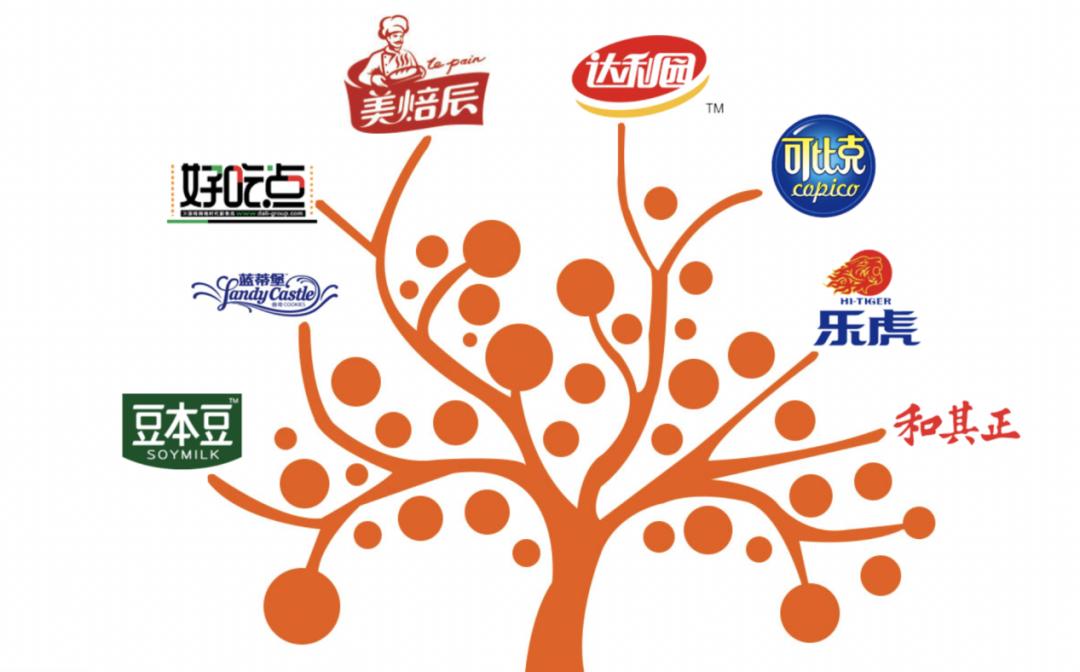
Core Viewpoint - Dali Food Group has announced the succession of Xu Yangyang, daughter of founder Xu Shihui, as the new president of the company, marking a significant transition in leadership for the food giant [1]. Group 1: Leadership Transition - Xu Yangyang, born in 1983, has been groomed for leadership since childhood, joining the family business in 2008 after completing her studies abroad [4][6]. - She started from grassroots positions, gaining experience in various roles including production management and brand operations, before becoming a board member in 2014 [4][6]. - Under her leadership, Dali Food successfully went public in Hong Kong in 2015, significantly increasing her wealth and establishing her as a prominent figure in the industry [5][12]. Group 2: Company Growth and Strategy - Dali Food began with a second-hand biscuit production line in 1989 and has grown to become a leading brand in the snack food industry, with a peak market value exceeding 100 billion [7][10]. - The company has launched successful products like "Dali Garden" and "Kebike," leveraging low-price strategies and effective advertising to dominate the market [8]. - Xu Yangyang has initiated a new phase of innovation with the launch of the "Douben Dou" soy milk brand, aiming to position the company as a leader in health and nutrition [6][8]. Group 3: Industry Context - The transition of leadership among second-generation entrepreneurs in Fujian is part of a broader trend, with many companies seeing young leaders take over from their parents [2][13]. - This generational shift is characterized by a close-knit community of Fujian entrepreneurs, who often collaborate despite being in competitive industries [15][16]. - The recent succession events among various Fujian companies highlight a significant moment in the region's business landscape, marking the end of one era and the beginning of another [17].
部分服饰制造公司10月营收公布
GOLDEN SUN SECURITIES· 2025-11-16 12:12
Investment Rating - The report maintains a "Buy" rating for several companies in the textile and apparel sector, including Shenzhou International, Tabo, and Huayi Group, with respective PE ratios of 15x, 15x, and 21x for 2025 [6][30][34]. Core Views - The recent performance of downstream brand Nike is gradually improving, which is expected to benefit upstream manufacturing companies through order recovery [2][3][31]. - The textile and apparel industry is experiencing fluctuations in orders and profit performance in the short term, but the long-term competitive landscape is expected to optimize, particularly for companies with integrated and international supply chains [30][32]. Summary by Sections Recent Revenue Reports - In October 2025, revenue for Feng Tai Enterprises, Yu Yuan Group (manufacturing), and Ru Hong decreased by 2.3%, 7.7%, and 6.9% year-on-year, respectively. Cumulatively from January to October 2025, their revenues changed by -4.1%, +1.2%, and +4.1% [1][15][17]. - China's apparel and accessories export value from January to October 2025 was $126.2 billion, down 3.8% year-on-year, while textile yarns and fabrics exports were $117.7 billion, up 0.9% [1][23]. Downstream Brand Performance - Nike's revenue is showing signs of improvement, with inventory conditions also stabilizing. This is expected to lead to order recovery for upstream manufacturers like Shenzhou International and Huayi Group [2][26][31]. - Other brands such as Amer and On are maintaining strong growth, while Adidas is actively restocking [2][3]. Investment Recommendations - The report recommends focusing on companies that are likely to benefit from Nike's recovery, including Shenzhou International, Tabo, and Huayi Group, as well as other strong performers in the sportswear sector like Anta Sports and Li Ning [3][32][34]. - In the fashion and leisure apparel segment, companies like Bosideng and Hailan Home are highlighted for their potential growth as the winter season approaches [32][33]. Market Trends - The report notes that the Southeast Asian countries are outperforming China in apparel exports, with Vietnam's textile exports growing by 7.7% year-on-year from January to October 2025 [1][23]. - The overall market for sportswear is expected to show resilience despite fluctuations, with long-term growth potential [12][32].

纺织服装2026年度投资策略:价值为锚,破“卷”立新
Guoxin Securities· 2025-11-16 11:50
Core Insights - The report emphasizes the importance of value as an anchor in the textile and apparel industry, suggesting a shift towards innovative strategies to break through competitive pressures [1][3]. Group 1: 2025 Review - The textile and apparel index underperformed the broader market, with brand performance under pressure and manufacturing showing a high-to-low trend [4][9]. - Retail sales growth for apparel remained stable, with online channels outperforming offline, particularly in the second and third quarters [18][19]. - The overall performance of the textile manufacturing sector showed a decline in exports due to tariff impacts, with a notable slowdown in growth rates [28][30]. Group 2: 2026 Main Lines - The report identifies three main investment themes for 2026: 1. The outdoor sports segment is expected to thrive, focusing on niche positioning and technological innovation [3][5]. 2. High-quality products are anticipated to drive new demand, with opportunities in the trillion-yuan market for breakthrough players [3][5]. 3. Trade stability is expected, favoring leading manufacturers with improving market share and efficiency [3][5]. Group 3: Investment Recommendations - Investors are advised to focus on three key areas: outdoor sports, quality manufacturing, and brand innovation, with specific companies highlighted for their growth potential [5][6]. - Notable companies include Anta Sports, Li Ning, and Shenzhou International, which are positioned well for future growth [5][6]. Group 4: Company Performance - The report provides detailed earnings forecasts and investment ratings for key companies, indicating a generally positive outlook for the sector despite recent challenges [6][7]. - Companies like Anta Sports and Li Ning are projected to maintain strong earnings per share (EPS) growth, with respective forecasts of 5.42 and 1.09 for 2026 [6].


福建女首富接班了
投资界· 2025-11-15 07:55
Core Viewpoint - The article discusses the succession of Xu Yangyang as the new president of Dali Food Group, highlighting the transition of leadership within the company and the broader trend of second-generation entrepreneurs taking over family businesses in Fujian province [3][4][14]. Group 1: Succession of Leadership - Xu Yangyang, daughter of founder Xu Shihui, officially takes over as president of Dali Food Group, marking a significant leadership transition [3][4]. - Xu Yangyang has been groomed for this role since childhood, starting her career in the company from the grassroots level after returning from studying abroad in 2008 [6][7]. - Under her leadership, Dali Food successfully went public on the Hong Kong Stock Exchange in 2015, significantly increasing her wealth and establishing her as a prominent figure in the business community [6][10]. Group 2: Company Growth and Innovation - Dali Food Group began with a second-hand biscuit production line in 1989 and has grown to become a household name, reaching a market value exceeding 100 billion [4][10]. - The introduction of the "Dou Ben Dou" brand of soy milk in 2017 under Xu Yangyang's leadership marked a shift towards innovation, positioning the company as a leader in the health and nutrition sector [6][7]. - Dali Food has expanded its operations internationally, establishing production bases in Indonesia, Thailand, Vietnam, and Saudi Arabia as part of its global strategy [7][14]. Group 3: Broader Trends in Fujian Entrepreneurship - The article notes a trend of second-generation entrepreneurs in Fujian taking over family businesses, with several prominent companies undergoing leadership transitions [14][16]. - This generational shift is characterized by a close-knit community of Fujian entrepreneurs who often collaborate and support each other, despite being in competitive industries [16]. - The article highlights the importance of training and preparation for the next generation, with local governments previously funding programs to equip young entrepreneurs with necessary skills [16].

2025运动品牌全景一览:谁将问鼎年度之王?
3 6 Ke· 2025-11-13 12:17
Core Insights - The Chinese sports consumption market remains active in 2025, with various sports becoming part of daily life, including marathons, trail running, and tennis [1] - Sports brands are both participants in competitions and drivers of industry development, focusing on technology iteration, consumer engagement, and brand influence in daily life [1] Group 1: Ball Sports - Traditional ball sports like basketball, football, and volleyball maintain a stable market with competitive trends, with over 10 brands innovating in basketball technology [2] - Brands are engaging in grassroots events and high-profile sponsorships, with numerous collaborations and athlete endorsements intensifying [2][5] Group 2: Racket Sports - Racket sports, including table tennis, tennis, and badminton, show stability with brands focusing on equipment technology updates and professional collaborations [8] - Tennis is identified as a growth area, with over 10 brands entering the market, launching high-tech products, and sponsoring youth events [8] Group 3: Emerging Ball Sports - The golf market is evolving towards an ecosystem of "technology + events + community," with brands lowering entry barriers and promoting youth engagement [10] - Pickleball is emerging as a trendy sport, with brands promoting it as a lifestyle activity through events and community engagement [14] Group 4: Running - The running market remains competitive, with brands focusing on racing technology and closer engagement with runners through events and training camps [16] - Trail running is seen as a growth area, with new international brands entering the market and established brands expanding their offerings [23][25] Group 5: Outdoor Sports - The outdoor sports sector continues to grow, with a significant increase in related enterprises and international brands entering the Chinese market [33] - Outdoor technology is advancing, with brands focusing on extreme environment adaptability and lightweight features [34] Group 6: Women's Sports - Yoga and Pilates are key segments for women's sports, with competition centered around professional experiences and community engagement [37] - Comprehensive training markets are solidifying, with brands hosting large-scale events to connect with fitness enthusiasts [39] Group 7: Overall Market Trends - Across various sports categories, brands are demonstrating strategic capabilities and market insights, with technology as a core competitive advantage and a focus on local community connections [40] - The "Annual Sports Brand" award serves as an industry benchmark, reflecting innovation and guiding future brand development [43]