元气森林

Search documents
比农夫山泉多赚4倍!年赚1651亿的日本饮料,正在掏空普通人钱包
Sou Hu Cai Jing· 2025-09-02 08:09
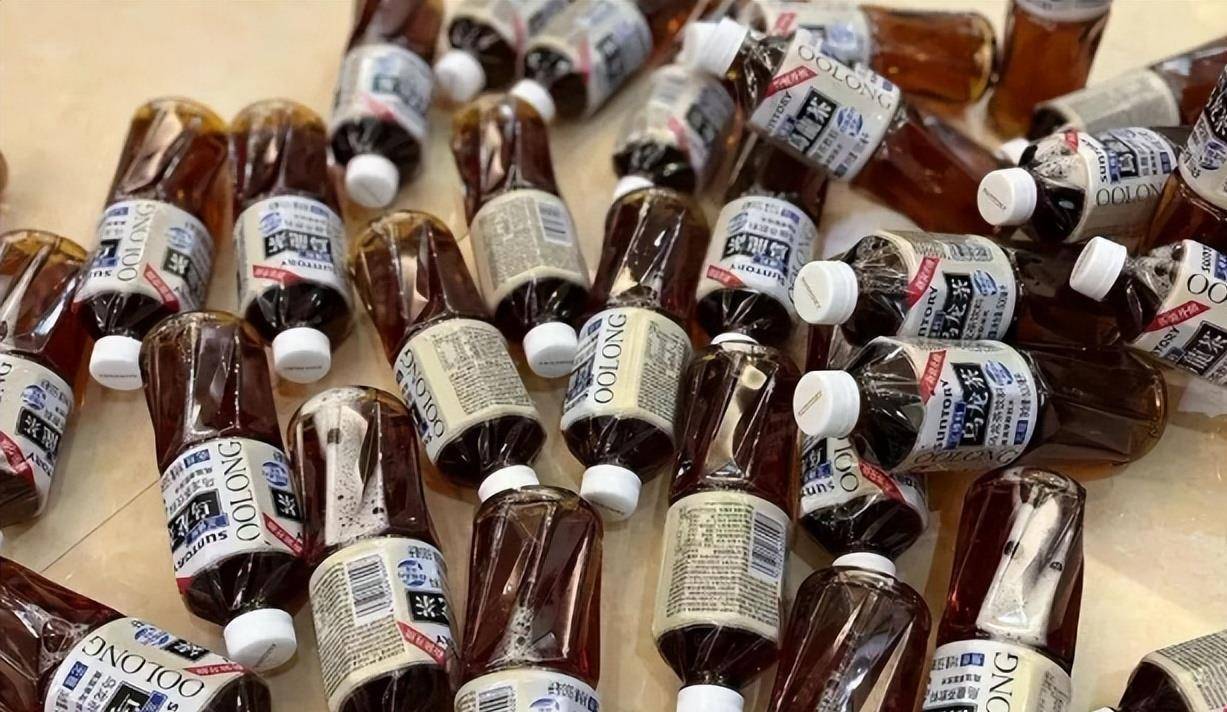
Core Insights - Suntory has established itself as a significant player in the Chinese beverage market, generating annual revenues in the hundreds of billions, despite being a Japanese brand perceived as a local product by many consumers [2][3] Historical Context - Suntory entered the Chinese market in 1984 by establishing a joint venture in Shanghai, initially focusing on beer and beverages, quickly becoming a market leader in beer sales within four years [3] - The company launched its first sugar-free tea drink in 1997, but it struggled to gain traction until the health trend emerged, leading to a significant increase in demand for sugar-free products starting in 2016 [3][5] - Suntory's sales of its Oolong tea surged by 80% in 2021, followed by 120% in 2022 and an impressive 200% in 2023, solidifying its position in the sugar-free tea market [3] Localization Strategy - Suntory has implemented a well-thought-out localization strategy, promoting its Oolong tea as sourced from Fujian and incorporating traditional Chinese cultural elements in its advertising [5][6] - The company has minimized Japanese branding in its product packaging, opting for prominent Chinese characters and traditional imagery to create a perception of being a domestic brand [5][6] Marketing and Distribution - Suntory has leveraged celebrity endorsements from popular Chinese figures to enhance its local image and has strategically placed its products in convenience stores and online platforms to maximize visibility [6] - The company has invested heavily in securing prime shelf space in stores and has established a strong online presence across major e-commerce platforms [6] Market Challenges - Despite its successes, Suntory faces challenges as its market share in China's sugar-free tea segment has declined from 21.12% to 12.04% in 2024, while local brands like Dongfang Shuye dominate with a 69.50% market share [8] - Suntory's global revenue distribution shows that the Chinese market contributes approximately 20 to 30 billion RMB, accounting for about 12.8% of its total revenue, highlighting its importance as a growth engine [9] Product Line and Future Prospects - Suntory's product line focuses on Oolong tea and has expanded to include various flavors and health-oriented beverages, tapping into the growing market for traditional Chinese health drinks [11] - The Chinese health drink market is projected to grow significantly, with a 350% increase in 2023, indicating a promising opportunity for Suntory's new product lines [11]


大品牌找不到经销商,中小品牌悄悄拿走了市场
Sou Hu Cai Jing· 2025-09-01 11:41
Core Insights - The fast-moving consumer goods (FMCG) industry is experiencing increased competition from regional small brands, leading to stagnant sales growth for major brands [1][2] - Changing consumer preferences, particularly among younger consumers, favor personalized and differentiated products, which small brands are successfully providing [1][3] - Major brands are struggling to maintain market share as they face challenges in their distribution and promotional strategies, which are no longer as effective as they once were [4][25] Distribution Challenges - The traditional "channel is king" approach in the FMCG sector is faltering, as major brands are unable to effectively drive sales through their distribution networks [5][25] - Complaints from distributors and retailers about major brands have increased, with many feeling neglected or mistreated, creating opportunities for small brands [7][8] - Major brands are facing difficulties in finding and retaining distributors due to pressure on margins and frequent changes in distributor relationships [8][9] Retailer Dynamics - Retailers are increasingly unwilling to cooperate with major brands, often opting for small brands that offer better margins and less pressure [10][12] - The operational issues left unresolved by major brands, such as handling near-expiry products, have led retailers to prefer small brands that provide more favorable terms [11][15] - Small brands are perceived as more profitable for retailers, as they do not engage in aggressive price promotions that erode margins [15][16] Competitive Positioning - Major brands are reallocating resources primarily to their core products, neglecting the support for differentiated and niche products, which benefits small brands [19][20] - The promotional efforts of major brands have diminished, leading to a lack of visibility and support for new products in the market [20][21] - Small brands often have the advantage of focused resource allocation, allowing them to establish a stronger presence in niche markets [19][24] Market Evolution - The capital-driven nature of major brands has led to short-term profit maximization strategies that undermine long-term market share [25][26] - Distributors are increasingly taking on consumer engagement roles, leading to the emergence of new brands that are not reliant on major brand partnerships [26] - The market landscape is shifting, with more distributors developing their own brands or engaging in consumer operations to ensure sustainability [26]

水战2025:卖水没以前赚了
虎嗅APP· 2025-09-01 10:12
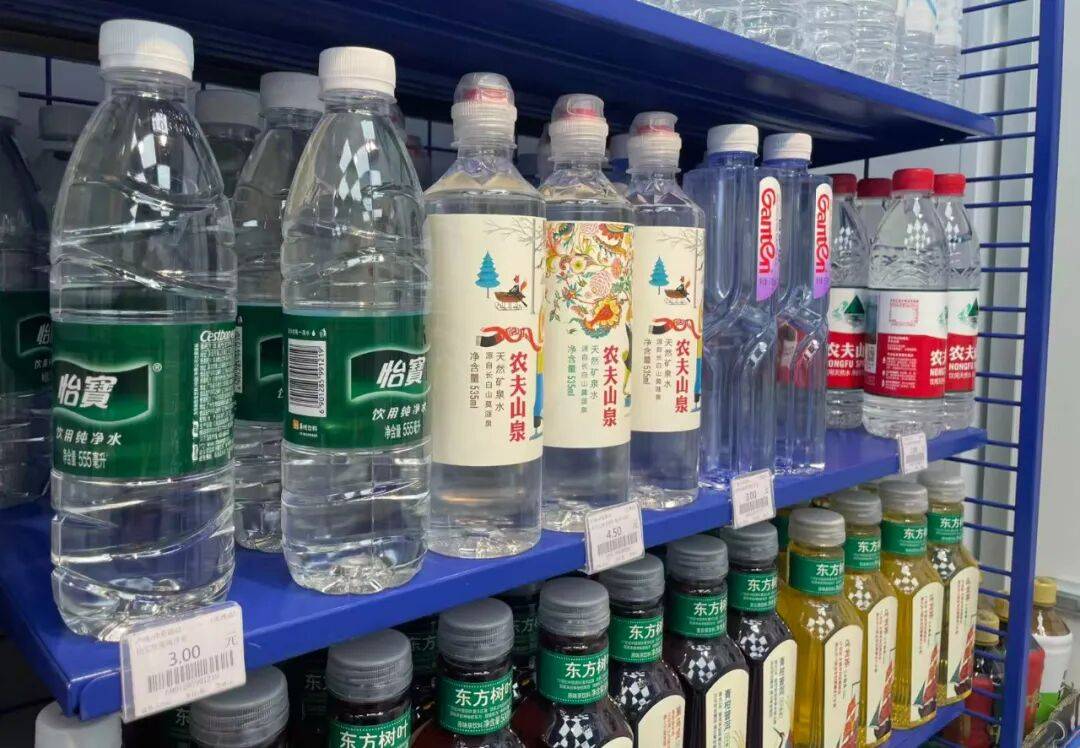
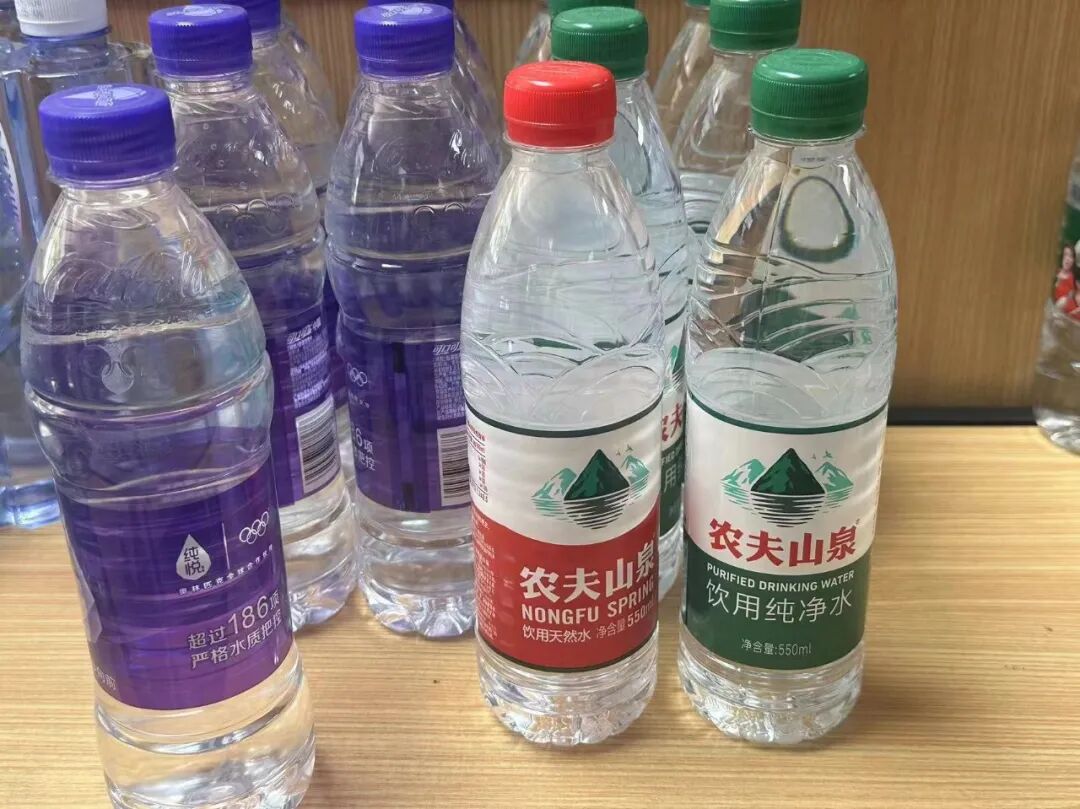
Core Viewpoint - The bottled water market is experiencing intense competition, with a price war leading to a normalization of 1 yuan water, impacting profitability for major players like Nongfu Spring and China Resources Beverage [5][10][12]. Group 1: Market Performance - In 2025, Nongfu Spring reported revenue of 25.622 billion yuan, a year-on-year increase of 15.6%, with a net profit of approximately 7.622 billion yuan, up 22.1% [5]. - China Resources Beverage's revenue for the first half of 2025 was 6.206 billion yuan, down 18.5%, with profits declining by 28.7% [5][11]. - The bottled water segment for China Resources Beverage, which constitutes over 80% of its revenue, saw a 23.1% decline in revenue to 5.251 billion yuan in the first half of 2025 [11]. Group 2: Competitive Landscape - The price war has led to a significant drop in revenue for both Nongfu Spring and China Resources Beverage, with their bottled water business revenues not returning to 2023 levels [10][11]. - New entrants like Pinduoduo, Dongfang Zhenxuan, and Yuanqi Forest are further fragmenting the market share of traditional water companies [6]. - The competition is expected to intensify as both established and new players expand their product lines beyond bottled water [7][14]. Group 3: Product Strategy and Innovation - In response to market changes, Nongfu Spring and China Resources Beverage are diversifying their product offerings, with Nongfu Spring's tea beverage segment achieving revenue of 10.09 billion yuan, a 19.7% increase [18]. - The introduction of new products, including sugar tea and iced tea, is seen as a strategy to capture market share in a competitive landscape [19][20]. - The iced tea market, dominated by brands like Master Kong and Uni-President, presents opportunities for new entrants as they seek to capitalize on pricing strategies and consumer preferences [21].

水战2025:卖水没以前赚了
Hu Xiu· 2025-09-01 08:22
Core Insights - The bottled water market remains competitive in 2025, with significant developments from leading companies like Nongfu Spring and China Resources Beverage [2][10]. Group 1: Company Performance - Nongfu Spring reported a revenue of 25.622 billion yuan for the first half of 2025, a year-on-year increase of 15.6%, with a net profit of approximately 7.622 billion yuan, up 22.1% [2]. - China Resources Beverage's revenue for the same period was 6.206 billion yuan, reflecting a decline of 18.5%, with a profit of 0.823 billion yuan, down 28.7% [3][11]. - Despite a return to growth, Nongfu Spring's bottled water revenue of 9.443 billion yuan in 2025 was still below the 10.442 billion yuan recorded in 2023 [12]. Group 2: Market Dynamics - The price war in the bottled water sector has led to a normalization of prices, with "1 yuan water" becoming common, affecting profitability across the industry [13][9]. - New entrants like Pinduoduo and Yuanqi Forest have begun to capture market share from traditional water companies, intensifying competition [5][18]. - The competitive landscape is shifting, with companies diversifying into beverage categories beyond bottled water to seek new growth opportunities [6][21]. Group 3: Product Innovations - In response to market changes, Nongfu Spring has launched new products in the tea and juice segments, with its tea beverage revenue reaching 10.09 billion yuan, a 19.7% increase [23]. - China Resources Beverage has also introduced 14 new products across various beverage categories, increasing its beverage revenue to 0.955 billion yuan, up 21.3% [24]. - The ice tea segment is becoming a focal point for competition, with multiple brands entering the market, although established players like Master Kong and Uni-President dominate this category [29][34].
从田间到舌尖:生物科技如何将玉米变为“零卡糖”?
Zheng Quan Ri Bao Wang· 2025-09-01 03:42
Core Insights - The global health food revolution is significantly linked to corn, with a rising demand for sugar alternatives driven by health consciousness and weight management needs [1] - The global erythritol market is projected to reach approximately $910 million in 2024, with China dominating the market with a 73% share [1] - Dongxiao Biotechnology Co., Ltd. is emerging as a key player in China's biotechnology sector, leveraging advanced corn deep processing technology and automation [1] Company Overview - Dongxiao Biotechnology operates a fully integrated value chain, converting corn into high-value products such as starch sugars, erythritol, and amino acids through precise fermentation and extraction processes [2] - The company has an annual corn processing capacity of 1.7 million tons, enabling it to produce a wide range of products, enhancing resource utilization efficiency and establishing a circular economy [2] Product Advantages - Erythritol is favored by many well-known brands due to its natural and safe profile, being the only natural sweetener recognized as having no daily intake limit by health authorities [3] - The safety of erythritol has been validated by organizations such as WHO and FDA, making it widely applicable in food, health products, cosmetics, and pharmaceuticals [3] Technological Innovation - Dongxiao Biotechnology has invested in a robust R&D team of nearly 200 members, focusing on synthetic biology and fermentation technology to enhance production efficiency [4][5] - The company has achieved a 25% reduction in fermentation cycle time and a 15% decrease in energy consumption through proprietary technologies, promoting green manufacturing practices [5] Future Developments - The company is strategically positioning itself in the next generation of natural sweeteners, specifically allulose, which has a sweetness level similar to sucrose but with significantly lower calories [6] - Dongxiao Biotechnology aims to expand its functional product offerings, including probiotics, functional amino acids, rare functional sugars, and biodegradable materials, to enhance the health industry value chain [6]
新消费系列报告一:国内70后-00后消费特征代际复盘及情绪消费相关思考
CMS· 2025-08-29 07:32
Investment Rating - The report maintains a recommendation for the industry [3] Core Insights - The consumption focus in China has shifted from family-oriented spending to individual-oriented spending across generations from the 70s to the 00s, with a notable increase in self-indulgent consumption [1][53] - Emotional consumption is on the rise, with over 90% of young consumers willing to pay a premium for emotional value, leading to the emergence of multiple billion-dollar markets [1][57][63] - The report highlights the importance of product value evolution, emphasizing that emotional, social, and asset values are increasingly prioritized over functional value [2][57] Summary by Sections 1. Generational Consumption Characteristics - The consumption center has gradually shifted from family to individual, with each generation displaying self-indulgent characteristics [1][53] - The 70s generation is characterized by compensatory consumption after initial wealth accumulation, while the 80s and 90s generations are the main consumer forces, with the 90s generation showing stronger growth potential [1][24][53] 2. Emotional Consumption Insights - The demand side is expanding, with a significant portion of young consumers willing to pay for emotional premiums, leading to a market where monthly interest consumption accounts for 27.6% of their spending [1][57] - The supply side sees domestic brands learning from Japanese product innovation to enhance their global market adaptability [1][57] 3. Product Value Evolution - As generations evolve, the emphasis on emotional, social, and asset values in product offerings is increasing, while functional value is experiencing deflation [2][57] - The report suggests focusing on high emotional engagement sectors and those with significant potential for per capita consumption growth, such as pet food and health products [2][57] 4. Brand and Channel Development - The report stresses the need for brands to enhance their platform capabilities and reduce reliance on single products to mitigate market volatility [2][57] - Emotional pricing strategies are crucial, as emotional intensity and duration affect product premium pricing and consumption frequency [2][57] 5. Market Size and Performance - The industry comprises 144 stocks with a total market value of 500.34 billion, indicating a significant presence in the market [3] - The industry has shown strong performance, with absolute returns of 48.5% over 12 months [5]
专访宗馥莉:做一个“追赶者”,不急于证明自己
Hu Xiu· 2025-08-29 05:09
Core Viewpoint - The new leadership under Zong Fuli at Wahaha has faced significant challenges, including family disputes and the need for product innovation, while achieving a revenue rebound to 70 billion yuan in 2024, but recognizes this growth may not be sustainable [4][16]. Group 1: Leadership Transition and Challenges - Zong Fuli's self-assessment of her performance is "not satisfied," reflecting the difficulties faced during her transition, including her father's passing and family conflicts [2][17]. - The company is undergoing a period of "new and old transition," requiring both leadership and product innovation to maintain competitiveness [5][6]. - Zong Fuli acknowledges the need for Wahaha to adapt to changing market conditions and consumer preferences, emphasizing the importance of innovation and market insight [7][15]. Group 2: Product Innovation and Market Strategy - The flagship product, AD Calcium Milk, remains a strong performer, but there is a pressing need for new product development, as the last major innovation was in 2005 [6][20]. - The launch of the upgraded ice tea product aims to capture market share from established competitors like Master Kong, with a focus on larger packaging and improved ingredients [7][21]. - Zong Fuli emphasizes that true innovation in the beverage industry requires deep consumer insights and technological advancements, rather than superficial changes [22][28]. Group 3: Sales and Distribution Strategy - Wahaha is optimizing its distribution network, moving away from the traditional "joint sales system" to a more modern and efficient approach, while still leveraging its existing strengths in lower-tier markets [9][24]. - The company has significantly increased its investment in offline ice cream cabinets, with plans for 100,000 units to enhance product visibility and availability [10][11]. - Zong Fuli's management strategy includes a focus on enhancing team execution and operational efficiency, aiming for a more professional and market-oriented organization [17][20]. Group 4: Organizational Changes and Employee Relations - Recent organizational changes, including a board restructuring and employee contract adjustments, have led to some unrest among staff, prompting the formation of a "rights protection committee" [14][25]. - Zong Fuli addresses these concerns by stating that adjustments are necessary to align with evolving market conditions and consumer demands, and emphasizes the importance of maintaining a stable and effective management structure [15][26]. - The company aims to create a high-performing executive team that embodies professionalism and leadership, fostering a culture of collaboration and shared responsibility [27][28].
钟睒睒,半年净赚76亿
投中网· 2025-08-28 02:08
Core Viewpoint - Zhong Shanshan has resumed aggressive strategies, leading to a strong performance in the first half of 2025 for Nongfu Spring, with revenue reaching 25.622 billion yuan, a year-on-year increase of 15.6%, and net profit of 7.622 billion yuan, up 22.1% [6][7][20] Revenue Breakdown - The main revenue sources for Nongfu Spring remain tea beverages and packaged drinking water, accounting for over 70% of total revenue [6] - Tea beverage revenue reached 10.089 billion yuan, marking a significant increase from 8.43 billion yuan in the same period last year, with an additional 1.659 billion yuan in sales [6][7] - Packaged drinking water revenue showed signs of recovery, totaling 9.443 billion yuan, a 10.7% increase year-on-year, although it has not yet returned to the pre-2024 levels [6][7] Market Dynamics - The company has shifted from a defensive to an offensive strategy following last year's public relations issues, focusing on increasing sales of packaged water products [7][9] - Other beverage categories, such as functional drinks and fruit juices, also saw growth, with functional drinks generating 2.898 billion yuan (up 13.6%) and fruit juices 2.564 billion yuan (up 21.3%) [7] Competitive Landscape - The unsweetened tea market, previously experiencing rapid growth, is now facing a slowdown, with only a few brands, including Nongfu Spring, maintaining stable growth [9][10] - Despite being a leading player in the unsweetened tea segment, the company faces competition from promotional activities launched by rivals like Oriental Leaf [10][11] New Product Development - Nongfu Spring is entering the iced tea market with a new product, "Iced Tea," which emphasizes 100% tea leaf extraction and aims to compete with established brands like Yuanqi Forest [13][14] - The company plans to invest 2 billion yuan in research and promotion for this new product, which has already been paired with promotional activities to boost consumer engagement [13][20] Expansion Strategies - The company is enhancing its product offerings and distribution channels, including collaborations with Sam's Club for exclusive products [18][19] - Nongfu Spring has also begun its international expansion, entering the Hong Kong market with seven core brands, aiming for high-end brand validation and exploring further overseas opportunities [19][20]

钟睒睒四面出击,半年净赚76亿
3 6 Ke· 2025-08-27 23:46
Core Viewpoint - In the first half of 2025, Nongfu Spring reported strong financial results, with revenue reaching 25.622 billion yuan, a year-on-year increase of 15.6%, and net profit of 7.622 billion yuan, up 22.1% [1][3] Revenue Sources - The main revenue sources for Nongfu Spring remain tea beverages and packaged drinking water, accounting for over 70% of total revenue [1] - The tea beverage segment achieved revenue of 10.089 billion yuan, marking the first time it surpassed 10 billion yuan in the first half of the year, an increase of 16.59 billion yuan compared to the same period last year [1] - Packaged drinking water revenue was 9.443 billion yuan, reflecting a year-on-year growth of 10.7%, although it has not yet returned to pre-2024 levels [1] Product Performance - Other beverage categories also saw growth, with functional drinks generating 2.898 billion yuan, up 13.6%, and juice drinks reaching 2.564 billion yuan, a 21.3% increase [3] - The company has shifted its focus to packaged water sales in retail assessments, moving away from previous emphasis on tea products [3] Market Dynamics - The unsweetened tea market has experienced a slowdown in growth, with only a few brands, including Nongfu Spring, maintaining stable sales in the first half of 2025 [5][6] - Despite being a leading player in the unsweetened tea segment, Nongfu Spring faces competition and market saturation, prompting the need for innovative strategies [5][6] New Product Launches - In June 2025, Nongfu Spring launched a new carbonated tea product, "Ice Tea," with significant investment in research and promotion, aiming to enhance its product matrix [8][11] - The company is also exploring the ice tea market, which has seen increased competition from established brands like Yuanqi Forest [9][10] Expansion Strategies - Nongfu Spring is expanding its market presence, having entered the Hong Kong market with seven core product brands, aiming for internationalization and brand high-end positioning [12] - The company is also enhancing its collaboration with retail channels, such as Sam's Club, to introduce customized products [11][12]
一年卖超1000亿元,卡车司机最爱饮料,怎么悄悄被年轻人买爆?
3 6 Ke· 2025-08-27 06:43
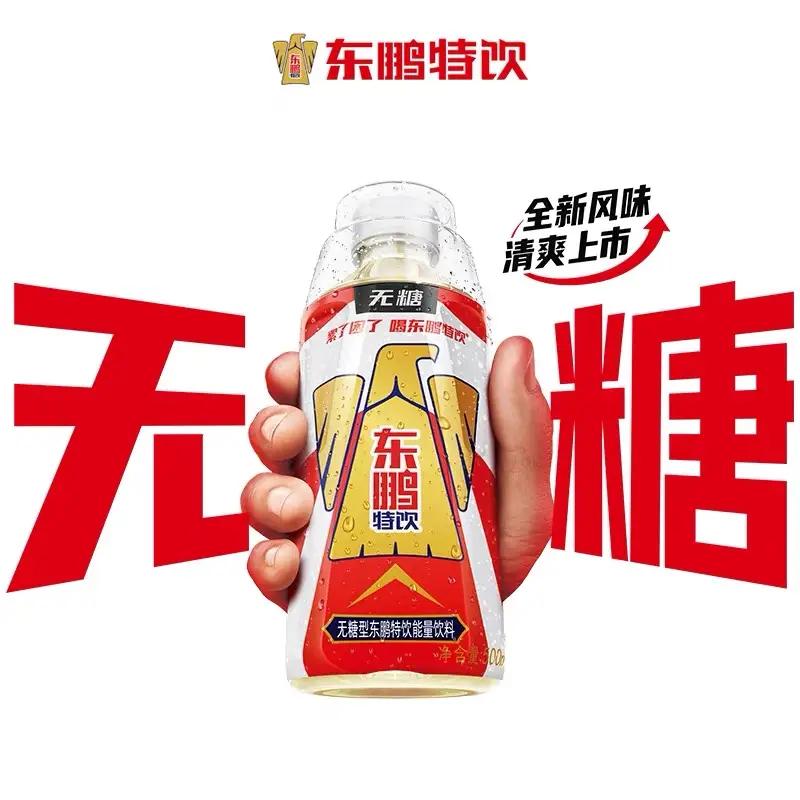
Core Viewpoint - The energy drink market in China is rapidly penetrating among young consumers, driven by new product launches and changing consumer preferences towards healthier options and innovative packaging [1][3][47]. Group 1: Product Innovations - Dongpeng Beverage launched a new "sugar-free Dongpeng Energy Drink" in July, catering to young consumers' demand for reduced sugar and featuring L-α-glycerophosphocholine to enhance cognitive function [1][31]. - The energy drink market in China reached a retail value of 111.4 billion yuan in 2024, with young consumers becoming a significant driving force [3][47]. - Brands like Monster and Yuanqi Forest have introduced products with unique flavors and packaging, such as the MAXX drink with mint extract, appealing to the younger demographic [13][35]. Group 2: Market Trends - The energy drink market is experiencing a shift from traditional blue-collar consumers to urban young professionals, with consumption scenarios now including gaming, late-night work, and fitness [3][37]. - The market is projected to maintain a growth rate of over 15% year-on-year in 2024, significantly outpacing the soft drink market's growth [47]. - The per capita consumption of energy drinks in China is 2.79 liters in 2024, which is substantially lower than in the US and Japan, indicating significant growth potential [47]. Group 3: Packaging and Branding - Energy drink brands are adopting vibrant and trendy packaging to attract younger consumers, moving away from traditional designs that appealed to blue-collar workers [4][8][20]. - The introduction of diverse color schemes and artistic designs in packaging has become a key strategy for brands like Monster and Dongpeng to engage with the younger audience [20][24]. - The shift in branding strategies, such as Dongpeng's focus on youth culture and lifestyle, has helped reshape the perception of energy drinks in the market [44][46]. Group 4: Ingredient Trends - There is a growing trend towards cleaner ingredient profiles in energy drinks, with brands eliminating synthetic additives like taurine and caffeine in favor of natural plant-based ingredients [25][26]. - The rise of sugar-free options is notable, with brands like Yuanqi Forest and Dongpeng introducing products that utilize alternative sweeteners to meet health-conscious consumer demands [28][31]. - The incorporation of carbonation in energy drinks has also gained popularity, aligning with the trend of fizzy beverages among younger consumers [34][35].