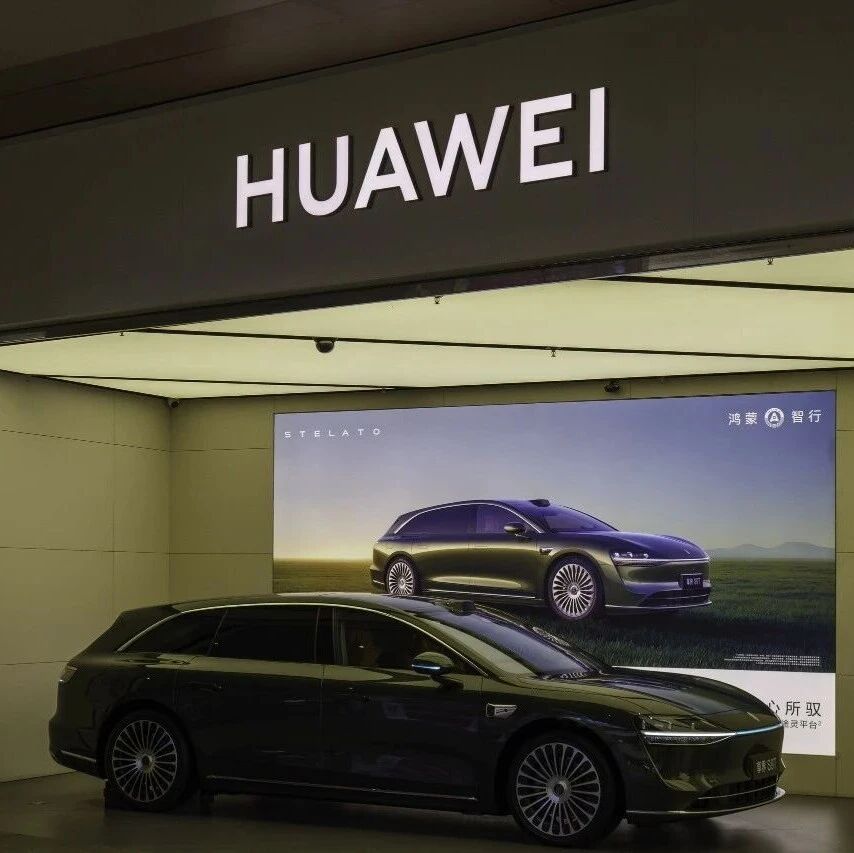
华为技术有限公司

Search documents
阿维塔递表港交所,三年半亏损超百亿
Sou Hu Cai Jing· 2025-12-01 11:06
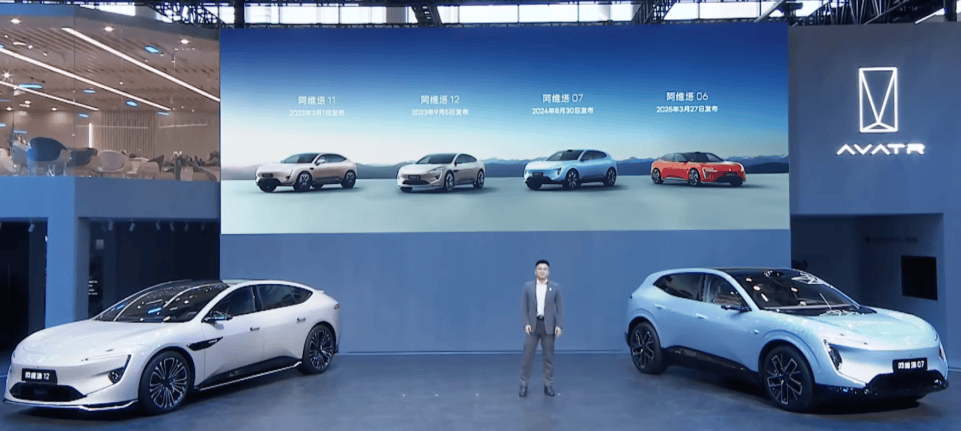
Core Insights - The article discusses the rapid growth and challenges faced by Avita Technology, which plans to go public on the Hong Kong Stock Exchange after just three years since delivering its first vehicle. The company has experienced significant revenue growth but continues to incur substantial losses, raising questions about its long-term profitability and market position [2][3][4]. Group 1: Financial Performance - Avita's revenue has shown a consistent increase over the reporting period, with figures of 0.28 billion, 5.645 billion, 15.195 billion, and 12.208 billion from 2022 to the first half of 2025 [4][5]. - Despite the revenue growth, Avita has reported net losses of 2.016 billion, 3.693 billion, 4.018 billion, and 1.585 billion during the same period, totaling 11.312 billion in losses [5]. - The company's R&D expenditures have also increased significantly, with amounts of 0.544 billion, 0.66 billion, 1.214 billion, and 0.83 billion, reflecting a 167% year-on-year growth in the first half of 2025 [7]. Group 2: Market Position and Strategy - Avita aims to enhance its product lineup and has set ambitious sales targets of 400,000, 800,000, and 1.5 million units for 2027, 2030, and 2035, respectively, with a goal of achieving annual revenue of 100 billion by 2027 [8]. - The company has launched four models, with prices ranging from 200,000 to 700,000, and plans to introduce five upgraded models in collaboration with Huawei starting in 2026 [9][10]. - Avita has begun exporting vehicles, generating overseas revenue of 0.22 billion in 2024 and 0.686 billion in the first half of 2025, with plans to enter over 80 countries by 2030 [11]. Group 3: Financial Health and Valuation - As of 2024, Avita's total assets are approximately 29.154 billion, with total liabilities around 20.564 billion, resulting in a debt ratio of about 70.5% [13]. - The company has completed four rounds of financing totaling over 19 billion, with a significant C round raising over 11 billion in 2024 [14]. - Avita's valuation has fluctuated, with recent estimates around 26 billion, down from previous valuations of approximately 30 billion [15]. Group 4: Safety Concerns and Market Perception - Avita has faced multiple safety incidents, including vehicle fires, which have raised concerns about its safety standards and market credibility [16]. - The company has been criticized for its pricing strategies, including significant price reductions shortly after product launches, leading to dissatisfaction among early adopters [16]. Group 5: Future Outlook - The collaboration with major partners like Changan Automobile, Huawei, and CATL is central to Avita's growth strategy, providing a robust support system for product development and market expansion [17]. - The upcoming IPO is seen as a critical step for Avita to secure additional funding for its expansion plans and to enhance investor confidence [19][20]. - Leadership changes, including the appointment of a new chairman with extensive industry experience, signal a strategic shift towards integrated growth in sales, product definition, and international market presence [21][22].

华为再添“界”系新成员;公安部将限制汽车百公里加速小于5秒 | 11月车事月报
Zhong Guo Qi Che Bao Wang· 2025-12-01 07:37
Policy and Regulation - Six departments issued a plan to expand automotive aftermarket consumption, focusing on areas like vehicle modification and RV camping, aiming for significant optimization of consumer goods supply structure by 2027 [2][3] - The Ministry of Industry and Information Technology (MIIT) announced the creation of demonstration bases for emerging industries, targeting new technologies and industries, with plans to establish around 100 park-type and 1,000 enterprise-type bases by 2035 [4] - A UN global technical regulation on electric heavy vehicle battery durability was passed, which will standardize testing methods and requirements for battery performance, supporting the global electric truck industry [5] - A new group standard for automotive data export safety assessment was approved, providing clear guidelines for data compliance in the automotive sector [6] - The Ministry of Public Security proposed a standard limiting passenger cars' acceleration to 100 km/h in no less than 5 seconds, promoting safety in vehicle performance [7][8] - The Ministry of Commerce and other departments announced stricter controls on new cars being exported as used cars, aiming to address the issue of "zero-kilometer used cars" [9] - MIIT set new credit ratio requirements for new energy vehicles for 2026 and 2027, mandating 48% and 58% respectively, to encourage investment in new energy [10][11] Industry Information - The automotive industry donated over 80 million HKD to support Hong Kong after a severe fire incident, showcasing corporate social responsibility [13][14] - Two new academicians from the automotive industry were elected, indicating a boost in innovation and research capabilities within China's new energy vehicle sector [15][16] - At the Guangzhou Auto Show, nearly 60% of the displayed vehicles were new energy vehicles, marking a significant shift towards electric and intelligent vehicles [17] - In the first ten months of the year, China's new energy vehicle exports exceeded 2 million units, highlighting the sector's growth and importance in the global market [18][19] - China's combined driving assistance technology has reached an international leading level, with a market penetration rate of 62.58% [20][21] - The 8th China International Import Expo showcased advancements in the automotive ecosystem, emphasizing electric, intelligent, and low-carbon technologies [22][23] International News - In Europe, new car sales increased by 4.9% in October, with electric vehicle registrations surpassing gasoline and diesel vehicles, although overall sales remain below pre-pandemic levels [25] - The UK government announced an additional £1.3 billion in electric vehicle subsidies and £200 million for charging infrastructure, reinforcing its commitment to zero-emission vehicles [26][27] - Japan's exports to the US have declined for seven consecutive months, with a 7.5% drop in automotive exports, reflecting the impact of external trade policies [28] - The Eurasian Economic Union initiated an anti-dumping investigation on Chinese heavy-duty tires, indicating potential challenges for Chinese exports [29] - In the US, electric vehicle sales dropped significantly in October following the expiration of federal subsidies, highlighting the importance of policy support for market growth [30][31] Company Information - NIO reported a significant increase in gross margin and revenue for Q3 2025, with a revenue of 21.79 billion CNY, and expressed confidence in achieving profitability in Q4 [33] - GAC Group announced the completion of a pilot production line for solid-state batteries, marking a key step towards mass production [34] - Huawei applied for the "Qijie" trademark, indicating its ongoing commitment to the smart automotive sector [35] - The Aion UT super electric vehicle was launched exclusively on JD.com, aiming to invigorate the small electric car market [37] - Seres completed its IPO on the Hong Kong Stock Exchange, raising 14.016 billion HKD, marking the largest IPO for a Chinese car company to date [39] - Geely and Renault signed a strategic cooperation agreement in Brazil, with plans to invest 3.8 billion BRL in new energy technology [41][42]





华为Mate 80系列手机首销火爆 鸿蒙加速从“可用”到“好用”
Zheng Quan Ri Bao Wang· 2025-12-01 06:57
Core Insights - Huawei's Mate80 series smartphones have officially launched, creating a significant demand surge with long queues at stores, indicating a "hard-to-get" situation [1] - The Mate80 series and Mate X7 series are seen as milestones for the HarmonyOS ecosystem, marking a transition from ecosystem construction to mature user experience [1] - HarmonyOS has gathered over 300,000 applications and services, with an adaptation rate exceeding 95%, and over 27 million devices running HarmonyOS [1][3] Group 1: Product Launch and Market Response - The Mate80 series features multiple advancements, including an outdoor exploration mode and a self-developed security architecture, enhancing data protection [3] - The Mate X7, as a foldable flagship, further expands HarmonyOS's presence in the high-end market [3] - The rapid growth of HarmonyOS devices is evident, with over 100,000 new devices added daily, showcasing strong market vitality [3] Group 2: Ecosystem Development and Strategic Importance - HarmonyOS has evolved from a survival phase to a robust ecosystem, becoming a significant player in the global mobile operating system landscape [2][4] - The ecosystem's growth is attributed to collective efforts from various enterprises, contributing to a new growth engine for the digital economy [5] - The number of registered developers in the HarmonyOS ecosystem has surpassed 10 million, with a projected average salary increase of 43.1% for developers in 2024, indicating high market demand for HarmonyOS skills [5] Group 3: Economic Impact and Future Outlook - The expansion of the HarmonyOS ecosystem is expected to create a trillion-yuan market, with substantial orders and revenue growth for companies in software, semiconductors, and IoT sectors [5] - The focus of capital markets is shifting from speculative interest to evaluating actual performance contributions from companies involved in the HarmonyOS ecosystem [5] - The ongoing development of HarmonyOS represents a critical path for China's core software industry, emphasizing the importance of collaboration and strategic consistency [5]
AI+数据基础设施 释放数据要素价值
第一财经· 2025-12-01 03:06
Core Viewpoint - The article emphasizes the importance of data as a core production factor in driving high-quality development within the digital economy, highlighting the role of data-driven economic development and market-oriented reforms [1]. Group 1: Event Overview - The fifth Global Data Business Conference was held in Shanghai, focusing on the theme "Connecting Global Business for the Future" and gathering representatives from government, industry, academia, and research to discuss opportunities in data-driven economic development [1]. - Huawei participated in the conference, co-hosting a forum on "AI + Data Infrastructure to Release Data Factor Value," which aimed to create a collaborative innovation platform for government and enterprises [3]. Group 2: Government and Industry Collaboration - Shanghai is leveraging "Blockchain + Privacy-Preserving Computing" and comprehensive computing power layouts to enhance data circulation and utilization, addressing challenges in cross-domain data flow and security [6]. - Huawei's full-stack technology support is crucial for ensuring the security of the entire data lifecycle and optimizing computing power scheduling in Shanghai's digital infrastructure [6]. Group 3: AI and Data Infrastructure - The era of AI is characterized by a data-centric approach, where data serves as the core "fuel" for AI, necessitating the construction of AI-Ready data infrastructure with five core capabilities: data, computing power, storage, models, and circulation [8]. - Huawei aims to enhance investment in AI data infrastructure and collaborate with global partners to unlock the value of data factors, facilitating digital transformation across various industries [8]. Group 4: Local Practices and Innovations - Shanghai Data Group's CTO shared the "Shanghai Plan" for a trusted data space, which focuses on unified infrastructure and capabilities to overcome technical bottlenecks and expand application scenarios [10]. - The collaboration between Shanghai Data Group and Huawei aims to establish a secure foundation for public data authorization and create a compliance system for efficient data circulation [10]. Group 5: Insights on Data Value Release - Huawei's senior expert highlighted the shift from an algorithm-centric to a data-centric model in the AI era, emphasizing the need for AI-Ready data infrastructure with capabilities for multi-modal data processing and integrated platforms [15]. - The construction of a data engineering pipeline is essential for automating the processing of various data modalities, thereby unlocking data value and driving business growth [17]. Group 6: Future Directions - Huawei's proposed "1+1+M+N" technical architecture for urban data infrastructure aims to ensure data supply, facilitate data flow, and meet compliance needs while building a secure and efficient technical support system [19]. - The company plans to continue innovating in AI and data infrastructure technology, enhancing collaboration with government and research institutions to support the release of data factor value and contribute to high-quality digital economic development [19].

阿维塔携三巨头赴港IPO估值超300亿 半年营收122亿剑指2027年千亿目标
Chang Jiang Shang Bao· 2025-12-01 02:24
Core Viewpoint - Avita Technology (Chongqing) Co., Ltd. has initiated its IPO process just two months after completing its restructuring, aiming to become the first central enterprise in the new energy vehicle sector once the IPO is successful [2][4]. Company Overview - Avita was established in 2018 and aims to position itself as a global leader in high-end smart electric vehicles, targeting the luxury market alongside established brands like Mercedes-Benz, BMW, and Audi [4]. - The company is a joint venture between three major players: Changan Automobile, Huawei, and CATL, integrating their strengths in smart manufacturing, new energy technology, and intelligent automotive components [4][5]. Financial Performance - Avita has reported cumulative losses of 11.31 billion yuan over the past three and a half years, despite a valuation exceeding 30 billion yuan [2][9]. - The company achieved a revenue of 12.21 billion yuan in the first half of 2025, marking a 98.5% year-on-year increase [9][10]. - The gross margin has improved significantly, with a projected gross margin of 10.14% in the first half of 2025, compared to -365.54% in 2022 [9][10]. Sales and Market Strategy - Avita's sales have shown strong growth, with over 100,000 units sold from January to October 2025, and a record monthly sales figure of 13,506 units in October [2][8]. - The company plans to expand its sales network, with the number of stores increasing from 313 at the end of 2024 to 564 by mid-2025 [11][12]. Funding and Investment - Avita has raised over 18.97 billion yuan through multiple funding rounds, with the latest round exceeding 11 billion yuan [7][9]. - The upcoming IPO is expected to provide additional capital for product development, brand building, and operational expansion [10][14]. Future Goals - The company aims to achieve sales of 400,000 vehicles and annual revenue exceeding 100 billion yuan by 2027, with long-term goals of reaching 800,000 vehicles by 2030 and 1.5 million by 2035 [10][13].
中国互联网:TMT 会议核心要点-China Internet_ TMT conference key takeaways
2025-12-01 00:49
Key Takeaways from the TMT Conference on China's Internet and AI Sector Industry Overview - The conference focused on the **China Internet** and **AI** sectors, particularly the advancements in **generative AI (GenAI)** applications and domestic AI chip solutions in 2025 [1][2]. Core Insights 1. **Surge in Generative AI Demand**: The demand for GenAI applications in China is rapidly increasing, supported by government policies and diverse use cases, leading to a significant rise in token consumption across various industries. The State Council's initiative aims for a penetration rate of intelligent terminals and AI agents to exceed 70% by 2027 and 90% by 2030 [2][3]. 2. **Shift to Domestic AI Chips**: Chinese hyperscalers are transitioning to domestic AI chip solutions, redirecting capital from foreign suppliers to local alternatives like Huawei's Ascend and Baidu's Kunlun. This shift is driven by U.S. export restrictions and government subsidies covering up to 50% of power costs for data centers using local chips [3][4]. 3. **Investment in AI Infrastructure**: Total investments in AI infrastructure in China are projected to reach **$98 billion** in 2025, with a focus on enhancing local sourcing and reducing supply chain vulnerabilities [3][4]. 4. **Advancements in AI Chip Technology**: Key players like Huawei and Baidu are producing competitive AI chips that meet the performance needs for GenAI deployment. Huawei's chips are now comparable to Nvidia's for inference tasks, enabling scalable applications [4][9]. 5. **Operational Efficiency Gains**: Enterprises are leveraging GenAI primarily for operational cost reductions and efficiency improvements, with sectors like internet, manufacturing, and finance adopting these tools for various applications [10][12]. 6. **Consumer Adoption of GenAI Tools**: General-purpose GenAI tools, such as chatbots and AI search engines, are gaining popularity in China, often provided for free to attract users. Meanwhile, specialized applications are emerging with monetization strategies [11][12]. 7. **Integration of GenAI in Mobile Apps**: Mid-to-large Chinese internet firms are embedding GenAI features into flagship mobile applications, enhancing user experiences and driving revenue growth. For instance, Tencent's Weixin reported a **15% year-over-year revenue increase** to **$27.1 billion** in Q3 2025, attributed to AI-driven ad monetization [12][13]. 8. **Evolution of GenAI Applications**: GenAI applications are evolving into sophisticated AI agents capable of autonomous task execution, with platforms like Baidu's GenFlow 3.0 serving over **20 million users** [13][14]. 9. **Market Opportunities for Custom AI Agents**: The emergence of marketplaces for custom AI agents indicates significant revenue potential, transforming GenAI from assistive tools to operational cores in e-commerce and other sectors [14][15]. Additional Important Insights - The strategic reallocation of resources towards domestic AI solutions not only enhances China's AI sovereignty but also aligns with government mandates for local sourcing in public data centers [3][4]. - The dual approach of offering free general-purpose tools while developing monetized vertical applications is driving growth in the overall AI ecosystem in China [11][12]. This summary encapsulates the key points discussed during the TMT conference, highlighting the rapid advancements and strategic shifts within China's internet and AI sectors.


智慧交通“深圳方案”上新
Shen Zhen Shang Bao· 2025-11-29 23:14
Core Insights - The "Deep Research Traffic Model" has been developed to transition urban traffic systems from "passive response" to "active governance" by utilizing a comprehensive technical system that includes perception, inference, and regulation [2][3] Group 1: Model Development and Application - The "Deep Research Traffic Model" is based on nearly 300 cities and incorporates a total of 770 billion traffic data points, resulting in a model with hundreds of billions of parameters [2] - The model has been piloted in over 20 cities, including Shenzhen, Hong Kong, and Xiong'an, and has also been extended to international markets such as Abu Dhabi and Singapore [3] - The model integrates 11 major categories and 986 subcategories of multimodal data, creating a traffic knowledge graph with a scale of 1 billion points and edges [3] Group 2: Performance and Impact - During the recent National Day holiday, the model achieved a traffic flow prediction accuracy of 93.7% for the Guangdong-Hong Kong-Macao Greater Bay Area, improving prediction accuracy by approximately 25% compared to traditional methods [4] Group 3: Future Directions and Innovations - The future of intelligent transportation is focused on "integrated air and ground" services, with plans to establish over 1,200 low-altitude takeoff and landing points and over 1,000 low-altitude commercial flight routes by the end of 2026 [5] - The model will incorporate low-altitude transportation characteristics and data into its framework, enabling real-time diagnostics of traffic conditions using low-altitude video imagery [5] - The establishment of the Traffic Model Innovation and Industry Alliance aims to promote collaborative development of traffic models across the industry [7] Group 4: Market Growth and Projections - The smart transportation market in China is projected to exceed 240 billion yuan by 2024, with expectations of reaching nearly 400 billion yuan by 2030 as smart city initiatives accelerate [7]

“背靠”华为、长安汽车、宁德时代,阿维塔递交港股上市申请
Sou Hu Cai Jing· 2025-11-29 10:11
Core Viewpoint - Avita Technology (Chongqing) Co., Ltd. has submitted an application for listing on the Hong Kong Stock Exchange, marking a significant step in expanding its capital channels and global strategy in the electric vehicle industry [1][3]. Group 1: IPO and Financial Goals - The IPO aims to broaden financing channels and accelerate global expansion and technology iteration, with funds primarily allocated for product development, platform and technology development, brand building, sales service network construction, and operational capital [3]. - Avita's projected revenue for the first half of 2025 is 12.208 billion, representing a year-on-year growth of 98.52%, with vehicle sales revenue at 11.49 billion and other business revenue at 718 million [3]. - Revenue forecasts for 2023 and 2024 are 5.645 billion and 15.195 billion, respectively [3]. Group 2: Strategic Partnerships and Product Development - Avita, established in 2018 and restructured in 2021 with strategic partners Huawei and CATL, is recognized as a pioneer among car manufacturers collaborating with Huawei [4]. - The company has invested 11.5 billion to acquire a 10% stake in Huawei's subsidiary, solidifying their partnership [4]. - Avita plans to launch five upgraded products in collaboration with Huawei by 2026 and a total of 17 models by 2030, with current models priced between 200,000 and 500,000 [5]. Group 3: Market Expansion and Sales Performance - Avita is actively expanding its overseas market presence, currently operating in Thailand, UAE, and Singapore, with future international markets seen as a critical "second battlefield" for growth [6]. - In October, Avita achieved a record sales volume of 13,500 vehicles, a year-on-year increase of 34%, maintaining over 10,000 monthly sales for eight consecutive months [5]. Group 4: Corporate Structure and Industry Implications - Changan Automobile holds approximately 41% of Avita's shares, with other shareholders including CATL and local state-owned funds, while Huawei provides smart driving algorithms and components [7]. - Avita's model of "state-owned enterprise control + tech giant empowerment" is unique among domestic new energy vehicle companies, integrating resources to create a robust intelligent electric vehicle technology platform [7]. - The IPO journey is seen as a reference for exploring "state-owned enterprise paths" in the new energy vehicle industry, potentially offering valuable insights for other state-owned enterprises in capitalizing and market-oriented transformations [8].

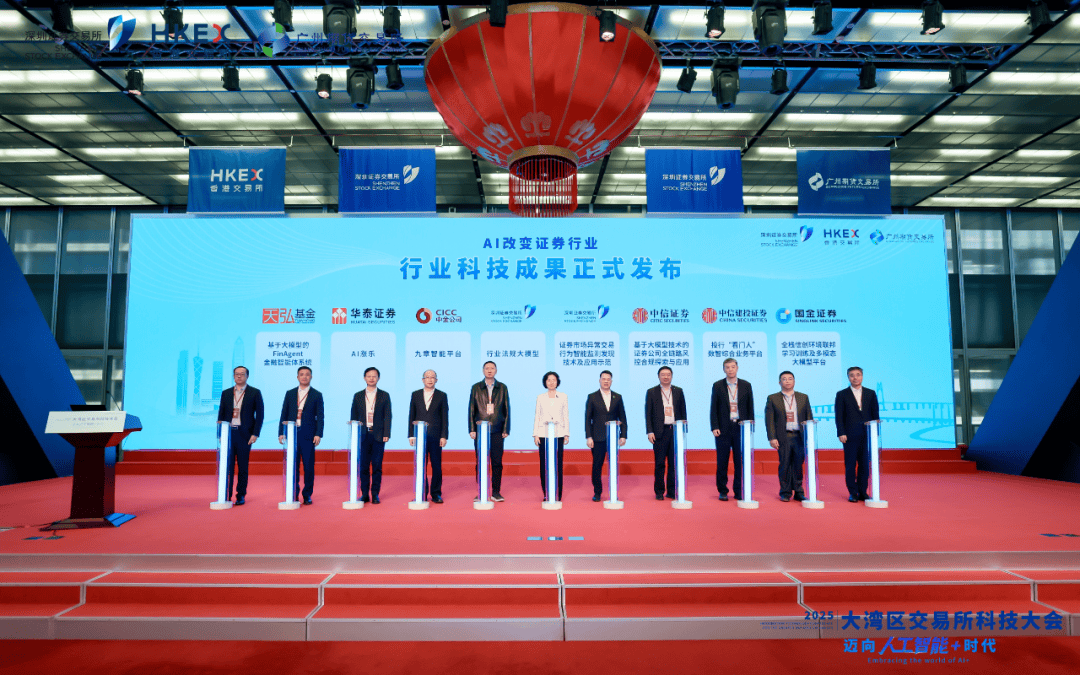
华为与深交所联合发布证券行业法规大模型
Sou Hu Cai Jing· 2025-11-29 09:11
Core Insights - Shenzhen Stock Exchange and Huawei Technologies jointly launched a regulatory model based on Huawei's Pangu large model at the "2025 Exchange Technology Conference" [1][3] - The initiative aims to leverage AI technology to enhance the intelligent transformation of compliance services in the capital market [1] Group 1: Model Development - The regulatory model utilizes Huawei's Pangu Reasoner 38B as its core technology, integrating the Shenzhen Stock Exchange's regulatory knowledge system [3] - The model combines Huawei's proprietary fine-tuning technology and scenario-based training capabilities to create an accurate, efficient, and scalable intelligent regulatory service platform [3] Group 2: Future Collaboration - Huawei's Vice President and CEO of Digital Finance, Cao Chong, emphasized the collaboration's validation of the Pangu model's potential in vertical fields [3] - There are plans for ongoing innovation exploration with the Shenzhen Stock Exchange in areas such as issuance review and regulatory technology, aiming to build a smart compliance ecosystem [3]
华为技术帮汽车圈“点石成金”?
经济观察报· 2025-11-29 07:30
Core Viewpoint - Huawei has become an indispensable presence in China's smart automotive industry, with its technology significantly enhancing the products of various car manufacturers, leading to a perception that without Huawei, success is unattainable [1][3]. Group 1: Huawei's Influence at the Auto Show - The 2025 Guangzhou Auto Show showcased Huawei's extensive presence, with multiple brands featuring Huawei's technology prominently, including independent booths for brands like Aito and Avita [2][3]. - Huawei launched its new "Jing" series brands, including "Qijing" and "Yijing," in collaboration with Dongfeng and GAC, marking a significant expansion of its automotive ecosystem [5][6]. Group 2: Market Performance and Brand Strategy - As of October 2023, Huawei's "Jing" series brands are set to release new models, with Yijing's first vehicle expected to debut at the Beijing Auto Show in April 2026, and Qijing planning to launch two new cars in 2026 [6][10]. - In October 2023, Huawei's vehicles equipped with the "Kirin" driving system achieved sales of over 100,000 units in a single month, indicating strong market acceptance [13]. Group 3: Partnerships with Luxury and Joint Venture Brands - Audi's A5L Kirin Intelligent Driving Edition became the first fuel vehicle globally to feature Huawei's Kirin technology, highlighting the growing trend of luxury brands adopting Huawei's solutions [8][9]. - Japanese joint venture brands like Dongfeng Nissan and GAC Toyota are also integrating Huawei's technology, with Nissan's "Tianlai Hongmeng Cabin" being promoted as the world's first fuel vehicle with the Hongmeng cabin system [9]. Group 4: Competitive Landscape and Differentiation - The proliferation of "Jing" and "Jie" brands raises concerns about differentiation among car manufacturers using Huawei's technology, as many brands may start to appear similar [14][15]. - Industry experts suggest that while Huawei's technology provides a competitive edge, the true differentiation will depend on how car manufacturers address consumer pain points and enhance their overall product offerings beyond just technology [14][15].