零食很忙

Search documents
团长沙市委助力青年创业:链接八方资源 孵化人生梦想
Xin Lang Cai Jing· 2025-12-19 23:35
Group 1 - The core idea of the articles revolves around the rise of youth-driven businesses in Changsha, particularly in the context of new consumption trends and the support from local government initiatives [2][6]. - "Wang Pangzi Chao Huo," a snack brand led by 23-year-old Wang Xinyu, has successfully modernized traditional snack offerings and expanded its market presence through innovative flavors and social media engagement [1][6]. - Changsha is positioning itself as an international consumption center, fostering a unique ecosystem for new consumer brands, with over 20 emerging companies poised for public listing [2][6]. Group 2 - The "Changsha Youth Shop" support plan has been launched to encourage innovative and socially valuable youth entrepreneurship, resulting in 108 participants in just two months [3]. - The local government is actively facilitating financial support for new consumer brands, with Agricultural Bank planning to provide 10 billion yuan in loans over five years [2][3]. - The "Di Dao Changsha Min Yi Guan," a cultural experience space, has attracted nearly 700,000 visitors in eight months, showcasing local heritage and contemporary consumer products [5].

“湖南辣味”多举措破局掘金千亿市场
Zhong Guo Chan Ye Jing Ji Xin Xi Wang· 2025-12-18 23:41
Core Insights - The spicy snack industry in Hunan, particularly in Pingjiang County, is thriving, with over 100 companies and an annual output value exceeding 20 billion yuan, accounting for one-third of the national market [1] - The retail sales of spicy snacks in China are projected to grow at an annual rate of 9.6%, reaching 273.7 billion yuan by 2026, driven by marketing innovations and health trends [1] - The emergence of social media challenges, such as "spicy eating challenges," has significantly boosted brand visibility and sales, exemplified by the brand "缺牙齿" which saw a monthly sales increase from 1,000 to 20,000 units after a viral video [1] Industry Developments - The online revenue share for brands has increased from 20% to 40%, with a nearly 60% repurchase rate, indicating a shift in consumer behavior towards online shopping [2] - The popularity of low-fat, low-calorie konjac products is rising, with over 50 competitors in the market; however, some brands like 南江桥 are focusing on niche markets such as dried konjac to avoid direct competition [2] - 南江桥's sales of dried konjac reached over 10 million yuan in December 2023, marking its entry into the "billion club" within its first full year of operation [2] Infrastructure and Production - The 麻辣王子辣条产业园 in Pingjiang is one of the largest and most automated production bases in the spicy snack industry, with an expected annual output value of 3 billion yuan, potentially reaching 9 billion yuan upon full completion [3] - The local government is promoting the leisure food industry as a leading sector, aiming to establish Pingjiang as the "capital of spicy snacks" in China, focusing on high-quality development and breaking away from homogeneous competition [3] Market Collaboration - The collaboration between retail channels like "零食很忙" and spicy snack brands is evolving into a tightly integrated "production and sales community," allowing for customized products and shared sales data to quickly respond to consumer trends [4]
安井食品(603345.SH):公司与多家大型商超建立了长期稳定的合作关系
Ge Long Hui· 2025-12-15 10:47
Group 1 - The core viewpoint of the article highlights that Anjuke Foods (603345.SH) has established long-term stable partnerships with several major supermarket chains [1] - The main direct clients of Anjuke Foods include prominent retailers such as Yonghui, RT-Mart, Walmart (including Sam's Club), Wumart, Jiajiayue, China Resources Vanguard, Tianhong, Hema, and Snack Busy [1]

安井食品:公司与多家大型商超建立了长期稳定的合作关系
Ge Long Hui· 2025-12-15 10:47
Group 1 - The core viewpoint of the article is that Anjuke Food (603345.SH) has established long-term stable partnerships with several major supermarket chains [1] - The main direct clients of Anjuke Food include Yonghui, RT-Mart, Walmart (including Sam's Club), Wumart, Jiajiayue, China Resources Vanguard, Tianhong, Hema, and Snack Busy [1]
长沙持续用力打造国家重要先进制造业高地,锻造高质量发展核心引擎 | 非凡“十四五”
Chang Sha Wan Bao· 2025-12-04 23:19
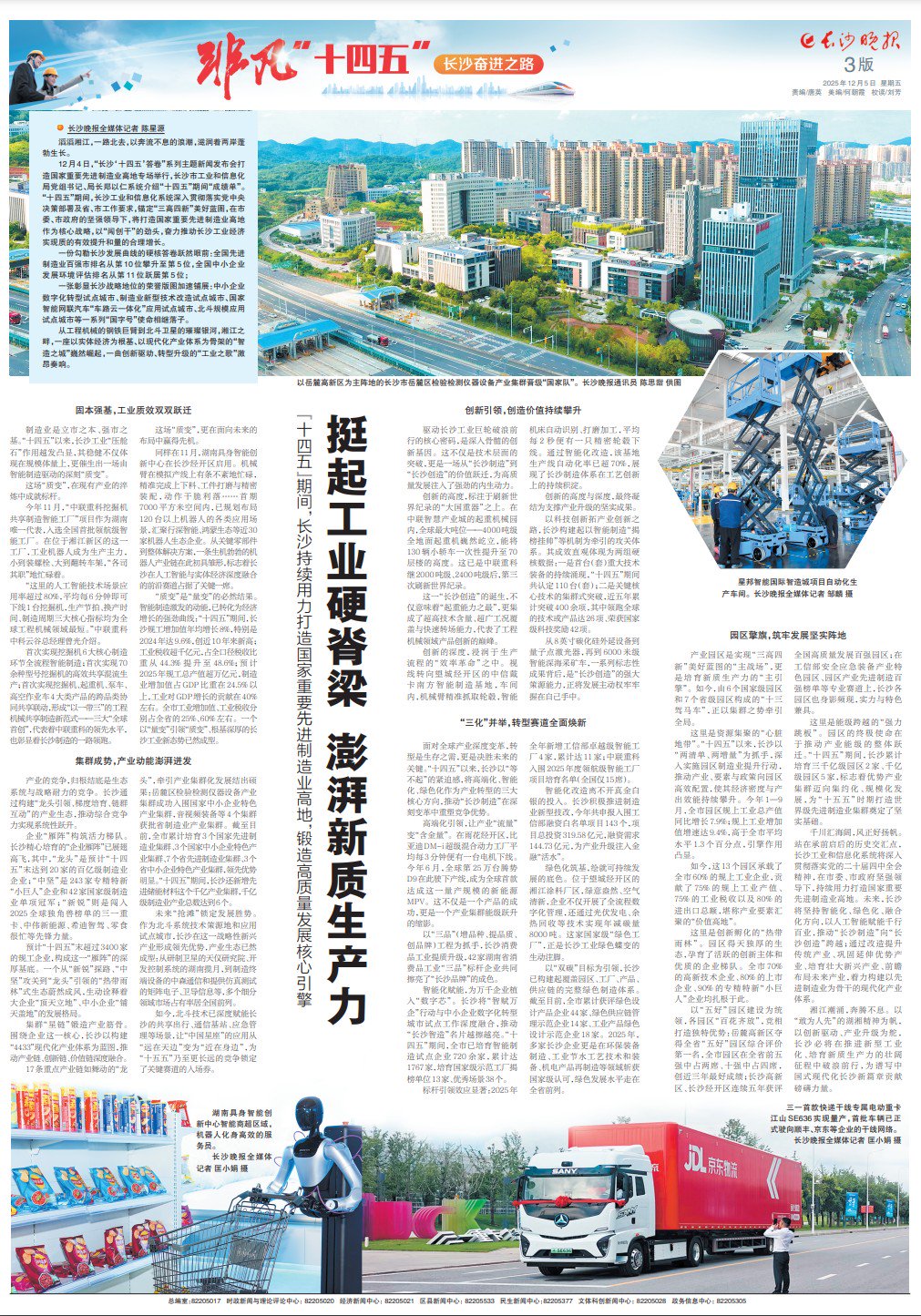
"十四五"期间,长沙持续用力打造国家重要先进制造业高地,锻造高质量发展核心引擎 挺起工业硬脊梁 澎湃新质生产力 长沙晚报全媒体记者 陈星源 滔滔湘江,一路北去,以奔流不息的浪潮,滋润着两岸蓬勃生长。 12月4日,"长沙'十四五'答卷"系列主题新闻发布会打造国家重要先进制造业高地专场举行,长沙市工业和信息化局党组书记、局长郑以仁系统 介绍"十四五"期间"成绩单"。"十四五"期间,长沙工业和信息化系统深入贯彻落实党中央决策部署及省、市工作要求,锚定"三高四新"美好蓝 图,在市委、市政府的坚强领导下,将打造国家重要先进制造业高地作为核心战略,以"闯创干"的劲头,奋力推动长沙工业经济实现质的有效 提升和量的合理增长。 一份勾勒长沙发展曲线的硬核答卷跃然眼前:全国先进制造业百强市排名从第10位攀升至第5位,全国中小企业发展环境评估排名从第11位跃居 第5位; 一张彰显长沙战略地位的荣誉版图加速铺展:中小企业数字化转型试点城市、制造业新型技术改造试点城市、国家智能网联汽车"车路云一体 化"应用试点城市、北斗规模应用试点城市等一系列"国字号"使命相继落子。 从工程机械的钢铁巨臂到北斗卫星的璀璨银河,湘江之畔,一座以实体经济 ...

县城零售,冰火两重天
虎嗅APP· 2025-11-23 10:01
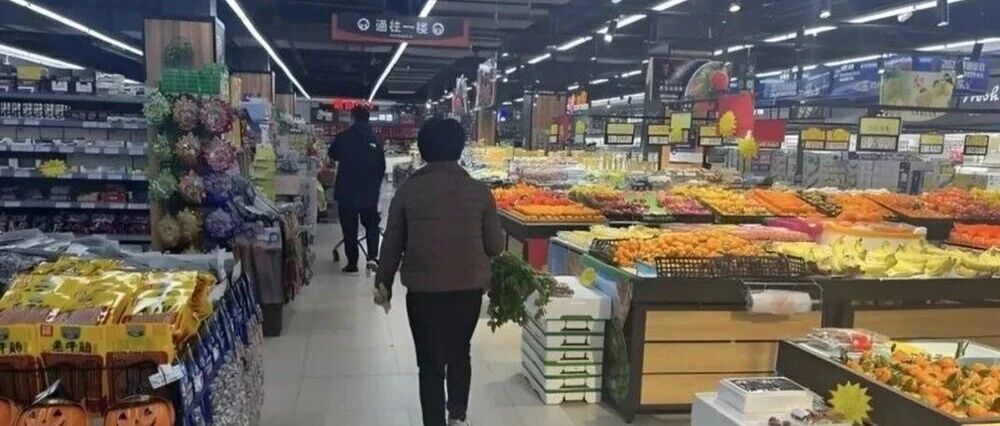
Core Viewpoint - The retail landscape in county-level cities is experiencing a stark contrast, with discount stores thriving while traditional supermarkets and convenience stores struggle to survive [2][11][30]. Group 1: Retail Performance Disparity - In a county commercial street, a well-established cooked food store is thriving, selling around 500 kg of cold dishes daily, while nearby stores face poor sales [3][6][8]. - Discount stores are attracting significant customer traffic, with one store reporting daily sales of 5,000 yuan in its first month and reaching over 10,000 yuan during peak periods [15][17]. - Traditional supermarkets are witnessing a drastic decline in sales, with one store's weekend sales dropping from 7,000-8,000 yuan to 3,000-4,000 yuan, reflecting a nearly 50% decrease in revenue over two years [19][21]. Group 2: Consumer Behavior Changes - Consumers in county areas are increasingly price-sensitive, with 71% prioritizing cost-effectiveness in their shopping decisions, significantly higher than the 58% in first- and second-tier cities [17][30]. - The shift towards online shopping is notable, with the proportion of online purchases in county areas rising from 32% in 2019 to 58% in 2024 [32]. Group 3: Industry Trends and Challenges - The number of discount stores is rapidly increasing, with a projected growth of 67% in 2024, particularly in county markets where over 55% of new stores are located [17][30]. - Convenience stores are facing high closure rates, with an 18% closure rate in county areas, compared to 12% in first- and second-tier cities [24]. - The restaurant industry is also struggling, with a closure rate of 16% in county markets, indicating a challenging environment for many dining establishments [28]. Group 4: Structural Changes in Retail - The retail industry is shifting from a "big and comprehensive" model to a "small and specialized" approach, with businesses focusing on niche markets to enhance competitiveness [34][36]. - Rising operational costs, particularly in rent and labor, are reshaping the industry landscape, making it difficult for traditional supermarkets to maintain profitability [36][37]. - Capital investment is increasingly favoring growth-oriented sectors like discount stores and specialty shops, leaving traditional retail formats with limited funding opportunities [37][38].
长沙新消费,为啥这么牛
投中网· 2025-11-19 10:09
Core Viewpoint - The article highlights the vibrant consumer landscape in Changsha, showcasing how local brands have thrived and contributed to a unique consumption ecosystem that blends culture, innovation, and market dynamics [6][12][28]. Group 1: Changsha's Consumer Brands - Changsha's new consumption brands, such as Tea Yan Yue Se and Le Er Le, have emerged as national examples of innovation across various sectors, including tea drinks and discount retail [8][10][12]. - Tea Yan Yue Se, founded in 2013, successfully integrated traditional tea culture with modern retail strategies, leading to over 700 direct-operated stores [9][12]. - Le Er Le, recognized as a pioneer in hard discount retail, grew from a small supermarket in 2011 to a national leader with projected revenues exceeding 52 billion in 2024 [10][12]. Group 2: Factors Behind Changsha's Success - The youthful demographic in Changsha, with 31.4% of the population aged 14 to 35, drives higher consumption frequency and openness to new brands [14][15]. - High-density consumer environments, such as the bustling Wuyi Square, provide brands with opportunities to explore diverse market positions without being confined to a single category [17][18]. - Changsha's robust supply chain, supported by major wholesale markets, offers essential resources for brand growth, exemplified by Le Er Le's reliance on the Gaoqiao Market [18][19]. Group 3: Cultural and Government Support - The city's unique cultural blend and vibrant street life enhance brand visibility and consumer engagement, with tourism contributing significantly to local consumption [19][20]. - Government initiatives promoting a dynamic economy and supportive business environment have fostered brand development, as noted by local entrepreneurs [21][22]. - The combination of cultural richness, consumer atmosphere, and favorable policies creates a resilient ecosystem for new consumption brands in Changsha [28]. Group 4: Challenges and Strategic Adjustments - As competition intensifies, brands are shifting focus from rapid expansion to quality and cultural value, with examples like Tea Yan Yue Se maintaining a cautious growth strategy [24][25]. - Brands like Mo Mo Dim Sum have recognized the need for strategic adjustments, retracting from aggressive expansion to focus on core markets and product quality [26]. - The emergence of competing cities, such as Zhengzhou, poses new challenges for Changsha's brands, necessitating innovative strategies to maintain market leadership [27].
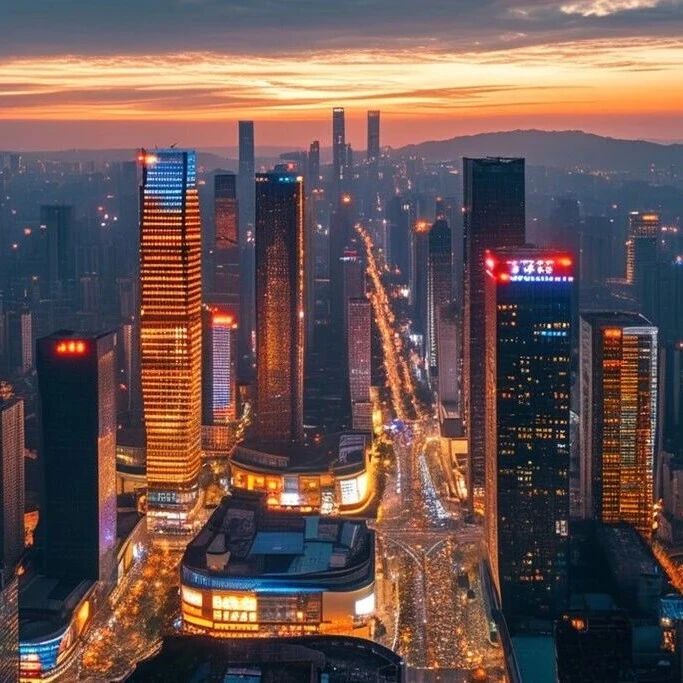
长沙新消费,为啥这么牛?
3 6 Ke· 2025-11-18 01:26
Core Viewpoint - Changsha is emerging as a vibrant hub for new consumption brands, showcasing a unique blend of cultural heritage and modern consumer trends, driven by a youthful population and supportive local policies [1][7][16]. Group 1: New Consumption Landscape in Changsha - Changsha's new consumption landscape features a network of innovative brands, including tea brands like Cha Yan Yue Se and snack brands like Wen He You, which collectively enhance the city's consumer ecosystem [1][2][6]. - The city has produced notable brands across various sectors, such as tea drinks, snacks, and cultural dining experiences, exemplifying the "Changsha model" of entrepreneurship [2][5][6]. - Cha Yan Yue Se, founded in 2013, has become a cultural symbol in Changsha, with over 700 stores, blending traditional tea culture with modern retail strategies [4][5]. Group 2: Factors Contributing to Brand Growth - The youthful demographic in Changsha, with 31.4% of the population aged 14 to 35, drives higher consumption frequency and openness to new brands [7][8]. - High-density consumer environments, such as the bustling Wuyi Square, provide brands with diverse opportunities for differentiation and growth [8][11]. - Changsha's strategic location as a transportation hub facilitates a robust supply chain, essential for brand development and cost efficiency [11][12]. Group 3: Government Support and Cultural Influence - Local government initiatives promote a vibrant economic environment, focusing on night economy and cultural tourism, which benefits brand visibility and growth [14][15]. - The integration of local culture and tourism enhances brand recognition, with significant tourist inflow contributing to the local economy [12][13]. - The presence of a strong media and entertainment industry in Hunan amplifies brand marketing efforts, creating a favorable ecosystem for new brands [13][15]. Group 4: Challenges and Strategic Adjustments - As competition intensifies, brands are shifting focus from rapid expansion to sustainable growth, emphasizing quality and cultural value [17][18]. - Brands like Cha Yan Yue Se and Mo Mo Dim Sum are adapting their strategies to maintain competitiveness while exploring new market opportunities [18][19]. - The challenge of maintaining product consistency during expansion has led some brands, such as Hei Se Jing Dian, to focus on regional branding rather than nationwide presence [22].
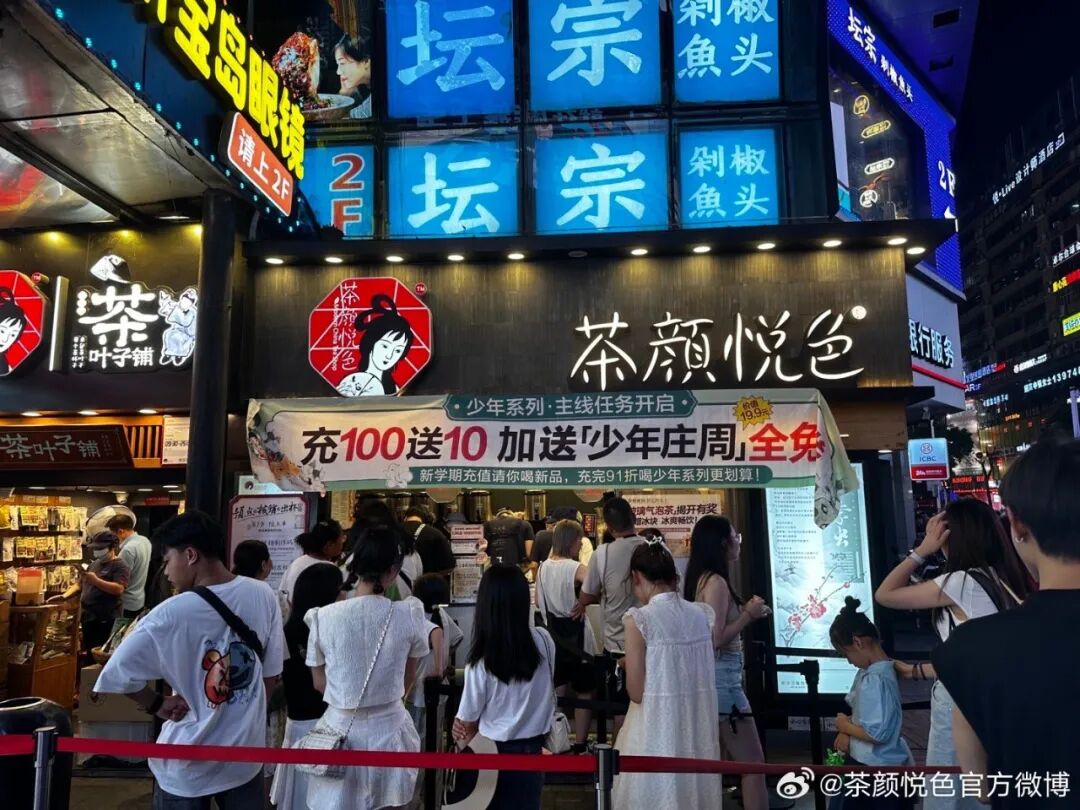
鸣鸣很忙也要赴港上市了,但它还有很多隐忧!
Sou Hu Cai Jing· 2025-11-04 08:11
Core Viewpoint - Hunan Mingming Hen Mang Commercial Chain Co., Ltd. (Mingming Hen Mang) has submitted an updated prospectus to the Hong Kong Stock Exchange, aiming for an IPO after a rapid growth trajectory in the snack retail sector, achieving significant revenue and GMV increases in a short period [2][7]. Group 1: Company Overview - Mingming Hen Mang was formed by the merger of Snack Hen Mang and Zhao Yiming Snacks, with the merger completed in November 2023, maintaining independent brand operations [3]. - The company has rapidly expanded its store count to approximately 6,500 after the merger, with plans to reach 14,394 stores by the end of 2024 and 16,783 stores by June 30, 2025, covering 28 provinces and 1,327 counties [5][7]. Group 2: Financial Performance - As of June 30, 2025, Mingming Hen Mang reported a GMV of 411 billion RMB for the first half of the year, with a year-on-year revenue increase of 86.9% [2][7]. - The company is recognized as the largest chain retailer in China by GMV in the leisure food and beverage sector, ranking among the top ten chain retailers in China for 2024 [7]. Group 3: Supply Chain and Operational Efficiency - The company has established direct supply relationships with over 2,300 upstream manufacturers, enhancing supply chain efficiency by bypassing intermediaries [5]. - With a network of 36 modern logistics warehouses, Mingming Hen Mang can achieve 24-hour delivery to stores, supporting the replenishment needs of over 14,000 locations [5]. Group 4: Market Position and Challenges - The rapid expansion and low pricing strategy have drawn comparisons to the successful brand Mixue Ice City in the snack sector [5]. - However, concerns have been raised regarding the sustainability of this growth model, with experts questioning the long-term viability due to potential quality issues and market saturation [11][12].

这届零食,越贵越高端?
投中网· 2025-10-11 09:08
Core Viewpoint - The article discusses the paradox of rising snack prices in China, where snacks that were once affordable are now perceived as luxury items, leading to a loss of "snack freedom" for consumers [5][10]. Group 1: Historical Context of Snack Consumption - In the past, consumers chose snacks based on taste and price, with little brand loyalty, often mixing various brands in their purchases [6]. - The rise of major snack brands like Liangpinpuzi and Three Squirrels around 2010 shifted consumer behavior towards brand recognition and loyalty, leading to a more concentrated market [6][7]. - Early competition among snack brands involved aggressive pricing strategies, including significant discounts and promotions to attract consumers [7]. Group 2: Shift to Premium Pricing - By 2019, Liangpinpuzi adopted a "high-end snack" positioning, linking product quality directly to pricing, which has led to significant price increases for similar products over the years [8]. - The change in pricing units from larger to smaller measurements has obscured consumers' perception of price increases, contributing to the feeling that snacks have become unaffordable [8][9]. - The emergence of high-priced snacks has resulted in a loss of the previously enjoyed "snack freedom," as consumers now feel priced out of the market [8][10]. Group 3: Market Response and New Trends - The rise of "white-label" snack stores offering high value for money has disrupted traditional snack brands, with the market for these stores growing from 211 billion yuan in 2019 to 809 billion yuan in 2023, reflecting a 40% compound annual growth rate [10]. - Traditional snack brands like Three Squirrels and Liangpinpuzi have faced declining revenues, with Three Squirrels' revenue dropping from over 10 billion yuan in 2019 to 7.1 billion yuan in 2023 [10][11]. - In response to market pressures, brands have attempted to lower prices, but these efforts have had limited success due to established negative perceptions of high pricing [11]. Group 4: Consumer Sentiment and Future Outlook - The article highlights a growing consumer sentiment against high prices that lack corresponding value, indicating a shift towards seeking better price-to-value ratios [14][15]. - Brands that fail to justify their high prices with tangible quality improvements risk losing consumer trust and market share [15][16]. - The future of the snack industry may depend on balancing premium offerings with consumer expectations for affordability and value, as the market moves away from a singular focus on high pricing [16].