
中国商飞

Search documents
新城市志丨“AI+制造”,助力上海制造向上海智造跃升
Xin Lang Cai Jing· 2025-08-02 05:25
Core Viewpoint - Shanghai is accelerating the integration of artificial intelligence (AI) with manufacturing, aiming to enhance the sector's high-end, intelligent, green, and integrated development, thereby transforming "Shanghai Manufacturing" into "Shanghai Intelligent Manufacturing" [1] Group 1: Policy Initiatives - The Shanghai government has approved an implementation plan to promote "AI + Manufacturing," emphasizing the strategic opportunity presented by AI in the manufacturing sector [1] - Previous initiatives include the "Action Plan for Promoting Industrial Service Empowerment for Industrial Upgrading (2024-2027)" which aims to deepen the integration of AI and manufacturing [2] - The Shanghai Economic and Information Commission has issued measures to further expand AI applications, including financial support for benchmark demonstration projects [2] Group 2: R&D and Infrastructure Development - Shanghai has established a strong foundation for AI development, with the "Mosu Space" innovation community attracting 255 AI model companies and facilitating the successful deployment of 34 registered AI models [3] - The city is also advancing industrial internet platforms, such as the "Baolindeng" industrial cloud platform and the industrial corpus public service platform, to support "AI + Manufacturing" [3] Group 3: Industry Applications and Success Stories - Companies like SAIC Motor have implemented AI-driven smart manufacturing systems, significantly optimizing production processes and enhancing product quality [3][4] - High-tech firms such as Heihu Technology are utilizing AI agents to streamline industrial production, achieving a 60% reduction in preparation time and tripling scheduling speed [4] Group 4: Economic Impact - In the first half of the year, Shanghai's industrial output value increased by 5.6% year-on-year, marking the highest growth rate in nearly two years, attributed to the "AI +" initiatives [6] - Shanghai's unique position as a major economic center with a manufacturing value-added target of over 25% of GDP underscores the importance of AI in driving industrial transformation [7] Group 5: Collaborative Ecosystem - Shanghai's universities and research institutions are collaborating closely with enterprises to develop industrial AI models tailored to manufacturing needs, enhancing predictive maintenance and production optimization [8] - The city has attracted leading AI companies, forming a strong cluster of foundational models that enhance the integration of AI into manufacturing [8] Group 6: Financial Support and Investment - Major banks have launched a total of 400 billion RMB in special credit lines to support the "AI + Manufacturing" initiatives, addressing funding challenges for enterprises [9] - Venture capital firms are actively investing in the "AI + Manufacturing" sector, facilitating the rapid development and application of new technologies [9] Group 7: Competitive Landscape - Other cities in China are also advancing their "AI + Manufacturing" strategies, each with unique strengths, which will reshape the competitive landscape of urban manufacturing [12] - The integration of AI into manufacturing is expected to redefine urban industrial structures, with cities that successfully implement these strategies gaining a competitive edge in the global market [13]

把握航天航空投资机遇,航天ETF(159267)正式上市
2 1 Shi Ji Jing Ji Bao Dao· 2025-08-01 01:07
Core Viewpoint - The article highlights the growth potential and investment opportunities in the aerospace and defense industry, particularly focusing on the commercial space sector and the domestic aircraft manufacturing market, driven by favorable policies and technological advancements [7][8][9]. Group 1: Aerospace and Defense Industry Overview - The Huazhong National Aerospace Industry ETF closely tracks the National Aerospace Industry Index, which includes high-quality companies in aerospace equipment, military electronics, ground weaponry, and aerospace equipment, with a defense industry representation of 98.2% [2]. - Key companies in the National Aerospace Index include AVIC Shenyang Aircraft Corporation (weight 8.37%, market cap 182.41 billion), AVIC Xi'an Aircraft Industry Group (weight 5.36%, market cap 79.96 billion), and others [3]. Group 2: Historical Performance - Since 2020, the National Aerospace Index has achieved a cumulative return of 38.4%, with an annualized return of 6.4% and an annualized volatility of 33.4%, showing significant excess returns during market rebounds compared to the China Securities Military Industry Index [5]. Group 3: Catalysts for Growth - The commercial space sector is entering a new phase of scale and marketization, supported by recent regulatory frameworks from the National Space Administration aimed at enhancing quality supervision [7][8]. - The domestic aircraft market is seeing stable deliveries of the C919 aircraft, with China Commercial Aircraft Corporation predicting the delivery of 9,323 aircraft over the next 20 years, valued at approximately 1.4 trillion USD [9]. - The low-altitude economy is expanding rapidly, with a projected market size of 1.064 trillion RMB by 2026, reflecting a growth rate of 33.8% in 2023 [10]. Group 4: Policy and Regulatory Environment - Strengthened regulations and new policies from the Science and Technology Innovation Board are expected to enhance project quality and industry management, promoting long-term healthy development in the aerospace sector [11]. - The frequency of space launches has reached a new high, with 35 successful launches in the first half of the year, indicating a robust growth trajectory for the industry [11].



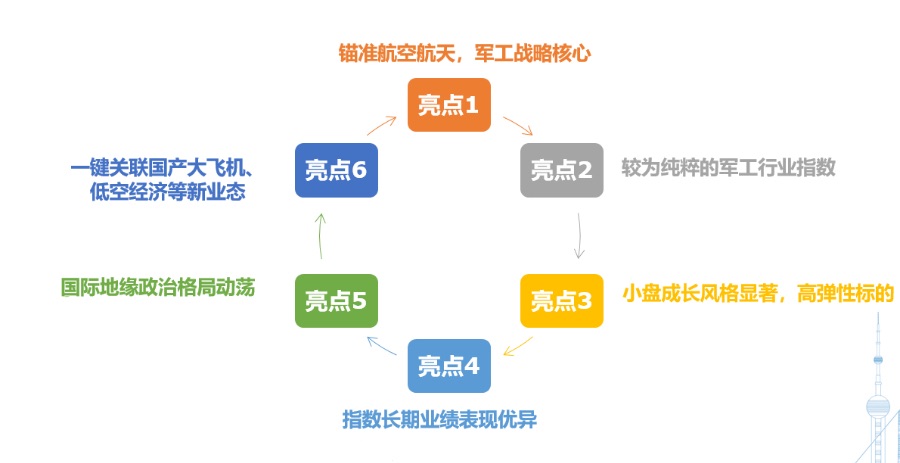
这国部长称:我们对C919很感兴趣
Guan Cha Zhe Wang· 2025-07-31 12:54
Core Points - The mutual visa exemption agreement between China and Malaysia officially took effect on July 17, which is expected to boost air travel between the two countries [1] - Malaysian Transport Minister Anthony Loke highlighted the growing interest in China's COMAC C919 aircraft among Southeast Asian airlines due to delays in deliveries from Boeing and Airbus [1][6] - The number of flights between China and Malaysia has significantly increased, with 499 one-way and 997 round-trip flights weekly as of July 13, compared to 435 and 870 last year [3][4] Company Insights - Airlines such as AirAsia and the new Air Borneo have expressed interest in the C919, as they seek to diversify their aircraft procurement and reduce costs [1][6] - The C919 has not yet received certification from the European Union Aviation Safety Agency, but this is not seen as a barrier for Southeast Asian airlines, which primarily require approval from their national aviation authorities [1][4] - The C919 is positioned as a more affordable option compared to Boeing and Airbus aircraft, making it attractive for the low-cost airline market in Southeast Asia [4][6] Market Trends - The increase in Chinese tourists to Malaysia, which surged from 1.6 million to 3.7 million last year, is expected to continue, further driving demand for air travel [4] - The ongoing supply chain issues and production delays at Boeing and Airbus have created a favorable environment for COMAC to secure orders from Southeast Asian airlines [6] - The region is recognized as one of the fastest-growing markets for passenger numbers, with airlines increasingly considering Chinese-made aircraft [6]
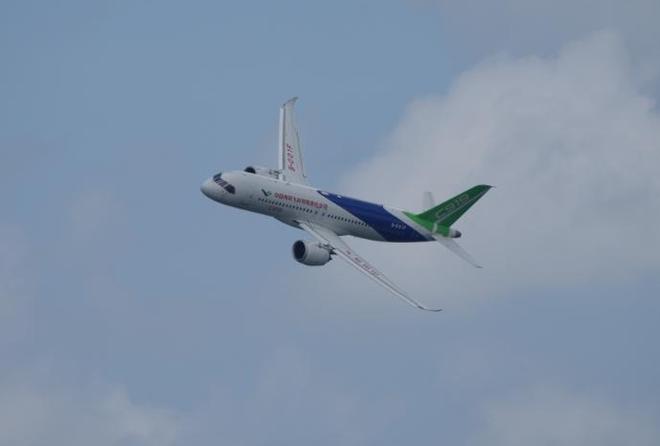
“让乘客享受超值折扣”,这一外国航司拟引进C919
Guan Cha Zhe Wang· 2025-07-31 10:01
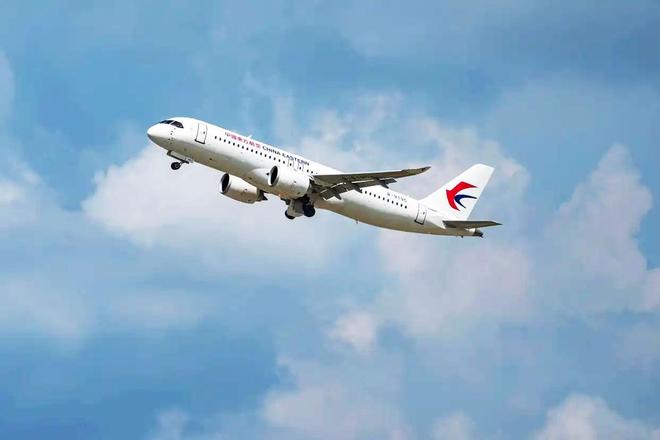
Core Viewpoint - Pakistan's Karachi Airlines is negotiating with COMAC for the purchase of C919 aircraft, marking the aircraft's entry into the South Asian market and reducing reliance on Western manufacturers [1][5]. Group 1: Negotiation and Market Impact - If the deal is successful, it will allow Karachi Airlines to offer discounted fares to domestic passengers due to the lower costs associated with Chinese aircraft [3]. - The chairman of Karachi Airlines, Hanif Gohar, indicated that the price of Chinese aircraft is only half that of Airbus and Boeing, which will also lower leasing costs [3]. - The initial fleet will consist of three aircraft, with plans to expand to seven after one year of domestic service, as per regulations from the Pakistan Civil Aviation Authority [3][4]. Group 2: Strategic Cooperation and Industry Shift - The choice of C919 signifies a strategic shift in Pakistan's commercial aviation landscape and deepens the cooperation between Pakistan and China [5]. - The collaboration with Chinese manufacturers could enhance Pakistan's aviation ecosystem and challenge the long-standing dominance of Airbus and Boeing in the global market [5][6]. Group 3: Aircraft Specifications and Performance - The C919 is a narrow-body aircraft with a seating capacity of 158-192 and a range of 4,075-5,555 kilometers, featuring advanced aerodynamic design and materials for improved fuel efficiency and lower carbon emissions [6]. - As of May 28, the C919 has operated over 36,000 flight hours and transported more than 2.05 million passengers across 25 domestic routes in China [6]. - COMAC has received nearly 1,500 orders for the C919, with confirmed orders close to 1,000, and production targets set for 75 aircraft in 2025 and 100 in 2026 [6].
聚焦航空自主创新:三项突破性航空技术成果发布
Huan Qiu Wang· 2025-07-31 04:29
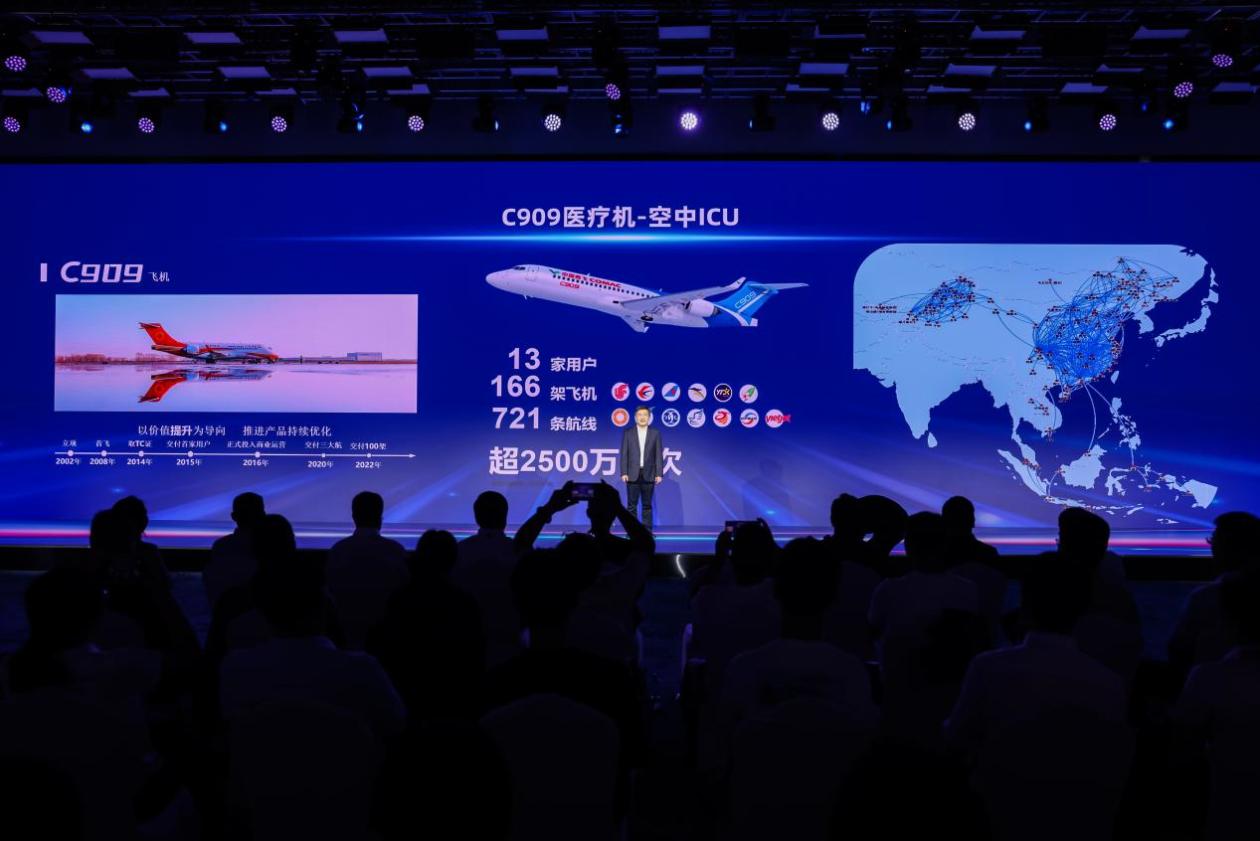
Core Insights - The event "New Tian Gong Kai Wu - Technology Achievements Release Conference" highlighted significant advancements in China's aviation technology, emphasizing the importance of independent innovation in the aviation sector [1][3] - The development of the C909 medical aircraft represents a breakthrough in aviation medical rescue, showcasing China's capabilities in commercial jet manufacturing [1][3] - The introduction of a lightning protection technology system for aircraft addresses a critical safety challenge, enhancing the resilience of Chinese-made planes against lightning strikes [5][7] - The unveiling of a micro flying device inspired by hummingbirds opens new avenues for applications in various fields, including security and emergency response [5][7] Group 1: C909 Medical Aircraft - The C909 medical aircraft is designed for medical rescue and transport, featuring a modular space layout [1] - The development team completed numerous tests and submitted hundreds of compliance reports to achieve airworthiness certification from the Civil Aviation Administration [3] - The C909 is seen as a pioneer in China's commercial jet sector, marking a significant advancement in aviation medical rescue capabilities [1][3] Group 2: Lightning Protection Technology - The lightning protection technology system developed by Hefei Aerospace Electric Physics Technology Co., Ltd. addresses the challenge of aircraft safety in adverse weather conditions [5] - The team overcame three major challenges related to lightning protection, ensuring that every Chinese-made aircraft can withstand lightning strikes [5] - The technology supports the C919 aircraft in achieving airworthiness certification for lightning protection, despite international challenges [5][7] Group 3: Micro Flying Device - The micro flying device, inspired by the flight mechanics of hummingbirds, demonstrates advanced biomimetic technology [5] - This device is expected to have significant applications in various sectors, including law enforcement, emergency rescue, and security [7] - The development team is actively working on expanding the range of flying devices, aiming for future applications that can operate alongside natural hummingbirds [7]
中航西飞(000768) - 2025年7月25日投资者关系活动记录表
2025-07-25 11:20
Company Overview - AVIC Xi'an Aircraft Industry Group Co., Ltd. (AVIC Xifei) was established on June 18, 1997, and became the first listed company in China's aviation manufacturing industry on June 26, 1997 [2][3] - The company primarily engages in the research, production, maintenance, and service of large and medium-sized aircraft and aviation components, with significant partnerships with Airbus, Boeing, and COMAC [3][4] Industry Context - The aviation industry is a strategic high-tech sector in China, characterized by high knowledge and technology intensity, with strong employment absorption capacity [4][5] - The company is a major manufacturer of military transport aircraft, bombers, and special-purpose aircraft, focusing on high-quality, efficient, low-cost, and sustainable development [5][6] Future Outlook and Strategic Planning - The company aims to focus on aircraft research, production, maintenance, and services, enhancing technological innovation and achieving breakthroughs in key technologies [6][7] - During the 14th Five-Year Plan period, the company plans to diversify its product structure and strengthen its core capabilities in military and civil aviation, as well as aviation maintenance and service [6][7] Unmanned Aerial Vehicle (UAV) Development - The company has the technical reserves and operational capabilities for UAV development and will conduct research based on national needs while monitoring market conditions [6][7] Composite Materials Advantage - The company has achieved significant advancements in composite materials, leading the industry in various aspects such as products, technology, and production capacity [7] - It aims to expand the application of composite materials in aerospace, deep-sea, railways, and unmanned equipment, enhancing market competitiveness and optimizing industrial structure [7]
东盟秘书长北京圆桌会举办,促中国和东盟迈向经贸合作新台阶
Zhong Guo Jing Ji Wang· 2025-07-25 02:49
Group 1 - The ASEAN Secretary-General emphasized the strong vitality and resilience of the economic relationship between ASEAN and China, highlighting the need for a stable economic framework to ensure the effective implementation of the China-ASEAN Free Trade Area 3.0 and RCEP [2] - The meeting showcased the significant leap in economic cooperation between Beijing and ASEAN over the past decade, evolving from traditional trade partners to a comprehensive strategic partnership [2][3] - The ASEAN Economic Community is focusing on digital infrastructure development and green energy transition, with a competitive edge in electronic manufacturing and agricultural processing, aiming for precise alignment with China in multiple sectors [3] Group 2 - The meeting served as a platform for nearly 30 executives from Chinese and ASEAN companies to exchange ideas, highlighting the broad cooperation space among enterprises in energy, finance, pharmaceuticals, and digital economy [3] - The ASEAN Trade Promotion Association, established in August 2024, aims to facilitate high-level dialogues and business connections, injecting new momentum into the deepening of the China-ASEAN strategic partnership [4] - The emphasis on cooperation in digital economy, green energy, and technological innovation was identified as future focal points for collaboration, with the ASEAN Trade Promotion Association playing a bridging role [3][4]
总说AI要落地,可谁来走那“最后一公里”?
Guan Cha Zhe Wang· 2025-07-24 03:51
Core Insights - The article emphasizes the transition of artificial intelligence from a general narrative to specific applications, highlighting the disconnect between technology providers and demand-side entities in the final stages of implementation [2] - WAIC CONNECT has successfully facilitated real transactions and connections between buyers and sellers, demonstrating the effectiveness of its mechanism in bridging the gap between visibility and adoption [2] Group 1: Mechanism Innovation - WAIC CONNECT has established a year-round operational mechanism that includes a research-release-connection cycle, aiming to bridge the gap between usable technology and applicable scenarios with a pool of 20 billion yuan in orders and over 150 real-name procurement groups [3] - The event showcased over 50 genuine procurement demands across eight major sectors, including urban renewal, overseas services, healthcare, intelligent manufacturing, smart consumption, financial technology, county economy, and smart energy [3] Group 2: Industry Representation - The procurement groups represented a wide array of industries, including major enterprises in urban renewal, overseas services, healthcare, intelligent manufacturing, smart energy, county economy, smart finance, and smart new consumption [4][5] - Notable companies involved include China State Construction Engineering, Shanghai Construction Group, Ningde Times, IDG Capital, and various international procurement groups from countries like Germany, Japan, and the UAE [4][5] Group 3: Supply-Demand Linkage - WAIC CONNECT's approach to connecting supply and demand is not merely about information matching but involves a deep restructuring of supply-demand dynamics through a series of events focused on trend identification, path clarity, and cooperative engagement [6] - The event featured over 15 major demand releases across various application fields, facilitating discussions among model providers, computing power suppliers, scenario providers, and investors [6] Group 4: Beyond the Exhibition - WAIC CONNECT is not limited to a three-day event but extends into a year-round industry exploration, initiating a "City Walk + Scene Immersion" mechanism to facilitate in-depth discussions between technology providers and procurement parties in key tech hubs [7] - This initiative aims to transition proposals from paper to real-world applications, accelerating the adoption of AI technologies [7]

21对话|全球网络峰会创始人:中国正在赢得科技竞赛
2 1 Shi Ji Jing Ji Bao Dao· 2025-07-24 02:06
Group 1 - The core viewpoint of the article highlights the recent surge in investments into major U.S. tech stocks, particularly the "Big Seven," led by companies like Nvidia and Microsoft, which have reached historical highs in stock prices and market capitalization [1] - There is skepticism regarding the sustainability of the so-called "American exceptionalism" in technology, with concerns that market capitalization does not accurately reflect the R&D capabilities of tech companies [1][4] - The CEO of the Web Summit, Paddy Cosgrave, argues that the future of AI belongs to open-source models, suggesting that companies in the generative AI space will struggle to maintain a lasting competitive advantage [1][4] Group 2 - The market capitalization of the "Big Seven" tech companies now accounts for one-third of the S&P 500, which is viewed as a concerning signal for the market [1] - Cosgrave emphasizes that the majority of groundbreaking AI research is originating from China, with U.S. institutions lagging behind in terms of high-quality citations [4][5] - The article discusses the rapid rise of Chinese institutions in global tech rankings, with China dominating in over 50 key technology fields, while the U.S. only maintains a lead in about 8-9% of critical technology areas [5][6] Group 3 - The article points out that the shift in technological leadership is attributed to increased investment in education and research in China, contrasting with stagnant growth in OECD countries [6] - It also highlights the difference in profit distribution mechanisms between Western and Chinese companies, with Chinese firms reinvesting profits into R&D rather than focusing on short-term gains [6][15] - The potential for China to lead in the aerospace industry is discussed, with expectations that Chinese aircraft will enter the global market by the 2030s, offering competitive pricing and efficiency [12] Group 4 - Concerns are raised about the over-reliance on AI in the West, with indications of a bubble in sectors like finance, insurance, and real estate [13] - The article suggests that the intense competition in the Chinese automotive industry fosters innovation, contrasting with the high market concentration observed in Western industries [15][16] - The article concludes with skepticism about the ability of U.S. political leaders to rectify the current trends in wealth distribution and market concentration, indicating a low probability of significant change [16]

上海低空经济产业发展有限公司董事长宋雪枫:今年将重点布局工业测试基地
Zheng Quan Shi Bao Wang· 2025-07-23 14:53
其中,"1"即一个理念,需前瞻性布局未来技术标准与安全体系。先借民航经验飞起来,再面向未来制 定标准体系。"2"是两个场景,分别为工业试飞场景和商业闭环场景。 上海低空经济产业发展有限公司董事长宋雪枫7月23日在2025国际低空经济博览会上表示,今年公司的 重点任务为布局工业测试基地。传统思路要求"上天不影响民航、落地不砸人",但城市场景测试需要真 实环境。目前,上海闵行吴泾的一片空间具备真实建筑、人烟稀少、空域连贯等条件,多家企业已对真 实环境下的测试表达兴趣。公司还将联合全国测试场,提供极寒、极热、高高原等条件用于测试。 宋雪枫表示,发展低空经济,上海存在一系列优势。70%航空人才汇集于上海,中航工业、中国商飞、 中国航发商发、上汽集团等龙头企业及跨界人才在沪集聚,50%以上eVTOL企业源于上海,上海还坐拥 长三角广阔的商业空间。同时,上海作为大都市,对安全的容忍度极低,是一大难点。 据介绍,上海低空经济产业发展有限公司根据政府要求负责基础设施建设运营,核心是"四张网":设施 网、空联网、航路网、服务网。宋雪枫表示,围绕低空经济基础设施建设,公司与委办局、市场主体、 科研院所反复研讨,形成"12345" ...