
TCL电子

Search documents
TCL电子涨超6% 前三季度TV实现量额齐升 机构看好其全球高端市场份额持续提升
Zhi Tong Cai Jing· 2025-11-27 07:21
Core Viewpoint - TCL Electronics' stock rose over 6%, reaching HKD 10.34, with a trading volume of HKD 109 million, driven by strong TV shipment growth and innovative product launches [1] Group 1: Shipment and Sales Performance - In Q3 2025, TCL's global TV shipments reached 7.61 million units, contributing to a total of 21.08 million units for the first three quarters, representing a year-on-year growth of 5.3% [1] - TCL's Mini LED TV shipments saw a significant year-on-year increase of 153.3%, totaling 2.24 million units in the first three quarters [1] - The optimization of product structure led to a sales revenue growth of 8.7% for TCL TVs in the first three quarters, outpacing shipment growth [1] Group 2: Product Innovation - In September, TCL launched the world's first TV with an integrated Google AI assistant, Gemini, which features a self-developed AI image quality chip for enhanced picture detail, color performance, and dynamic effects [1] - The new product also offers active AI services, acting as a smart home control center, supporting schedule displays, news summaries, and device interconnectivity [1] Group 3: Market Position and Future Outlook - Pacific Securities highlighted TCL Electronics as a leading player in the global TV industry, with increasing market share in smart screens and mid-to-high-end large screen products, alongside robust profitability in its internet business [1] - The company is experiencing rapid growth in innovative sectors such as solar energy and comprehensive marketing, while its brand strength continues to improve [1] - According to招商证券, the long-term outlook for TCL is positive, with expectations for continued growth in global high-end market share, advantages in global supply chain layout, and expansion in innovative business areas [1]
港股异动 | TCL电子(01070)涨超6% 前三季度TV实现量额齐升 机构看好其全球高端市场份额持续提升
智通财经网· 2025-11-27 06:59
Core Viewpoint - TCL Electronics has shown significant growth in TV shipments and sales, driven by product innovation and market expansion, particularly in the high-end segment [1][2]. Group 1: Financial Performance - As of the latest report, TCL's global TV shipments reached 7.61 million units in Q3 2025, contributing to a total of 21.08 million units for the first three quarters, marking a year-on-year increase of 5.3% [1]. - The global shipment of TCL Mini LED TVs surged by 153.3% year-on-year to 2.24 million units in the same period [1]. - The sales revenue growth for TCL TVs outpaced shipment growth, increasing by 8.7% year-on-year due to product mix optimization [1]. Group 2: Product Innovation - In September, TCL launched the world's first TV with an integrated Google AI assistant, Gemini, which features a self-developed AI picture quality chip for enhanced image detail, color performance, and dynamic effects [1]. - The new product also offers active AI services, acting as a smart home control center, supporting schedule displays, news summaries, and device interconnectivity [1]. Group 3: Market Position and Strategy - TCL is recognized as a leading player in the global TV industry, with increasing market share in smart screens and high-end large-screen products [2]. - The company is experiencing robust profitability in its internet business, alongside rapid growth in innovative sectors such as solar energy and comprehensive marketing strategies [2]. - TCL's strategic investments in AI hardware, including smart glasses and companion robots, are expected to enhance long-term business development [2].
双巨头杀进AI眼镜!港A消费电子股集体狂欢
Ge Long Hui· 2025-11-27 06:13
Core Viewpoint - The consumer electronics sector is experiencing a strong performance in both the A-share and Hong Kong markets, driven by favorable policies and new product launches [1][3][5]. Group 1: Market Performance - Multiple stocks in the A-share market have hit the daily limit, with companies like Yunzhong Technology achieving a 20% increase [1]. - In the Hong Kong market, TCL Electronics and Smoore International both saw gains exceeding 6% [3][4]. - The overall consumer electronics sector is showing significant upward momentum, with various companies reporting strong stock performance [1][3]. Group 2: Policy and Product Catalysts - A new consumption promotion policy was issued, encouraging the development of AI terminals such as smartphones, computers, and glasses [5][6]. - The policy aims to optimize the supply structure of consumer goods by 2027, creating several trillion-level consumption fields and billion-level hotspots [6]. - Recent product launches, including Huawei's Mate80 series and Apple's iPhone 17, have significantly boosted market demand [7]. Group 3: AI Technology and Market Trends - The integration of AI technology with hardware is creating new opportunities, particularly in the smart wearable device sector, such as AI glasses [8]. - Alibaba and Li Auto are set to launch new AI glasses, indicating a growing focus on this segment [8]. - The global smart glasses market is projected to grow significantly, with a compound annual growth rate of 55.6% from 2024 to 2029 [8]. Group 4: Future Outlook - Analysts maintain a positive outlook for the consumer electronics sector, suggesting that recent adjustments have created value opportunities [9]. - The market for edge AI is expected to see substantial growth, with projections indicating a rise from 321.9 billion to 1.22 trillion yuan from 2025 to 2029 [9].

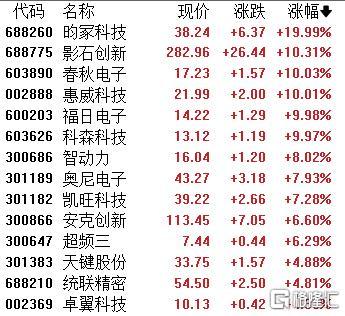
中国银河证券:提振消费是系统工程 增强消费品供需适配性
智通财经网· 2025-11-27 03:57
Core Viewpoint - The consumption industry in China needs to focus on the medium- and long-term goals outlined in the "14th Five-Year Plan," with short-term attention on policies related to consumption by 2026. The outlook for overseas business development in the consumption sector by 2026 is optimistic [1][2]. Group 1: Background and Policy Initiatives - On November 26, six departments issued a notice regarding the "Implementation Plan for Enhancing the Adaptability of Supply and Demand for Consumer Goods," aiming for a significant optimization of the supply structure by 2027, creating three trillion-level consumption fields and ten hundred-billion-level consumption hotspots [2]. - By 2030, a high-quality development pattern characterized by positive interaction between supply and consumption is expected to be established, with a steady increase in the contribution of consumption to economic growth [2]. Group 2: Consumption Stimulus Measures - National subsidies are the fastest way to stimulate short-term demand, with significant policy support since July 2024, including a special bond fund of 150 billion yuan allocated for supporting the replacement of consumer goods. An additional 300 billion yuan is planned for 2025 [3]. - The Central Economic Work Conference in December 2024 prioritized boosting consumption as the main task for 2025, leading to various policies aimed at enhancing consumption [4]. Group 3: Implementation Plan Measures - The "Implementation Plan" outlines five major areas with nineteen initiatives, including accelerating the application of new technologies and models, expanding the supply of unique and new products, and accurately matching the needs of different consumer groups [5]. - It also emphasizes cultivating new consumption scenarios and business formats, as well as creating a favorable development environment through financial support and market order maintenance [5]. Group 4: Investment Recommendations - Investment focus includes high-dividend quality companies during market style shifts, with specific recommendations in various sectors such as new consumption in the social service sector (e.g., Gu Ming, Da Mai Entertainment, Mi Xue Group) and food and beverage (e.g., Dongpeng Beverage, Lihigh Food) [6]. - Other sectors of interest include agriculture (e.g., Zhongchong Co.), sportswear (e.g., Anta Sports, Xtep International), and technology consumption (e.g., TCL Electronics, Hisense Home Appliances) [6].
研报掘金丨中国银河证券:内地提振消费政策发力 潮玩谷子赛道推荐泡泡玛特

Ge Long Hui· 2025-11-27 03:51
Core Viewpoint - The report from China Galaxy Securities highlights the recent issuance of a notice by six national ministries regarding the implementation plan to enhance the adaptability of supply and demand in consumer goods, aiming to further promote consumption [1] Industry Summary - The consumption industry is advised to pay attention to the medium- and long-term goals outlined in the 14th Five-Year Plan, with a short-term focus on consumption-related policies for 2026 [1] - The firm holds an optimistic view on the development of overseas business in the consumption sector by 2026 [1] Company Recommendations - In the new consumption sector of the social service industry, the following companies are recommended: Gu Ming, Da Mai Entertainment, and Mi Xue Group [1] - In the food and beverage sector, the recommendations include Dongpeng Beverage and Lihigh Food, with attention to Wancheng Group, Guoquan, and Nongfu Spring [1] - In the agriculture sector, Zhongchong Co., Ltd. is recommended [1] - In the textile and apparel sector, the focus is on Anta, Xtep International, and Hailan Home [1] - In the technology consumption sector, recommended companies include TCL Electronics, Hisense Home Appliances, Ugreen Technology, and Stone Technology [1] - For high-dividend home appliance companies, Midea Group and Haier Smart Home are highlighted [1] - In the light industry sector, Yongyi Co., Ltd. and Aorijin are recommended, while in the trendy toys sector, Pop Mart is suggested [1]
通胀数据看消费买点
2025-11-26 14:15
Summary of Conference Call Records Industry Overview - **Consumer Price Index (CPI) for Apparel**: In October, the apparel CPI increased by 1.7% year-on-year, showing an acceleration in growth due to factors such as favorable weather and a later Spring Festival, which extended the winter clothing sales season. This is expected to positively impact sales forecasts for Q4, with companies like Semir, Bosideng, and HLA recommended for attention [1][4]. - **Home Textile Sector**: The home textile segment reported better-than-expected performance in Q3, driven by effective single-product strategies and rapid growth during the Double Eleven shopping festival. Companies like Mercury Home Textiles and Luolai Home Textiles are recommended [1][4]. - **Sports and Outdoor Sector**: Long-term optimism remains for companies like Anta and Li Ning, despite slower growth this year. The sector is expected to recover in 2026 [1][4]. - **Retail and Beauty Care Sector**: The retail beauty care segment is advised to focus on changes in the publishing chain and e-commerce services, with companies like Ugreen Technology benefiting from improved Sino-US relations. The normalization of cross-border e-commerce tax regulations is favorable for compliant companies [1][5][6]. Key Financial Insights - **Walmart China**: Reported a revenue growth of 22% in Q3, with e-commerce growth at 30%. Miniso also saw a 28% increase in revenue [1][6]. - **New Oxygen**: The company reported strong financial results, indicating potential recovery in the medical beauty channel [1][6]. Travel and Tourism Market - **Autumn and Winter Travel**: The market is performing well, with significant growth in demand for scenic spots and surrounding areas in November. For example, visitor numbers at Jianmen Pass increased by 30% on the first day of the autumn holiday, and hotel bookings in Zhejiang rose by 68% [1][7][8]. Investment Opportunities - **Service Consumption Sector**: The service consumption sector has seen a short-term adjustment, presenting new investment opportunities. Key areas to watch include OTA, hotels, human resources, and fast-food chains [1][3][9]. - **Home Appliance Industry**: Long-term prospects remain positive, with a focus on overseas expansion. Companies like TCL Electronics are recommended, with 2026 expected to be a critical period for domestic sales [1][10][11]. - **High-End Retail**: There are signs of growth in high-end retail, with companies like Perfect Diary planning a Hong Kong IPO, attracting significant capital interest [1][6]. Sector-Specific Recommendations - **Textile and Apparel**: Focus on Semir, Bosideng, and HLA for apparel; Mercury Home Textiles and Luolai Home Textiles for home textiles [1][4]. - **Beauty Care**: Companies like Up Beauty Group and Proya are highlighted for their strong brand momentum [1][6]. - **Food and Beverage**: The sector may face challenges in Q4, but companies like Dongpeng Special Tea and Yanjin Beer are recommended for their growth certainty [1][15][16]. Conclusion The conference call highlighted a mixed outlook across various sectors, with specific companies recommended based on their performance and market conditions. The overall sentiment suggests cautious optimism, particularly in consumer sectors poised for recovery in 2026.
家电行业2026年度策略报告:经营韧性,出海红利,左侧成长-20251126
ZHESHANG SECURITIES· 2025-11-26 11:09
Core Insights - The report emphasizes the resilience of the home appliance industry, particularly the white goods sector, and highlights the ongoing benefits from international expansion and growth opportunities in emerging markets [1][4][5] - The report maintains a positive outlook on leading companies in the white goods sector, suggesting that they possess strong operational resilience and are well-positioned to navigate market challenges [1][5][17] Investment Recommendations - **Main Line 1**: Focus on high dividend yields and high ROE, capitalizing on the operational resilience of leading white goods companies [3][11] - **Main Line 2**: Leverage the ongoing benefits from international expansion, as leading white goods companies have established global production capacities and can adapt to tariff policies [5][4] - **Main Line 3**: Follow valuation trends and sectors with upward beta, indicating potential growth opportunities [7] - **Main Line 4**: Pay attention to new product categories with low penetration and high growth potential, which could offer significant market opportunities [8] Performance Analysis - The report analyzes the performance of key white goods companies during the pressure testing period of Q2 and Q3 2025, noting that Midea Group and Haier Smart Home demonstrated strong operational resilience despite challenges [13][16] - The report provides detailed financial metrics for major players, indicating that Midea Group and Haier Smart Home maintained positive revenue growth, while Gree Electric experienced declines [14][15][16] Market Dynamics - The report discusses the competitive landscape, noting that leading companies have effectively managed pricing strategies to counter competition from emerging brands like Xiaomi [32][36] - It highlights the importance of understanding the impact of government subsidy policies on industry demand, particularly as the market enters a high base period in Q4 2025 [22][24] Global Expansion and Tariff Resilience - The report outlines the global production strategies of leading companies, emphasizing their ability to mitigate risks associated with tariff changes through diversified production locations [41][46] - It notes that China's dominance in global white goods production allows for effective pricing strategies and resilience against policy uncertainties [46][47] Consumer Demand and Economic Indicators - The report indicates that consumer demand in North America is closely tied to real estate trends, suggesting that a potential interest rate cut could stimulate home appliance consumption in 2026 [52][58] - It highlights the correlation between housing sales and appliance consumption, emphasizing the importance of monitoring macroeconomic indicators [58][59]



天风证券:新旧动能加速转换 零部件与智能割草机引领家电行业结构性增长
智通财经网· 2025-11-26 03:29
Core Viewpoint - The investment theme in the home appliance industry for 2026 is clear, focusing on seeking certainty amid uncertainty, identifying high growth in emerging categories, and seizing opportunities in a reshaped market landscape [1] Group 1: Market Performance - In the period from January to November 2025, the Shenwan home appliance industry index rose by 8%, with significant structural differentiation within the sector [2] - The home appliance components sector saw a remarkable increase of 62%, indicating a high premium on its growth logic [2] Group 2: White Goods - Domestic sales of white goods experienced a peak followed by a decline, influenced by national subsidies, with high base pressure expected in the second half of 2025 and the first half of 2026 [3] - Exports of white goods significantly slowed down from the second quarter of 2025 due to tariff uncertainties and high inventory levels after a rush to export [3] - With the expectation of U.S. Federal Reserve interest rate cuts and the overseas capacity layout of leading companies like Midea and Haier, white goods exports are anticipated to improve [3] Group 3: Black Goods - The global black goods market is undergoing a reshaping trend characterized by "Chinese brands advancing while Korean brands retreating," with companies like Hisense and TCL enhancing their market share through Mini LED technology upgrades and global capacity layouts [4] - The focus of competition is shifting towards technology, cost, and operational efficiency as the panel cycle weakens, allowing Chinese brands to capture more market space [4] Group 4: Emerging Categories - The global market for robotic vacuum cleaners is experiencing simultaneous growth in volume and price, although high price points are suppressing rapid penetration [5] - The competition in the robotic vacuum cleaner segment is expected to shift towards cost-effective products in 2026, with attention needed on the impact of subsidy reductions [5] - The smart lawn mower segment is seeing rapid penetration driven by mainstream technology routes, with Chinese brands like Ecovacs and Roborock leading in online market share [5] - The home NAS market has significant potential, with estimated sales growth capacity of about five times [5] Group 5: Investment Recommendations - Recommended stocks include major appliances such as Haier and Midea, small appliances like Roborock and Ecovacs, black goods like Hisense and TCL, and other appliances such as Shield Environment and Dechang [6]

国泰海通晨报-20251125
GUOTAI HAITONG SECURITIES· 2025-11-25 03:07
Group 1: Market Overview - Global risk appetite has significantly declined, leading to a synchronized drop in equity and commodity markets, with major stock indices experiencing widespread pullbacks, particularly in the technology sector [2][39] - The MSCI Global Index fell by 2.5%, with developed markets showing a pattern where frontier markets declined less than developed and emerging markets [4][40] - The VIX index and MOVE 5-day moving average have risen sharply, indicating increased market volatility [2][39] Group 2: Fixed Income - The credit bond market has seen a cooling in trading sentiment, with institutions adopting a more conservative approach, favoring short-term bonds over long-duration ones [2][10] - The yield curve for Chinese bonds has shifted upward, indicating a "bear steepening" trend, while U.S. bonds have shown a "bull steepening" trend with a downward shift in yields [5][41] Group 3: Commodity and Currency - Commodity indices such as South China and CRB have declined by 1.8% and 2.2% respectively, with only three out of thirteen major commodity futures recording price increases [6][42] - The U.S. dollar index has risen by 0.9%, surpassing 100, while the Japanese yen has depreciated by 1.2%, approaching the 160 mark against the dollar [6][42] Group 4: Steel Industry - The apparent demand for steel from the five major steel mills increased by 3.9% week-on-week, while production decreased by 1.9% [18][21] - The profitability of steel companies has declined, with the average gross profit per ton of rebar dropping by 20 yuan to 61 yuan [19][20] - The steel industry is expected to stabilize in demand, with supply contraction anticipated due to ongoing policies aimed at reducing production [21][22] Group 5: Construction Industry - The activation of the Tanzania-Zambia Railway project has been announced, which is expected to significantly enhance freight capacity and reduce transportation time [23][24] - The Chinese government is focusing on urban renewal initiatives to stimulate investment and consumption, which may positively impact the construction sector [24] Group 6: Pharmaceutical Industry - The company under review, Fangsheng Pharmaceutical, has a focus on innovative traditional Chinese medicine, with a projected EPS growth from 0.69 to 0.97 yuan from 2025 to 2027 [30][31] - The company has faced revenue declines due to policy impacts, with a 6.75% year-on-year decrease in industrial revenue for the first three quarters of 2025 [31][33] - Despite short-term challenges, the company has seen growth in cardiovascular products, indicating potential for recovery [31][33]