
吉利

Search documents
单日发布7款新车,国庆新车市场大战“一触即发”
Xin Hua Cai Jing· 2025-09-28 01:11
Core Viewpoint - The automotive market is experiencing a surge in new model launches and intense competition ahead of the National Day holiday, with a focus on large six-seat SUVs, indicating a shift in consumer preferences towards family-oriented vehicles [1][2][4]. Group 1: New Model Launches - On September 26, seven new models were launched or announced, including the Tengshi N8L, Li Auto i6, and Volvo XC70, all of which are new models rather than facelifts [1]. - Among the seven models, five are mid-to-large SUVs, highlighting the popularity of this segment in the current market [2]. Group 2: Market Trends - The large six-seat SUV segment is particularly hot, with nearly one-third of new models launched in September being in this category, including the Tengshi N9 and the new Aito M7 [2]. - Sales of large six-seat SUVs reached approximately 60,000 units in August, with projections suggesting this could exceed 80,000 to 90,000 units by December [2]. Group 3: Consumer Preferences - The Tengshi brand has successfully targeted family users, with 40% of Tengshi D9 buyers being families, significantly higher than the average for MPVs [3]. - The introduction of the Tengshi N8L at a lower price point than the N9 reflects a strategic move to capture a broader market share in the family-oriented SUV segment [3]. Group 4: Competitive Landscape - The automotive market is entering a "white-hot" competition phase, with brands like Aito and Li Auto extending their operating hours to maximize sales during the peak season [4]. - At least 30 new vehicles have been launched in September, coupled with promotional policies from local governments and companies, further stimulating consumer interest [4][5].

莲花冯擎峰:坚持驾控基因,年销3万台即可实现盈亏平衡
2 1 Shi Ji Jing Ji Bao Dao· 2025-09-27 05:58
Core Insights - Lotus has launched new models EMEYA and ELETRE, with starting prices of 538,000 yuan and 558,000 yuan respectively, reflecting a downward price adjustment while enhancing focus on driving performance [1] - The CEO of Lotus emphasizes the brand's competitive edge lies in "chassis intelligence," which aims to achieve a perfect balance between comfort and handling through precise control algorithms [1][2] - Lotus has established "Qianli Intelligent Driving" in collaboration with Geely and Qianli Technology, focusing on performance and handling rather than merely integrating resources from the broader Geely system [1] Pricing Strategy - The company is adjusting its pricing strategy to balance the high costs associated with electric vehicles, citing examples from its own pricing adjustments from over 1 million yuan to the 800,000-900,000 yuan range [2] - The CEO acknowledges the challenges in achieving breakeven this year but believes that reaching an annual sales target of 30,000 units will enable profitability [2] Product Development and Innovation - Lotus plans to launch a D-class SUV by 2026-2027 and continue to develop hybrid models, while maintaining a longer product development cycle of 4-5 years to ensure thorough testing [2][3] - The CEO calls for stricter regulations on data authenticity in vehicle testing to prevent fraudulent practices, which could undermine the industry [2] Market Expansion - The U.S. market is viewed as the most promising for Lotus, despite current tariffs leading to high vehicle prices, with the company having completed product certification for the U.S. market [3] - Lotus aims to maintain its focus on driving performance and technological innovation, resisting the trend of "copycat" products in the luxury vehicle segment [3] Strategic Vision - The company seeks to balance various aspects of its business, including maintaining its driving heritage while enhancing comfort through smart technology, striving for profitability while investing in R&D, and expanding globally while addressing geopolitical risks [3]
奔驰13亿入股千里科技
Jing Ji Guan Cha Wang· 2025-09-26 16:44
Core Viewpoint - The investment by Mercedes-Benz Digital Technology in Qianli Technology marks a strategic move to enhance its software capabilities in China, particularly in the field of intelligent driving [1][3]. Group 1: Investment Details - Qianli Technology announced that its shareholder, Lifan Holdings, will transfer 135.6 million shares (3.00% of total shares) to Mercedes-Benz Digital Technology at a price of RMB 9.87 per share, totaling approximately RMB 1.34 billion [1]. - This transaction is characterized as both a "debt restructuring and strategic investment," as Lifan Holdings is using the proceeds to repay debts due to a failure to complete a stock pledge repurchase agreement [1]. Group 2: Company Background - Qianli Technology, formerly known as Lifan Technology, underwent a name change in February 2025 after emerging from bankruptcy restructuring in 2020 [2]. - The company is now a key platform for intelligent driving within the Geely Group, which has made significant adjustments to its smart driving teams, consolidating various divisions into Qianli Technology [3]. Group 3: Strategic Implications - The partnership between Mercedes-Benz and Qianli Technology is expected to enhance Mercedes-Benz's intelligent capabilities in the Chinese market, where it has been actively investing in smart technologies [3][4]. - Other major automotive companies, such as BMW and Audi, are also collaborating with local Chinese tech firms to accelerate their smart electric vehicle offerings, indicating a competitive landscape in the intelligent driving sector [4].

卫星通信产业拐点在即,谁先冲上千亿风口?
2 1 Shi Ji Jing Ji Bao Dao· 2025-09-26 12:27
Core Viewpoint - The recent successful launch of the sixth orbital plane of the Geely Constellation marks a significant milestone in China's satellite industry, reflecting a broader trend of rapid advancements and increased demand in the satellite communication sector [1]. Industry Developments - The satellite communication industry in China is transitioning from a phase characterized by "low volume, high cost" to one of "high demand, reduced costs," driven by multiple favorable factors [1]. - The market size for China's satellite communication is projected to exceed 80 billion yuan in 2023, with an expected annual compound growth rate of approximately 15% from 2024 to 2029, potentially reaching around 200 billion yuan by 2029 [1]. - The satellite internet market in China is anticipated to approach 100 billion yuan over the next five years, while global satellite internet market size is predicted to reach trillions by 2040 [1]. Policy and Regulatory Support - The Ministry of Industry and Information Technology (MIIT) has issued guidelines to optimize business access and promote the development of the satellite communication industry, setting a target of over 10 million satellite communication users by 2030 [3]. - The issuance of satellite mobile communication licenses to major telecom operators like China Unicom signifies a shift towards practical applications of satellite communication services [3][2]. Market Dynamics - The rapid deployment of satellite communication consumer terminals is exceeding expectations, with over 16 million units of domestic smartphones supporting direct satellite connections projected for 2024 [2][3]. - Major manufacturers such as Huawei and Xiaomi are actively developing satellite communication capabilities in their devices, indicating a growing consumer market [4]. Infrastructure Development - Significant infrastructure projects are underway, including the largest low-orbit satellite constellation plan in China, which aims to launch approximately 13,000 satellites by 2030 [5]. - The pace of satellite internet infrastructure development has accelerated, with six groups of low-orbit satellites successfully launched within a month, indicating a shift from anticipated demand to tangible growth [6]. Financial Performance and Opportunities - Companies in the upstream manufacturing sector are expected to be the first to report positive financial results as demand for satellite components increases [7]. - China Satellite (600118.SH) has shown signs of recovery, with a reduction in losses and increased delivery of satellite products, positioning it well for future growth [7][8]. - Shanghai Hanhua (300762.SZ) is projected to achieve significant revenue from low-orbit satellite-related businesses, with a high degree of revenue certainty from existing contracts [8][9]. Component Manufacturing - Tianyin Electromechanical, a leading manufacturer of satellite core components, is experiencing strong demand for its star sensors, which are critical for upcoming satellite launches [9][10]. - The profitability of Tianyin's star sensor business is notably high, with a gross margin of 31.23%, contributing to overall revenue growth for the company [9][10].




斥资超13亿元!奔驰成千里科技第五大股东,携手吉利加码中国智驾赛道
Mei Ri Jing Ji Xin Wen· 2025-09-26 11:57
Core Insights - The announcement on September 25 reveals that Lifan Holdings and Mercedes-Benz Digital Technology have signed a share purchase agreement to acquire a total of 135,633,002 shares of Qianli Technology, representing 3.00% of the company's total equity, at a price of RMB 9.87 per share, totaling approximately RMB 1.339 billion [1] - Mercedes-Benz Digital Technology will hold 3% of Qianli Technology's shares post-transaction, becoming the fifth-largest shareholder [1] Group 1 - The investment by Mercedes-Benz, exceeding RMB 1.3 billion, is aimed at enhancing its competitive edge in intelligent driving, accelerating local R&D, and expanding its collaborative ecosystem [2] - Qianli Technology is recognized for its significant contributions in the intelligent driving sector, particularly through its "Qianli Haohan" intelligent driving solution, which has been rapidly implemented across various models of Geely's automotive brands [2][6] - The "Qianli Haohan" solution includes five levels (H1, H3, H5, H7, H9) and has already been integrated into Geely's economic models, with the H3 solution fully deployed in vehicles priced around RMB 100,000 [2] Group 2 - Qianli Technology, formerly Lifan Technology, has undergone a strategic transformation focusing on "AI + vehicle" technologies, with significant backing from Geely [7] - The company plans to go public in Hong Kong to raise funds for enhancing its AI capabilities, R&D, and expanding its sales and service networks [11] - In the first half of 2025, Qianli Technology reported revenues of RMB 4.184 billion, a year-on-year increase of 40.04%, and a net profit of RMB 31.17 million, reflecting a 19% growth [11]

奔驰花13亿买了一张智驾“入场券”
Huan Qiu Lao Hu Cai Jing· 2025-09-26 11:00
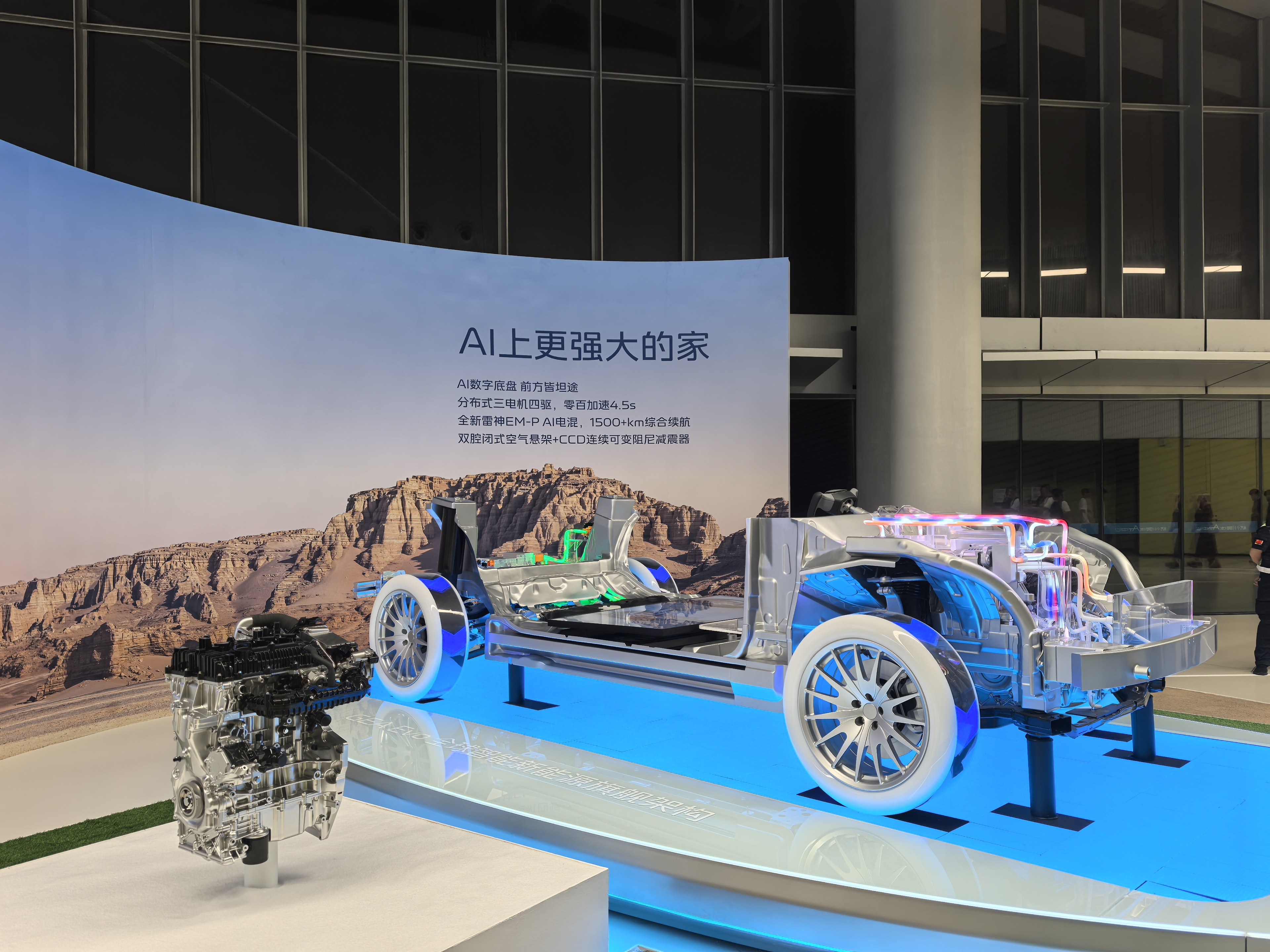
Core Insights - The competition in the intelligent driving market is intensifying, with significant investments and strategic partnerships emerging [1][4][10] - Mercedes-Benz has acquired a stake in Qianli Technology, indicating a strong interest in the Chinese smart driving sector [3][4] - Qianli Technology, formerly known as Lifan Technology, is transitioning towards intelligent driving solutions, but faces challenges in converting this potential into actual profits [2][10] Investment and Strategic Moves - Lifan Holdings plans to transfer 136 million shares of Qianli Technology to Mercedes-Benz Digital Technology at a price of 9.87 yuan per share, totaling approximately 1.342 billion yuan [1][3] - Following this transaction, Mercedes-Benz Digital Technology will become the fifth-largest shareholder of Qianli Technology, holding a 3% stake [3] - Mercedes-Benz has invested over 10.5 billion yuan in R&D in China over the past five years and plans to increase this investment by an additional 14 billion yuan in 2024 [4] Financial Performance - Qianli Technology reported a net profit of -1.35 billion yuan, -0.68 billion yuan, and -1.34 billion yuan for the years 2023, 2024, and the first half of 2025, respectively, indicating ongoing financial losses [2][12] - The company's revenue from automotive sales was 42.17 billion yuan in 2024, accounting for approximately 59.95% of total revenue [11] - In the first half of 2025, Qianli Technology's automotive sales revenue was 26.73 billion yuan, representing 63.89% of total revenue [11] Market Performance - Qianli Technology's stock price has increased by 71.90% in 2024, reaching 13.15 yuan per share, which has resulted in a paper profit of 446 million yuan for Mercedes-Benz [1][9] - The company's market capitalization is approaching 60 billion yuan, with a significant increase in stock price over the past year [9] Challenges Ahead - Despite the market interest, Qianli Technology's ability to convert its intelligent driving concept into tangible results remains uncertain [10] - The company has been heavily reliant on government subsidies, which accounted for 1.7 billion yuan in the first half of 2025 [13] - Qianli Technology's financial pressure is increasing, with a rising debt ratio and declining liquidity ratios noted in recent financial reports [13]
奇瑞汽车登陆港股:中国汽车全球化与新能源转型的双重样本
Xin Lang Cai Jing· 2025-09-26 03:03
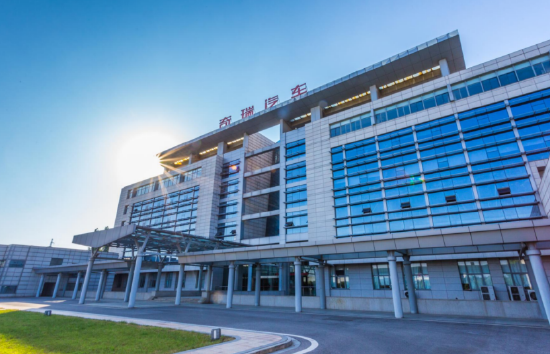
Core Viewpoint - Chery Automobile officially listed on the Hong Kong capital market on September 25, 2023, with an opening price of HKD 34.2 per share, an increase of 11.22% from the issue price [2][4]. Group 1: Company Overview - Chery Automobile, founded in 1997, has become the second largest independent brand car manufacturer in China and the eleventh globally, with projected global sales exceeding 2.295 million units in 2024, a year-on-year increase of 49.4% [5]. - From 2022 to 2024, Chery's revenue surged from CNY 92.6 billion to CNY 269.9 billion, with a compound annual growth rate (CAGR) of 70.7%, while net profit increased from CNY 5.8 billion to CNY 14.3 billion, with a CAGR of 57.1% [5][6]. Group 2: Growth Model - Chery's unique "four-track" growth model allows it to achieve strong growth across fuel vehicles, new energy vehicles, domestic markets, and overseas markets simultaneously, providing a diversified revenue source and reducing risks associated with single market dependence [6][10]. - The IPO was oversubscribed by approximately 10 times, indicating strong market demand, with the final issue price set at HKD 30.75 per share, resulting in a market capitalization of HKD 177.34 billion [6][11]. Group 3: New Energy Transition - Chery's transition to new energy vehicles is gaining momentum, with a projected year-on-year sales increase of over 265% in 2024, reflecting its commitment to becoming a leading player in the new energy sector [7][10]. - The company employs a multi-technology approach, including pure electric, plug-in hybrid, and range-extended technologies, addressing market concerns such as range anxiety [10]. Group 4: Globalization Strategy - Chery has maintained its position as the top exporter of Chinese independent brand passenger vehicles for 22 consecutive years, with over 3,169 overseas dealerships and sales exceeding 13 million vehicles globally [12][14]. - The company has established local R&D centers in various countries, enhancing its ability to provide customized products and services that meet local market demands [14][15]. - Chery's overseas revenue accounted for 32.8% to 38.5% of total revenue from 2022 to Q1 2025, showcasing its ability to mitigate regional market fluctuations and benefit from both emerging and developed markets [15].
每卖5辆中国车就有1辆奇瑞,港股巨人也偏科
21世纪经济报道· 2025-09-25 13:18
Core Viewpoint - Chery Automobile successfully listed on the Hong Kong Stock Exchange on September 25, 2025, raising HKD 91.4 billion, marking the largest IPO of a car company in the Hong Kong market in 2025, despite challenges in the industry [5][7]. Group 1: Company Growth and Market Position - Chery has become the fastest-growing brand among the top ten passenger car companies in China and the only company among the top twenty globally to achieve over 25% growth in both new energy and fuel vehicles in 2024 [7][8]. - In 2024, Chery's overseas sales reached 1.145 million units, accounting for 40% of its total revenue, solidifying its position as a leading exporter of Chinese cars [10][12]. - Chery has maintained its status as the top exporter of Chinese passenger cars for 22 consecutive years, contributing to its nearly HKD 200 billion valuation in the Hong Kong market [8][10]. Group 2: Financial Performance - Chery's revenue from passenger vehicles in 2022 was RMB 82.511 billion, with a gross profit margin of 13.8%, which is below the industry average of 15%-25% [15][24]. - The company's sales, administrative, research and development, and financial expenses accounted for only 9.5% of total revenue in the first quarter of 2025, showcasing its cost control capabilities [13][17]. - Despite high sales growth, Chery's gross profit margin has been declining, with fuel vehicle margins dropping from 16.3% in Q1 2024 to 14.4% in Q1 2025 [24][25]. Group 3: Challenges and Strategic Shifts - Chery faces a significant reliance on fuel vehicles, with over 60% of its passenger vehicle revenue coming from this segment in Q1 2025, while the market for new energy vehicles continues to grow rapidly [22][23]. - The company has initiated a major restructuring to address its "偏科" (specialization) issues, including the establishment of a new brand management structure and a shift towards resource integration for smart vehicle development [28][29]. - Chery's R&D investment has been relatively low, with a research expense ratio of only 3.3% in Q1 2025, compared to 8.3% for competitors like BYD [26][29]. Group 4: Future Directions - The funds raised from the IPO will be allocated to various strategic initiatives, including 35% for developing different models of passenger vehicles, 25% for next-generation automotive technologies, and 20% for expanding overseas markets [34]. - Chery aims to enhance its product mix and accelerate its transition to new energy vehicles, with a notable increase in the share of hybrid vehicles from 1.6% in 2022 to 17.5% in Q1 2025 [29][30]. - The company is focusing on high-end branding and has prioritized its "智界" (Intelligent World) brand for future product lines, indicating a strategic shift towards premium offerings [30][31].

折价24%成交,千里科技急需奔驰“输血”
Jing Ji Guan Cha Wang· 2025-09-25 11:42
Core Insights - On September 25, a significant event occurred in China's smart driving sector as Mercedes-Benz announced two key moves: the mass production of an intelligent driving system developed in collaboration with Momenta for the domestic CLA model, and the acquisition of a 3% stake in Qianli Technology at a price of 9.87 yuan per share, representing a nearly 24% discount [2][3]. Group 1: Mercedes-Benz's Strategic Moves - The simultaneous announcements reflect Mercedes-Benz's strategy to establish a foothold in the local smart driving ecosystem while addressing immediate product deployment needs [2]. - The investment in Qianli Technology, costing approximately 1.339 billion yuan, positions Mercedes-Benz as the fifth-largest shareholder, with a commitment not to sell shares within the next 12 months [3]. Group 2: Qianli Technology's Background - Qianli Technology, which emerged from the restructuring of Lifan Holdings, was once the first private passenger car company listed in A-shares but faced bankruptcy in 2020 before being acquired by Geely [3]. - The company has shifted its focus from traditional manufacturing to smart driving and intelligent cockpit technologies, with a workforce expansion to about 2,000 people through partnerships with Geely and Megvii [3]. Group 3: Industry Context and Implications - Qianli Zhijia, formed by Qianli Technology, Geely, and Megvii, aims to operate independently and provide solutions not only for Geely but for the entire industry [4]. - Mercedes-Benz's investment aligns with its earlier investment in Momenta in 2017, indicating a commitment to local data training and simulation for its new intelligent driving system, which will debut in the upcoming CLA model [4]. - The discount on the share purchase highlights the urgency of Lifan Holdings' divestment while simultaneously providing Qianli Technology with international brand recognition, crucial for its expansion [4]. Group 4: Future Outlook - The effectiveness of these strategic moves will ultimately be determined by real-world testing and consumer acceptance, as user experience will be the final measure of the value of these capital and technological investments [5].
“偏科”巨人港股涅槃:奇瑞21年的上市突围战
2 1 Shi Ji Jing Ji Bao Dao· 2025-09-25 10:38
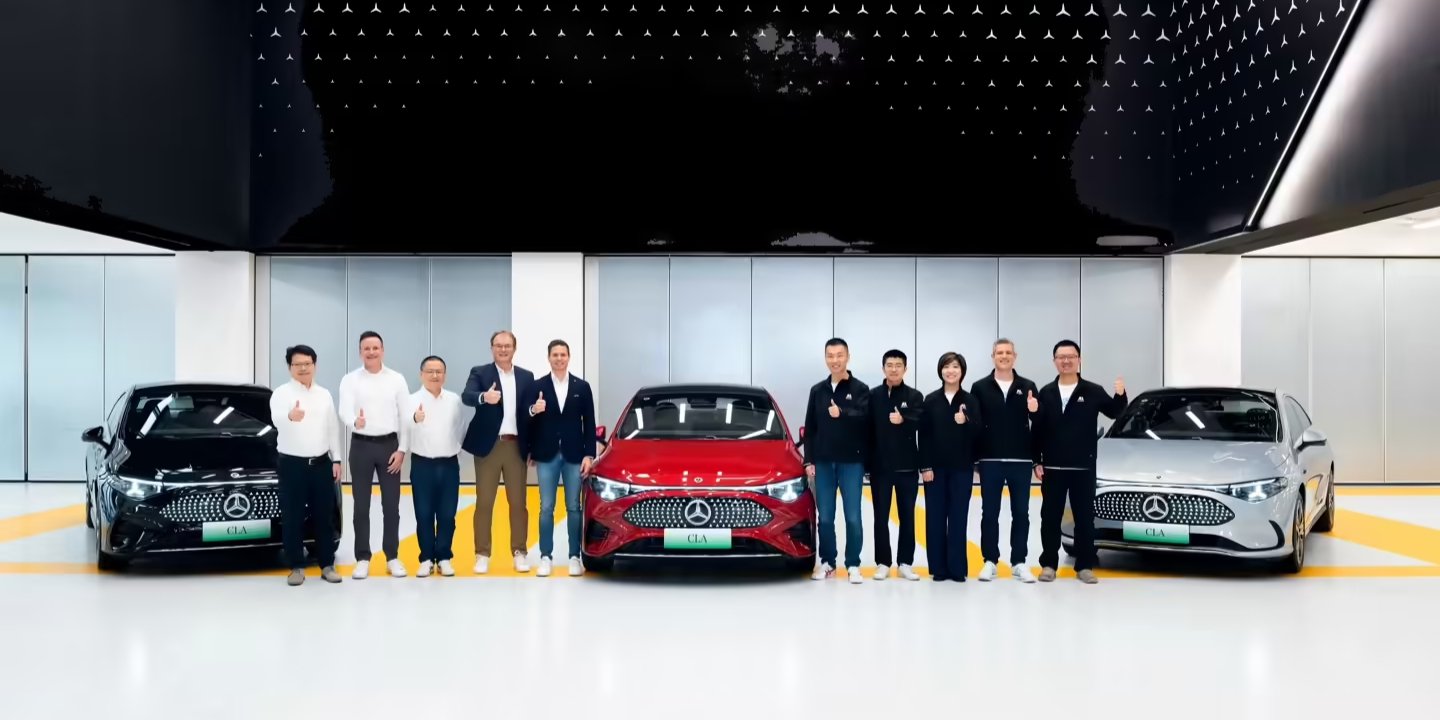
Core Viewpoint - Chery Automobile successfully listed on the Hong Kong Stock Exchange on September 25, 2025, raising HKD 91.4 billion, marking the largest IPO for a car company in the Hong Kong market since 2025, despite facing challenges in its transition to electric vehicles and maintaining profitability [1][21]. Group 1: Company Performance - Chery's stock opened at HKD 34.2, a rise of 11.22% from the issue price of HKD 30.75, with a market capitalization exceeding HKD 200 billion at one point, closing at HKD 31.92 and a market cap of HKD 184.09 billion [1]. - In 2024, Chery was the fastest-growing brand among the top ten passenger car companies in China and the only company in the global top twenty to achieve over 25% growth in new energy, fuel vehicles, and both domestic and international markets [1]. - Chery's overseas sales reached 1.145 million units in 2024, accounting for nearly 40% of its revenue, with a significant presence in Russia, especially after the outbreak of the Russia-Ukraine conflict [2][4]. Group 2: Financial Metrics - Chery's revenue from overseas sales was reported at CNY 291.5 billion in 2022, CNY 745.3 billion in 2023, CNY 978.7 billion in 2024, and CNY 196.4 billion in Q1 2025, maintaining a stable contribution of around 40% to its total revenue [4]. - The company's overall gross margin was below industry standards, with figures of 13.8%, 16%, 13.5%, and 12.4% from 2022 to Q1 2025, compared to competitors like BYD and Geely, which had gross margins of 20.1% and 15.9%, respectively [7][11]. Group 3: Challenges and Strategic Shifts - Chery's reliance on fuel vehicles remains high, with over 60% of its passenger car revenue coming from fuel vehicles in Q1 2025, while the penetration rate of new energy vehicles in China exceeded 55% [10]. - The company has initiated significant reforms to address its "偏科" (specialization) issues, including restructuring its brand strategy and focusing on electric and hybrid vehicle development [17][19]. - Chery's R&D investment has been relatively low, with a rate of only 3.3% in Q1 2025, compared to BYD's 8.3%, raising concerns about its technological capabilities in the electric vehicle sector [13][14]. Group 4: Future Plans and Funding Utilization - The funds raised from the IPO will be allocated as follows: 35% for developing various passenger car models, 25% for next-generation vehicles and advanced technologies, 20% for expanding overseas markets, 10% for enhancing production facilities, and 10% for working capital [21]. - Chery aims to accelerate its transition to electric and intelligent vehicles while consolidating its advantages in overseas markets, marking the IPO as a new starting point for its transformation [21].