高鑫零售

Search documents
人人乐超市摘牌:曾经的“巷战”之王,市值仅存1%黯然退场
Guan Cha Zhe Wang· 2025-07-15 05:36
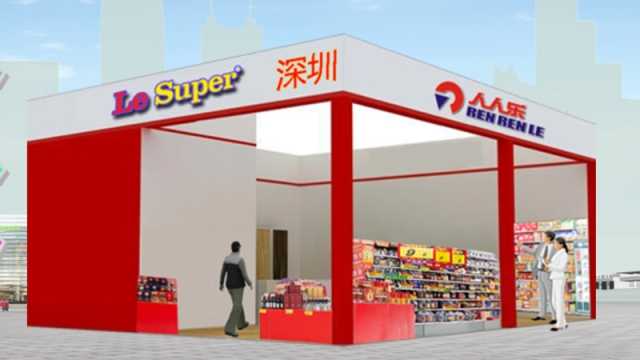
Core Viewpoint - The article discusses the decline and delisting of Renrenle, a prominent private supermarket chain in Shenzhen, highlighting its struggles against competition and failure to adapt to market changes, ultimately leading to its exit from the stock market [3][11]. Company Overview - Renrenle, founded in 1996, initially thrived in the retail market, competing directly with international giants like Carrefour and Walmart [4][6]. - The company went public in 2010, becoming the "first private supermarket stock," with a market value exceeding 130 billion yuan at its peak [6]. Financial Performance - Renrenle's stock was delisted on July 4, 2024, after entering a trading suspension on June 13, 2024, with a final share price of 0.36 yuan, marking a drastic decline from its peak market value of 136 billion yuan [3][6]. - The company reported a revenue of 14.3 billion yuan in 2024, a 49.86% decrease year-on-year, and a net loss of 170 million yuan, following consecutive years of losses [9]. Strategic Missteps - The company failed to adapt to the rise of e-commerce, leading to a strategic misalignment that resulted in significant financial losses [8][10]. - Renrenle's aggressive expansion strategy, including a "five-year ten-thousand store plan," overlooked the importance of profitability and operational efficiency, contributing to its financial struggles [8][9]. Management Issues - The company faced internal challenges, including a family-controlled management structure that led to high turnover among key executives and a lack of strategic direction [10][11]. - Frequent changes in leadership and management practices created instability, further exacerbating the company's decline [10][11]. Industry Context - Renrenle's delisting reflects broader challenges faced by traditional supermarkets in China, with many struggling to compete against e-commerce and changing consumer behaviors [12][19]. - Other major retailers, such as Carrefour and Walmart, have also faced significant challenges, with many closing stores and restructuring their business models in response to market pressures [12][19].



羽绒服一哥,也要卖了
首席商业评论· 2025-07-15 04:23
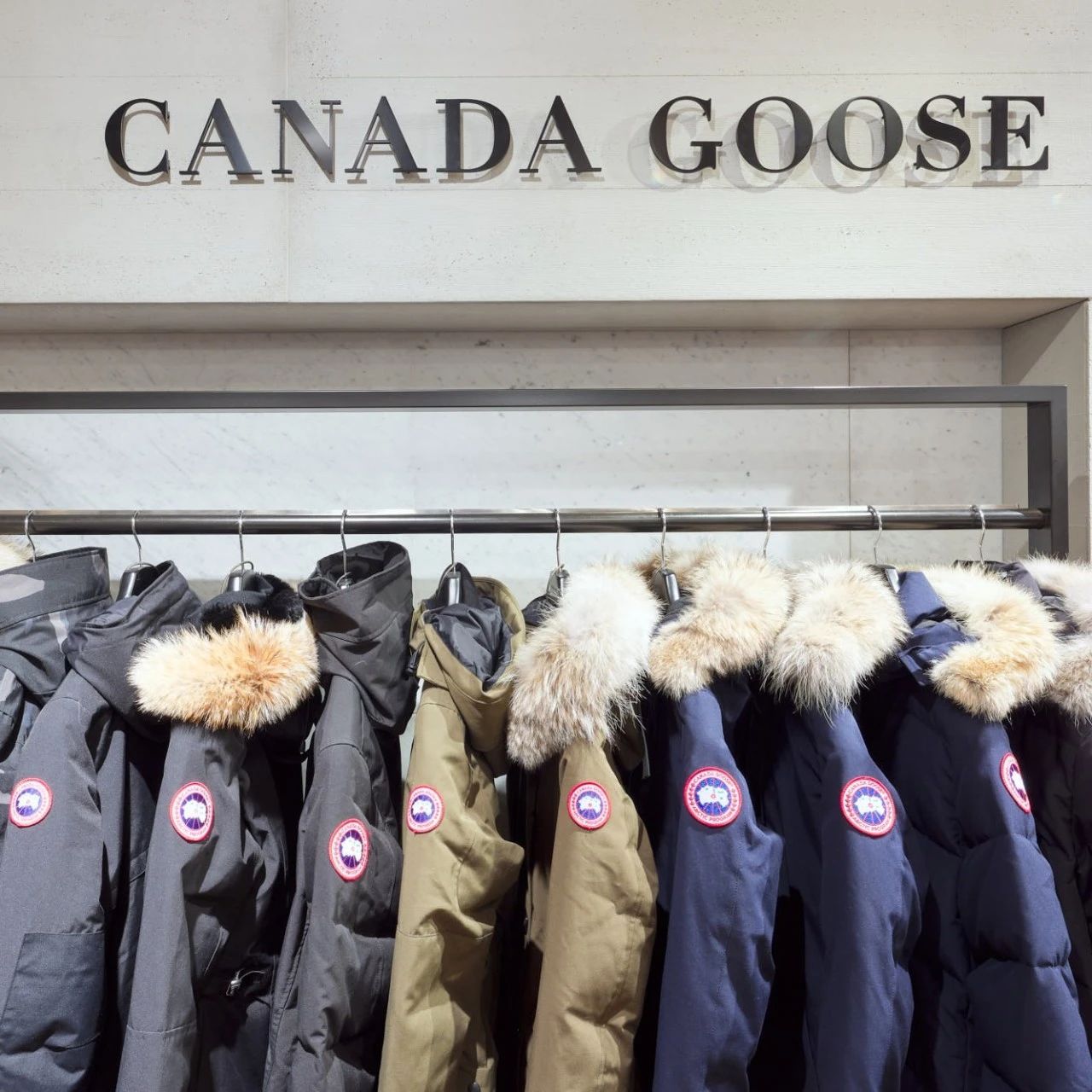
Core Viewpoint - Canada Goose Holdings Inc. is considering selling part or all of its shares held by Bain Capital, which has attracted interest from private equity firms amid declining sales and stock prices [4][12][16]. Company History - Canada Goose was founded in 1957 in Toronto, initially as a niche brand for cold-weather functional wear, and transformed into a global luxury brand with the help of Bain Capital, which acquired it in 2013 [4][5][6][7]. - The company expanded its product line significantly and launched e-commerce platforms and flagship stores globally, achieving a peak market value of over $7.8 billion [7][12]. Market Performance - Sales growth has been declining, with revenue growth rates of 21.54%, 10.84%, and 9.6% for fiscal years 2022, 2023, and 2024, respectively, dropping to 1.1% in fiscal year 2025 [12]. - The company's market capitalization has fallen from a peak of $7.8 billion to $1.36 billion, a loss of over $6.4 billion [13]. Challenges in China - Canada Goose's performance in China has deteriorated due to issues such as false advertising penalties and negative public sentiment, leading to a 1.7% decline in revenue when adjusted for fixed exchange rates [14][15]. - The company has faced increased competition from domestic brands like Bosideng and other foreign luxury brands, resulting in a significant drop in sales [14][15]. Management Changes - Canada Goose has undergone multiple changes in its China management team, indicating a sense of urgency to address declining performance in the region [15]. Potential Sale - Bain Capital, which holds 60.5% of Canada Goose's voting shares, is exploring the sale of its stake, viewing this as an opportune time to lock in returns [16]. - There is interest from private equity firms in acquiring Canada Goose, reflecting a broader trend of restructuring in the global consumer market [18]. Broader Market Trends - The current high inflation and interest rate environment have made luxury and essential goods more attractive to investors, leading to increased merger and acquisition activity in the consumer sector [18][19]. - Notable recent acquisitions in the consumer space include 3G Capital's $9.4 billion purchase of Skechers and various deals involving Starbucks China and other brands [19][20].
羽绒服一哥,也要卖了
虎嗅APP· 2025-07-14 10:01
Core Viewpoint - Canada Goose Holdings Inc. is considering selling part or all of its shares held by Bain Capital, which has attracted interest from private equity firms amid declining sales and stock prices [3][9][11]. Company History - Canada Goose was founded in 1957 in Toronto and initially focused on functional cold-weather gear before transforming into a global luxury brand with the help of Bain Capital, which acquired the company in 2013 [6][7]. - The brand gained significant recognition through product placements in films and sponsorships of major film festivals, leading to sales exceeding $100 million by 2013 [6][7]. Recent Performance - Sales growth has significantly slowed, with revenue growth rates of 21.54%, 10.84%, and 9.6% for fiscal years 2022, 2023, and 2024, respectively, and a projected drop to 1.1% for fiscal year 2025 [9]. - The company's market value has plummeted from a peak of $7.8 billion to $1.36 billion, resulting in a loss of over $6.4 billion [9]. Market Challenges - Canada Goose has faced challenges in the Chinese market, including penalties for false advertising and a decline in brand perception due to negative publicity [10]. - Increased competition from domestic brands like Bosideng and other luxury brands has further pressured Canada Goose's market position [10]. Management Changes - The company has undergone multiple leadership changes in its China operations, indicating a sense of urgency to address declining performance [10]. Potential Sale - Bain Capital, which holds 60.5% of Canada Goose's voting shares, is reportedly exploring the sale of its stake, viewing this as an opportune exit point to realize returns [11]. Industry Trends - The current market environment, characterized by high inflation and interest rates, has led to increased interest in luxury and essential goods, prompting a surge in mergers and acquisitions in the consumer sector [13][16]. - Potential buyers for Canada Goose may include Chinese investment firms, reflecting a broader trend of acquiring international brands' operations in China [16].

市值缩水99%,这家企业黯然退市
第一财经· 2025-07-07 16:04
Core Viewpoint - The delisting of Renrenle (002336.SZ) is attributed to years of continuous losses and ineffective store closures, reflecting broader challenges faced by traditional retail companies in a changing market landscape [1][6]. Group 1: Company Overview - Renrenle was once a prominent player in the retail sector, achieving a peak market capitalization of approximately 136.68 billion yuan in January 2010 [5]. - The company has faced significant operational challenges due to the rise of e-commerce and increasing costs associated with physical retail, leading to a decline in profitability [6][9]. - As of 2024, Renrenle reported an operating revenue of 1.43 billion yuan, a year-on-year decrease of 49.86%, and a net loss of 17 million yuan [6]. Group 2: Industry Challenges - The retail sector is experiencing pressure from new business models such as membership stores and discount stores, which are attracting customers away from traditional supermarkets [10][12]. - Competitors like Walmart and Carrefour have also faced difficulties, with many stores closing or transitioning to new formats [9][10]. - The emergence of instant retail has intensified competition, with companies like Meituan and Alibaba engaging in aggressive pricing strategies, making it harder for traditional retailers to compete [13]. Group 3: Future Outlook - Analysts predict that more traditional retailers may face closures or the need to pivot to new business models in the coming year [13]. - The retail industry is expected to continue evolving, with a focus on supply chain efficiency, customer service, and leveraging technology such as AI to improve operations [13].

人人乐退市、家乐福资产遭甩卖:传统零售业洗牌潮要来了?|乐言商业
Di Yi Cai Jing· 2025-07-07 13:50
Core Viewpoint - The delisting of Renrenle reflects the severe challenges faced by the traditional retail industry and the competitive pressure brought by the rise of new business models [1] Group 1: Company Overview - Renrenle, once known as the "first private supermarket stock," has been delisted from the Shenzhen Stock Exchange, with its stock being terminated on July 4 [1] - The company has experienced continuous losses over the years, leading to store closures as a damage control measure, but this has not significantly improved its performance, ultimately resulting in its delisting [1][4] - As of the end of 2024, Renrenle had 32 stores, all of which were direct-operated, having opened 1 new store, closed 45, and transferred 15 stores [5] Group 2: Financial Performance - Renrenle's financial reports indicate a continuous decline, with net profits being negative for three consecutive fiscal years from 2021 to 2023, and a significant drop in revenue of 49.86% in 2024, amounting to 1.43 billion yuan [4] - The company's market capitalization has severely decreased, with its stock price at 0.36 yuan per share as of July 3, 2023, leading to a total market value of approximately 158 million yuan, a stark contrast to its peak market value of over 10 billion yuan [5] Group 3: Industry Challenges - The traditional retail sector is under significant pressure due to the rise of e-commerce and new retail formats such as membership stores and discount stores, which have diverted business from traditional retailers [3][6] - Competitors like Carrefour have also faced challenges, with many of their stores closing in the Chinese market, indicating a broader trend of decline in traditional retail [6] - The emergence of instant retail has intensified competition, with companies like Meituan and Alibaba engaging in aggressive pricing strategies, making it difficult for traditional retailers to compete [8] Group 4: Future Outlook - Industry experts predict that more traditional retailers may face store closures or the need to transform their business models in the coming year, as the competitive landscape continues to evolve [8] - The pressure on traditional retailers to adapt to new market conditions is increasing, with suggestions for them to learn from successful models in service, delivery, and supply chain management [8]
外卖电商平台补贴,咖啡茶饮和广告渠道直接受益
SINOLINK SECURITIES· 2025-07-06 13:53
Investment Rating - The report maintains an optimistic outlook for the Hong Kong stock market, particularly for new IPOs and sectors like new consumption and innovative pharmaceuticals [8]. Core Insights - The report highlights that the recent subsidies from food delivery e-commerce platforms directly benefit coffee, tea, and advertising channels [8]. - The education sector remains robust, with leading institutions expanding market share and developing AI products for international education [3][19]. - The luxury goods sector is experiencing slight pressure from macroeconomic factors, but brands with strong innovation capabilities are still seeing growth [20]. - The coffee and tea industry is in a growth cycle, with coffee demand remaining strong, while tea faces short-term challenges due to increased competition [27]. - E-commerce is under pressure with slowing growth rates, but instant retail is emerging as a new battleground [31]. - The travel and OTA sectors are seeing limited impact from recent subsidies, with a focus on undervalued leading players [8]. - Music streaming platforms are identified as quality internet assets driven by domestic demand, with ongoing developments in subscription services [36]. - The virtual asset market is on an upward trend, supported by traditional financial institutions entering the space [40]. - The real estate market is under pressure, particularly in major cities, with a focus on opportunities in companies like Beike [8]. - The automotive service market is experiencing a decline, with a continued focus on ecosystem changes [8]. Summary by Sections 1. Education - The K12 education sector remains highly prosperous, with leading institutions reporting good summer enrollment progress and a focus on AI product development [3][19]. - The education index saw a decline of 1.78% during the reporting period, outperforming the Hang Seng Technology Index but underperforming other major indices [10]. 2. Luxury Goods - The luxury goods sector is slightly pressured by macroeconomic factors, with notable growth in brands with strong innovation [20]. - Key luxury stocks showed positive performance, with Samsonite and Prada increasing by 5.61% and 6.09% respectively [20]. 3. Coffee and Tea - The coffee sector remains in a growth cycle, with strong demand and a high frequency of consumption [27]. - The tea sector faces short-term challenges due to increased competition and supply growth [27]. 4. E-commerce - The e-commerce sector is experiencing a slowdown, with significant competition impacting profitability [31]. - Instant retail is becoming a new focus, with major platforms launching aggressive subsidy plans [31]. 5. Travel and OTA - The travel sector is seeing limited impact from subsidies, with a focus on undervalued leading players [8]. 6. Music Streaming - Music streaming platforms are identified as high-quality assets driven by domestic demand, with ongoing developments in subscription services [36]. 7. Virtual Assets - The virtual asset market is on an upward trend, with traditional financial institutions increasingly entering the space [40]. 8. Real Estate - The real estate market is under pressure, particularly in major cities, with a focus on opportunities in companies like Beike [8]. 9. Automotive Services - The automotive service market is experiencing a decline, with a continued focus on ecosystem changes [8].



“并购破局:存量时代的投退博弈”闭门研讨会即将举办
2 1 Shi Ji Jing Ji Bao Dao· 2025-07-04 10:09
Group 1 - The core viewpoint of the articles highlights the transition of China's economy from high-speed growth to high-quality development, leading to increased merger and acquisition (M&A) activities among companies to better meet market demands [1] - Chinese companies are increasingly capable of engaging in M&A and expanding globally, driven by a shift in management power from the "first generation" to the "second generation" or professional managers, along with a greater emphasis on management incentives [1][2] - Since 2023, regulatory bodies have encouraged M&A and implemented various optimization measures, with multiple supportive policies introduced in 2024, including the new "National Nine Articles" and the revision of management regulations for major asset restructuring [1][2] Group 2 - The domestic M&A market has been heating up, with notable transactions such as Anta's acquisition of Jack Wolfskin and Tencent Music's proposed acquisition of Himalaya, alongside significant involvement from private equity and venture capital firms [2] - Local state-owned enterprises are increasingly establishing M&A funds, with Shenzhen launching a 4 billion yuan fund and Shanghai's state-owned fund matrix totaling over 50 billion yuan, indicating a growing trend in state-backed M&A initiatives [2] - The high valuations in emerging industries have begun to correct, creating favorable conditions for companies and investors seeking M&A opportunities, while the pressure on fund managers to exit investments is rising due to regulatory scrutiny [3]
微软发布突破性医疗AI系统,AI人工智能ETF(512930)最新规模超20亿,消费电子ETF(561600)盘中蓄势
Xin Lang Cai Jing· 2025-07-02 02:24
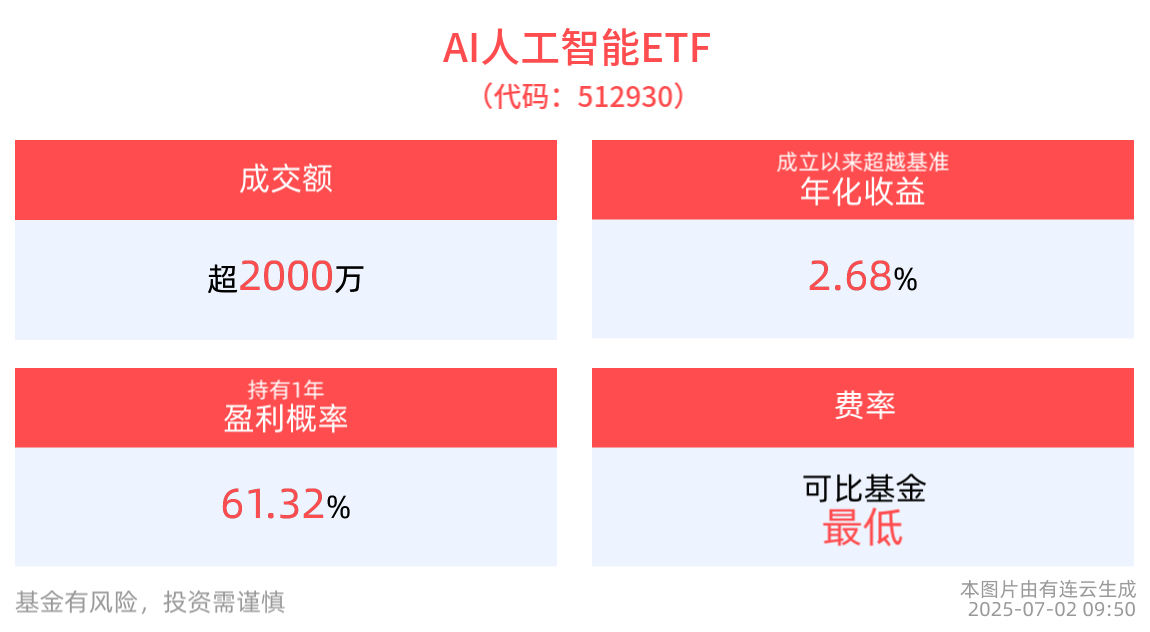
Group 1: AI Industry Developments - Microsoft CEO Satya Nadella announced the launch of a groundbreaking medical AI system, MAI-DxO, which significantly enhances diagnostic performance compared to professional doctors, achieving an accuracy rate of 81.9% to 85.5% in tests [1] - Concerns regarding capital expenditure in AI have diminished as the sovereign AI market becomes clearer, indicating strong sustainability in AI computing capital investments [2] Group 2: ETF Performance and Index Composition - The AI Artificial Intelligence ETF (512930) has a current scale of 2.043 billion yuan, closely tracking the China Securities Artificial Intelligence Theme Index (930713), which includes 50 companies involved in AI resources and technology [1][9] - The China Securities Consumption Electronics Theme Index (931494) has seen a 21.87% increase in net value over the past year, with the Consumption Electronics ETF (561600) currently priced at 0.8 yuan [5] - The China Securities Online Consumption Theme Index (931481) has experienced a 46.44% increase in net value over the past year, with the Online Consumption ETF (159793) currently priced at 0.92 yuan [8] Group 3: Index Weightings - As of June 30, 2025, the top ten weighted stocks in the China Securities Artificial Intelligence Theme Index account for 52.8% of the index, including companies like Zhongji Xuchuang and Hikvision [9] - The top ten weighted stocks in the China Securities Consumption Electronics Theme Index represent 51.02% of the index, featuring companies such as Luxshare Precision and SMIC [10] - The top ten weighted stocks in the China Securities Online Consumption Theme Index account for 52.54%, including major players like Tencent and Alibaba [11]

速递|阿里低调回归LP行列,与红杉联手押注清华系早期基金
Sou Hu Cai Jing· 2025-07-01 10:52
Group 1 - The core point of the article highlights Alibaba's recent return to the Limited Partner (LP) role in venture capital, marking a shift in its investment strategy amidst a challenging fundraising environment in the primary market [2] - Alibaba's venture capital arm invested 140 million yuan in "Infinite Sailing Haihe (Tianjin) Venture Capital Partnership," indicating a strategic move to re-enter the investment landscape [2] - The partnership includes notable investors such as Sequoia China, suggesting a collaborative approach to funding new ventures [2] Group 2 - Over the past few years, Alibaba has significantly divested non-core assets, including the sale of its controlling stake in Sun Art Retail Group for approximately 13.1 billion HKD, signaling a retreat from the offline retail sector [6] - The company also transferred part of its stake in Intime Retail for around 7.4 billion yuan, further shedding its retail business [6] - These asset disposals have generated over 20 billion yuan in cash, providing Alibaba with the necessary capital for new strategic initiatives [6] Group 3 - Alibaba's asset disposal strategy reflects a conscious exit from high-investment, low-return traditional industries, reallocating capital towards core areas such as cloud computing, e-commerce, and technological innovation [7] - The return to the LP role is characterized by a more modest approach, leveraging higher financial leverage to tap into future growth potential [7] - This shift is interpreted by industry insiders as a move towards sustainable growth, focusing on efficiency and risk management while exploring investments in AI and robotics [7]

雷来了!51位大股东集体撤退,9家终止上市,2家退市整理!
Sou Hu Cai Jing· 2025-06-30 23:47
Group 1 - The A-share market appears calm on the surface, but there are significant underlying movements, with 51 listed companies quietly implementing share reduction plans while ordinary investors face survival challenges [2] - A wave of delistings is occurring, with 9 companies, including ST Hengli, suddenly terminating their listings, and 56 companies expected to delist by 2025 due to stock prices falling below 1 yuan for 20 consecutive days [3][5] - Major shareholders are cashing out significantly, with Mindray Medical's shareholders cashing out 1.168 billion yuan and New Dairy's controlling party cashing out 488 million yuan, while original shareholders of Mag Valley Technology enjoy a 28-fold profit [3][8] Group 2 - A massive unlock of shares is exacerbating market challenges, with Qiaoyuan shares having a 907% unlock ratio and Longqi Technology at 899%, leading to a ninefold increase in circulating shares [7] - High-priced stocks are suffering, with ST Yushun's stock price plummeting over 60%, and 15 stocks have fallen below the critical price of 1.5 yuan, with ST Pengbo at 0.62 yuan [7] - Internet giants are retreating, with Alibaba cashing out 13.1 billion yuan from Gaoxin Retail and Tencent reducing its stake in Weimeng for 1.6 billion yuan, indicating a contraction in investment [8] Group 3 - New regulatory measures are closing loopholes for indirect share reductions, requiring a six-month lock-up for divorce-split shares and halting judicial auction-based reductions [9] - Private equity firms are adjusting their strategies, avoiding companies with over 300% unlock ratios and those with major shareholder pledges exceeding 80%, while increasing positions in leading mechanical firms and core assets in communications and semiconductors [10] - The tightening of regulations and market normalization will be crucial in the ongoing battle between capital interests and retail investors [10]