富士

Search documents
市场简报:即时成像的生态构建:拍立得如何打造用户粘性护城河?-20250905
Tou Bao Yan Jiu Yuan· 2025-09-05 13:24
Investment Rating - The report does not explicitly state an investment rating for the instant photography industry Core Insights - The instant photography market is segmented into traditional instant cameras, electronic instant cameras, and mobile photo printers, each with distinct characteristics and functionalities [2][4] - Traditional instant cameras, while popular for their nostalgic appeal, have lower image quality compared to professional digital cameras due to limitations in film sensitivity and lens design [3][4] - The instant photography industry has seen a resurgence due to the unique experience it offers, appealing to consumers' desire for tangible memories in a digital age [15][16] Market Overview - The Chinese instant photography market is projected to reach approximately 2 billion yuan in 2024, with Fujifilm holding a dominant market share of 70%-80% [22] - Fujifilm's instax series has sold over 100 million units globally, showcasing its strong market presence and consumer loyalty [22] Product Comparison - Traditional instant cameras utilize film and chemical development, while electronic instant cameras combine digital sensors with instant printing capabilities [4] - Mobile photo printers, although not classified as instant cameras, allow users to print photos from their smartphones, expanding the market's reach [2][4] Historical Development - Instant photography originated in the 1940s with Polaroid's introduction of the first commercial instant camera, leading to significant innovations over the decades [15][18] - Fujifilm entered the instant photography market in the late 1990s and has since revitalized the sector with diverse product offerings and collaborations with fashion brands [15][22] Consumer Behavior - Consumers are drawn to traditional instant cameras for their unique aesthetic and the physicality of printed photos, which contrasts with the digital experience [16] - The nostalgic and experiential aspects of instant photography contribute to its appeal, particularly among younger demographics [16]
荣成市人民医院内镜中心打造区域消化诊疗新高地
Qi Lu Wan Bao· 2025-08-26 21:29
Core Viewpoint - The article highlights the advancements in minimally invasive and precise treatment for gastrointestinal diseases at the Rongcheng People's Hospital Endoscopy Center, which has significantly improved early cancer detection rates and aims to enhance overall diagnostic capabilities in the region [1] Group 1: Technological Advancements - The Endoscopy Center was established in 2021 and is equipped with advanced technologies such as Olympus high-definition endoscopy systems, ERBE high-frequency electrosurgical devices, and Fujifilm ultrasound endoscopes [1] - The center performs approximately 12,000 gastrointestinal procedures annually, including 140 cases of ERCP and 80 cases of ESD, indicating a robust operational capacity [1] Group 2: Future Developments - The procurement process for small bowel endoscopes is currently underway, which will further enhance the center's ability to diagnose and treat gastrointestinal diseases comprehensively [1] - The center aims to establish a standardized training base over the next five years, leveraging expert resources from the Chinese Medical Education Association's Gastroenterology Endoscopy Committee to cultivate talent [1] Group 3: Strategic Goals - The strategic goal is to achieve "homogenization of endoscopic diagnosis and treatment" within county-level healthcare, ensuring that local populations have access to high-quality medical services equivalent to those provided by provincial hospitals [1]
卡片机卖到9000块,理光沾了富士的光
Hu Xiu· 2025-08-22 13:42
Group 1 - Ricoh has officially launched the fourth generation of its GR series camera, the GR4, priced at 8999 yuan, which is a significant increase of 2800 yuan compared to the previous GR3 model [4][5][27] - The pricing strategy reflects a broader trend in the camera market where traditional pricing structures based on specifications are being challenged, as seen with Fujifilm's similar pricing strategies [28][30][36] - The GR4's pricing is not an isolated case but part of a growing trend where emotional value and brand perception are becoming key drivers of pricing in the camera industry [32][33][36] Group 2 - The GR4 features several upgrades over the GR3, including a slightly larger sensor with a resolution increase from 24.24 million to 25.74 million pixels, five-axis stabilization, and improved autofocus capabilities [12][14][17] - The internal storage has been significantly increased from 2GB to 53GB, enhancing usability for users who may forget to bring an SD card [20][21] - The camera introduces new film simulation modes and enhanced customization options, appealing to its core user base that values unique color science and aesthetic output [22][26] Group 3 - The camera market is experiencing a shift from a focus on technical specifications to an emphasis on user experience and emotional value, as consumers seek cameras that provide a distinct style and ease of use [44][45][56] - The GR series is designed for quick and intuitive shooting, emphasizing a philosophy of simplicity and immediacy in photography, which resonates with users looking for a non-intrusive and enjoyable experience [53][55] - The current market dynamics suggest that the camera industry may not be shrinking but rather evolving into a more diverse and interesting landscape, similar to the watch market where different consumer needs coexist [65][66]


便利店+商超=烘焙新势力?全球商超烘焙市场给中国的启示
东京烘焙职业人· 2025-08-22 08:34
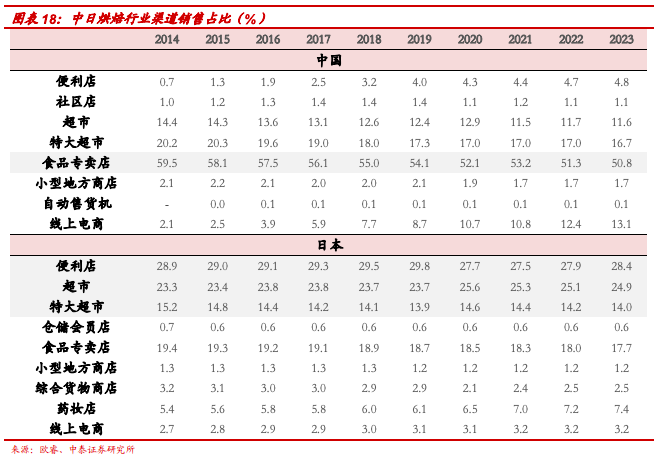
Core Viewpoint - The Chinese baking market is experiencing a shift from independent bakeries to new retail channels such as supermarkets and convenience stores, indicating a change in consumer demand despite stable market demand [1]. Group 1: Market Dynamics - In 2024, the number of baking stores in China saw a net growth of nearly zero, with 92,000 new stores and 91,000 closures, highlighting a stagnation in traditional bakery growth [1]. - New retail channels are showcasing strong sales, with examples including Sam's Club's Swiss roll sales exceeding 1 billion yuan, Hema's strawberry box cake generating 200 million yuan in seasonal sales, and Pang Donglai's mooncake sales estimated at 200 million yuan [1]. Group 2: International Comparisons - The trends observed in the Chinese baking market are not unique but are part of a broader global phenomenon influenced by the development of industrial food technology and rapid market expansion [4]. - Mature baking markets in Japan, South Korea, Europe, and North America have established stable supermarket baking models that meet consumer needs while continuously creating popular products [5]. Group 3: Asian Market Insights - Japan and South Korea serve as benchmarks in the Asian baking market, characterized by high-frequency purchases and a preference for soft bread, with a supply chain model centered around short shelf-life products [6]. - The emphasis on freshness is a common principle in Japanese and Korean supermarkets, supported by a mature "factory collaboration + regional distribution" system [7]. Group 4: Consumer Preferences - In Japan, 82.8% of consumers prefer to buy bread from supermarkets, while in South Korea, this figure is 76%, indicating a strong consumer preference for supermarket-bought baked goods [11]. - Health considerations have become essential, with products like "no added sugar toast" and "low GI whole grain bread" dominating sales in Japan and South Korea [12]. Group 5: North American Market Characteristics - The U.S. baking market is characterized by family-oriented consumption, with supermarkets catering to bulk purchases and family needs, leading to a unique model of large packaging and high cost-effectiveness [23]. - Supermarkets in the U.S. account for approximately 70% of total bread sales, with a focus on stable quality and low prices, although they lack the innovative marketing strategies seen in Japanese convenience stores [30]. Group 6: European Market Trends - The European baking market is projected to reach $157.36 billion by 2025, with supermarkets contributing approximately 60%-70% of sales, reflecting a high dependency on supermarket channels [31]. - Different countries in Europe have tailored their baking strategies based on local consumer preferences, with Germany focusing on cost control through self-owned factories and local ingredients [33]. Group 7: Strategic Recommendations for China - Chinese supermarkets and chain brands can learn from international practices by adopting strategies such as fine segmentation, local sourcing, and fresh product delivery to enhance consumer trust and satisfaction [42][43]. - Emphasizing family-oriented products and transparent labeling can help build consumer confidence and cater to local market demands [44][46].

胶卷之王,没能活成“电子茅台”
3 6 Ke· 2025-08-19 23:19
Core Viewpoint - Kodak, once a dominant player in the film industry, is facing potential bankruptcy again after struggling for years post-restructuring in 2013, with a significant debt of $500 million due within 12 months and declining revenues and profits [5][6][8]. Group 1: Financial Situation - Kodak's recent financial report revealed a $500 million debt maturing within a year, leading to a warning about its "going concern" status due to a lack of clear financing channels [5][6]. - Following the financial report, Kodak's stock price dropped over 20%, indicating investor concerns about the company's viability [6]. - Despite Kodak's claims that it can manage the debt and plans to use employee pension funds to cover it, investor confidence remains low [5][6]. Group 2: Business Transformation - After filing for bankruptcy in 2012, Kodak shifted its focus from consumer products to commercial printing and film supply, moving away from the consumer market [9][10]. - Kodak's commercial printing business now accounts for approximately 70% of its revenue, showcasing a significant shift from its original business model [10]. - The company attempted to innovate by entering the blockchain and cryptocurrency space in 2018, but these efforts were met with skepticism and ultimately failed [14][16]. Group 3: Historical Context - Kodak was founded in 1888 and became a household name with the introduction of the Kodak Box camera, revolutionizing photography for the masses [20][22]. - The company played a crucial role in American culture and history, being involved in significant events and providing equipment for Hollywood productions and NASA missions [32][33]. - Kodak's decline is often attributed to its failure to adapt to digital photography, missing opportunities to capitalize on emerging technologies [46][48]. Group 4: Market Position and Competition - Kodak's current annual revenue is around $1 billion, a stark contrast to its peak revenue of over $16 billion, indicating a significant decline in market position [19][20]. - Other companies, such as Fujifilm, have successfully diversified their business models and adapted to market changes, unlike Kodak, which clung to its traditional film business until it was too late [43][46]. - The nostalgia market has seen a resurgence, benefiting companies like Polaroid and Fujifilm, while Kodak struggles to find its place in this new landscape [38][43].

日本市占率最高的商超、便利店面包,给我们什么启发?
Hu Xiu· 2025-08-13 02:53
Group 1 - The core viewpoint of the article highlights the contrasting dynamics in the baking market, particularly the rapid entry and exit of baking stores in China, with a net increase of only 1000 stores over the past year despite 92,000 new openings and 91,000 closures [2] - The article emphasizes the significant market share held by new retail channels in China, such as Sam's Club and Hema, which have achieved impressive sales figures, including over 1 billion in sales for Swiss rolls and 200 million for a single strawberry cake [3][4] - The focus shifts to the Japanese baking market, where convenience stores and supermarkets dominate, accounting for nearly 70% of the market share, contrasting with China's reliance on specialty baking stores [5][6] Group 2 - In Japan, the proportion of consumers purchasing bread from supermarkets has increased from 78.6% in 2017 to 82.8% in 2024, while the percentage of customers at bakeries has decreased from 57.9% to 49.4% [8] - The article notes that Japanese convenience stores and supermarkets rely on partnerships with major bread factories for production, allowing them to offer high-quality, affordable products [11][12] - The article discusses the trend of health-conscious products in Japan, with convenience stores introducing low-sugar and high-quality bread options that have gained significant consumer traction [14][17] Group 3 - Independent bakeries in Japan are carving out a niche by utilizing domestic flour and creating unique products that cannot be mass-produced, such as high-hydration breads [19][23] - The rising costs of ingredients have led independent bakeries to adjust their pricing strategies, with bread prices projected to increase by 28.4% by 2025 compared to 2020 [21][22] - The article concludes by suggesting that the rapid development of the baking market in China could benefit from the marketing and product development strategies observed in Japan's convenience store and supermarket channels [27]
准大学生掀起电子产品升级热 | 夏日经济青观察
Sou Hu Cai Jing· 2025-07-22 03:02
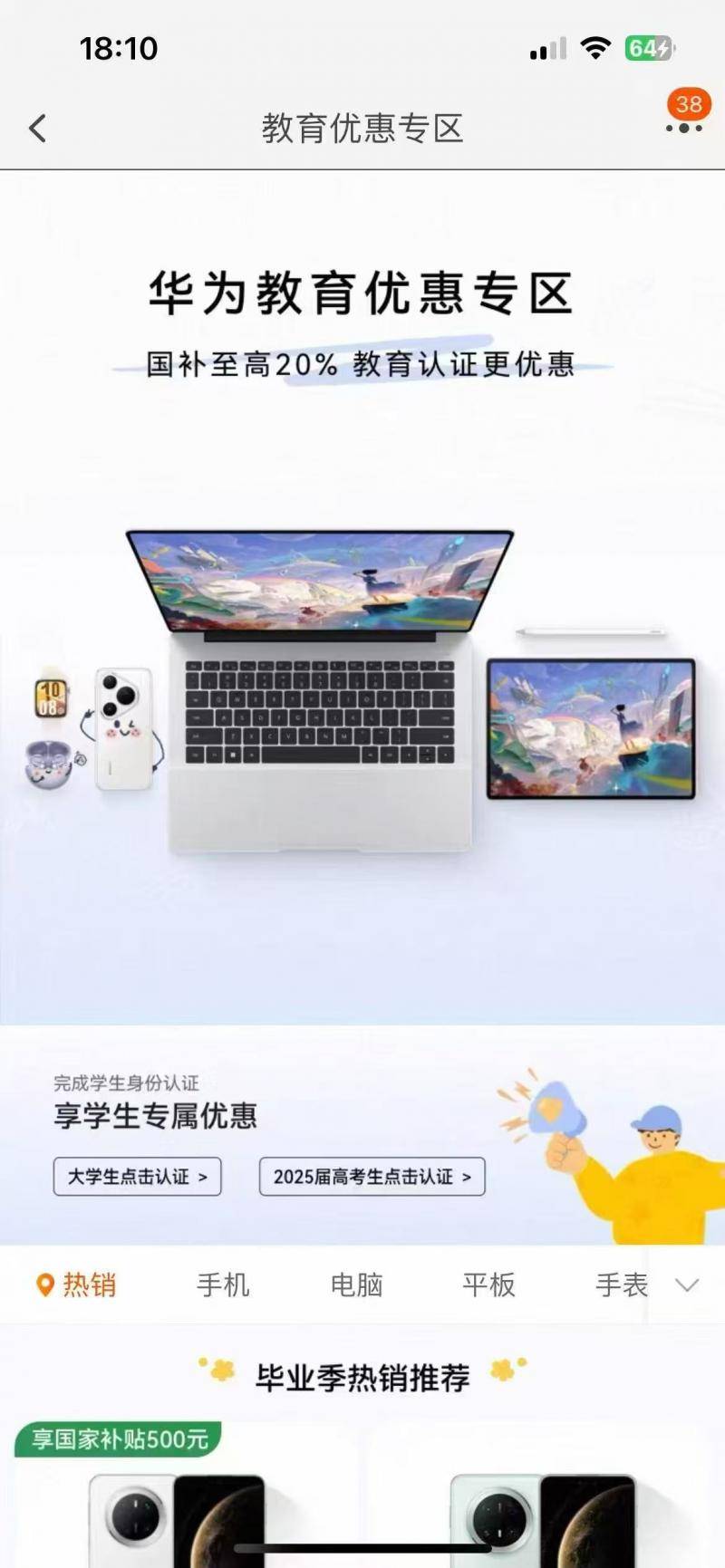
Group 1 - The core viewpoint of the articles highlights the surge in consumer spending driven by high school graduates, particularly in electronics and personal enhancement products, marking the rise of the "post-examination economy" [1][3] - Sales of 3C products saw a year-on-year increase of 172% in the two weeks following the end of the college entrance examination, with laptops and digital cameras experiencing growth rates of 200% and 190% respectively [3][6] - E-commerce platforms are responding to the demand with student-exclusive discounts and promotions, such as "students save 2000" on platforms like JD.com, which also allows for additional national subsidies [3][4] Group 2 - The demand for electronic devices is influenced by the intended college major of students, with preferences shifting towards products that align with their academic needs rather than just price [5][6] - Beyond traditional electronics, there is a notable increase in sales of gaming consoles, cameras, and smartwatches, indicating a broader range of interests among graduates [6] - Social media platforms are playing a role in shaping purchasing decisions, with students seeking advice on device specifications based on their future academic requirements [5][6]
英媒:对算法的愤怒推动老式媒体复兴
Huan Qiu Shi Bao· 2025-07-21 22:40
Group 1 - The rise of artificial intelligence art is driving a revival of traditional media, with vinyl records, film cameras, and print publications becoming fashionable again [1][2] - Vinyl record sales in the U.S. reached $1.4 billion with 44 million units sold last year, marking a 7% increase [1] - The demand for film cameras has doubled over the past five years, despite a 50% increase in film prices since 2019 [1] Group 2 - Nostalgia is a significant factor behind the revival of traditional media, as tangible items are becoming luxurious in a world of instant digital access [2] - There is a growing discontent with algorithms and the AI revolution, leading to a preference for traditional media [2] - Digital markets are adapting to this trend, with companies like Fujifilm launching digital cameras with "film simulation" modes [2]
开立医疗(300633):超声+软镜国产龙头,创新智造引领医疗“芯”时代
CMS· 2025-07-21 15:15
Investment Rating - The report initiates coverage with a "Strong Buy" rating for the company [4][5]. Core Viewpoints - The company is a leading domestic player in ultrasound and endoscopy, with a comprehensive product matrix and strong technological accumulation, driving rapid growth through R&D breakthroughs and import substitution [1][13]. - The company is well-positioned to benefit from the recovery of terminal procurement, which is expected to release performance elasticity in the short term [1][25]. Summary by Sections 1. Dual-Engine Growth of Ultrasound and Endoscopy - The company has established a strong competitive advantage in the medical device market, with a product line covering ultrasound imaging, endoscopy, minimally invasive surgery, and cardiovascular intervention [13]. - The ultrasound business is expected to generate revenue of 1.183 billion yuan in 2024, while the endoscopy business is projected to reach 795 million yuan, with a five-year CAGR of 22.18% [2][29]. 2. Product Line Highlights - The company is a pioneer in developing core technologies for color Doppler ultrasound equipment, with plans to launch an AI detection technology for obstetric ultrasound in 2025 [2][15]. - The endoscopy market is experiencing rapid growth, with the company enhancing its product offerings and achieving clinical recognition [3][16]. 3. Financial Performance and Forecast - The company’s revenue is projected to reach 2.412 billion yuan in 2025, with a year-on-year growth rate of 20%, and net profit is expected to be 359 million yuan, reflecting a significant increase of 152% [4][9]. - The company has maintained a stable revenue growth trajectory, with a CAGR of 11.58% from 2018 to 2023 [25]. 4. Management and Ownership Structure - The company has a concentrated ownership structure, with the founders holding a combined 44.24% of shares, ensuring stability in management [19][23]. - The management team possesses extensive experience in the medical device industry, contributing to the company's strategic direction [23][24]. 5. Market Position and Competitive Landscape - The company ranks second among domestic manufacturers in the ultrasound market and third in the domestic endoscopy market, with significant growth potential in high-end segments [29][46]. - The report highlights the ongoing shift towards domestic high-end product replacement, indicating a favorable competitive landscape for the company [46].

天九企服董事长戈峻“民企路在何方”南京开讲,助民企破局
Sou Hu Wang· 2025-07-21 03:37
Core Viewpoint - The discussion on the future of private enterprises in China is centered around three key strategies: transformation, going global, and inheritance, as articulated by Ge Jun, co-chairman of Tianjiu Shared Group [1][3][5]. Group 1: Transformation - Transformation is described as "old trees sprouting new buds," emphasizing that it does not require starting from scratch but rather leveraging existing strengths [6]. - Several case studies illustrate successful transformation paths, such as Steel Jiejie, which transitioned to solar energy, and Shanghai Roman, which evolved from a lighting company to a comprehensive service provider [6]. - The logic of transformation is highlighted as "precise positioning" rather than complete disruption, providing replicable experiences for small and medium enterprises [6]. Group 2: Going Global - The global market presents broader opportunities compared to the domestic market, with a shift from merely selling products to establishing deep local roots [7]. - The new trend for 2025 includes brand building, full industry chain collaboration, and deep localization, as exemplified by companies like CATL and its factory in Hungary [7]. - The cultural and emotional value creation in overseas markets is emphasized, showcasing the importance of local engagement in the globalization process [7]. Group 3: Inheritance - Inheritance is a critical topic for the longevity of enterprises, with a staggering statistic indicating that only 10% of wealth is successfully passed down through three generations [8]. - Ge Jun outlines three paths for successful inheritance, including the integration of family offices, professional management transitions, and building intergenerational trust [8]. - The essence of inheritance is framed as the continuation of vitality rather than merely a transfer of power [8]. Group 4: Entrepreneurial Spirit - The strategies of transformation, globalization, and inheritance are encapsulated in the entrepreneurial spirit characterized by courage, resilience, wisdom, and a focus on action [9]. - The journey of private enterprises is portrayed as not only a struggle for individual companies but also as a new chapter for China's private economy [9].