滔搏

Search documents
Norrøna北京首店启幕 开启高端户外新体验
Zheng Quan Ri Bao Wang· 2026-01-20 10:49
Core Insights - Norrøna, a premium outdoor brand from Norway, has opened its first store in Beijing at the high-end commercial landmark SKP, aiming to connect deeply with local consumers and provide a high-quality outdoor gear experience [1] - The brand, founded in 1929, has a legacy of innovation in outdoor gear, including the introduction of the mountain tunnel tent and being the first European brand to use GORE-TEX® fabric [1] - The Beijing SKP store features a comprehensive product matrix focusing on popular outdoor activities in China, such as skiing, climbing, trail running, and hiking, with significant emphasis on the Lofoten ski series and the Trollveggen climbing series [1] Product Offerings - The store includes specialized product lines like the Tamok series for backcountry skiing, the Senja series for trail running, and the Femund series for everyday outdoor activities, showcasing the brand's diverse offerings and professional advantages [2] - Norrøna's collaboration with Tmall International Holdings Ltd. has led to the establishment of an official flagship store and a temporary experience store in Shanghai, alongside the Beijing SKP boutique [2] Strategic Positioning - The selection of store locations reflects Tmall's strategic thinking in channel layout, with the Shanghai store situated in a hub of outdoor brands and the Beijing store targeting high-net-worth consumers in a premium commercial environment [2] - This strategic positioning allows for effective coverage of core cities and different consumer segments, demonstrating Tmall's deep understanding of the Chinese sports market and resource advantages in key commercial areas [2] Consumer Engagement - Norrøna's operational strategy emphasizes the need for precision and depth in consumer engagement, focusing on how to effectively reach target demographics and build deep connections [3] - The brand has initiated community activities, such as the "Avalanche Safety and Wilderness Medicine First Aid" event, to enhance brand recognition and connection within the core outdoor community through high-level knowledge sharing [3] - Future plans include expanding Norrøna's presence in premium channels in major cities, deepening connections with professional outdoor communities, and enhancing the brand's professional image to build long-term value [3]

Norr na北京首店启幕 开启高端户外新体验
Zheng Quan Ri Bao Wang· 2026-01-20 10:43
Core Insights - Norr na, a premium outdoor brand from Norway, has opened its first store in Beijing at the high-end commercial landmark SKP, aiming to connect deeply with local consumers and provide a high-end equipment experience for outdoor enthusiasts [1][2] - The brand, founded in 1929, has a rich heritage and is known for its innovative products, including the first European outdoor brand to use GORE-TEX fabric and the development of a mountain tunnel tent [1] - The Beijing SKP store features a comprehensive product matrix focusing on popular outdoor activities in China, such as skiing, mountaineering, trail running, and hiking, with notable collections like the Lofoten ski series and the Trollveggen climbing series [1][2] Product Offerings - The store includes specialized product lines such as the Tamok series for backcountry skiing, the Senja series for trail running, and the Femund series for everyday outdoor activities, showcasing the brand's extensive range and professional advantages in various sports scenarios [2] - The strategic location choices for the stores in Shanghai and Beijing reflect a thoughtful approach to channel layout, targeting high-value consumer segments in core urban areas [2] Brand Strategy - The partnership with Tmall International, announced in May 2025, has led to the establishment of an official flagship store and a limited-time experience store, indicating a rapid expansion in the Chinese market [2] - Norr na's operational strategy emphasizes deep consumer connections through community experiences, such as the "Avalanche Safety and Wilderness Medicine" event, which enhances brand recognition among core outdoor enthusiasts [3] - The focus for the future includes expanding Norr na's presence in premium channels in key cities, deepening connections with professional outdoor communities, and enhancing the brand's professional image to build long-term value [3]
国补高基数下12月社零同增0.9%
HTSC· 2026-01-20 02:02
Investment Rating - The report maintains a "Buy" rating for the consumer discretionary sector, highlighting structural investment opportunities [5][10]. Core Insights - The report indicates that in December, the total retail sales of consumer goods increased by 0.9% year-on-year to 4.5 trillion yuan, with a month-on-month decline of 0.4 percentage points, primarily due to high base effects from durable goods like automobiles and home appliances [7][9]. - The report emphasizes the importance of the new round of trade-in policies for 2026, which focus on core home appliance categories and expand into new categories like smart glasses and products for the elderly, supporting demand in these segments [7]. - The report suggests that consumer sentiment remains strong, particularly in sectors like emotional consumption, technology consumption, and undervalued high-dividend stocks, recommending a focus on domestic brands and global brand expansion [10]. Summary by Sections Retail Sales Performance - In December, retail sales of food and beverages grew by 2.2% and 0.7% respectively, with urban and rural retail sales increasing by 0.7% and 1.7% year-on-year [8]. - Online retail sales of physical goods in December increased by 0.8% year-on-year, with a total annual growth of 5.2%, accounting for 26.1% of total retail sales [8]. Consumer Categories - The report notes a structural differentiation in consumer categories, with home appliances, building materials, and furniture experiencing declines of 18.7%, 11.8%, and 2.2% respectively due to high base effects and trade-in policy impacts [9]. - Conversely, communication equipment saw a significant increase of 20.9% year-on-year, while emotional and self-care products like sports and entertainment goods and cosmetics grew by 9.0% and 8.8% respectively [9]. Investment Recommendations - The report identifies four main investment themes: 1. Rise of domestic brands and global brand expansion, recommending companies like Pop Mart, Shangmei, and Anta Sports [10]. 2. Technology consumption empowered by AI, recommending companies like Midea Group and Haier Smart Home [10]. 3. Emotional consumption, recommending companies like Gu Ming and Yum China [10]. 4. Undervalued high-dividend blue-chip leaders, recommending companies like Li Ning and Shenzhou International [10]. Company-Specific Insights - For Smoore International (6969 HK), the report forecasts a revenue of 10.21 billion yuan for Q1-3 2025, with a year-on-year growth of 21.8%, and maintains a "Buy" rating with a target price of 27.00 HKD [48]. - For Juzhibio (2367 HK), the report highlights the approval of a new collagen product, projecting significant sales potential and maintaining a "Buy" rating with a target price of 85.00 HKD [49]. - For Pop Mart (9992 HK), the report notes a revenue increase of 245-250% in Q3 2025, driven by strong performance in both domestic and international markets, maintaining a "Buy" rating with an updated target price of 410 HKD [51].



纺织服饰周专题:部分服饰制造公司2025年营收公布
GOLDEN SUN SECURITIES· 2026-01-18 13:12
Investment Rating - The report recommends a "Buy" rating for several companies including Shenzhou International, Huayi Group, Anta Sports, and Li Ning, with respective 2026 PE ratios of 12x and 15x for Shenzhou International and Huayi Group [2][9][26]. Core Insights - The textile and apparel industry is experiencing a mixed performance, with some companies showing resilience while others face challenges due to fluctuating orders and profit margins [1][3]. - The report anticipates a cautious improvement in downstream orders for 2026, supported by healthy inventory levels and strong sales performance from certain brands [2][20]. - The sportswear segment is expected to outperform the broader apparel market, driven by strong inventory management and long-term growth potential [3][26]. Summary by Sections Recent Revenue Performance - Several apparel manufacturers reported their 2025 revenue, with Feng Tai Enterprises, Ru Hong, and Yu Yuan Group showing year-on-year changes of -4.5%, +3.2%, and +0.5% respectively for the full year [1][12]. - In December 2025, Feng Tai Enterprises, Ru Hong, and Yu Yuan Group reported monthly revenues down by -0.6%, -3.6%, and -3.7% respectively [1][12]. Industry Outlook - The report indicates a weakening industry sentiment since H2 2025, with Southeast Asia's export performance continuing to surpass that of China [2][17]. - For 2026, the report expects cautious improvements in orders, with a focus on core brand performance and inventory management [20]. Investment Recommendations - Recommended stocks include Shenzhou International and Huayi Group, with Shenzhou International expected to achieve a 10% revenue growth in 2025 and Huayi Group's profits anticipated to recover gradually [2][25]. - Other companies to watch include Wei Xing Co., Kai Run Co., and Jing Yuan International, which are expected to benefit from the anticipated recovery in orders [2][26]. Market Performance - The textile and apparel sector has underperformed compared to the broader market, with the Shanghai and Shenzhen 300 index down by 0.57% while the textile manufacturing sector fell by 0.77% [30].



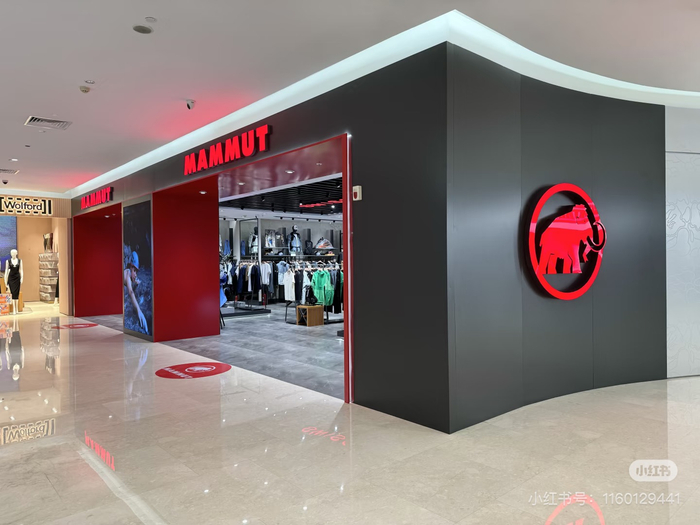
安踏集团能否再下一城?猛犸象收购传闻背后 户外赛道的版图与暗战
Xin Jing Bao· 2026-01-16 21:25
Group 1 - The Swiss outdoor brand Mammut, owned by Jacobs Capital, is reportedly considering a sale with an estimated valuation exceeding €500 million [2][6] - Anta Group is viewed as a potential buyer, alongside interest from international sports giants and private equity funds focused on consumer sectors [2][6] - Mammut has a long history since its founding in 1862 and is recognized for high-quality outdoor gear, particularly its Ultimate series [3] Group 2 - Mammut's parent company, Conzzeta Group, previously attempted to sell the brand in 2019 as part of a strategic shift, leading to uncertainty about its future [4] - In 2021, Telemos Capital acquired Mammut, but the brand is now facing operational challenges and financial difficulties, prompting the current sale consideration [5][6] - The European outdoor market is mature and has been stagnant, with rising costs and economic downturns affecting smaller brands, leading to asset sales as a solution [6] Group 3 - Mammut has seen significant growth in the Chinese market, with retail sales increasing by 85% in 2023 and projected to rise by 97% in 2024 [8] - The brand opened its first new concept store in China in 2021 and plans to continue expanding, with at least 15 new stores opened in the third quarter of 2025 [8] - Despite success in China, Mammut's European operations are struggling, leading to the decision to explore a sale [8] Group 4 - Anta Group has built a strong presence in the outdoor sector, with various brands under its umbrella, and acquiring Mammut could enhance its market position [9] - The competitive landscape in China's outdoor market is intensifying, with various brands vying for market share, and Mammut's potential acquisition could be strategic for Anta [9][12] - The outdoor sports market in China is projected to grow significantly, with the market size expected to reach ¥598.9 billion by 2025 and ¥896.3 billion by 2030 [9]

猛犸象被传出售,想收购户外品牌的人都激动了
Xin Lang Cai Jing· 2026-01-13 12:08
Core Viewpoint - Jacobs Capital is exploring the sale of the Swiss outdoor brand Mammut, with a transaction valuation exceeding €500 million (approximately ¥4.1 billion) [1][4]. Company Overview - Mammut is recognized as one of the few high-quality outdoor brands globally, established in 1862, and is often compared with Arc'teryx and Montbell [3]. - The brand has a unique advantage in offering a wide range of products, unlike competitors such as Arc'teryx and Millet [3]. Financial Performance - In 2020, Mammut's global sales amounted to CHF 218 million (approximately ¥1.9 billion) [4]. - The brand's sales in China are projected to grow significantly, with expected year-on-year increases of 85% and 97% in 2023 and 2024, respectively, and maintaining over 80% growth in 2025 [5]. Market Position - Mammut's pricing strategy is more accessible compared to high-end brands, with its main price range for online products between ¥1,000 and ¥3,000 [5]. - The brand has opened 61 stores in China, primarily through authorized distribution channels, indicating a rapid expansion in the market [5][6]. Competitive Landscape - Despite recent growth, Mammut's offline store presence and quality are still behind competitors like Arc'teryx and Kailas, which have more extensive networks and higher-end store placements [6]. - The brand's marketing strategy includes appointing a celebrity spokesperson, but it lacks the strong professional athlete endorsements seen with competitors [6][8]. Growth Potential - The Chinese outdoor market presents significant growth opportunities, with the sports footwear and apparel market expected to reach ¥437.7 billion by 2025, growing at an average rate of 3.8% from 2026 to 2028 [8]. - Experts suggest that acquiring Mammut could provide Chinese companies with a pathway to expand globally, leveraging its international influence [8]. Acquisition Interest - Anta Group has shown interest in acquiring Mammut, but considerations regarding brand positioning and integration with existing brands are crucial [9]. - The potential acquisition could allow Anta to capture market share from higher-end brands like Arc'teryx, given Mammut's price advantage [9].
国泰海通 · 晨报260113|纺服、化妆品、速冻食品、计算机
国泰海通证券研究· 2026-01-12 14:01
Group 1: Nike and Adidas Market Dynamics - Nike and Adidas are key players in the global sportswear sector, influencing the investment landscape of the A+H textile and apparel sector through their strategic directions and performance fluctuations [2] - The manufacturing side shows a high concentration of leading OEM brands, with Nike and Adidas collectively contributing over 30% to the market, impacting suppliers' capacity utilization and performance volatility [2] - The retail landscape in Greater China is reshaped by the brand momentum of Nike and Adidas, which directly affects the competitive landscape and market share of domestic sports brands [3] Group 2: Supply Chain and Channel Resilience - Core retailers in Greater China, such as Tmall and Baosheng, have deep financial ties with Nike and Adidas, where the inventory cycles and discount strategies of the brands dictate the profitability of these channel partners [4] - The report reviews the fundamental recovery paths of Nike and Adidas over the past five years, considering impacts from the pandemic, Xinjiang cotton events, management changes, and tariff negotiations, to predict future industry trends and their effects on the supply chain and channel partners [4] Group 3: GEO Marketing and E-commerce Opportunities - The shift from SEO to GEO (Generated Engine Optimization) marketing presents significant opportunities for e-commerce operators, who can leverage their understanding of platforms and content marketing to meet brand marketing needs [8] - The Chinese GEO market is rapidly growing, with a projected 215% year-on-year increase by Q2 2025, as over 78% of enterprise decision-makers prioritize AI search optimization in their digital transformation strategies [10] - The transition to GEO is expected to reshape user decision-making paths, with AI-driven recommendations significantly improving customer acquisition conversion rates by 2.8 times compared to traditional search engines [10] Group 4: Food Supply Sector Recovery - The food supply sector has passed its worst phase, with competition becoming more rational, and leading companies are making progress in new products, channels, and markets [14] - The consensus is forming around a slowdown in competition, with the sector's profit margins rebounding in Q3 2025, indicating a potential for recovery in demand and market conditions [15] - The focus on new products and channels is expected to drive growth, with the potential for a "Davis double" effect if performance exceeds expectations amid a low valuation environment [15]
12月美国消费高基数下显示韧性,航空出行人数同比微降0.1%
GUOTAI HAITONG SECURITIES· 2026-01-11 12:42
Investment Rating - The industry investment rating is "增持" (Buy), indicating a positive outlook compared to the benchmark index [45]. Core Insights - In December 2025, U.S. apparel consumption showed resilience despite a high base from the previous year, with a slight year-on-year decline of 0.1% in air travel passengers [4][5]. - Fast Retailing reported FY26Q1 results that exceeded expectations, with revenue of 1,027.7 billion JPY, a year-on-year increase of 14.8%, and a net profit of 147.4 billion JPY, up 11.7% [4][5]. - The report highlights three main investment lines in the domestic market: focusing on quality leaders with low valuations, light luxury brands benefiting from structural growth, and low-valuation high-dividend companies [5]. Summary by Sections Industry Data Tracking - In November 2025, China's retail sales of clothing increased by 4.5%, while textile exports decreased by 5.2% [18][21]. - The U.S. retail data for December 2025 showed a same-store sales growth of 3.1%, with apparel and accessories stores also growing by 3.1% [5][21]. Key Announcements and News - Fast Retailing's performance in FY26Q1 was driven by strong sales across all regions, with notable growth in North America and Europe [4][5]. - The report mentions that Nike executives have recently purchased shares, signaling confidence in the company's recovery [38][39]. Recommended Stocks and Valuation Forecasts - Recommended stocks include Anta Sports, Li Ning, and Xtep International, all rated as "增持" (Buy) with projected PE ratios decreasing over the next few years [16][18]. - The textile and apparel sector's current PE ratio is 20.80, which is below the historical average of 24.59 [17].
分野与突围:中国鞋业洗牌期,中小鞋企生存法则——对话升维咨询
首席商业评论· 2026-01-08 04:27
Core Viewpoint - The article discusses the significant transformation in the Chinese footwear industry, highlighting a shift from traditional consumption patterns to a focus on comfort, functionality, and health, which reflects broader changes in consumer values and aesthetics [6][10]. Group 1: Market Dynamics - The Chinese footwear industry produced 13 billion pairs of shoes in 2024, accounting for over 54% of global production and 62.20% of exports, maintaining its position as the world's largest producer and exporter [7]. - There is a stark contrast in market performance, with traditional shoe brands facing declining sales while specialized sports brands experience high demand, indicating a bifurcation in consumer preferences [6][10]. - The article notes that many small and medium-sized shoe enterprises are struggling due to overcapacity and a mismatch between traditional business models and evolving consumer demands [11][12]. Group 2: Consumer Behavior Changes - Consumers are increasingly seeking shoes that meet specific needs for different occasions, moving away from the previous model where one type of shoe sufficed for multiple activities [12][15]. - The demand for specialized footwear has led to a clear market divide: generic styles are struggling to sell, while technologically advanced products are in high demand, indicating a shift towards professionalization and high-end offerings in the market [16][18]. Group 3: Industry Challenges - The article identifies three critical disconnects affecting small and medium-sized shoe companies: a structural mismatch between traditional capabilities and new market demands, supply chain issues, and a lack of genuine innovation [11][20]. - Many companies are trapped in outdated operational models, relying on low-cost production and imitation rather than investing in brand development and innovation [18][20]. Group 4: Strategic Recommendations - Companies are encouraged to undergo systemic restructuring, focusing on strategic clarity, capability enhancement, and dynamic long-termism to adapt to market changes [27][39]. - The article emphasizes the importance of understanding unique value propositions and targeting specific consumer segments to create competitive advantages [28][32]. - It suggests that successful companies will be those that maintain a strong commitment to quality, leverage data-driven decision-making, and remain open to learning from other industries [43][44]. Group 5: Future Outlook - The article concludes that the future of the footwear industry will favor companies that can create real, perceivable value for consumers, moving away from traditional competitive strategies based on scale and cost [46][57]. - It highlights the necessity for businesses to innovate continuously and adapt to changing consumer needs, emphasizing that those who can effectively address these challenges will thrive in the evolving market landscape [49][50].

又一高端品牌进入中国,李宁出手,硬刚始祖鸟
3 6 Ke· 2026-01-08 00:21
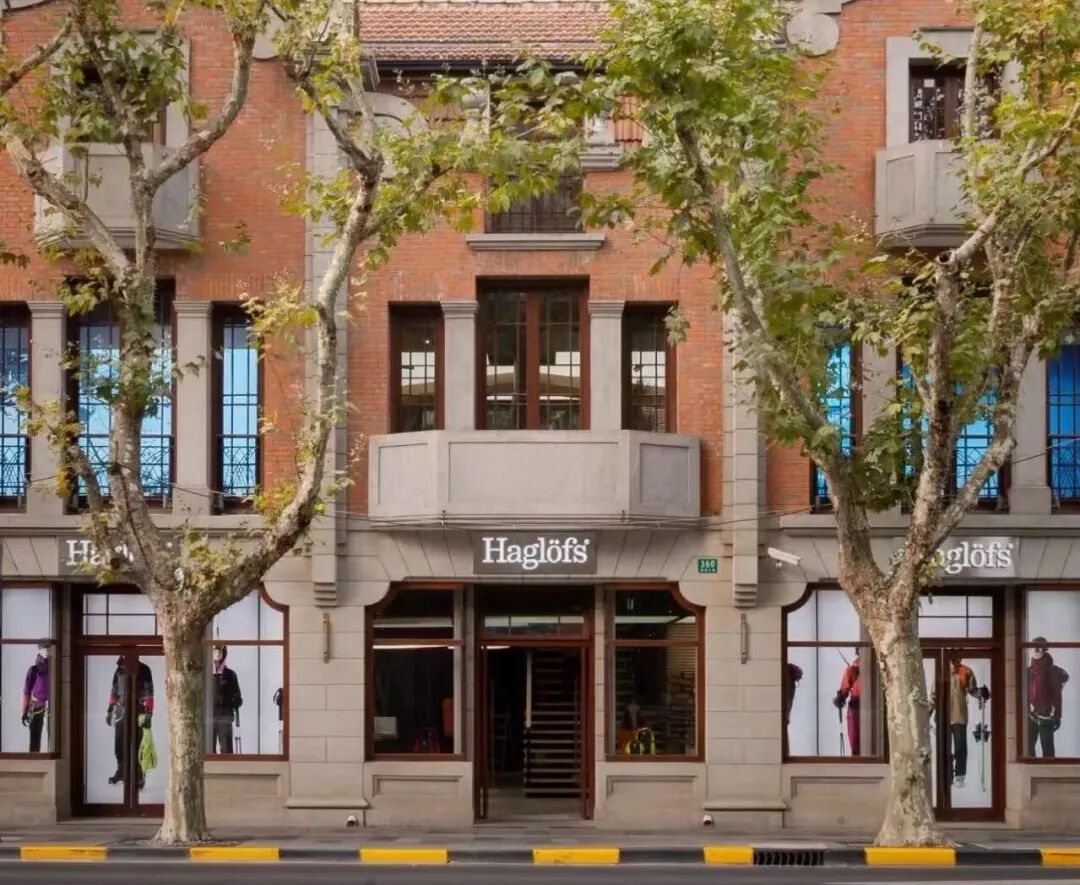
Core Insights - Haglöfs, a Swedish outdoor brand, opened its first VASA concept store in Shanghai, marking its significant return to the Chinese market and the establishment of its 21st offline store in the country [1][3] - The brand aims to expand rapidly, with plans to open 25 stores by the end of 2025 and 50 stores by mid-2026, alongside launching flagship stores on major e-commerce platforms [3][10] - The Chinese outdoor market is projected to grow from 598.9 billion yuan in 2025 to 896.3 billion yuan by 2030, indicating a favorable environment for outdoor brands [3] Company Strategy - Haglöfs emphasizes a "one brand, one voice" strategy, avoiding limited editions and maintaining consistent pricing across online and offline channels to build consumer trust [11][13] - The brand's product pricing ranges from 2,000 yuan to over 6,000 yuan, positioning itself in the mid-to-high-end market, directly competing with premium brands like Arc'teryx [9][10] - The partnership with Li Ning's subsidiary, which holds a 50% stake in a joint venture for Haglöfs' operations in China, allows for resource sharing and operational flexibility [10][14] Market Dynamics - The outdoor market in China has seen a shift from niche to mainstream, with over 400 million participants in outdoor activities, indicating a growing consumer base [15][19] - Haglöfs faces intense competition from established brands like Anta and The North Face, as well as emerging domestic brands that are rapidly gaining market share [17][19] - The brand's unique selling proposition lies in its alignment with the trend of "outdoor lifestyle," appealing to consumers seeking both functionality and style [19] Expansion Plans - The VASA concept store in Shanghai is strategically located in a high-end shopping district, targeting affluent consumers and enhancing brand visibility [5][6] - Future store openings will focus on first-tier and new first-tier cities, leveraging current low commercial real estate rents to optimize expansion costs [13][14] - The brand aims to capture a significant market share by establishing a strong presence in key urban centers, supported by Li Ning's established retail network [19][20]