小鹏

Search documents
舜宇光学科技:深度报告:龙头地位稳固,卡位光学创新-20250320
Minsheng Securities· 2025-03-19 16:08
Investment Rating - The report initiates coverage with a "Buy" rating for Sunny Optical Technology (2382.HK) [5][7]. Core Views - Sunny Optical Technology has established itself as a global leader in the optical components and products manufacturing sector, with a diversified business model serving multiple industries including mobile phones, automotive, and security [3][11]. - The company reported a significant revenue increase of 32.1% year-on-year, reaching 18.86 billion RMB in the first half of 2024, alongside a remarkable net profit growth of 147.1% year-on-year, amounting to 1.08 billion RMB [3][17]. - The report highlights the recovery in smartphone demand and the acceleration of AI-driven optical innovations as key growth drivers for the company [4][52]. Summary by Sections 1. Company Overview - Sunny Optical Technology has over 30 years of experience in the optical field and has maintained a strong growth trajectory, ranking among the top 500 companies in China for nine consecutive years [11]. - The company has a comprehensive industrial layout covering design, R&D, production, and sales of optical and related products, with a leading market share in automotive and mobile phone lenses [11][19]. 2. Smartphone Market Recovery - The report notes a recovery in global smartphone demand, with a shift towards high-end models driving growth in optical system requirements [4][38]. - The company has positioned itself well within the Apple supply chain and continues to hold a critical role among mainstream Android manufacturers, benefiting from optical innovations [4][46]. 3. Automotive Optical Market - Sunny Optical's automotive optical business has seen rapid growth, with revenues increasing from 1.56 billion RMB in 2018 to 5.28 billion RMB in 2023, reflecting a CAGR of 27.7% [65]. - The report emphasizes the importance of advanced driver-assistance systems (ADAS) and the increasing demand for high-precision sensors as key factors driving the automotive optical market [65][73]. 4. XR Product Development - The company is expanding its product matrix in the XR (AR/VR) space, which is expected to become a significant growth driver as the market matures [5][30]. - Continuous R&D efforts in AR/VR lenses and optical modules are aimed at enhancing user experience and reducing costs [5][56]. 5. Financial Forecast and Valuation - The report projects revenues of 38.89 billion RMB, 43.37 billion RMB, and 47.66 billion RMB for 2024, 2025, and 2026 respectively, with corresponding net profits of 2.69 billion RMB, 3.49 billion RMB, and 4.25 billion RMB [5][6]. - The expected price-to-earnings ratios for the years 2024, 2025, and 2026 are 32, 25, and 20 respectively, indicating a favorable valuation outlook [5][6].

呼和浩特生娃奖励政策会全面铺开吗?
集思录· 2025-03-19 15:29
Group 1 - The article discusses a new generous subsidy policy for childbirth in Hohhot, which includes a one-time payment of 10,000 yuan for the first child, 50,000 yuan for the second child (paid annually until the child is 5 years old), and 100,000 yuan for the third child or more (paid annually until the child is 10 years old) [1] - This policy represents a significant shift in government investment focus from infrastructure to promoting childbirth and consumer spending [1] - The financial burden of this subsidy is manageable for Hohhot, with an estimated cost of less than 2 billion yuan if the birth rate is conservatively calculated at 8 per thousand [1] Group 2 - There is speculation about whether this subsidy policy will be replicated in other cities, particularly in poorer regions like Guangdong's eastern and western areas, where many families might be encouraged to have more children if similar subsidies are introduced [1] - Concerns are raised about the effectiveness of simply providing financial incentives, as it may primarily benefit low-income groups, while the middle class may still hesitate to have more children due to job security and housing concerns [3] - The article highlights the need for comprehensive support beyond financial incentives, such as addressing work-life balance and ensuring job security for families [7]


充电比加油快,比亚迪要革燃油车的命
华尔街见闻· 2025-03-18 10:51
Core Viewpoint - BYD has launched the Super e-platform, aiming to achieve charging speeds comparable to refueling gasoline vehicles, thereby addressing consumer concerns about charging efficiency and range anxiety [1][9][12]. Group 1: Technological Advancements - The Super e-platform includes a high-voltage architecture, flash charging battery, megawatt flash charging system, and a high-speed electric motor, positioning BYD at the forefront of global electric vehicle technology [1][2][6]. - The megawatt flash charging system can achieve a maximum charging power of 1MW (1000kW), significantly surpassing competitors like Tesla and Xiaopeng [5][6]. - BYD's flash charging battery features advanced technologies that reduce internal resistance and heat generation, enhancing battery life and performance [7][8]. Group 2: Market Positioning - BYD's introduction of the Super e-platform is seen as a strategic move to solidify its leadership in the electric vehicle market, especially against competitors like Geely and Changan [4][10]. - The upcoming models, Han L EV and Tang L EV, are expected to disrupt the B-segment market with performance metrics that rival high-end sports cars, further challenging the relevance of traditional gasoline vehicles [8][10][11]. Group 3: Consumer Impact - The rapid charging capabilities are intended to alleviate consumer concerns regarding electric vehicle usability, potentially increasing adoption rates among hesitant buyers [12][13]. - BYD aims to create a "fast charging popularization" effect in the mid-range market, which could further diminish the market share of gasoline vehicles [13][15]. Group 4: Infrastructure and Future Outlook - BYD plans to establish 4000 megawatt charging stations, although the timeline for this rollout remains unspecified [15]. - The success of BYD's charging technology will depend on the development of supporting infrastructure and the ability to meet consumer expectations for charging speed and efficiency [15][16].


比亚迪发布10C快充电池,“油电同速”竞赛开启
高工锂电· 2025-03-18 10:43
Core Viewpoint - BYD's new 10C fast charging technology sets a new benchmark for electric vehicle charging speed, significantly narrowing the gap between electric and fuel vehicles in terms of refueling experience [5][9] Group 1: Battery Technology - The second-generation blade battery features a shift from long blade design to short blade design, effectively reducing internal resistance [2] - Key innovations include optimization of electrode materials, with a focus on enhancing conductivity and performance under high temperatures [2][3] - The introduction of a composite temperature control system improves heat dissipation by up to 90%, addressing the thermal challenges of high-speed charging [3][4] Group 2: Charging Infrastructure - BYD plans to build over 4,000 "Megawatt Flash Charging Stations" with a maximum charging power of 1,360 kW, enhancing the overall charging ecosystem [4][5] - The company is developing supporting energy storage systems to ensure stable operation of the fast charging network [4] Group 3: Market Positioning and Strategy - The cost of the second-generation blade battery is expected to increase by approximately 8%, with overall vehicle costs rising by 6%-7% due to the high-voltage battery system [5][6] - Initial deployment of the 10C technology will focus on high-end models, with plans to extend to models priced below 200,000 yuan by 2026 [5][6] - The industry anticipates that mainstream upgrades in fast charging technology will primarily focus on 5C and 6C levels this year, while BYD's 10C technology accelerates competition in the high-end market [6][8] Group 4: Competitive Landscape - The introduction of the 10C technology increases competitive pressure on battery manufacturers, requiring them to develop comprehensive system solutions rather than just high C-rate batteries [8] - The collaboration between CATL and NIO highlights the competitive dynamics in the refueling sector, emphasizing two core development paths: ultra-fast charging and standardized battery swapping networks [9]
存储大厂涨价,关注存储产业链
Huafu Securities· 2025-03-18 00:54
Investment Rating - The report maintains an "Outperform" rating for the electronic industry [5] Core Insights - The storage manufacturers have announced price increases, indicating a potential rebound in storage prices. Sandisk plans to raise prices by over 10% starting April 1, 2025, reflecting the upward trend in NAND Flash wafer prices due to supply constraints and reduced inventory [9] - The mismatch in supply and demand is identified as a primary reason for the price increase in storage. Major manufacturers like Micron and Samsung are reducing production, with Micron expecting a decline in NAND shipments in Q2 2025 and Samsung cutting its supply by 10%-15% [9] - The demand for storage is surging due to increased capital expenditures in AI, with major companies like Meta, Google, Amazon, and Microsoft projected to spend a total of $297.2 billion in 2025, a 36.8% increase year-on-year [9] - The widening supply-demand gap in the storage market is expected to reverse previous pessimistic forecasts, potentially leading to a new investment cycle in the storage sector [9] Summary by Sections Market Performance - The electronic industry index decreased by 0.62% in the week of March 10-14, 2025, ranking among the bottom three sectors [12] - The semiconductor sector saw a decline of 2.11%, while the components sector experienced the highest increase of 6.68% [14] Industry Dynamics - The semiconductor sector is undergoing significant changes, including the appointment of a new CEO at Intel and the rise of Northern Huachuang to the sixth position among global semiconductor equipment suppliers [32][39] - Northern Huachuang is the only Chinese semiconductor equipment manufacturer in the top ten, with a projected 39.4% growth in sales for 2024 [39] - The report highlights the impact of geopolitical tensions on the semiconductor industry, with U.S. tariffs prompting companies to relocate manufacturing to the U.S. [35] Consumer Electronics - Apple faces challenges in the Chinese market, with a projected 2% decline in iPhone sales in 2025 and a significant drop of 31.7% in wireless earphone sales [52][55] - The report notes that Apple is losing market share to domestic brands like Xiaomi and Huawei, which offer more affordable alternatives [55] Automotive Electronics - Global automotive sales increased by 49% in February 2025, reaching 1.2 million units, despite challenges posed by EU tariffs on Chinese electric vehicles [60] - NIO has implemented a 10% workforce reduction, reflecting broader trends in the automotive sector [63]
ZAuto丨2月汽车销量盘点:小鹏再度领跑,华为略显疲软,环比大幅度下滑
Z Finance· 2025-03-17 08:30
Key Points - Xiaopeng's February sales reached 30,453 units, a year-on-year increase of 570%, maintaining the top position among new energy vehicle manufacturers [1] - BYD led traditional automakers with total sales of 322,848 units, a year-on-year growth of 164% [1] - Aion was one of the few brands to show a month-on-month growth of 45%, demonstrating strong performance [1] - Huawei's HarmonyOS vehicle sales were 20,000 units in February, a month-on-month decline of 39%, with several models' sales closely matching those of Xiaomi's single model, indicating a slight fatigue in performance [1] Sales Data Summary - BYD's total sales included 304,673 units from the Dynasty and Ocean series, with a year-on-year increase of 1,167% and a month-on-month growth of 10% [1] - Geely's total sales reached 204,910 units, with a year-on-year increase of 84% but a month-on-month decline of 23% [1] - Chery's total sales were 171,085 units, showing no year-on-year growth and a month-on-month change of 0% [1] - Great Wall's total sales amounted to 77,883 units, reflecting a year-on-year increase of 10% but a month-on-month decline of 4% [1] - Aion's sales were 20,863 units, with a year-on-year increase of 25% and a month-on-month growth of 45% [1]

21独家!李斌内部讲话详解组织变革:“要把蔚来的尊严挣回来”
21世纪经济报道· 2025-03-17 07:50
Core Viewpoint - NIO's CEO Li Bin emphasized the need for organizational efficiency and cost control through the implementation of "Cell Business Units" (CBU) to enhance operational awareness and achieve profitability by Q4 2024 [3][4][5]. Summary by Sections Organizational Changes - NIO is introducing the CBU mechanism to break down operations into distinct units, each with clear ROI metrics and performance incentives [3][5][10]. - The CBU system aims to eliminate inefficiencies and ensure that resources are allocated effectively, focusing on high-return projects while minimizing low-return investments [10][12][14]. Financial Goals - Li Bin has set a target for NIO to achieve quarterly profitability by Q4 2024, with a long-term goal of profitability by Q3 2026 [3][4][5]. - The company plans to streamline costs and improve investment returns, with a focus on understanding the financial impact of each project [10][12]. Product and Market Strategy - NIO will enter a busy product launch phase starting in April, with new models expected to influence market dynamics [8]. - The company is also accelerating the construction of battery swap stations, aiming for comprehensive coverage [8]. Learning from Competitors - Li Bin acknowledged that NIO has lagged in operational efficiency compared to competitors and expressed a commitment to learning from industry leaders [5][9]. - The company aims to adopt a more disciplined approach to project management and investment decisions, moving away from emotional judgments [12][14]. Employee Engagement and Accountability - NIO is implementing a system for employees to report their work hours linked to specific projects, enhancing accountability and project cost tracking [11][13]. - Li Bin stressed the importance of a cultural shift within the company, encouraging employees to embrace the new management practices and focus on high-impact projects [14][19].

聚焦3·15|政策引导、企业协力,破解新能源车“难买、难用、难卖”痛点
Zhong Guo Jing Ji Wang· 2025-03-14 11:08
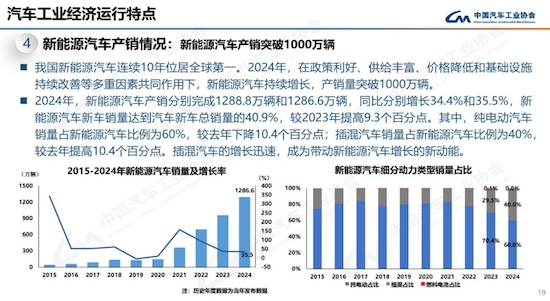
Core Insights - In 2024, China's new energy vehicle (NEV) sales are projected to exceed 10 million units for the first time, reaching 12.866 million units, with a strong growth trend continuing into 2025 [1] - The rapid expansion of the NEV market has exposed various issues across the entire supply chain, from sales to recycling [3] - Consumer acceptance, industry guidance, and corporate strategies are critical in addressing the challenges faced by the NEV sector [4] Market Dynamics - The competition in the NEV market is intensifying, pushing companies to enhance their technological capabilities and accelerate product iterations [4] - A survey indicated that price fluctuations have become a significant complaint among consumers, highlighting marketing shortcomings within NEV companies [4] Consumer Sentiment - Following the launch of BYD's advanced driving system, many recent buyers expressed dissatisfaction, claiming misleading sales practices regarding product iterations [5] - Similar complaints have emerged from owners of other brands, such as XPeng and NIO, regarding pricing and configuration discrepancies between new and existing models [6][7][8][9] Charging Infrastructure - As of the end of 2024, China is expected to have 12.818 million charging facilities, leading globally in both total numbers and vehicle-to-charging station ratios [11] - Despite the growth in charging infrastructure, issues such as peak-time shortages and inconsistent quality remain prevalent [11][12] Insurance Challenges - The high costs associated with the maintenance and repair of NEVs have led to increased insurance premiums, causing dissatisfaction among consumers [14][15] - Recent regulatory efforts aim to lower the costs of NEV insurance and improve service levels, with many car manufacturers entering the insurance market to offer tailored products [17] Second-Hand Market - The second-hand market for NEVs is facing challenges, including low residual values and liquidity issues, exacerbated by rapid technological advancements [18] - In 2024, the transaction volume of second-hand NEVs reached 1.1285 million units, marking a 47.9% year-on-year increase [22]
钴价飙升超出行业预期,电解钴价格已回升至2023年11月水平
鑫椤锂电· 2025-03-14 07:40
Core Viewpoint - Cobalt prices have surged beyond industry expectations, with electrolyte cobalt prices returning to levels seen in November 2023, increasing by 60% since the export suspension announcement by the Democratic Republic of Congo [1][2] Group 1: Cobalt Market Dynamics - The price of electrolyte cobalt has risen to 260,000 yuan per ton as of March 14, 2023, reflecting a significant increase since the export suspension on February 24, 2023 [1] - Eurasian Resources Group's marketing agent, Telf AG, has invoked "force majeure" clauses in supply contracts, indicating potential delivery failures due to the export ban [1] - The Congolese government has stated that no further exemptions for cobalt exports will be granted, intensifying supply constraints [1] Group 2: Impact on Battery Materials - The rise in cobalt prices is expected to drive up the prices of ternary batteries, potentially leading manufacturers to favor cheaper lithium iron phosphate batteries, which could accelerate the decline in ternary battery demand [2] - Companies heavily involved in ternary battery production, such as CATL, Zhongchuang Innovation, and Honeycomb Energy, will be significantly affected by these changes [2] - The increase in cobalt prices will also impact companies producing cathode materials and precursors, including Rongbai Technology, Dingsheng Technology, and Xiamen Tungsten [2] Group 3: Northvolt Bankruptcy - Northvolt, a Swedish battery manufacturer, has filed for bankruptcy, marking a significant setback for Western ambitions to achieve self-sufficiency in lithium battery production [3][4] - The company had attracted $15 billion in investments but failed to secure necessary funding for continued operations, leading to asset liquidation [3] - The bankruptcy highlights the vulnerability of the European new energy supply chain and may diminish investor confidence in Western startups in the battery manufacturing sector [4] Group 4: Lithium Battery Market Overview - The lithium battery market is showing signs of slow recovery, with lithium carbonate prices fluctuating around 75,000 yuan per ton and a strong willingness among companies to maintain prices despite high import costs [6][9] - Demand for ternary materials has slightly increased, with a month-on-month growth of approximately 20%, primarily driven by domestic and overseas high-nickel projects [12] - The phosphoric iron lithium market is facing intense competition, leading to price declines despite rising raw material costs, indicating a challenging environment for suppliers [15] Group 5: Price Trends and Future Outlook - The latest prices for key materials as of March 14, 2023, include: - Lithium carbonate: 75,000-76,000 yuan per ton for battery-grade [11] - Ternary materials: 127,000-135,000 yuan per ton for 5-series single crystal [13] - Phosphoric iron lithium: 32,700-33,400 yuan per ton for power-type [16] - The market is expected to remain volatile, with supply chain disruptions and cost pressures influencing future price movements [7][10]


传百度地图与特斯拉合作,提高FSD中国道路适应力;曝腾讯向英伟达采购数十亿元规模H20芯片;英特尔新任CEO陈立武:坚守代工战略
雷峰网· 2025-03-14 00:33
Group 1 - Tesla is reportedly collaborating with Baidu to enhance the adaptability of its Full Self-Driving (FSD) system to Chinese roads, following customer criticism of a recent software update [3] - Tencent is accelerating its AI application efforts by purchasing a significant number of H20 chips from Nvidia, with the order amounting to several billion yuan [5][6] - Xiaopeng Motors has launched the G6 and G9 models at aggressive pricing, aiming to create a "fear of missing out" among consumers [7][8] Group 2 - Intel's new CEO, Lip-Bu Tan, aims to restore the company to a world-class product status and continue its foundry strategy [8][9] - LynxAI, a startup focused on AI solutions for cross-border e-commerce, has secured angel funding from major investors to expand its product offerings [10] - Xiaomi is establishing a research and development center in Munich, Germany, to support its automotive ambitions in Europe [11] Group 3 - Kia's Norwegian branch faced backlash for a controversial post mocking Tesla's CEO Elon Musk, which was later deleted [22][23] - Skoda plans to cut 20% of its workforce due to declining sales and the need to optimize operations amid the shift to electric vehicles [20]